Trust For Personal Property
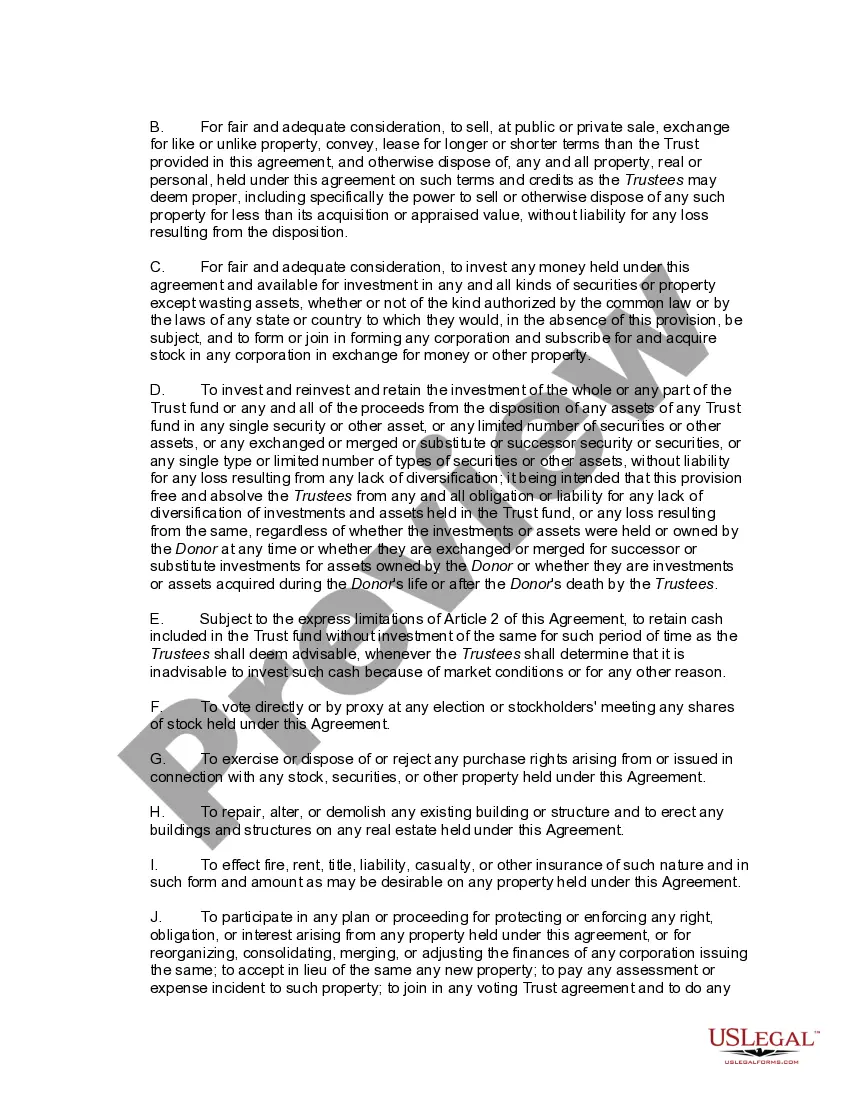
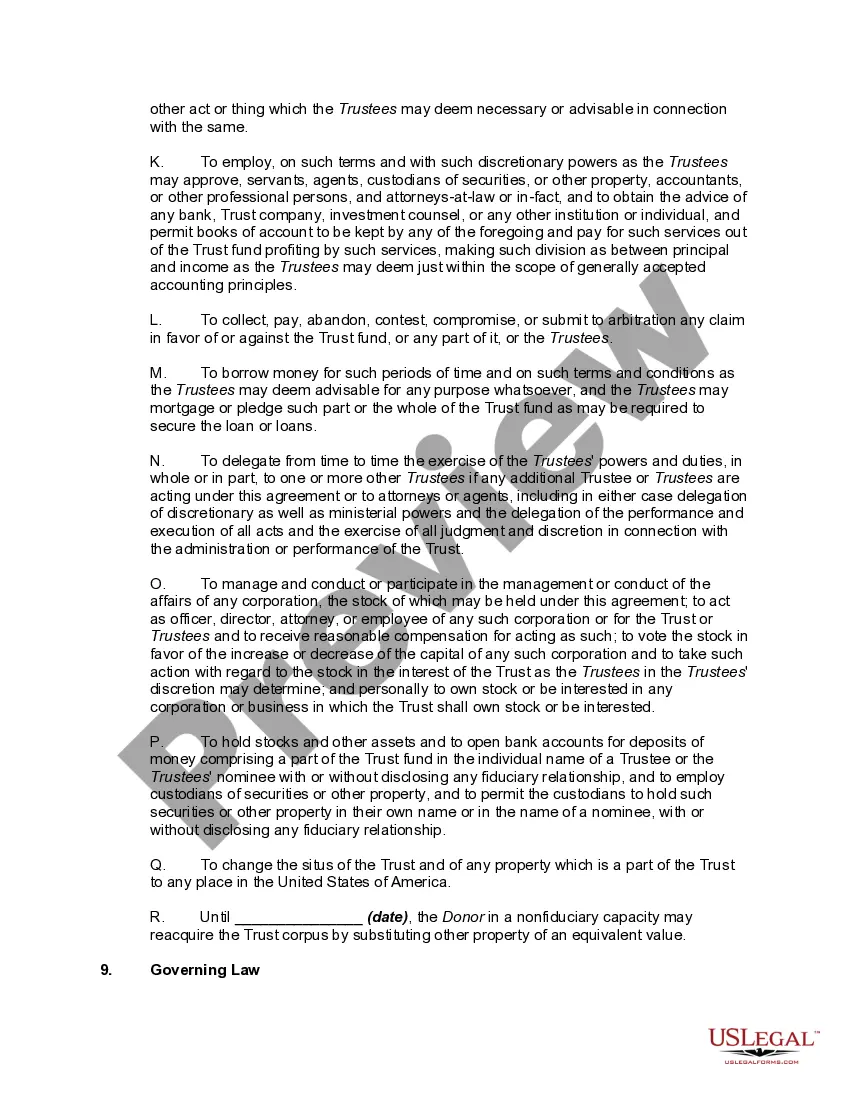
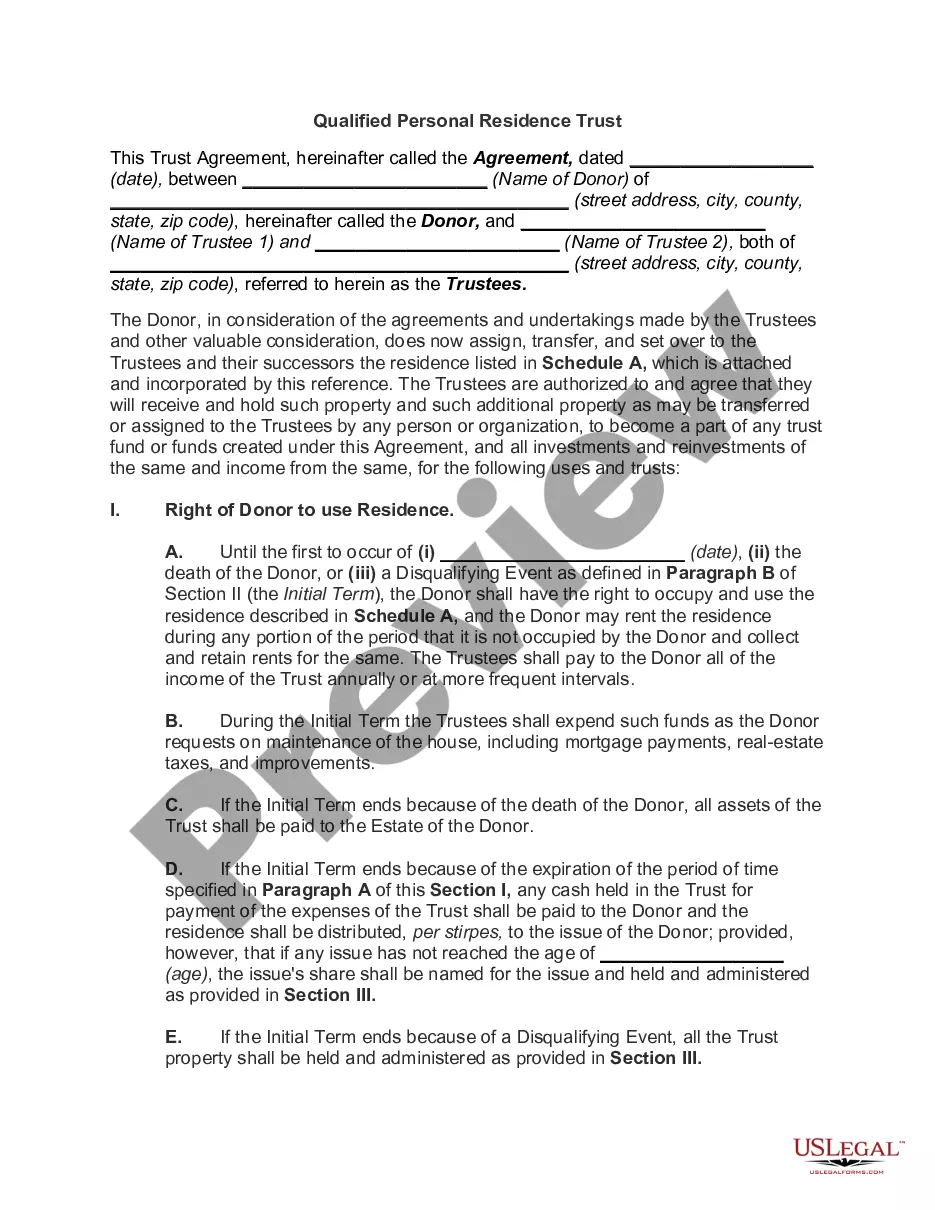
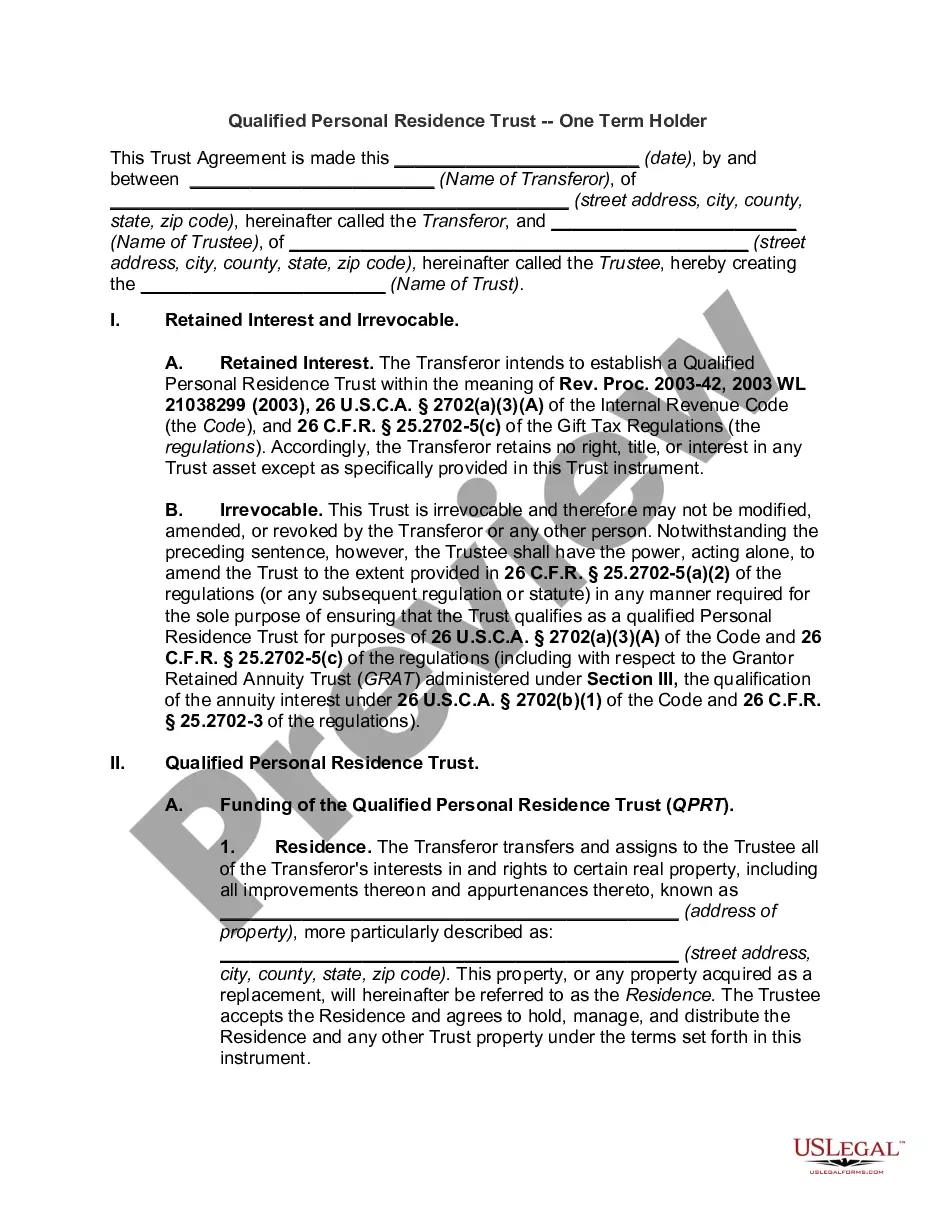
Description
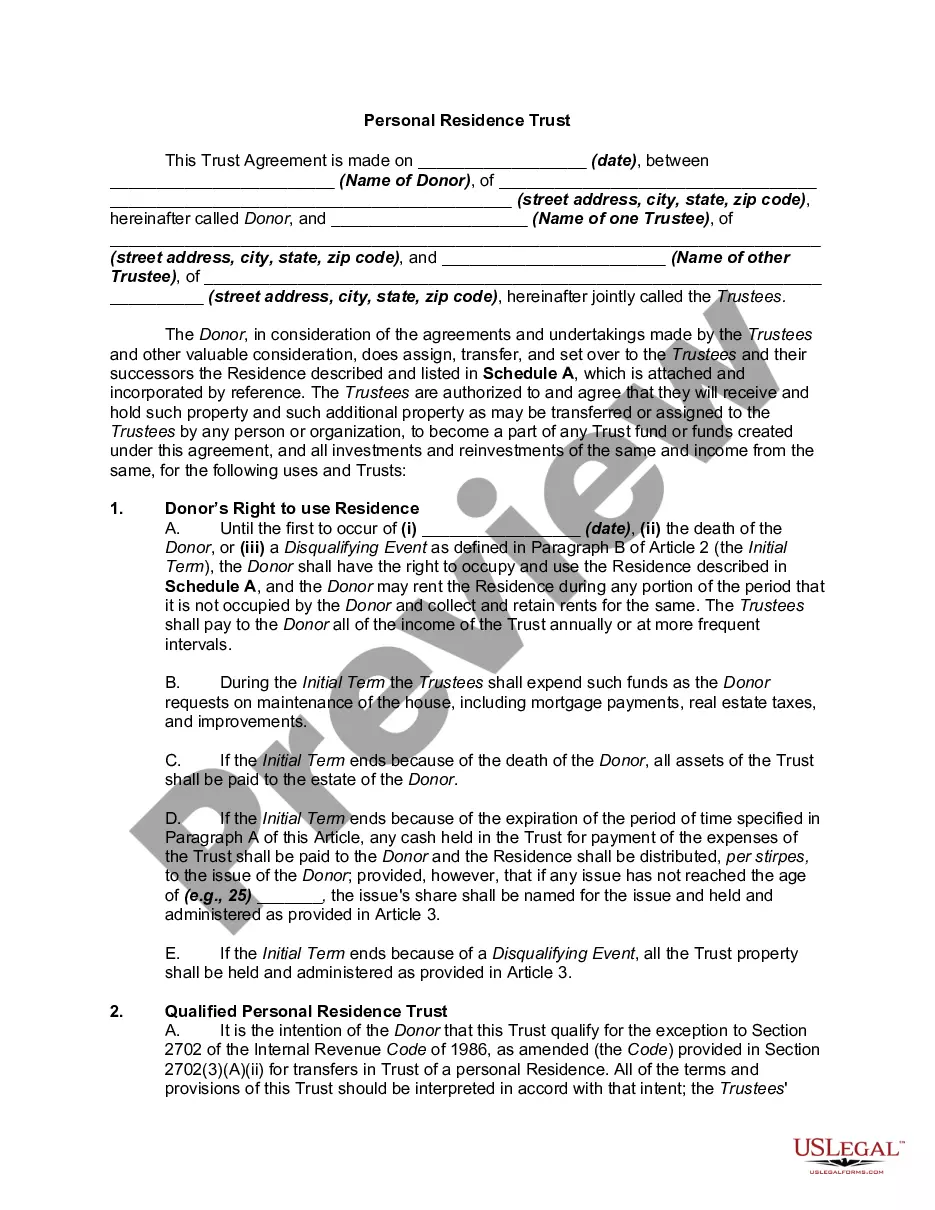
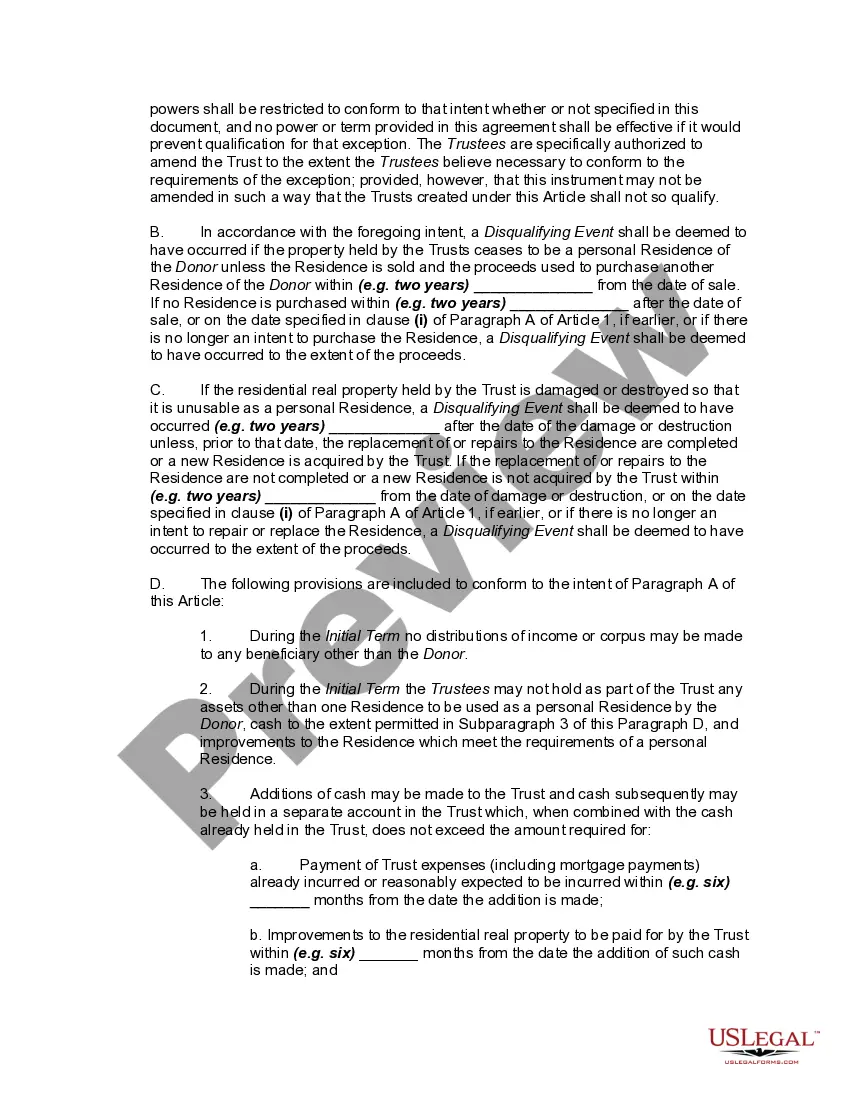
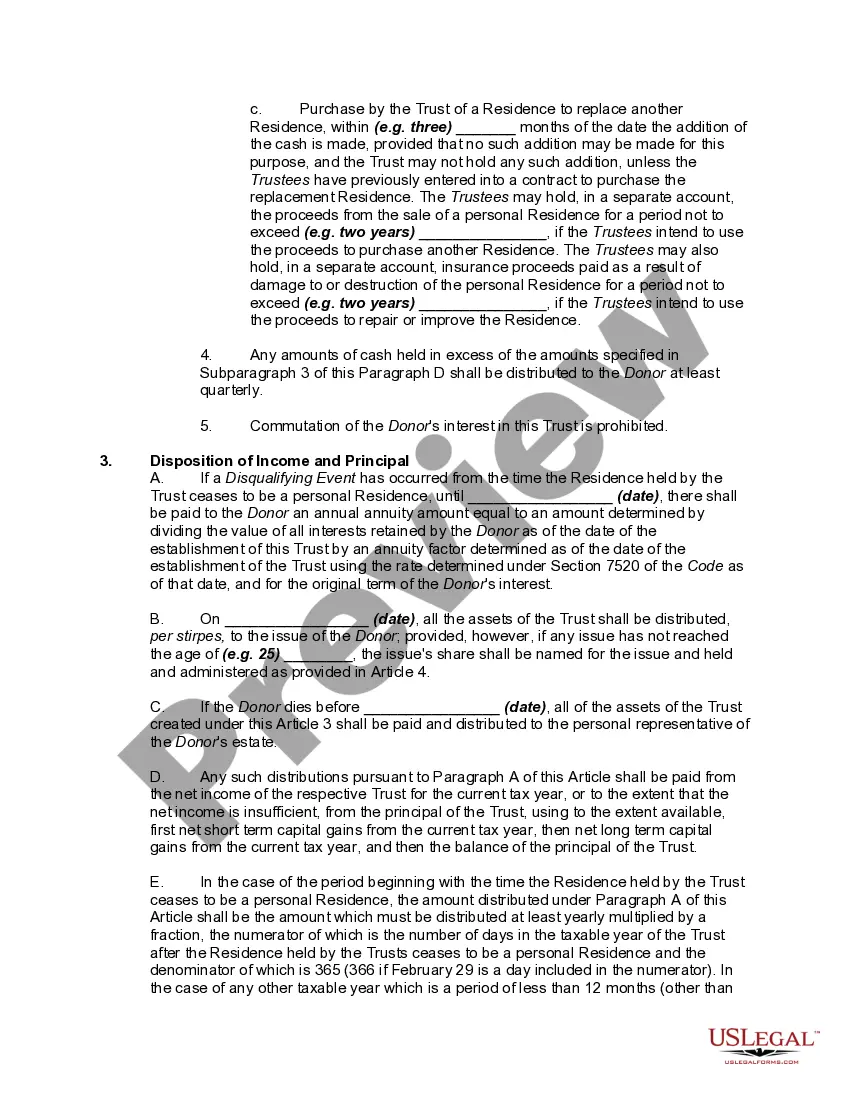
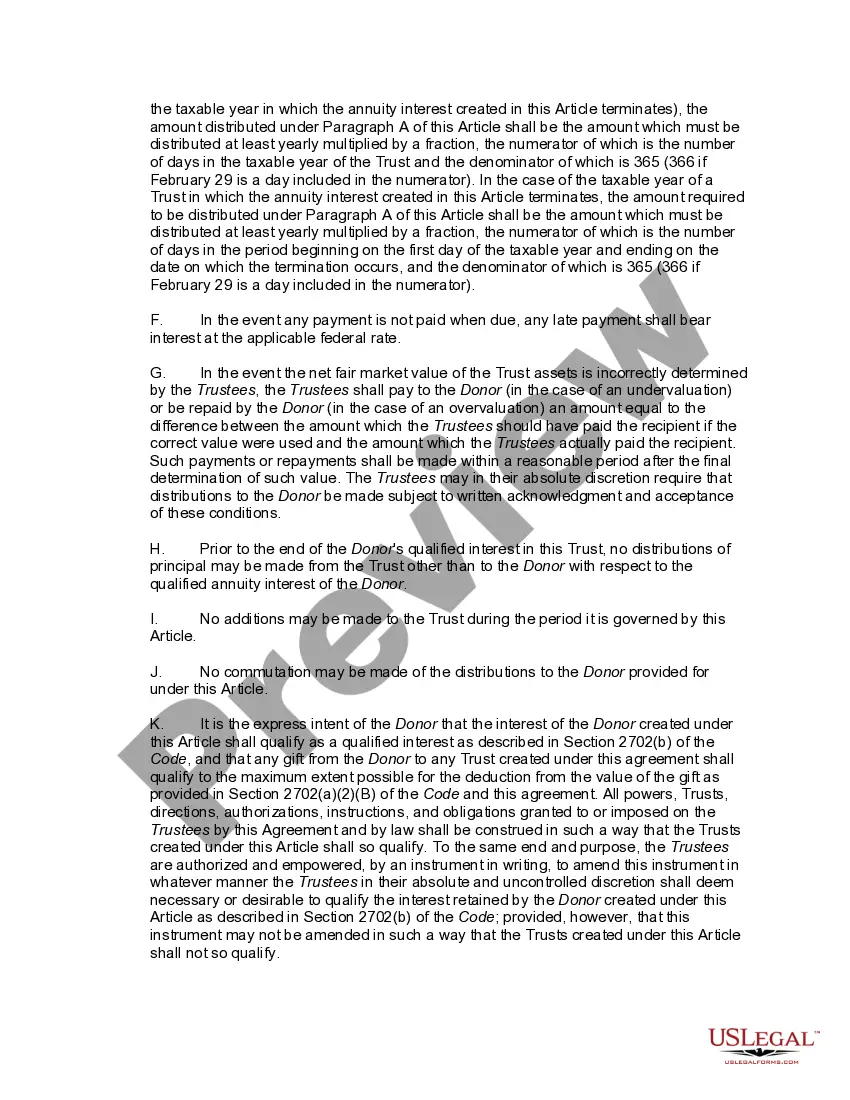

Get your form ready online
Our built-in tools help you complete, sign, share, and store your documents in one place.
Make edits, fill in missing information, and update formatting in US Legal Forms—just like you would in MS Word.
Download a copy, print it, send it by email, or mail it via USPS—whatever works best for your next step.
Sign and collect signatures with our SignNow integration. Send to multiple recipients, set reminders, and more. Go Premium to unlock E-Sign.
If this form requires notarization, complete it online through a secure video call—no need to meet a notary in person or wait for an appointment.
We protect your documents and personal data by following strict security and privacy standards.

Make edits, fill in missing information, and update formatting in US Legal Forms—just like you would in MS Word.

Download a copy, print it, send it by email, or mail it via USPS—whatever works best for your next step.

Sign and collect signatures with our SignNow integration. Send to multiple recipients, set reminders, and more. Go Premium to unlock E-Sign.

If this form requires notarization, complete it online through a secure video call—no need to meet a notary in person or wait for an appointment.

We protect your documents and personal data by following strict security and privacy standards.
Looking for another form?
Form popularity
FAQ
When considering a trust for personal property, it's important to weigh the potential disadvantages. First, establishing a trust can involve upfront costs, including legal fees and trust administration fees. Additionally, you may face ongoing management responsibilities for the assets placed in the trust. Lastly, transferring property into a trust may limit your access to that property during your lifetime, which could affect your financial flexibility.
A personal property trust can include a variety of items, such as family heirlooms, real estate, or valuable collections. For example, you might create a trust for personal property that holds your antique furniture and art collection. This setup ensures that your cherished items are preserved and passed on according to your wishes, eliminating potential conflict among family members.
One of the most common mistakes parents make when establishing a trust for personal property is failing to update the trust as life circumstances change. Whether due to a new child, divorce, or changes in financial status, neglecting to adapt the trust can lead to unintended outcomes for their children. Regularly reviewing your trust ensures that it accurately reflects your wishes and protects your loved ones.
In addition to retirement accounts and life insurance, certain tangible assets may not need to be placed in a trust for personal property. For instance, items like vehicles or collectibles, if not of significant value, may be easier to transfer through direct inheritance. Evaluating the value and nature of your assets is critical before making such decisions.
Yes, placing personal property into a trust can provide significant benefits. A trust for personal property allows for streamlined management and transfer of these assets upon your passing. Additionally, it can help prevent disputes among heirs and ensure your belongings go to the right individuals.
When managing a trust for personal property, it is essential to identify certain assets that shouldn't be included. Typically, retirement accounts, life insurance policies with beneficiaries, and jointly owned real estate should remain outside the trust. Keeping these assets outside can help avoid complications during the estate planning process.
While there are many advantages to placing property in a trust, there are also some potential drawbacks to consider. Setting up a trust can involve upfront costs and may require ongoing management fees. Additionally, transferring your property into a trust can affect how you can access and use it, which may not align with your long-term plans. Understanding these aspects is essential, and using the US Legal Forms platform can simplify the trust creation process to make it easier for you.
When it comes to real estate, a land trust is often considered one of the best options. It helps maintain confidentiality and protects your property from potential claims, while allowing you to control the property through the trust. This type of trust facilitates easy transfer of ownership without the complexities of traditional real estate transactions. Explore how a trust for personal property can provide peace of mind while managing your real estate assets.
The best trust to place your property in often depends on your unique situation and goals. A revocable living trust is popular, providing flexibility and control while allowing for easy management of your assets during your lifetime. This type of trust helps your property avoid probate, ensuring a smoother transition for your beneficiaries. Consider consulting with a legal expert to find the best trust for personal property that aligns with your needs.
Holding property in a trust for personal property has notable advantages, such as asset protection, avoidance of probate, and greater control over distribution. However, it may also include disadvantages like setup complexity and potential costs. Understanding both sides is essential for making an informed choice. To navigate this landscape, consider leveraging resources from uslegalforms for personalized assistance.