Personal Property Trust For Privacy
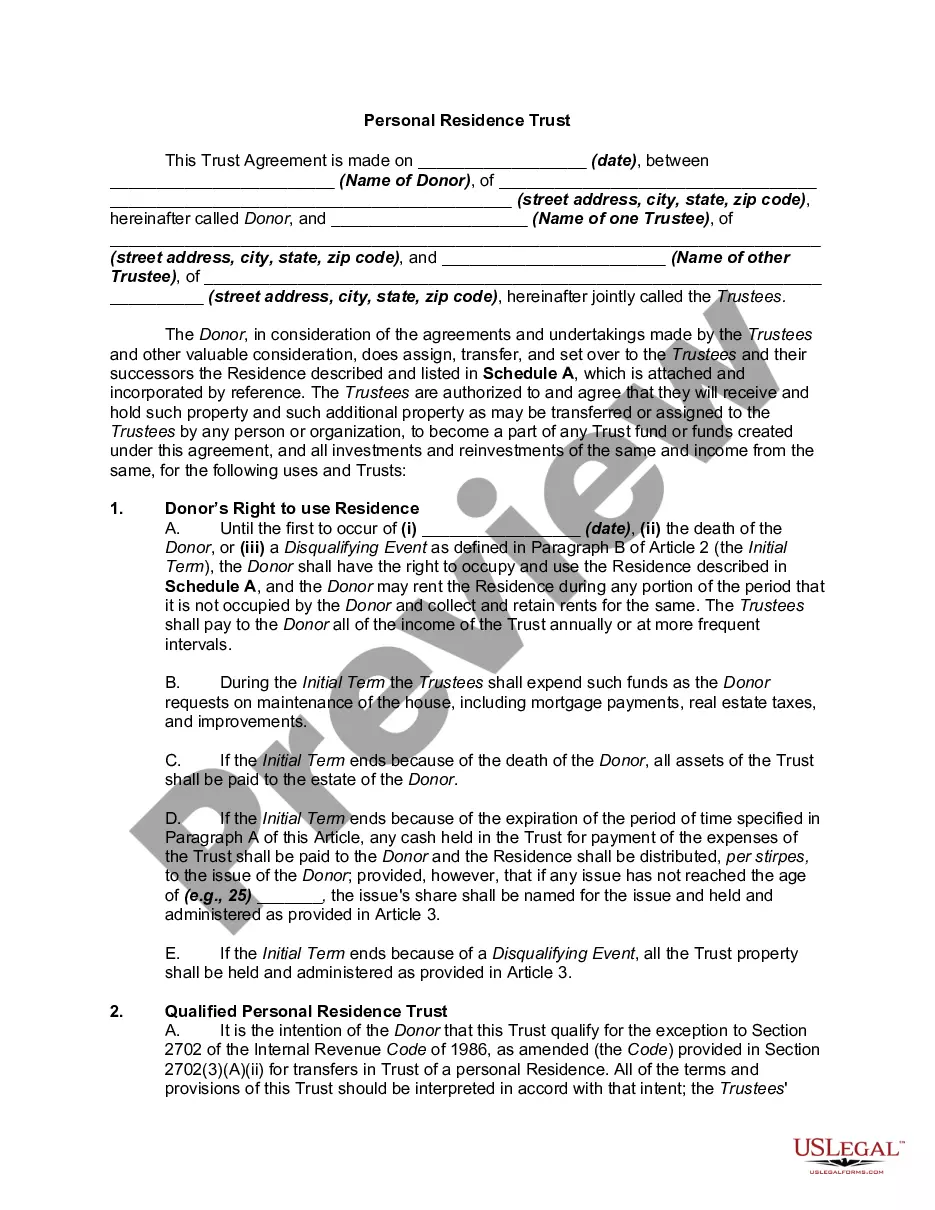
Description
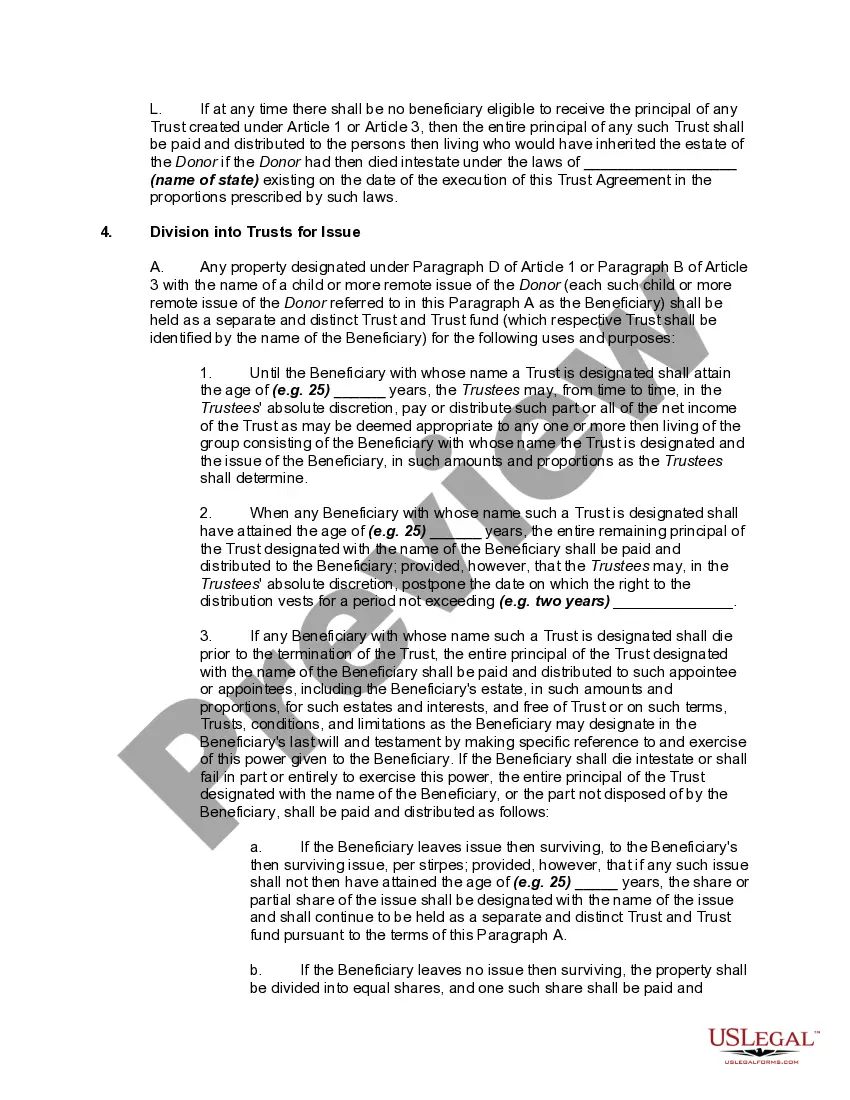
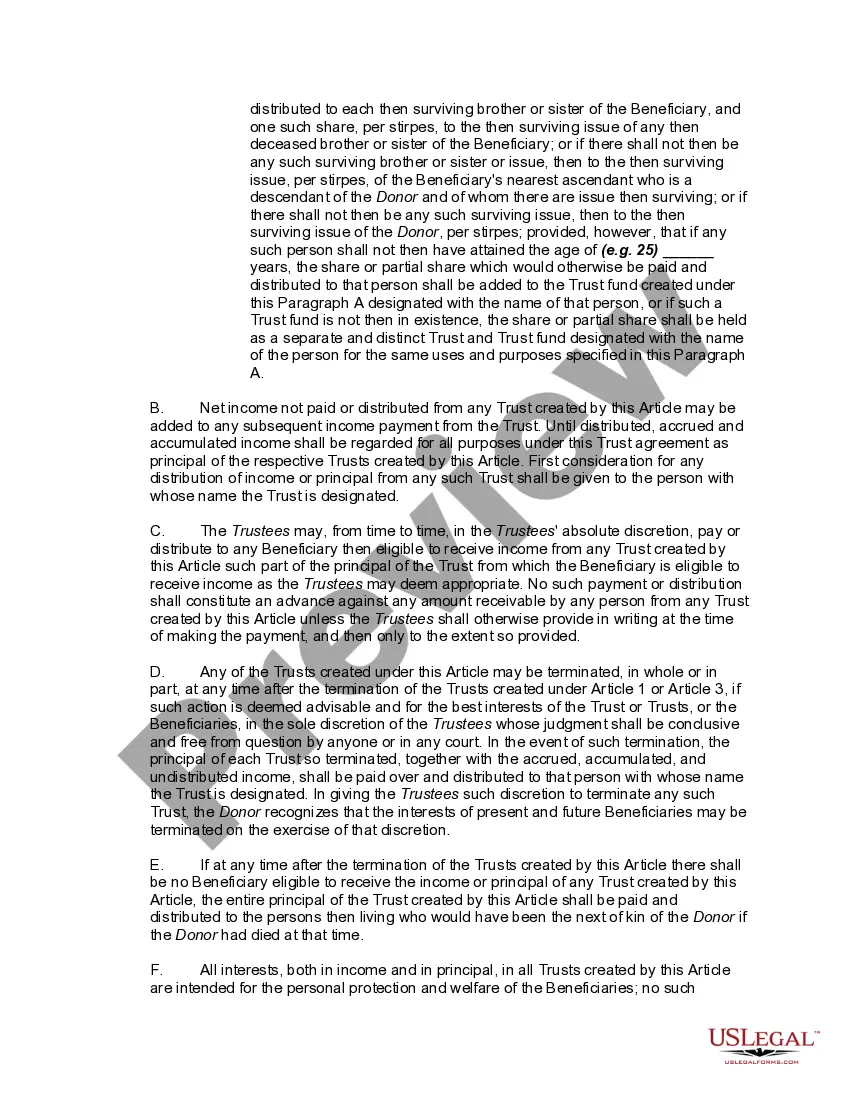
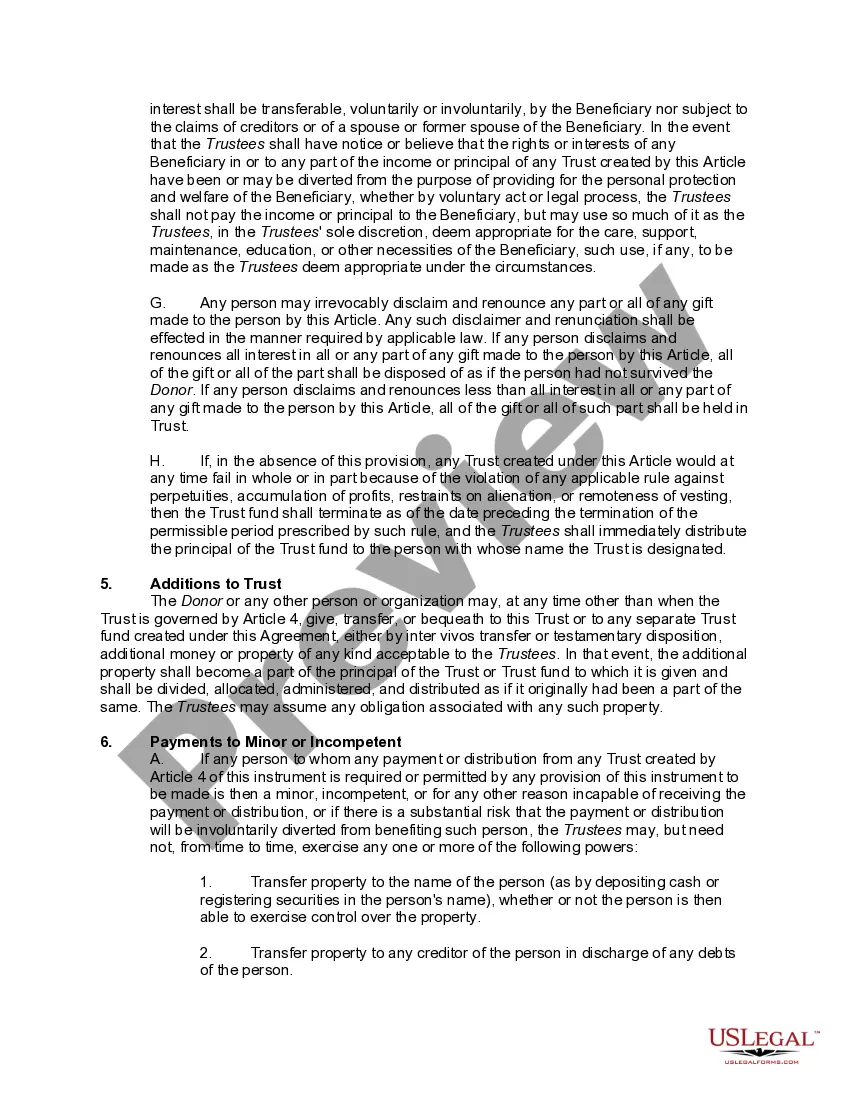
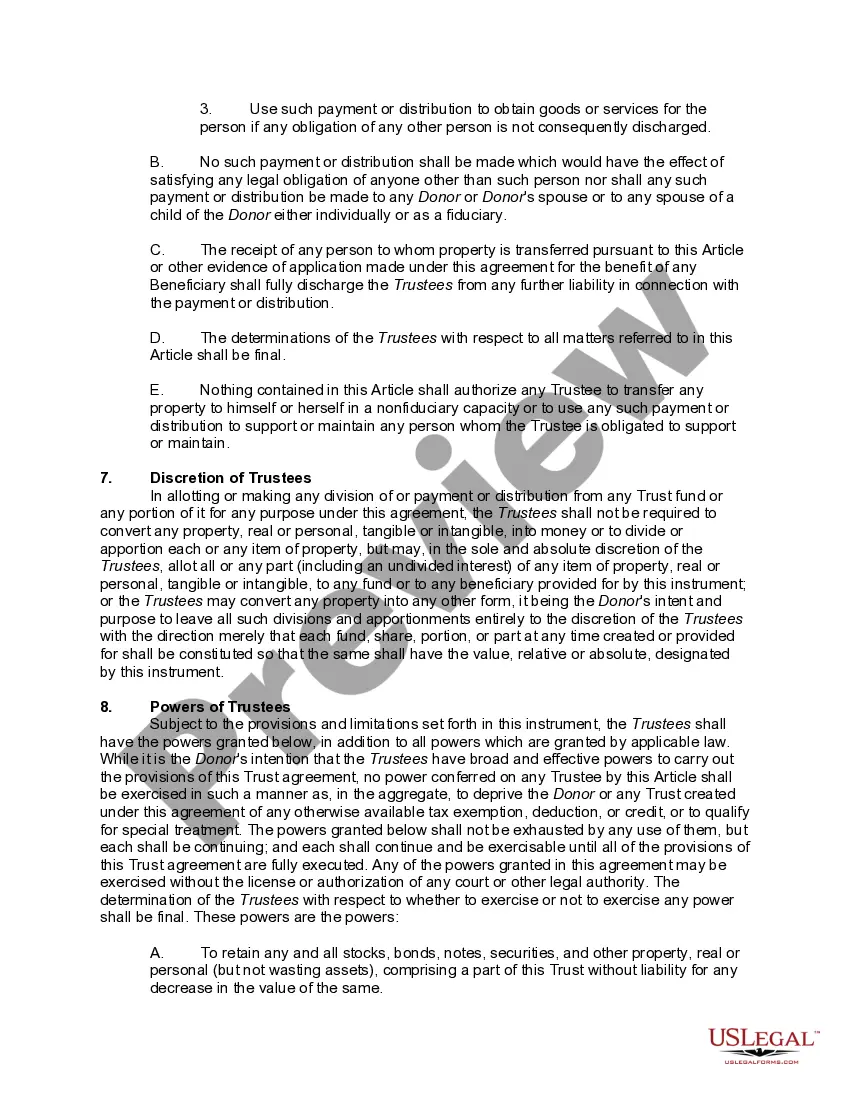
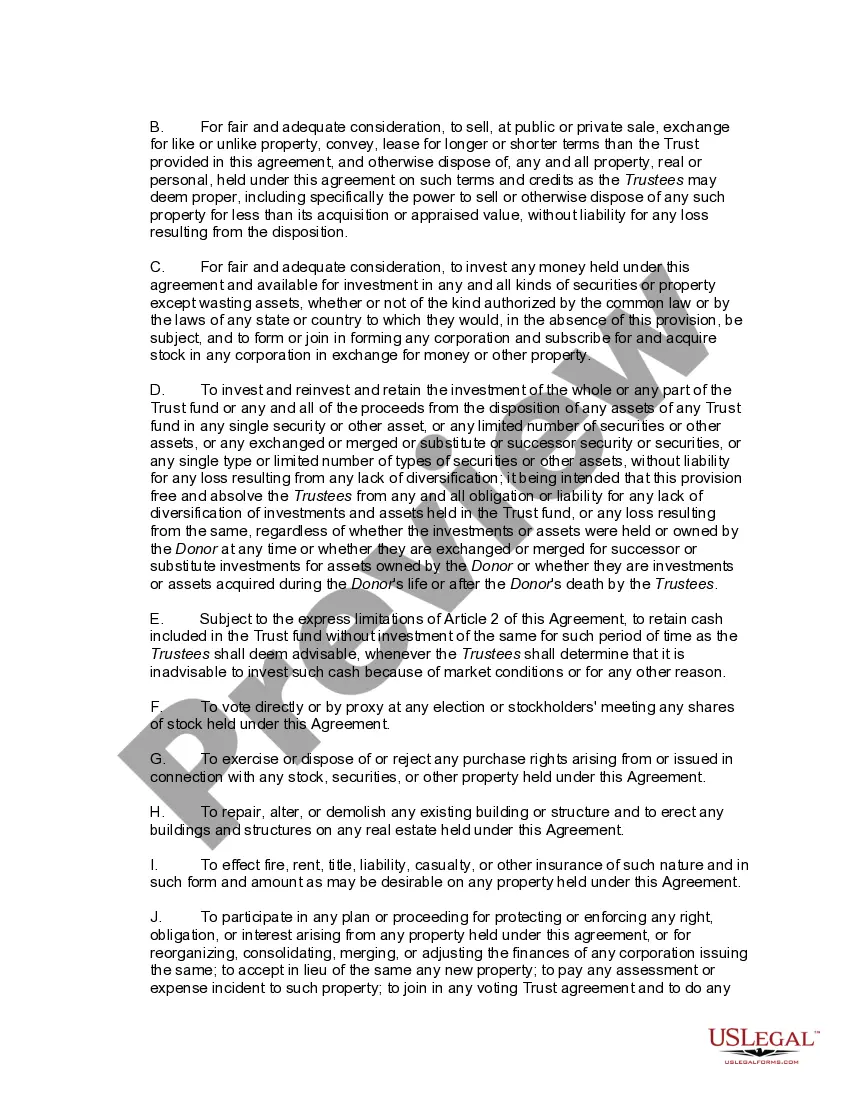
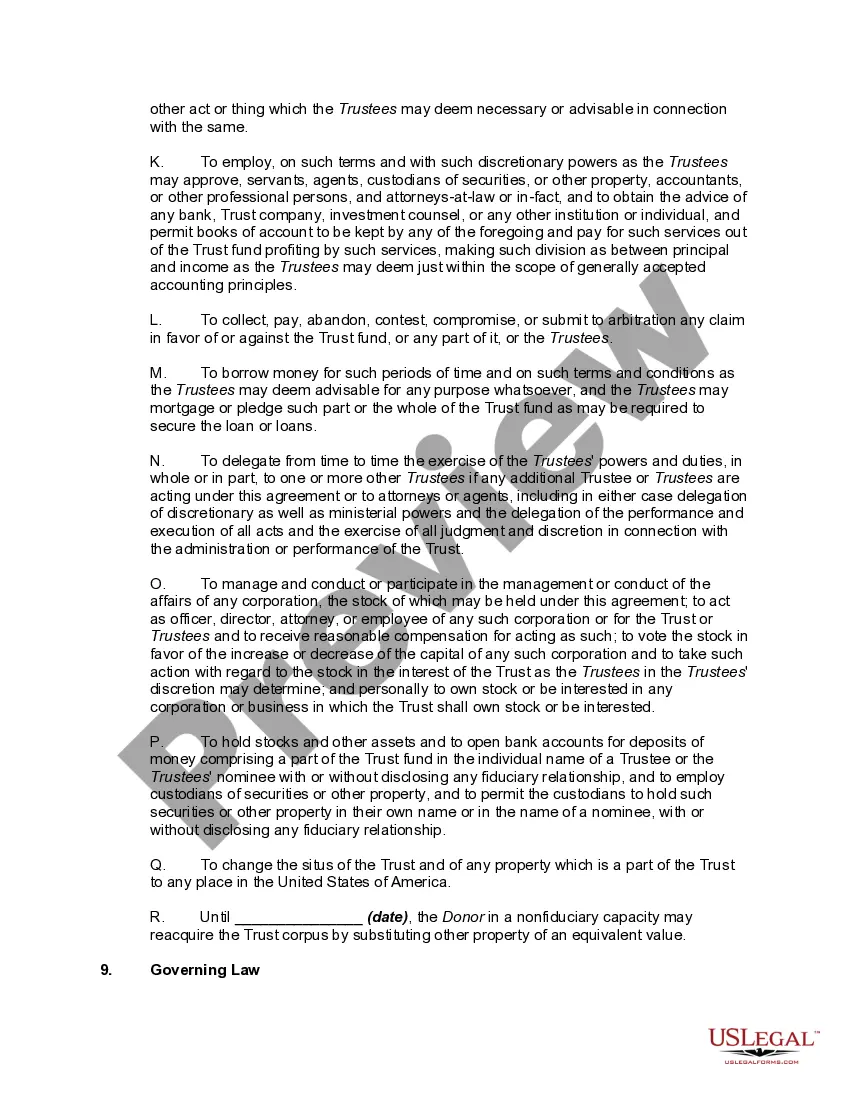

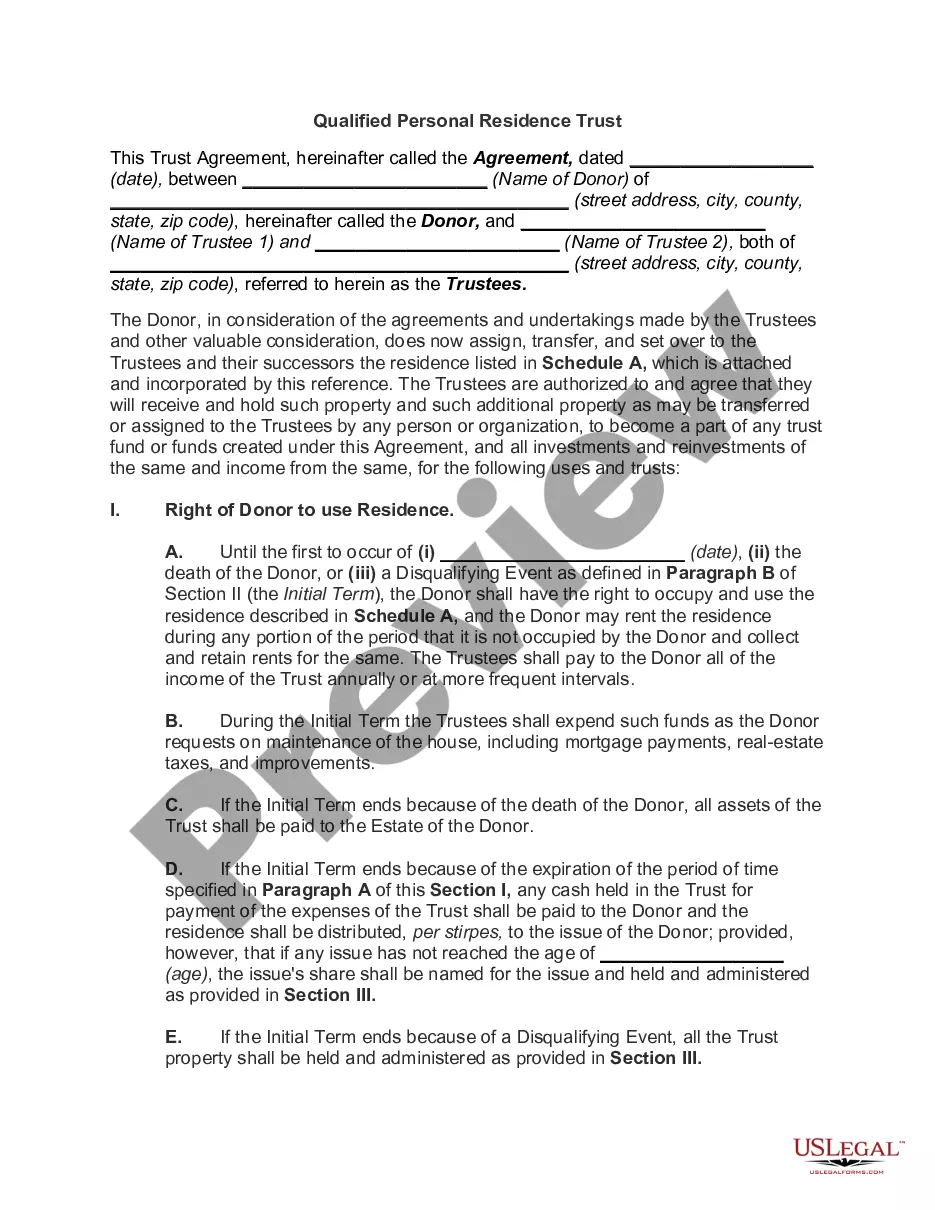
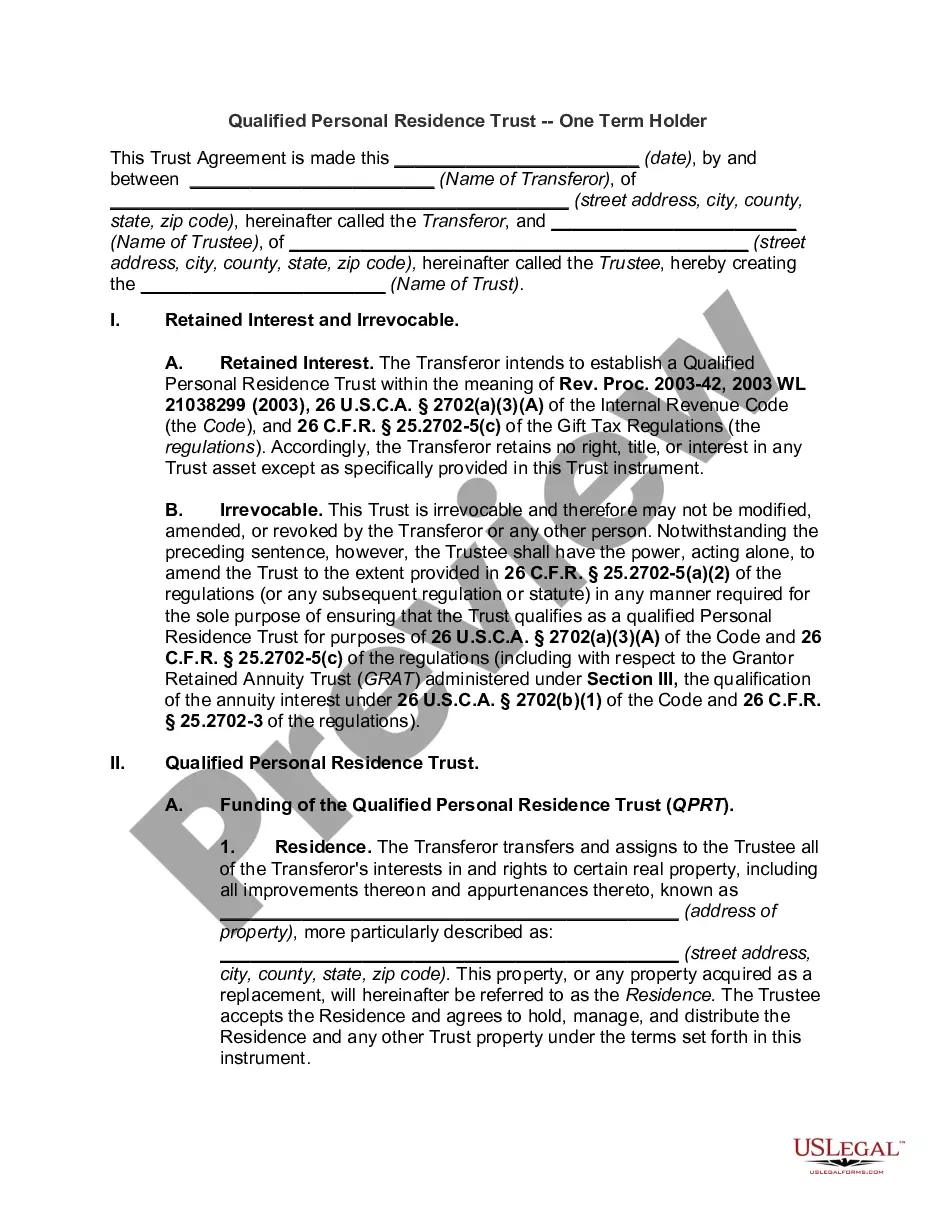
Get your form ready online
Our built-in tools help you complete, sign, share, and store your documents in one place.
Make edits, fill in missing information, and update formatting in US Legal Forms—just like you would in MS Word.
Download a copy, print it, send it by email, or mail it via USPS—whatever works best for your next step.
Sign and collect signatures with our SignNow integration. Send to multiple recipients, set reminders, and more. Go Premium to unlock E-Sign.
If this form requires notarization, complete it online through a secure video call—no need to meet a notary in person or wait for an appointment.
We protect your documents and personal data by following strict security and privacy standards.

Make edits, fill in missing information, and update formatting in US Legal Forms—just like you would in MS Word.

Download a copy, print it, send it by email, or mail it via USPS—whatever works best for your next step.

Sign and collect signatures with our SignNow integration. Send to multiple recipients, set reminders, and more. Go Premium to unlock E-Sign.

If this form requires notarization, complete it online through a secure video call—no need to meet a notary in person or wait for an appointment.

We protect your documents and personal data by following strict security and privacy standards.
Looking for another form?
Form popularity
FAQ
A personal property trust can involve various assets, such as real estate or investments held in a legal entity. For instance, if you establish 'The Family Heritage Trust' and fund it with your home and investment accounts, your personal property trust for privacy effectively keeps those assets secure. This type of trust allows you to manage and pass on your wealth without direct exposure.
The best name for a trust is one that is unique yet non-descriptive. It should not signal what the trust holds or its purpose. For a personal property trust for privacy, choose a name that reflects a serene and neutral identity, like 'The Harmony Trust.' This approach minimizes the risk of unwanted attention.
To achieve anonymity with a trust, you can establish it through a business entity such as an LLC, which acts as the trustee. This setup keeps your name out of public records connected to the trust. Additionally, appoint a trusted individual to act as a nominee trustee, further increasing privacy. Creating a personal property trust for privacy is an effective strategy for maintaining discretion.
The 5 year rule for trusts relates primarily to the gift tax exclusion and Medicaid eligibility. If you transfer assets into a trust but retain control, those assets may be counted for Medicaid purposes if they were transferred within five years. Understanding this rule helps protect your interests and ensures your personal property trust for privacy functions as intended. Consulting with a professional can clarify these regulations.
When naming a trust for privacy, consider using a generic name that does not reveal its purpose. A name like 'The Greenway Trust' adds an extra layer of confidentiality. Ensure the title follows legal requirements and conveys no personal information. This way, a personal property trust for privacy effectively shields your assets.
Not all assets are suitable for a personal property trust for privacy. It's generally advised to avoid placing assets like retirement accounts or life insurance policies directly into a trust due to tax implications and regulations. Additionally, some assets may be difficult to transfer, such as certain types of personal property with titles. To ensure proper asset management and protection, speak with a legal expert regarding which items are best kept outside of a trust.
You might want to place personal property in a trust for several reasons, particularly for privacy and protection. A personal property trust for privacy can help safeguard your assets from public scrutiny and simplify the transfer of property upon your passing. If keeping your belongings private and secure is important to you, placing them in a trust could be a wise choice. However, consider consulting a professional for tailored advice about your situation.
Setting up a personal property trust for privacy can be beneficial, but there are some disadvantages to consider. One common issue is the potential loss of control over your assets, as the trustee manages them on your behalf. Additionally, establishing and maintaining a trust may incur legal fees and administrative costs. Before making a decision, carefully weigh these factors to determine if a personal property trust aligns with your estate planning goals.
Placing personal property in a trust offers numerous advantages for privacy and asset protection. A personal property trust for privacy allows you to maintain confidentiality about your assets, ensuring that your personal information is not publicly accessible. Moreover, this strategy can help to manage your assets efficiently and streamline the process of transferring ownership in the event of incapacity or death. By utilizing the services of US Legal Forms, you can easily establish a personal property trust tailored to your specific needs.
Lottery winners often benefit from setting up an irrevocable trust to manage their newfound wealth. A personal property trust for privacy can help you shield your winnings from public exposure and protect them from potential creditors. It's wise to consult with a financial advisor and legal expert to determine the most effective strategy.