Plea For Help Meaning
Description
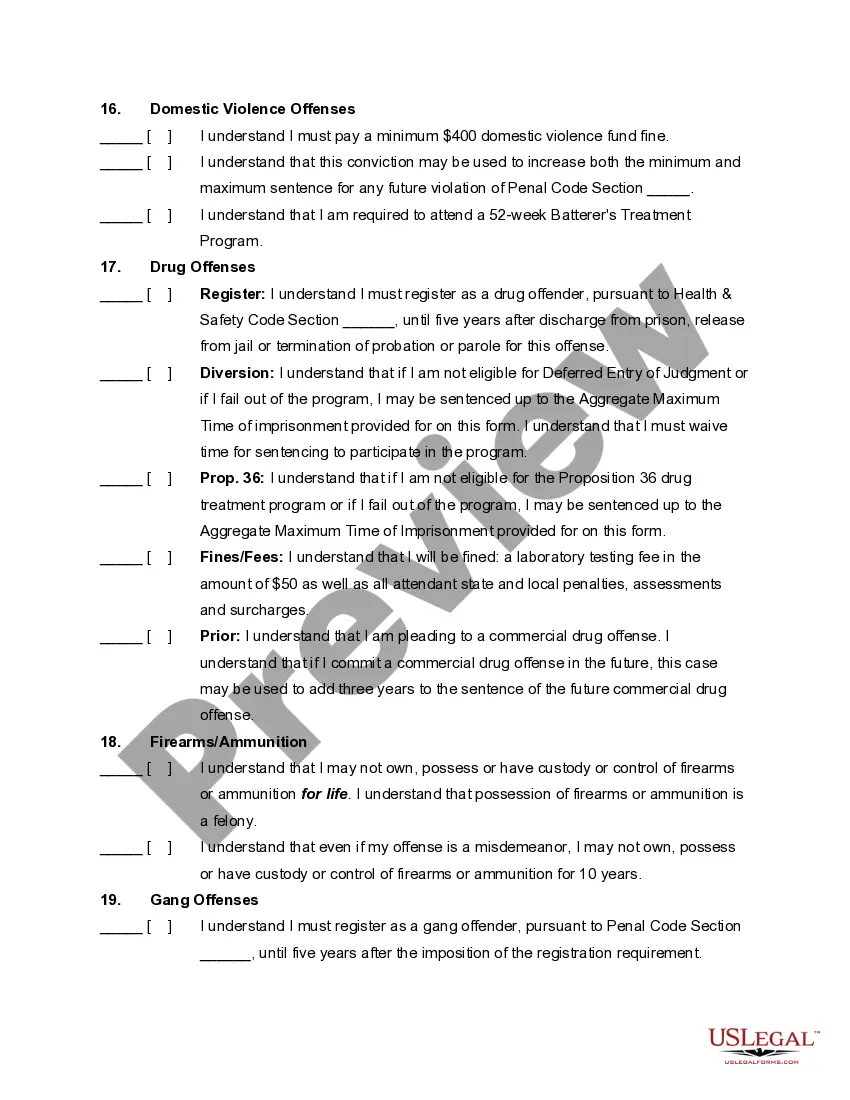
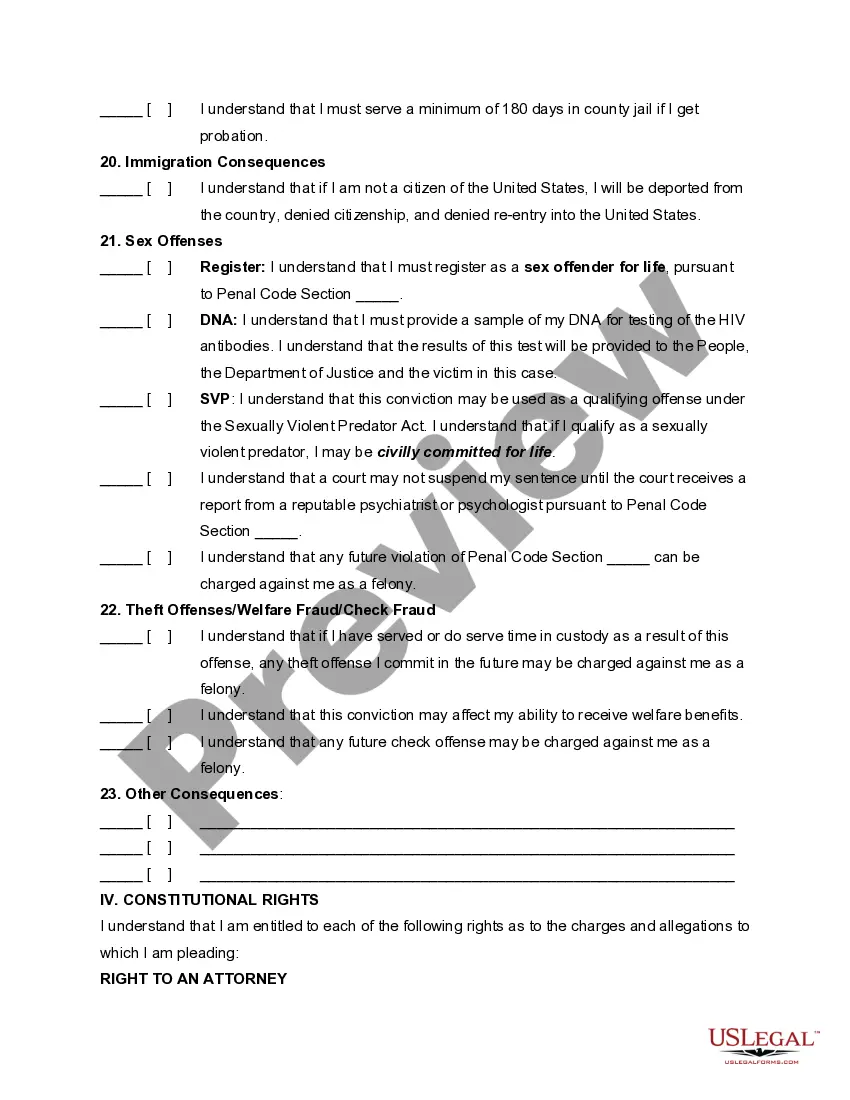
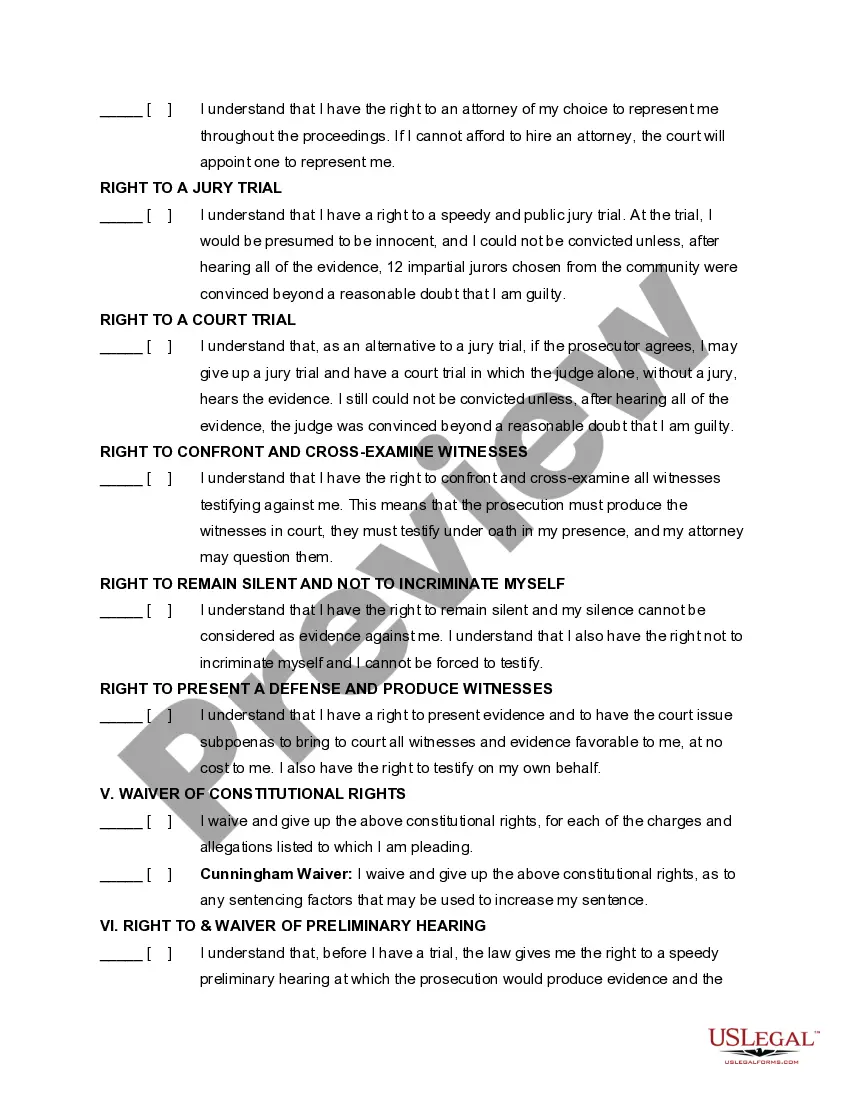
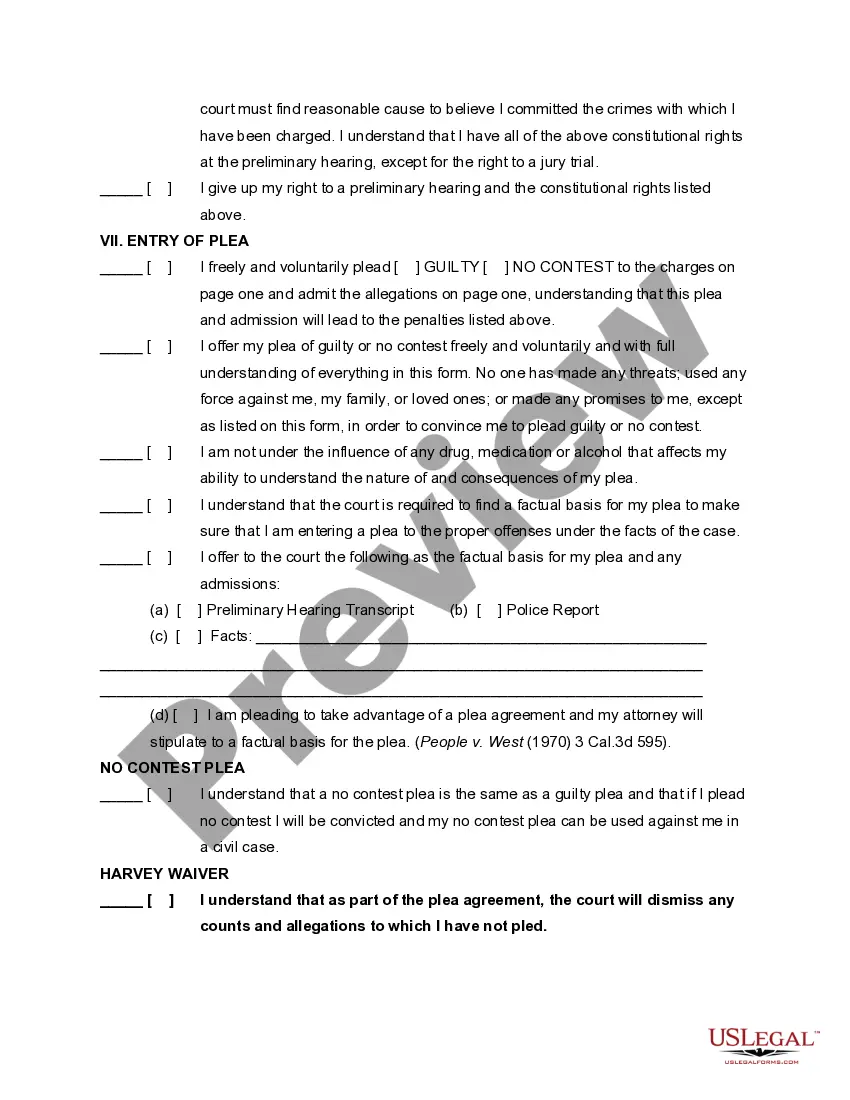
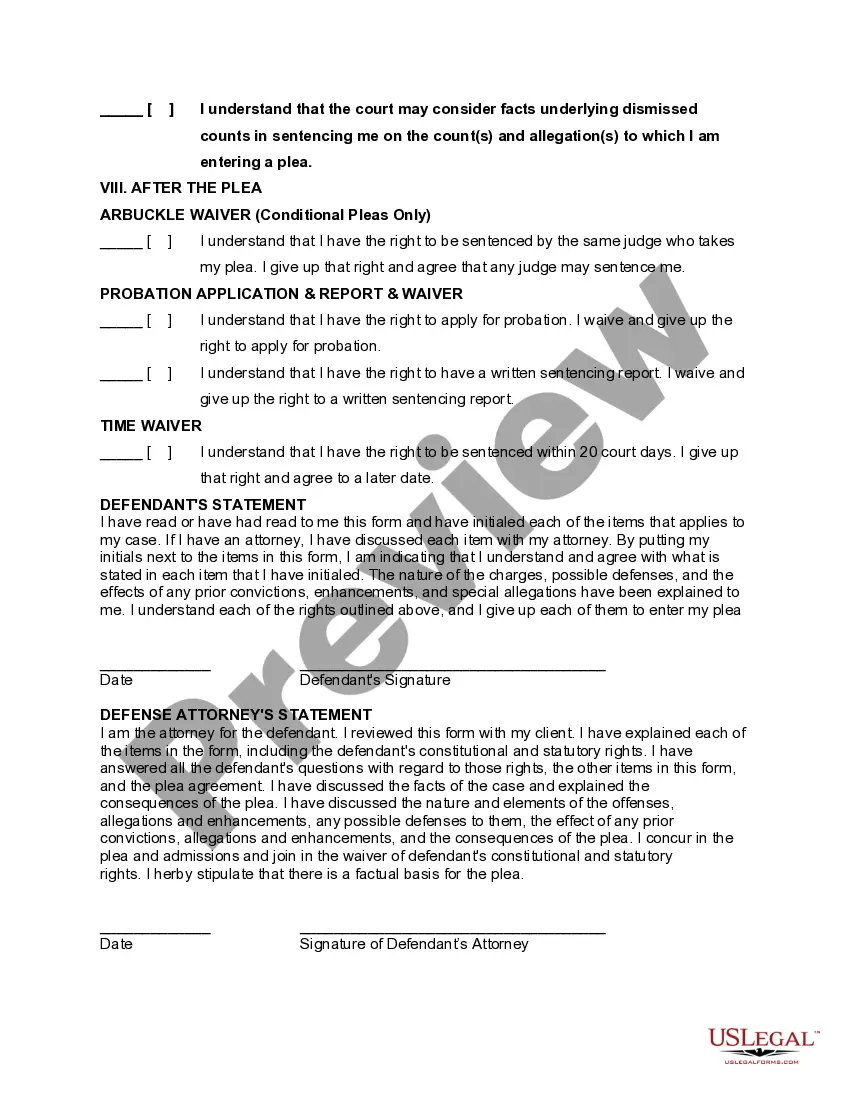
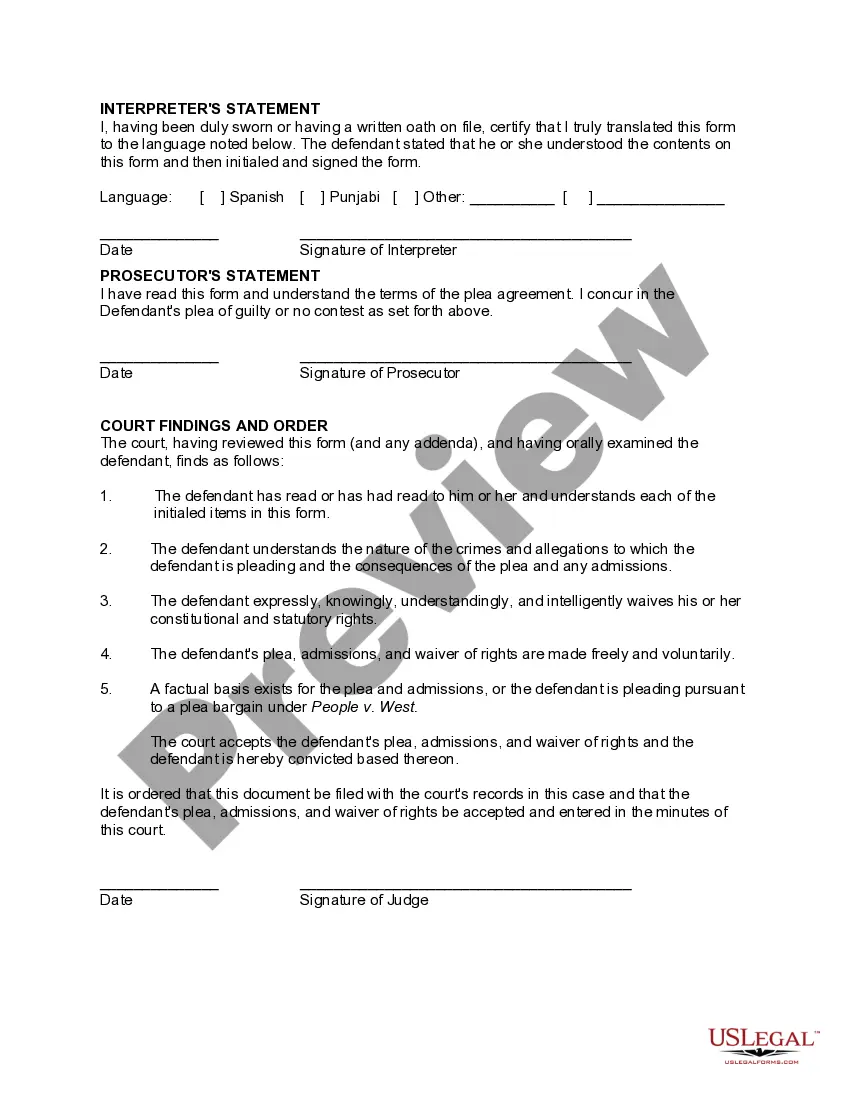
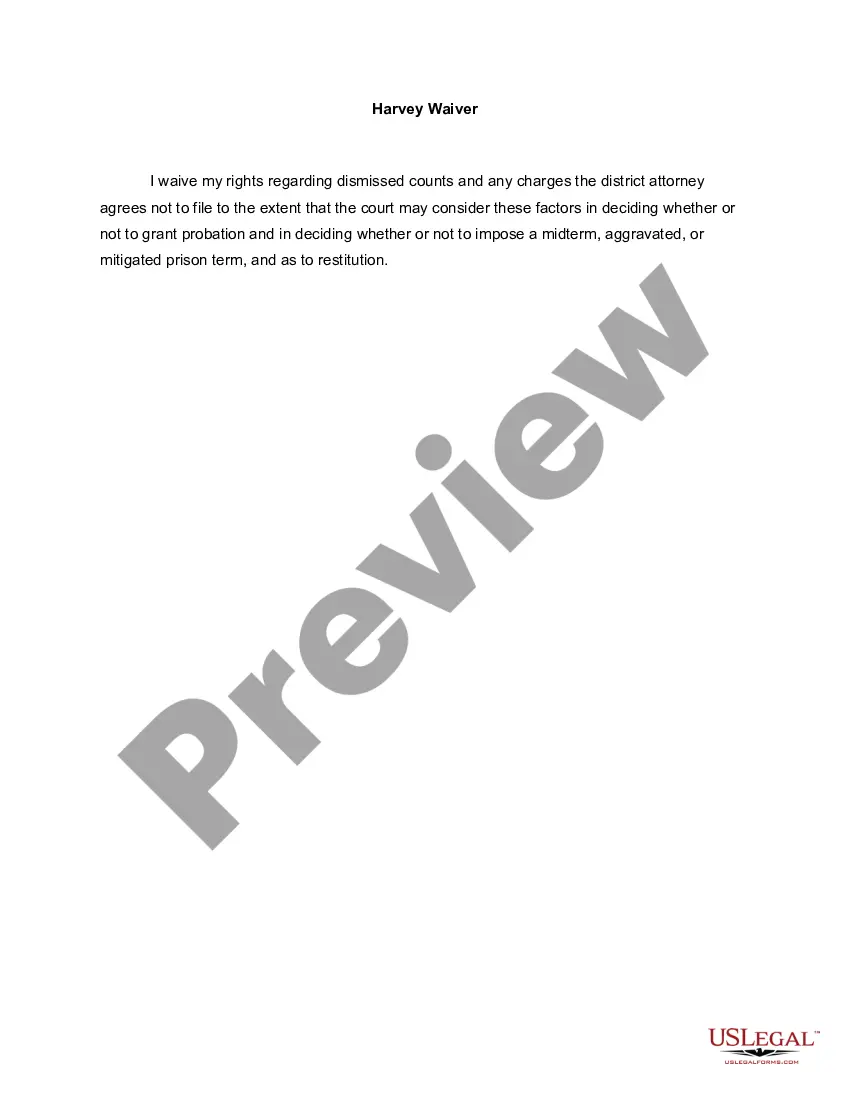
Get your form ready online
Our built-in tools help you complete, sign, share, and store your documents in one place.
Make edits, fill in missing information, and update formatting in US Legal Forms—just like you would in MS Word.
Download a copy, print it, send it by email, or mail it via USPS—whatever works best for your next step.
Sign and collect signatures with our SignNow integration. Send to multiple recipients, set reminders, and more. Go Premium to unlock E-Sign.
If this form requires notarization, complete it online through a secure video call—no need to meet a notary in person or wait for an appointment.
We protect your documents and personal data by following strict security and privacy standards.

Make edits, fill in missing information, and update formatting in US Legal Forms—just like you would in MS Word.

Download a copy, print it, send it by email, or mail it via USPS—whatever works best for your next step.

Sign and collect signatures with our SignNow integration. Send to multiple recipients, set reminders, and more. Go Premium to unlock E-Sign.

If this form requires notarization, complete it online through a secure video call—no need to meet a notary in person or wait for an appointment.

We protect your documents and personal data by following strict security and privacy standards.
Looking for another form?
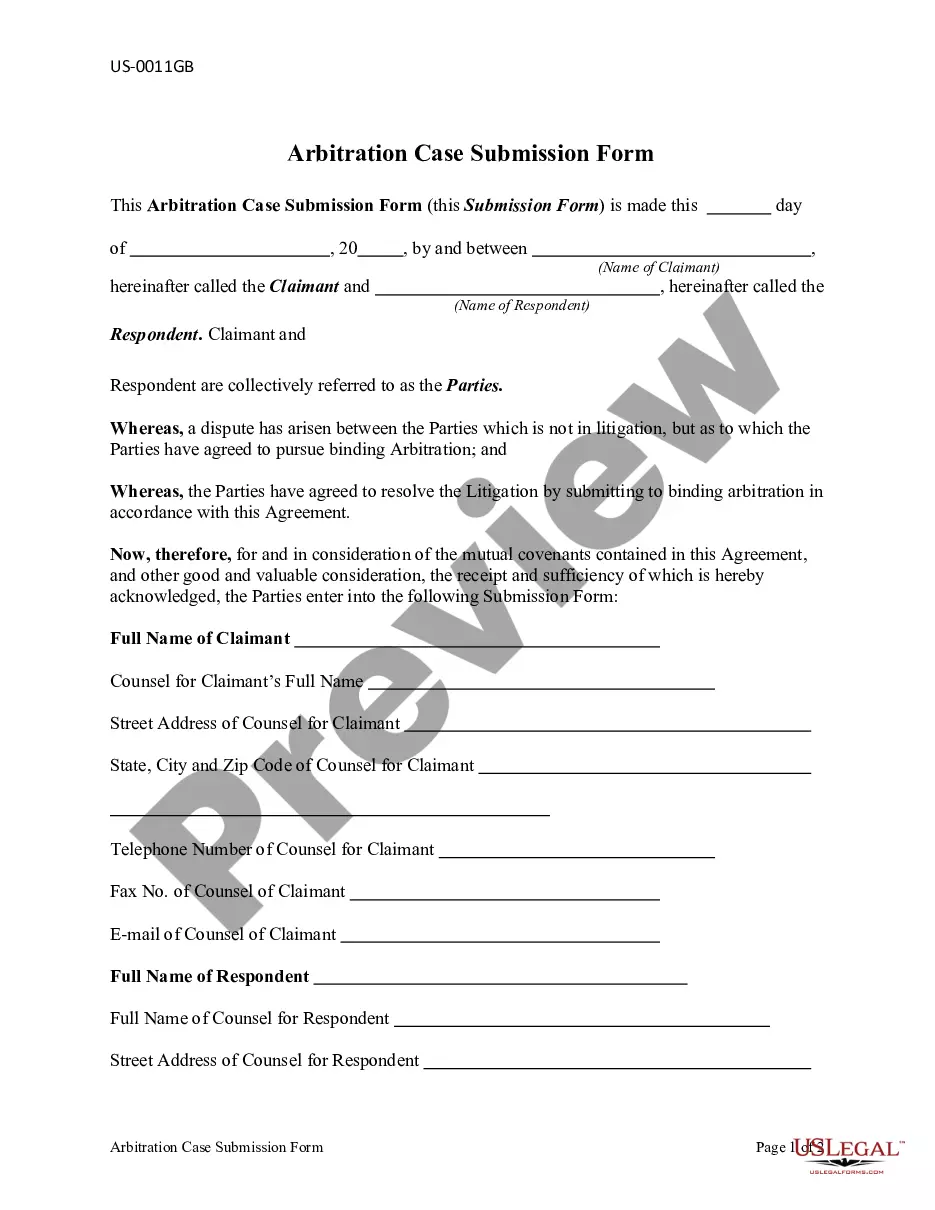
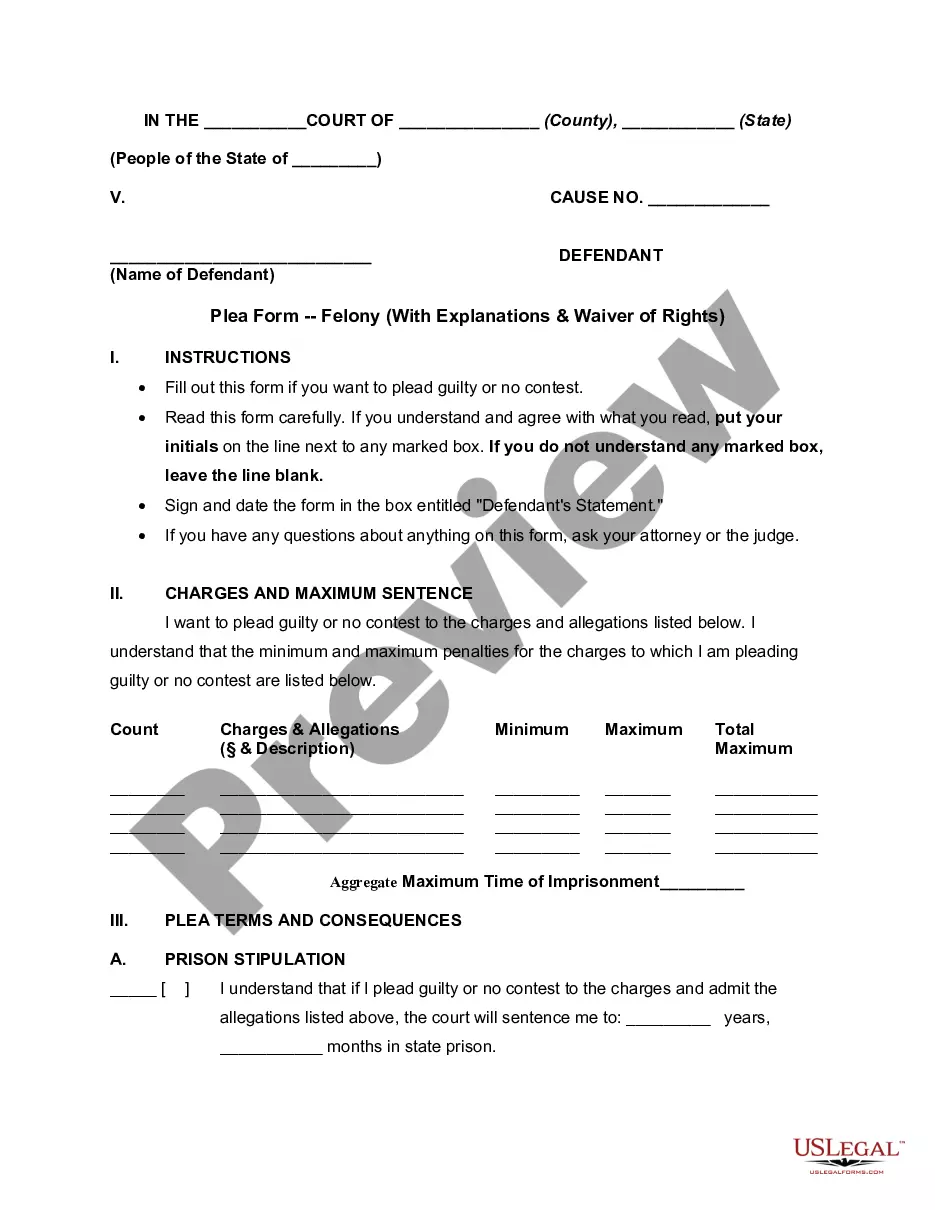
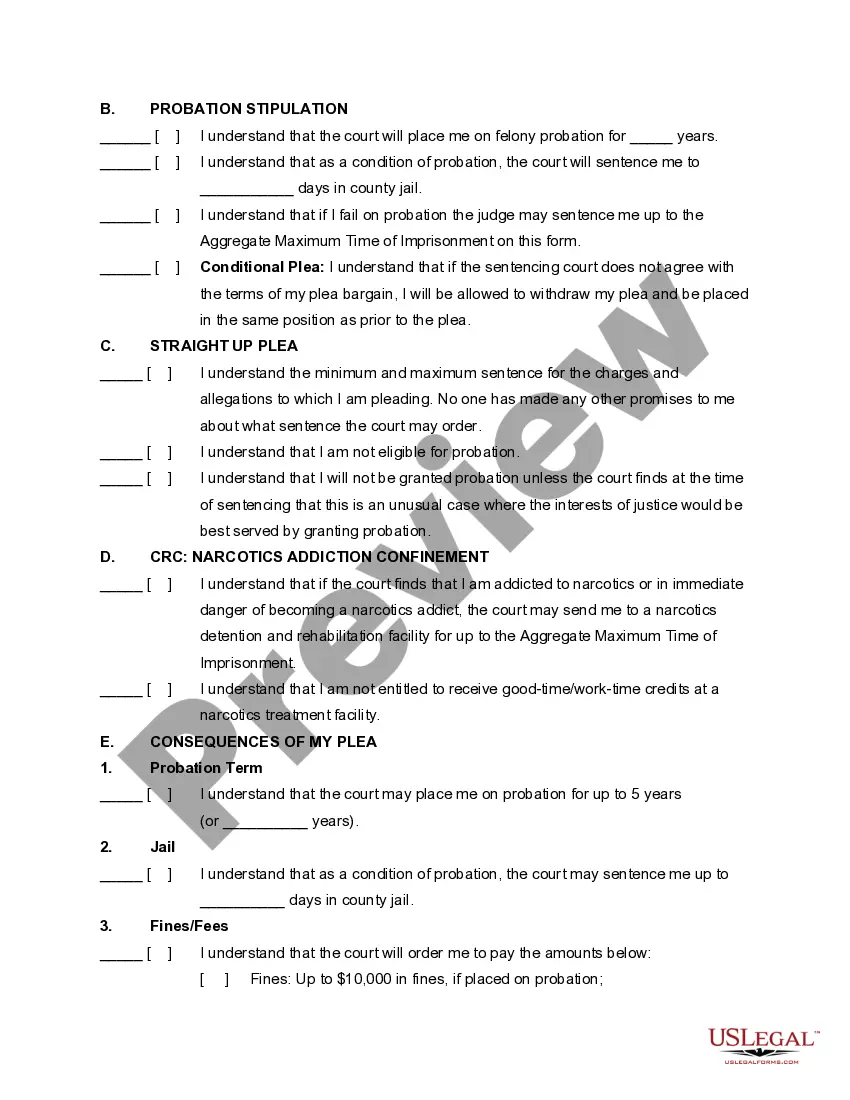
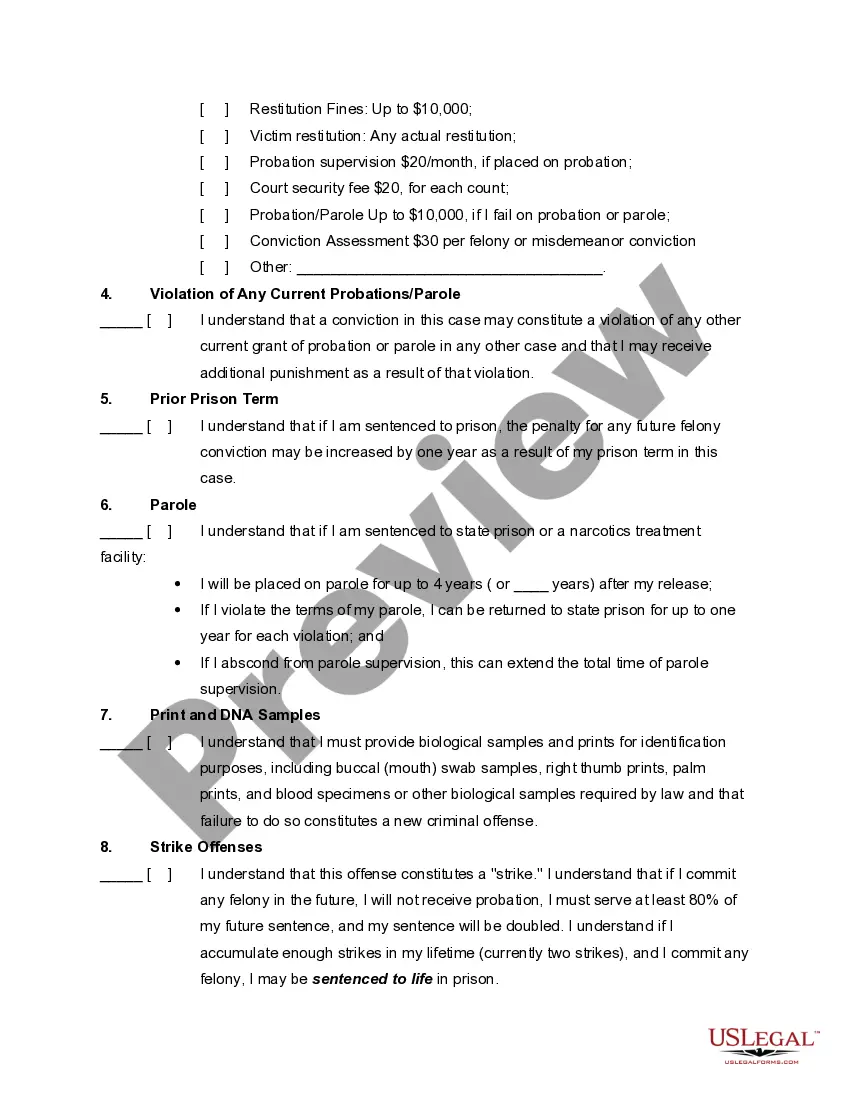
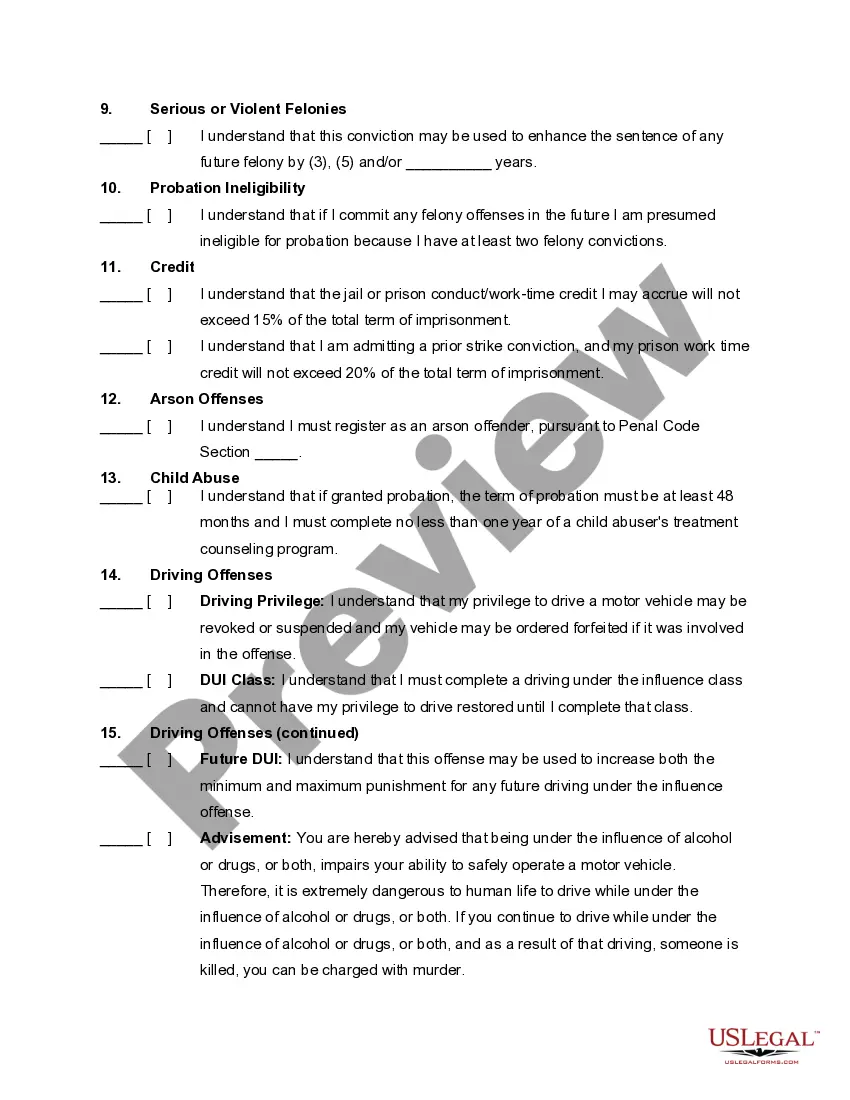
How to fill out Plea Form With Harvey Waiver?
Creating legal documents from the ground up can frequently be intimidating.
Certain cases may require extensive research and a significant financial commitment.
If you are seeking a simpler and more economical method for drafting Plea For Help Meaning or any additional forms without the hassle of obstacles, US Legal Forms is readily available for you.
Our online repository of over 85,000 current legal forms covers nearly every facet of your financial, legal, and personal issues.
Before directly downloading the Plea For Help Meaning, adhere to these guidelines: Review the form preview and descriptions to ensure you are viewing the desired document. Confirm that the template you select satisfies the requirements of your state and county. Select the appropriate subscription option to purchase the Plea For Help Meaning. Download the form, then fill it out, certify it, and print it. US Legal Forms boasts a strong reputation and over 25 years of experience. Join us today and simplify the process of completing forms!
- With just a few clicks, you can quickly obtain state- and county-compliant forms meticulously prepared for you by our legal experts.
- Utilize our website whenever you require a trustworthy and dependable service that allows you to easily locate and download the Plea For Help Meaning.
- If you are familiar with our site and have previously created an account, simply Log In, select the template, and download it, or re-download it anytime in the My documents section.
- Don't have an account? No problem. Setting one up is quick and easy, and you can easily browse through the catalog.
Form popularity
FAQ
The rarest type of guilty plea is the Alfred plea, where a defendant pleads guilty while maintaining their innocence. This uncommon plea allows a defendant to accept a plea bargain while still asserting they did not commit the crime. It serves to avoid the risks associated with trial while acknowledging the evidence against them. Understanding this option can be complex, so resources from uslegalforms can be beneficial.
To make a guilty plea, you must typically appear in court and clearly state your admission to the charges against you. This involves understanding the rights you are waiving by pleading guilty and the potential consequences you may face. It’s also wise to consider legal advice to ensure that the plea is in your best interests. Online platforms like uslegalforms provide essential information to help you navigate this process effectively.
Typically, a defendant will enter a guilty plea, a not guilty plea, or a no contest plea. These three pleas serve as the foundation for the legal process, determining how the case will unfold. Each plea carries unique implications and can lead to various outcomes in court. It's beneficial to consult with legal resources like uslegalforms for guidance on your plea choice.
The three primary types of plea are guilty, not guilty, and no contest. Each plea type can significantly alter how your case proceeds. A guilty plea admits to the charges, a not guilty plea contests them, and a no contest plea avoids admission of guilt but accepts the consequences. Knowing these options is essential for making informed decisions about your legal strategy.
Submitting a plea involves formally stating your position regarding the charges against you. When you plead, you indicate whether you admit or deny the allegations, which can deeply influence the outcome of your case. Understanding the plea process is crucial for anyone facing legal challenges. For more information on the implications of your plea, explore the resources available on uslegalforms.
The meaning of plea for help represents an urgent call for assistance, typically shared when someone is in distress or facing challenges. This expression highlights the human need for support, whether personally or in legal situations. In legal contexts, it can connect to the hope of receiving a favorable plea deal while managing complex trials. Resources like US Legal Forms can empower individuals in making informed decisions during such crucial times.
To make a plea generally means to formally ask for something or to express a strong desire for aid during difficult circumstances. In legal terms, it refers to the act of entering a specific statement regarding guilt or innocence. Understanding this broadens the context of plea for help meaning, which emphasizes the importance of seeking assistance when facing legal challenges. Legal platforms can simplify this process for individuals.
Individuals typically receive plea deals through negotiations between their defense attorney and the prosecution. These discussions aim to reach a resolution that benefits both parties, often reducing charges or securing a lighter sentence. It's crucial for defendants to engage with professionals who can effectively navigate this process. This understanding ties back to the broader plea for help meaning, as individuals seek favorable outcomes.
To make a plea for means to urgently request something or seek assistance, often in a time of need. This expression conveys desperation or a serious request for help. Understanding this in terms of legal scenarios can also lead to insights about plea deals and negotiations during criminal proceedings. The phrase has a deep connection to the plea for help meaning.
The three main types of pleas are guilty, not guilty, and no contest. A guilty plea means the person admits to the crime, while a not guilty plea indicates their denial of the charges. The no contest plea allows defendants to avoid admitting guilt but still accepts the consequences. Engaging with knowledgeable resources can clarify the plea for help meaning in these contexts.