Divorce Child Support Formula
Description
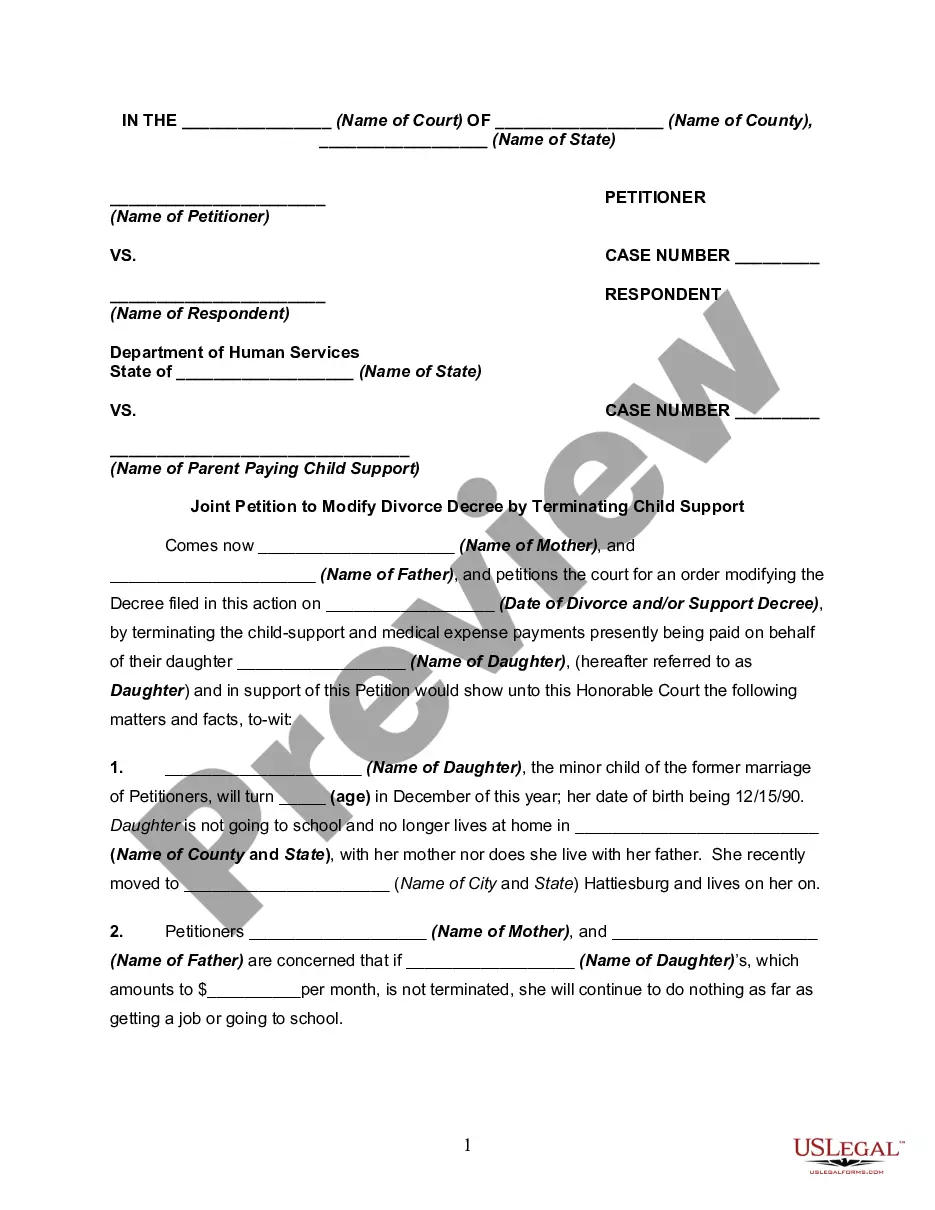
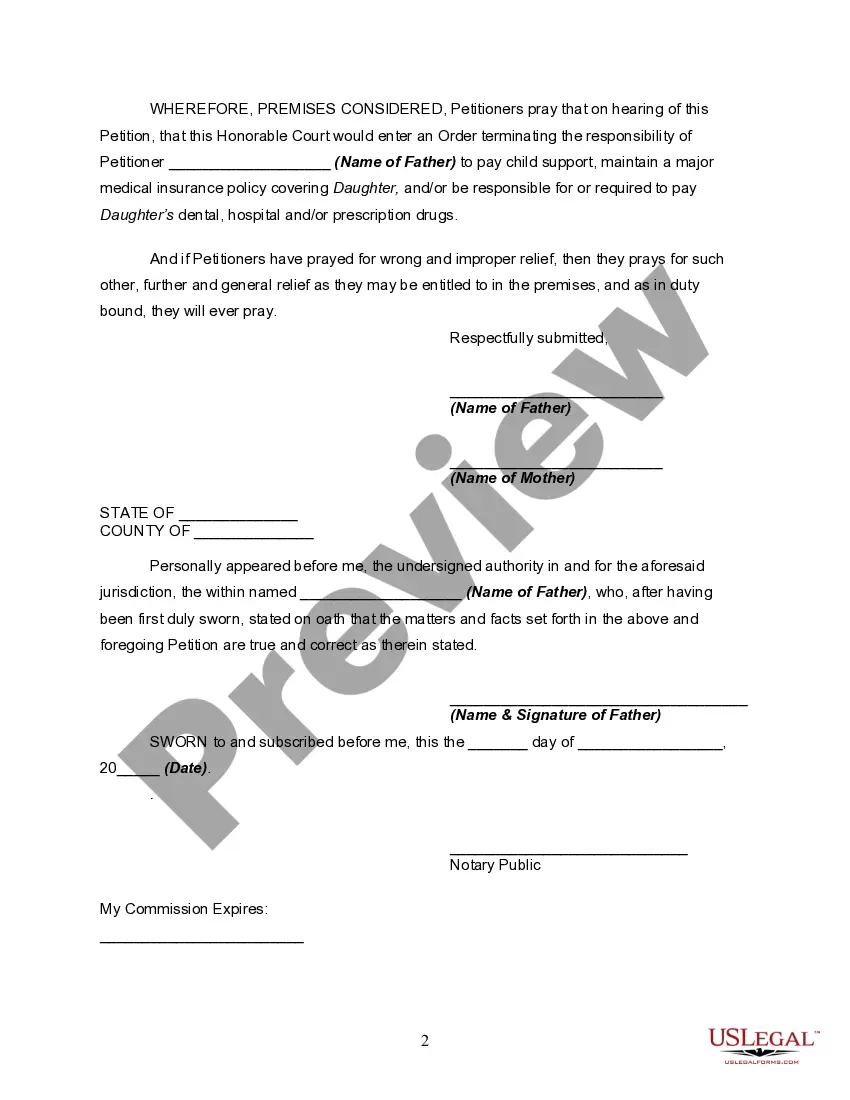
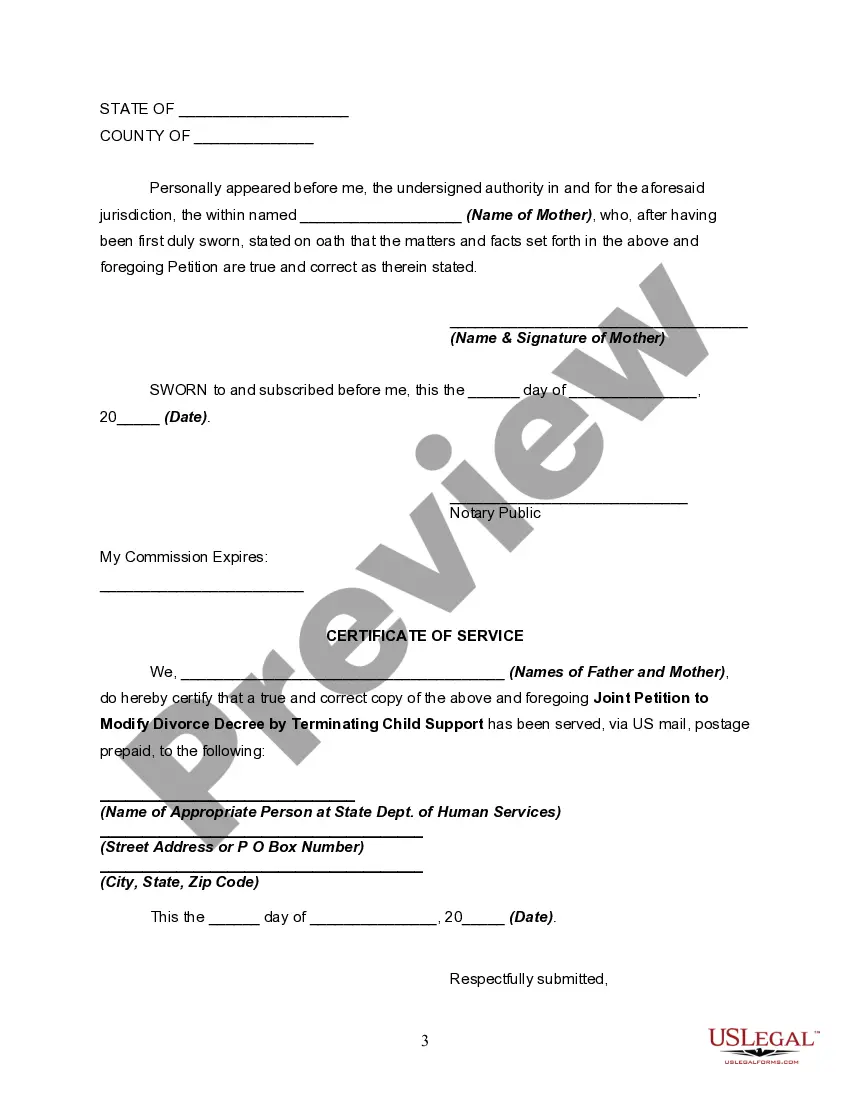

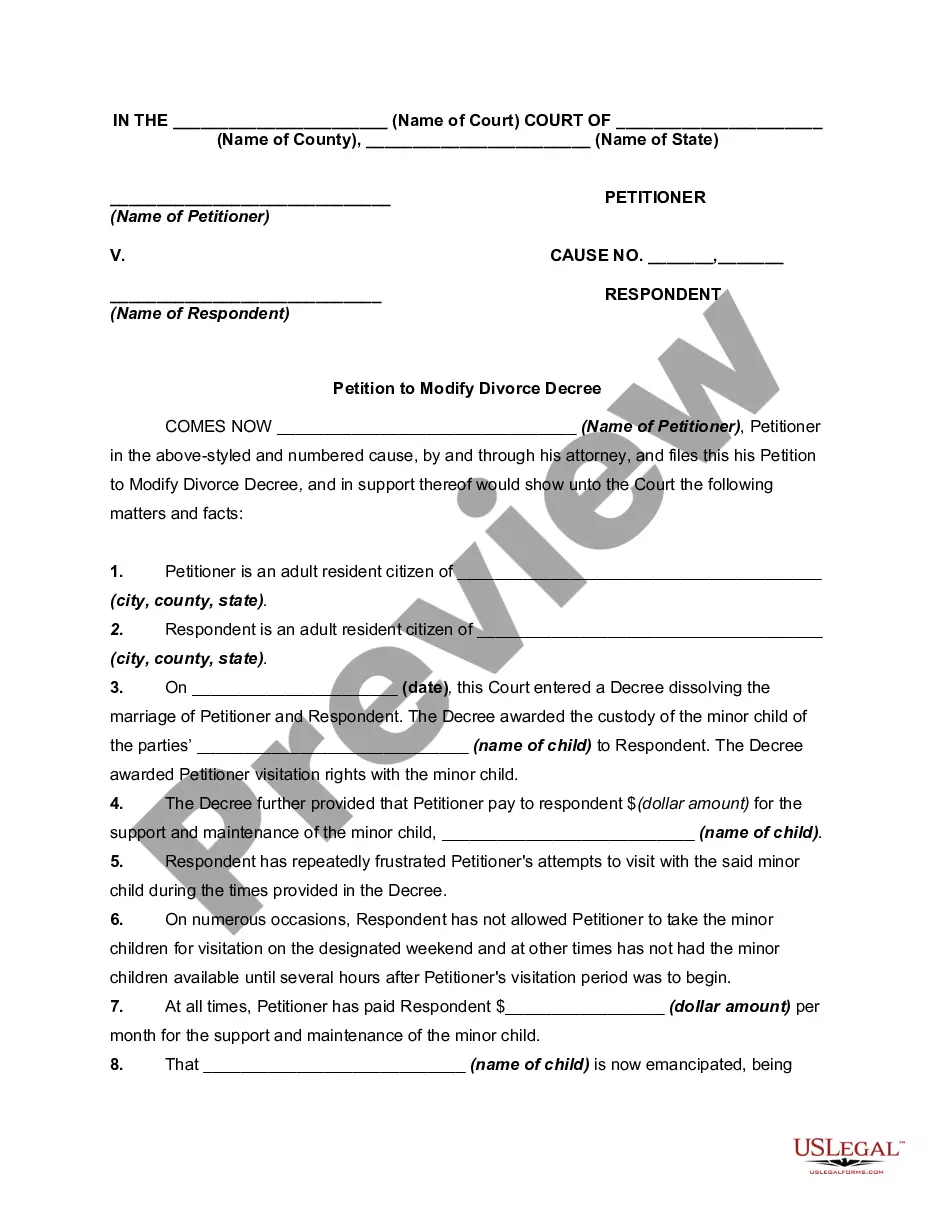
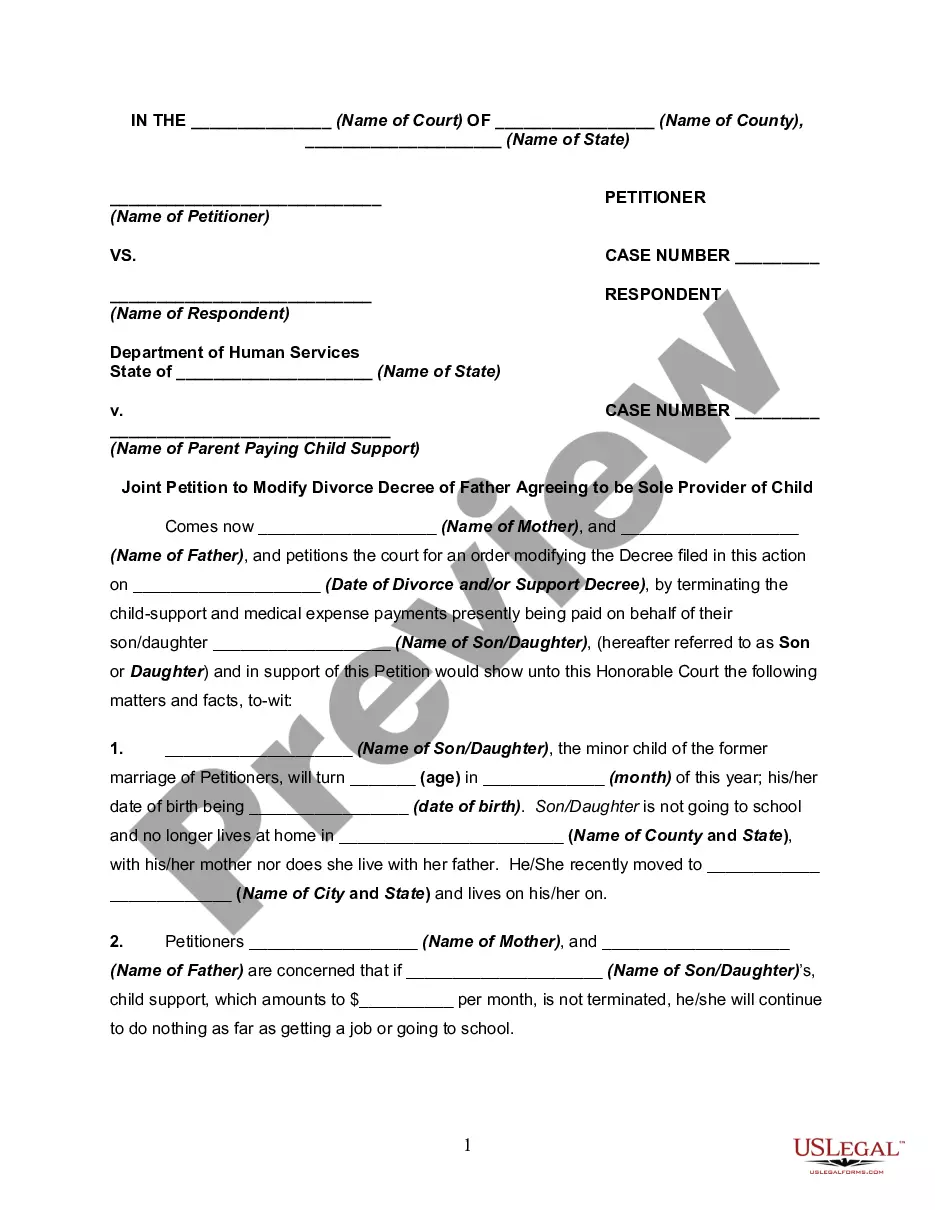
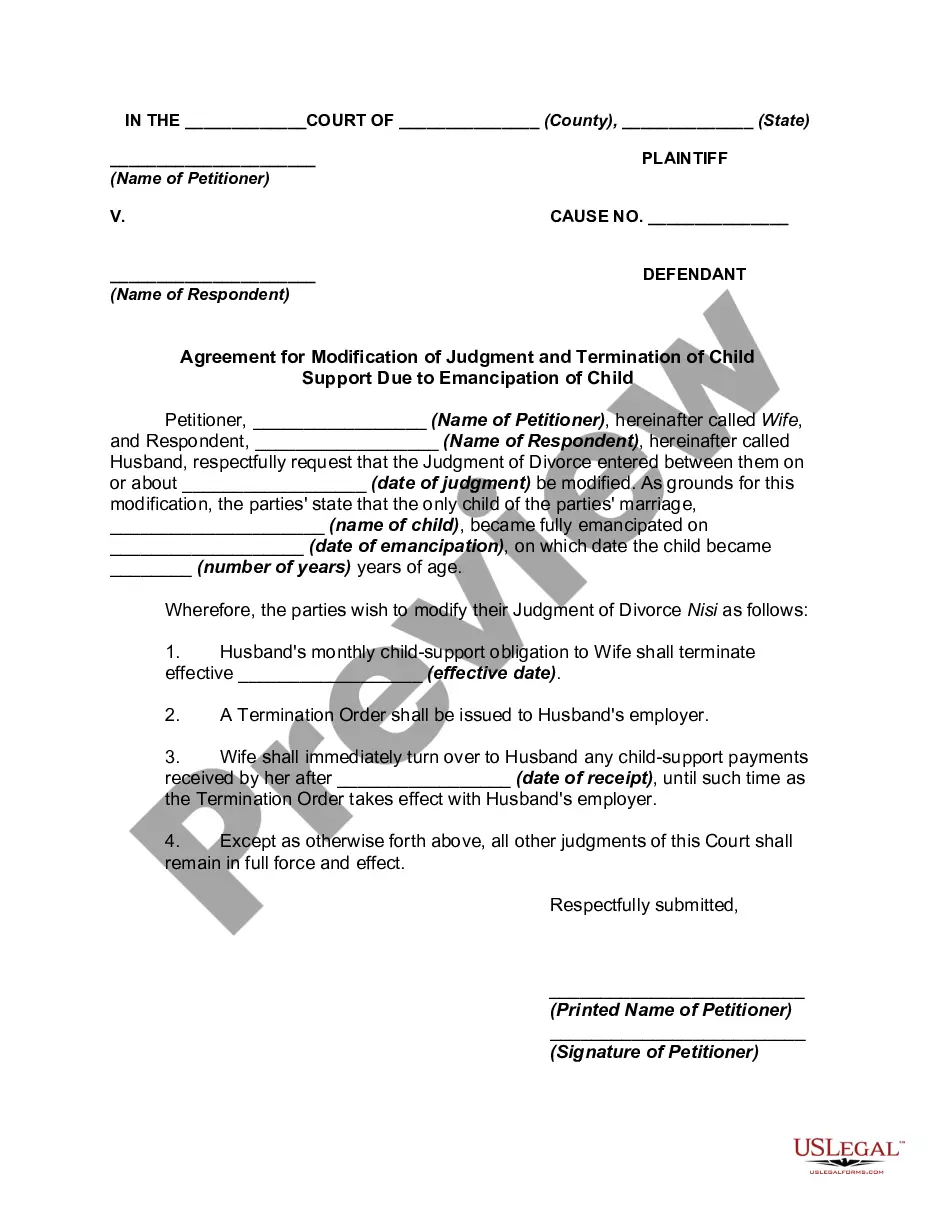
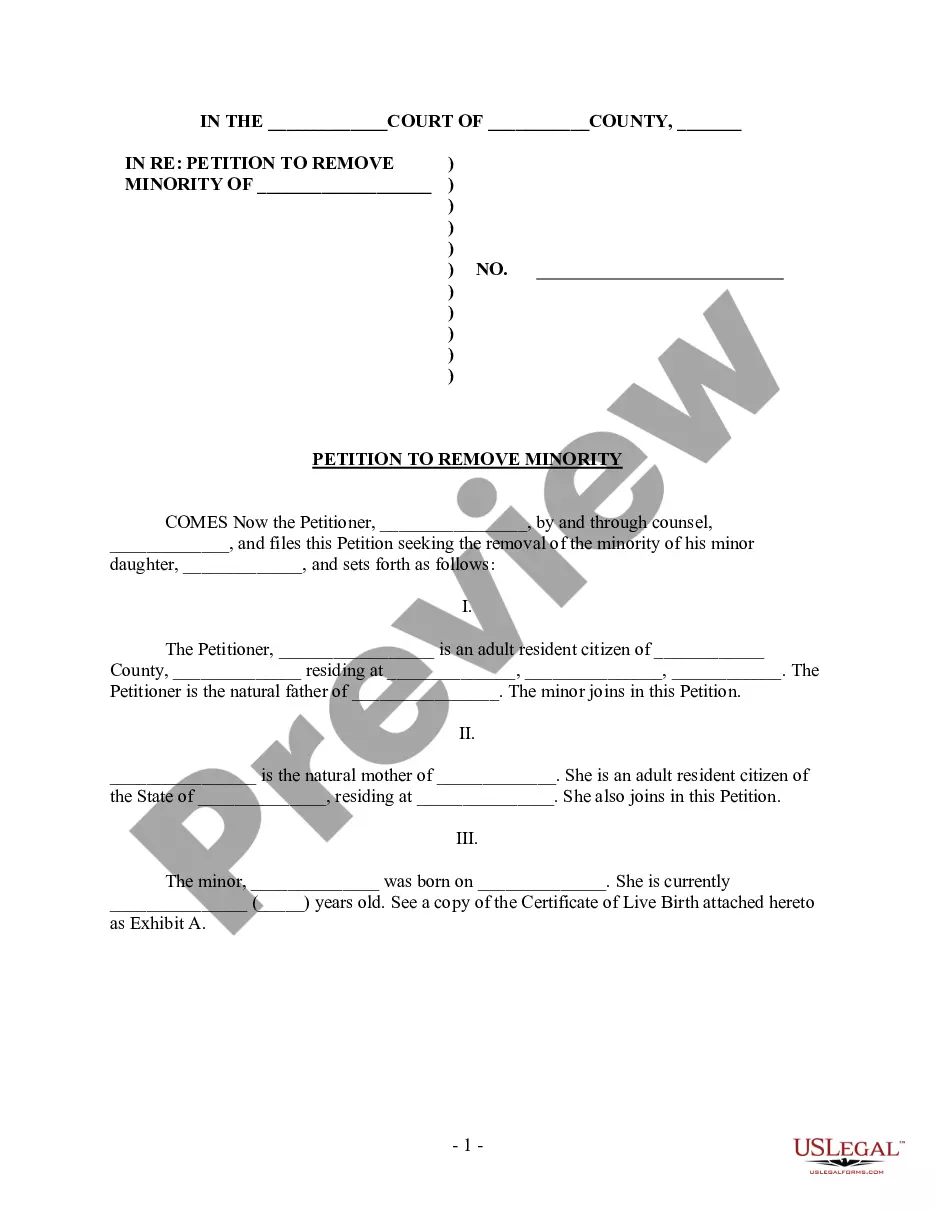


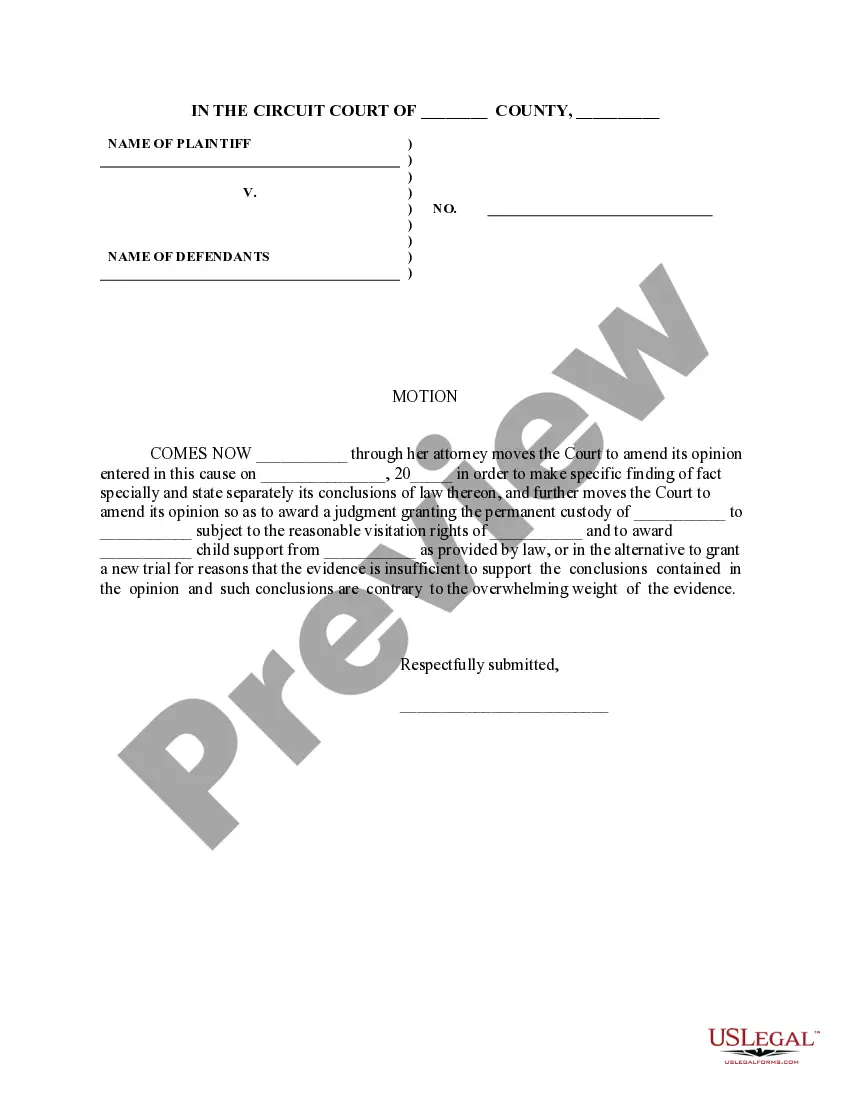



How to fill out Joint Petition To Modify Or Amend Divorce Decree By Terminating Child Support - Minor Left Home, Living Independently, Refuses To Work Or Go To School?
Finding a reliable source to obtain the most updated and pertinent legal templates is a significant part of navigating bureaucracy.
Identifying the appropriate legal documents necessitates precision and careful consideration, which is why it is essential to source Divorce Child Support Formula samples exclusively from trustworthy providers, such as US Legal Forms. An incorrect template can squander your time and prolong your current situation. With US Legal Forms, you have minimal concerns. You can access and verify all details regarding the document's applicability and significance for your situation and in your jurisdiction.
Once you have the document on your device, you can modify it using the editor or print it out and fill it in by hand. Eliminate the stress associated with your legal documents. Browse the extensive US Legal Forms catalog where you can find legal templates, evaluate their applicability to your situation, and download them instantly.
- Utilize the catalog navigation or search bar to find your template.
- Examine the form's details to confirm if it meets your state and local requirements.
- Check the form preview, if available, to ensure it is indeed the form you require.
- Return to the search and locate the correct template if the Divorce Child Support Formula does not meet your criteria.
- If you are confident about the form's relevance, proceed to download it.
- If you are a registered user, click Log in to verify and access your selected forms in My documents.
- If you have not yet created an account, click Buy now to purchase the template.
- Choose the pricing option that best fits your requirements.
- Continue to the registration to finalize your purchase.
- Complete your transaction by selecting a payment option (credit card or PayPal).
- Select the file format for downloading Divorce Child Support Formula.
Form popularity
FAQ
The Guidelines use the combined income of the mother and the father and the number of children to set a child support amount. The court will also enter a medical insurance order for the minor children if it is available through an employer for a reasonable cost.
In Connecticut, like with most states, a non-custodial parent's child support obligation is calculated as a percentage of their total income compared to the needs of the child. Generally, this is 23% of your net weekly income for 1 child, 32% of your pay for 2 children, and 39% of your pay for 3 children.
Is there a limit to the amount of money that can be taken from my paycheck for child support? 50 percent of disposable income if an obligated parent has a second family. 60 percent if there is no second family.
While it's difficult to provide an exact average, most dads typically pay between 15-25% of their gross income for one child, with the percentage increasing for additional children.
To calculate it by long hand, take the Combined Parental Income (but only up to $141,000) and multiply it by the applicable Child Support Percentages (1 child in the care of the custodial parent: 17%, 2 children: 25%, 3 children: 29%, 4 children: 31%, 5 or more children: 35% or more).