Qualified Trust Caps Contract For Trust
Description
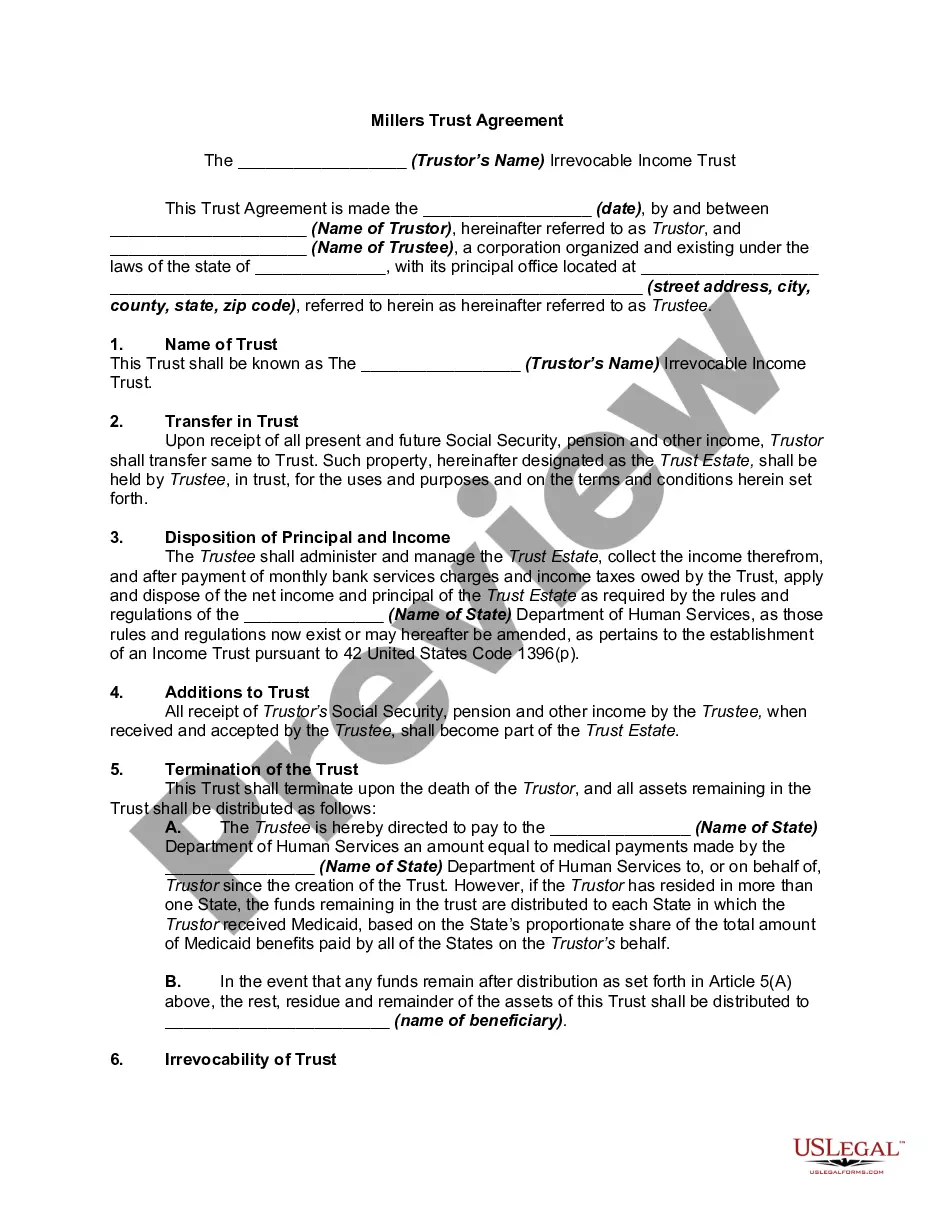
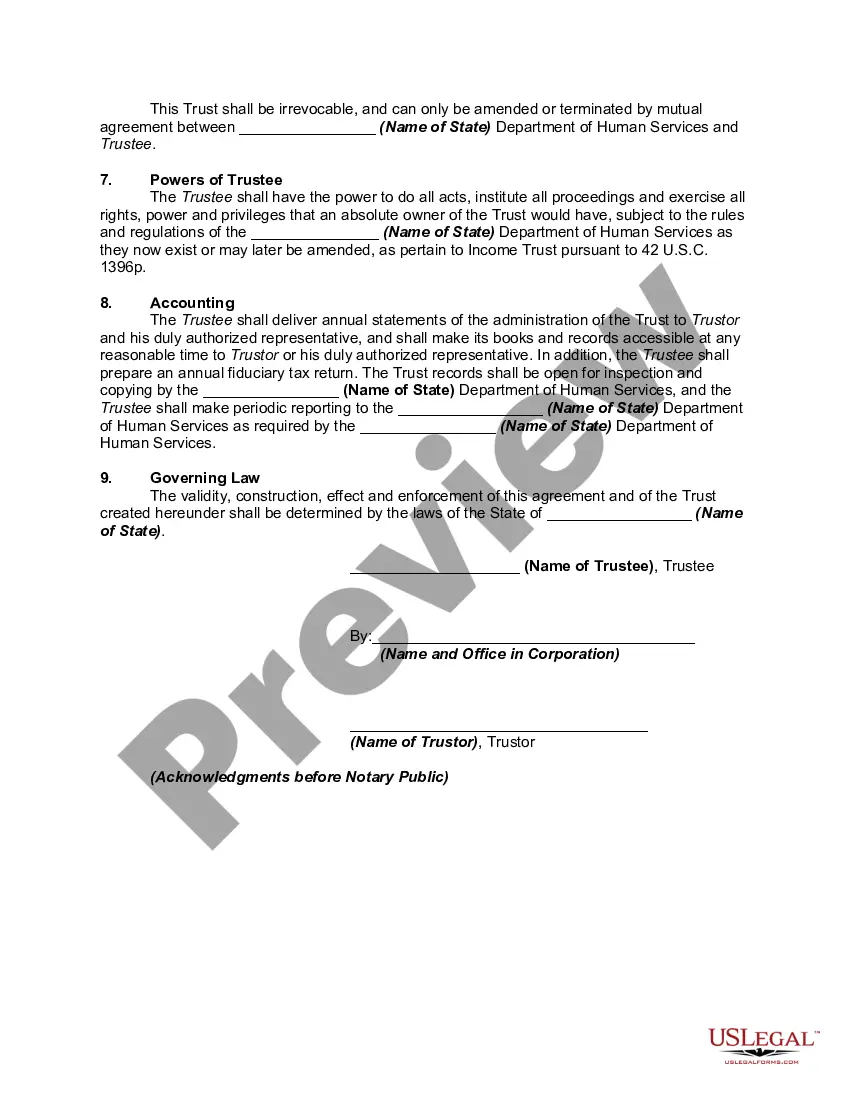
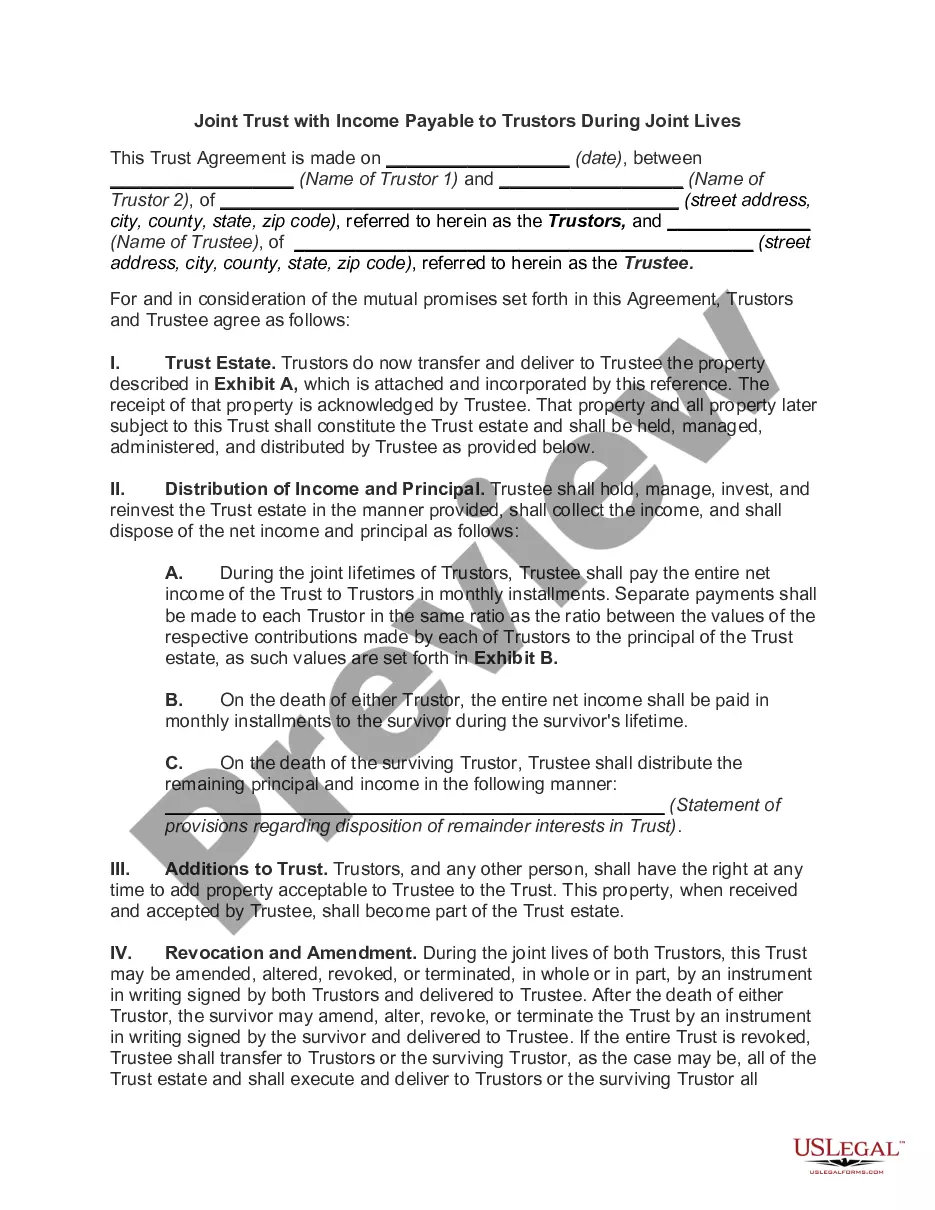

Get your form ready online
Our built-in tools help you complete, sign, share, and store your documents in one place.
Make edits, fill in missing information, and update formatting in US Legal Forms—just like you would in MS Word.
Download a copy, print it, send it by email, or mail it via USPS—whatever works best for your next step.
Sign and collect signatures with our SignNow integration. Send to multiple recipients, set reminders, and more. Go Premium to unlock E-Sign.
If this form requires notarization, complete it online through a secure video call—no need to meet a notary in person or wait for an appointment.
We protect your documents and personal data by following strict security and privacy standards.

Make edits, fill in missing information, and update formatting in US Legal Forms—just like you would in MS Word.

Download a copy, print it, send it by email, or mail it via USPS—whatever works best for your next step.

Sign and collect signatures with our SignNow integration. Send to multiple recipients, set reminders, and more. Go Premium to unlock E-Sign.

If this form requires notarization, complete it online through a secure video call—no need to meet a notary in person or wait for an appointment.

We protect your documents and personal data by following strict security and privacy standards.
Looking for another form?
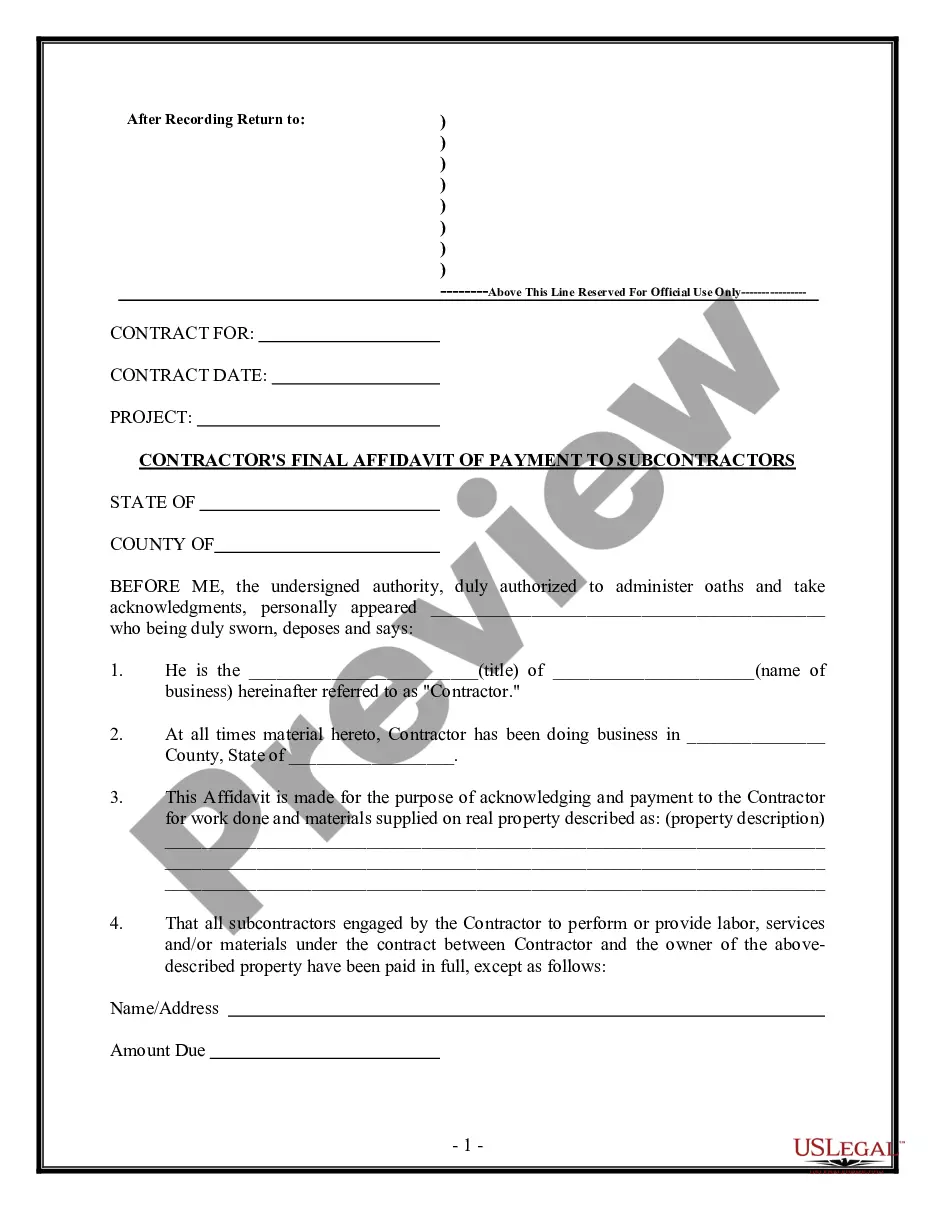




How to fill out Qualified Income Miller Trust?
- Log in to your US Legal Forms account if you’ve used the service previously. If you're new, create an account.
- Browse the extensive library; use the Preview mode and description to ensure you're selecting the right document for your needs, compliant with local jurisdiction rules.
- If you don’t find the appropriate form, utilize the Search tab to explore more options suited for your requirements.
- Add the chosen document to your cart by clicking the Buy Now button and selecting the subscription that fits your needs.
- Complete the payment process by entering your credit card details or opting for PayPal for a smoother transaction.
- Download your qualified trust template once payment is confirmed. You can access it anytime via the My Forms section.
In conclusion, US Legal Forms makes it easy to acquire the legal forms necessary for establishing a qualified trust. With a vast collection and expert support, you can ensure your documents meet all legal requirements.
Get started today by visiting US Legal Forms and empower your legal journey!
Form popularity
FAQ
To effectively set up a QIT, begin by consulting with a legal expert who can help you navigate the necessary requirements. You will need to fill out specific forms to establish the trust and obtain a tax ID number. Additionally, ensure that you maintain proper records of all income and distributions from the trust. This thorough process enables you to create a qualified trust caps contract for trust tailored to your individual circumstances.
Setting up a qualified income trust (QIT) involves several steps to ensure compliance with state and federal laws. Initially, you need to draft the trust document that clearly states the purpose and terms of the QIT. Next, you should create a separate bank account for the trust and deposit the income into it. Following these steps can guide you in forming a qualified trust caps contract for trust that aligns with your financial goals.
To establish a qualified trust, you must meet specific criteria that comply with tax regulations. Generally, the trust must be irrevocable, and the grantor should not retain control over the assets. Additionally, the trust should be properly documented to reflect its status as a qualified trust. Understanding these requirements can help you create a qualified trust caps contract for trust that meets your needs.
One common mistake parents make when setting up a trust fund is failing to choose the right trustee. Selecting someone who lacks experience in managing trust assets can lead to mismanagement and conflicts. Additionally, it is important to ensure that the trust document adheres to the guidelines set by the Qualified trust caps contract for trust to avoid future complications.
In New Jersey, a Qualified Income Trust functions by allowing individuals to meet income eligibility requirements for Medicaid while protecting assets. It holds excess income that would otherwise disqualify individuals from receiving benefits. By understanding the regulations surrounding the Qualified trust caps contract for trust, you can ensure proper setup and compliance with state laws.
Filling out a trust fund involves preparing a document that outlines the assets, beneficiaries, and instructions for asset management. You should include all relevant information about the trust's purpose, the roles of trustees, and the rights of beneficiaries. Moreover, when drafting this document, consider the requirements of the Qualified trust caps contract for trust to ensure legal validity and effective management.
To set up a Qualified Income Trust (QIT) account, you need to gather necessary documentation, such as your Social Security number and proof of income. Next, you can visit a financial institution or trust provider experienced in managing these accounts. It is essential to understand that this Qualified trust caps contract for trust needs to be compliant with state regulations to function correctly.
Yes, a QSST must file Form 1041 annually if it has any income to report. This filing captures the trust's income and helps it remain compliant with tax laws. Understanding when and how to file can prevent legal issues down the road. A qualified trust caps contract for trust can guide you through your filing responsibilities.
If your trust or estate has net investment income exceeding the applicable threshold, then filing IRS Form 8960 is necessary. This form is essential for calculating the Net Investment Income Tax. Paying attention to these details helps maintain compliance with IRS regulations. A qualified trust caps contract for trust can assist you in managing these financial responsibilities.
Currently, IRS Form 5227 can only be filed in paper format and is not available for electronic filing. This may change in the future, so it's wise to stay informed. Filing by mail ensures that the trust's information is submitted accurately and timely. A qualified trust caps contract for trust can help you stay organized throughout this process.