Qualified Trust Caps Complete With The
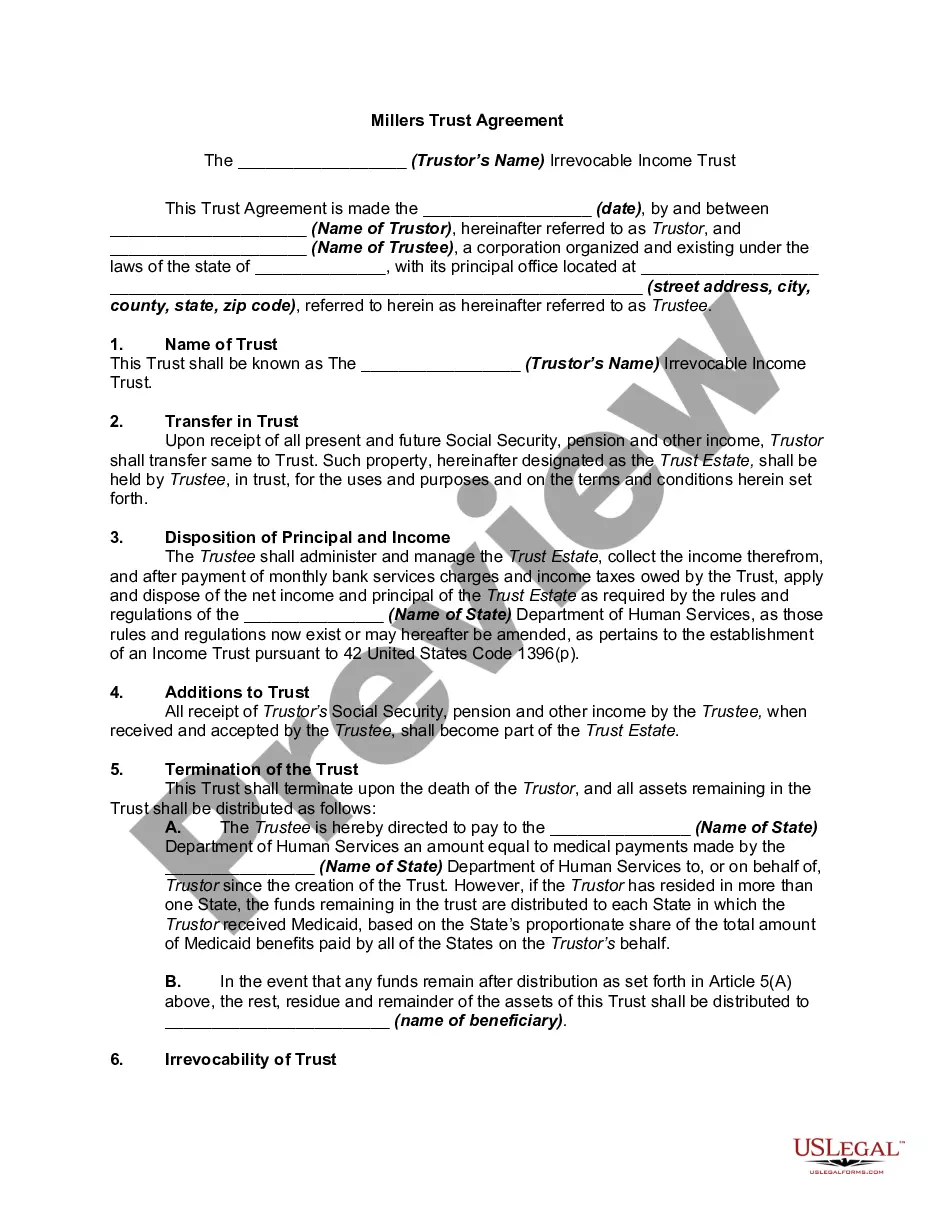
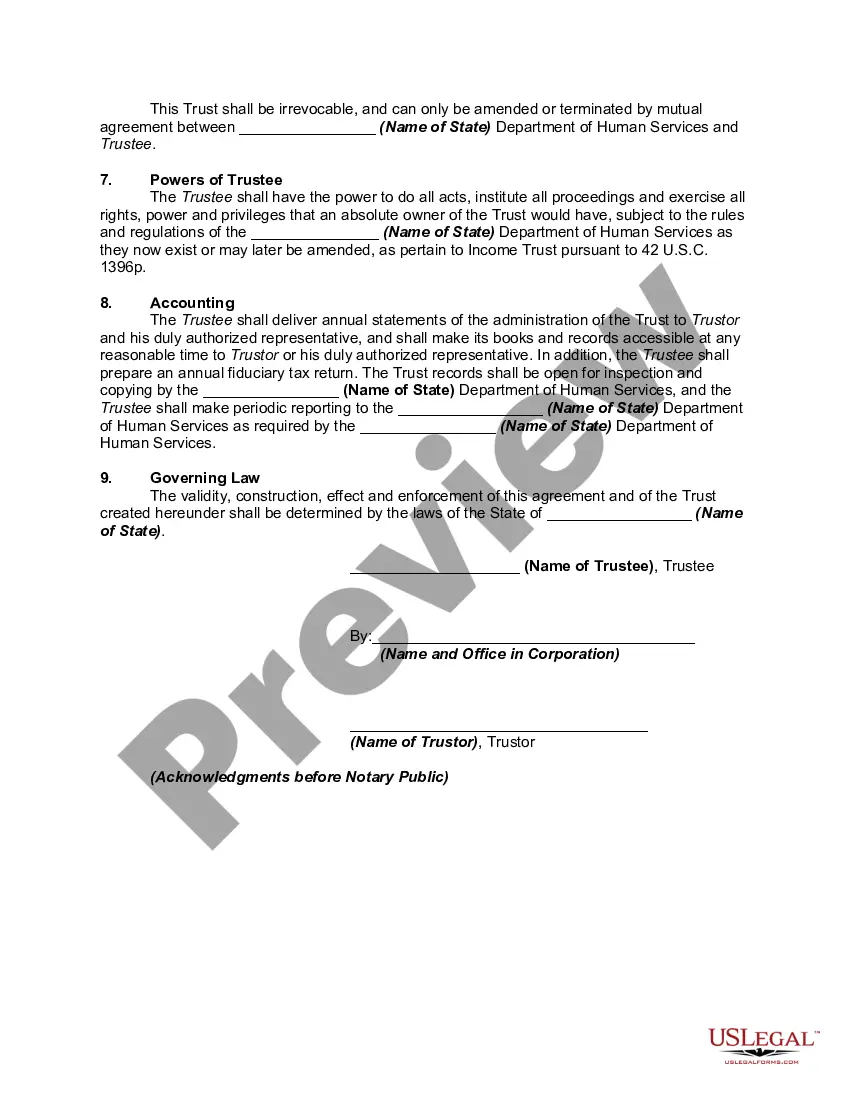
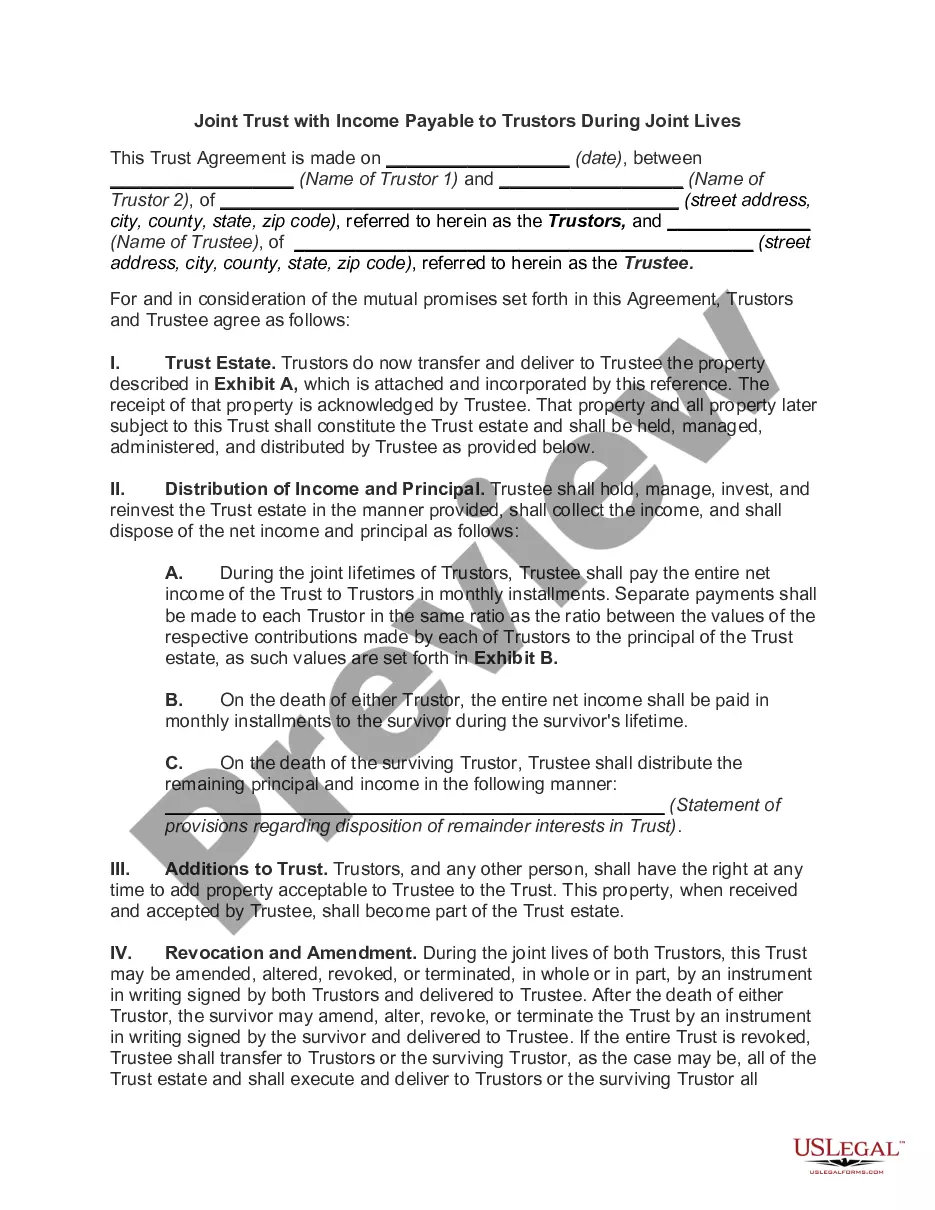
Description

Get your form ready online
Our built-in tools help you complete, sign, share, and store your documents in one place.
Make edits, fill in missing information, and update formatting in US Legal Forms—just like you would in MS Word.
Download a copy, print it, send it by email, or mail it via USPS—whatever works best for your next step.
Sign and collect signatures with our SignNow integration. Send to multiple recipients, set reminders, and more. Go Premium to unlock E-Sign.
If this form requires notarization, complete it online through a secure video call—no need to meet a notary in person or wait for an appointment.
We protect your documents and personal data by following strict security and privacy standards.

Make edits, fill in missing information, and update formatting in US Legal Forms—just like you would in MS Word.

Download a copy, print it, send it by email, or mail it via USPS—whatever works best for your next step.

Sign and collect signatures with our SignNow integration. Send to multiple recipients, set reminders, and more. Go Premium to unlock E-Sign.

If this form requires notarization, complete it online through a secure video call—no need to meet a notary in person or wait for an appointment.

We protect your documents and personal data by following strict security and privacy standards.
Looking for another form?
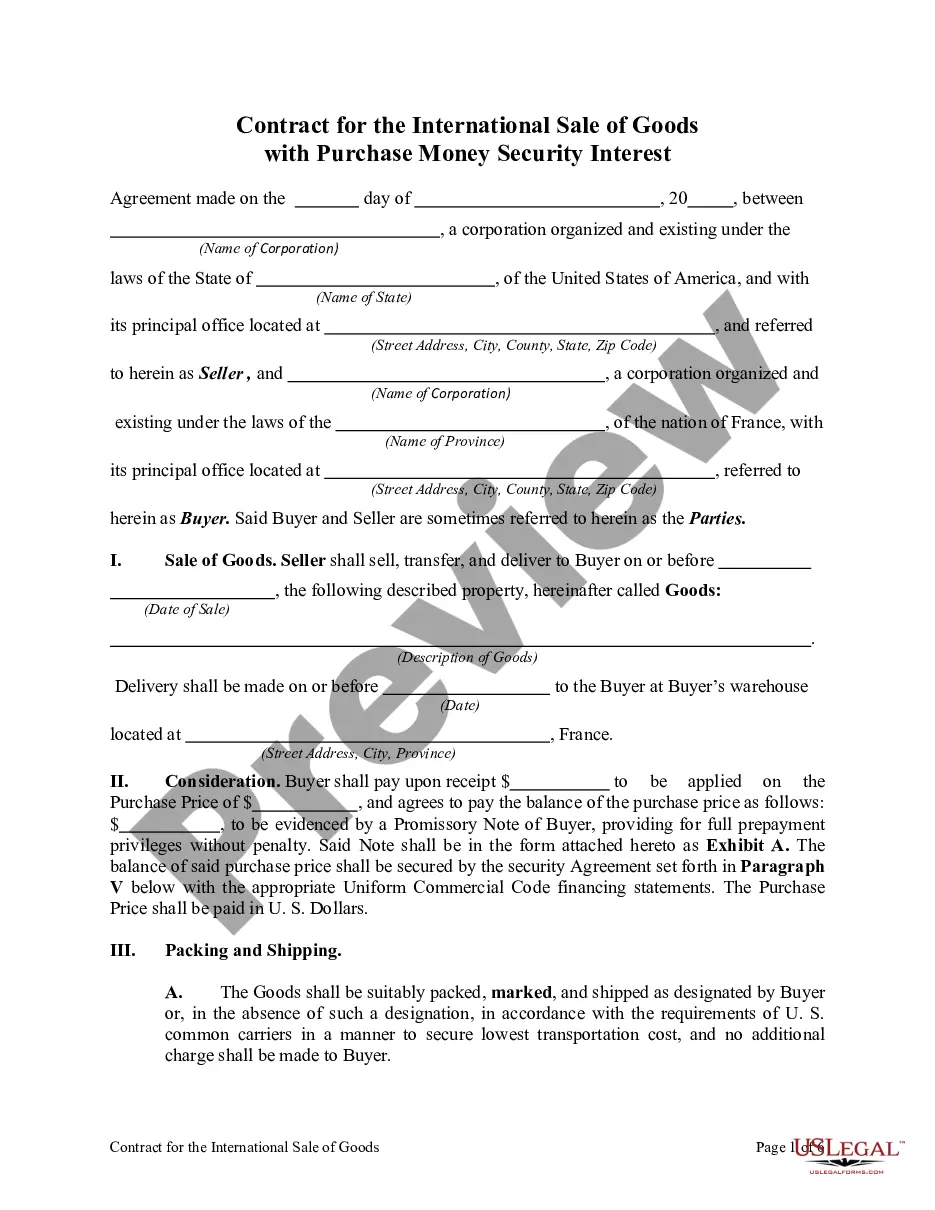






How to fill out Qualified Income Miller Trust?
- Log in to your account if you're a returning user, ensuring your subscription is active. If expired, renew it following your payment plan.
- For first-time users, start by checking the form preview and description to ensure it fits your needs and complies with local regulations.
- If the selected form doesn't meet your requirements, utilize the Search tab to find alternative templates.
- Once you find the suitable document, click the Buy Now button and choose your preferred subscription plan. Registration is required to access the full library.
- Complete your purchase by entering your payment details through credit card or PayPal.
- Finally, download the form to your device and access it anytime from the My Forms section of your account.
In conclusion, whether for personal or professional use, US Legal Forms equips users with the tools they need for legal success. With a user-friendly interface and expert assistance, you can feel confident in your legal document creation.
Start today and empower yourself with the legal documents you need by visiting US Legal Forms!
Form popularity
FAQ
The termination of a trust can lead to various tax consequences, including potential capital gains taxes when assets are distributed. Beneficiaries may also face tax implications based on the trust's income. Therefore, understanding these aspects helps in planning effectively. Ensure your Qualified trust caps complete with a clear awareness of any tax implications involved.
Yes, trust income must be reported on a tax return. Typically, this means filing Form 1041 to disclose the income generated by the trust. Failure to report can lead to penalties, so it is crucial to stay compliant. This ensures your Qualified trust caps complete with the necessary reporting standards.
Closing a trust with the IRS requires the submission of a final tax return, Form 1041. You will also need to distribute all assets to the beneficiaries and provide necessary documentation. It ensures that the trust is completely settled. Remember, your Qualified trust caps complete with IRS guidelines can simplify this process significantly.
To dissolve a trust with the IRS, you must file a final tax return and provide the necessary dissolution documentation. This includes notifying beneficiaries and settling any relevant debts. After completing these tasks, ensure that all required forms are submitted to finalize the dissolution. This guarantees that your Qualified trust caps complete with IRS regulations.
Filing a final tax return for a trust is similar to regular filings but requires special attention. You will need to complete Form 1041 and indicate that it is the final return. Include any income received up to the date of closure. By understanding these steps, you ensure that your Qualified trust caps complete with all tax reporting requirements.
To file a return for a trust, you will need TurboTax Premier or TurboTax Business. These versions support Form 1041 and offer guidance specific to trusts. This means you can take advantage of their features to ensure your Qualified trust caps complete with the necessary documentation effortlessly. Utilize the assistance offered to navigate trust filings efficiently.
Closing a trust involves several steps, including settling any outstanding debts, distributing assets to beneficiaries, and filing final tax returns. You must ensure all paperwork is completed correctly before concluding the trust. Remember, once the assets are distributed, the trust cannot be reopened. Thus, understanding how Qualified trust caps complete with your goals is essential.
Yes, a Qualified Subchapter S Trust (QSST) must file Form 1041 annually. This form is designed for reporting the income of the trust. When filing, you'll reflect the trust's income, deductions, and credits. It is important to comply to ensure that your Qualified trust caps complete with all tax obligations.
While having a trust offers many benefits, there are potential downfalls too. Trusts can require regular maintenance, legal fees, and administrative burdens that some may find overwhelming. Additionally, relying too heavily on a trust without a complete estate plan can lead to gaps in protection and planning. Exploring options like qualified trust caps complete with the can help mitigate these issues and streamline the process.
One of the largest mistakes parents often make is failing to communicate their intentions clearly. It is crucial for them to inform beneficiaries about the trust's purpose and their wishes to avoid misunderstandings. Additionally, not updating the trust as family situations change can lead to future complications. Therefore, ensuring precise and clear setups is vital, especially when considering qualified trust caps complete with the.