Citizenship Status Examples
Description
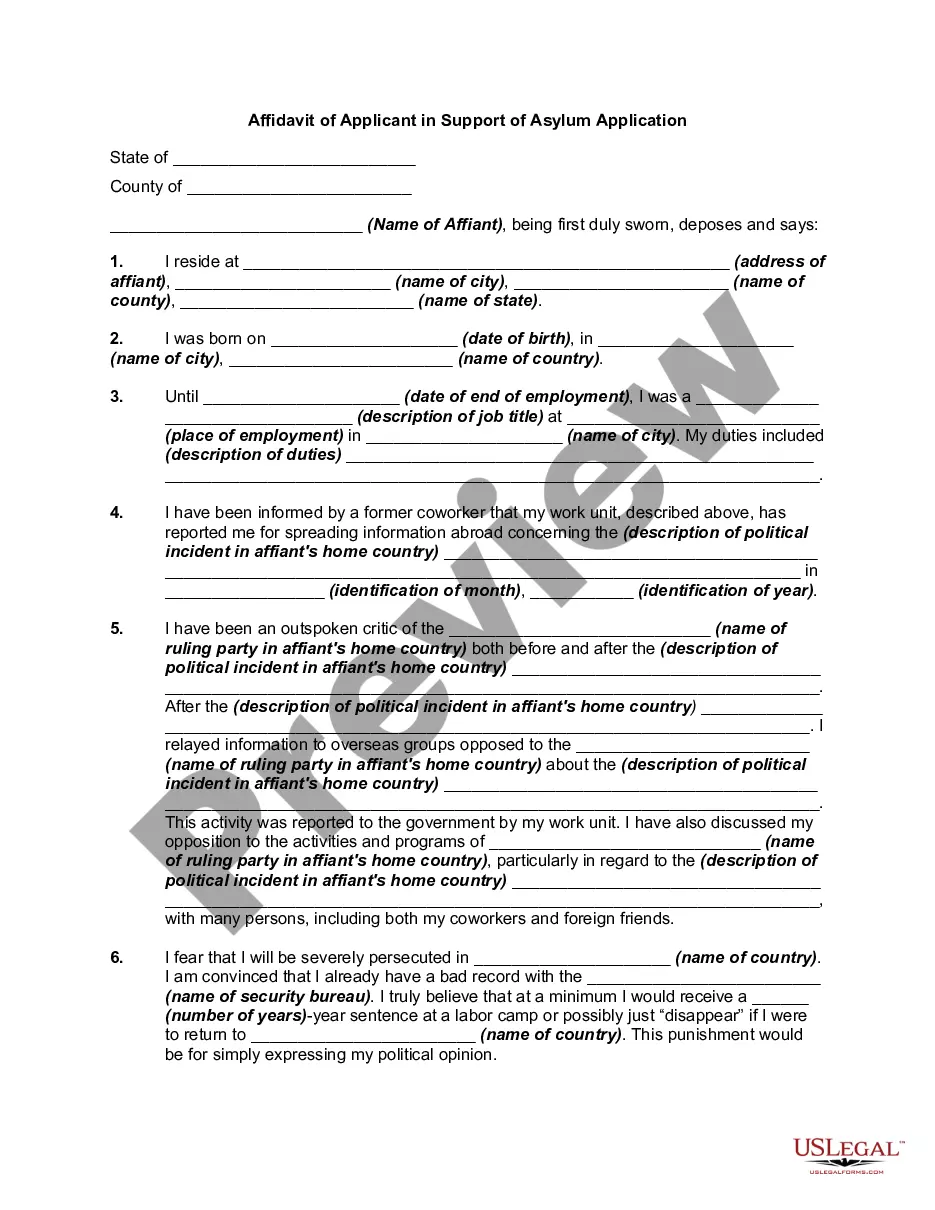
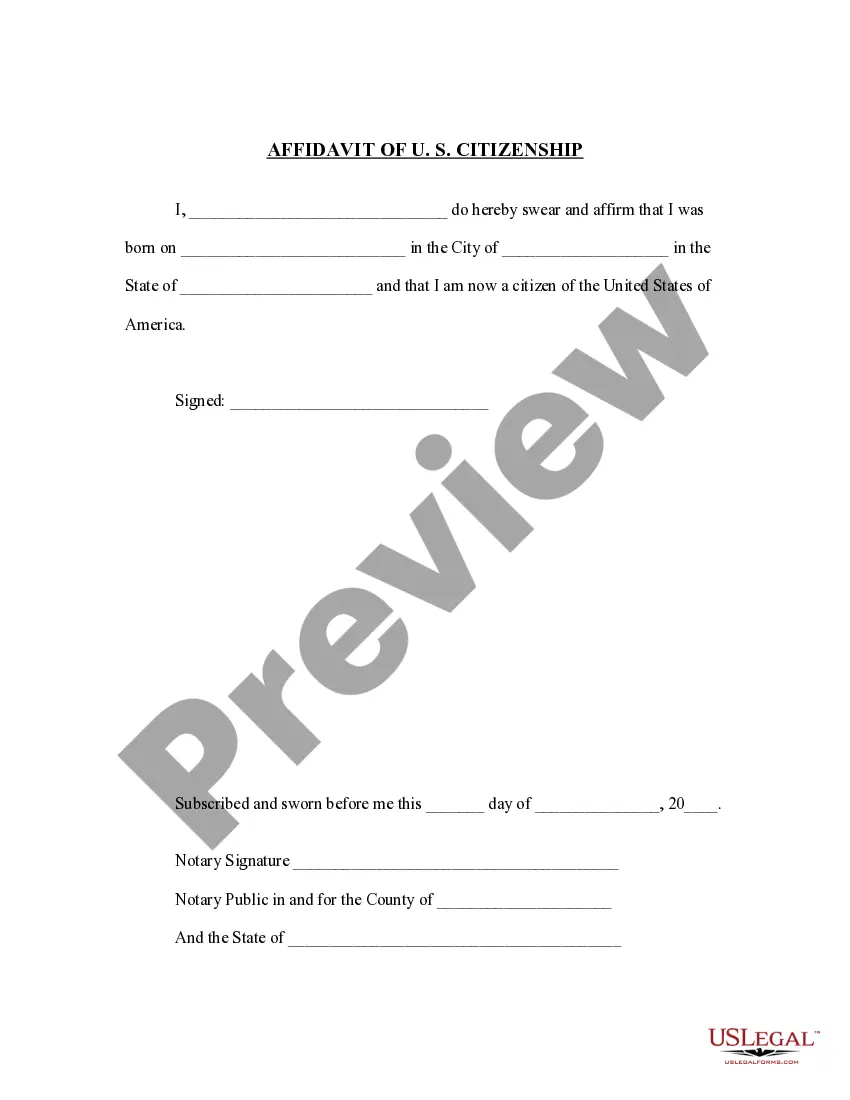
Get your form ready online
Our built-in tools help you complete, sign, share, and store your documents in one place.
Make edits, fill in missing information, and update formatting in US Legal Forms—just like you would in MS Word.
Download a copy, print it, send it by email, or mail it via USPS—whatever works best for your next step.
Sign and collect signatures with our SignNow integration. Send to multiple recipients, set reminders, and more. Go Premium to unlock E-Sign.
If this form requires notarization, complete it online through a secure video call—no need to meet a notary in person or wait for an appointment.
We protect your documents and personal data by following strict security and privacy standards.

Make edits, fill in missing information, and update formatting in US Legal Forms—just like you would in MS Word.

Download a copy, print it, send it by email, or mail it via USPS—whatever works best for your next step.

Sign and collect signatures with our SignNow integration. Send to multiple recipients, set reminders, and more. Go Premium to unlock E-Sign.

If this form requires notarization, complete it online through a secure video call—no need to meet a notary in person or wait for an appointment.

We protect your documents and personal data by following strict security and privacy standards.
Looking for another form?
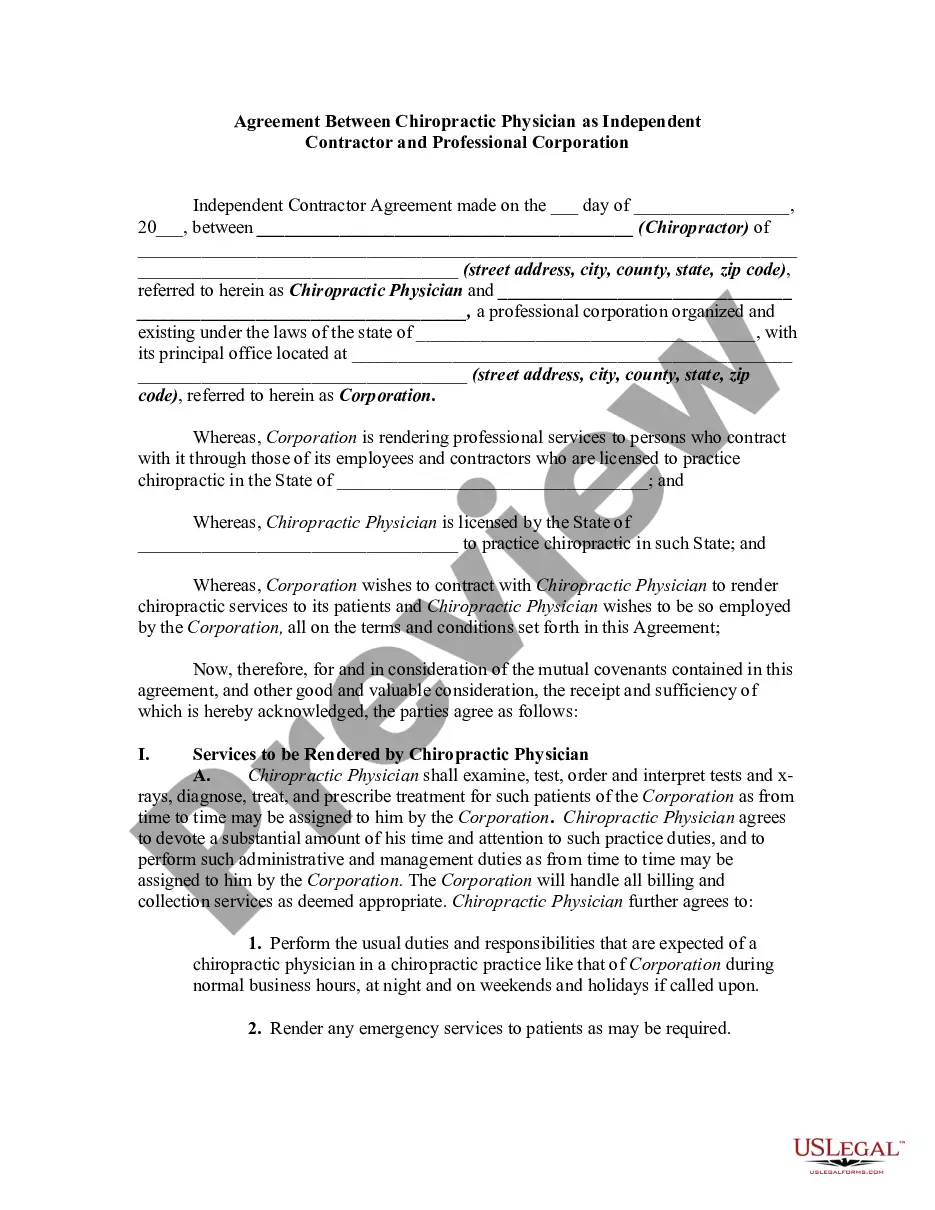
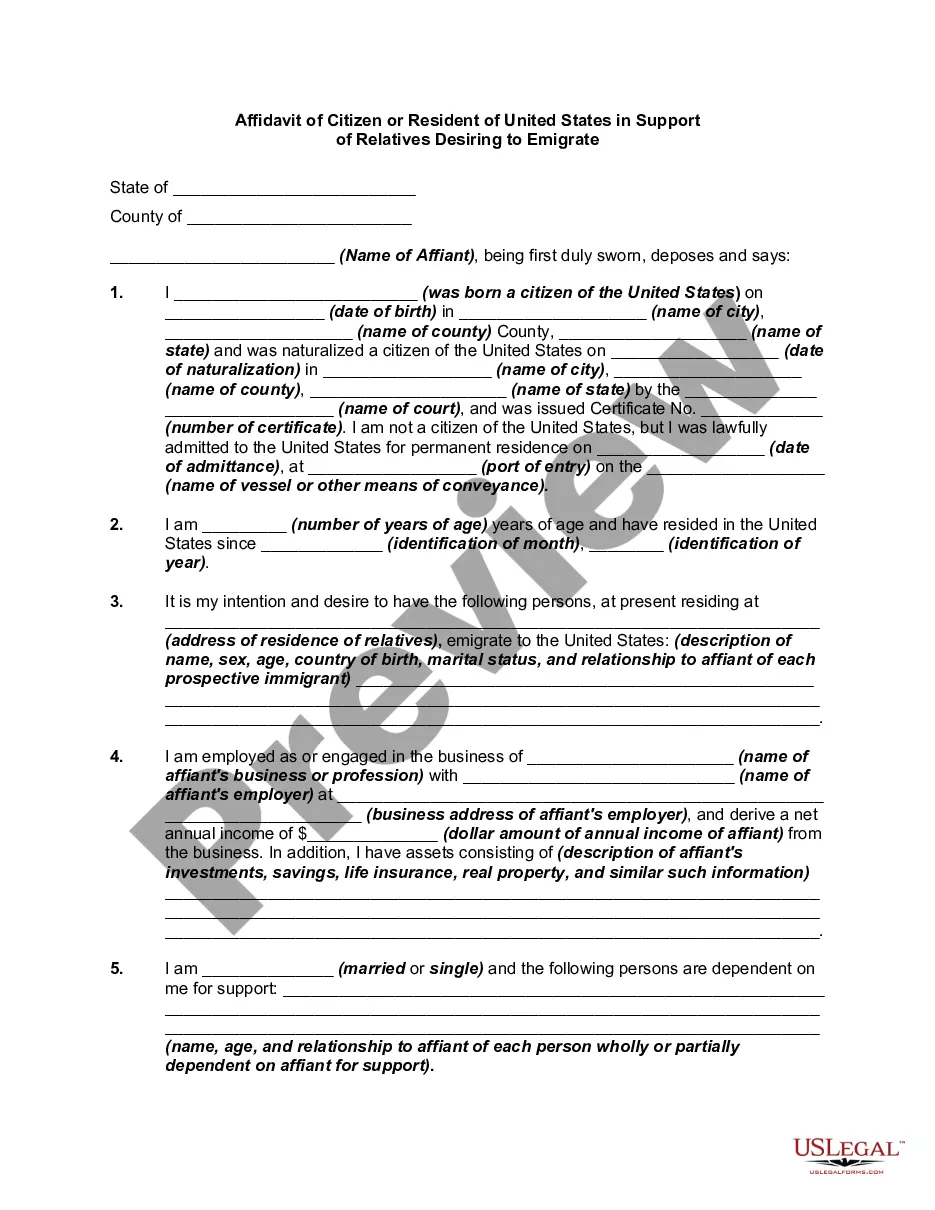
How to fill out Affidavit And Proof Of Citizenship Or Residence Of United States In Support Of Relatives Desiring To Emigrate?
Accessing legal document samples that comply with federal and state laws is essential, and the internet provides numerous choices to choose from.
However, what’s the purpose of spending time looking for the appropriate Citizenship Status Examples template online when the US Legal Forms digital library has already compiled such documents in one location.
US Legal Forms is the largest online legal database with over 85,000 fillable templates created by attorneys for any business and personal circumstance. They are easy to navigate, with all documents categorized by state and intended use. Our experts keep current with legal changes, so you can always be assured your form is up to date and compliant when obtaining a Citizenship Status Examples from our site.
Select Buy Now once you’ve located the suitable form and choose a subscription option. Create an account or sign in and complete the payment via PayPal or credit card. Select the appropriate format for your Citizenship Status Examples and download it. All templates available through US Legal Forms are reusable. To re-download and complete forms previously acquired, access the My documents section in your account. Experience the most comprehensive and user-friendly legal document service!
- Acquiring a Citizenship Status Examples is quick and simple for both existing and new users.
- If you already possess an account with an active subscription, Log In and download the document sample you require in the desired format.
- If you are a new visitor to our site, follow the steps below.
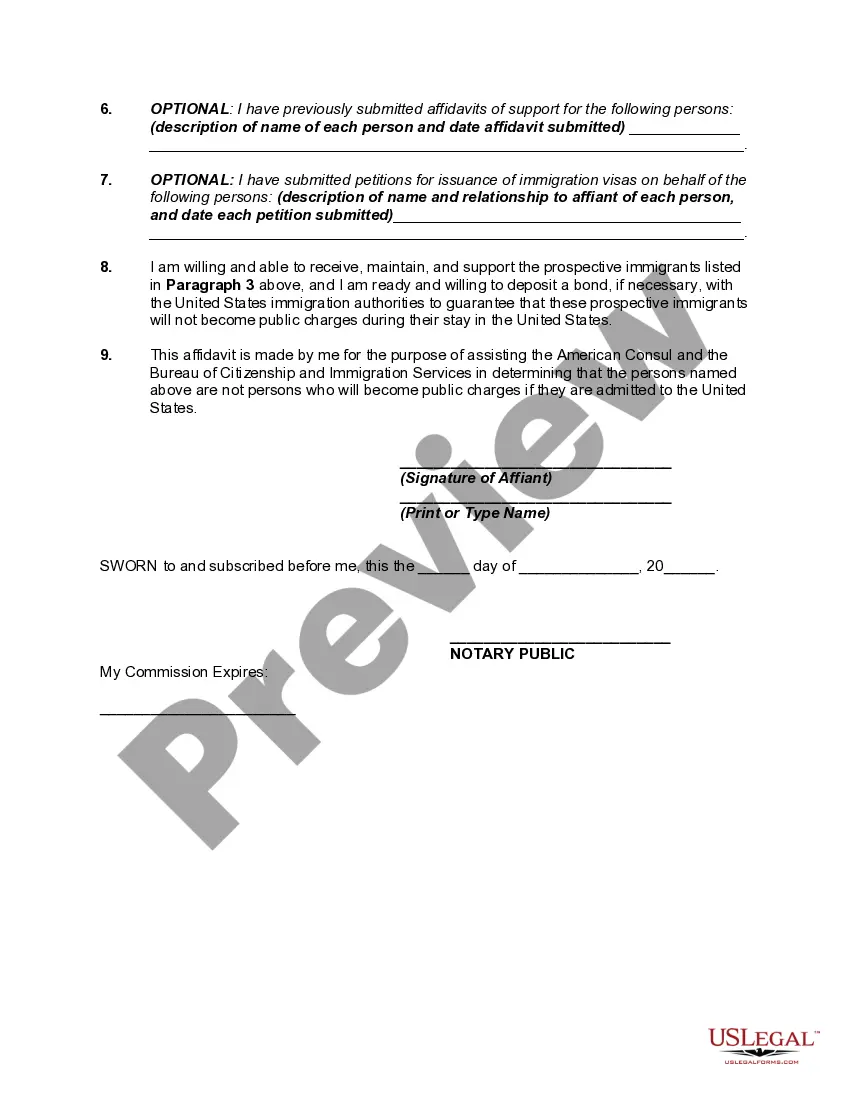
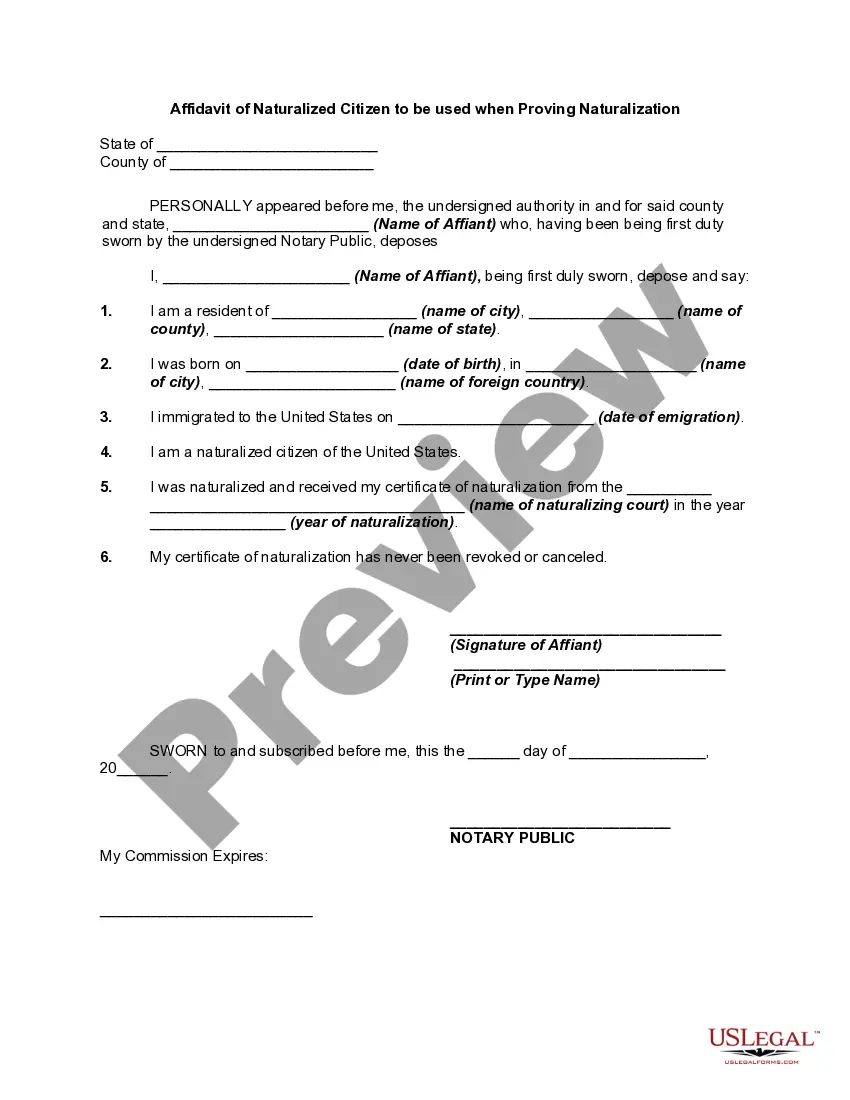
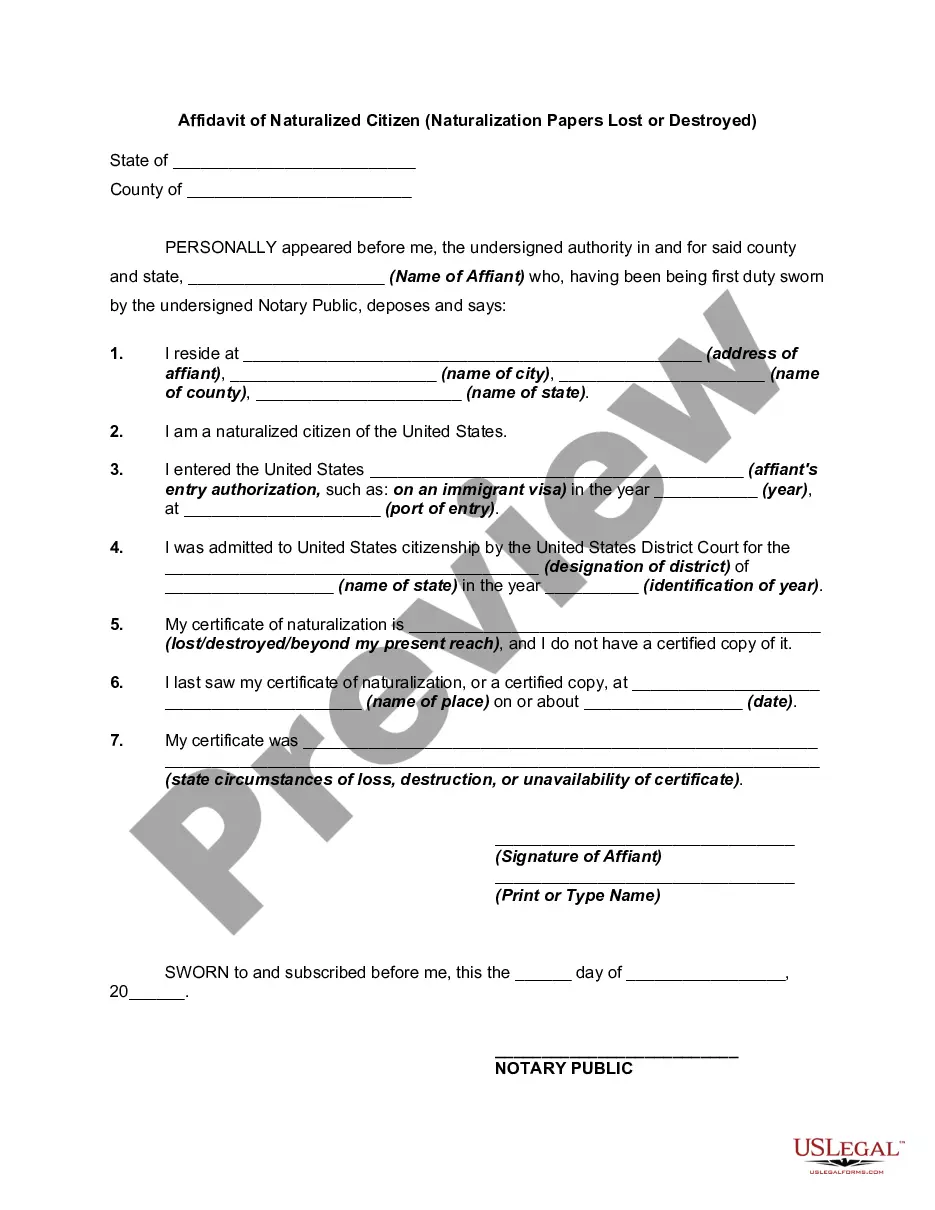
- Review the template using the Preview feature or through the text outline to confirm it satisfies your needs.
- Utilize the search bar at the top of the page to find another sample if necessary.
Form popularity
FAQ
When answering questions about citizenship status, be clear and concise. You can start by stating your citizenship status, such as U.S. citizen, permanent resident, or dual citizen. It's also useful to reference citizenship status examples, so that others understand the distinctions. If you need to provide documentation or any other clarity on your status, platforms like US Legal Forms can guide you through that process.
Citizenship is the legal status that allows a person to participate in the political and legal systems of a country. To answer what is citizenship, you can describe it as a relationship between an individual and a nation, where the person owes allegiance to the country and receives protection and rights in return. When discussing citizenship status examples, it helps to clarify rights like voting and holding public office, which citizens uniquely enjoy.
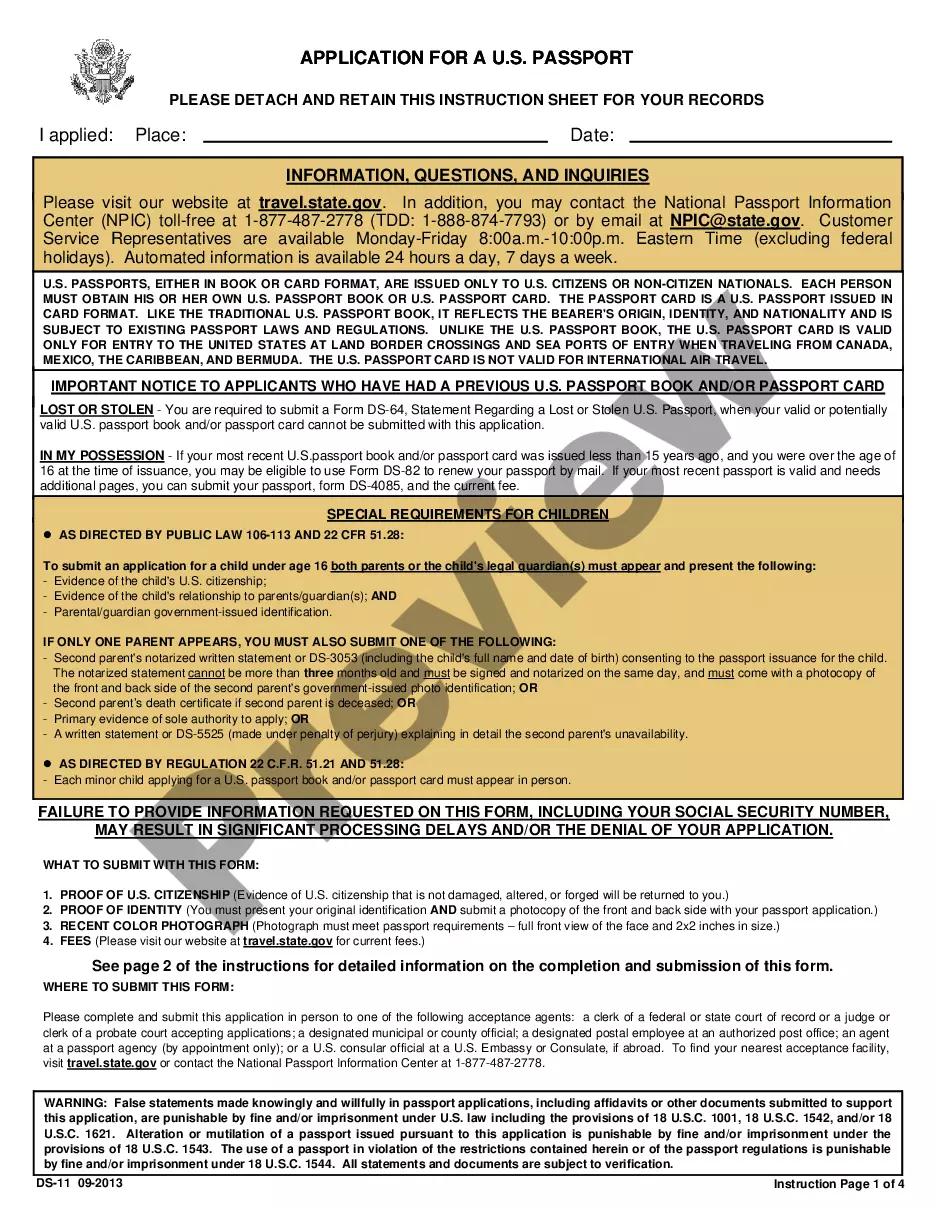
You can document U.S. citizenship by providing various forms of evidence. Common citizenship status examples include your birth certificate, a U.S. passport, or a naturalization certificate. If you are unsure which document to use, consider using the resources available on US Legal Forms. They can help you navigate this process and ensure you provide the correct documentation.
An example of a citizenship status is 'naturalized citizen', which describes someone who was born in another country but earned U.S. citizenship through the naturalization process. Other citizenship status examples include 'U.S. national' and 'non-citizen national'. Understanding these classifications helps clarify your legal standing in the United States. For tailored guidance, USLegalForms can be a valuable resource.
When you are asked about citizenship status on forms, you should provide the specific category that applies to you. Common citizenship status examples include 'U.S. citizen', 'permanent resident', and 'temporary resident'. Always ensure that the information you provide is accurate to avoid issues later on. If you need further assistance, consider using USLegalForms, as it offers resources to help you navigate these requirements.
The four primary types of U.S. citizenship include birthright citizenship, acquired citizenship through naturalization, derived citizenship through parents, and citizenship by marriage. Birthright citizenship automatically grants citizenship to those born in the U.S. Naturalization allows foreign nationals to become U.S. citizens after meeting specific criteria. Understanding these citizenship status examples is crucial for navigating immigration laws and regulations.
Citizenship is the bond between an individual and a nation, granting specific rights and obligations. It often includes rights to participate in politics, freedom of movement, and access to government amenities. When asked about your citizenship, you can reflect on your legal recognition in relation to citizenship status examples, which may include being born in the country, naturalized, or a dependent of a citizen.
Your citizenship status describes your legal recognition as a member of a country. It encompasses rights such as voting, working, and accessing government services. Knowing your citizenship status is essential, as it impacts many life choices and responsibilities. For clear citizenship status examples, you can explore resources available on platforms like uslegalforms.
Citizenship status refers to the legal standing a person holds within a country. It defines a person's rights, responsibilities, and relationship with that nation. In the United States, citizenship status examples range from U.S. citizen to lawful permanent resident, each carrying distinct implications. Understanding these classifications can help you navigate legal and social systems more effectively.
Examples of citizenship status include U.S. citizen, permanent resident, temporary resident, and refugee. Each status carries different rights and responsibilities, impacting areas like voting and employment. Understanding these distinctions through clear citizenship status examples helps you navigate legal situations effectively. For comprehensive guidance on these definitions, consider exploring US Legal Forms.