Motion To Quash In Tagalog
Description
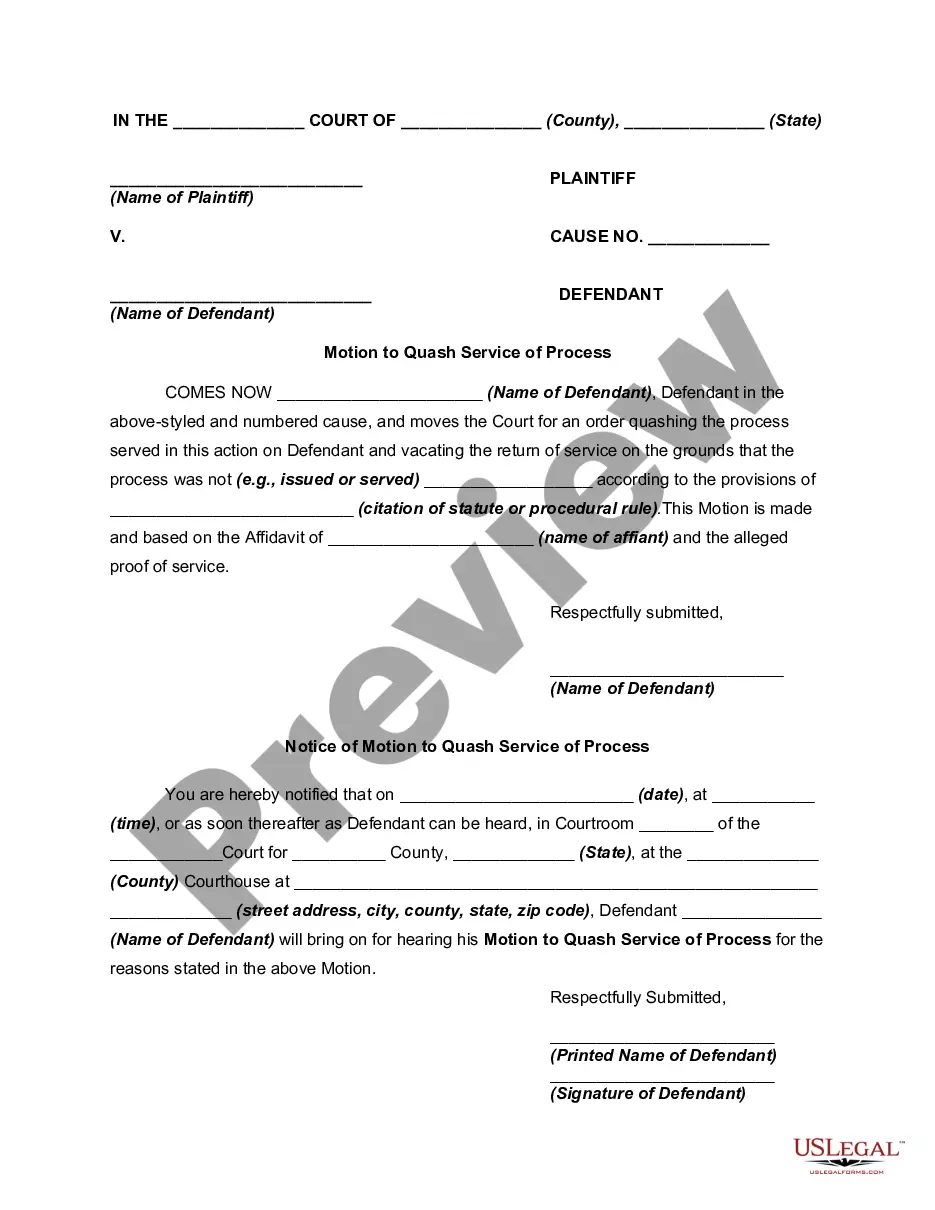
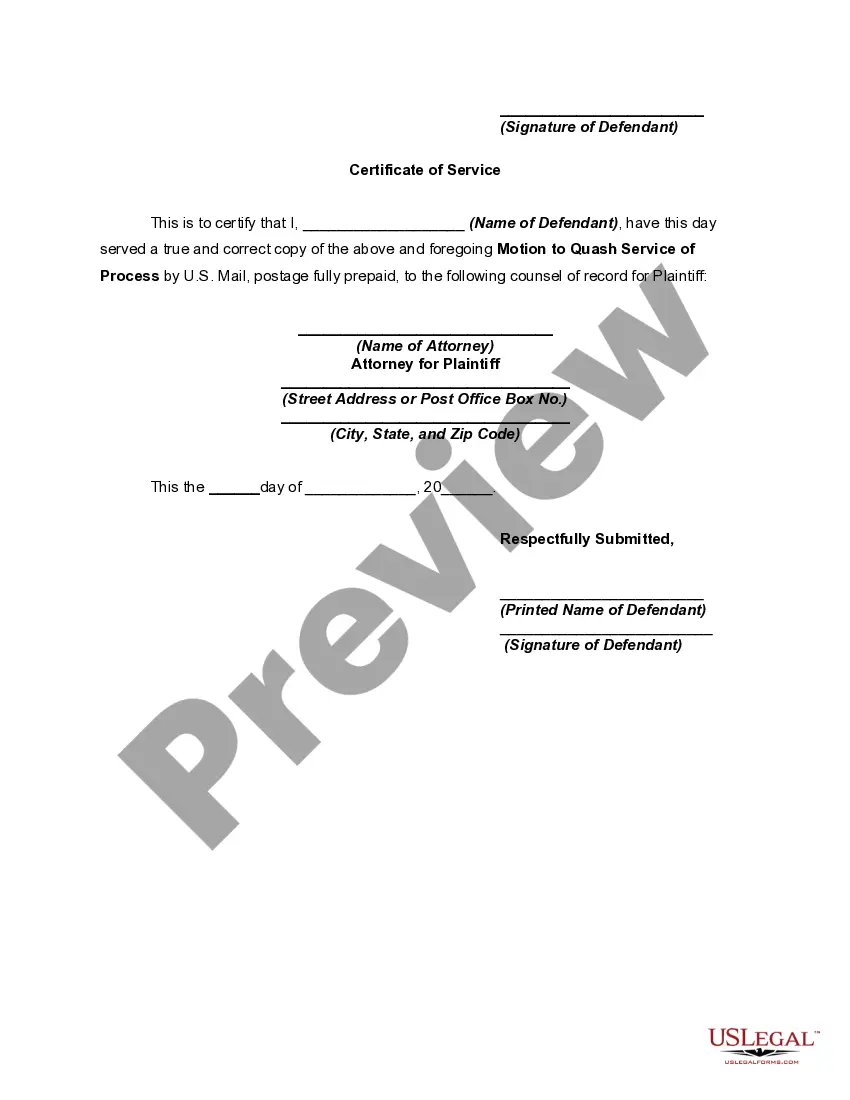
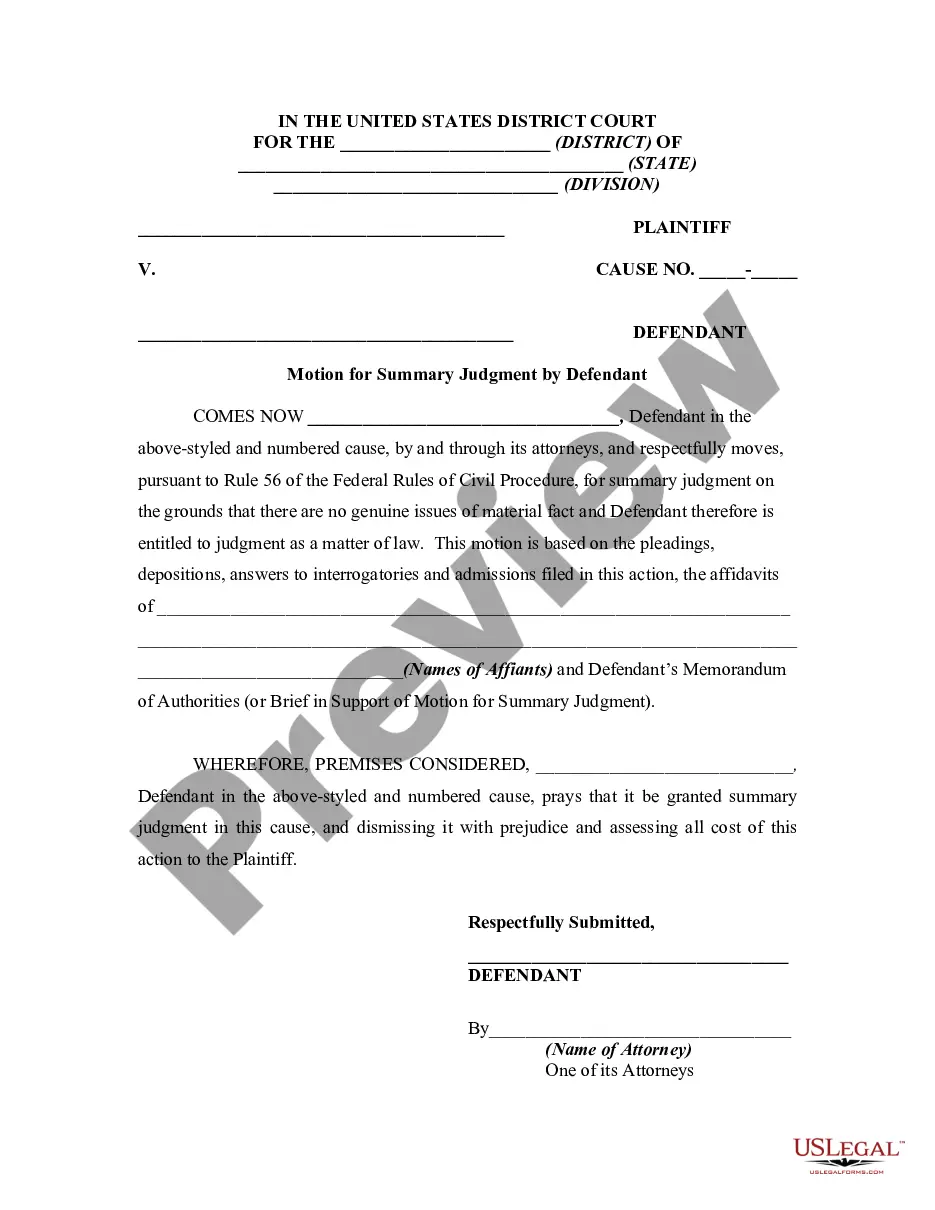
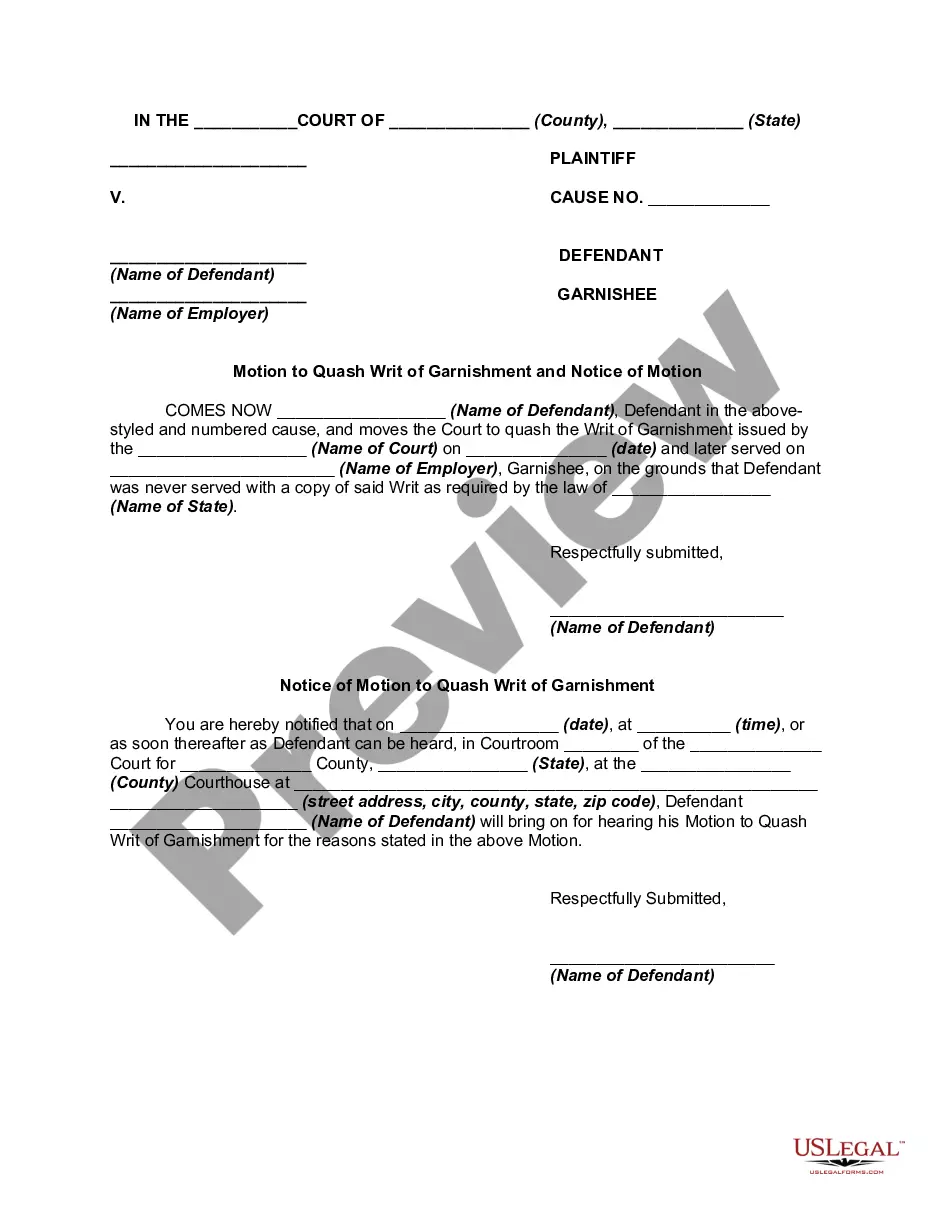
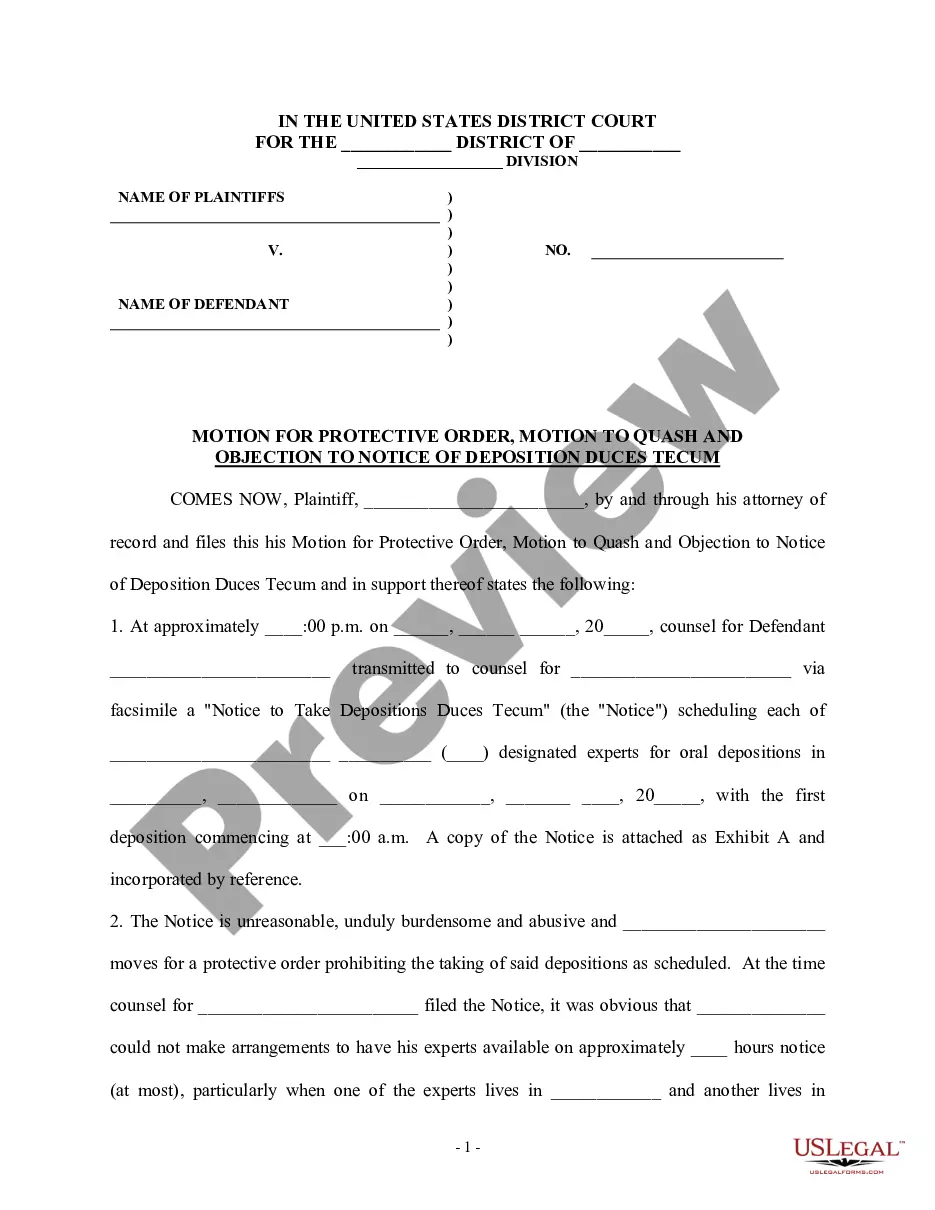
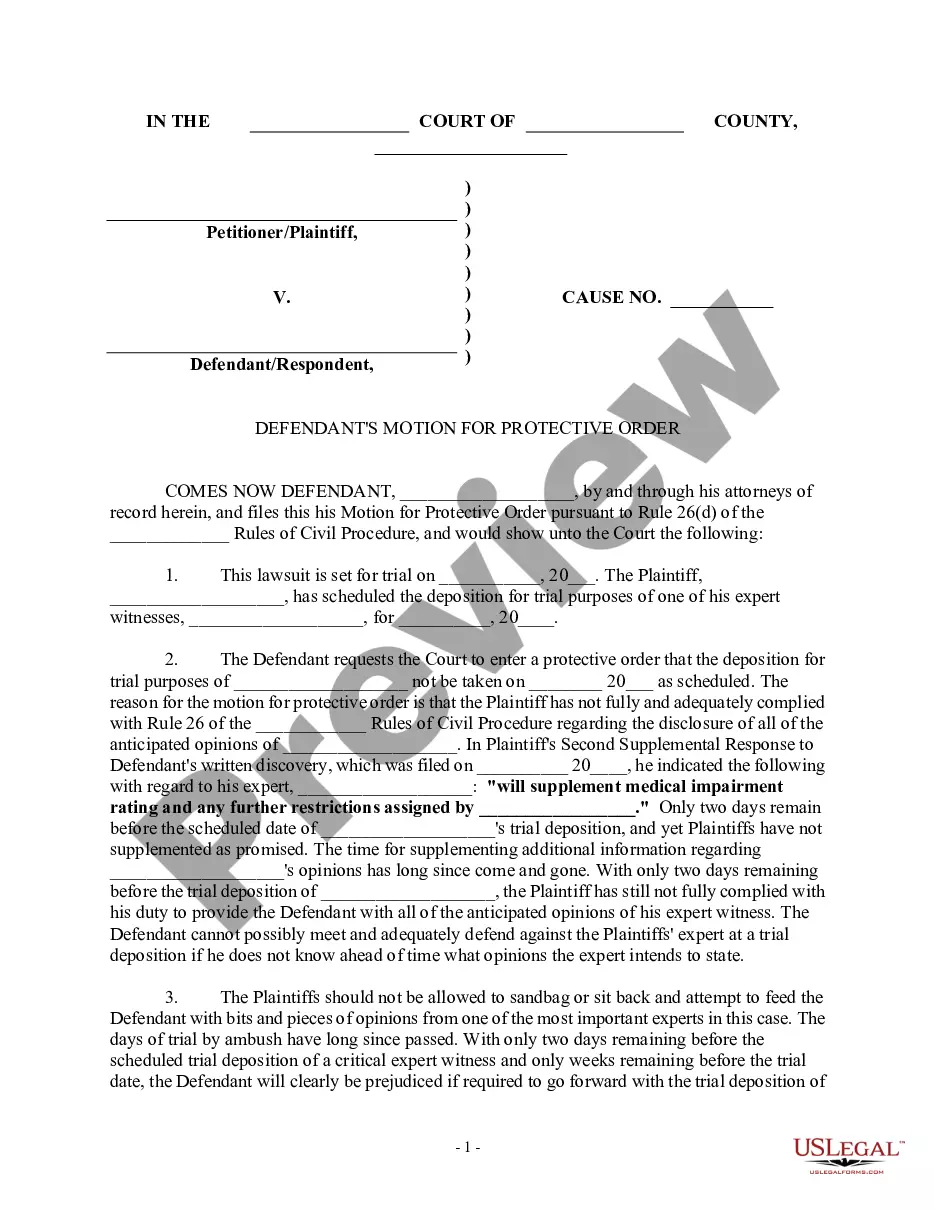

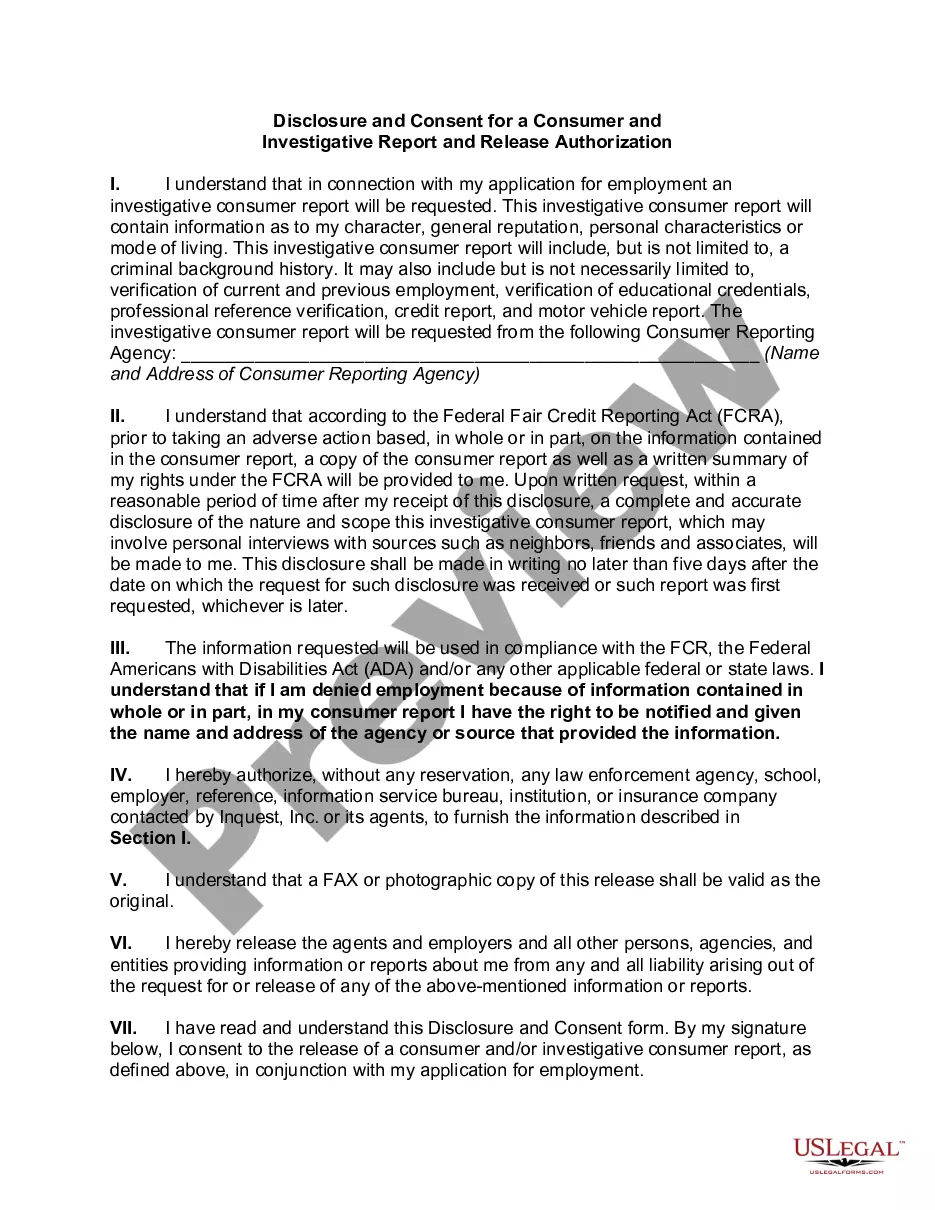
How to fill out Motion Of Defendant To Quash Service Of Process?
Acquiring legal templates that comply with federal and local laws is vital, and the internet provides countless selections to consider.
However, what's the use of spending time looking for the suitable Motion To Quash In Tagalog example online when the US Legal Forms online library has such templates conveniently gathered in one location.
US Legal Forms is the largest online legal repository with over 85,000 editable templates crafted by attorneys for any professional or personal situation.
Review the template using the Preview option or by examining the text outline to confirm it aligns with your needs.
- They are easy to navigate with all documents categorized by state and intended use.
- Our experts stay informed about legislative updates, ensuring your documentation is always current and compliant when obtaining a Motion To Quash In Tagalog from our site.
- Getting a Motion To Quash In Tagalog is quick and straightforward for both existing and new users.
- If you already hold an account with an active subscription, Log In and store the document sample you require in your desired format.
- If you are new to our platform, follow the instructions below.
Form popularity
FAQ
When a decision is quashed, it means that the previous ruling is annulled and rendered ineffective. This can lead to the nullification of charges, penalties, or certain legal obligations. For those exploring this concept in relation to a motion to quash in Tagalog, it's vital to understand that quashing a decision can significantly impact the outcome of a case, leading to new possibilities for the affected parties.
In court, a motion to quash formally requests that a judge nullify a legal process, such as a subpoena. This motion argues that the request lacks legal validity or exceeds the appropriate boundaries of authority. When discussing the motion to quash in Tagalog, you emphasize the right to contest actions that may not adhere to legal standards.
The term 'quash' means to invalidate or annul a legal decision or action. When something is quashed, it is rendered void and ineffective. If you're looking for insights or specific meanings relating to motion to quash in Tagalog, remember that this term emphasizes the power to challenge unjust legal actions effectively.
In the Philippines, a motion to quash refers to a formal request to nullify a legal order or process. This could involve quashing a subpoena or an arrest warrant, asserting that it lacks legal basis. For those seeking clarity on a motion to quash in Tagalog, it's essential to recognize that this legal action seeks to protect individuals from unjust legal actions.
The motion to dismiss and the motion to quash serve different purposes in legal proceedings. A motion to dismiss requests the court to terminate a case, arguing that there are insufficient grounds to proceed. In contrast, a motion to quash challenges a specific request or action within a case, such as a subpoena or a summons. Understanding these differences in the context of a motion to quash in Tagalog can help you navigate legal situations more effectively.
Someone might file a motion to quash to prevent the enforcement of a court order or to challenge the validity of a legal document. Common reasons include disputes over jurisdiction or improper service of process. Filing this motion can protect your legal rights and interests. With USLegalForms, you can find the necessary tools and information to craft a strong motion to quash in Tagalog that addresses your specific situation.
A motion to quash is typically a procedural motion used to invalidate a legal process or court summons. It often relates to issues such as improper service or jurisdiction. This type of motion allows individuals to contest the legitimacy of the action being taken against them. For clarity and effective drafting, you can rely on the templates provided by USLegalForms to assist in creating your motion to quash in Tagalog.
A motion to dismiss serves the purpose of challenging the legal sufficiency of a claim filed against you. By filing this motion, you argue that even if all allegations are true, they do not provide a valid basis for legal action. This can save time and resources in court. Understanding the intricacies of motions like these is essential, and our resources at USLegalForms can help you navigate through them efficiently.
Writing a motion to quash requires clear and precise language. First, you should outline the grounds for your request, explaining why the court should nullify the previous action. Include relevant facts and legal reasons to support your position. Using our platform at USLegalForms can guide you through the process, ensuring your motion to quash in Tagalog is properly formatted and meets court requirements.
The purpose of quash is to nullify or render a legal document or proceeding ineffective. It serves to protect individuals from legal actions that may not adhere to proper procedures. Understanding the purpose of quash in Tagalog can empower individuals to take necessary legal steps when confronted with unjust legal actions.