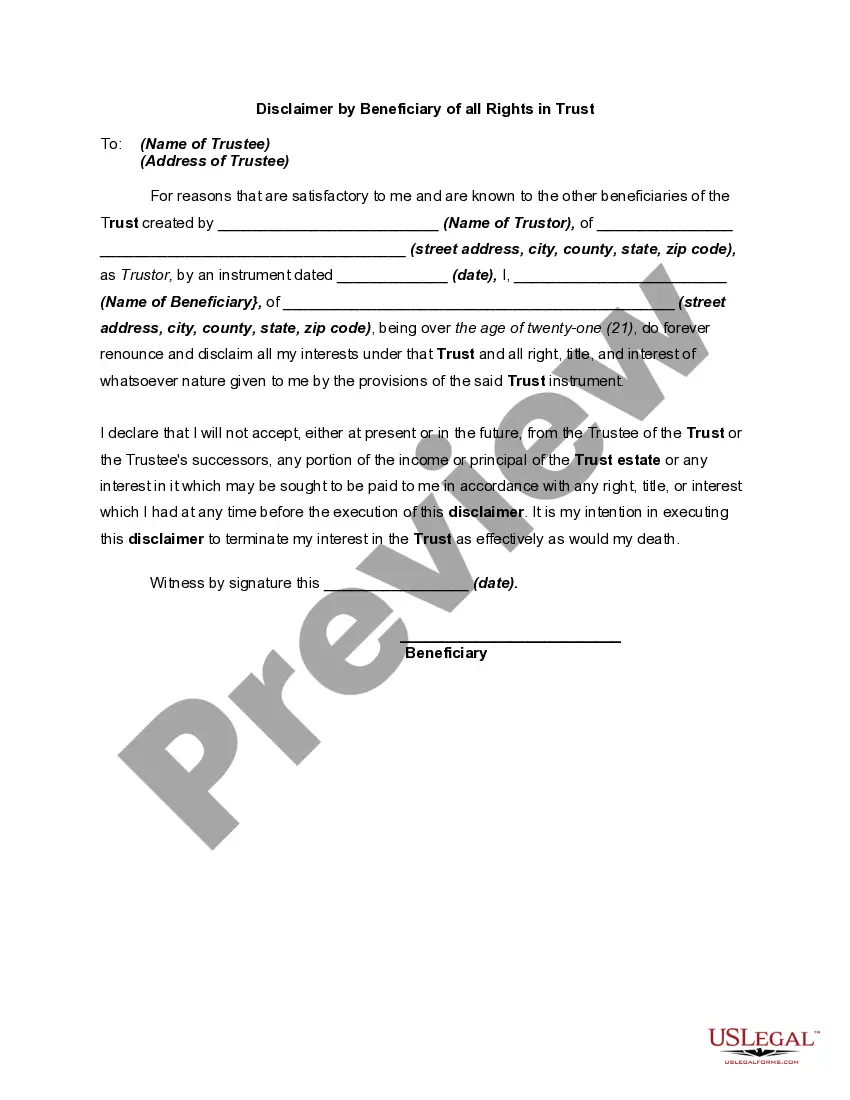
Beneficiary Trust Agreement With Japan
Description
Get your form ready online
Our built-in tools help you complete, sign, share, and store your documents in one place.
Make edits, fill in missing information, and update formatting in US Legal Forms—just like you would in MS Word.
Download a copy, print it, send it by email, or mail it via USPS—whatever works best for your next step.
Sign and collect signatures with our SignNow integration. Send to multiple recipients, set reminders, and more. Go Premium to unlock E-Sign.
If this form requires notarization, complete it online through a secure video call—no need to meet a notary in person or wait for an appointment.
We protect your documents and personal data by following strict security and privacy standards.

Make edits, fill in missing information, and update formatting in US Legal Forms—just like you would in MS Word.

Download a copy, print it, send it by email, or mail it via USPS—whatever works best for your next step.

Sign and collect signatures with our SignNow integration. Send to multiple recipients, set reminders, and more. Go Premium to unlock E-Sign.

If this form requires notarization, complete it online through a secure video call—no need to meet a notary in person or wait for an appointment.

We protect your documents and personal data by following strict security and privacy standards.
Looking for another form?

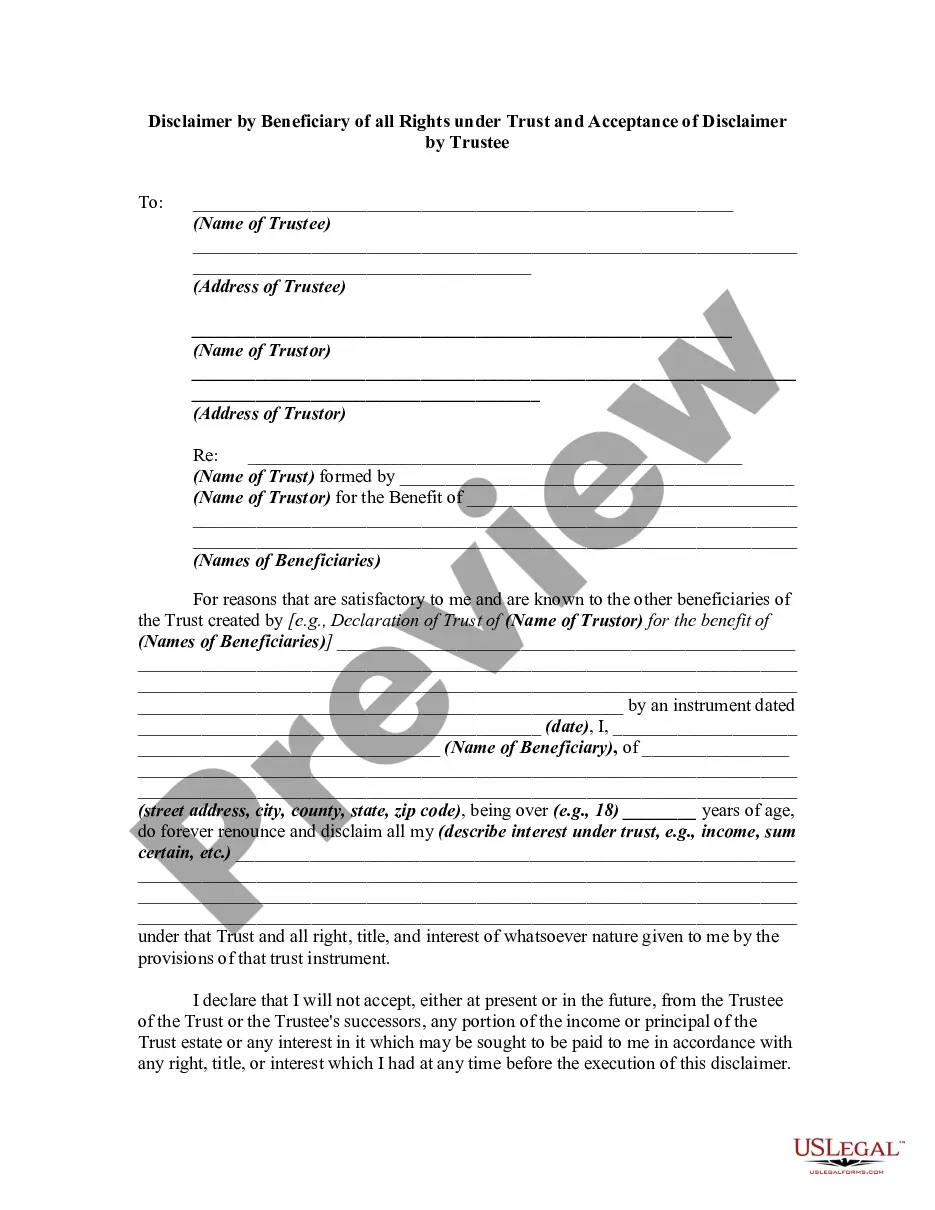
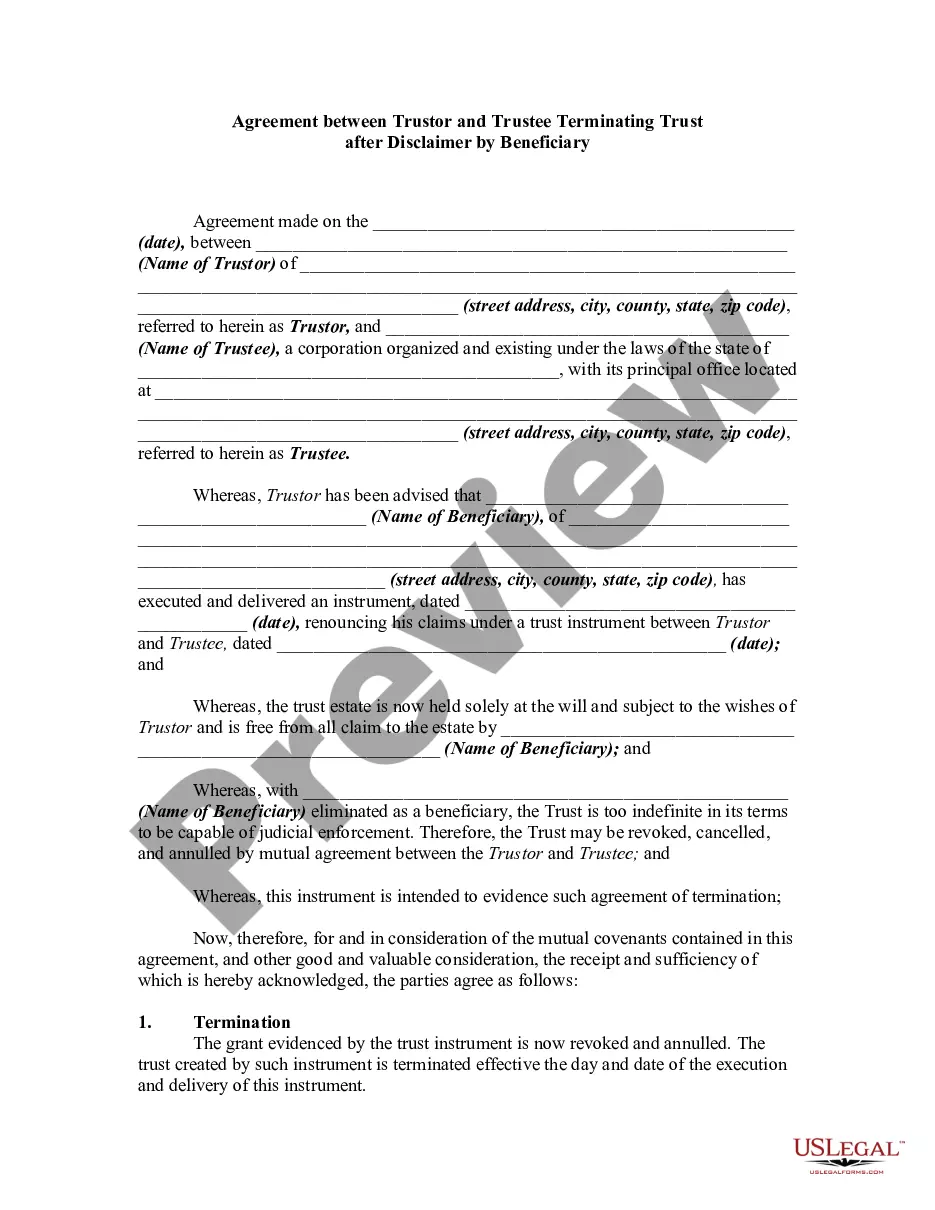
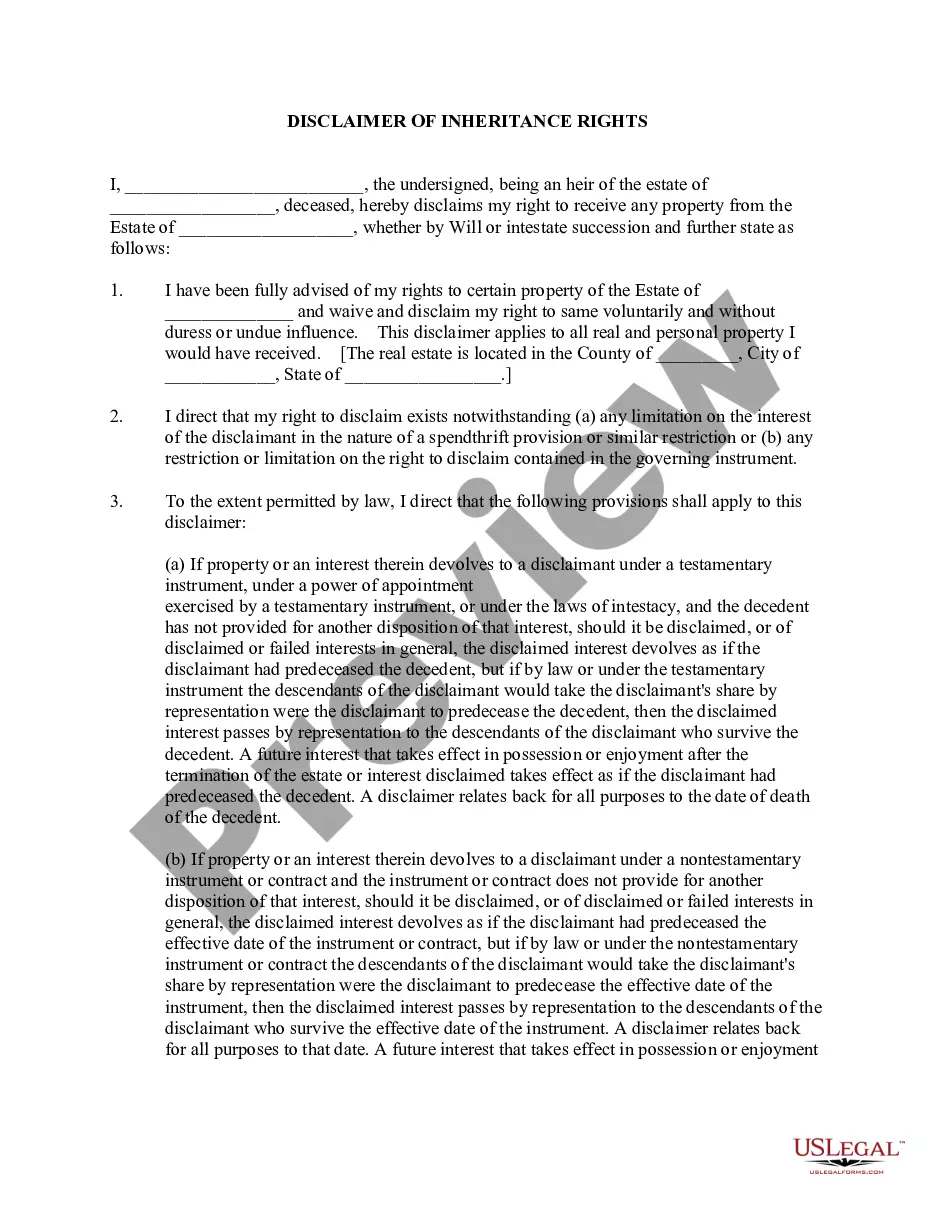
How to fill out Disclaimer By Beneficiary Of All Rights In Trust?
Finding a reliable source for obtaining the most up-to-date and pertinent legal templates is a significant part of navigating bureaucracy.
Locating the appropriate legal documents requires accuracy and careful attention, which is why it is essential to obtain samples of the Beneficiary Trust Agreement With Japan exclusively from trustworthy providers, such as US Legal Forms.
Eliminate the hassle associated with your legal documentation. Browse the extensive US Legal Forms catalog to discover legal templates, evaluate their relevance to your circumstances, and download them right away.
- Use the catalog search or inquiry field to discover your template.
- Check the document's details to ensure it aligns with your state's requirements.
- Preview the document, if available, to confirm it is indeed the one you seek.
- Return to your search to find a more suitable template if the Beneficiary Trust Agreement With Japan does not fulfill your criteria.
- Once confident about the document's relevance, download it.
- If you are a registered user, click Log in to verify and access your chosen templates in My documents.
- If you do not have an account, click Buy now to acquire the document.
- Select the pricing option that corresponds to your requirements.
- Proceed to registration to complete your purchase.
- Finalize your transaction by choosing a payment method (credit card or PayPal).
- Select the file format for downloading the Beneficiary Trust Agreement With Japan.
- Once the document is on your device, you can edit it using the editor or print it to fill out manually.
Form popularity
FAQ
In addition to the withholding requirement, naming a beneficiary who resides in a foreign country may allow the foreign country to tax the property and accounts of the trust. In most cases, a foreign person is subject to US tax on its US source income.
The U.S. has entered into a treaty with Japan that covers the U.S. estate and gift taxes. The treaty allows a $12.92 million deduction or unified credit for purposes of the federal estate tax on U.S. property owned by Japanese nationals in the United States.
Under the Japanese Civil Code, if there are two or more heirs, the inherited property belongs to those heirs in co-ownership (Civil Code, Article 898). Joint heirs may at any time divide inherited property by agreement.
Interest income earned by the trust is deductible if distributed to a foreign beneficiary but because the beneficiary is a nonresident alien, he will not be subject to U.S. income tax on the distribution. Therefore, the income is not subject to withholding tax (see Rev. Rul.
Trusts in Japan. Despite its civil law tradition, Japanese law allows the creation of trusts as an estate- planning device. Whether trusts created under for- eign laws have effect with regard to Japanese assets, however, is less clear. Japanese statutes don't directly address this issue.