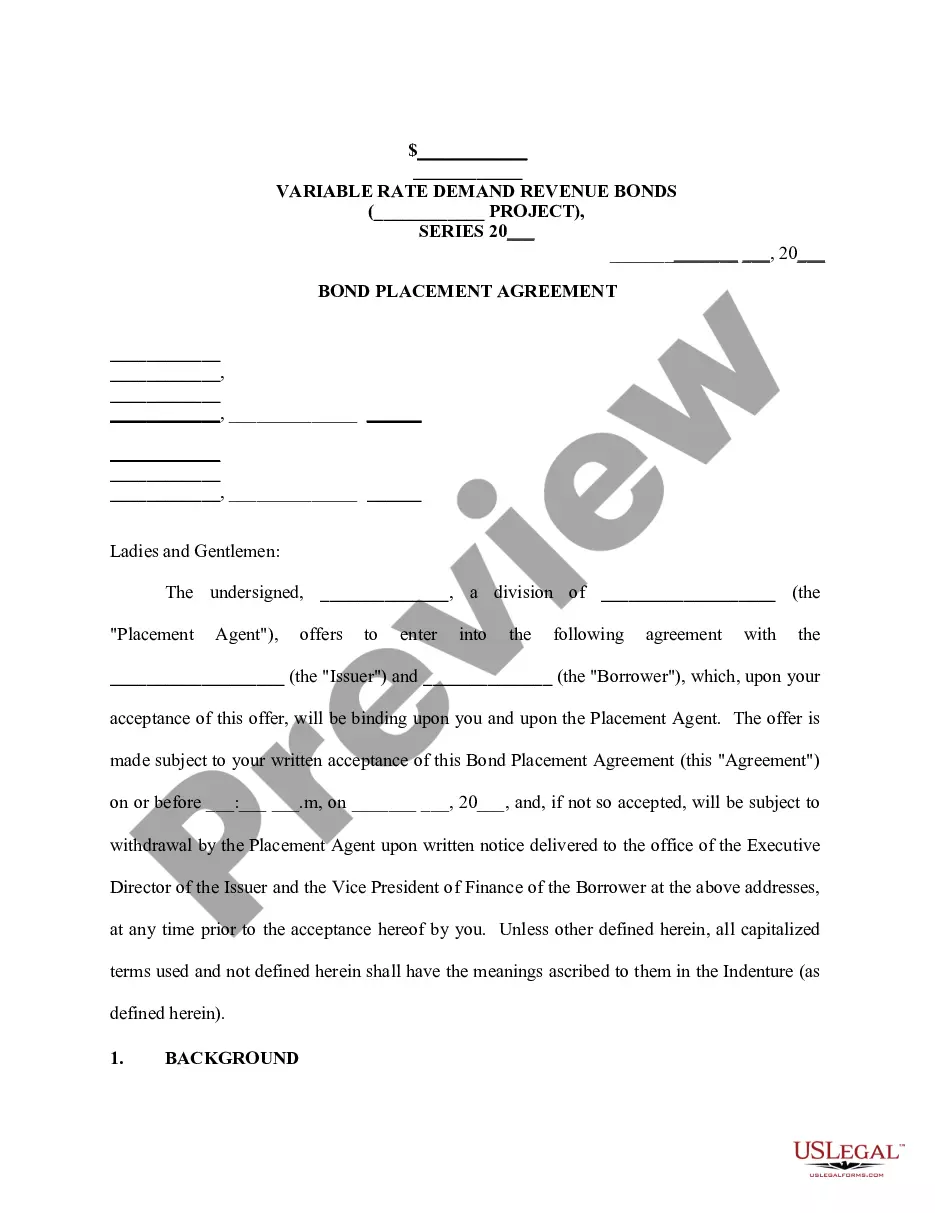
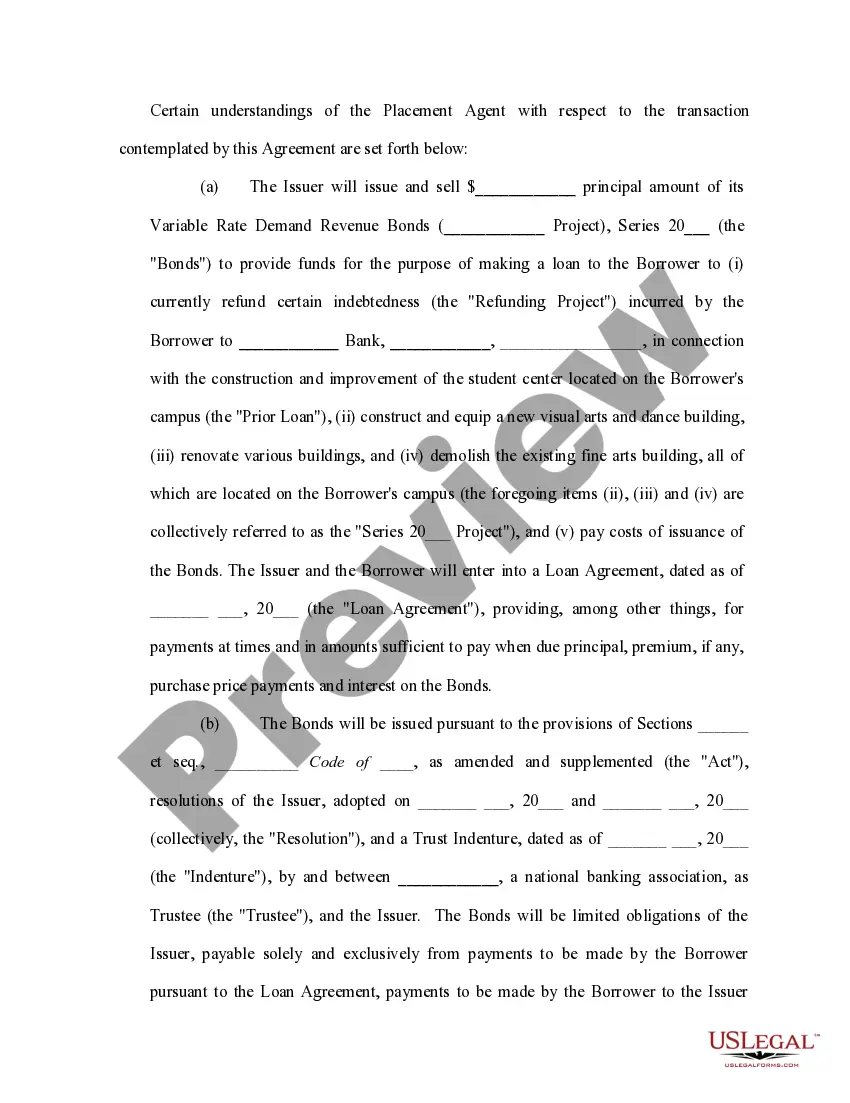
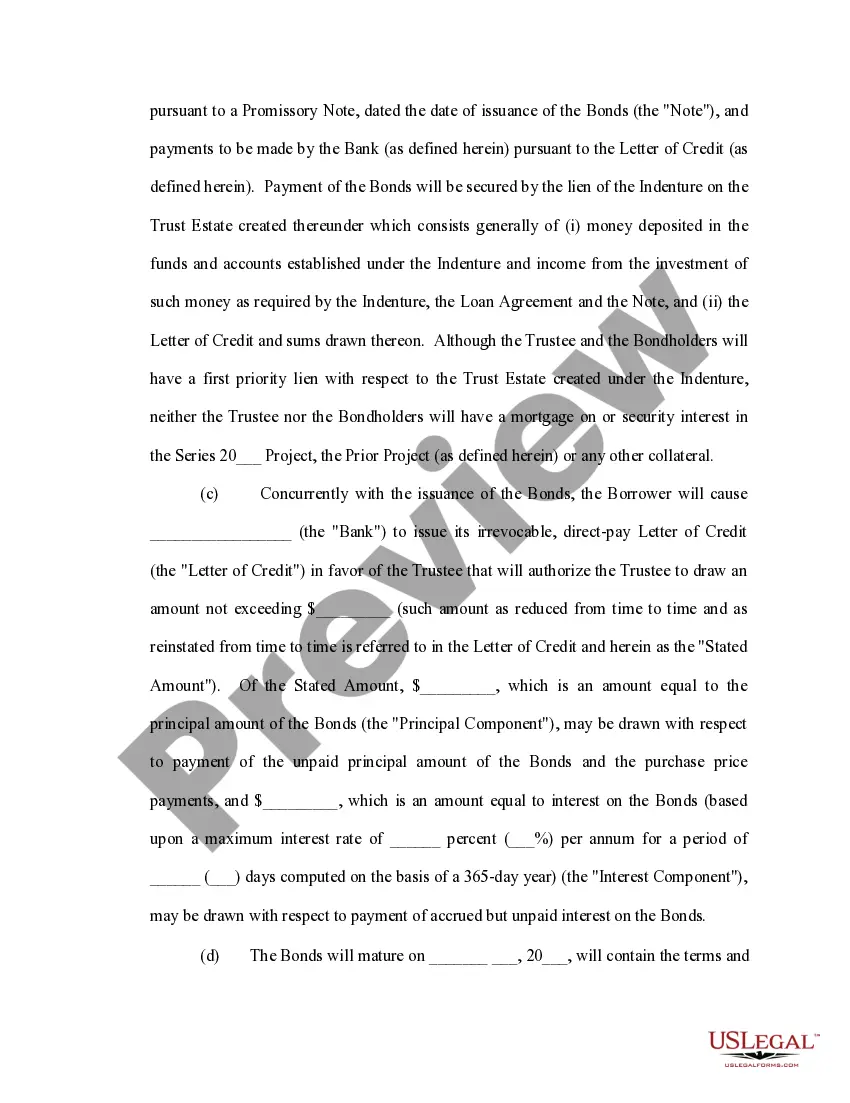
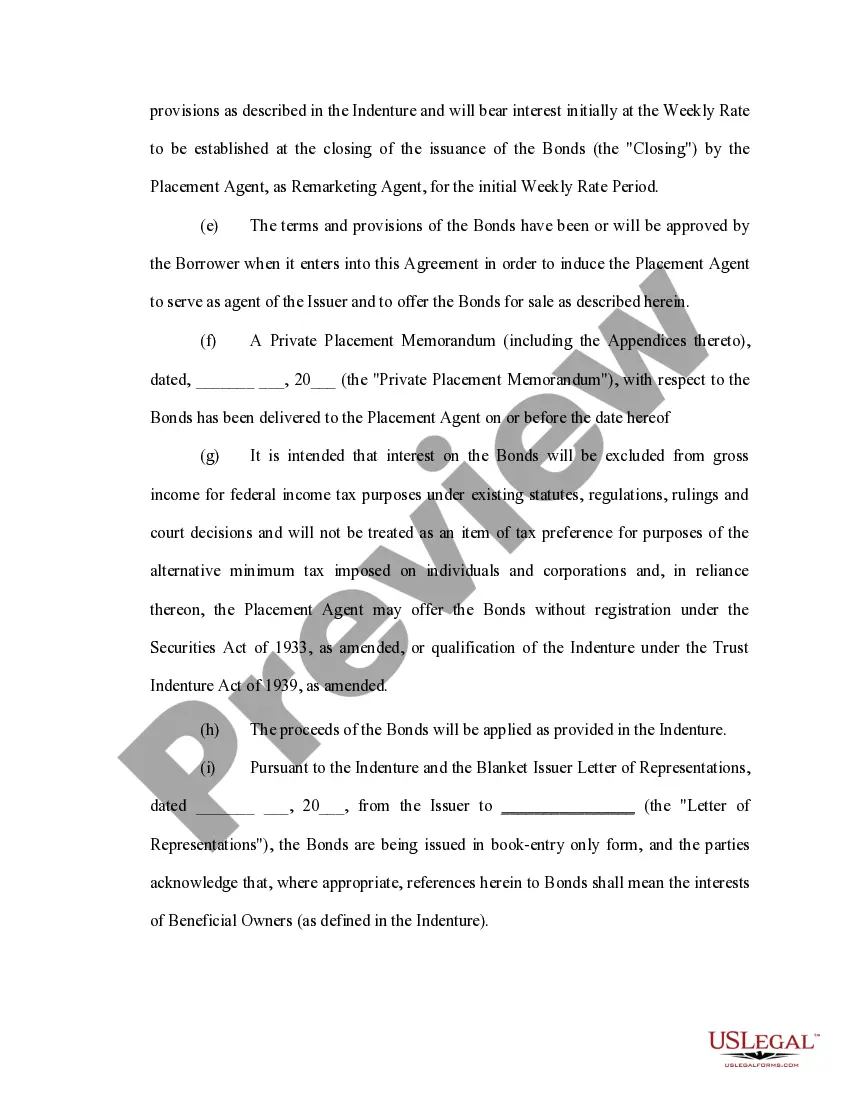
Agreement Bond For
Description
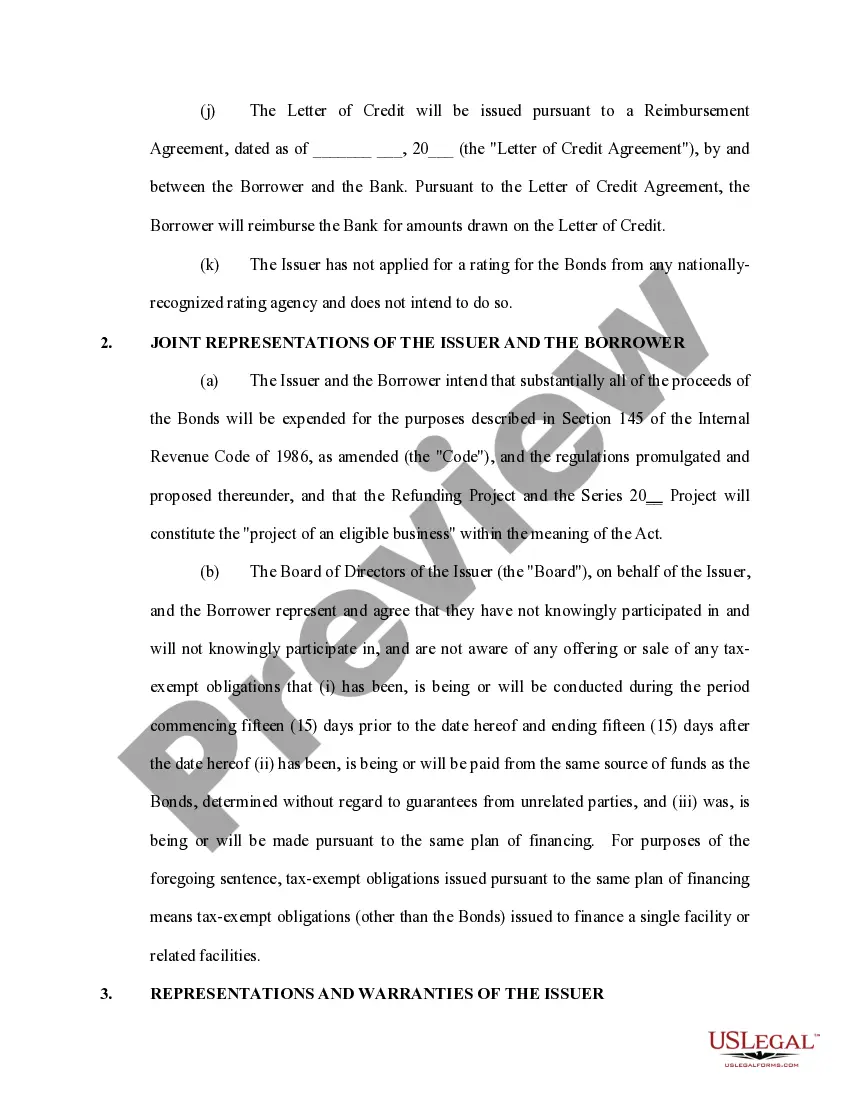
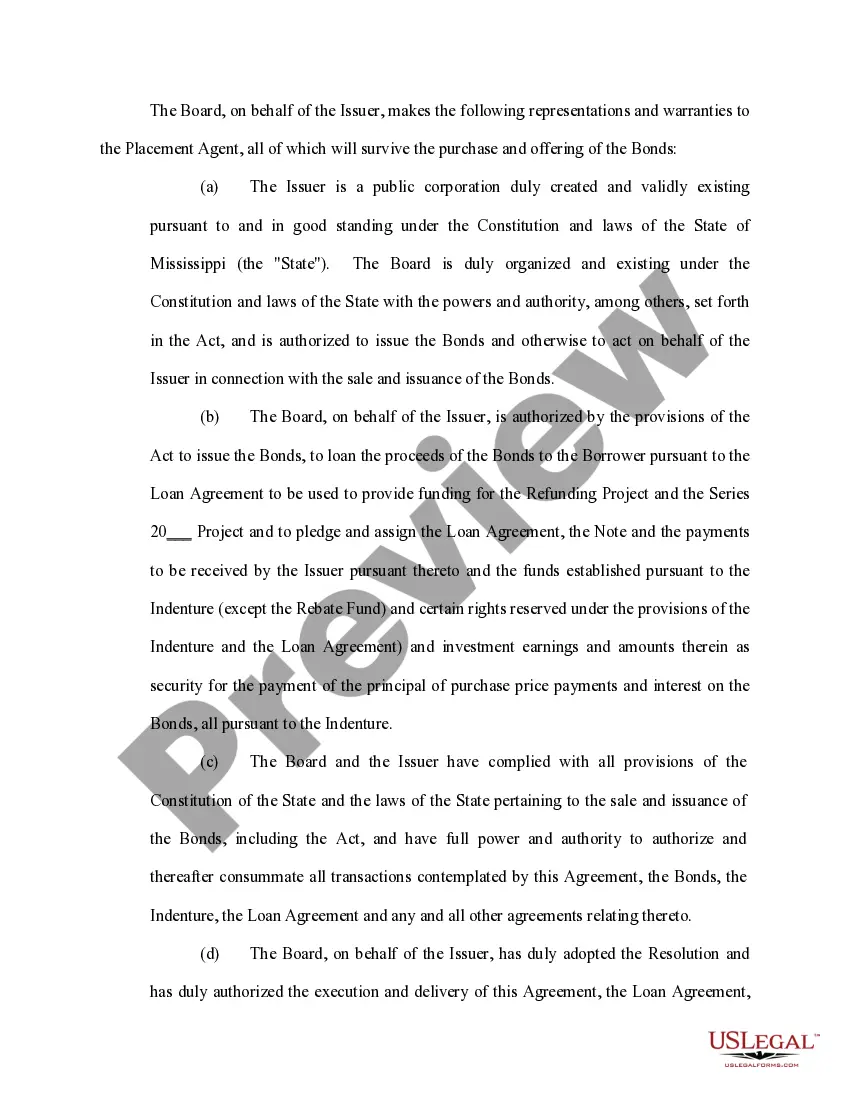
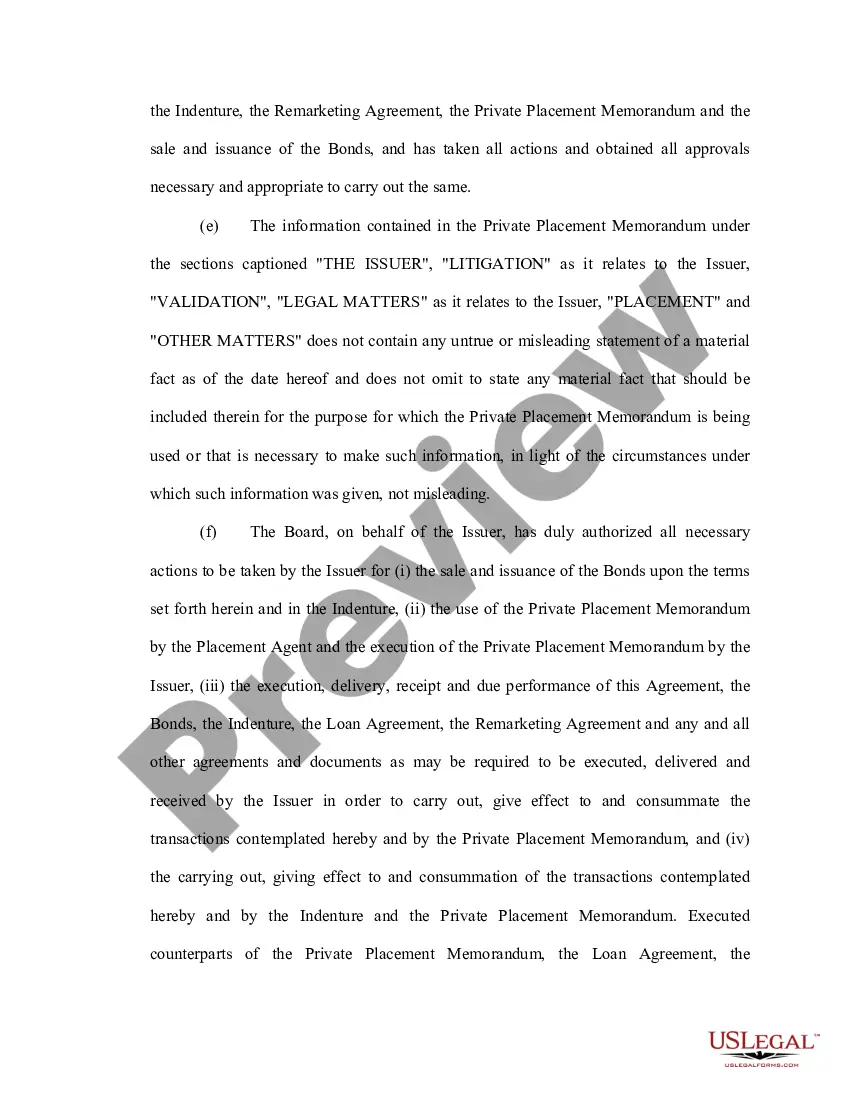
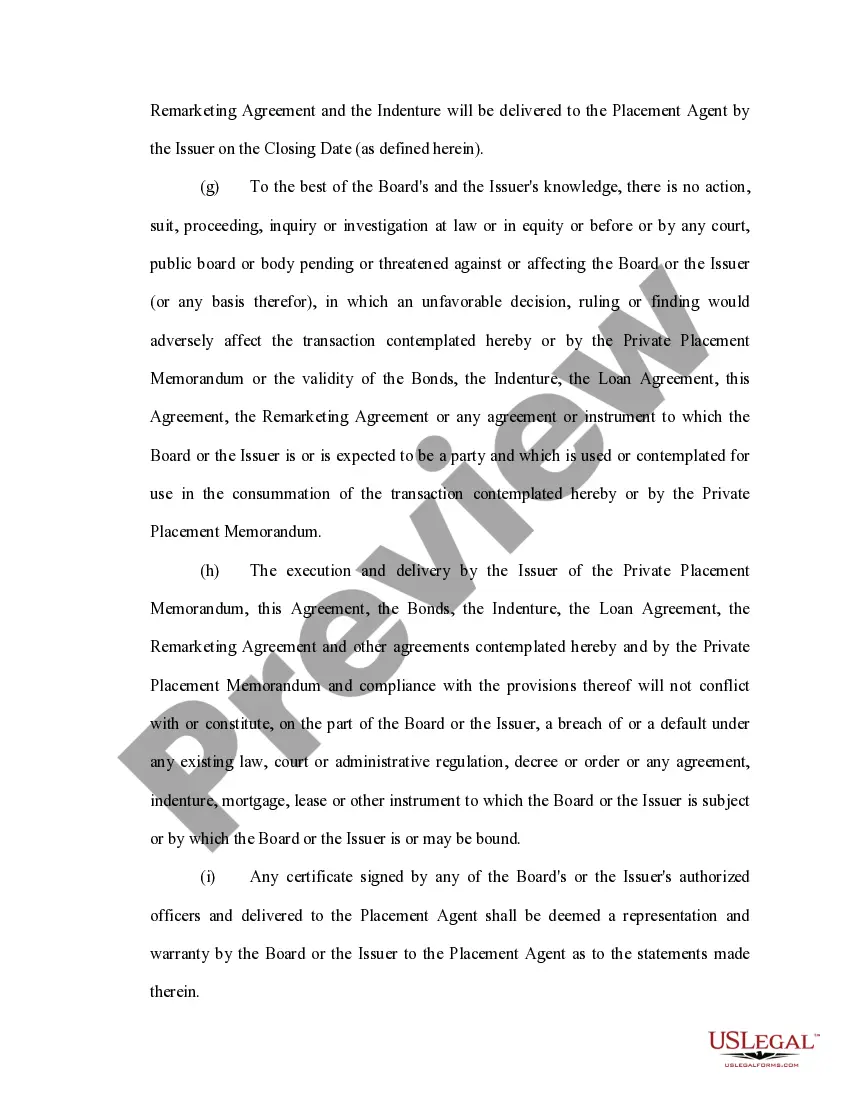
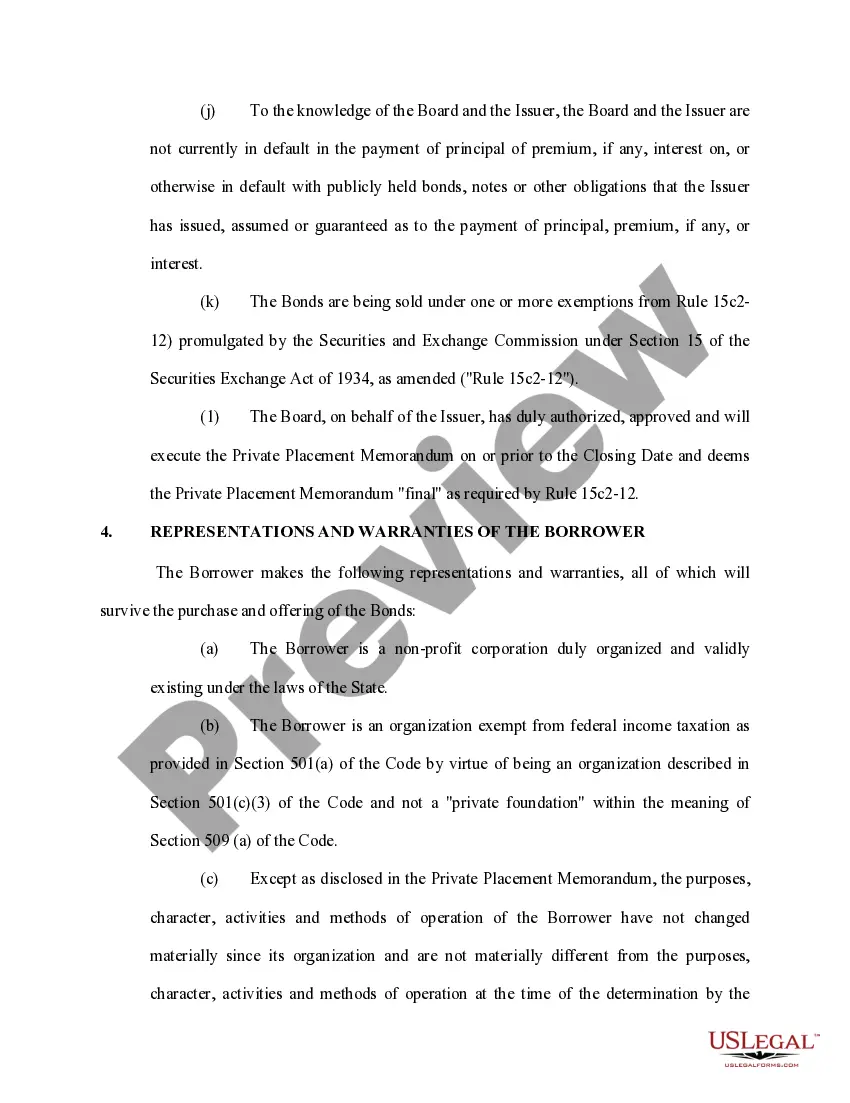
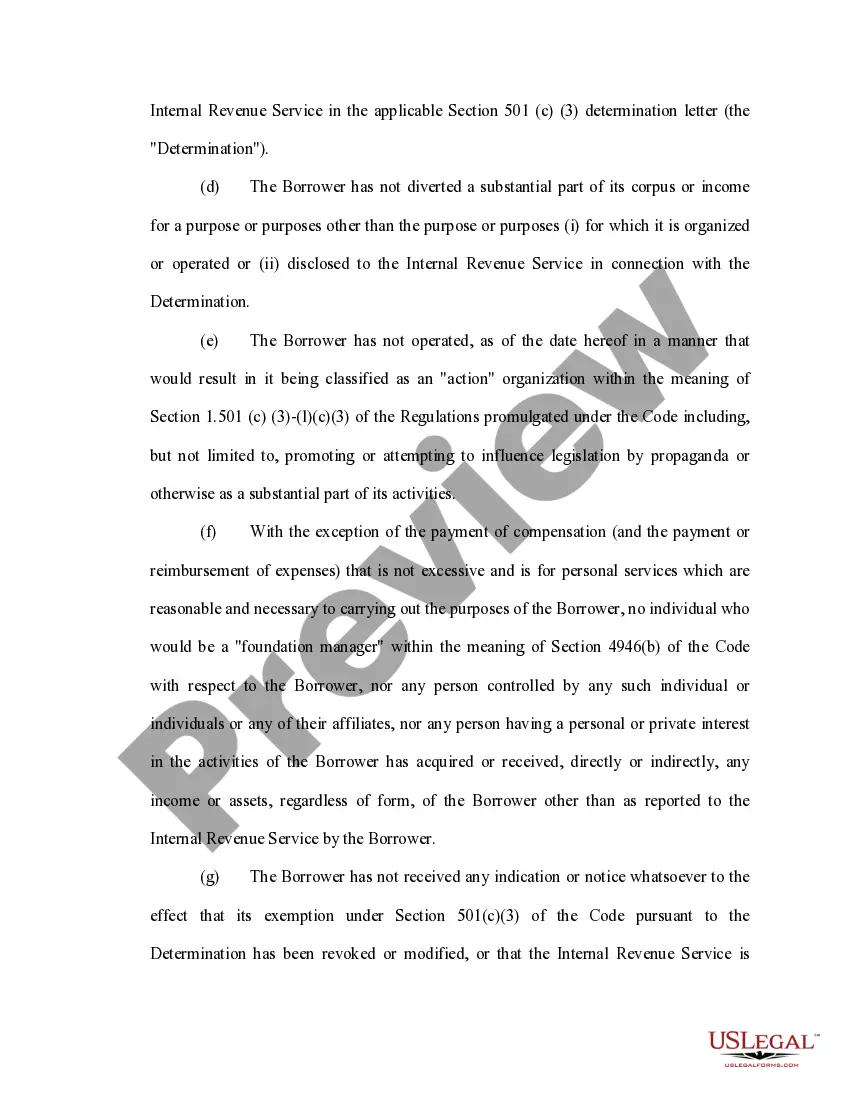


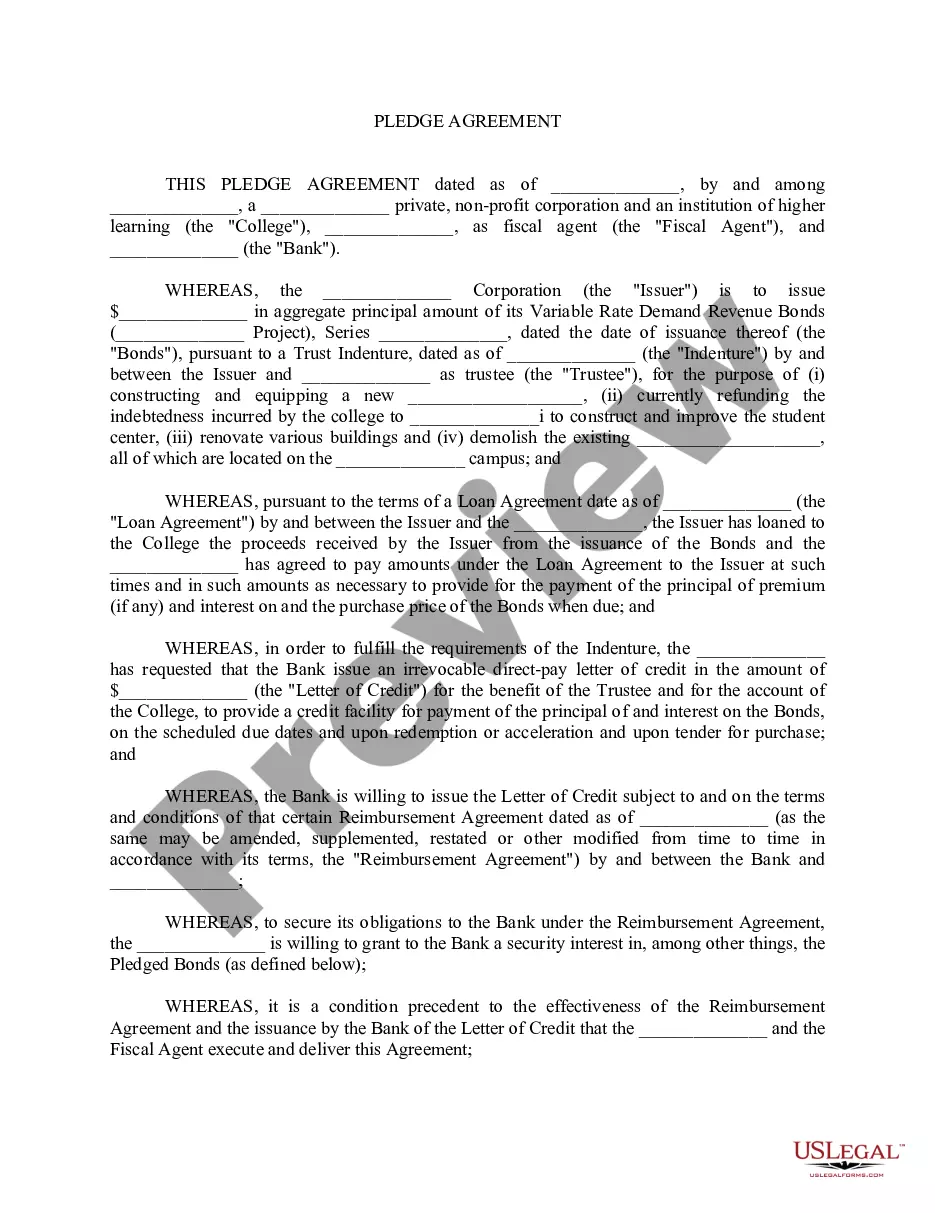
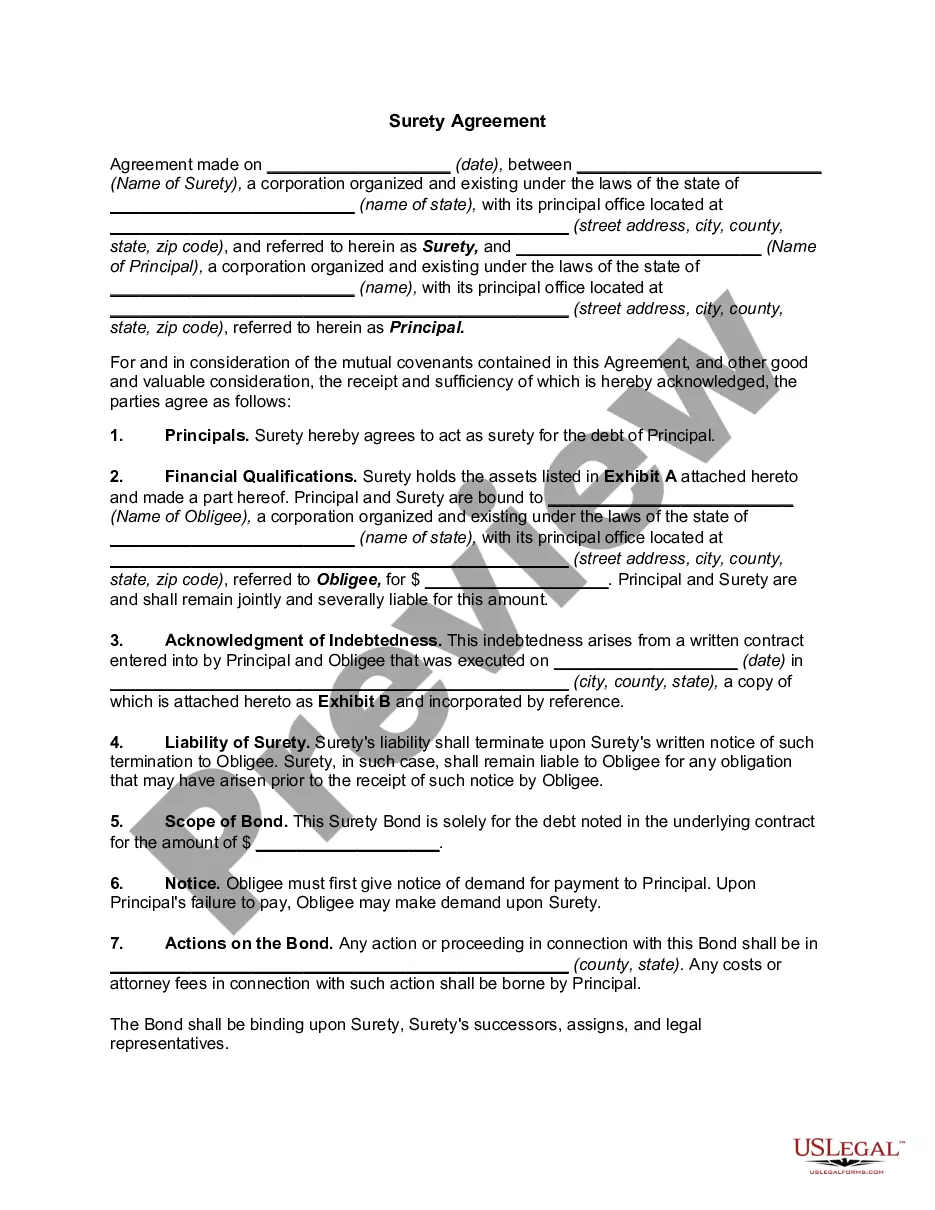

Get your form ready online
Our built-in tools help you complete, sign, share, and store your documents in one place.
Make edits, fill in missing information, and update formatting in US Legal Forms—just like you would in MS Word.
Download a copy, print it, send it by email, or mail it via USPS—whatever works best for your next step.
Sign and collect signatures with our SignNow integration. Send to multiple recipients, set reminders, and more. Go Premium to unlock E-Sign.
If this form requires notarization, complete it online through a secure video call—no need to meet a notary in person or wait for an appointment.
We protect your documents and personal data by following strict security and privacy standards.

Make edits, fill in missing information, and update formatting in US Legal Forms—just like you would in MS Word.

Download a copy, print it, send it by email, or mail it via USPS—whatever works best for your next step.

Sign and collect signatures with our SignNow integration. Send to multiple recipients, set reminders, and more. Go Premium to unlock E-Sign.

If this form requires notarization, complete it online through a secure video call—no need to meet a notary in person or wait for an appointment.

We protect your documents and personal data by following strict security and privacy standards.
Looking for another form?



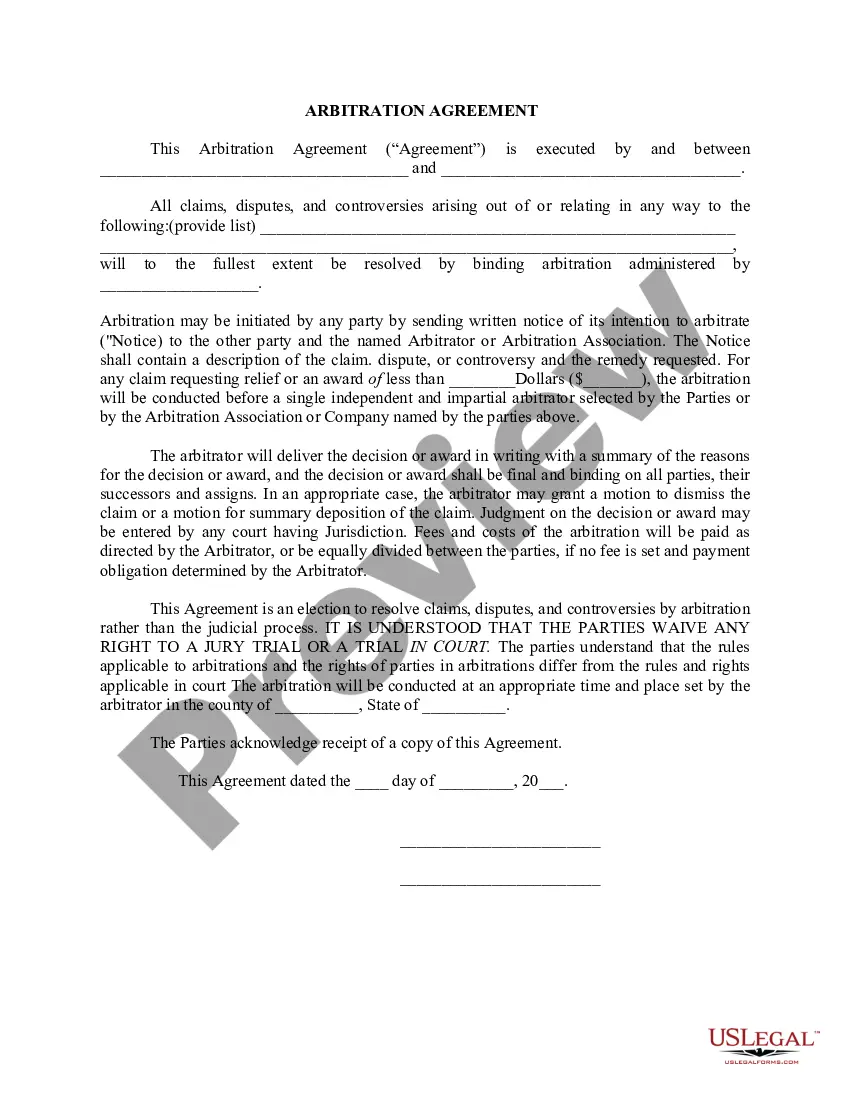



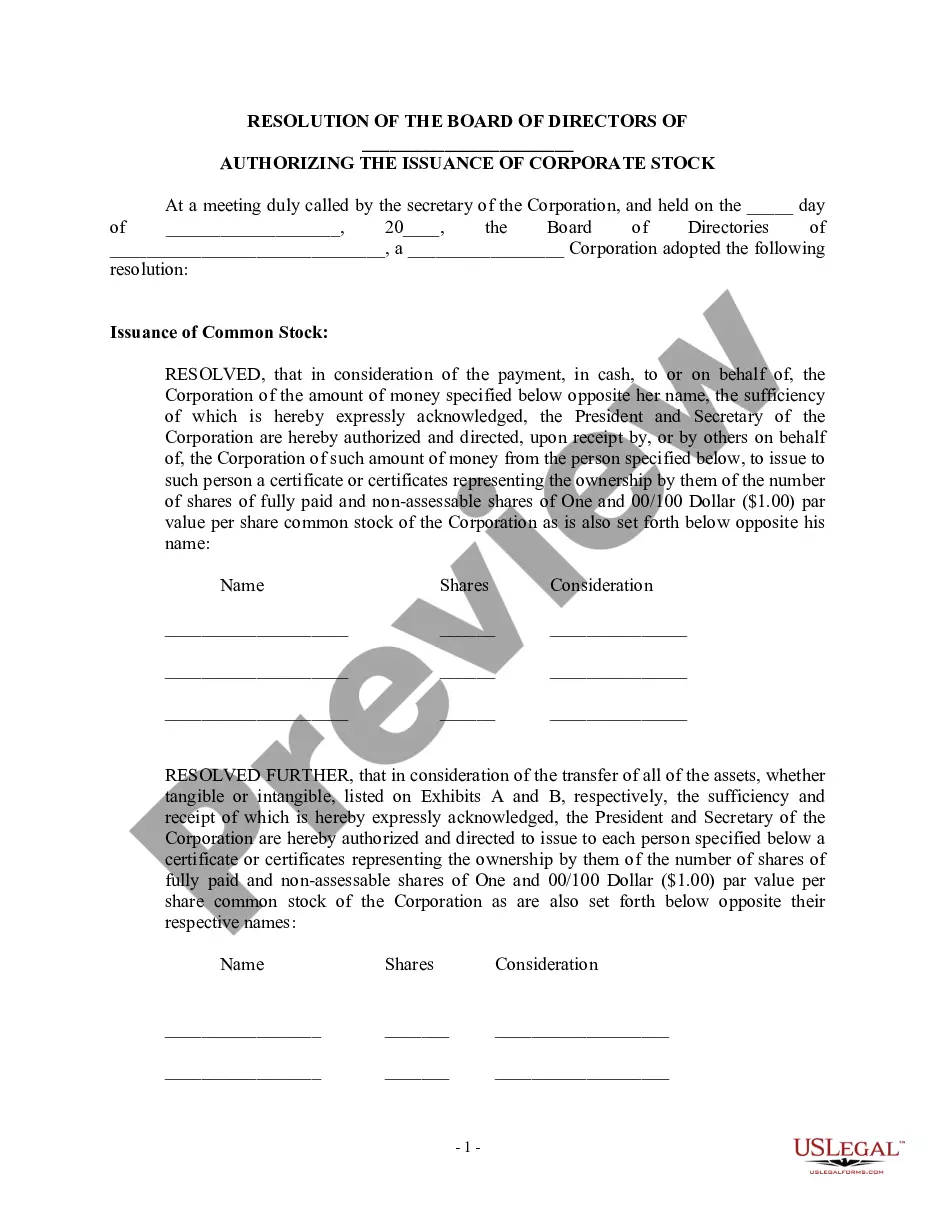


How to fill out Bond Placement Agreement?
Managing legal documents can be daunting, even for the most experienced professionals.
When you are looking for an Agreement Bond For and lack the time to search for the suitable and current version, the tasks can be taxing.
- A comprehensive online form repository could revolutionize the way people handle these challenges efficiently.
- US Legal Forms is a leading provider of online legal documents, with more than 85,000 state-specific legal forms available to you at any time.
- With US Legal Forms, you can: Access state- or county-specific legal and business forms. US Legal Forms meets all your requirements, from personal to organizational documents, all in one location.
Form popularity
FAQ
N.Y. Rule 4.2(a) is clear that a lawyer may not speak about the matter at issue directly with an individual who the lawyer knows is represented by counsel concerning that matter.
Connecticut Practice Book, Rules of Professional Conduct, Rule 1.15. The Rules of Professional Conduct, Rule 1.15 Safekeeping Property, provides lawyers with a framework for handling their clients' funds. Attorneys are responsible for maintaining and monitoring their clients' trust accounts properly.
Rule 8.4(7) defines ?professional misconduct? by a Connecticut attorney as including speech that the lawyer knows or reasonably should know ?is harassment or discrimination on the basis of? any of 15 listed characteristics?among them race, sex, religion, disability, sexual orientation, and gender identity.
Rule 1.10 - Imputation of Conflicts of Interest: General Rule (a) While lawyers are associated in a firm, none of them shall knowingly represent a client when any one of them practicing alone would be prohibited from doing so by Rules 1.7, 1.8(c), or 1.9, unless the prohibition is based on a personal interest of the ...
Rule 7.1. A lawyer shall not make a false or misleading communication about the lawyer or the lawyer's services.
1) A proposed fiduciary who resides outside the State of Connecticut or an appointed fiduciary who is moving out of Connecticut uses this form to appoint the probate judge as agent for service of process.
Rule 4.2 of the Rules of Professional Conduct provides that ?[i]n representing a client, a lawyer shall not communicate about the subject of the representation with a party the lawyer knows to be represented by another lawyer in the matter, unless the lawyer has the consent of the other lawyer or is authorized by law ...
Rule 7.1. A communication is false or misleading if it contains a material misrepresentation of fact or law, or omits a fact necessary to make the statement considered as a whole not materially misleading.