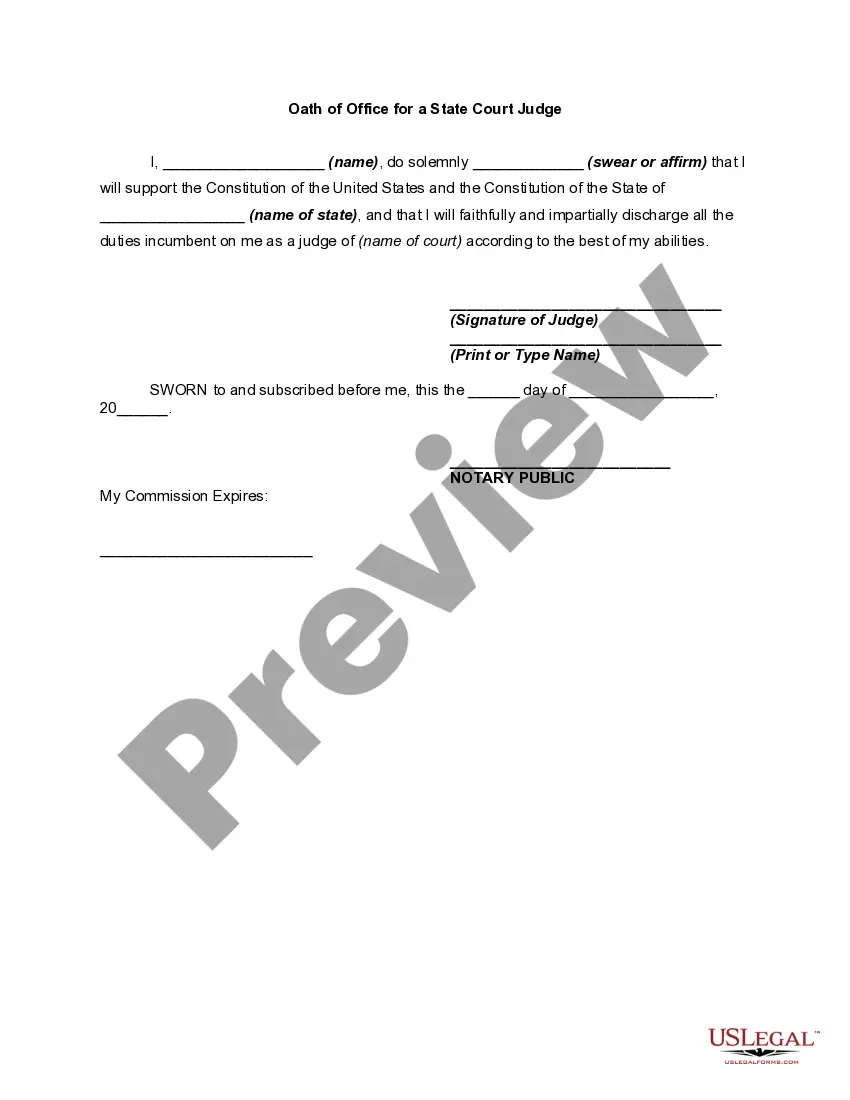
State Judge With Name
Description
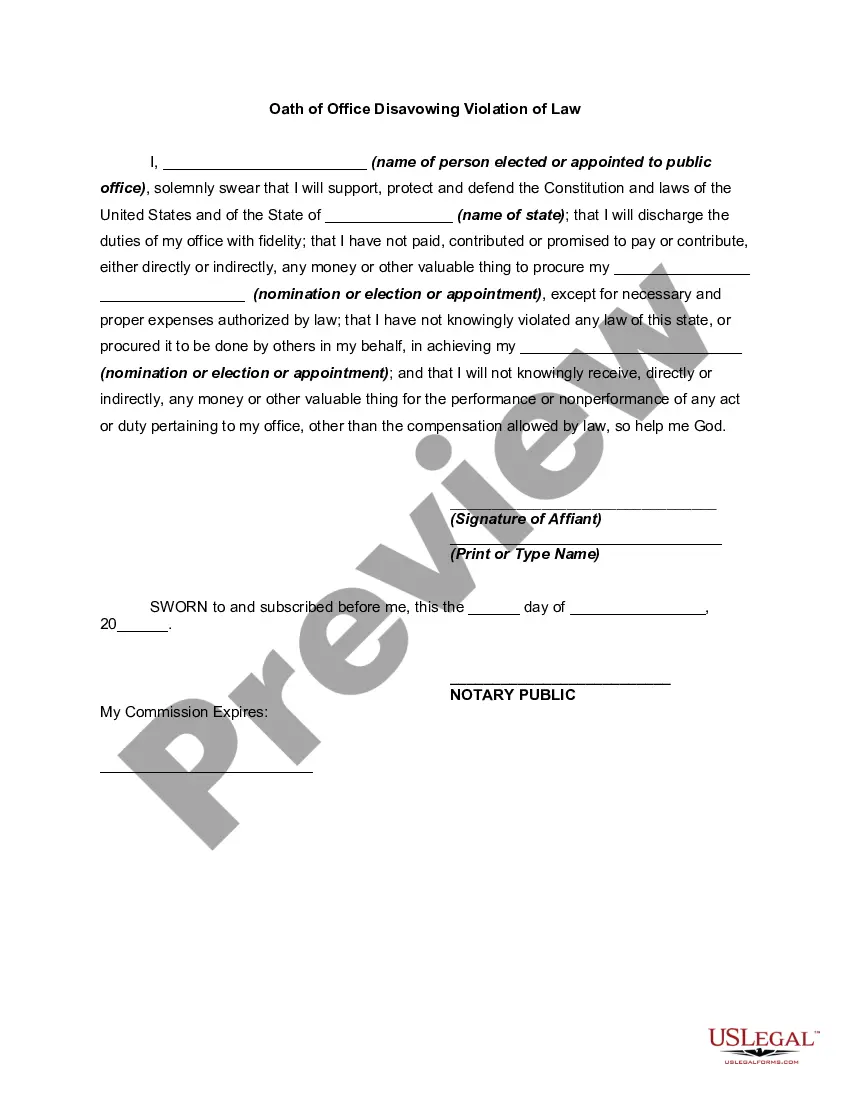
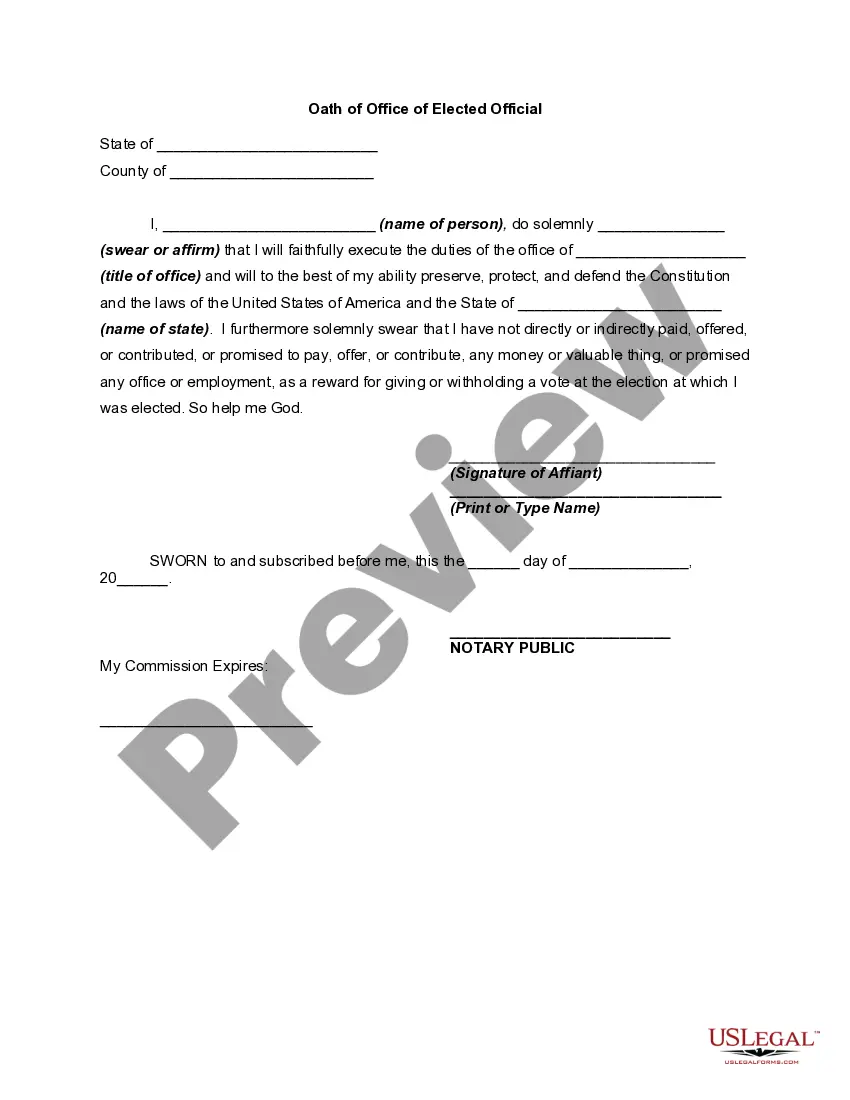
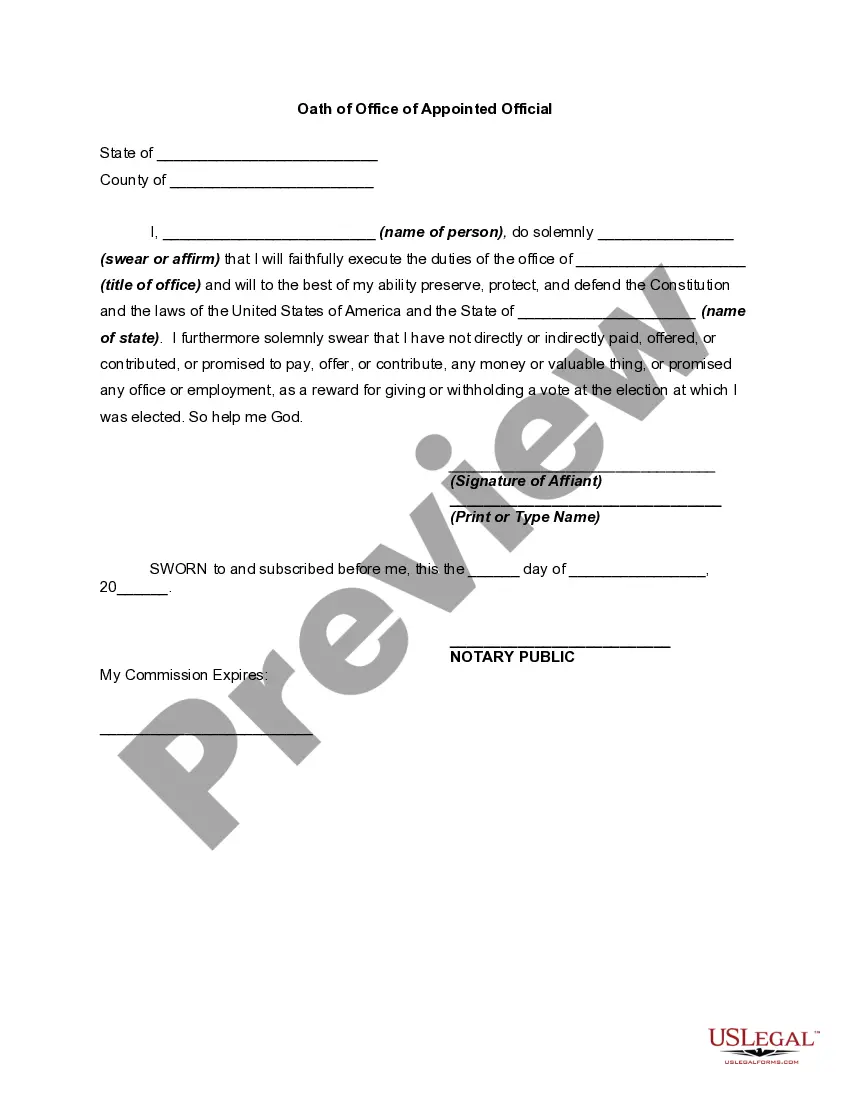
Get your form ready online
Our built-in tools help you complete, sign, share, and store your documents in one place.
Make edits, fill in missing information, and update formatting in US Legal Forms—just like you would in MS Word.
Download a copy, print it, send it by email, or mail it via USPS—whatever works best for your next step.
Sign and collect signatures with our SignNow integration. Send to multiple recipients, set reminders, and more. Go Premium to unlock E-Sign.
If this form requires notarization, complete it online through a secure video call—no need to meet a notary in person or wait for an appointment.
We protect your documents and personal data by following strict security and privacy standards.

Make edits, fill in missing information, and update formatting in US Legal Forms—just like you would in MS Word.

Download a copy, print it, send it by email, or mail it via USPS—whatever works best for your next step.

Sign and collect signatures with our SignNow integration. Send to multiple recipients, set reminders, and more. Go Premium to unlock E-Sign.

If this form requires notarization, complete it online through a secure video call—no need to meet a notary in person or wait for an appointment.

We protect your documents and personal data by following strict security and privacy standards.
Looking for another form?
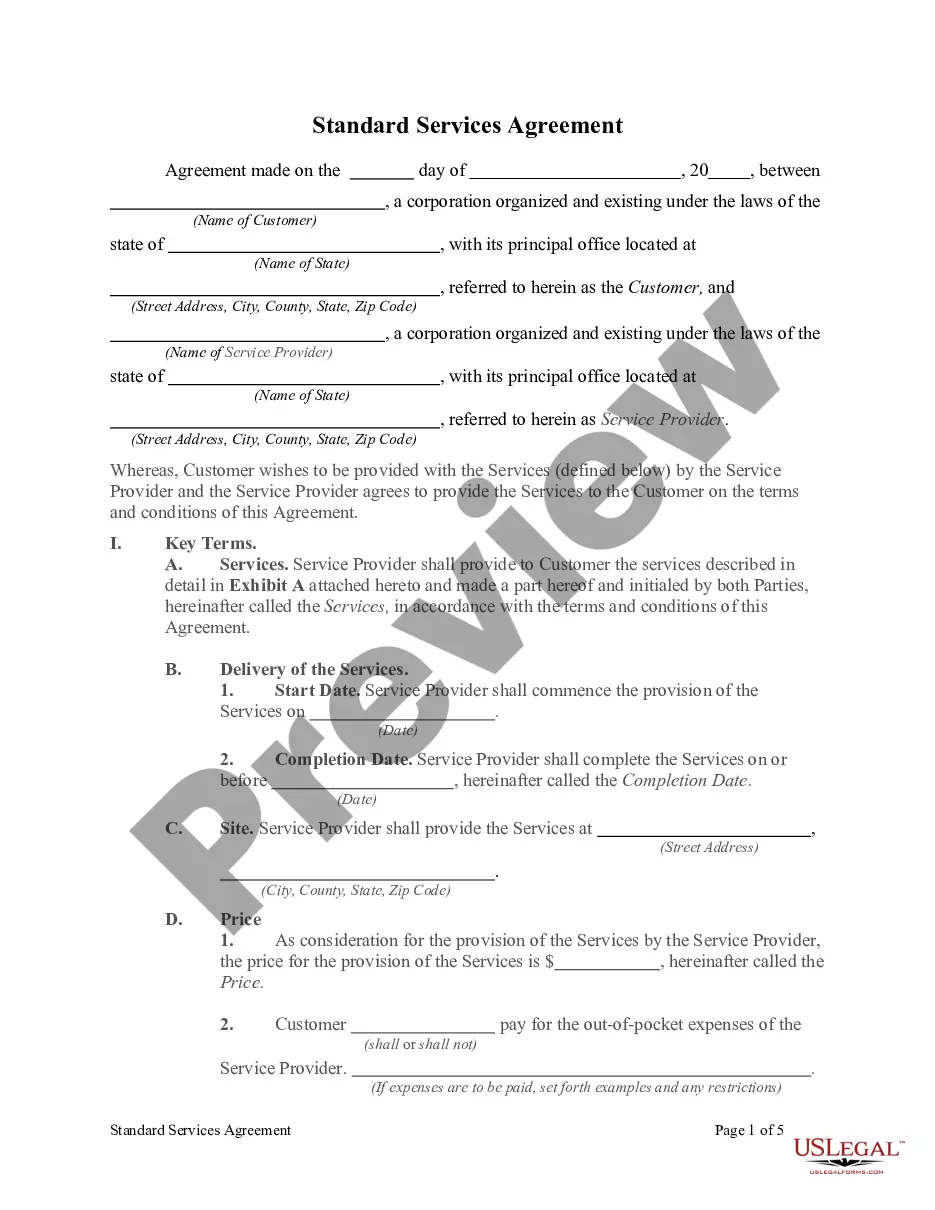








How to fill out Oath Of Office For A State Court Judge?
Creating legal documents from the ground up can occasionally be daunting.
Specific situations may require extensive research and substantial financial resources.
If you seek a simpler and more affordable method of preparing State Judge With Name or any other paperwork without unnecessary complications, US Legal Forms is always at your service.
Our online library of over 85,000 current legal forms encompasses nearly every facet of your financial, legal, and personal affairs.
Review the document preview and descriptions to confirm that you are selecting the correct form. Ensure that the template you choose meets the criteria of your state and county. Select the appropriate subscription option to acquire the State Judge With Name. Download the file, then complete, sign, and print it. US Legal Forms has a strong reputation and over 25 years of experience. Join us now and make form completion a simple and efficient process!
- With just a few clicks, you can quickly access state- and county-specific forms meticulously created for you by our legal experts.
- Utilize our website whenever you require dependable and trustworthy services to easily locate and download the State Judge With Name.
- If you’re already familiar with our services and have previously registered with us, simply Log In to your account, select the template and download it or retrieve it later in the My documents section.
- Not yet registered? No worries. Setting it up takes minimal time, and you can explore the catalog.
- But before proceeding to download State Judge With Name, consider these suggestions.
Form popularity
FAQ
A state judge with name presides over court cases, interprets laws, and ensures fair trials. They make rulings on legal disputes, oversee jury selections, and provide legal guidance during proceedings. Understanding their role can be pivotal for anyone engaged in legal matters or seeking resolution through the court system.
The number of state judges varies by state, but there are thousands across the United States. Each state has its own system of courts, including trial courts, appellate courts, and supreme courts, each staffed by state judges with name. This extensive network helps ensure that justice is accessible to all citizens.
A state judge is an official who presides over court proceedings within a state jurisdiction. This role involves interpreting and applying state laws to resolve disputes. If you need to understand your rights or responsibilities under state law, consulting a state judge with name can provide clarity.
The title of the most powerful judge often goes to the Chief Justice of the United States, who oversees the Supreme Court. However, each state judge with name holds significant authority within their jurisdiction. Their decisions can impact state law and influence legal precedents, making their role crucial in the judicial system.
While it is impractical to list every judge's name, you can find a comprehensive list of state judges with name through your state’s judicial website or legal resources. This information is vital for those needing to address legal matters or seeking representation. Resources like uslegalforms can also provide insights into the legal system.
There are various types of judges, including state judges with name, magistrate judges, and appellate judges. Each type has unique responsibilities and jurisdiction. For those looking to navigate the legal landscape, knowing the specific role of each judge can enhance your understanding of the judicial process.
A state judge with name typically oversees cases that involve state laws, while a federal judge handles matters related to federal laws and the Constitution. Each operates within a different court system, with state judges often addressing issues such as family law, criminal cases, and property disputes. Understanding this distinction is essential, especially when seeking legal guidance or documentation.
When filling out an envelope to send to a state judge with name, include your return address in the top left corner. In the center, clearly write the judge's full name and title, followed by the court’s address. Make sure to use formal language and double-check the details for accuracy. Properly addressing the envelope ensures that your correspondence reaches the judge promptly.
To format a letter to a state judge with name, begin with your address at the top right, followed by the date. Next, include the judge's full name and title on the left, along with the court’s address. Use a formal salutation like 'Dear Judge Last Name' and ensure the content is clear and respectful. A well-structured letter enhances your communication and showcases your professionalism.
When addressing a state judge with name, use a respectful tone. You should refer to the judge as 'Your Honor' in court or written communication. This formal address acknowledges the judge’s authority and maintains the decorum of the legal process. Remember, respect is key in any judicial interaction.