Real Estate Disclosure Form Illinois
Description
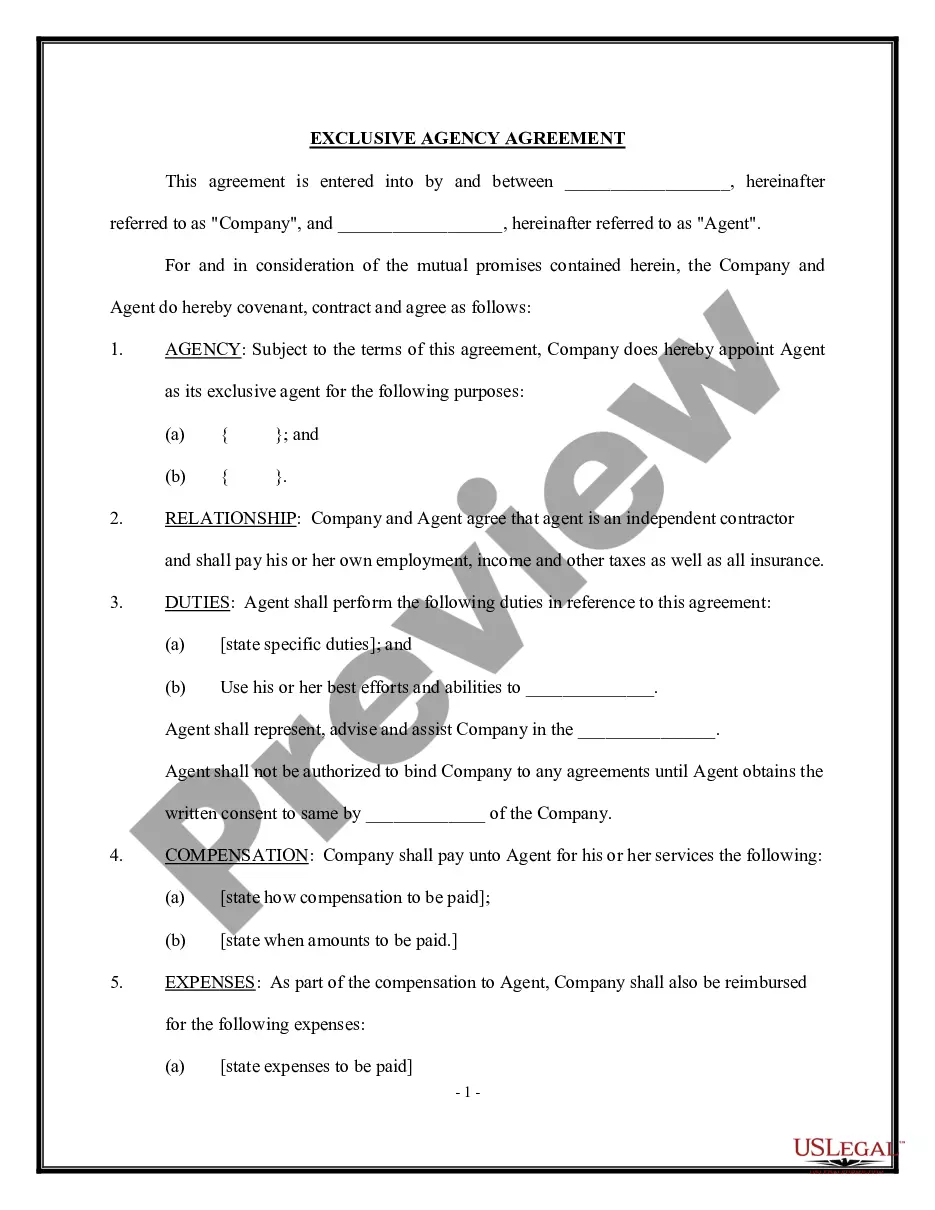
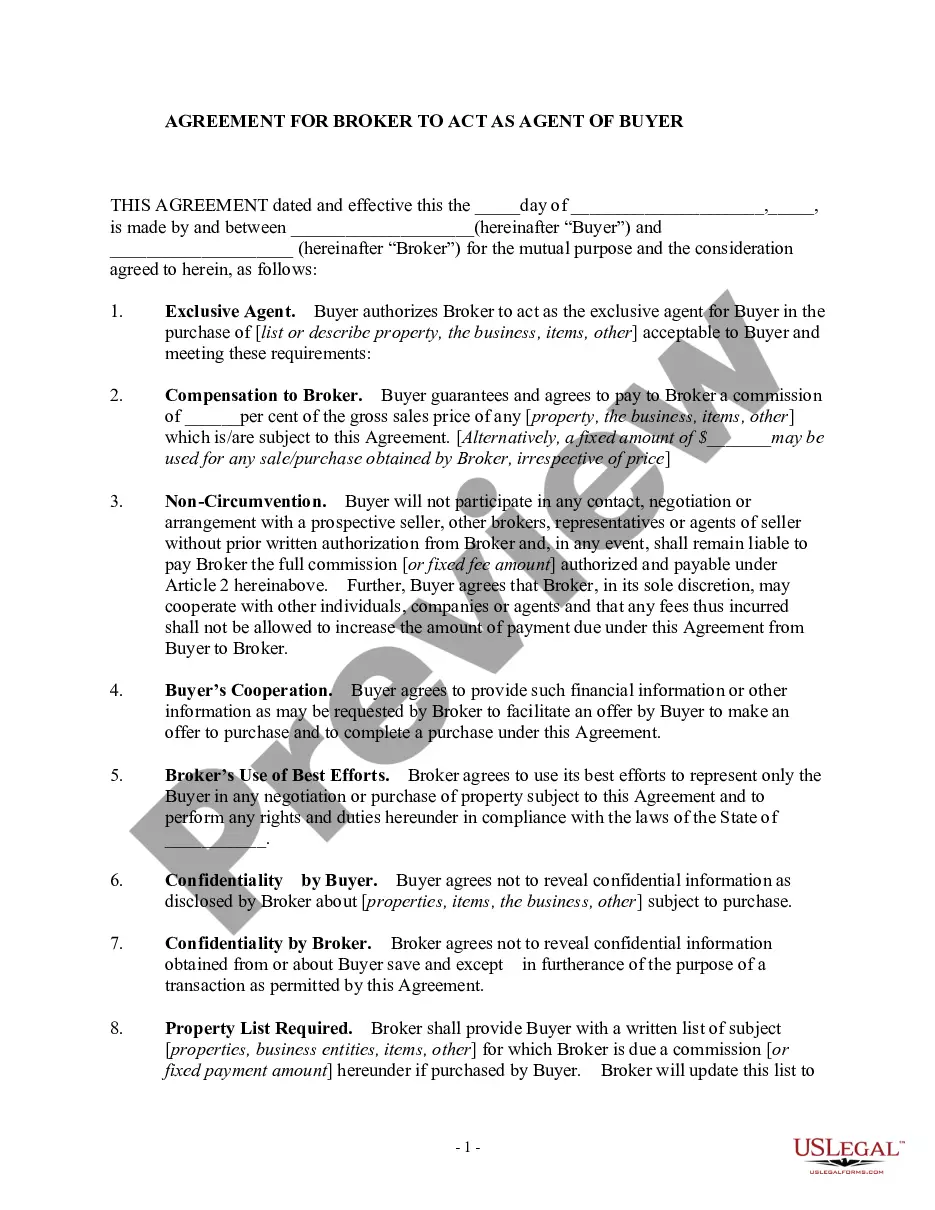
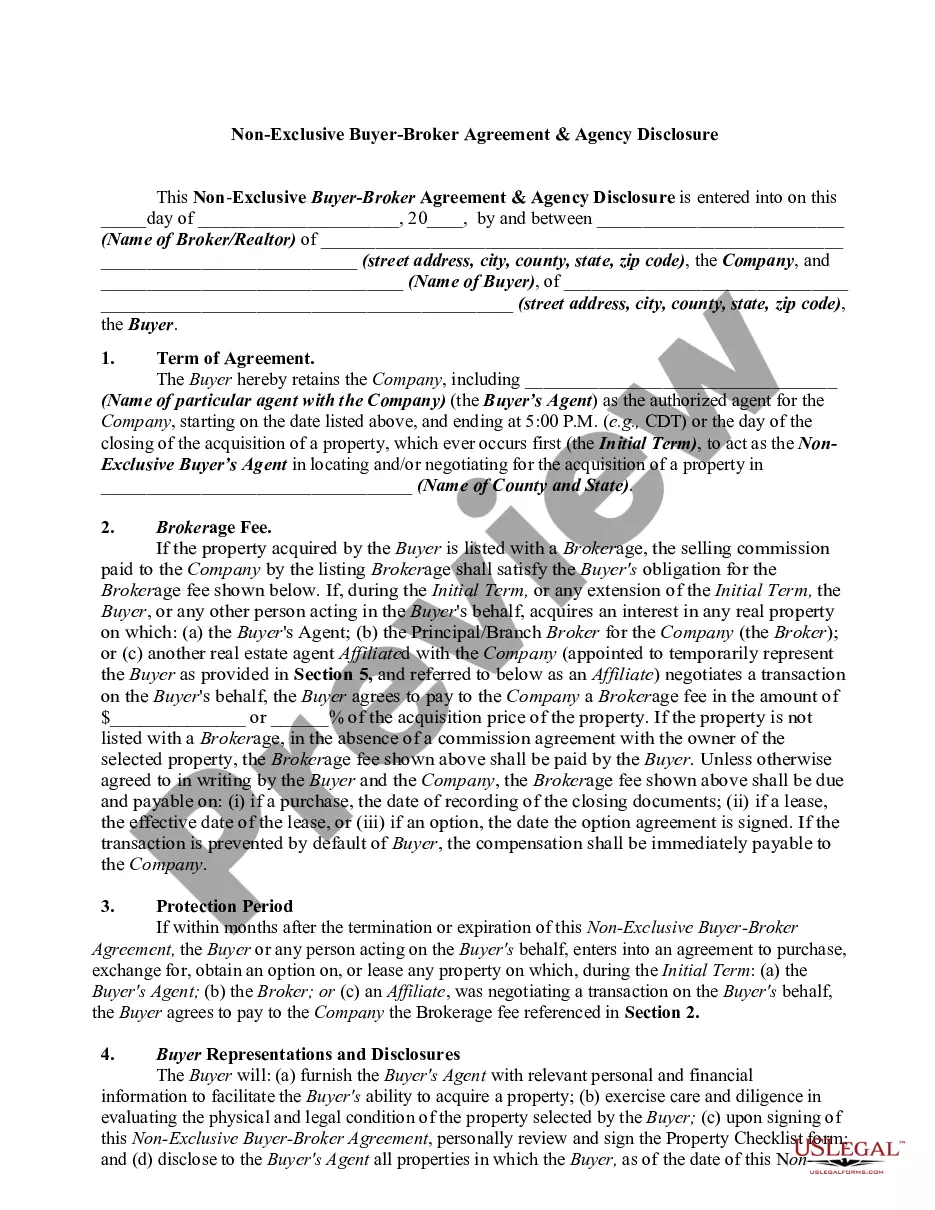
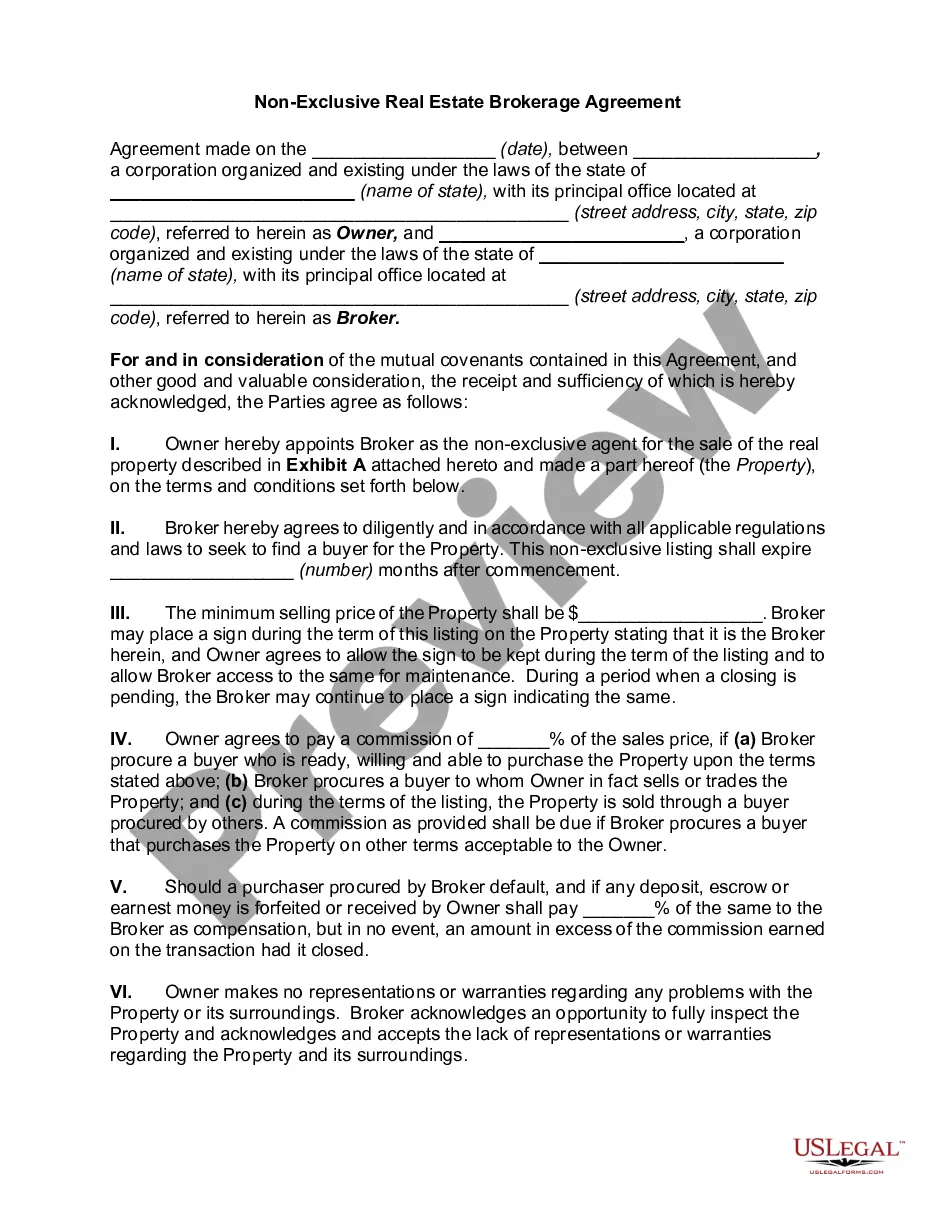
Get your form ready online
Our built-in tools help you complete, sign, share, and store your documents in one place.
Make edits, fill in missing information, and update formatting in US Legal Forms—just like you would in MS Word.
Download a copy, print it, send it by email, or mail it via USPS—whatever works best for your next step.
Sign and collect signatures with our SignNow integration. Send to multiple recipients, set reminders, and more. Go Premium to unlock E-Sign.
If this form requires notarization, complete it online through a secure video call—no need to meet a notary in person or wait for an appointment.
We protect your documents and personal data by following strict security and privacy standards.

Make edits, fill in missing information, and update formatting in US Legal Forms—just like you would in MS Word.

Download a copy, print it, send it by email, or mail it via USPS—whatever works best for your next step.

Sign and collect signatures with our SignNow integration. Send to multiple recipients, set reminders, and more. Go Premium to unlock E-Sign.

If this form requires notarization, complete it online through a secure video call—no need to meet a notary in person or wait for an appointment.

We protect your documents and personal data by following strict security and privacy standards.
Looking for another form?



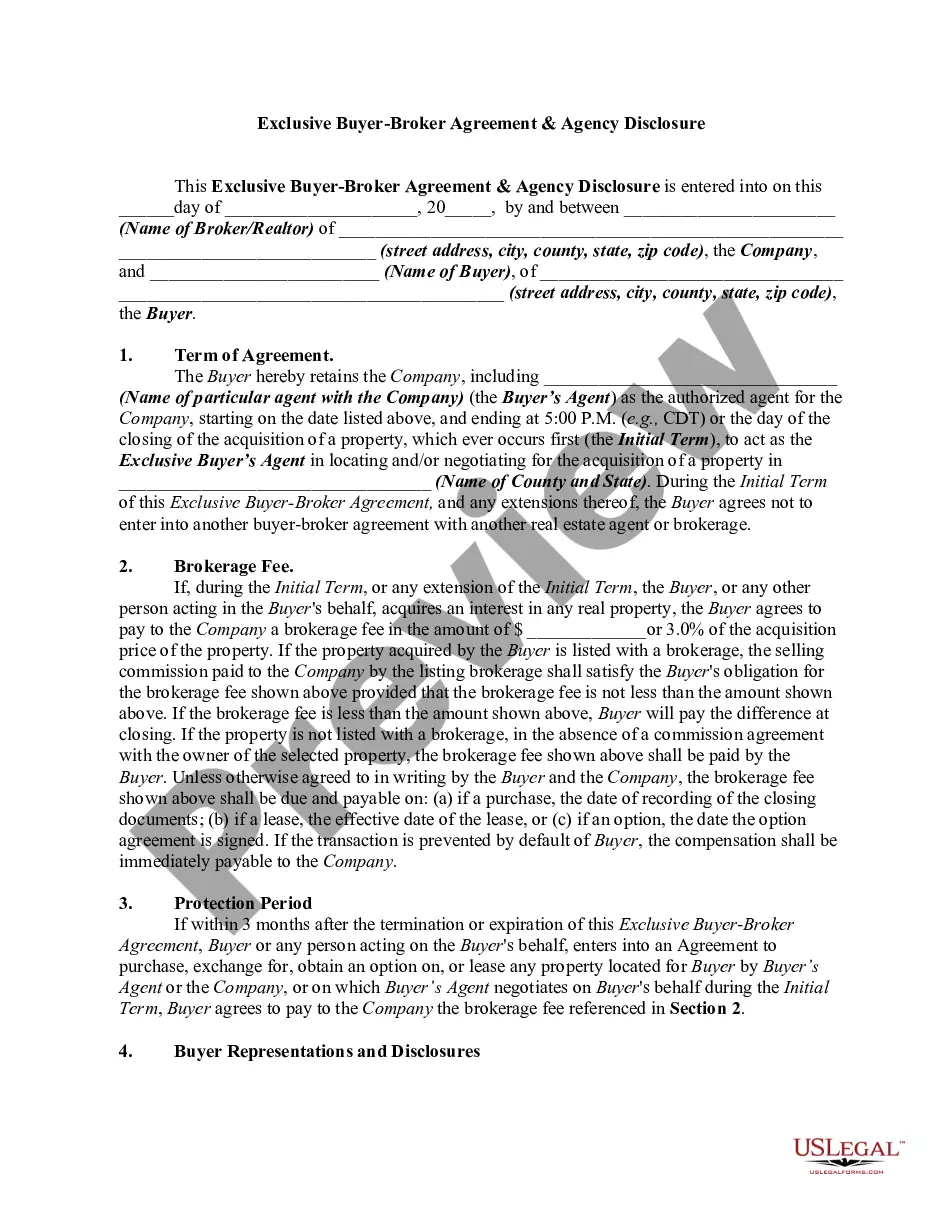
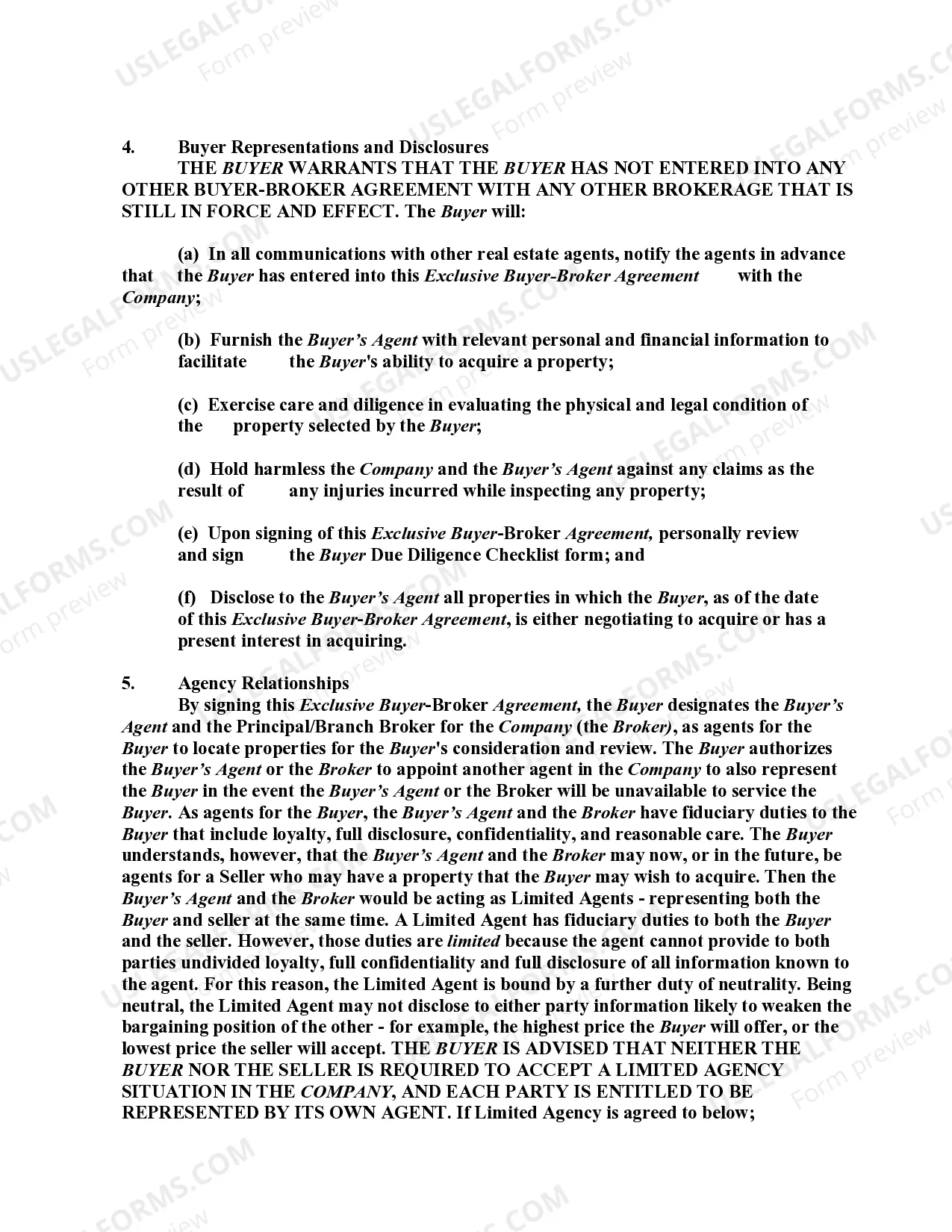
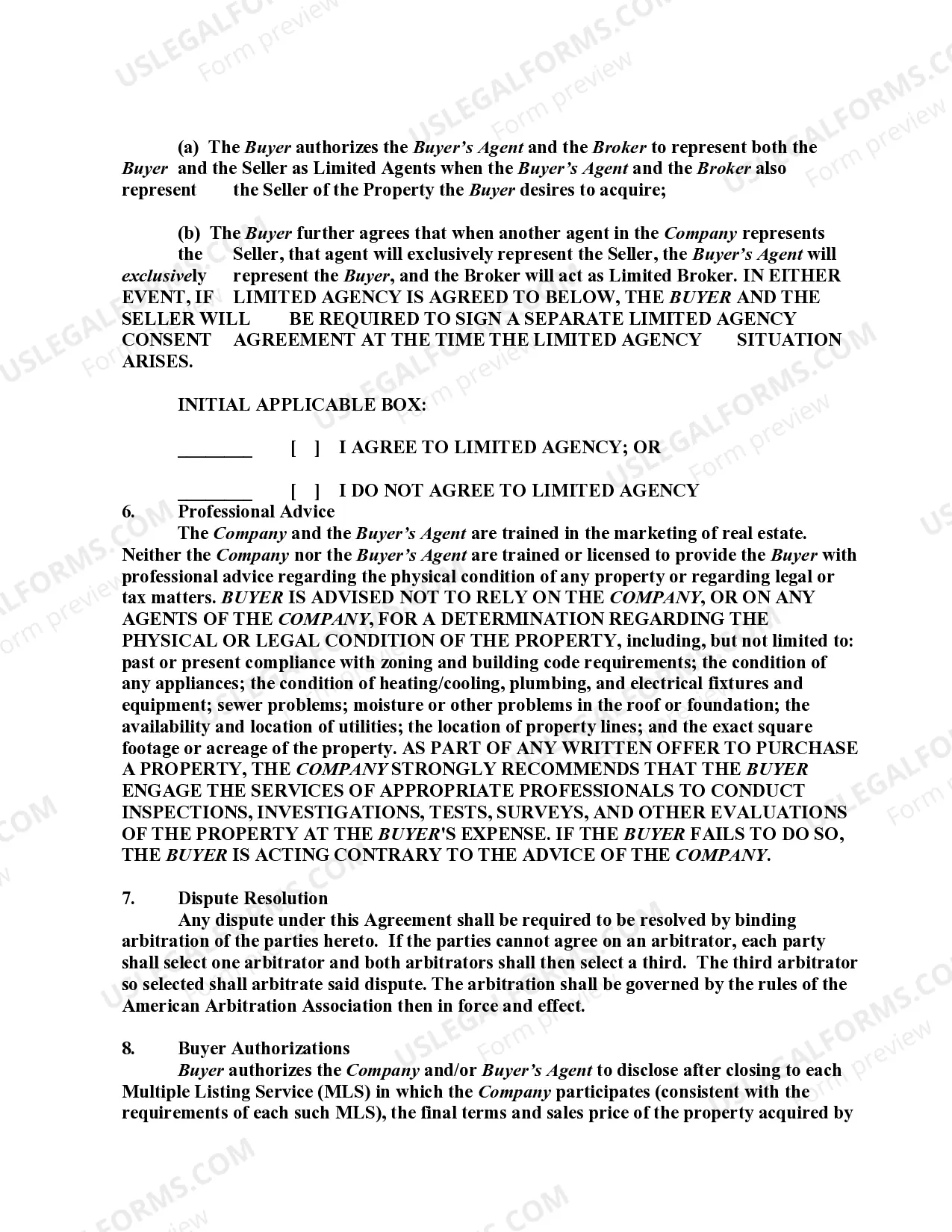
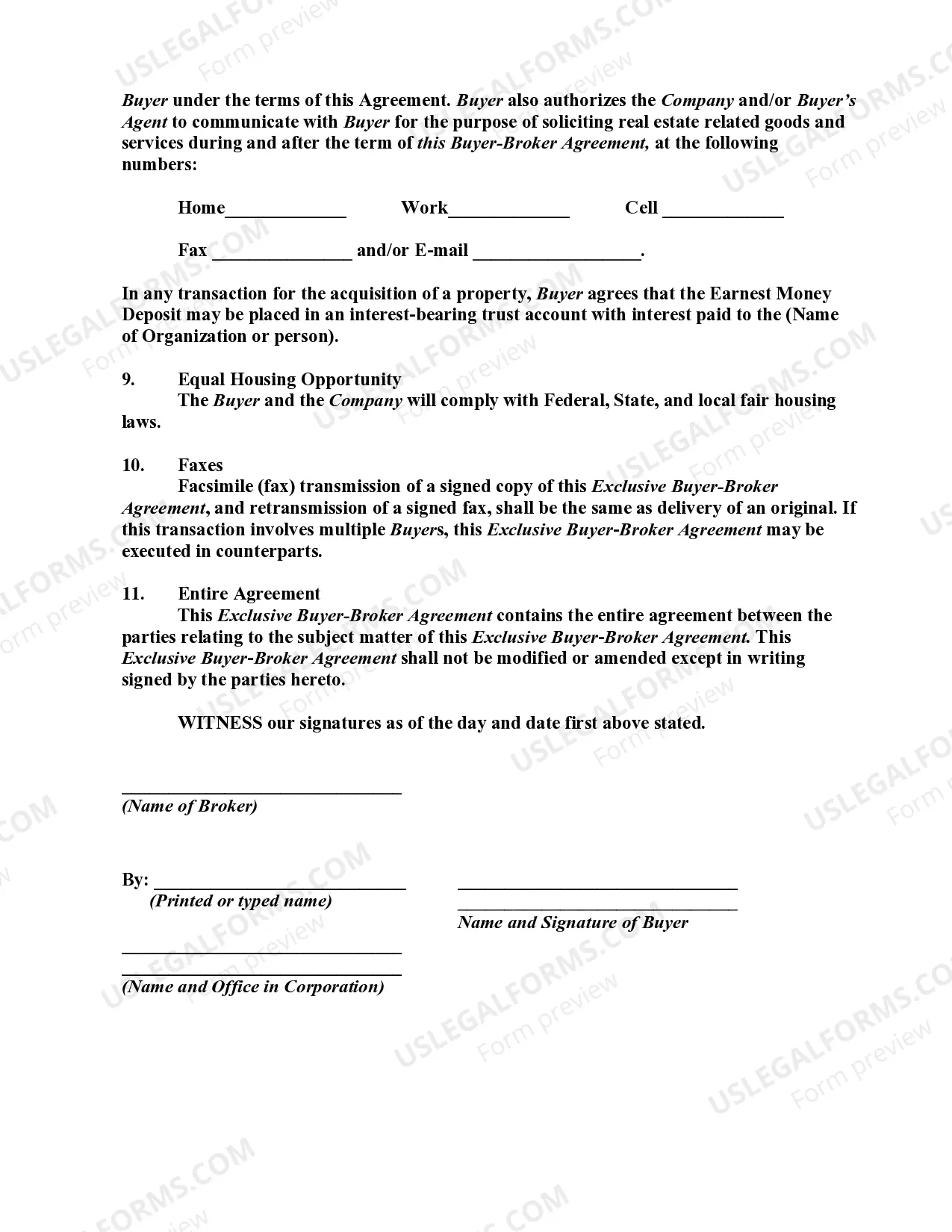
How to fill out Exclusive Buyer-Broker Agreement And Agency Disclosure?
It’s evident that you cannot transform into a legal specialist in a single night, nor can you comprehend how to promptly draft the Illinois Real Estate Disclosure Form without possessing a unique set of abilities.
Producing legal documents is a lengthy endeavor that necessitates specific training and expertise. So why not entrust the development of the Illinois Real Estate Disclosure Form to the experts.
With US Legal Forms, one of the most comprehensive libraries of legal templates, you can discover anything from court papers to templates for office correspondence. We understand how vital it is to comply with federal and local laws and regulations.
Create a free account and choose a subscription plan to acquire the template.
Click Buy now. After the payment is finalized, you can retrieve the Illinois Real Estate Disclosure Form, complete it, print it, and send it by mail to the designated recipients or organizations.
- That’s why, on our website, all forms are tailor-made for specific locations and up to date.
- Begin with our platform and obtain the document you need in just a few minutes.
- Use the search bar at the top of the page to find the document you require.
- If this option is available, preview it and examine the accompanying description to determine if the Illinois Real Estate Disclosure Form is what you are looking for.
- If you need a different form, start your search anew.
Form popularity
FAQ
Some NDAs may have an expiration clause that lasts for a certain number of years after the agreement is signed, while others may specify an expiration date. In some cases, an NDA may have no expiration date, and the confidential information must be kept secret indefinitely.
Five other key features must be included in your NDA to ensure it's legally binding, including a description of confidential information, obligations of the parties involved, any exclusions, the term of the agreement and consequences of a breach.
If your company discloses confidential information without having the NDA agreed to first, ensure that the NDA applies retroactively by setting the effective date as the date on which confidential information was first disclosed, not the date on which the agreement was signed.
The NDA should ensure that any third-party recipients of the information are also subject to confidentiality obligations. This can be done by requiring that the third-party enter into a separate NDA (known as a back-to-back NDA) on substantially the same terms as the original agreement.
While the rules can certainly vary from state to state, most jurisdictions consider non-disclosure agreements to be enforceable as long as they are drafted and executed properly.
You do not need a lawyer to create and sign a non-disclosure agreement. However, if the information you are trying to protect is important enough to warrant an NDA, you may want to have the document reviewed by someone with legal expertise.
To be valid, a Non-Disclosure Agreement only needs two signatures ? the disclosing party and the receiving party. It doesn't need to be notarized or filed with any state or local administrative office.
Starting at $1,500.00 for basic Non Disclosure Agreement. More complex matters may range from $5,000.00-$10,000.00. An NDA is a contract by which one or more parties agree not to disclose confidential information that they have shared with each other as a necessary part of doing business together.