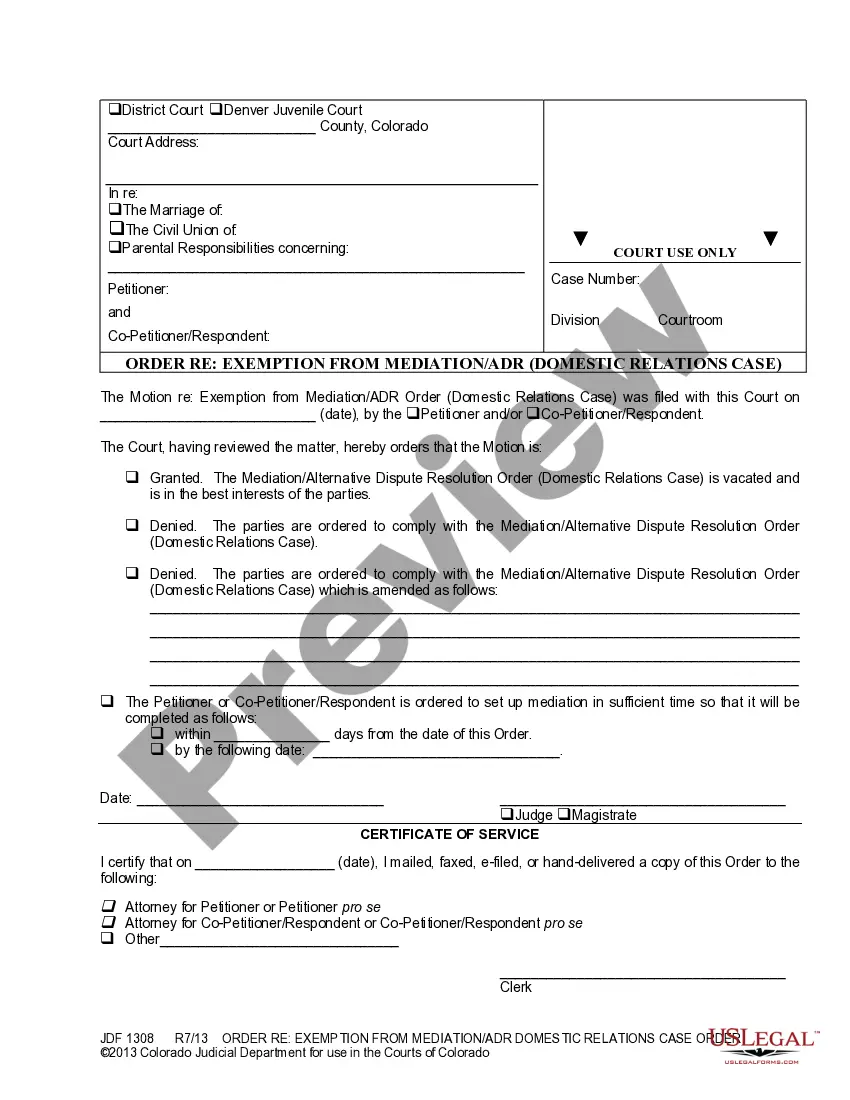
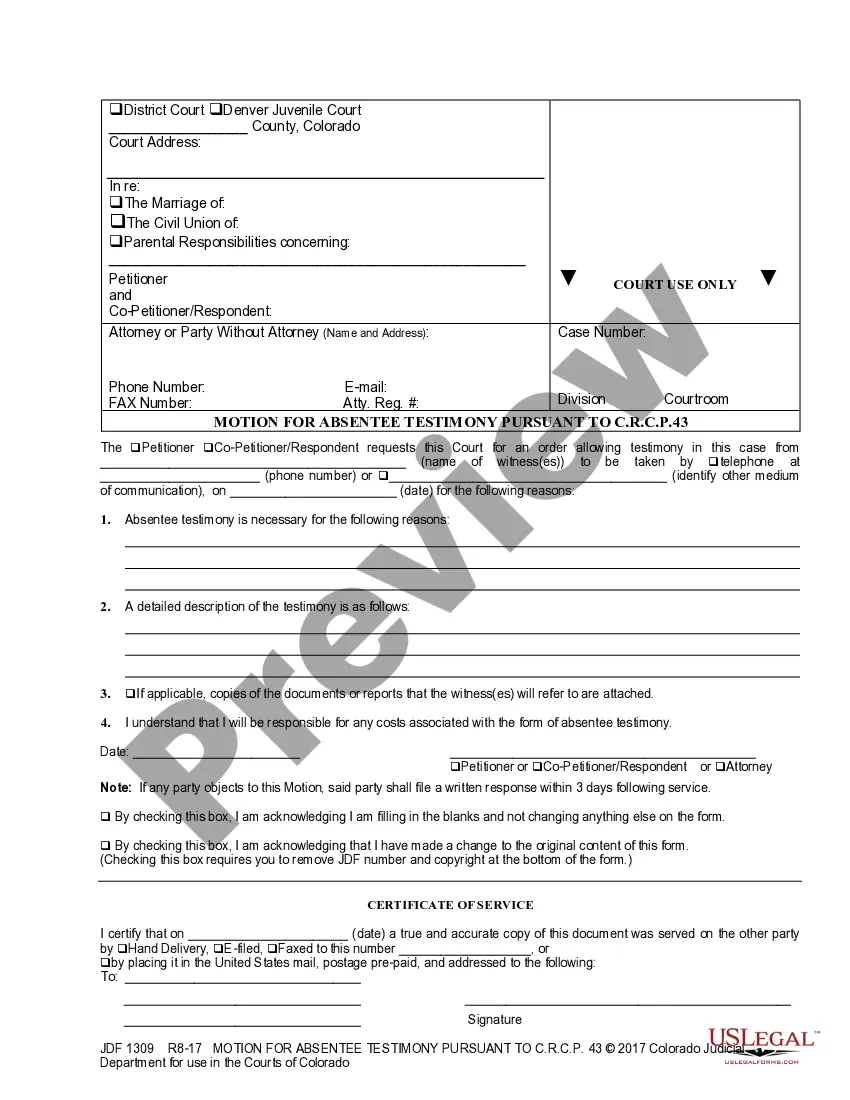
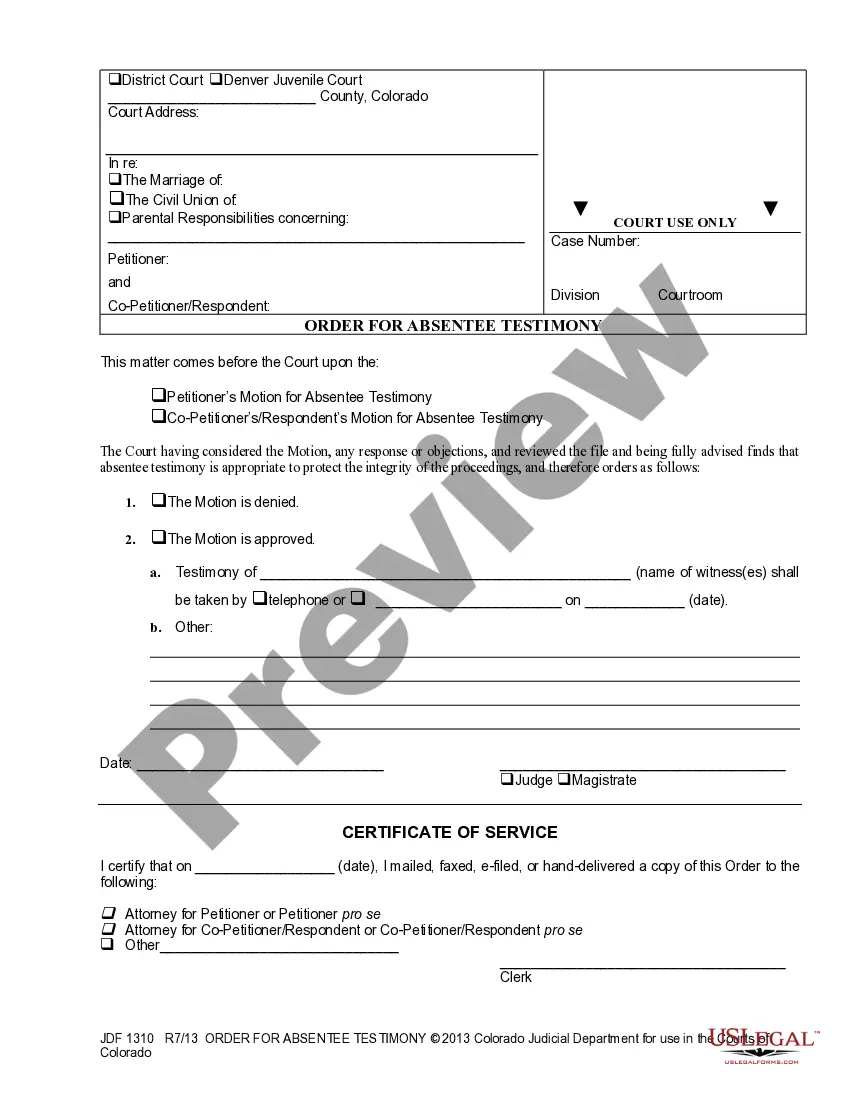
Wisconsin Lease Agreement regarding Large Discount Store
Description
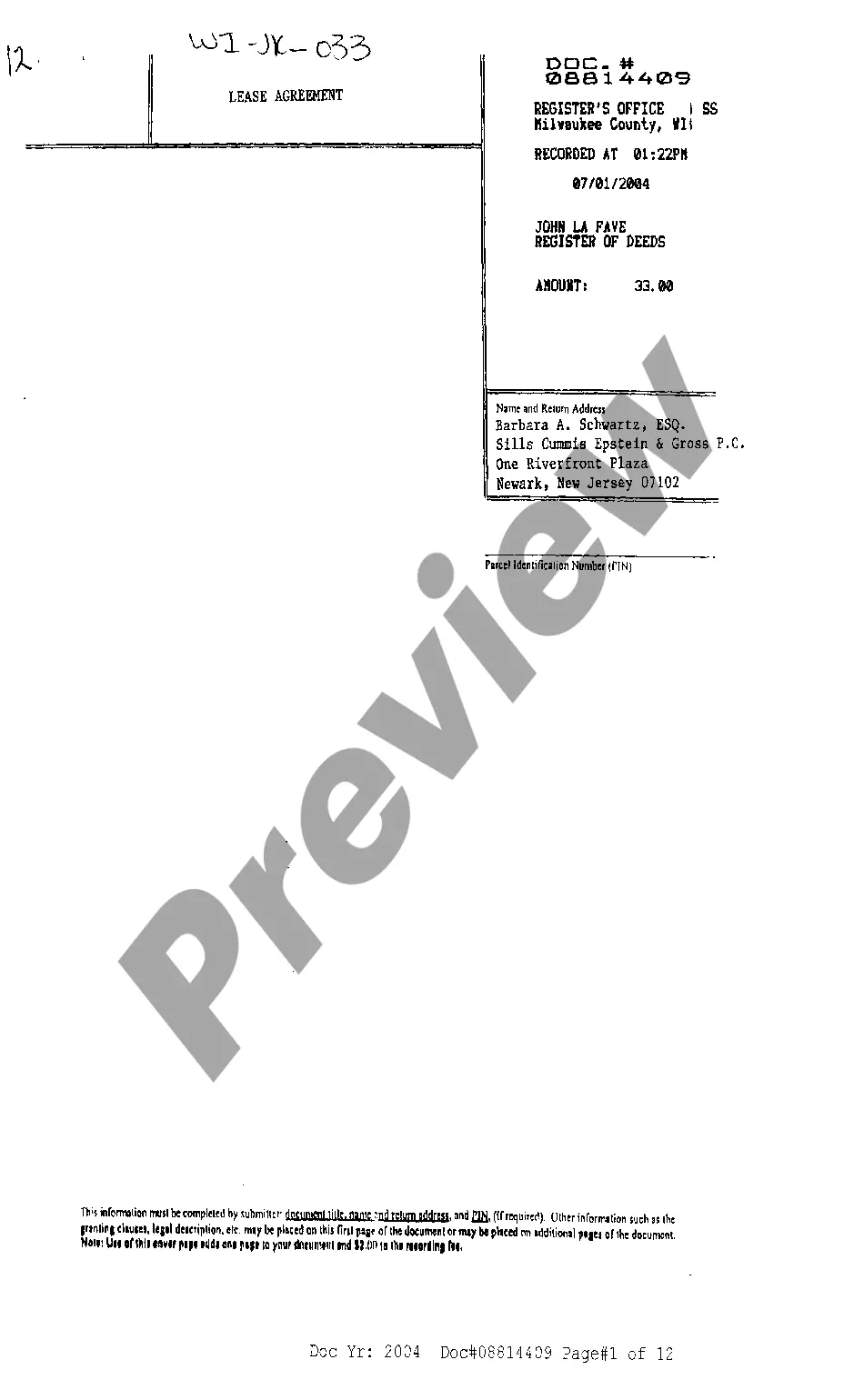
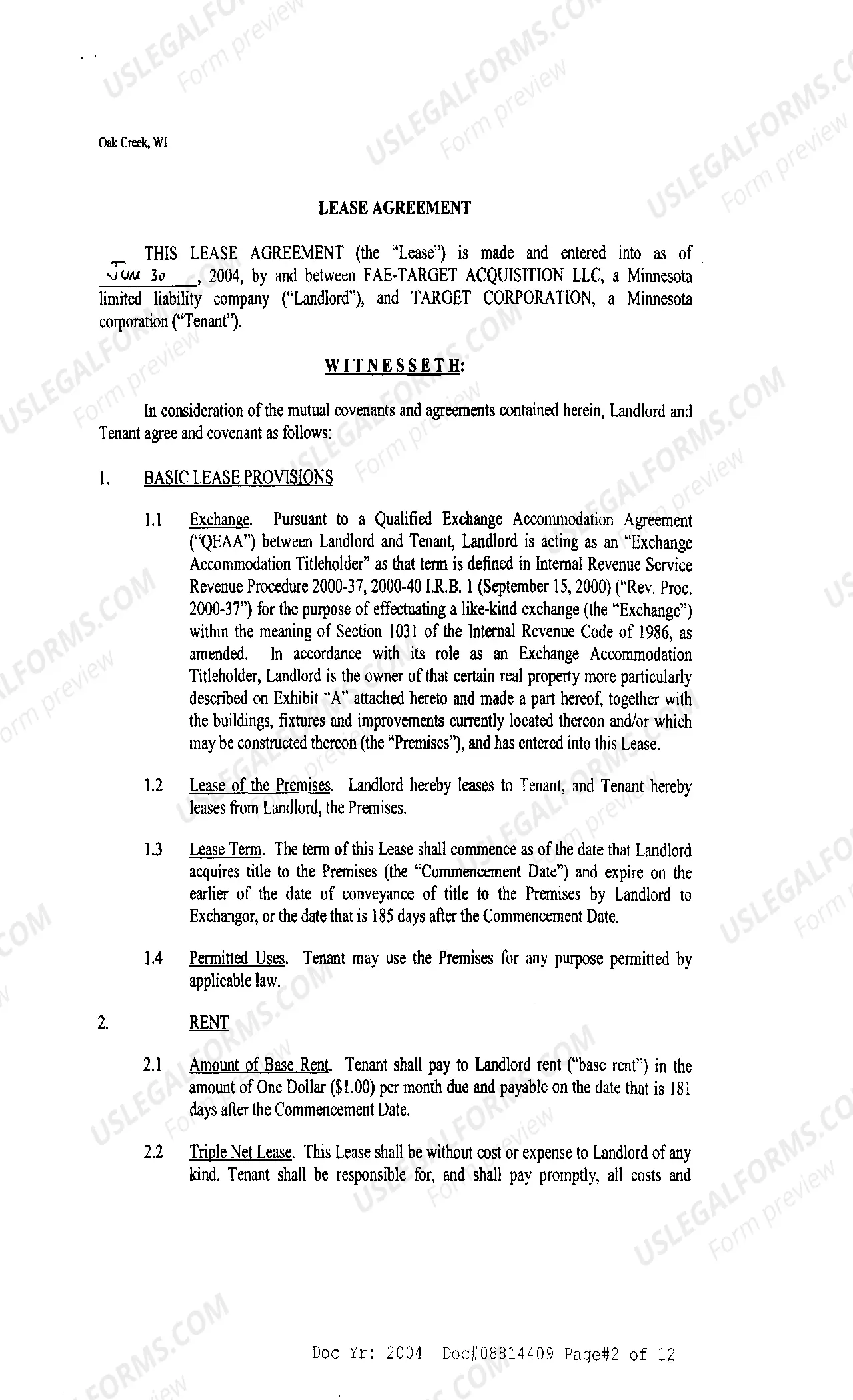
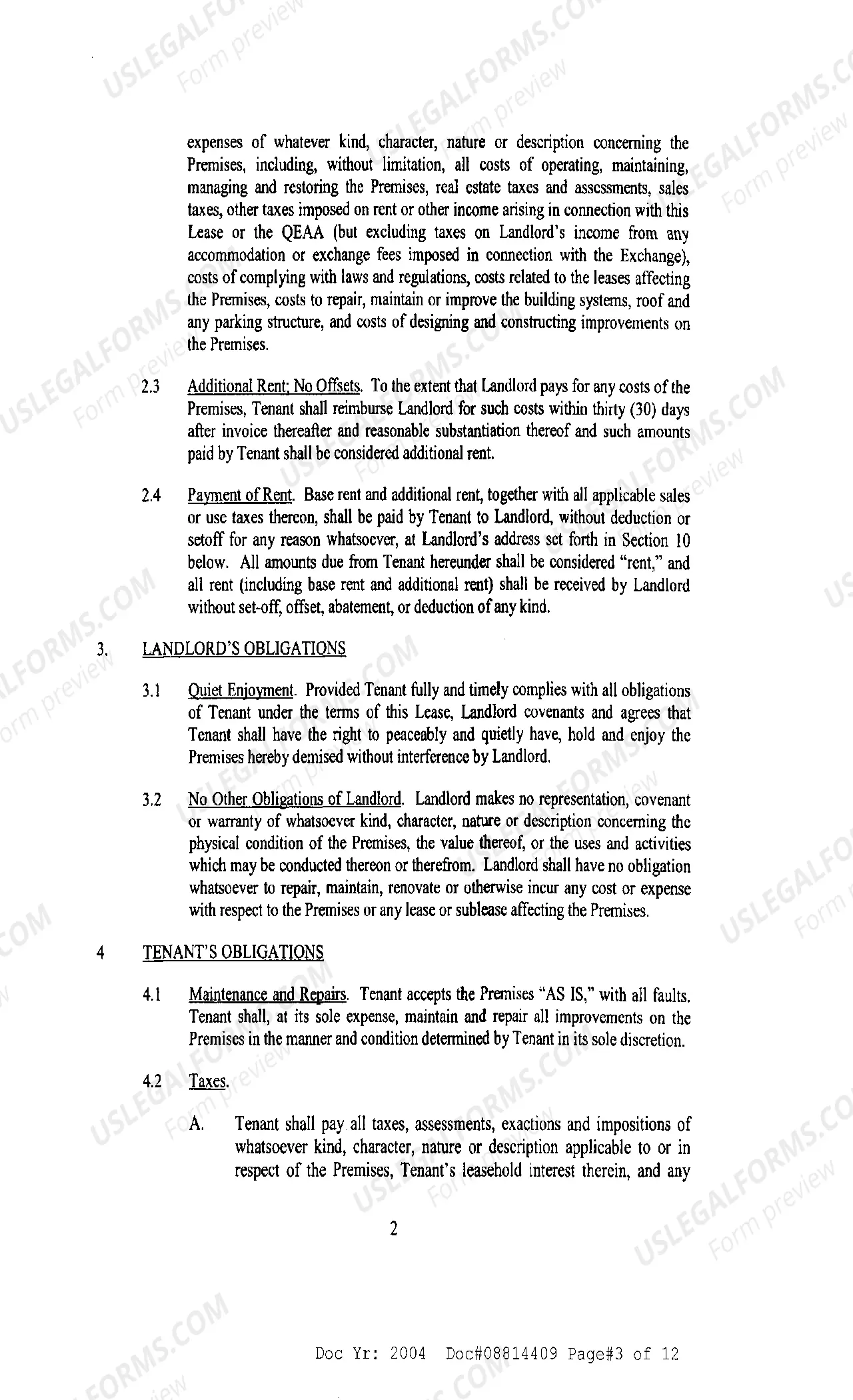
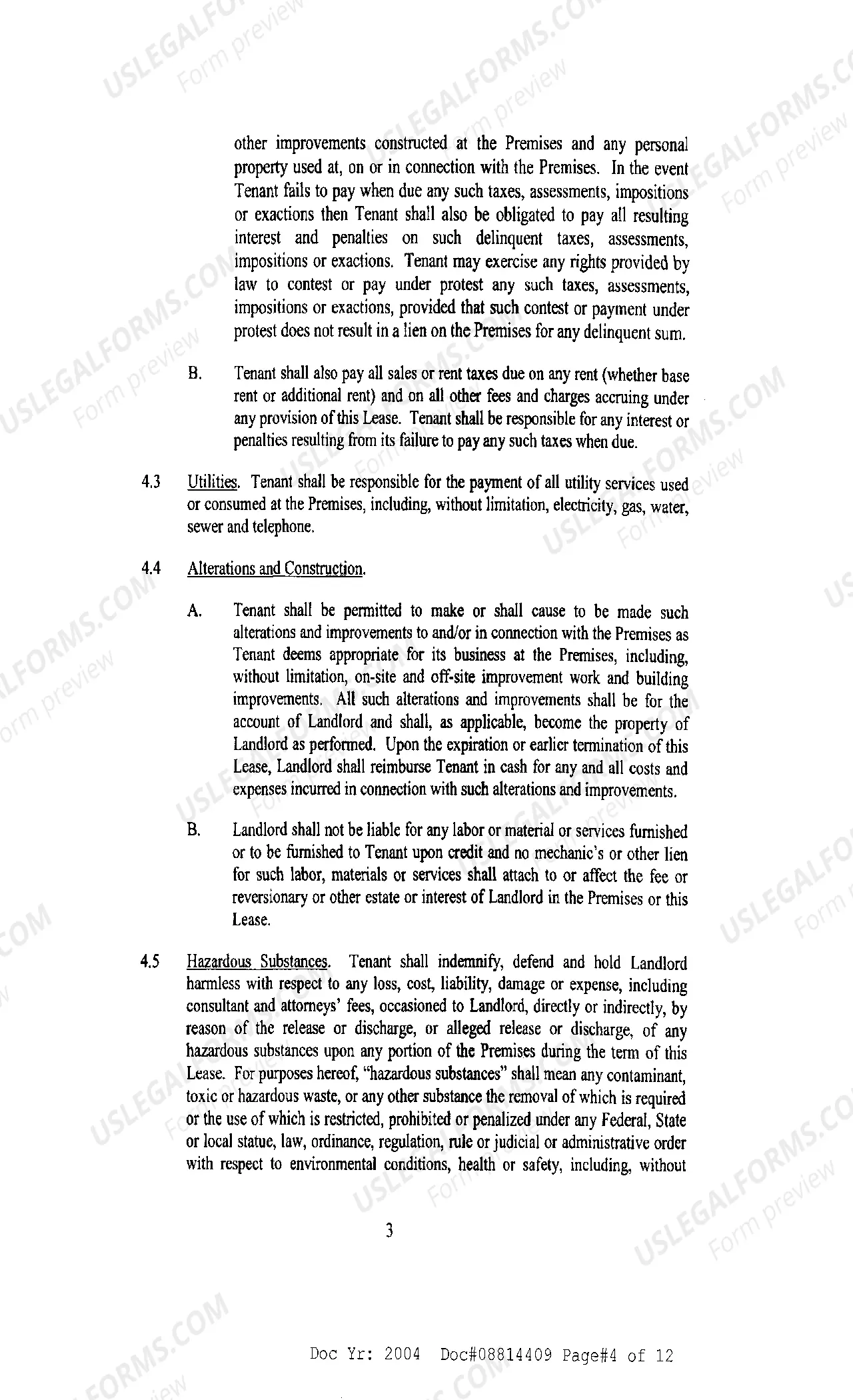
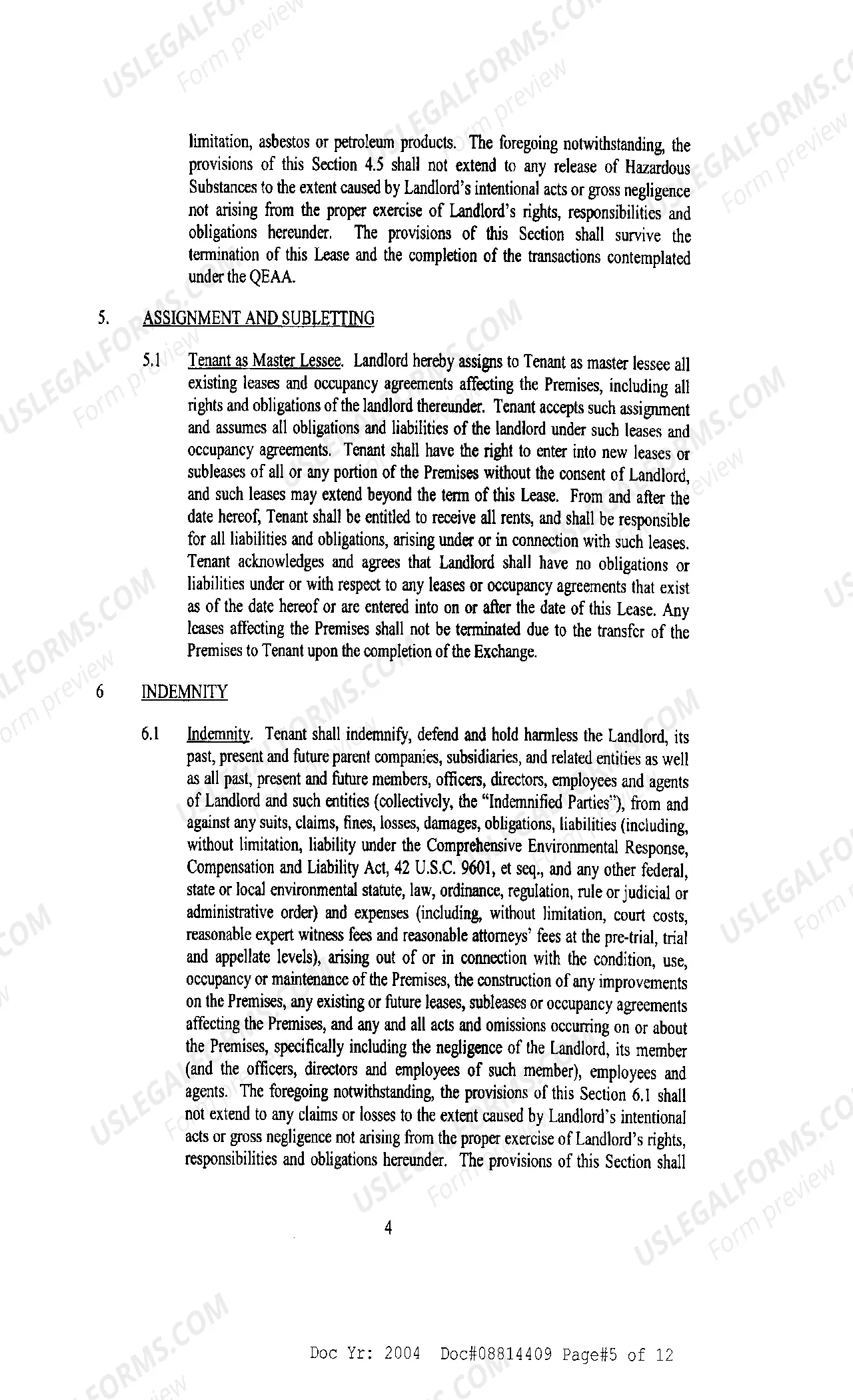

How to fill out Wisconsin Lease Agreement Regarding Large Discount Store?
Out of the large number of services that offer legal samples, US Legal Forms offers the most user-friendly experience and customer journey when previewing forms before buying them. Its comprehensive library of 85,000 samples is categorized by state and use for efficiency. All the forms available on the platform have already been drafted to meet individual state requirements by certified legal professionals.
If you have a US Legal Forms subscription, just log in, look for the template, press Download and obtain access to your Form name in the My Forms; the My Forms tab keeps all of your downloaded forms.
Follow the guidelines listed below to obtain the document:
- Once you discover a Form name, make certain it’s the one for the state you really need it to file in.
- Preview the form and read the document description before downloading the sample.
- Look for a new template using the Search field if the one you’ve already found is not proper.
- Click on Buy Now and choose a subscription plan.
- Create your own account.
- Pay with a credit card or PayPal and download the document.
When you have downloaded your Form name, it is possible to edit it, fill it out and sign it in an online editor of your choice. Any form you add to your My Forms tab might be reused many times, or for as long as it remains to be the most up-to-date version in your state. Our platform offers easy and fast access to templates that suit both attorneys as well as their clients.
Form popularity
FAQ
Essentially, this means your landlord can only raise rents if they're in line with the current market. The AST often has a section suggesting how much rents could increase by. The percentage is typically between 0.5 and 5%, with market rents expected to be somewhere in that bracket after a 12-month AST comes to an end.
Under Wisconsin law a landlord is statutorily required to keep a rental unit in a reasonable state of repair and such repairs cannot be assigned to a tenant as a result.As such, the parties are free to assign the responsibilities for cleaning the rental unit including the carpet in the rental agreement.
In Wisconsin, tenants are legally able to withhold rent. The tenant may withhold rent for failure to provide essential services, including, but not limited to: The landlord failing to repair.
The Parties & Personal Guarantees. Lease Term & Renewals. Rent Payments and Expenses. Business Protection Clauses.
Landlords are prohibited from harassing or retaliating against tenants who exercise their legal rights. In Wisconsin, the landlord must not terminate, refuse to renew a lease, or fine a tenant for complaining to the landlord regarding the deposit, complaining to a government agency, or exercising a legal right.
In most states, a landlord must give tenants notice at least 30 days before they'll enforce a rent increase. However, in other states like California, the notice can increase to 60 days' notice if the increase is more than 10% of the current rent rate.
There are no state laws limiting the amount of a rent increase. If you are renting by the month, the landlord may terminate the rental agreement by giving you a written termination notice at least 28 days before the next rent due date.
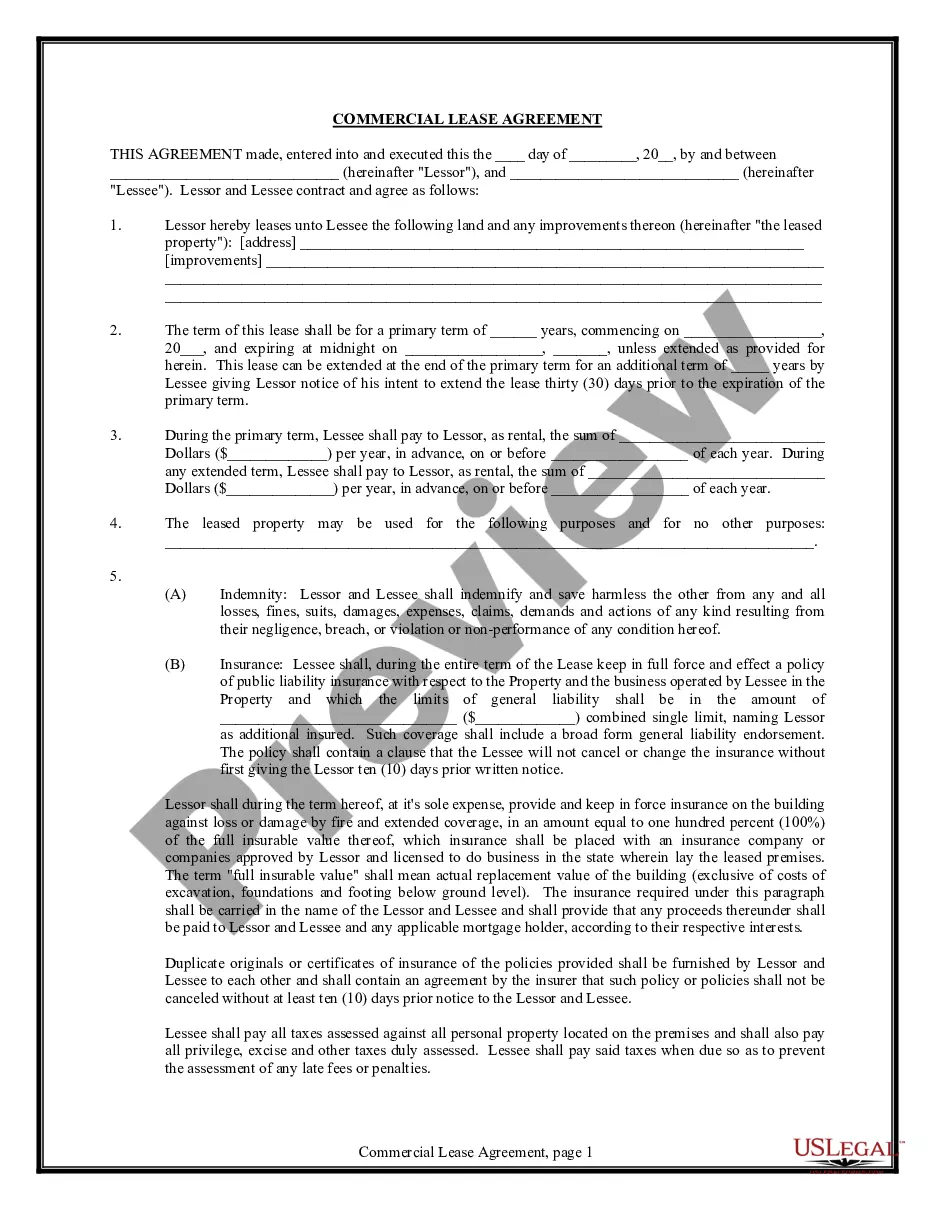
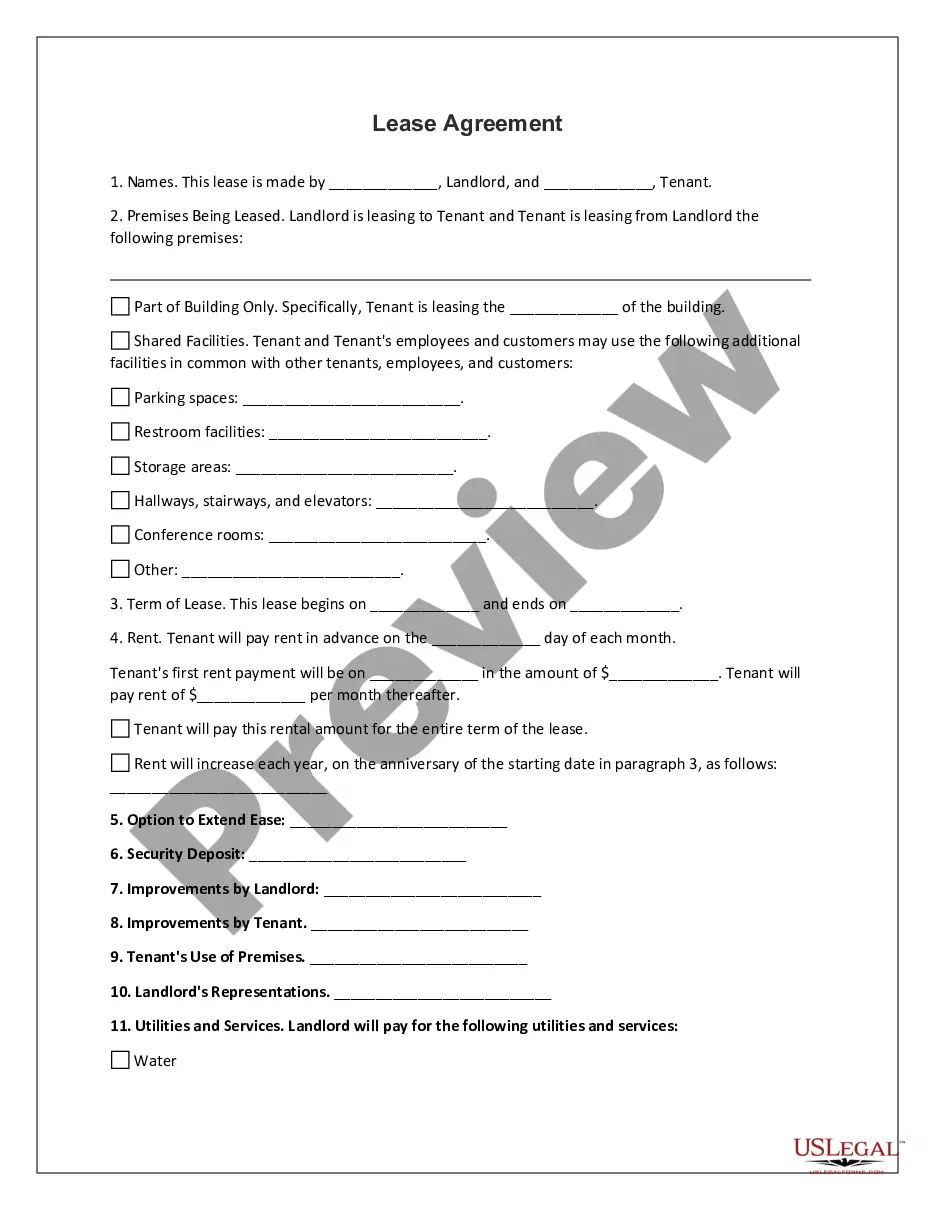
Property address. Monthly rent, generally calculated by square footage. Deposit amount. Purpose for which the space is being rented. Start date for the lease agreement. End date of the rental agreement. Names & signatures of all parties.
In Alberta, there is no limit on how much a landlord can increase the rent but a landlord can only increase the rent after a year has passed from either the start of the tenancy or when the last rent increase was made.