Disclosure House
Description
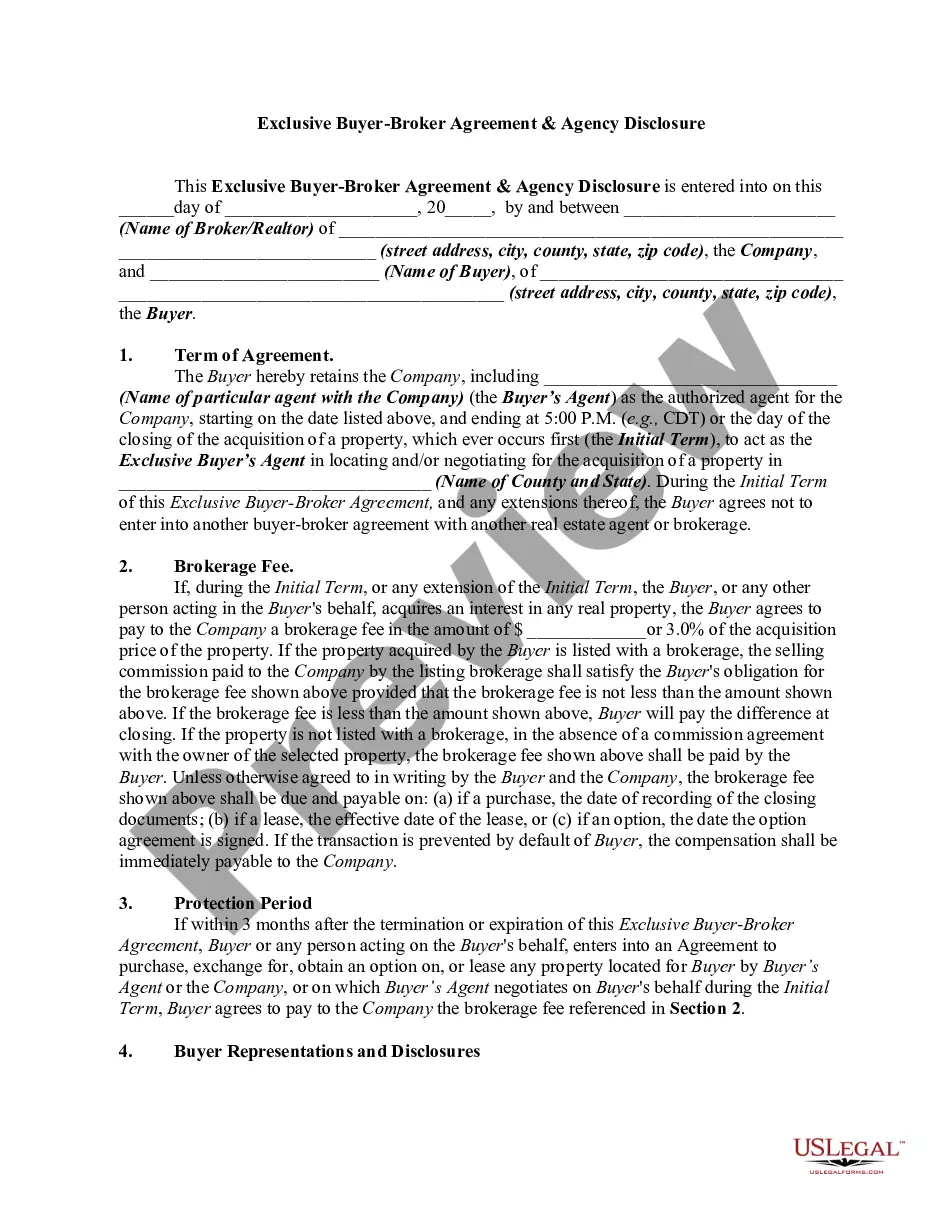
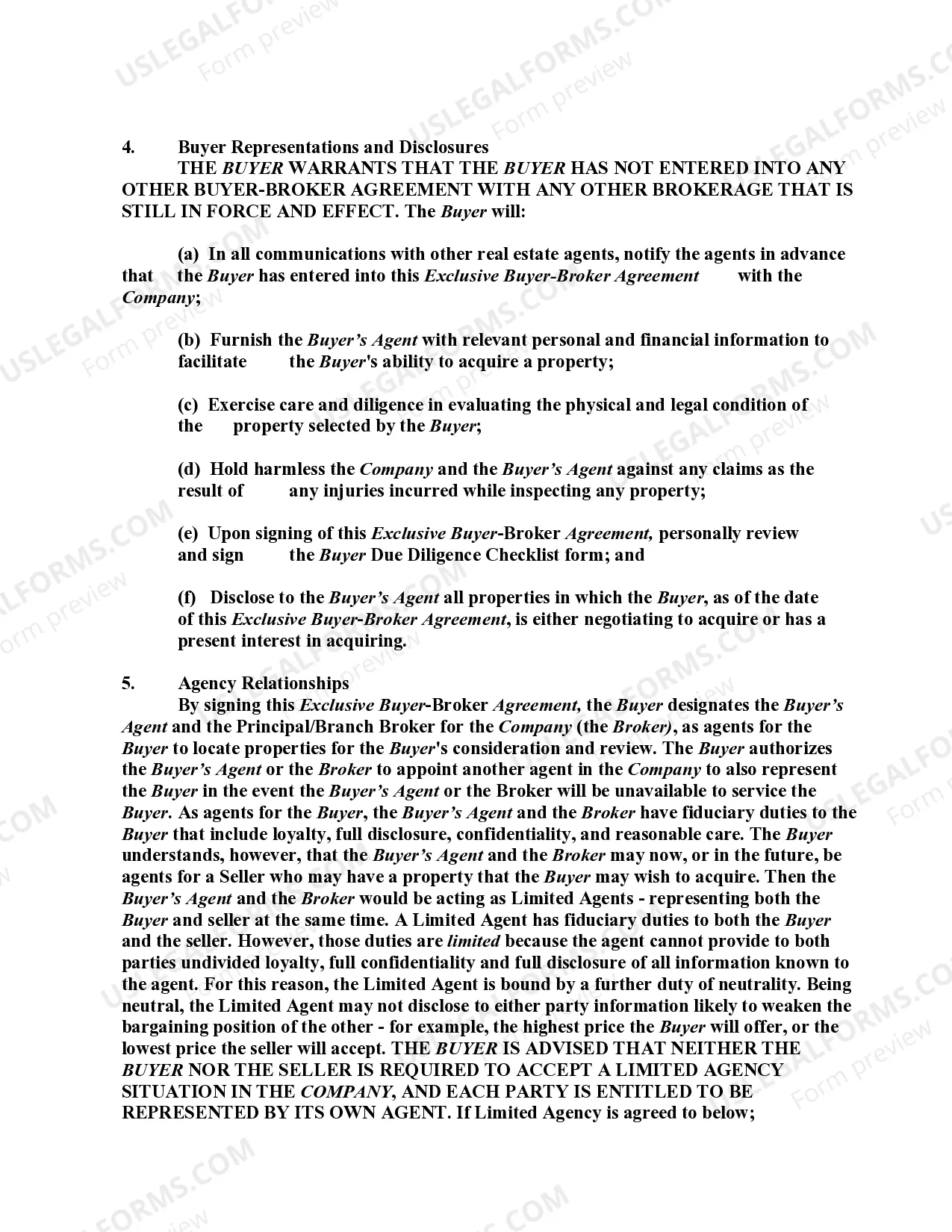
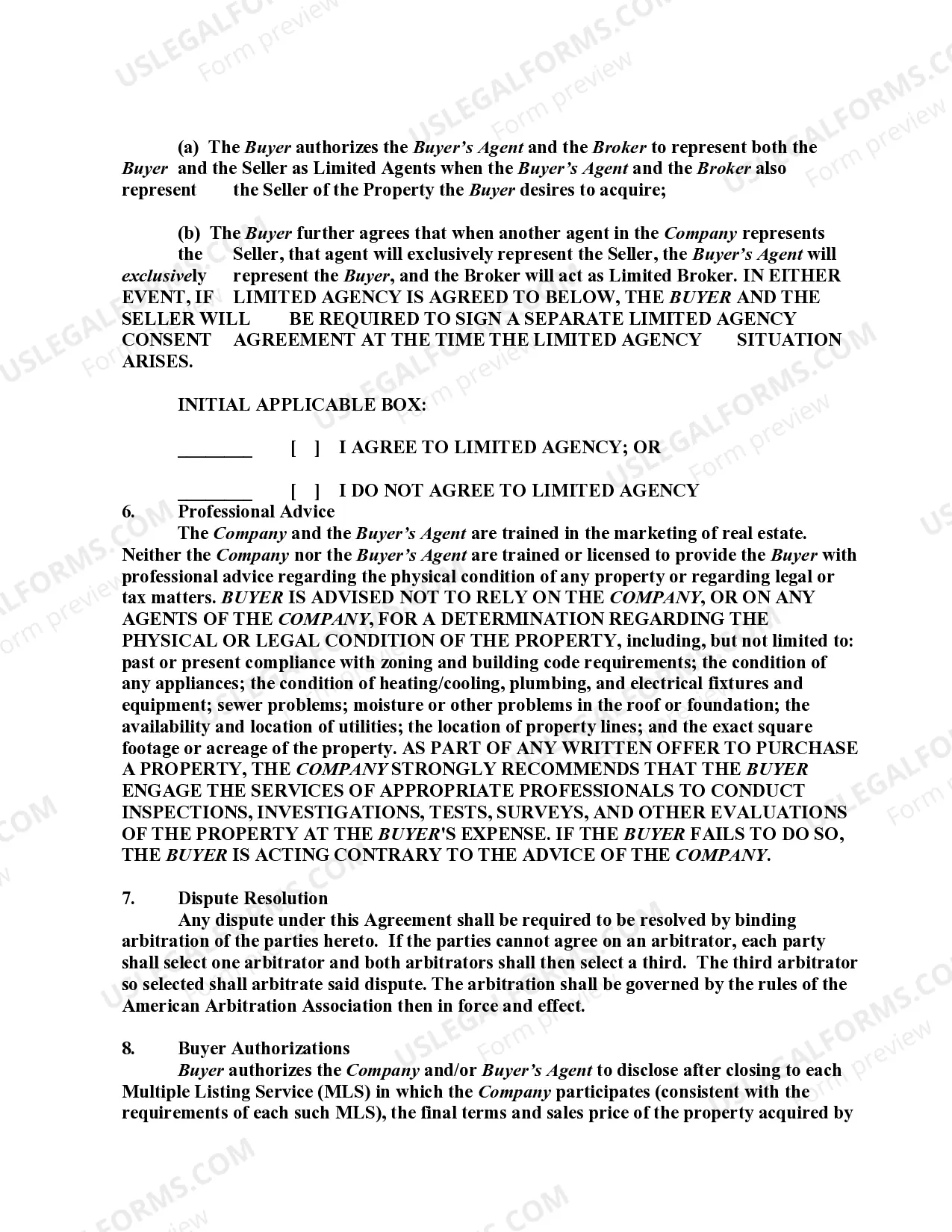
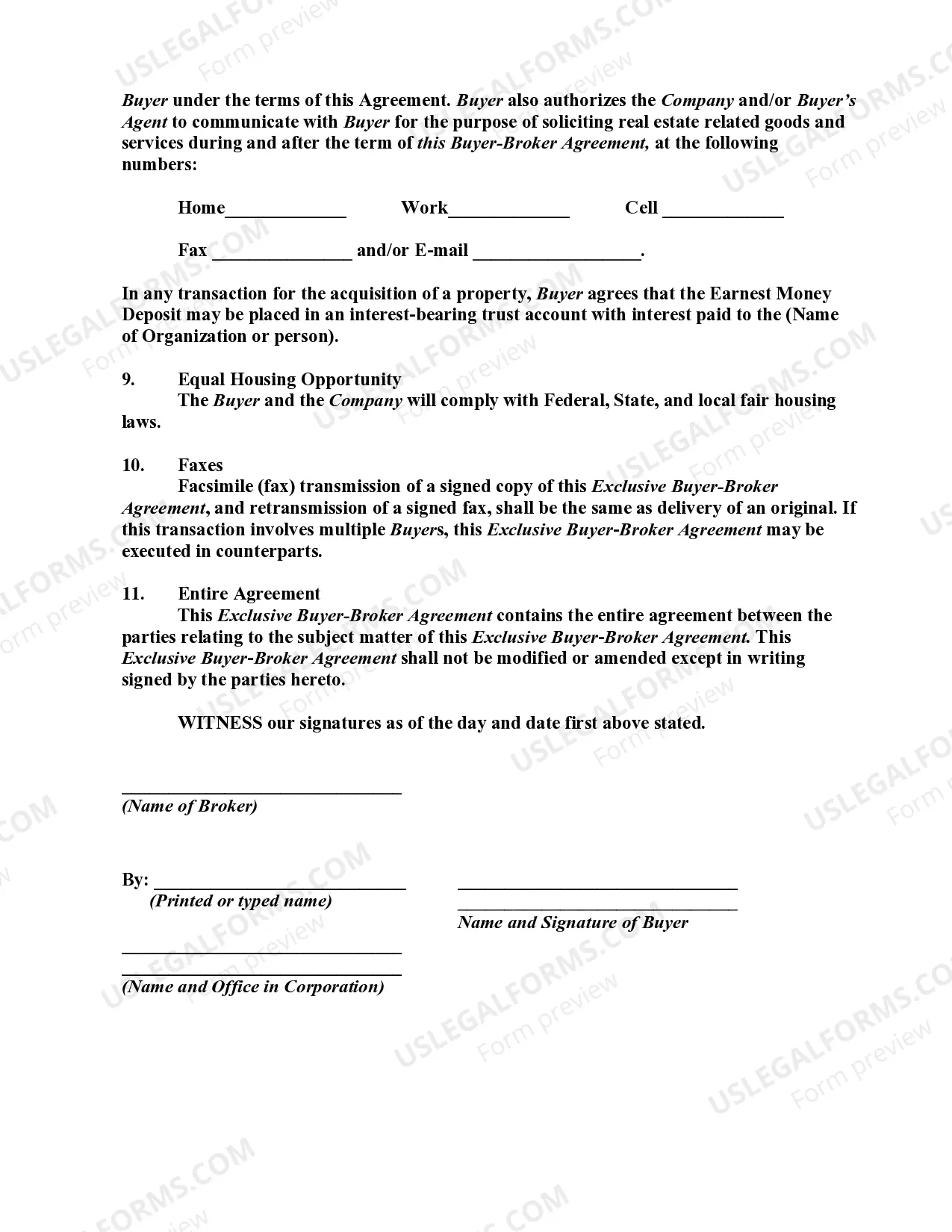
Get your form ready online
Our built-in tools help you complete, sign, share, and store your documents in one place.
Make edits, fill in missing information, and update formatting in US Legal Forms—just like you would in MS Word.
Download a copy, print it, send it by email, or mail it via USPS—whatever works best for your next step.
Sign and collect signatures with our SignNow integration. Send to multiple recipients, set reminders, and more. Go Premium to unlock E-Sign.
If this form requires notarization, complete it online through a secure video call—no need to meet a notary in person or wait for an appointment.
We protect your documents and personal data by following strict security and privacy standards.

Make edits, fill in missing information, and update formatting in US Legal Forms—just like you would in MS Word.

Download a copy, print it, send it by email, or mail it via USPS—whatever works best for your next step.

Sign and collect signatures with our SignNow integration. Send to multiple recipients, set reminders, and more. Go Premium to unlock E-Sign.

If this form requires notarization, complete it online through a secure video call—no need to meet a notary in person or wait for an appointment.

We protect your documents and personal data by following strict security and privacy standards.
Looking for another form?


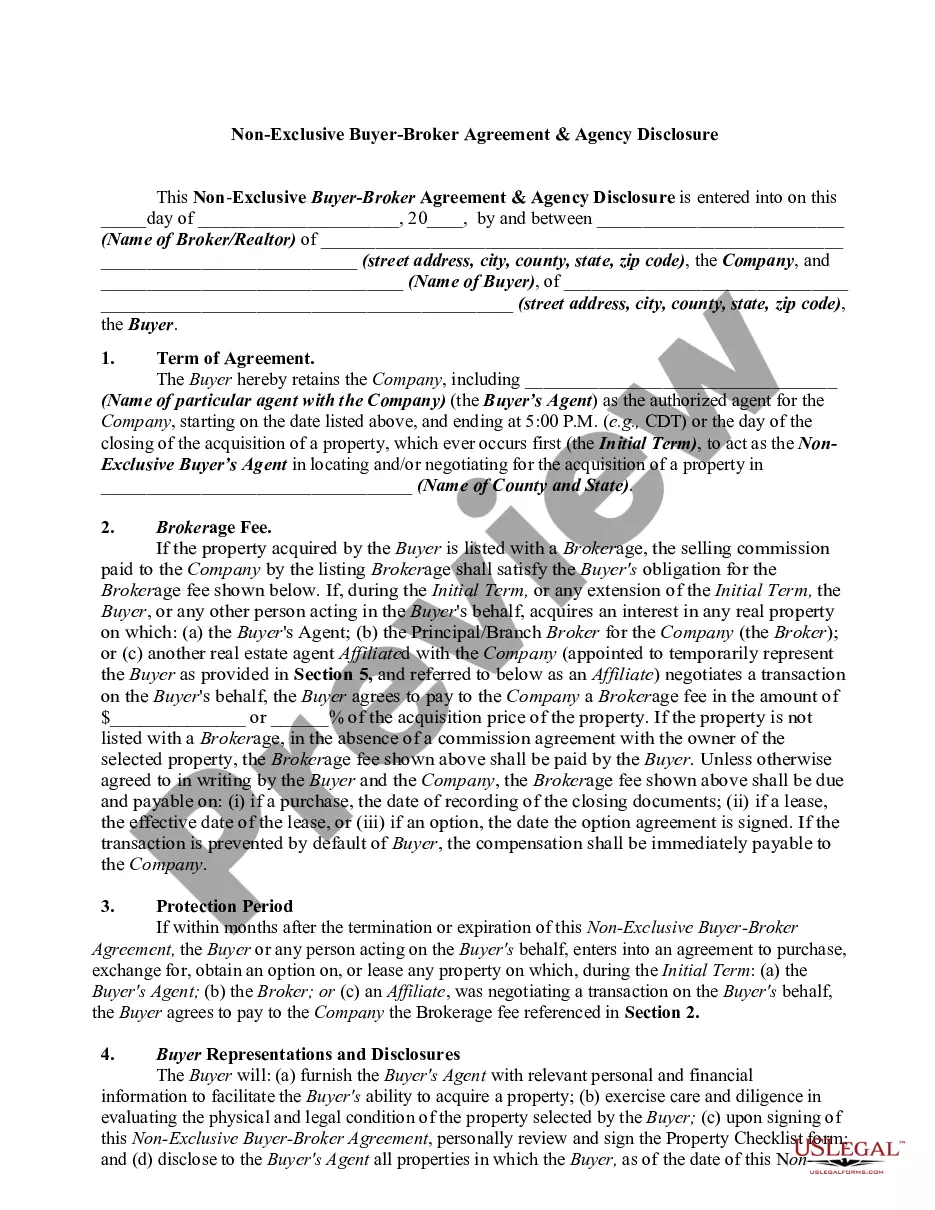
How to fill out Exclusive Buyer-Broker Agreement And Agency Disclosure?
- If you're an existing user, log in to your account and access the form template by clicking the Download button. Ensure your subscription remains active; if not, renew it based on your chosen payment plan.
- For first-time users, start by exploring the Preview mode along with the form description. This will help you confirm you've selected the right document that complies with local jurisdictional requirements.
- If necessary, utilize the Search bar to locate more templates. Once you find a suitable one, move on.
- Proceed to purchase your document. Click the Buy Now button and select your preferred subscription plan while registering an account for full access.
- Complete your purchase by entering credit card details or opting for your PayPal account to finalize the payment.
- Download your template and save it on your device. You can also find it anytime in the My Forms section of your profile.
By following these simple steps, you can navigate the US Legal Forms library effectively. This service not only offers an extensive collection of over 85,000 legally compliant templates but also provides access to premium expertise for assistance in form completion.
Start simplifying your legal processes today with US Legal Forms. Enhance your document management experience and ensure accuracy with every form you create.
Form popularity
FAQ
An example of a disclosure includes a situation where a seller must report any known water damage or mold in the basement. This should be documented in the property disclosure statement and shared with potential buyers. When sellers disclose such critical information, it not only ensures transparency but also protects them from potential legal disputes in the future, especially as it relates to selling a disclosure house.
An information disclosure statement should include all relevant facts about the property, such as structural integrity, mechanical systems, and existing warranties. Always include significant repairs or past issues, making sure to detail both current problems and how they were resolved. This level of detail helps prospective buyers understand the property's true condition and value, particularly when considering a disclosure house.
A comprehensive disclosure statement should include the property's legal description, its current status, and any known defects or problems. Additionally, it should mention disclosures about the neighborhood or surrounding area, such as local zoning laws or planned developments. This information is vital for potential buyers looking for transparency and assurance in their real estate transactions involving a disclosure house.
In a disclosure statement, you should include the property address, details about its current condition, and any significant issues or repairs. Be honest about any past incidents, such as flooding or pest infestations, that may affect the property's value. Providing complete and truthful information in a disclosure statement is essential; it not only builds trust with potential buyers but also complies with legal requirements in selling a disclosure house.
Typically, the property owner or seller is responsible for filling out the condition of the property disclosure form. If the property is in a trust or owned by a corporation, an authorized representative should complete the form. It is important for the person filling out the form to have firsthand knowledge of the property's condition to provide accurate information, which is critical in a disclosure house scenario.
To write a disclosure form, start with a clear title at the top, such as 'Property Disclosure Statement.' Identify the property address and provide a brief introduction. Next, list all relevant details about the property's condition, including any known issues or repairs. Be transparent and concise, ensuring you cover all necessary aspects for potential buyers to make an informed decision, especially regarding any factors that impact the disclosure house.
The point of disclosure is to safeguard the interests of both parties in a real estate transaction. It helps prevent misunderstandings and potential legal disputes by ensuring that buyers are fully informed about a property's condition. In the context of a disclosure house, this practice is critical for fostering a sense of trust and fairness within the transaction.
A disclosure on a house refers to the seller's formal statement detailing the condition of the property and any known issues. This document might include information about repairs, environmental hazards, and neighborhood factors. By providing this disclosure, sellers allow buyers to make informed decisions and mitigate risks associated with the property.
The purpose of disclosure goes beyond legal obligations; it enhances buyer confidence by ensuring they are aware of what they are purchasing. A comprehensive disclosure helps protect buyers from unexpected issues that could arise after the sale. This transparency is essential for establishing a fair and open relationship between buyers and sellers during the transaction of a disclosure house.
The objective of disclosure is to inform potential buyers about significant aspects of a property, such as its condition and legal issues. This practice aims to promote honesty in real estate dealings, ultimately reducing the chance of disputes down the line. By understanding these elements, buyers can make well-informed choices regarding the disclosure house.