Criminal Charges For Harassment
Description


Get your form ready online
Our built-in tools help you complete, sign, share, and store your documents in one place.
Make edits, fill in missing information, and update formatting in US Legal Forms—just like you would in MS Word.
Download a copy, print it, send it by email, or mail it via USPS—whatever works best for your next step.
Sign and collect signatures with our SignNow integration. Send to multiple recipients, set reminders, and more. Go Premium to unlock E-Sign.
If this form requires notarization, complete it online through a secure video call—no need to meet a notary in person or wait for an appointment.
We protect your documents and personal data by following strict security and privacy standards.

Make edits, fill in missing information, and update formatting in US Legal Forms—just like you would in MS Word.

Download a copy, print it, send it by email, or mail it via USPS—whatever works best for your next step.

Sign and collect signatures with our SignNow integration. Send to multiple recipients, set reminders, and more. Go Premium to unlock E-Sign.

If this form requires notarization, complete it online through a secure video call—no need to meet a notary in person or wait for an appointment.

We protect your documents and personal data by following strict security and privacy standards.
Looking for another form?
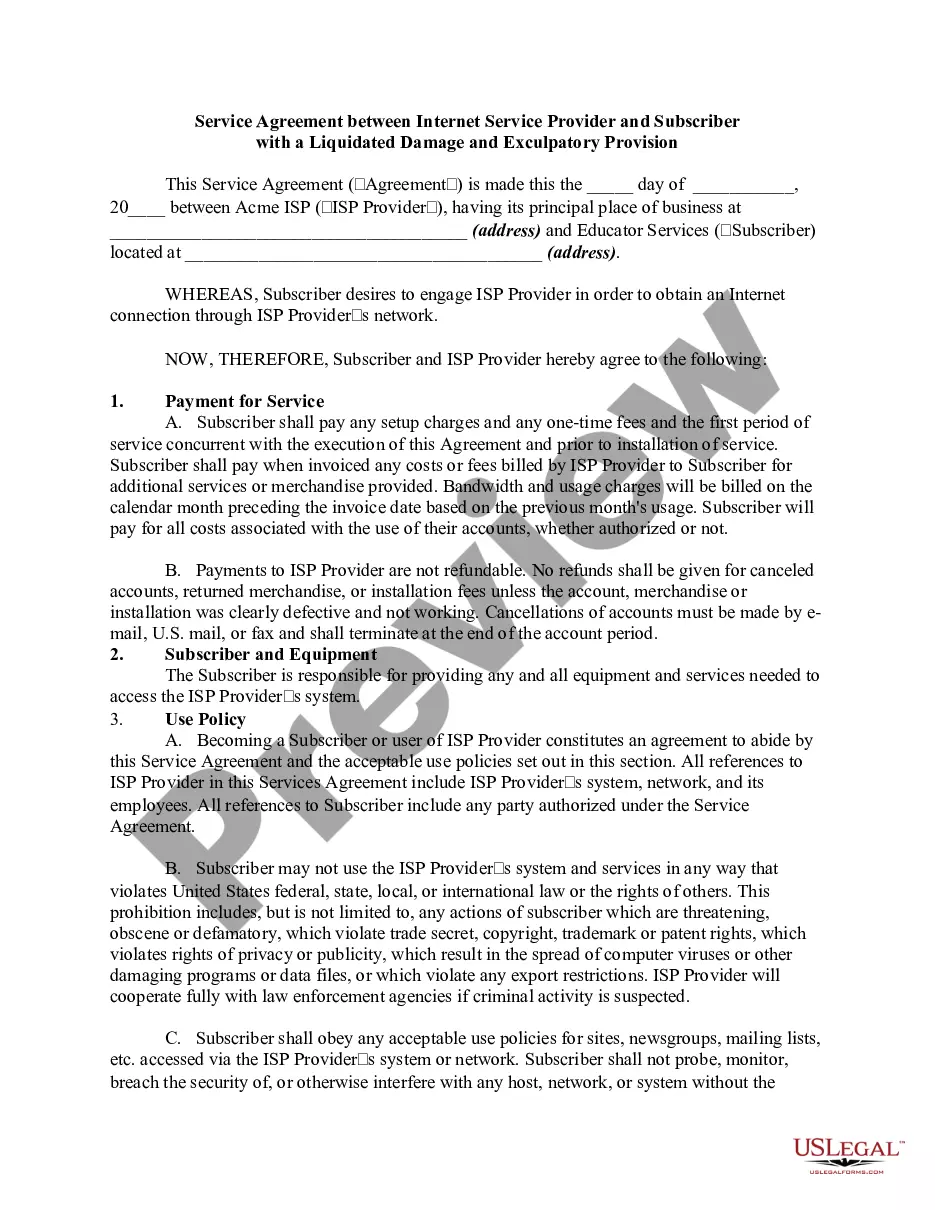


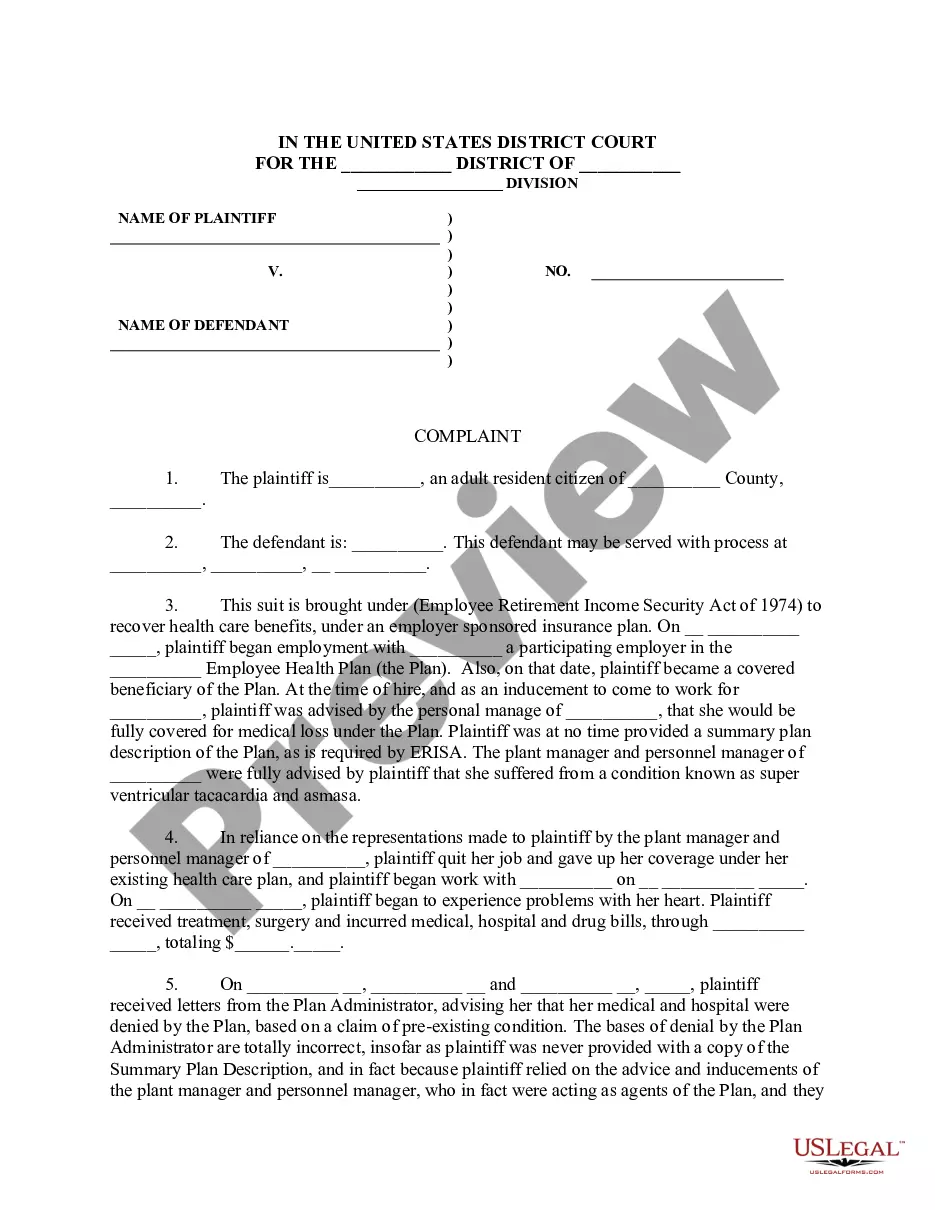
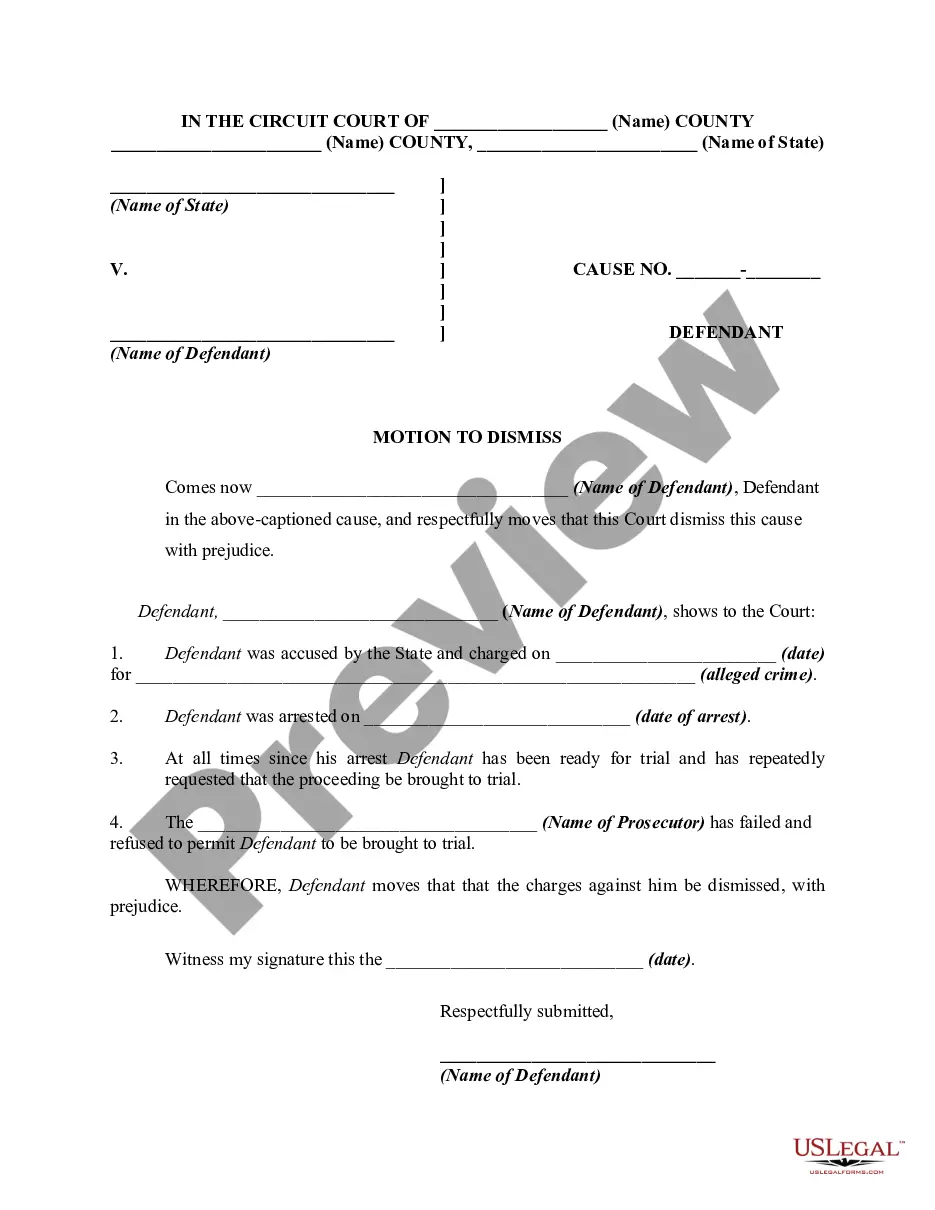
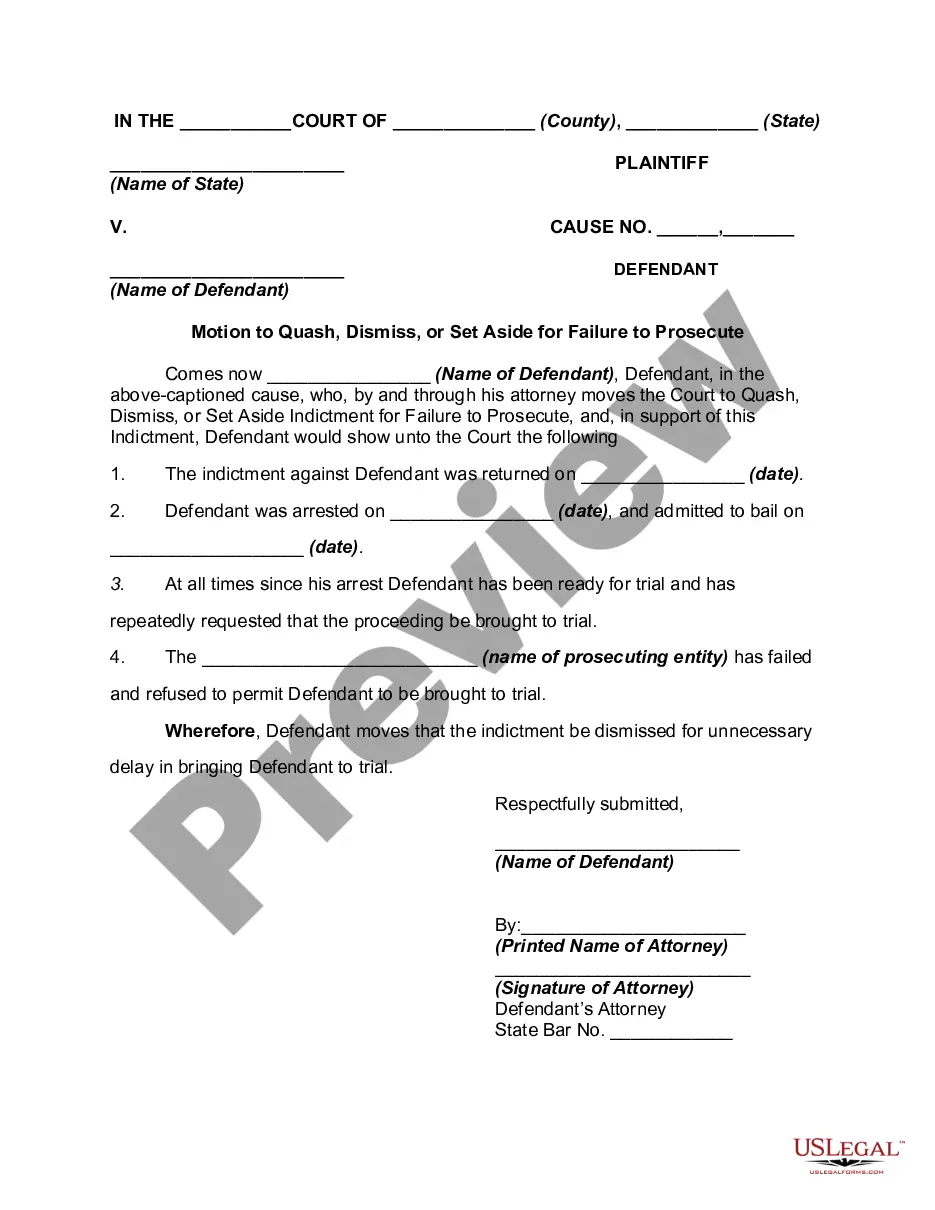
How to fill out Motion To Quash, Dismiss, Or Set Aside Criminal Charges For Failure To Prosecute?
- Log in to your US Legal Forms account if you’re a returning user, and make sure your subscription is active. Click the Download button to save the required form template to your device.
- If you’re new to the service, start by examining the Preview mode and the form description to ensure you select the correct template aligned with your local jurisdiction.
- Search for additional templates if necessary using the Search tab, ensuring your chosen form meets all legal requirements.
- Purchase the document by clicking the Buy Now button and selecting your preferred subscription plan. Be sure to register for an account to access the extensive library.
- Complete your purchase by entering your credit card details or using your PayPal account to finalize the subscription.
- Finally, download the form and save it on your device. You can access it later in the My Forms section of your profile.
In conclusion, US Legal Forms provides an efficient solution for obtaining legal documents, empowering users with a vast library of over 85,000 forms. Whether you're facing criminal charges for harassment or other legal matters, they ensure that your documentation is both precise and compliant.
Start your process today and simplify your legal documentation with US Legal Forms!
Form popularity
FAQ
In Arizona, criminal charges for harassment might arise from actions that intentionally place someone in reasonable fear of harm or distress. Harassment can include threats, repeated unwanted contact, or any behavior that causes emotional distress. It’s important to understand the specifics, as not all offensive behavior meets the criteria for criminal charges. For clarity, consult with legal resources or a qualified attorney.
When confronted with allegations of criminal harassment charges, it's crucial to take them seriously and act promptly. Start by reviewing the details of the allegations and gathering any evidence that refutes them. Consulting with a qualified attorney can help you navigate the legal landscape and protect your rights. Remember, addressing the situation head-on can help mitigate potential legal repercussions.
Building a case for criminal charges for harassment requires collecting evidence and documentation. Gather any correspondence, messages, or other proof that shows the pattern of harassment. Keep a detailed record of incidents including dates, times, and descriptions. Presentation of clear evidence helps authorities understand the situation better and may lead to formal charges.
Filing criminal charges for harassment out of state may be complex but manageable. First, reach out to the law enforcement agency in the state where the harassment occurred. They will instruct you on how to proceed, which may involve submitting a report online or via mail. Additionally, consider consulting with an attorney familiar with both states' laws, as they can provide valuable guidance.
To file criminal charges for harassment, you need to contact your local law enforcement agency. They will guide you through the process, which often includes providing details about the incidents, submitting a written report, and possibly giving evidence. After reviewing your information, the authorities will decide whether to pursue charges. It is essential to keep records of any incidents to support your case.
In Illinois, harassment can manifest as unwelcome behaviors that cause distress or fear in another person. This includes actions such as making repeated phone calls, sending messages that threaten harm, or engaging in invasive conduct that disrupts someone's peace. If you encounter criminal charges for harassment, legal assistance can help clarify your situation and guide you through the complexities of the law.
In South Carolina, harassment includes repeated, unwanted communications or contact that makes someone feel afraid or threatened. This can involve stalking, sending threatening messages, or engaging in conduct that harasses a person relentlessly. If an individual faces criminal charges for harassment, it is essential to seek legal guidance to understand the implications and possible defenses.
In Michigan, harassment is defined as behaviors that can create fear or discomfort for another individual. This includes following someone, sending unsolicited messages, or making threats. Such actions can lead to potential criminal charges for harassment, particularly when repeated. For anyone seeking to navigate legal implications, USLegalForms can assist in understanding the legal landscape and necessary documentation.
Harassment in Minnesota qualifies under both physical and verbal actions that threaten someone's safety or peace of mind. This includes repeated phone calls, text messages, or approaching someone in an aggressive manner. When these actions lead to fear or distress, law enforcement may impose criminal charges for harassment. If you need more clarity on this issue, USLegalForms can provide essential legal forms and information.
In Minnesota, harassment involves actions that create a hostile environment for someone else. This could include making threats, persistent unwanted communication, or physical intimidation. If these behaviors lead someone to feel threatened or oppressed, they can result in criminal charges for harassment. For those navigating these situations, USLegalForms offers helpful resources to better understand your rights.