Trust Account Rules
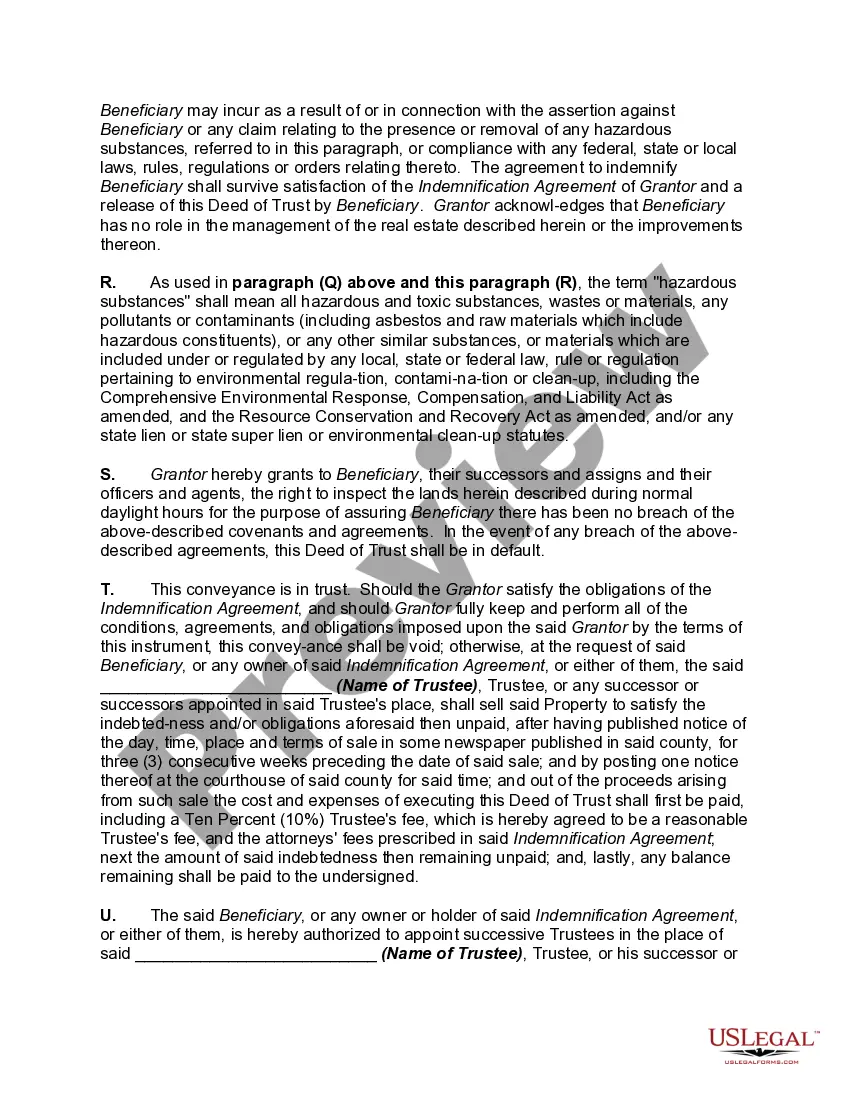
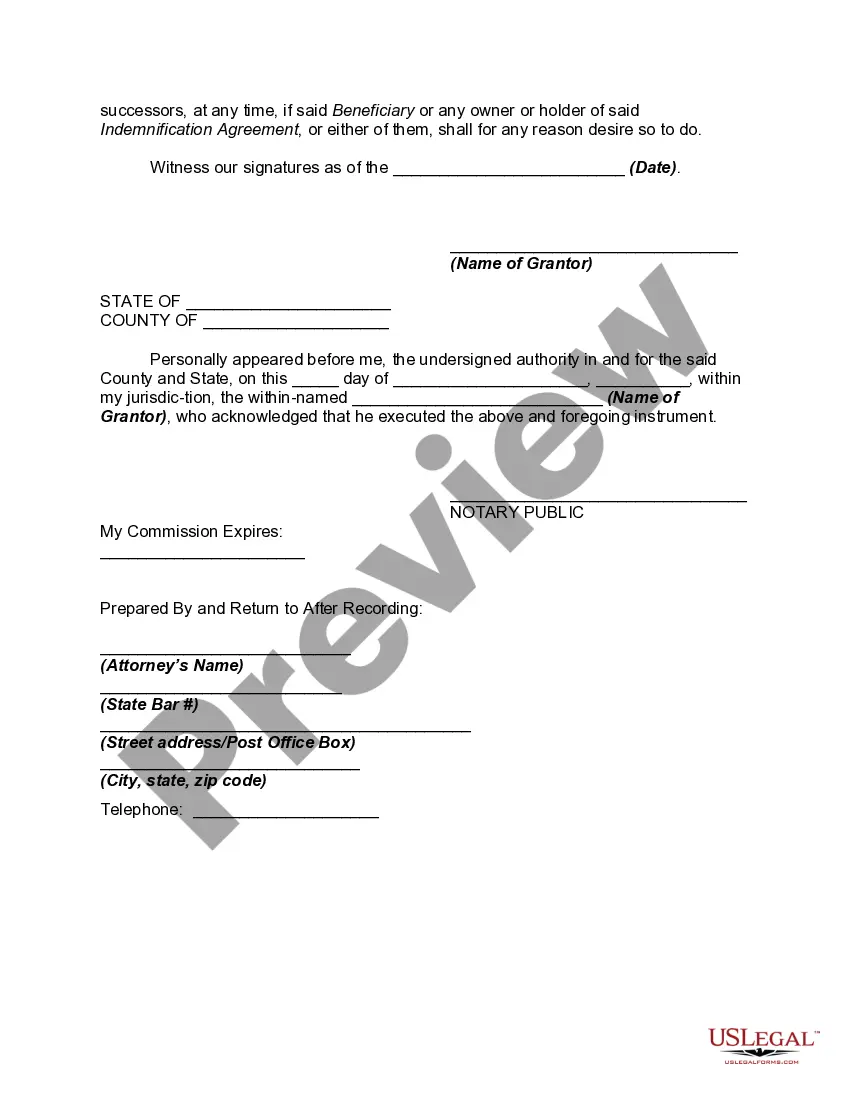
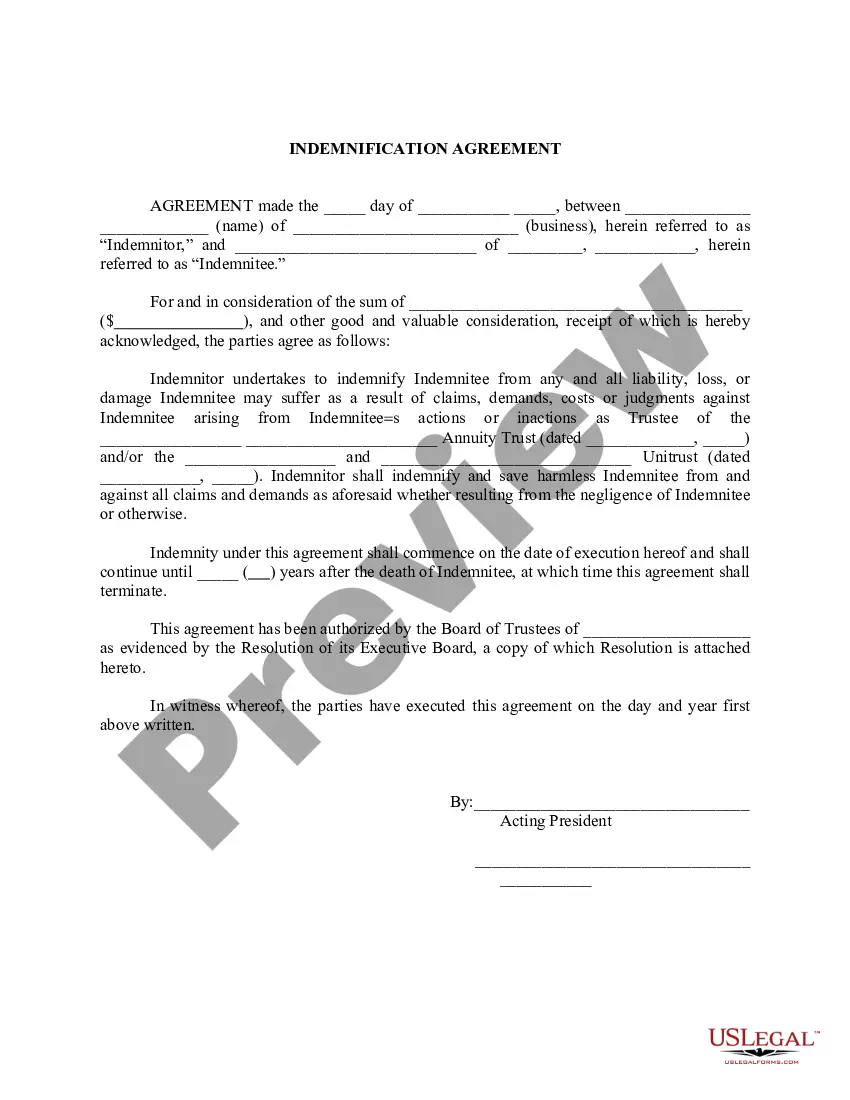
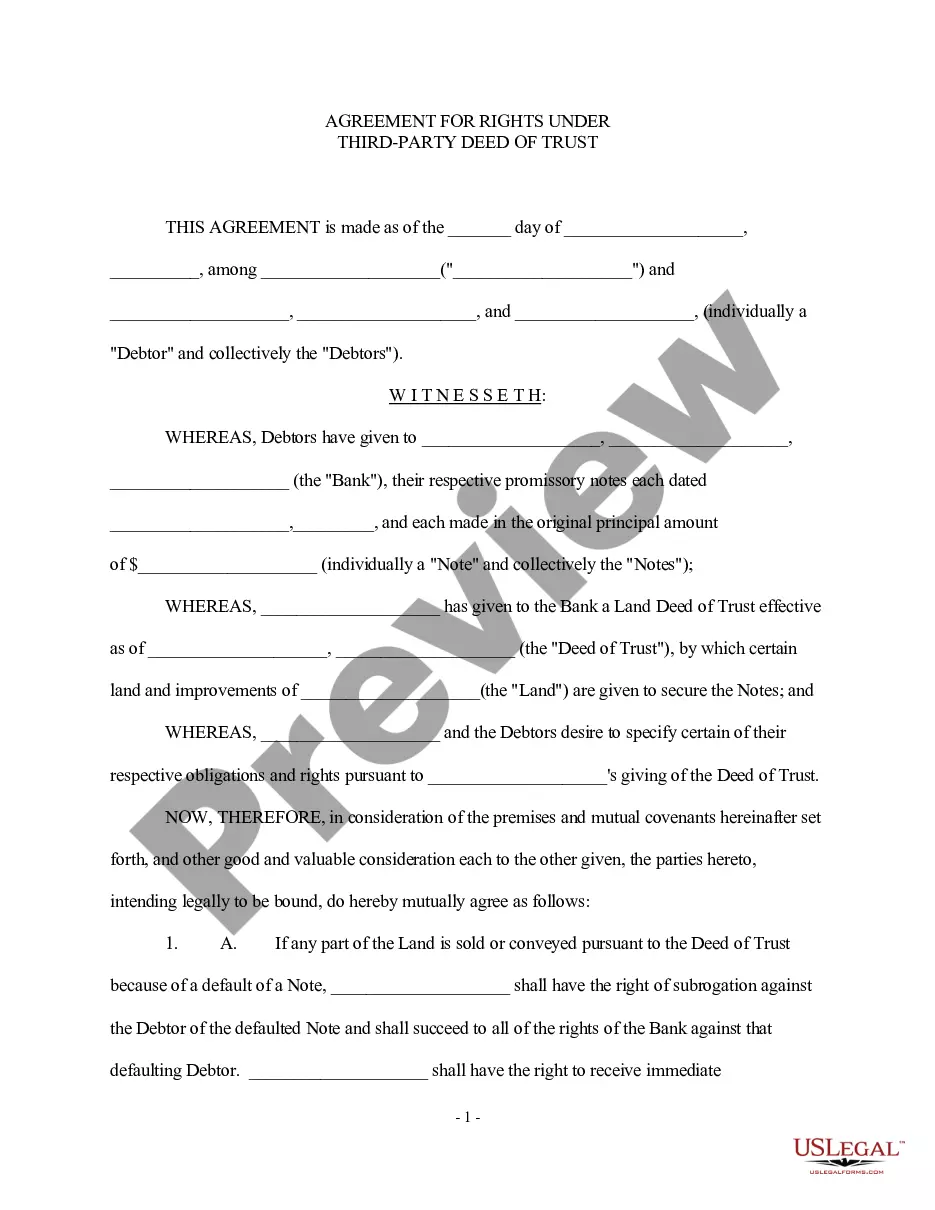
Description
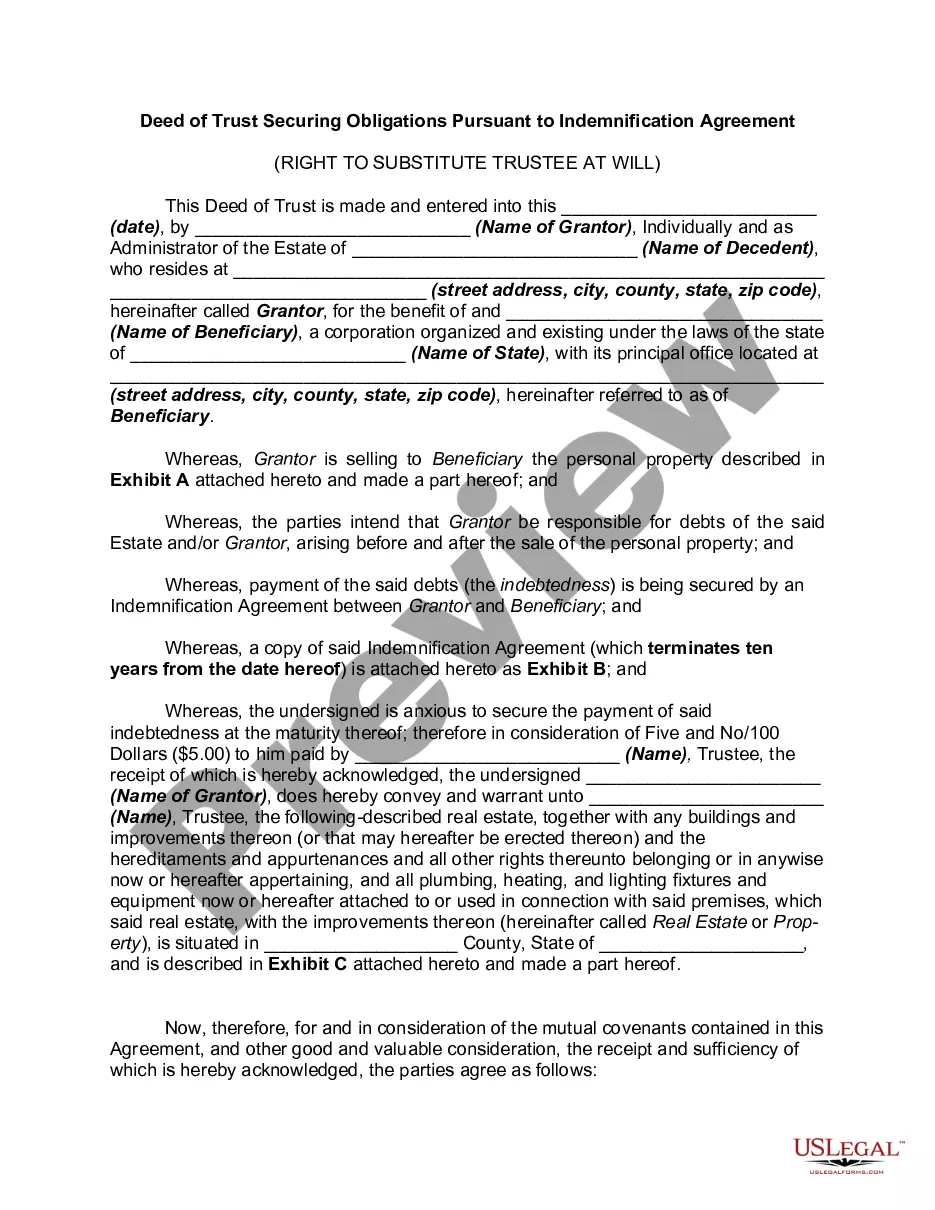
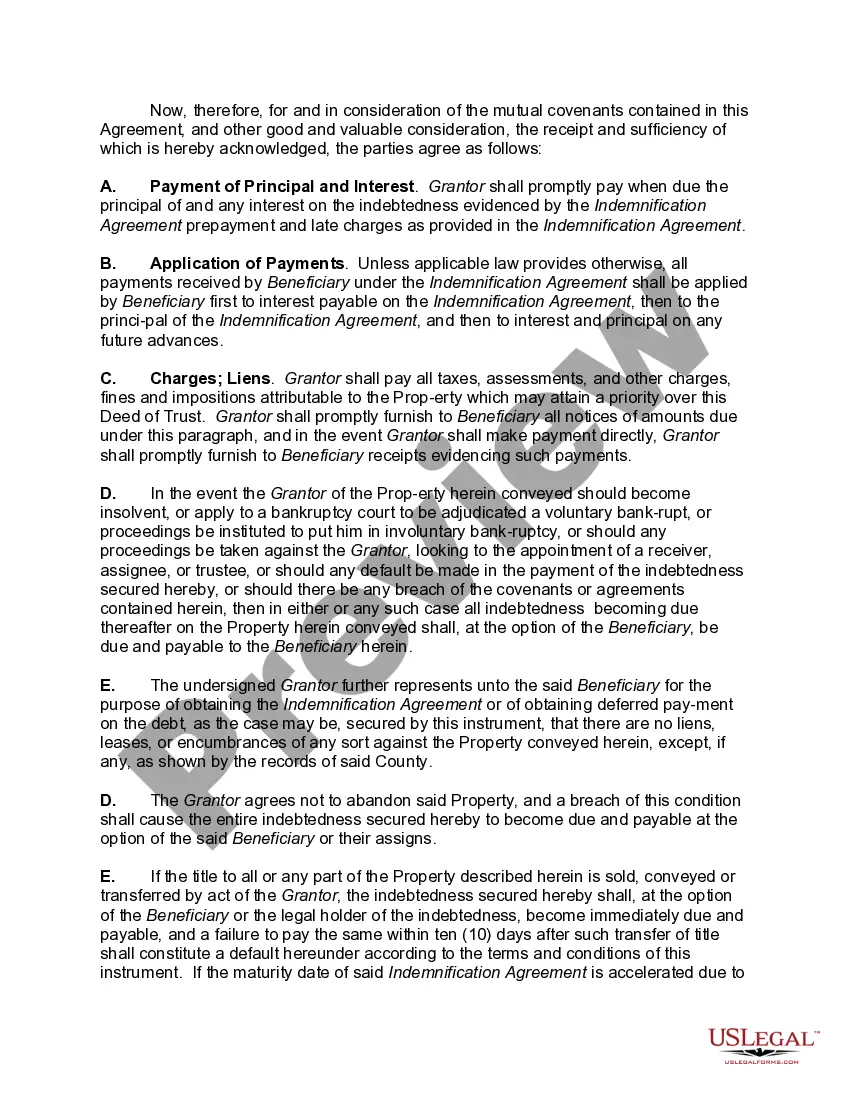
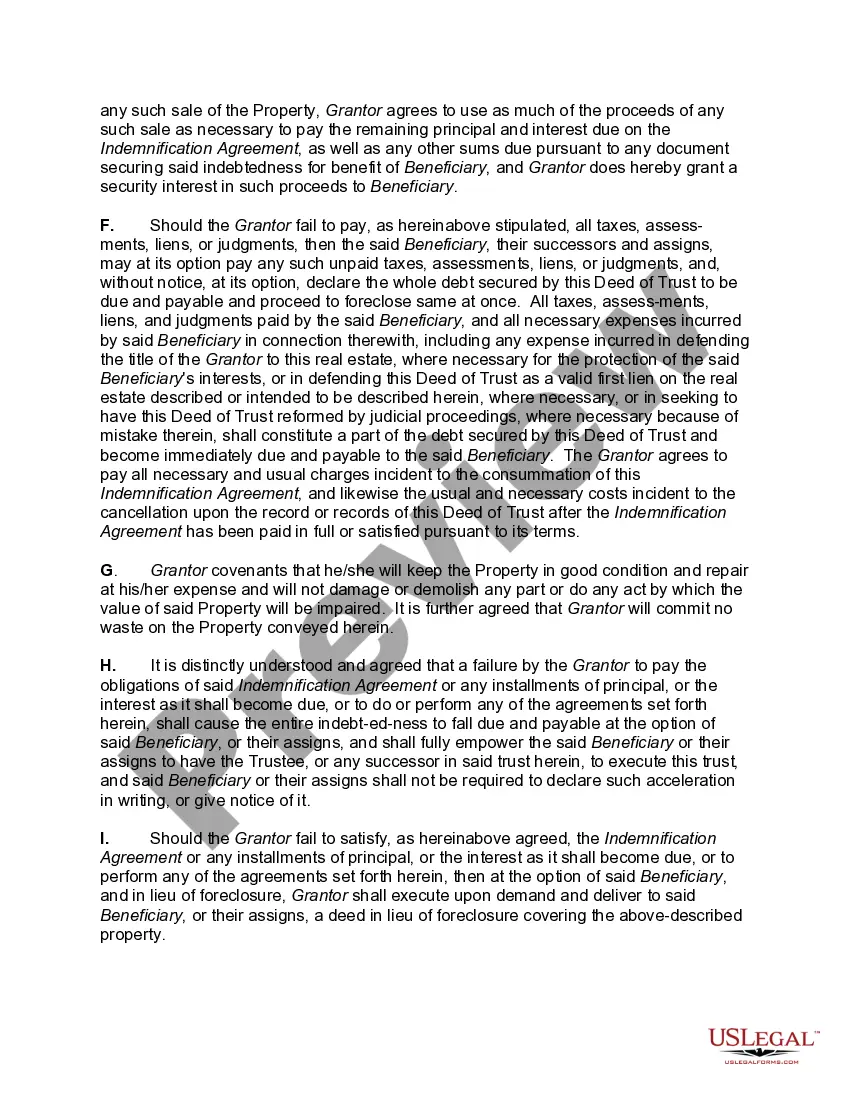
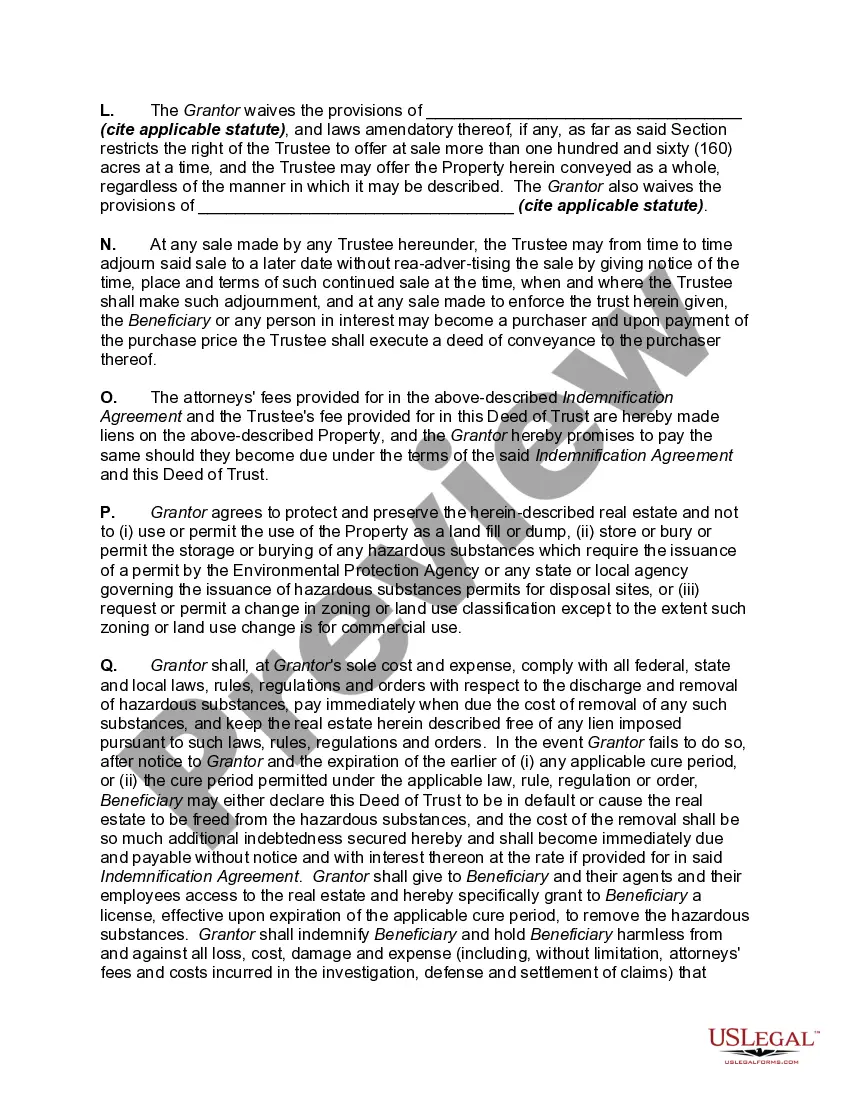
Get your form ready online
Our built-in tools help you complete, sign, share, and store your documents in one place.
Make edits, fill in missing information, and update formatting in US Legal Forms—just like you would in MS Word.
Download a copy, print it, send it by email, or mail it via USPS—whatever works best for your next step.
Sign and collect signatures with our SignNow integration. Send to multiple recipients, set reminders, and more. Go Premium to unlock E-Sign.
If this form requires notarization, complete it online through a secure video call—no need to meet a notary in person or wait for an appointment.
We protect your documents and personal data by following strict security and privacy standards.

Make edits, fill in missing information, and update formatting in US Legal Forms—just like you would in MS Word.

Download a copy, print it, send it by email, or mail it via USPS—whatever works best for your next step.

Sign and collect signatures with our SignNow integration. Send to multiple recipients, set reminders, and more. Go Premium to unlock E-Sign.

If this form requires notarization, complete it online through a secure video call—no need to meet a notary in person or wait for an appointment.

We protect your documents and personal data by following strict security and privacy standards.
Looking for another form?








How to fill out Deed Of Trust Securing Obligations Pursuant To Indemnification Agreement?
Legal document management may be overwhelming, even for experienced professionals. When you are searching for a Trust Account Rules and do not get the time to commit in search of the correct and updated version, the operations may be stressful. A strong web form catalogue might be a gamechanger for everyone who wants to take care of these situations effectively. US Legal Forms is a industry leader in web legal forms, with over 85,000 state-specific legal forms available to you whenever you want.
With US Legal Forms, you may:
- Gain access to state- or county-specific legal and organization forms. US Legal Forms handles any requirements you might have, from individual to enterprise papers, all-in-one location.
- Use advanced resources to accomplish and deal with your Trust Account Rules
- Gain access to a resource base of articles, instructions and handbooks and resources related to your situation and requirements
Save effort and time in search of the papers you need, and use US Legal Forms’ advanced search and Review feature to find Trust Account Rules and get it. If you have a membership, log in to your US Legal Forms account, search for the form, and get it. Review your My Forms tab to find out the papers you previously downloaded and to deal with your folders as you can see fit.
Should it be your first time with US Legal Forms, make a free account and obtain unlimited access to all advantages of the library. Listed below are the steps to consider after getting the form you want:
- Validate it is the correct form by previewing it and reading its information.
- Ensure that the sample is acknowledged in your state or county.
- Pick Buy Now when you are all set.
- Choose a subscription plan.
- Pick the file format you want, and Download, complete, sign, print out and send out your document.
Benefit from the US Legal Forms web catalogue, backed with 25 years of expertise and reliability. Transform your day-to-day document management into a smooth and easy-to-use process today.
Form popularity
FAQ
An escrow account, for example, is a type of trust account for real estate, through which a mortgage-lending bank holds funds to be used to pay property taxes and homeowners' insurance on behalf of the home buyer. A revocable living trust is another common type of trust, and is used in estate planning.
In a trust structure, a trustee holds your business for the benefit of others (the beneficiaries). A trustee can be a person or a company, and is responsible for everything in the trust, including income and losses.
Trust Accounting Rules and Regulations No Commingling or Mixing Funds. Maintain a Separate Ledger. Verify Trust Accounts Regularly. If You Haven't Earned It, Don't Touch It. Don't Rob Peter to Pay Paul. Create Checks and Balances. Follow State Bar and Government Regulations. No Collecting Interest.
A trust account is a legal arrangement in which the grantor allows a third party, the trustee, to manage assets on behalf of the beneficiaries of the trust. A trust can provide legal protection for your assets and make sure those assets are distributed ing to your wishes.
So can a trustee withdraw money from a trust they own? Yes, you could withdraw money from your own trust if you're the trustee. Since you have an interest in the trust and its assets, you could withdraw money as you see fit or as needed. You can also move assets in or out of the trust.