Assignment United Patent For Deceased Inventor
Description
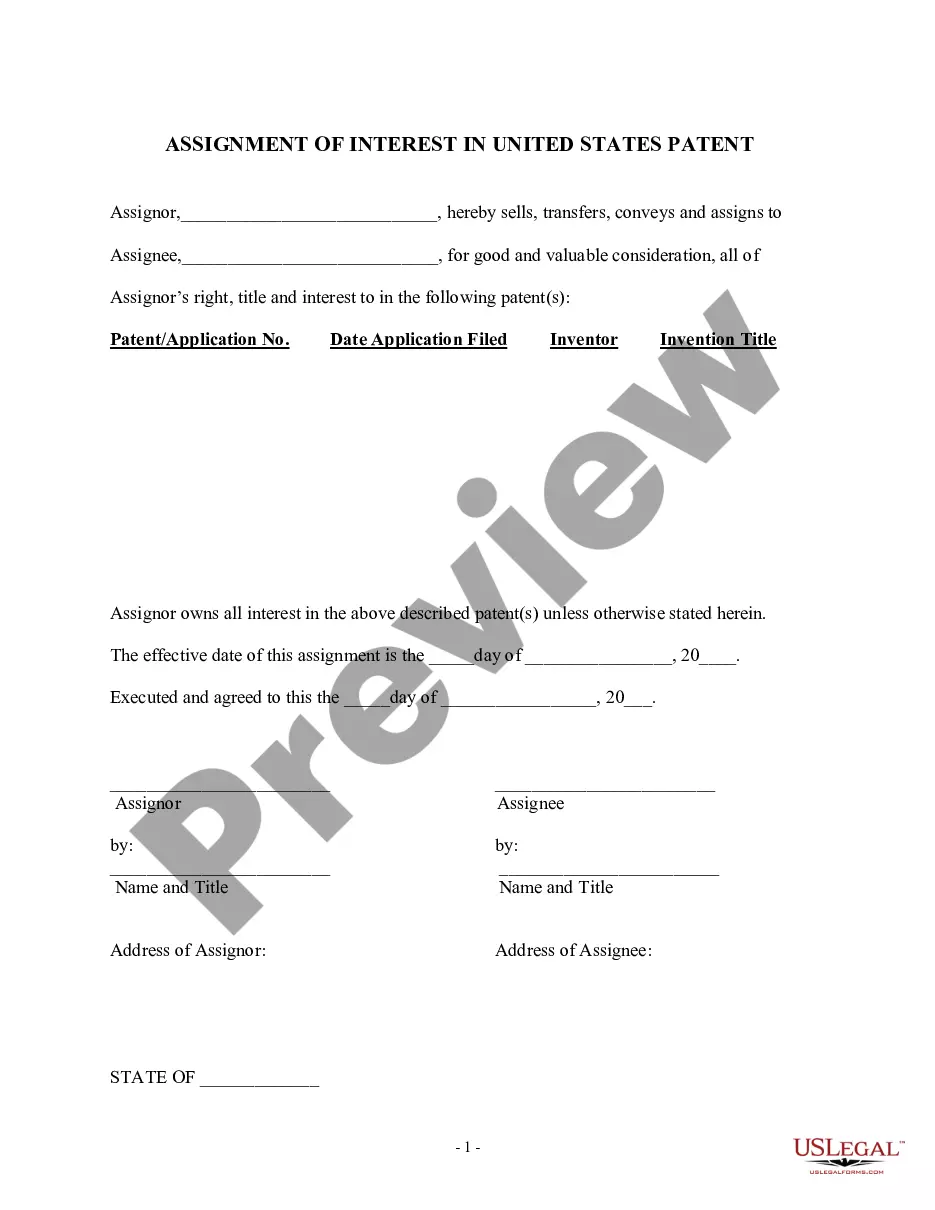
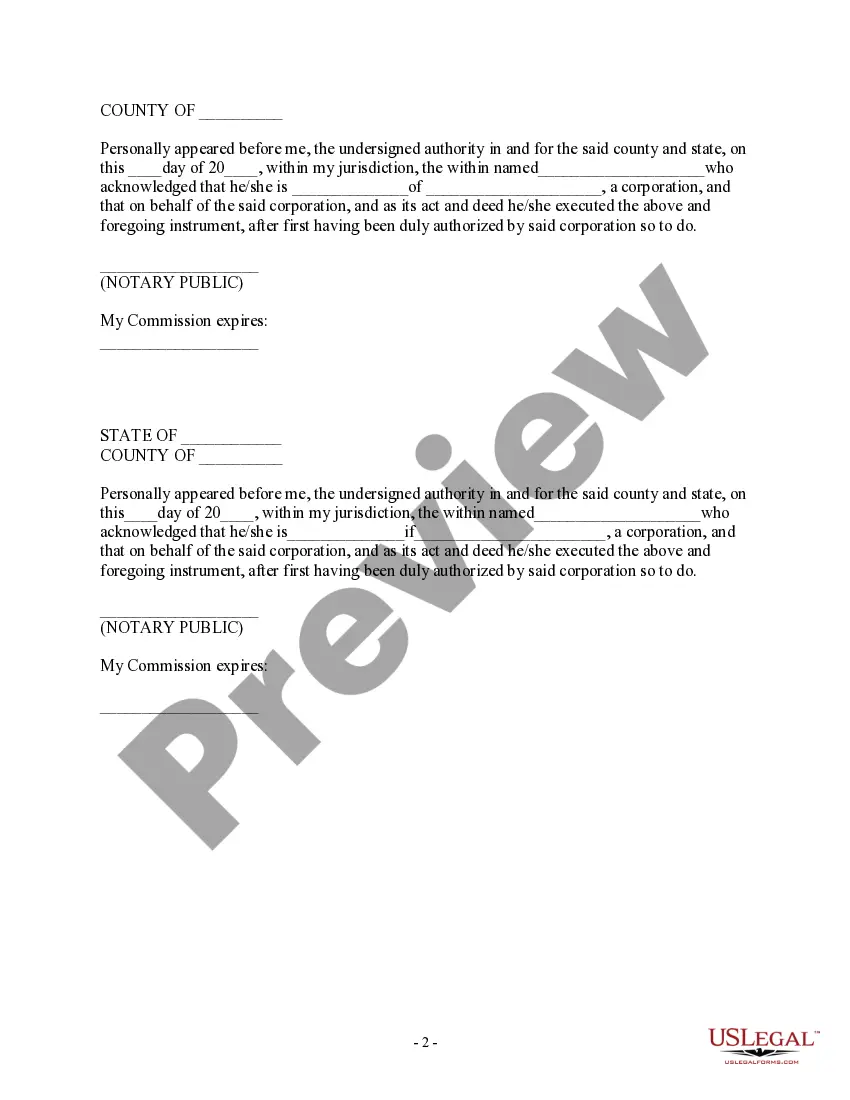
Get your form ready online
Our built-in tools help you complete, sign, share, and store your documents in one place.
Make edits, fill in missing information, and update formatting in US Legal Forms—just like you would in MS Word.
Download a copy, print it, send it by email, or mail it via USPS—whatever works best for your next step.
Sign and collect signatures with our SignNow integration. Send to multiple recipients, set reminders, and more. Go Premium to unlock E-Sign.
If this form requires notarization, complete it online through a secure video call—no need to meet a notary in person or wait for an appointment.
We protect your documents and personal data by following strict security and privacy standards.

Make edits, fill in missing information, and update formatting in US Legal Forms—just like you would in MS Word.

Download a copy, print it, send it by email, or mail it via USPS—whatever works best for your next step.

Sign and collect signatures with our SignNow integration. Send to multiple recipients, set reminders, and more. Go Premium to unlock E-Sign.

If this form requires notarization, complete it online through a secure video call—no need to meet a notary in person or wait for an appointment.

We protect your documents and personal data by following strict security and privacy standards.
Looking for another form?




How to fill out Assignment Of Interest In United States Patent?
Dealing with legal documents and processes can be a lengthy addition to your daily routine.
The Assignment United Patent For Deceased Inventor and similar forms typically necessitate you to search for them and grasp the most effective way to fill them out proficiently.
For that reason, whether you are managing financial, legal, or personal affairs, having a detailed and functional online directory of forms at your disposal will be very beneficial.
US Legal Forms is the premier online resource for legal templates, providing over 85,000 state-specific forms and various resources to help you complete your documents effortlessly.
Is this your first experience with US Legal Forms? Register and create your account in minutes, and you will gain access to the form directory and Assignment United Patent For Deceased Inventor. Then, follow the steps below to complete your form: Ensure you have located the correct form by utilizing the Review feature and examining the form details. Select Buy Now once you are prepared, and choose the subscription plan that suits your needs. Click Download then complete, eSign, and print the form. US Legal Forms has twenty-five years of expertise in helping clients manage their legal documents. Discover the form you need right now and simplify any procedure effortlessly.
- Explore the directory of pertinent documents accessible to you with just one click.
- US Legal Forms offers you state- and county-specific forms ready for download at any time.
- Safeguard your document management activities by utilizing a high-quality service that enables you to compile any form within minutes without extra or concealed charges.
- Simply Log In to your account, find Assignment United Patent For Deceased Inventor and download it instantly from the My documents section.
- You can also access forms you have saved previously.
Form popularity
FAQ
Assignee. Person to whom the inventor is obligated to assign.
A person to whom the inventor is under the obligation to assign the invention may file a patent application and be identified as the applicant.
Like other forms of property, the rights symbolized by a patent can be inherited, sold, rented, mortgaged and even taxed. When a patent expires, or is held invalid, the right to exclude the others ceases. The public is the ultimate beneficiary of the technical advance.
What's important to understand is that you must include as named inventors anyone who conceived of an invention in any claim ? even dependent claims.
When the inventor dies, he no longer owns the patent, so there is nothing to transfer. However, if the inventor still owns the patent, he can transfer it through a will or trust. If the inventor did not have a will or trust, it will pass to heirs via intestacy law, like every other right.