Purchase Residential Real Estate Withholding
Description
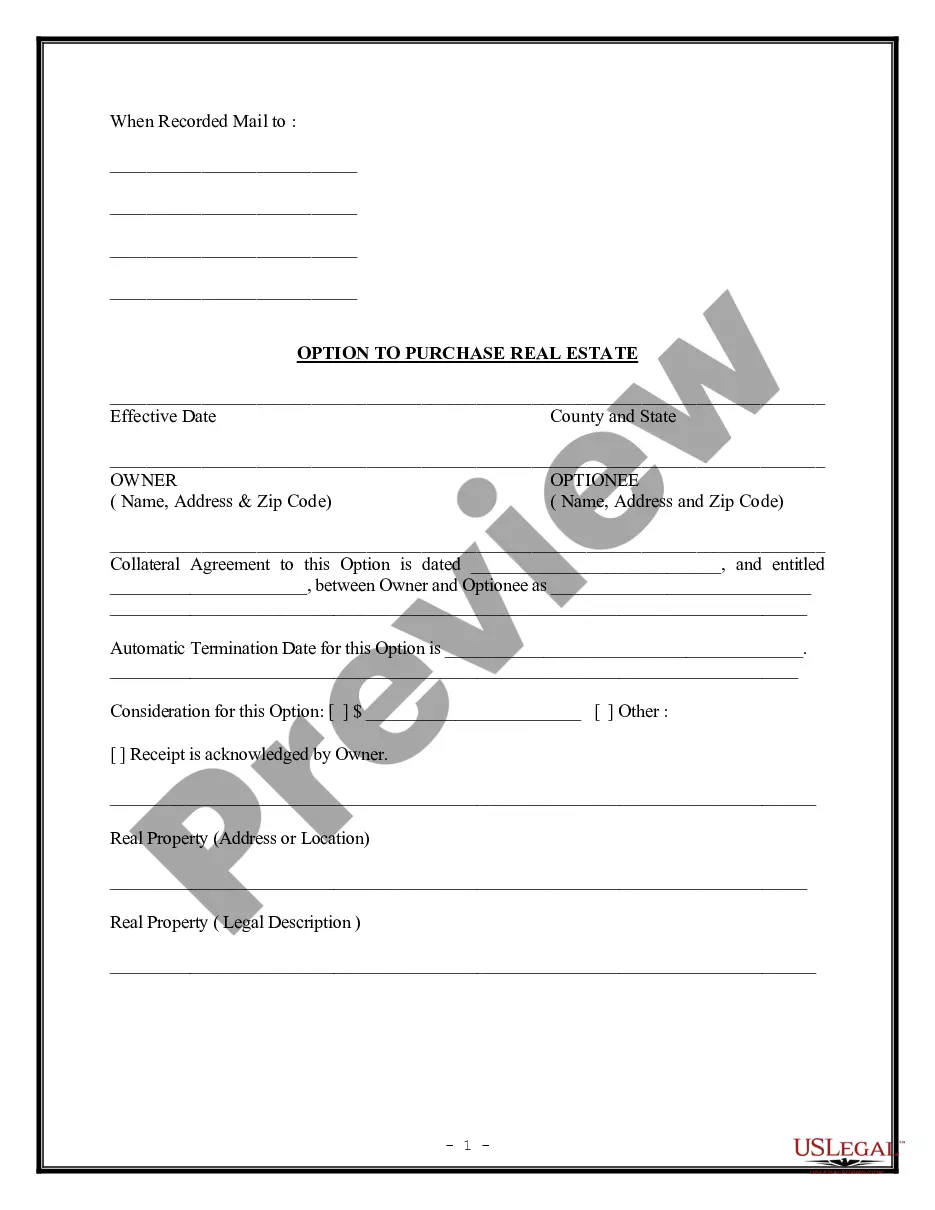
Get your form ready online
Our built-in tools help you complete, sign, share, and store your documents in one place.
Make edits, fill in missing information, and update formatting in US Legal Forms—just like you would in MS Word.
Download a copy, print it, send it by email, or mail it via USPS—whatever works best for your next step.
Sign and collect signatures with our SignNow integration. Send to multiple recipients, set reminders, and more. Go Premium to unlock E-Sign.
If this form requires notarization, complete it online through a secure video call—no need to meet a notary in person or wait for an appointment.
We protect your documents and personal data by following strict security and privacy standards.

Make edits, fill in missing information, and update formatting in US Legal Forms—just like you would in MS Word.

Download a copy, print it, send it by email, or mail it via USPS—whatever works best for your next step.

Sign and collect signatures with our SignNow integration. Send to multiple recipients, set reminders, and more. Go Premium to unlock E-Sign.

If this form requires notarization, complete it online through a secure video call—no need to meet a notary in person or wait for an appointment.

We protect your documents and personal data by following strict security and privacy standards.
Looking for another form?

How to fill out Option To Purchase - Residential?
Whether for commercial reasons or for personal matters, everyone must confront legal issues at some point in their lives.
Filling out legal paperwork demands meticulous consideration, starting with selecting the appropriate form template.
Once it is downloaded, you can complete the form using editing software or print it out and fill it in manually. With an extensive catalog of US Legal Forms available, you will never have to waste time searching for the right template online. Utilize the library's simple navigation to find the correct form for any situation.
- Obtain the example you require by using the search bar or browsing the catalog.
- Review the description of the form to confirm it corresponds with your circumstances, state, and county.
- Click on the form's preview to view it.
- If it is the incorrect document, return to the search feature to find the Purchase Residential Real Estate Withholding template you require.
- Download the file if it meets your requirements.
- If you already possess a US Legal Forms account, simply click Log in to access previously saved documents in My documents.
- If you do not have an account yet, you can acquire the form by clicking Buy now.
- Choose the appropriate pricing option.
- Complete the profile registration form.
- Select your method of payment: use a credit card or PayPal account.
- Choose the format of the document you desire and download the Purchase Residential Real Estate Withholding.
Form popularity
FAQ
The 15% tax for foreigners selling property in the U.S. serves as a safeguard to ensure that taxes owed on potential gains are collected. FIRPTA mandates this withholding to prevent tax evasion by foreign sellers. As you navigate the complexities of purchasing residential real estate, understanding this tax requirement is essential for compliance. If you have questions, the uslegalforms platform offers valuable insights and tools to assist you.
FIRPTA withholding involves the buyer deducting a specified percentage from the sale proceeds to cover potential tax liabilities of the foreign seller. Typically, the buyer must remit these funds to the IRS within 20 days of the sale closing. This process safeguards the government from potential tax losses when a foreign owner sells U.S. real estate. Utilizing a platform like UsLegalForms can simplify this process by providing clear guidelines and necessary forms.
You enter 593 real estate withholding on your California tax return, specifically on Form 540 or 540NR. This form helps report the withholding amounts and claim any refunds if applicable. Keeping careful records of this transaction is essential to ensure compliance. Relying on trusted platforms like US Legal Forms can help you navigate these forms efficiently.
To reclaim FIRPTA withholding, you need to file a tax return with the IRS after the sale of your property. Complete Form 8288-B to request a reduction or refund. Providing proof of a lower tax liability can help expedite the process. Utilizing services like US Legal Forms can offer you the tools and templates needed to file your claims accurately.
FIRPTA is triggered when a foreign seller transfers interest in U.S. real property. This applies to various property types, including residential real estate, commercial buildings, and land. If you are involved in such a transaction, knowing the FIRPTA regulations is crucial. This ensures you are prepared for potential tax withholding and compliance.
For small estates, an affidavit can be presented to the person or entity who has the property to show that you are entitled to the property. You may have inherited the property because of the terms of a will, or under the Nebraska probate code based on your relationship with the deceased.
Most estates will need to go through probate in Nebraska unless they meet one of a few exceptions, such as being in a living trust. However, Nebraska offers simplified probate procedures, which some estates will qualify for. To be eligible for simplified probate, the estate must be valued at less than $50,000.
What Is a Small Estate? Nebraska Revised Statute §30-24, 125 recites the guidelines. Basically, if a decedent's estate involves less than $50,000 in probatable personal property and/or $50,000 or less in real estate, no probate is required.
If your loved one left a valid will, you must file probate. Nebraska probate code requires this process so they can verify the will. However, probate is still necessary in the absence of a will.
If the total value of the Nebraska Decedent's property exceeds $100,000.00 after the entitled Creditors have been paid, then the estate may be disqualified from being considered a small estate by the State of Nebraska and the Affiant is encouraged to seek an Attorney.