Home Purchase With Roth Ira
Description
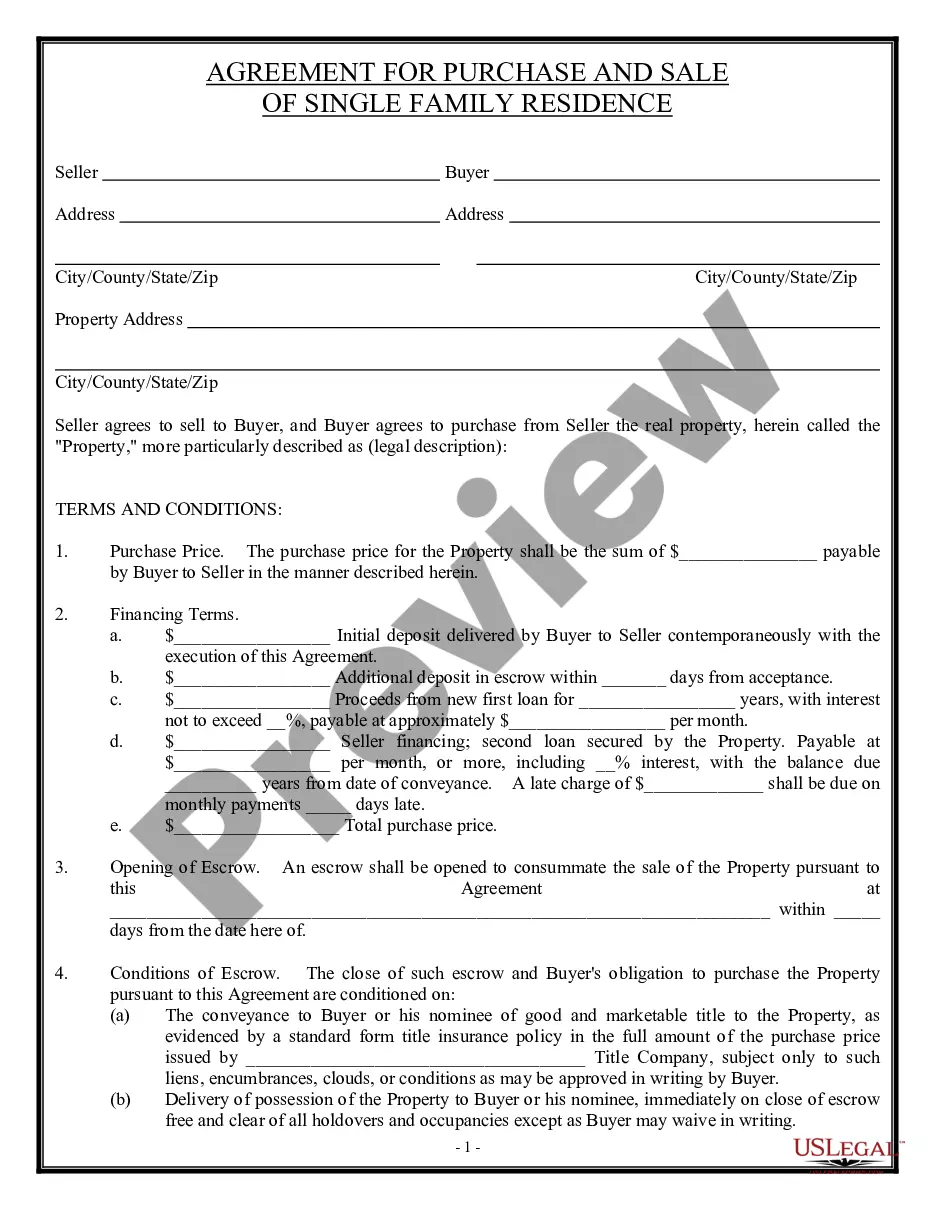
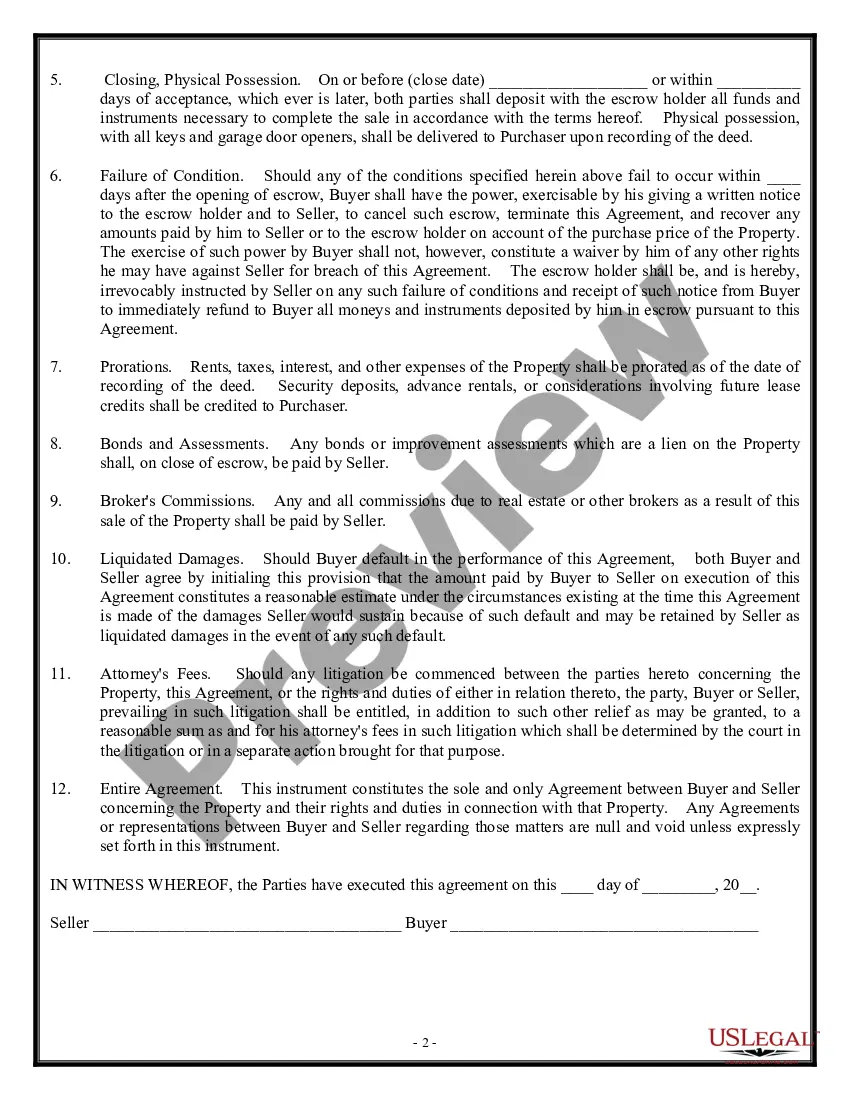

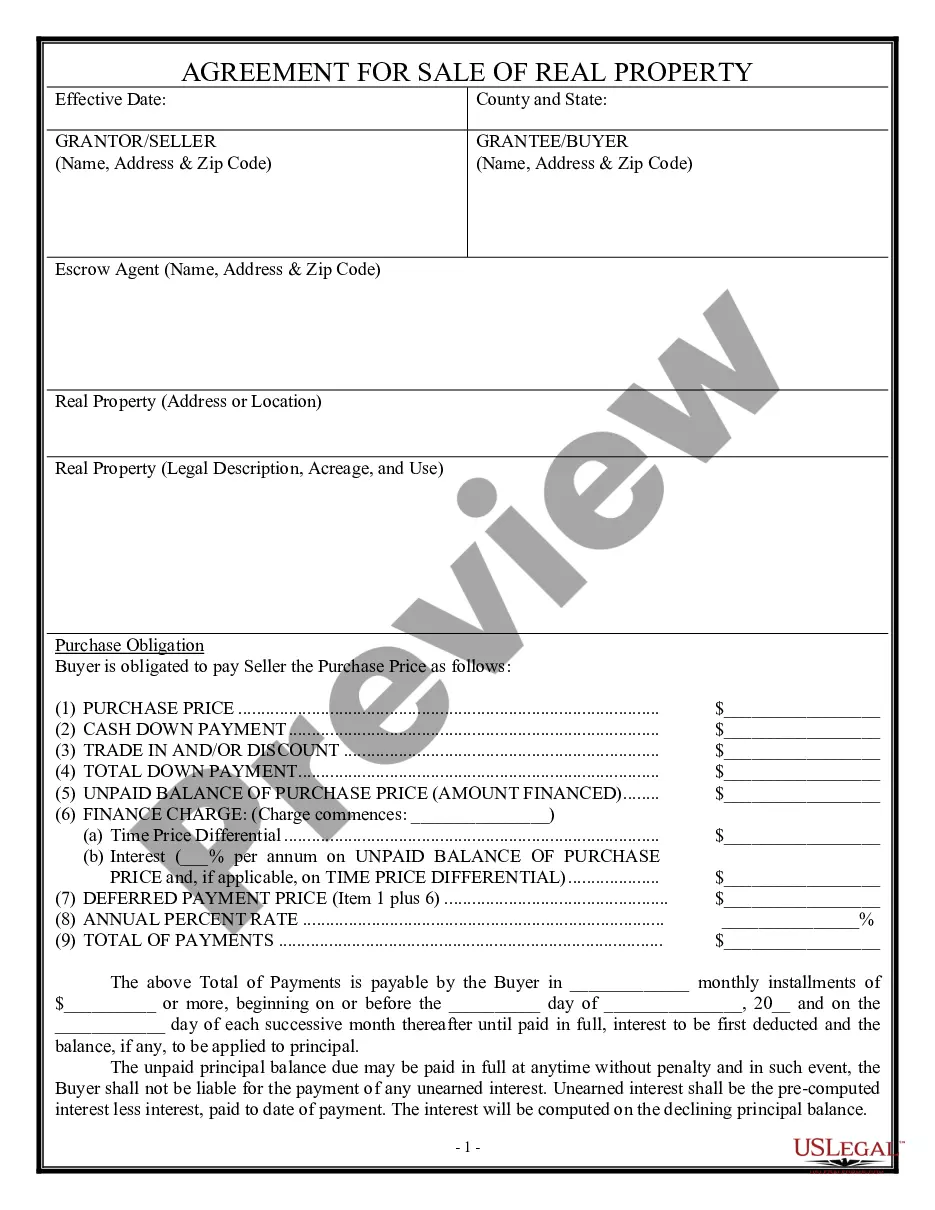
Get your form ready online
Our built-in tools help you complete, sign, share, and store your documents in one place.
Make edits, fill in missing information, and update formatting in US Legal Forms—just like you would in MS Word.
Download a copy, print it, send it by email, or mail it via USPS—whatever works best for your next step.
Sign and collect signatures with our SignNow integration. Send to multiple recipients, set reminders, and more. Go Premium to unlock E-Sign.
If this form requires notarization, complete it online through a secure video call—no need to meet a notary in person or wait for an appointment.
We protect your documents and personal data by following strict security and privacy standards.

Make edits, fill in missing information, and update formatting in US Legal Forms—just like you would in MS Word.

Download a copy, print it, send it by email, or mail it via USPS—whatever works best for your next step.

Sign and collect signatures with our SignNow integration. Send to multiple recipients, set reminders, and more. Go Premium to unlock E-Sign.

If this form requires notarization, complete it online through a secure video call—no need to meet a notary in person or wait for an appointment.

We protect your documents and personal data by following strict security and privacy standards.
Looking for another form?







How to fill out Agreement For Sale, Short Form - Residential?
It’s well-known that you cannot instantly become a legal expert, nor can you figure out how to swiftly prepare Home Purchase With Roth Ira without having a specialized background.
Assembling legal documents is a laborious task that demands specific education and expertise. So why not entrust the preparation of the Home Purchase With Roth Ira to the experts.
With US Legal Forms, one of the most comprehensive legal template libraries, you can discover everything from court documents to templates for internal business communications. We understand how crucial compliance and adherence to federal and state laws and regulations are. That’s why, on our platform, all templates are location-specific and current.
Select Buy now. Once the payment is processed, you can download the Home Purchase With Roth Ira, fill it out, print it, and send or mail it to the relevant individuals or entities.
You can access your documents again from the My documents tab at any time. If you’re an existing customer, you can simply Log In, and locate and download the template from the same tab.
- Begin with our platform and obtain the form you require in just a few minutes.
- Find the document you need using the search bar at the top of the page.
- Preview it (if this option is available) and read the accompanying description to determine if Home Purchase With Roth Ira is what you’re looking for.
- Start your search again if you require a different template.
- Create a free account and choose a subscription plan to purchase the template.
Form popularity
FAQ
The IRS allows you as a first-time homebuyer to withdraw $10,000 from your IRA to purchase, build, or rebuild a home. Any amount over $10,000 is subject to a 10% penalty. Depending on which type of IRA you have, you may or may not have to pay income tax on it.
It's possible to use funds from an IRA, penalty-free, to buy a house, even if you aren't six months away from your 60th birthday.
If your Roth IRA is less than five years old, you can still withdraw up to $10,000 in earnings for a home purchase without the penalty, but you will pay income taxes on the amount. This $10,000 exclusion is a lifetime limit, so you can't do it more than once.
Contribution limits for Roth IRAs are $6,500 in 2023. The Roth IRA five-year rule says you cannot withdraw earnings tax-free until it's been at least five years since you first contributed to a Roth IRA account.
Roth contributions aren't tax-deductible, and qualified distributions aren't taxable income. So you won't report them on your return. If you receive a nonqualified distribution from your Roth IRA you will report that distribution on IRS Form 8606.