Testamentary Trust With A Will
Description
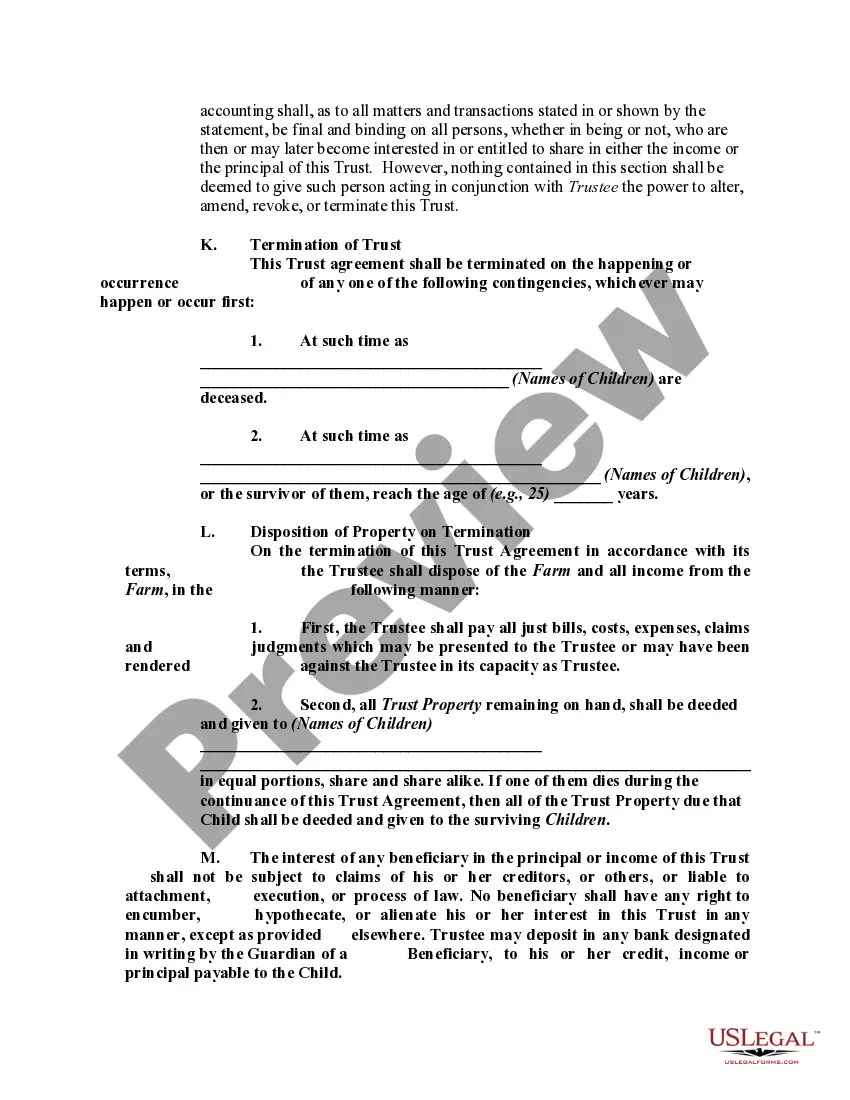
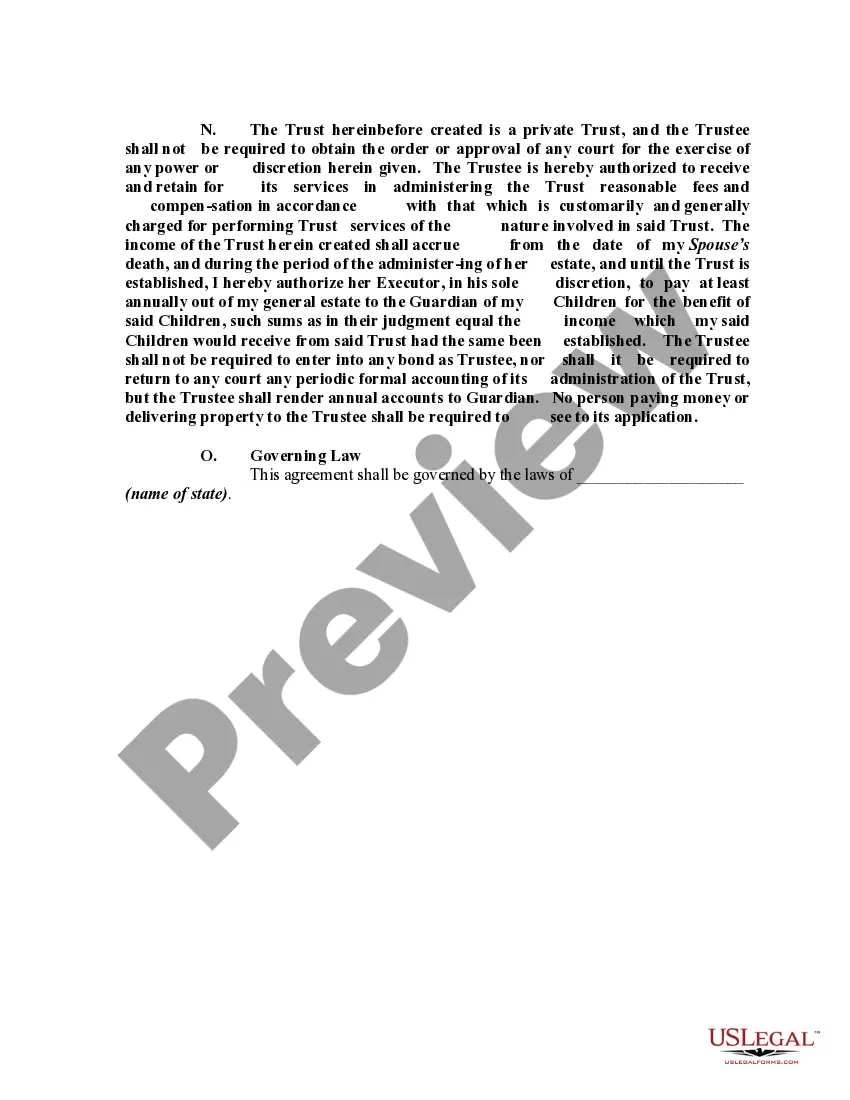
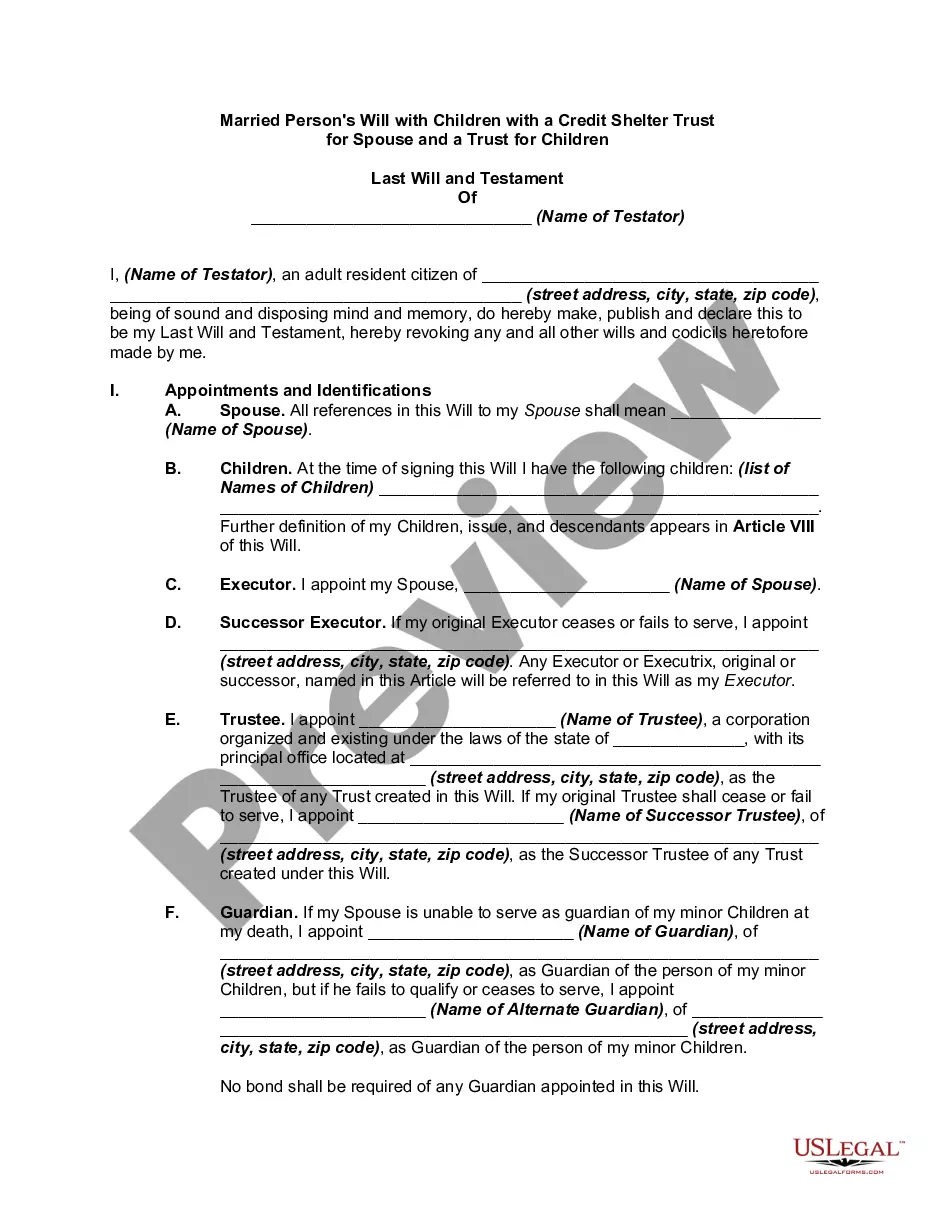
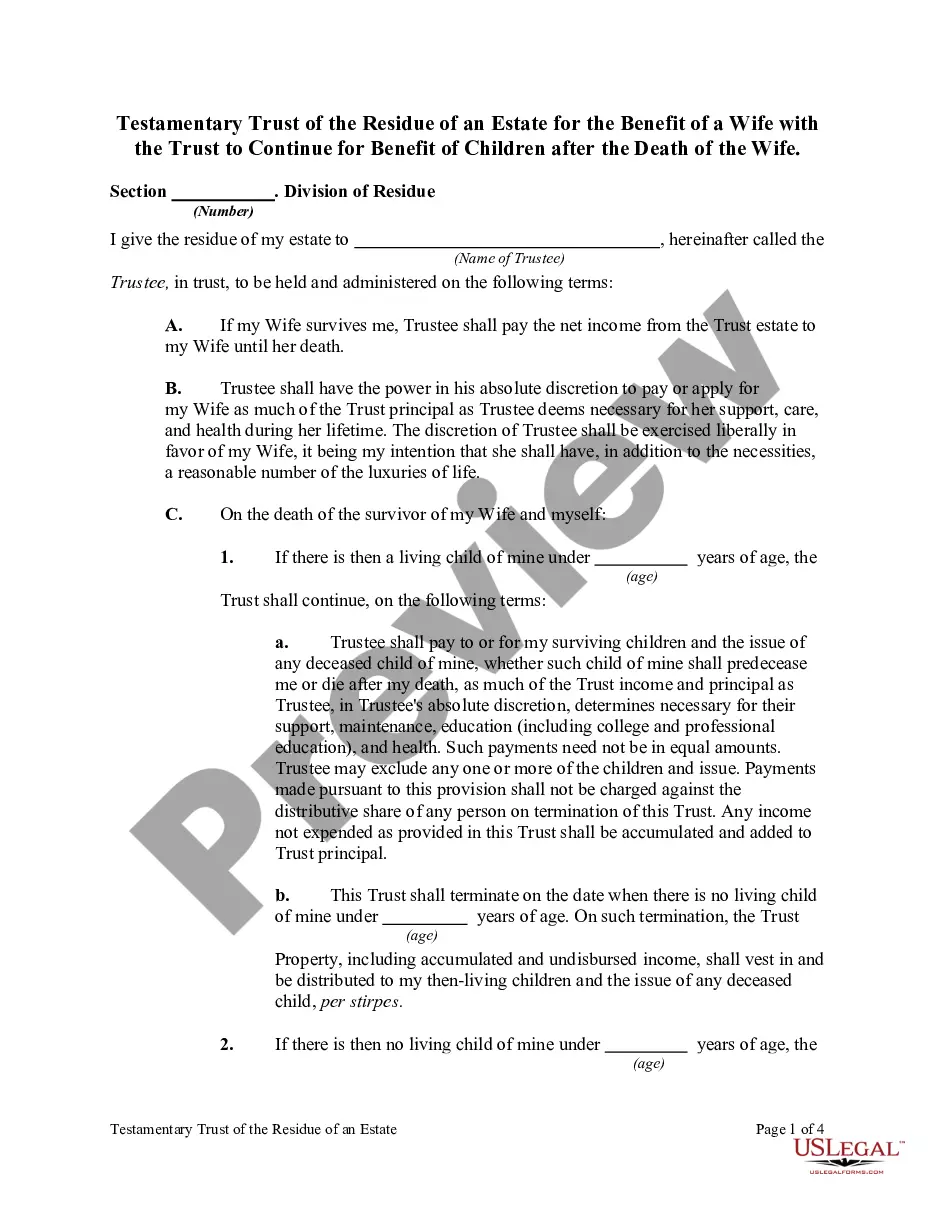
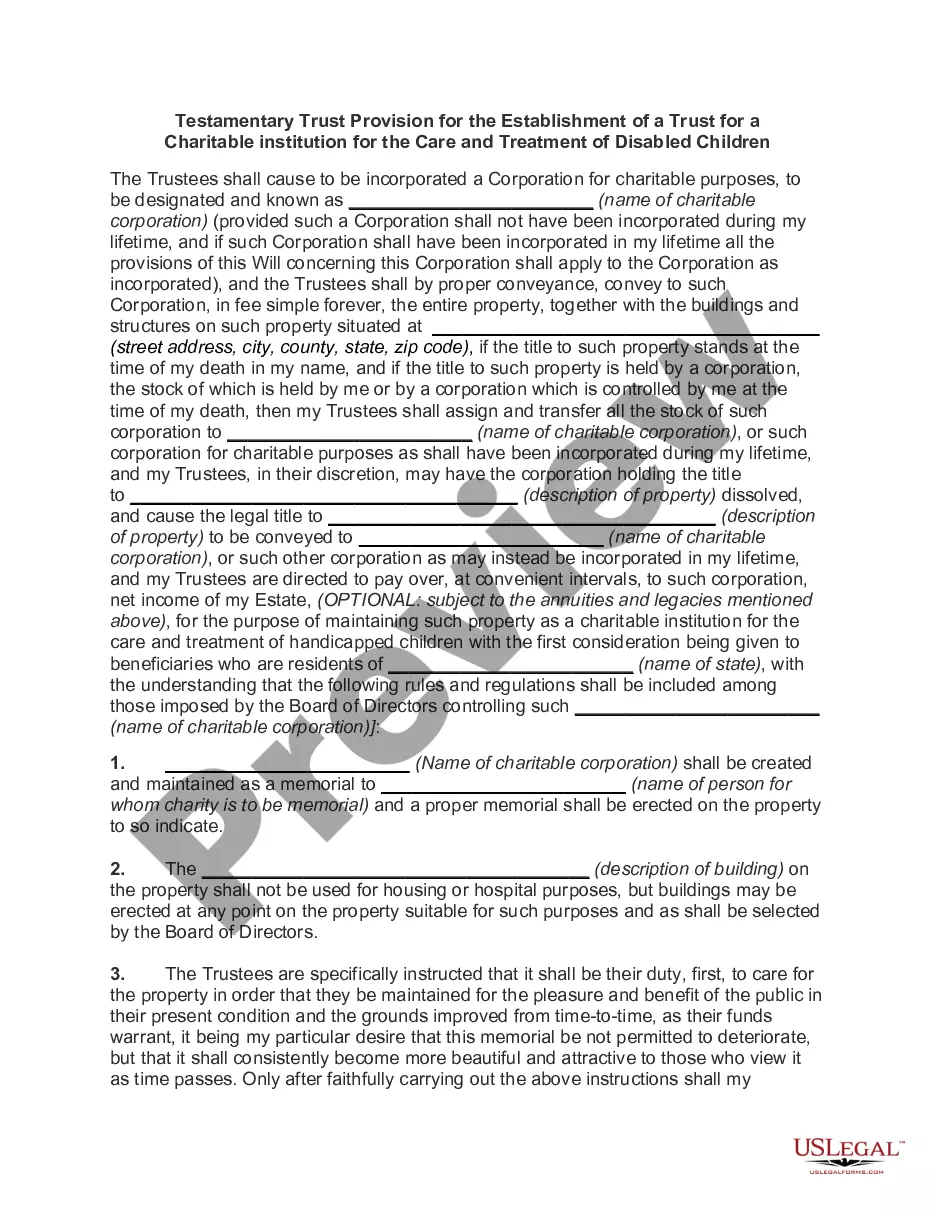

Get your form ready online
Our built-in tools help you complete, sign, share, and store your documents in one place.
Make edits, fill in missing information, and update formatting in US Legal Forms—just like you would in MS Word.
Download a copy, print it, send it by email, or mail it via USPS—whatever works best for your next step.
Sign and collect signatures with our SignNow integration. Send to multiple recipients, set reminders, and more. Go Premium to unlock E-Sign.
If this form requires notarization, complete it online through a secure video call—no need to meet a notary in person or wait for an appointment.
We protect your documents and personal data by following strict security and privacy standards.

Make edits, fill in missing information, and update formatting in US Legal Forms—just like you would in MS Word.

Download a copy, print it, send it by email, or mail it via USPS—whatever works best for your next step.

Sign and collect signatures with our SignNow integration. Send to multiple recipients, set reminders, and more. Go Premium to unlock E-Sign.

If this form requires notarization, complete it online through a secure video call—no need to meet a notary in person or wait for an appointment.

We protect your documents and personal data by following strict security and privacy standards.
Looking for another form?
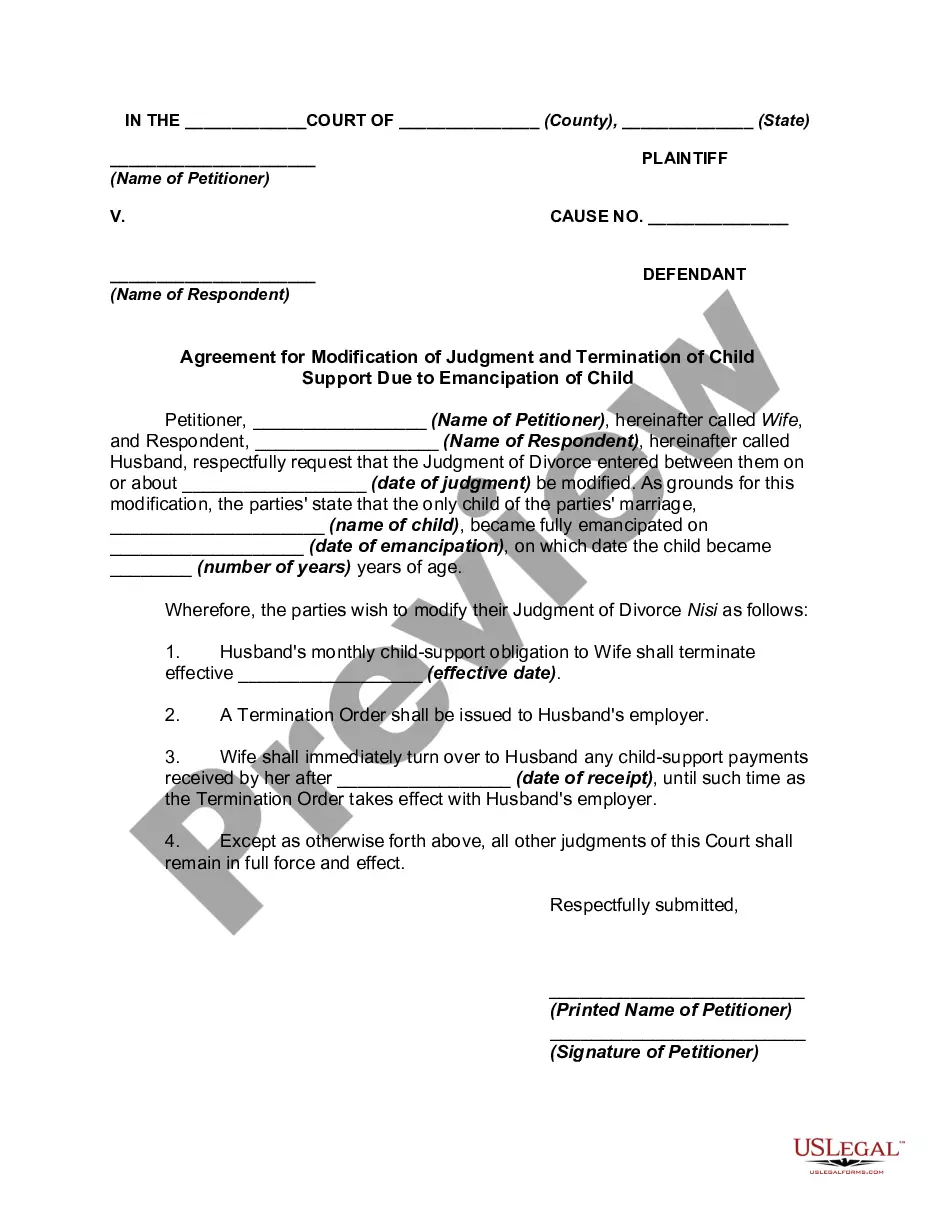




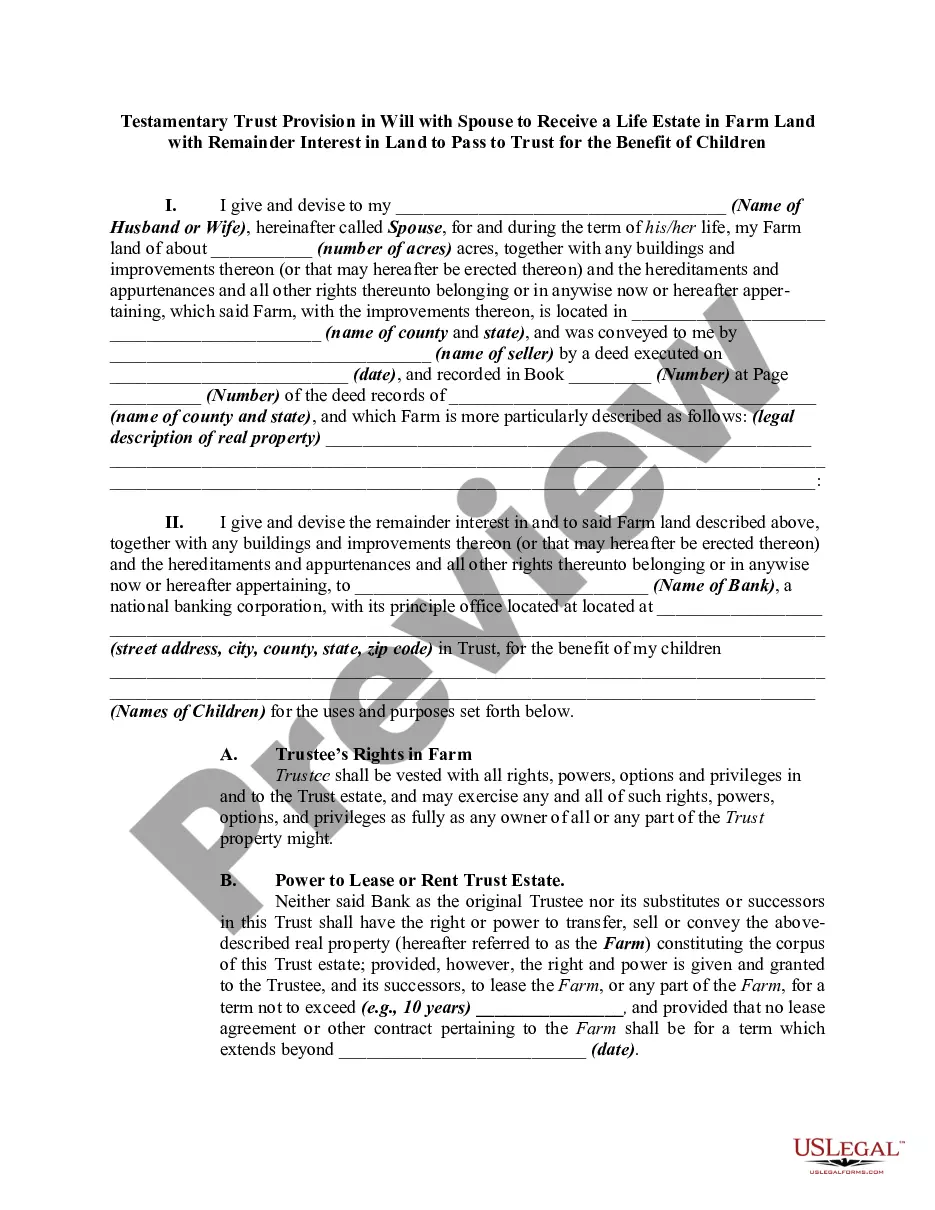
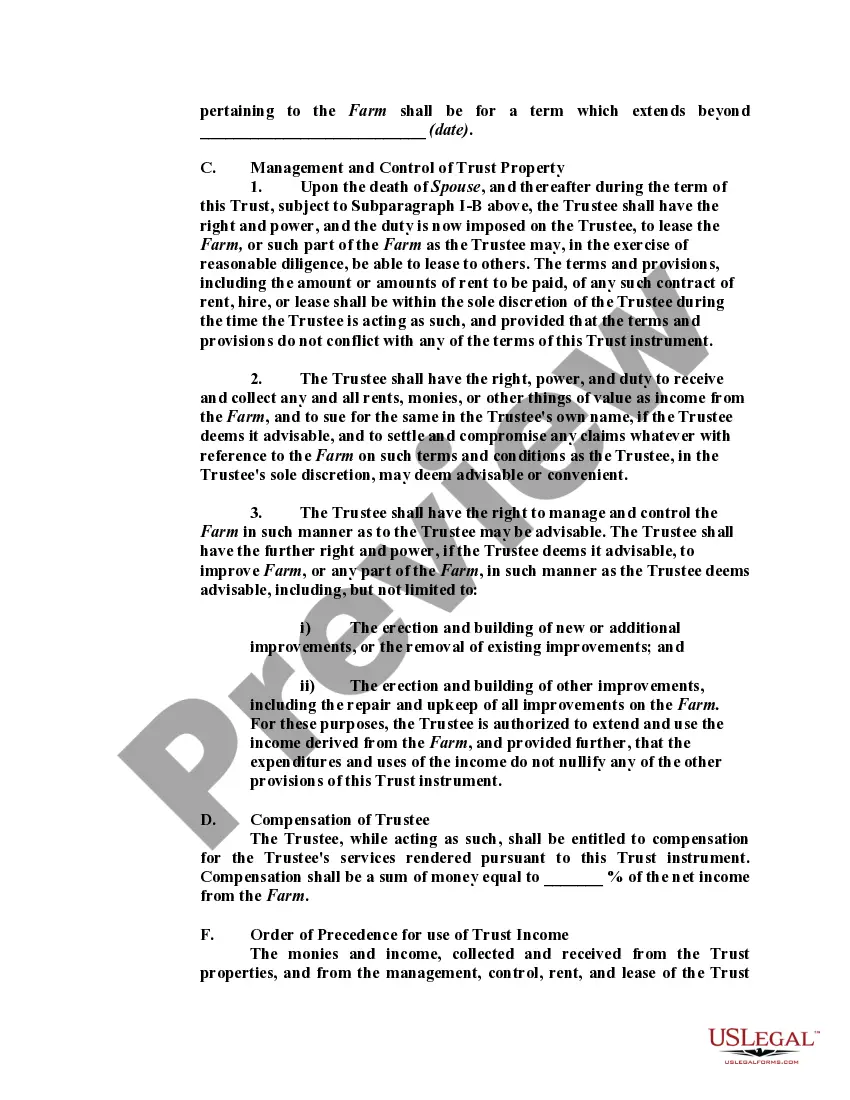
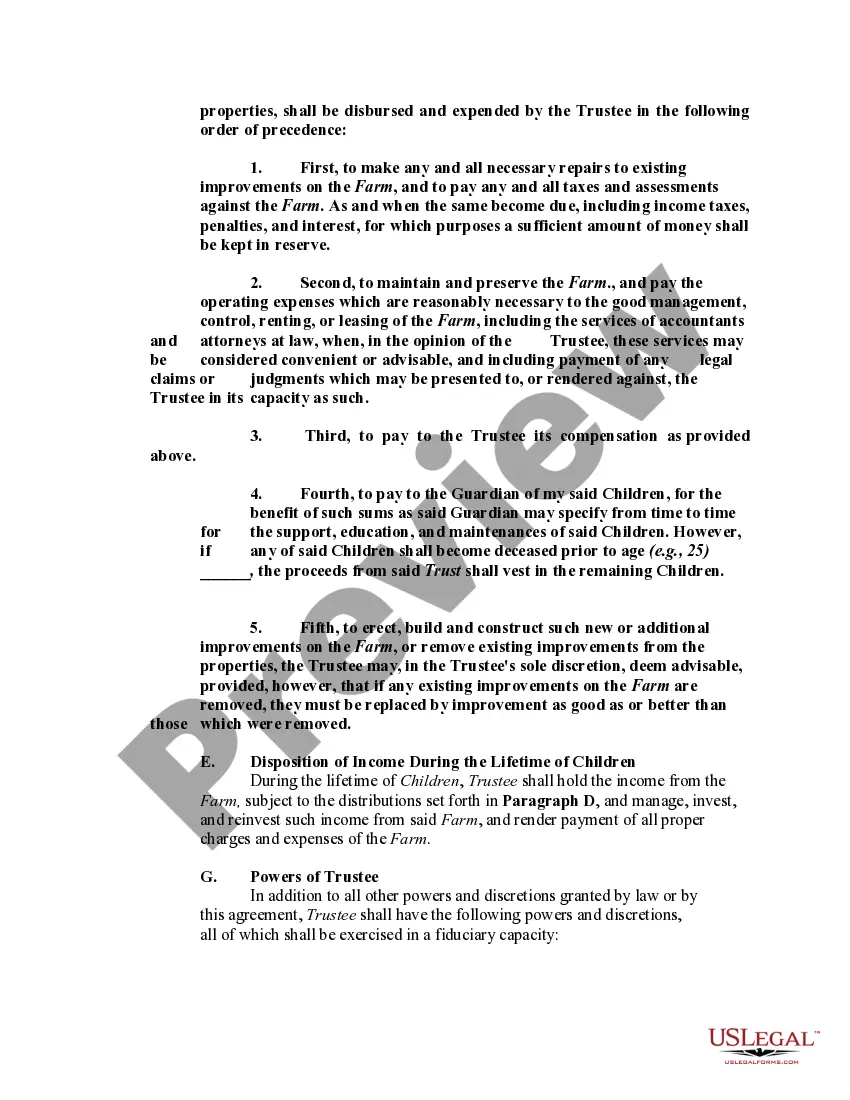
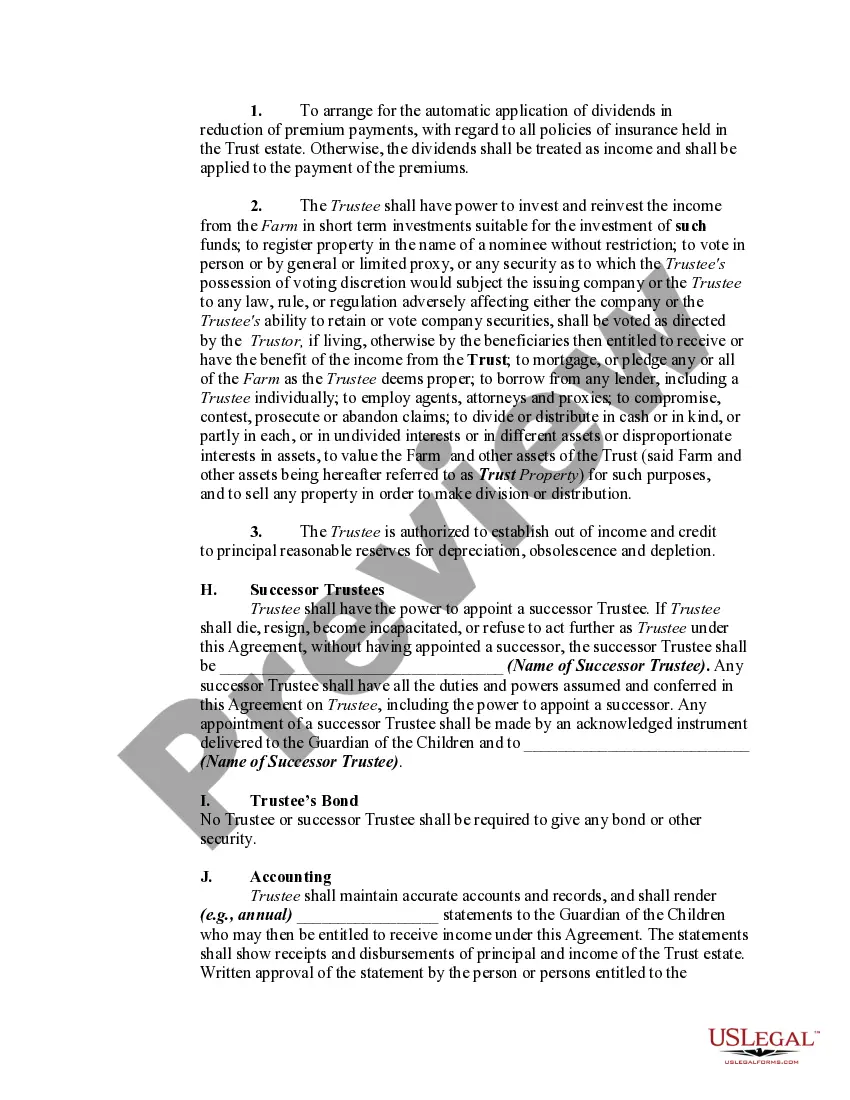
How to fill out Testamentary Trust Provision In Will With Spouse To Receive A Life Estate In Farm Land With Remainder Interest In Land To Pass To Trust For The Benefit Of Children?
- If you're already a US Legal Forms user, log into your account and download the requested form template. Ensure your subscription is active; otherwise, renew it as per your payment plan.
- For first-time users, start by browsing the Preview mode and detailed form description. Verify that you've selected the correct template that aligns with your requirements and follows local regulations.
- If necessary, use the Search tab to explore alternative forms until you locate one that accurately meets your needs.
- Purchase the required document by clicking the Buy Now button and selecting your desired subscription plan. You'll need to register for an account to gain access to the full library.
- Complete your purchase by entering your payment details through credit card or PayPal.
- Finally, download the document to your device, making it easy to fill out and access anytime via the My Forms section of your account.
US Legal Forms provides individuals with a robust and user-friendly platform to access over 85,000 editable legal documents. With the added benefit of expert assistance, you can ensure your testamentary trust and will are executed flawlessly.
Don't hesitate to take control of your estate planning – visit US Legal Forms today to get started!
Form popularity
FAQ
Deciding whether to have a testamentary trust with a will depends on your unique financial and family situation. This type of trust is especially beneficial if you have minor children, special needs dependents, or complex assets. Utilizing platforms like uslegalforms can help you create a tailored testamentary trust to meet your needs. We encourage you to evaluate your estate planning objectives carefully and seek professional advice.
A testamentary trust with a will offers various advantages, such as providing financial protection for minor children or controlling asset distribution over time. However, it also has potential drawbacks, including probate delays and possible legal complications. Understanding these pros and cons can help you determine if this structure aligns with your estate planning goals. It is wise to consult a qualified estate planner to navigate these factors effectively.
In a testamentary trust with a will, the trust's assets are legally owned by the trust itself, managed by a trustee. The trustee administers the assets in accordance with the terms set forth in the will. Beneficiaries do not have ownership until the assets are distributed, as defined by the trust's provisions. This structure ensures that the assets are used for the beneficiaries’ benefit according to the testator's wishes.
A testamentary trust with a will is initiated upon the death of the testator. It remains in effect until the trust's terms are fulfilled, which often happens when beneficiaries reach a certain age or when specific conditions are met. Generally, this lifespan can extend for many years, depending on the trust's purpose and provisions outlined in the will. You should consult a legal expert to understand how these timelines may apply to your individual circumstances.
A testamentary trust can complicate the distribution of assets, as it only takes effect after the individual's death. This means beneficiaries will not receive their inheritance until the terms of the trust are executed. Additionally, the trust may incur ongoing administrative fees and require detailed record-keeping. Thus, it's crucial to evaluate if a testamentary trust aligns with your overall estate planning strategy.
One downside of placing assets in a testamentary trust with a will is the potential for limited access by beneficiaries until certain conditions are met. This can be frustrating for those who need financial support promptly. Moreover, there can be misunderstandings among family members regarding the trust's terms and intended use, which can lead to conflicts. Clear communication about the trust's purpose is essential.
Creating a testamentary trust with a will involves outlining your intentions within the will itself. You need to designate a trustee who will manage the trust according to your instructions. Using platforms like UsLegalForms can simplify this process, providing templates and guidance to ensure the trust is set up correctly. Be sure to clearly specify the terms and conditions to reflect your desires for asset distribution.
While family trusts provide many benefits, such as asset protection and tax advantages, they also come with some disadvantages. A testamentary trust with a will may not provide the immediacy of access to funds, as distributions can be managed by the trustee over time. Furthermore, the trust may need to be structured in a way that can be complex and requires ongoing oversight, making it essential to consult with a legal professional.
A common concern related to a testamentary trust with a will is the ongoing costs associated with maintaining the trust. Trusts often require legal fees, potential tax implications, and administration costs, which can add up over time. Additionally, the terms set forth in the trust must be adhered to, which can limit flexibility in handling the assets. Therefore, it's important to weigh these factors carefully.
Consideration of a testamentary trust with a will can benefit your parents' estate planning. By placing assets in a trust, they can specify how their wealth will be distributed after their passing. This approach not only helps avoid probate but also ensures that beneficiaries receive their inheritance according to your parents' wishes. It's a proactive step to safeguard their legacy.