Requirements For Testamentary Trust
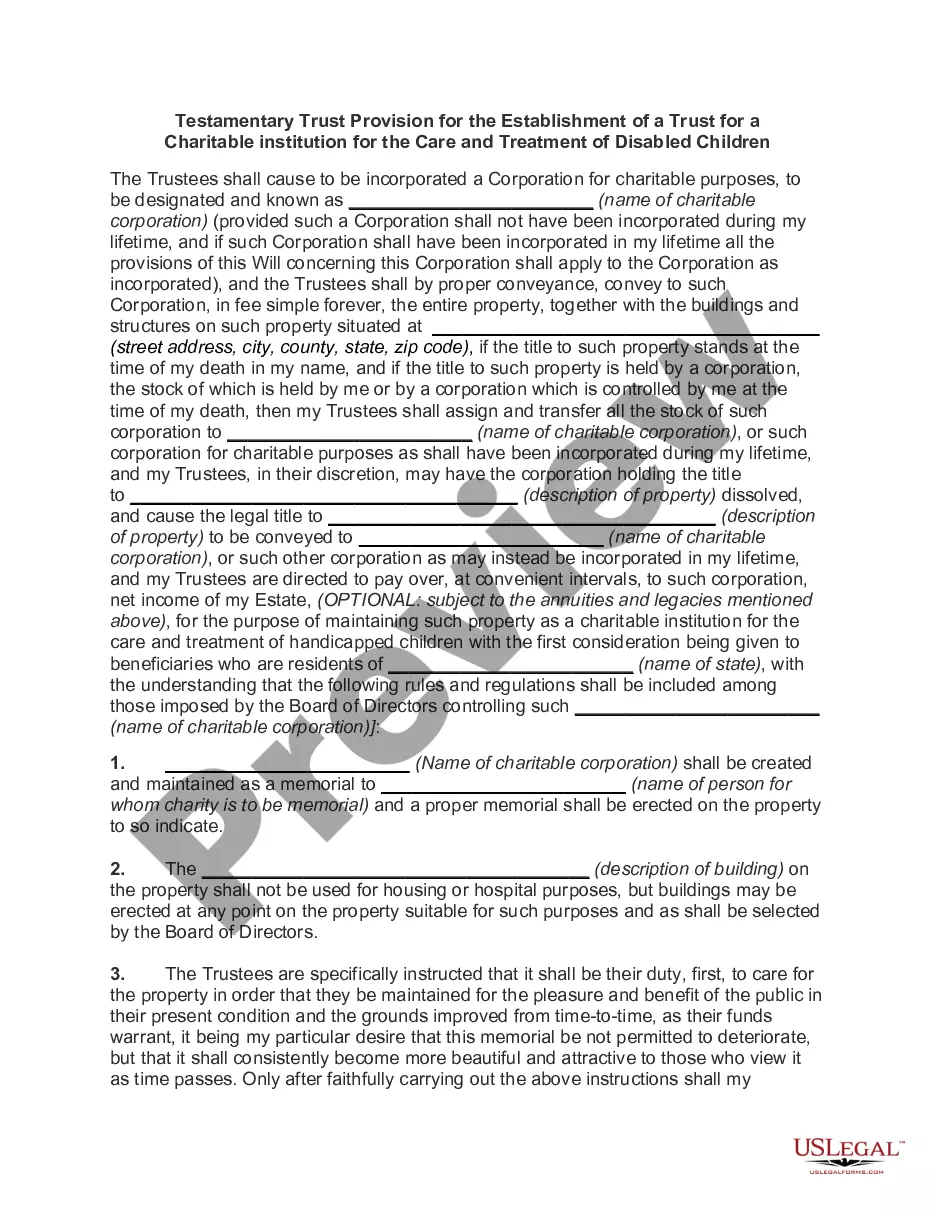
Description
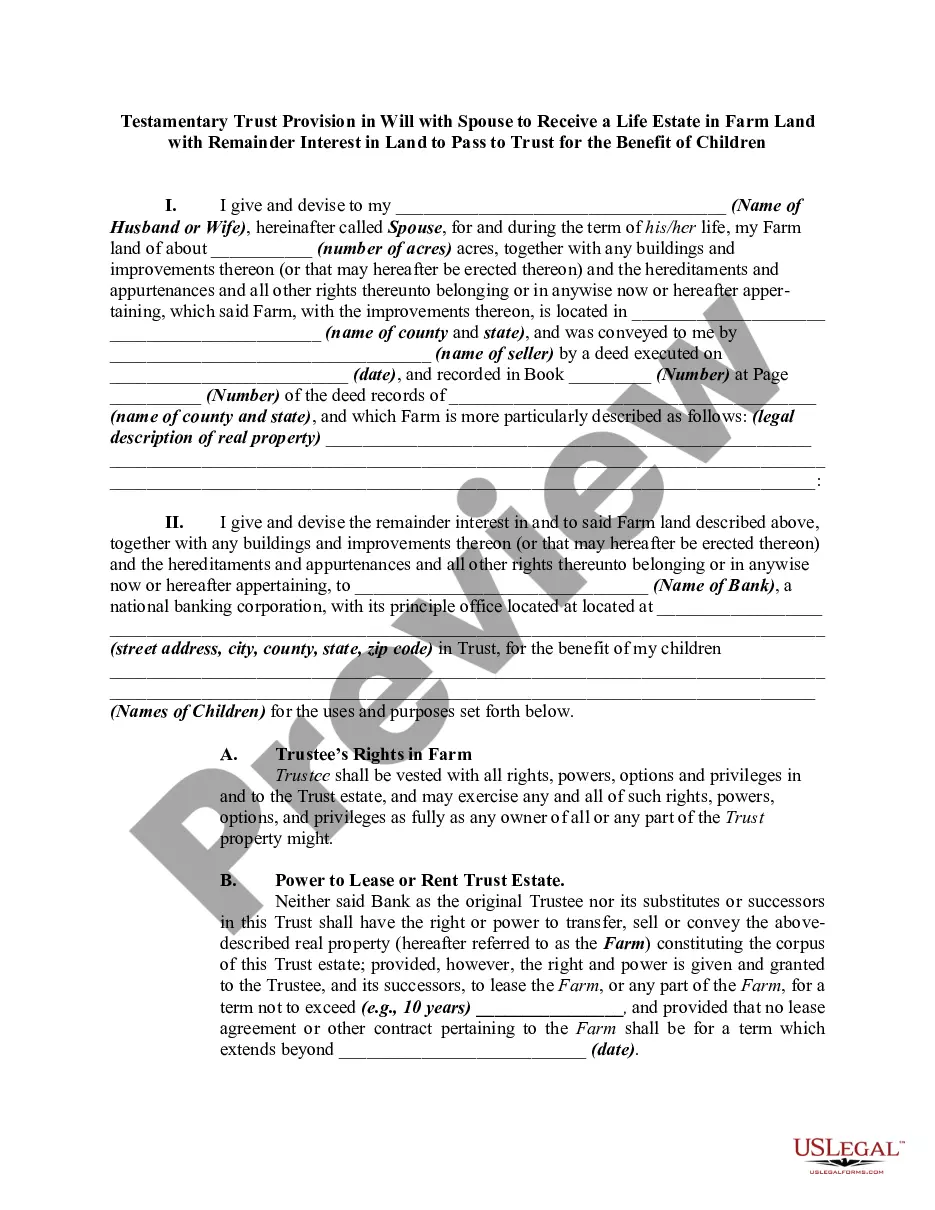
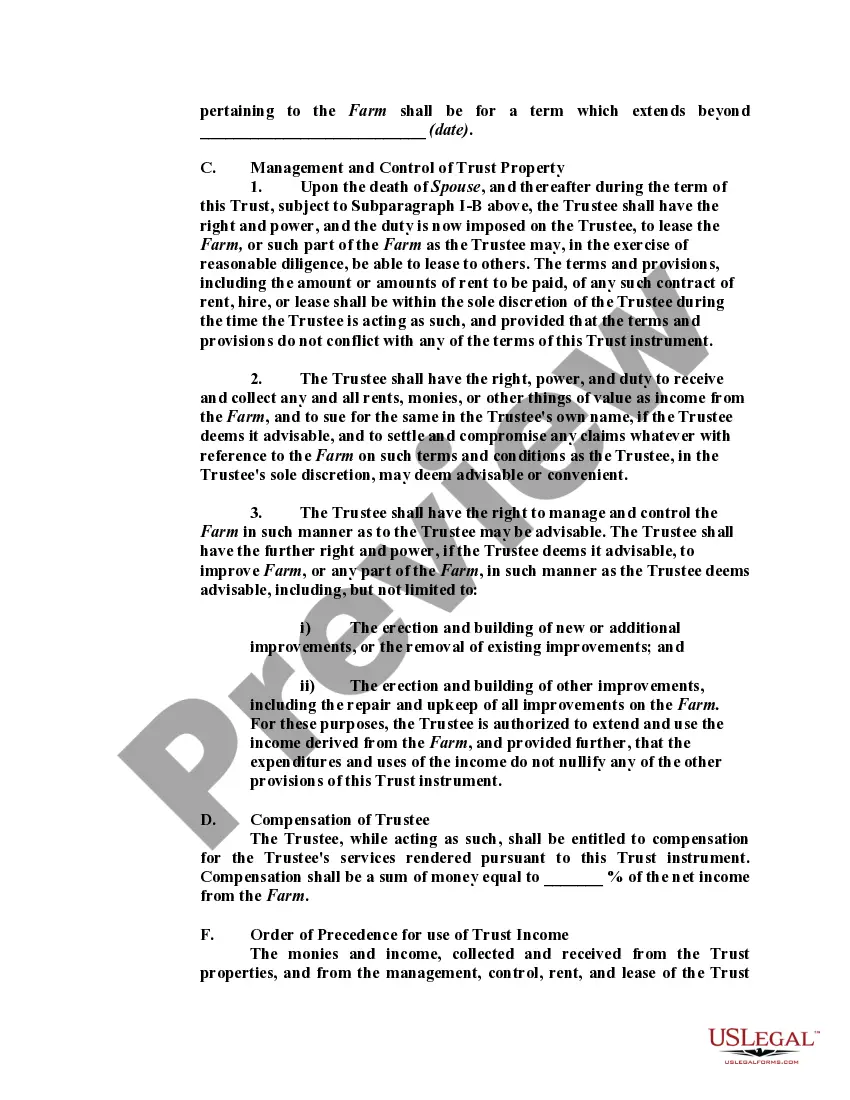
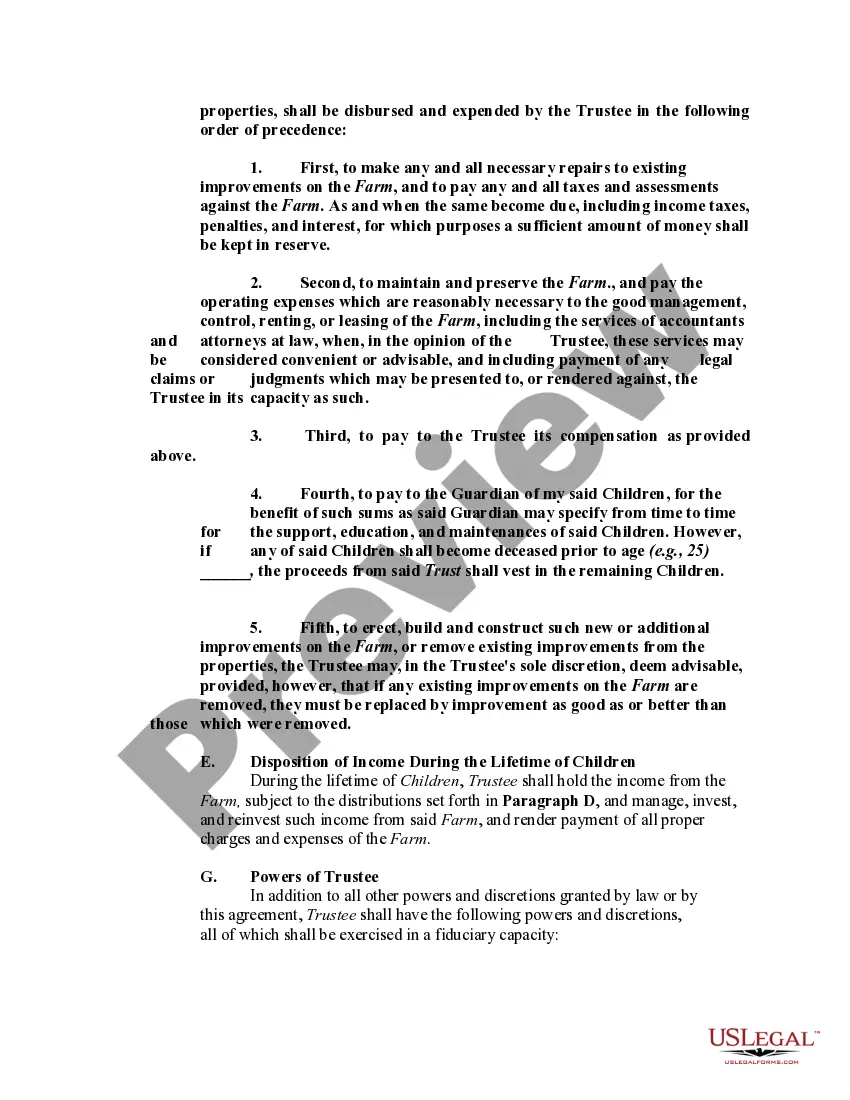
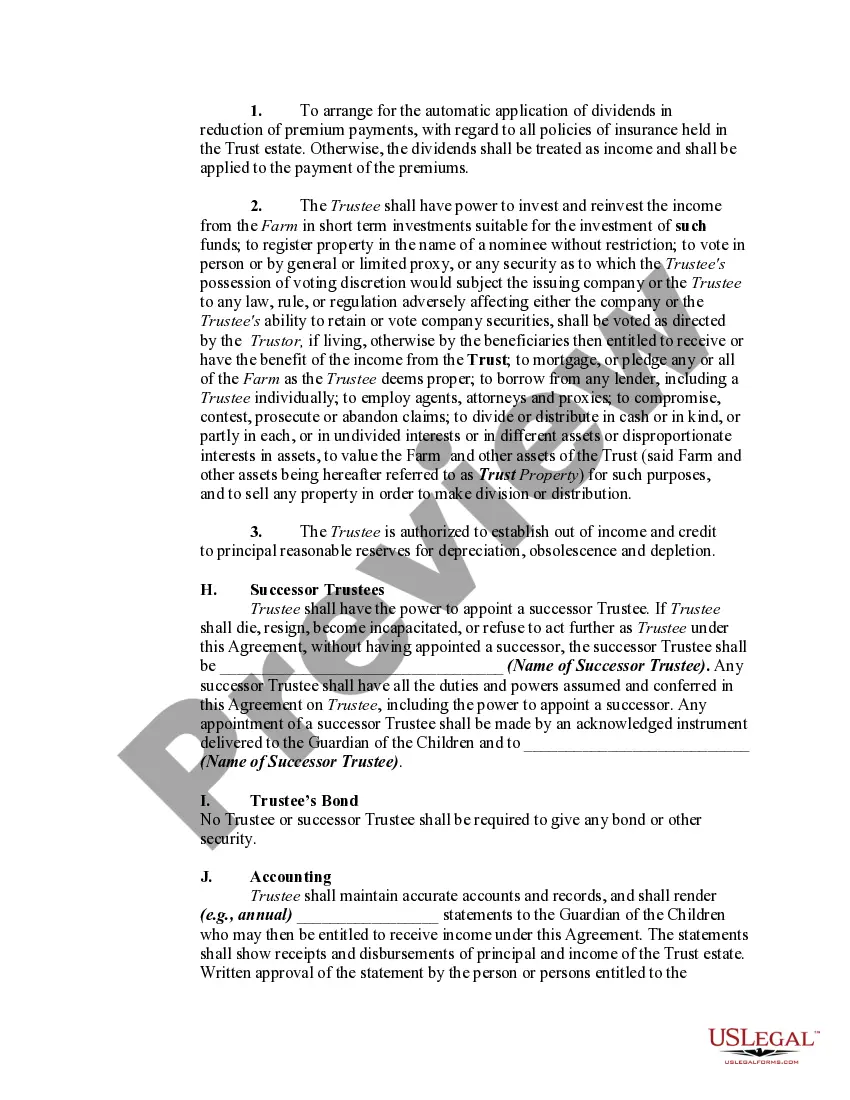
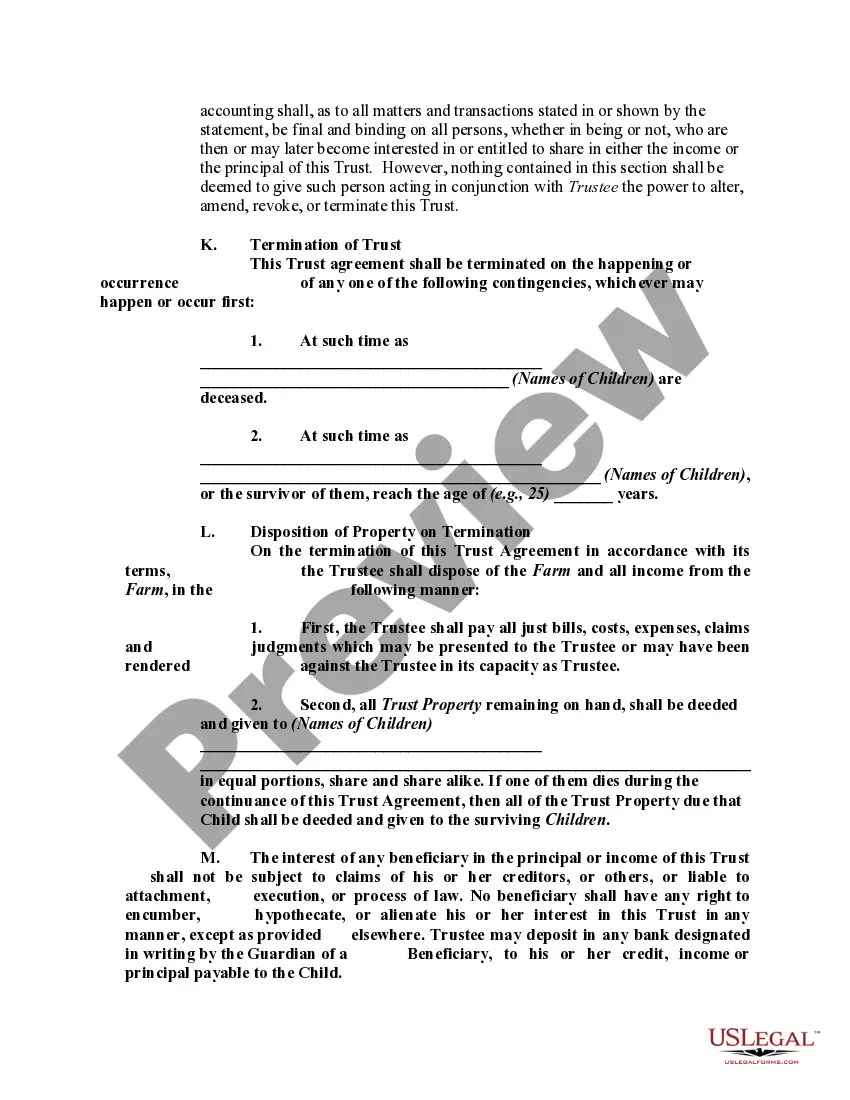
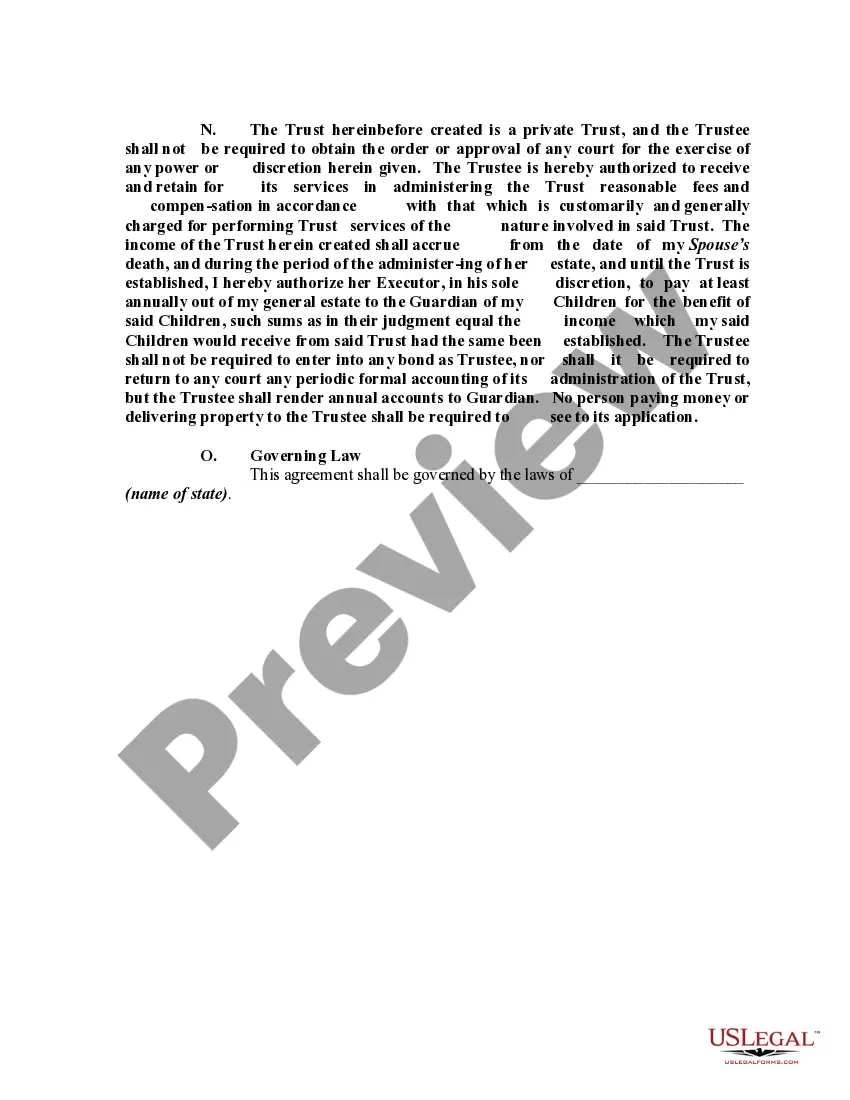
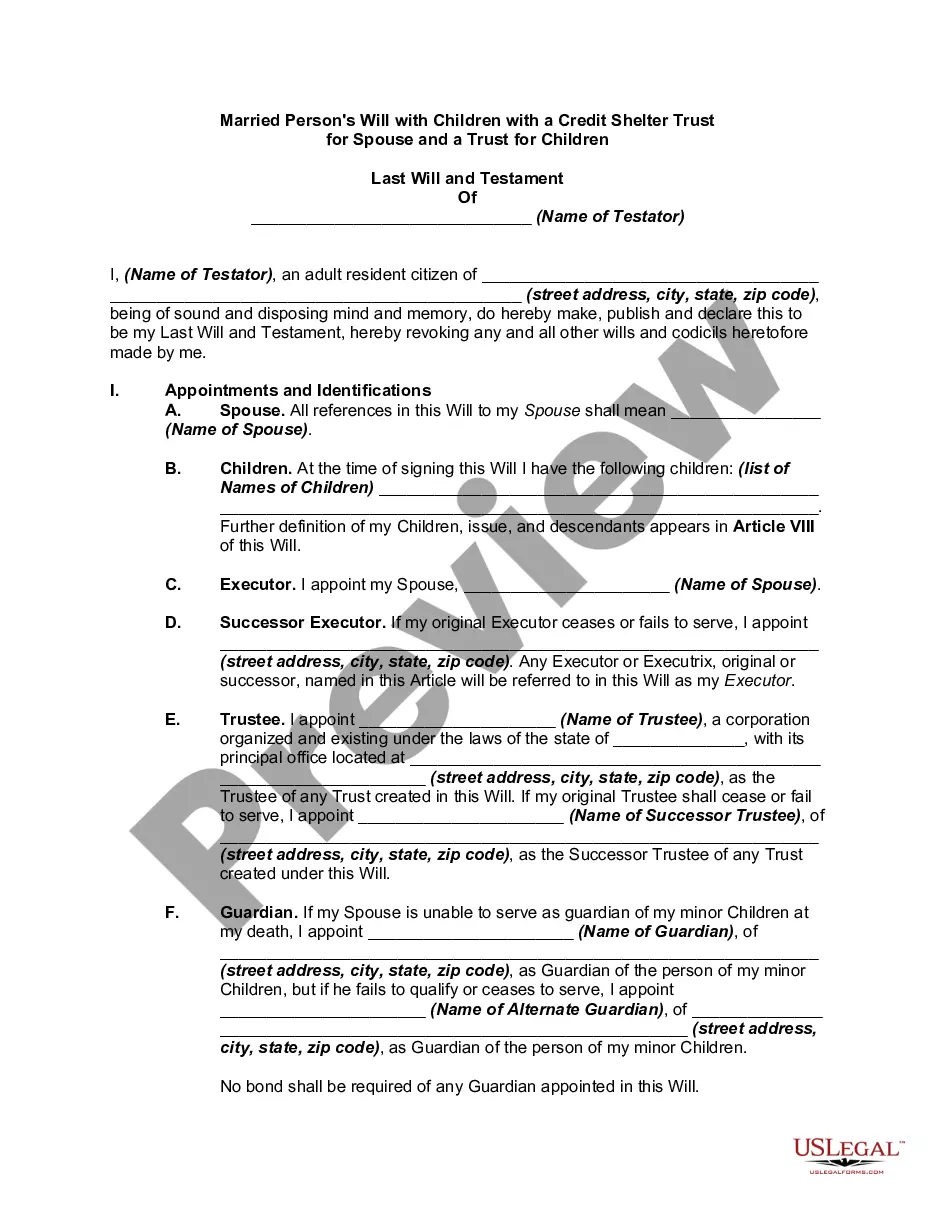
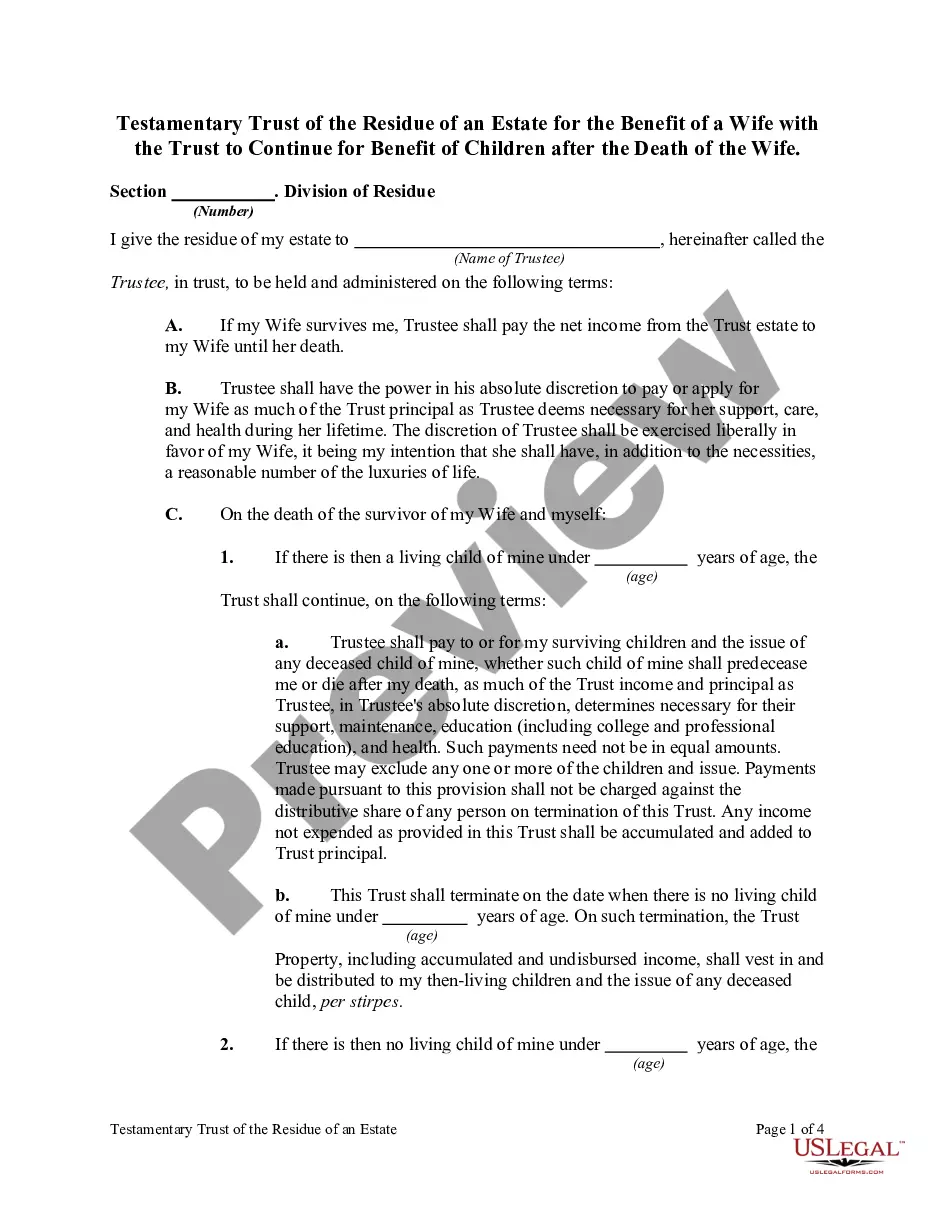

Get your form ready online
Our built-in tools help you complete, sign, share, and store your documents in one place.
Make edits, fill in missing information, and update formatting in US Legal Forms—just like you would in MS Word.
Download a copy, print it, send it by email, or mail it via USPS—whatever works best for your next step.
Sign and collect signatures with our SignNow integration. Send to multiple recipients, set reminders, and more. Go Premium to unlock E-Sign.
If this form requires notarization, complete it online through a secure video call—no need to meet a notary in person or wait for an appointment.
We protect your documents and personal data by following strict security and privacy standards.

Make edits, fill in missing information, and update formatting in US Legal Forms—just like you would in MS Word.

Download a copy, print it, send it by email, or mail it via USPS—whatever works best for your next step.

Sign and collect signatures with our SignNow integration. Send to multiple recipients, set reminders, and more. Go Premium to unlock E-Sign.

If this form requires notarization, complete it online through a secure video call—no need to meet a notary in person or wait for an appointment.

We protect your documents and personal data by following strict security and privacy standards.
Looking for another form?
How to fill out Testamentary Trust Provision In Will With Spouse To Receive A Life Estate In Farm Land With Remainder Interest In Land To Pass To Trust For The Benefit Of Children?
- If you have used US Legal Forms before, log in to your account and download the required testamentary trust template by clicking the Download button. Ensure that your subscription is up to date; renew it if necessary.
- For first-time users, start by checking the Preview mode and form description to verify that you have selected the correct document based on your local jurisdiction requirements.
- If you need a different template, use the Search tab to locate the appropriate form that meets your specifications.
- Once you have identified the correct document, click the Buy Now button and choose your preferred subscription plan. You will need to create an account to access the resources available in the library.
- Complete your purchase by entering your credit card details or using your PayPal account to finalize the subscription.
- Lastly, download the form and save it to your device. You can access it anytime from the My Forms section of your profile.
Wrapping up, obtaining the necessary documents for a testamentary trust through US Legal Forms is an efficient and straightforward process. With a vast collection of over 85,000 fillable forms and expert support, you are equipped to create legally sound documents.
Get started today and secure your estate planning with US Legal Forms!
Form popularity
FAQ
Setting up a testamentary trust involves drafting a will that specifies the trust's terms and appoints a trustee. The requirements for testamentary trust must include clear instructions on how the trust's assets will be managed and distributed. Once your will is in place, it’s essential to ensure it reflects your intentions accurately, and working with a legal professional can greatly facilitate this process. Platforms like US Legal Forms can assist you in creating the necessary documentation.
Not all trusts need to file a tax return, but many do. Generally, irrevocable trusts are required to file, while revocable trusts usually do not need to, as the income is reported on the grantor's personal tax return. If you are uncertain about the specific requirements for testamentary trust, reaching out to a legal expert can provide clarity on your obligations.
Yes, a testamentary trust typically must file a tax return. This obligation arises because this type of trust is considered a separate legal entity for tax purposes. The requirements for testamentary trust include filing IRS Form 1041 if the trust generates income. It's important to consult with a tax professional to ensure compliance with all relevant tax laws.
A major disadvantage of a testamentary trust is that it only becomes effective after the grantor passes away, which can delay the distribution of assets to beneficiaries. Furthermore, testamentary trusts often go through probate, which can introduce additional costs and time. Understanding these disadvantages and the requirements for testamentary trust can lead to better planning.
Drafting a testamentary trust requires careful planning and clear communication of your intentions. Start by outlining the beneficiaries, assets, and terms of distribution in your will. Additionally, utilizing a platform like UsLegalForms can help ensure that your documents meet all legal requirements for testamentary trust.
One significant mistake parents often make is failing to clearly define the terms and parameters of the trust. Vague language can lead to confusion and disputes among beneficiaries. To avoid misunderstandings, parents should consult with legal professionals who understand the requirements for testamentary trust.
The key documents required for a testamentary trust include your last will and testament and any tax identification numbers for the trust. Additional documents may involve a list of assets that will fund the trust, ensuring clarity and legality. Understanding these requirements for testamentary trust can help streamline the process.
To establish a testamentary trust, you typically need a valid will, which outlines the trust provisions. Moreover, any relevant documents that support your estate plan, such as property titles or financial account statements, are essential. It's crucial to ensure all documents comply with the requirements for testamentary trust in your jurisdiction.
In a testamentary trust, the assets are owned by the trust itself, managed by a designated trustee. The trustee is responsible for adhering to the terms set out in the will, which provides guidance on asset distribution. Recognizing the requirements for testamentary trust can clarify ownership and management of your assets. Engaging with uslegalforms can assist you in creating a trust structure that meets your wishes.
The lifespan of a testamentary trust typically lasts until the specific conditions set forth in the trust are met, or the trust assets are fully distributed. Many testamentary trusts remain active until the beneficiaries reach a certain age. Knowing the requirements for testamentary trust will help you understand how long your trust may last. It's essential to plan adequately, so you can ensure all terms are clearly defined.