Remainder Interest In A Personal Residence
Description
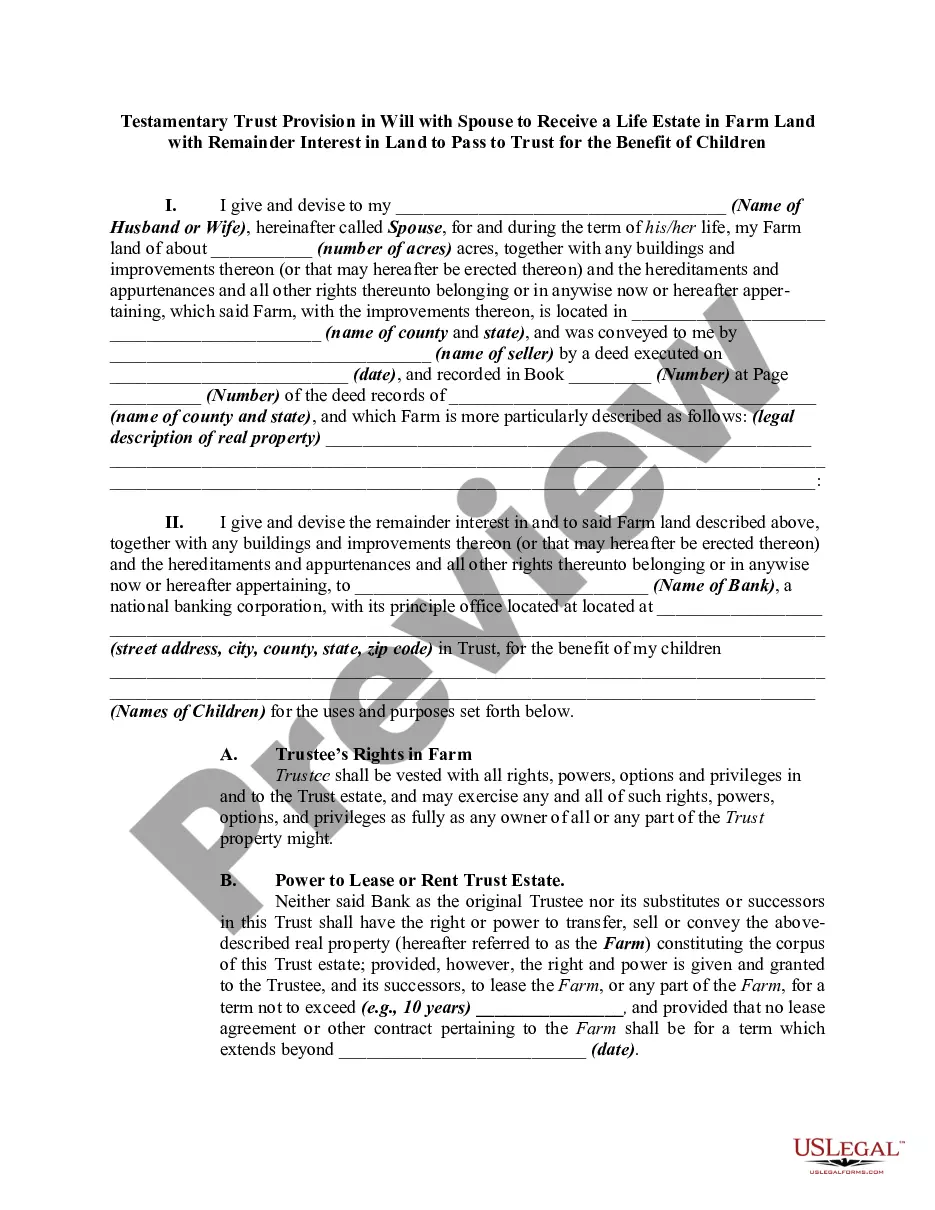
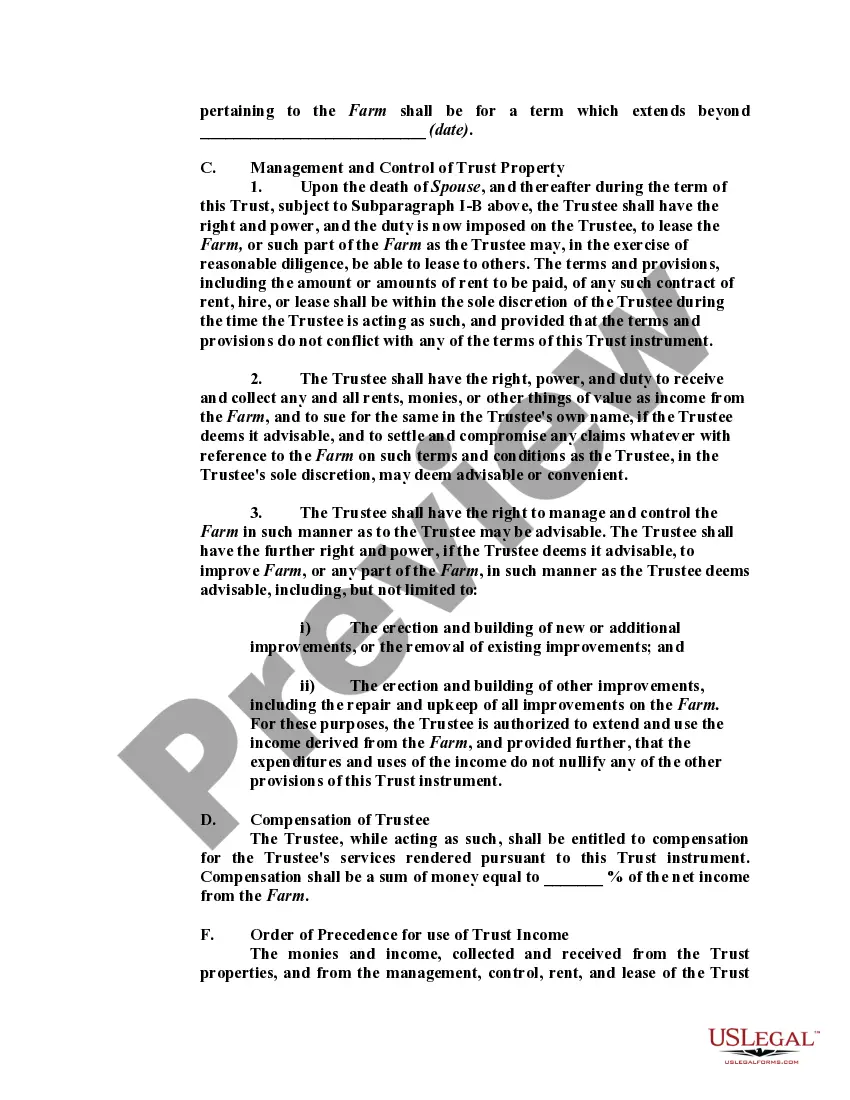
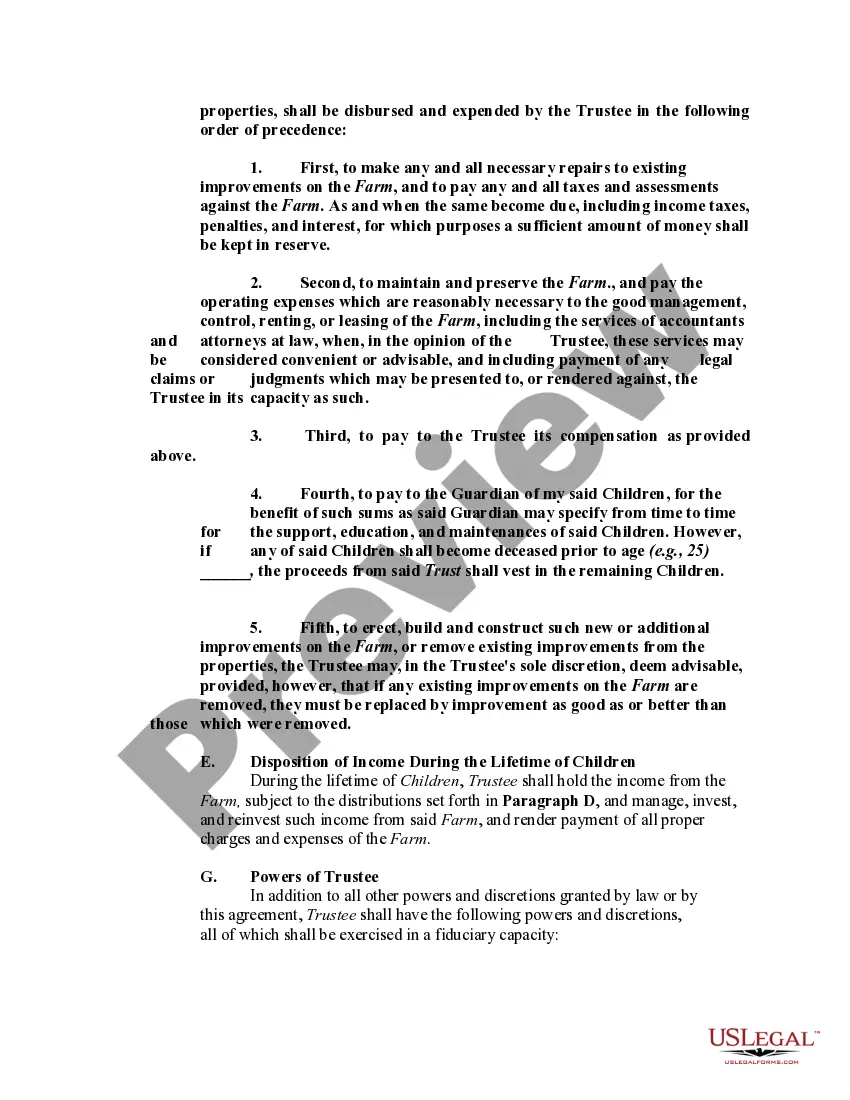
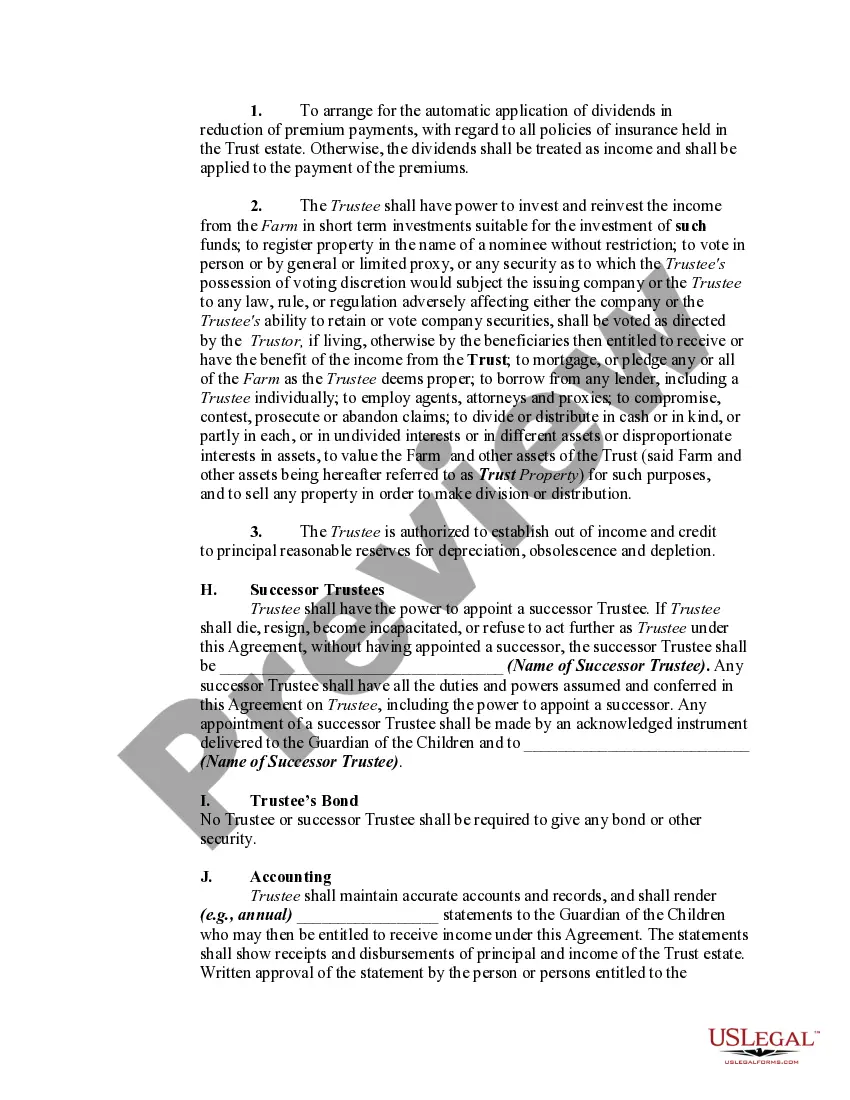
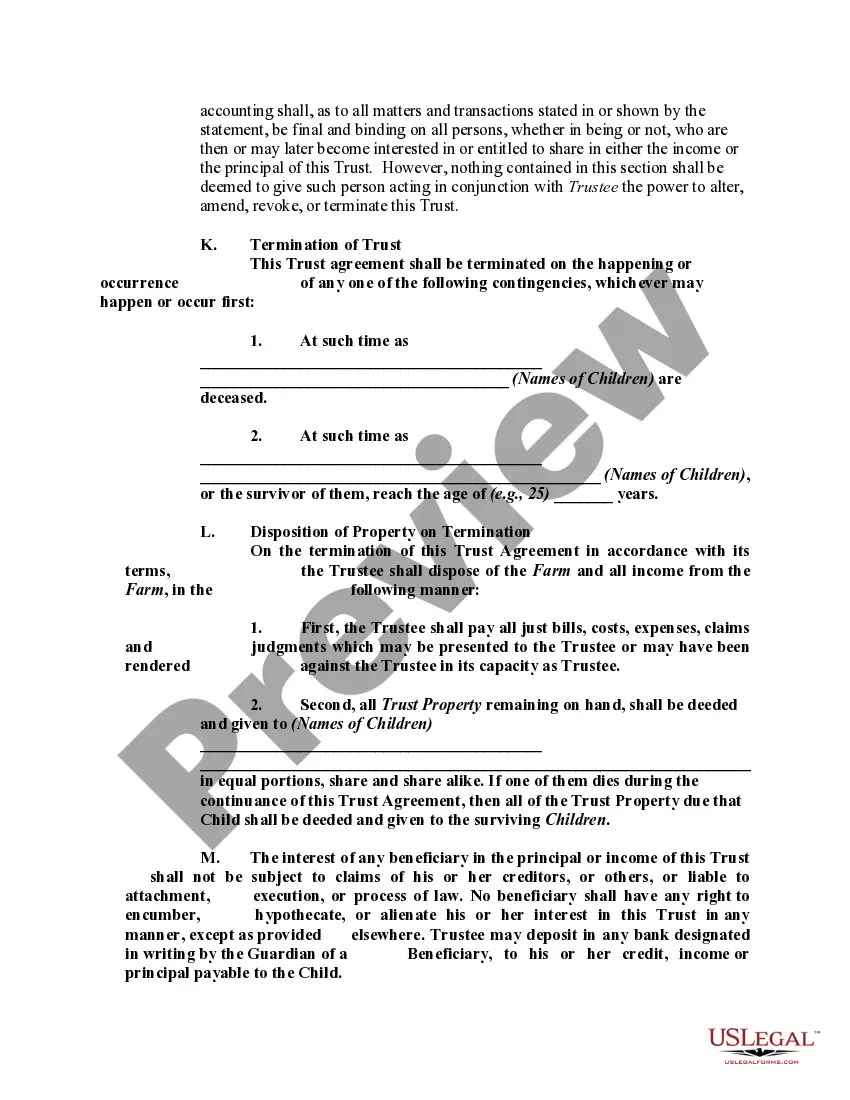
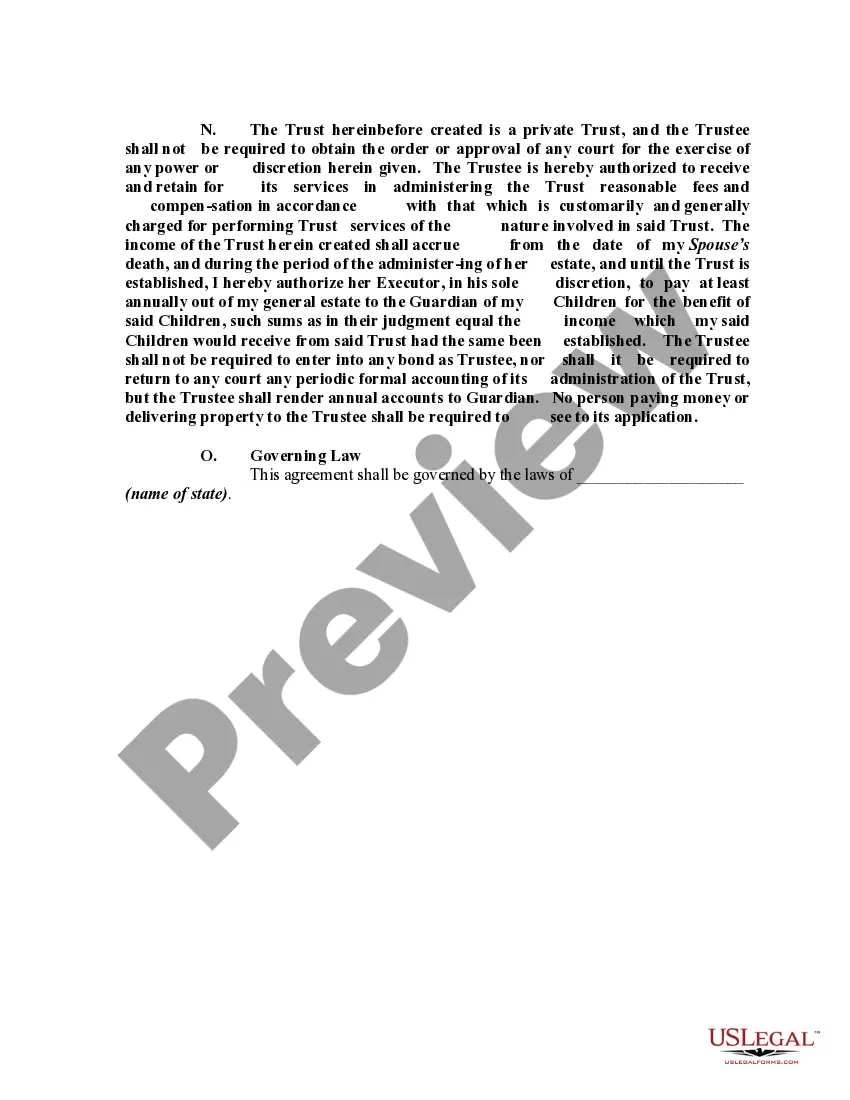
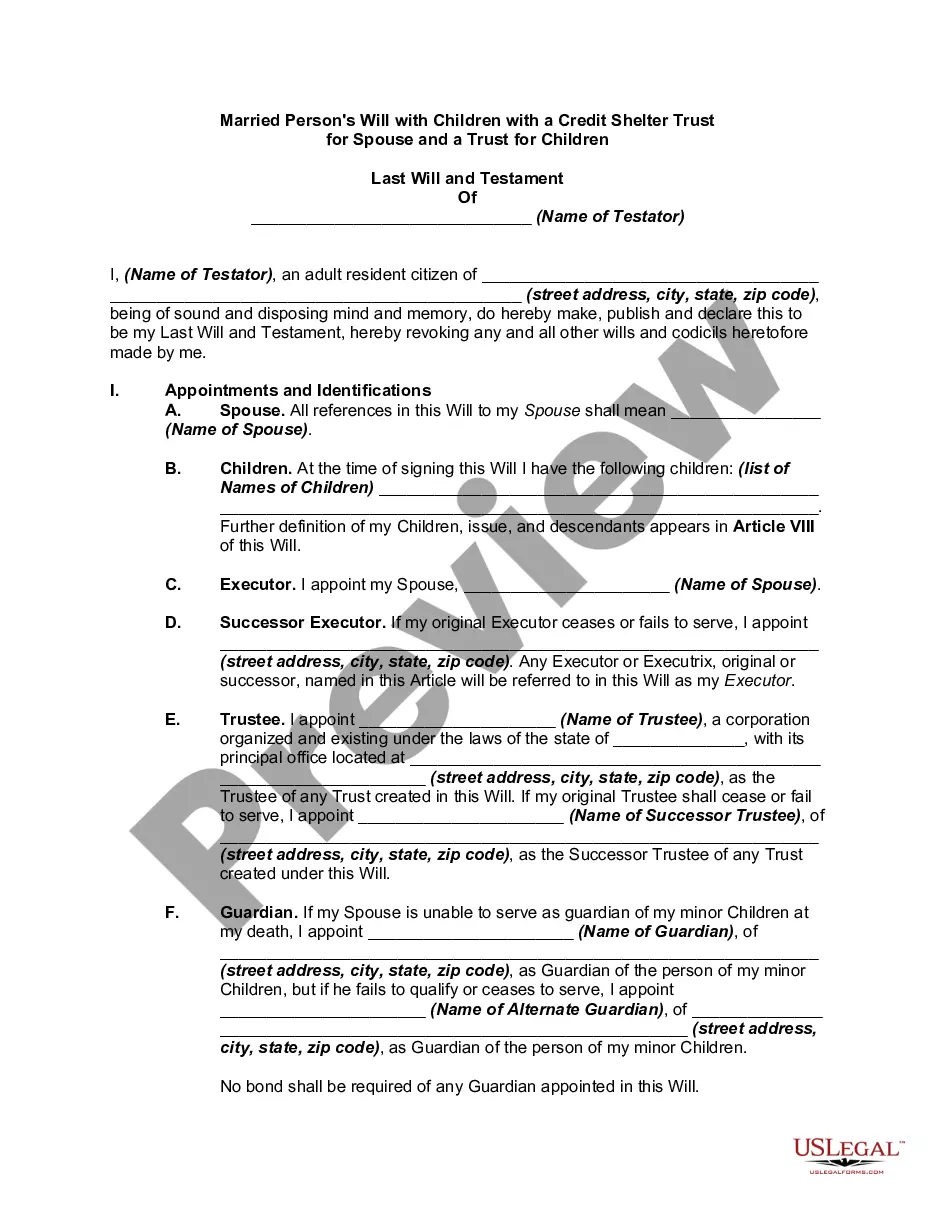
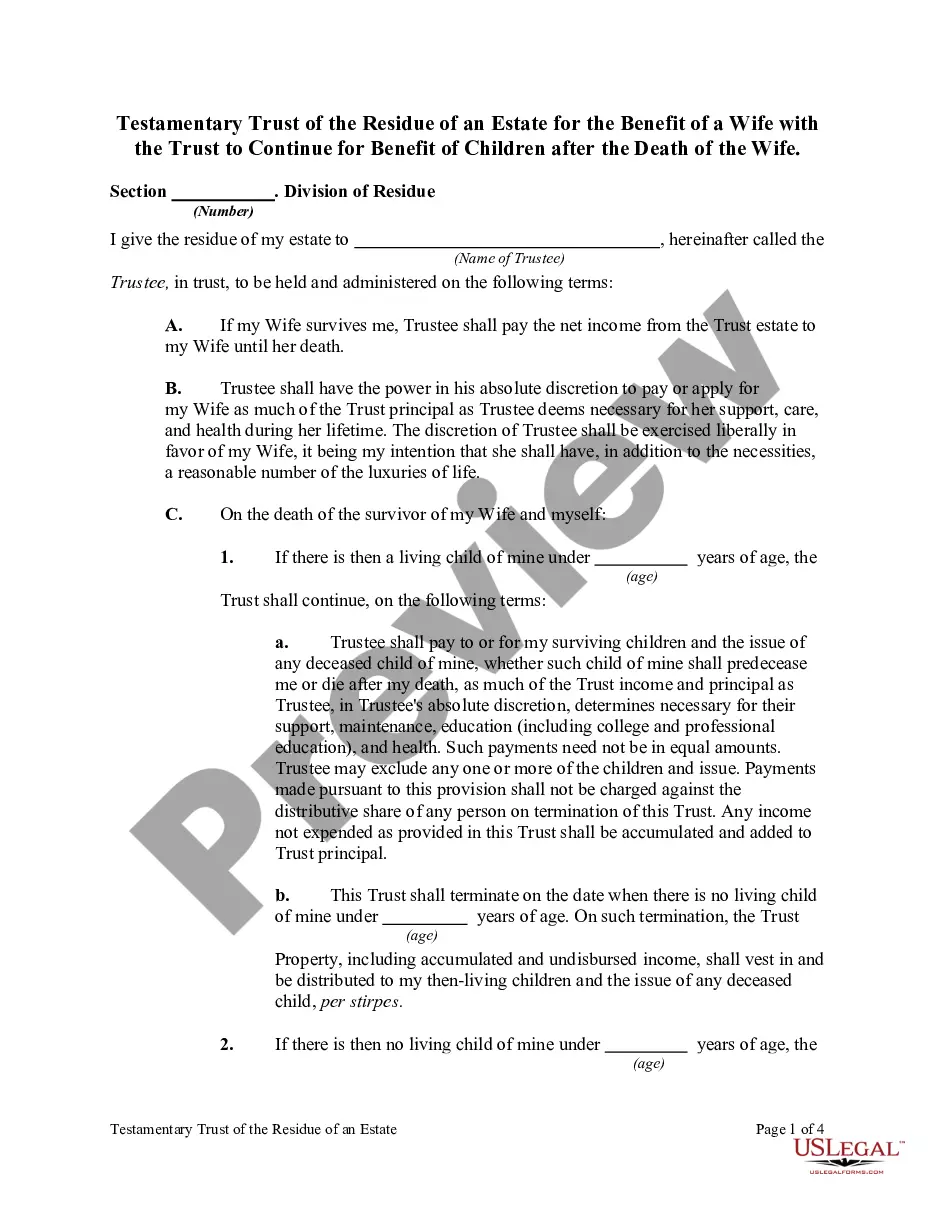

Get your form ready online
Our built-in tools help you complete, sign, share, and store your documents in one place.
Make edits, fill in missing information, and update formatting in US Legal Forms—just like you would in MS Word.
Download a copy, print it, send it by email, or mail it via USPS—whatever works best for your next step.
Sign and collect signatures with our SignNow integration. Send to multiple recipients, set reminders, and more. Go Premium to unlock E-Sign.
If this form requires notarization, complete it online through a secure video call—no need to meet a notary in person or wait for an appointment.
We protect your documents and personal data by following strict security and privacy standards.

Make edits, fill in missing information, and update formatting in US Legal Forms—just like you would in MS Word.

Download a copy, print it, send it by email, or mail it via USPS—whatever works best for your next step.

Sign and collect signatures with our SignNow integration. Send to multiple recipients, set reminders, and more. Go Premium to unlock E-Sign.

If this form requires notarization, complete it online through a secure video call—no need to meet a notary in person or wait for an appointment.

We protect your documents and personal data by following strict security and privacy standards.
Looking for another form?





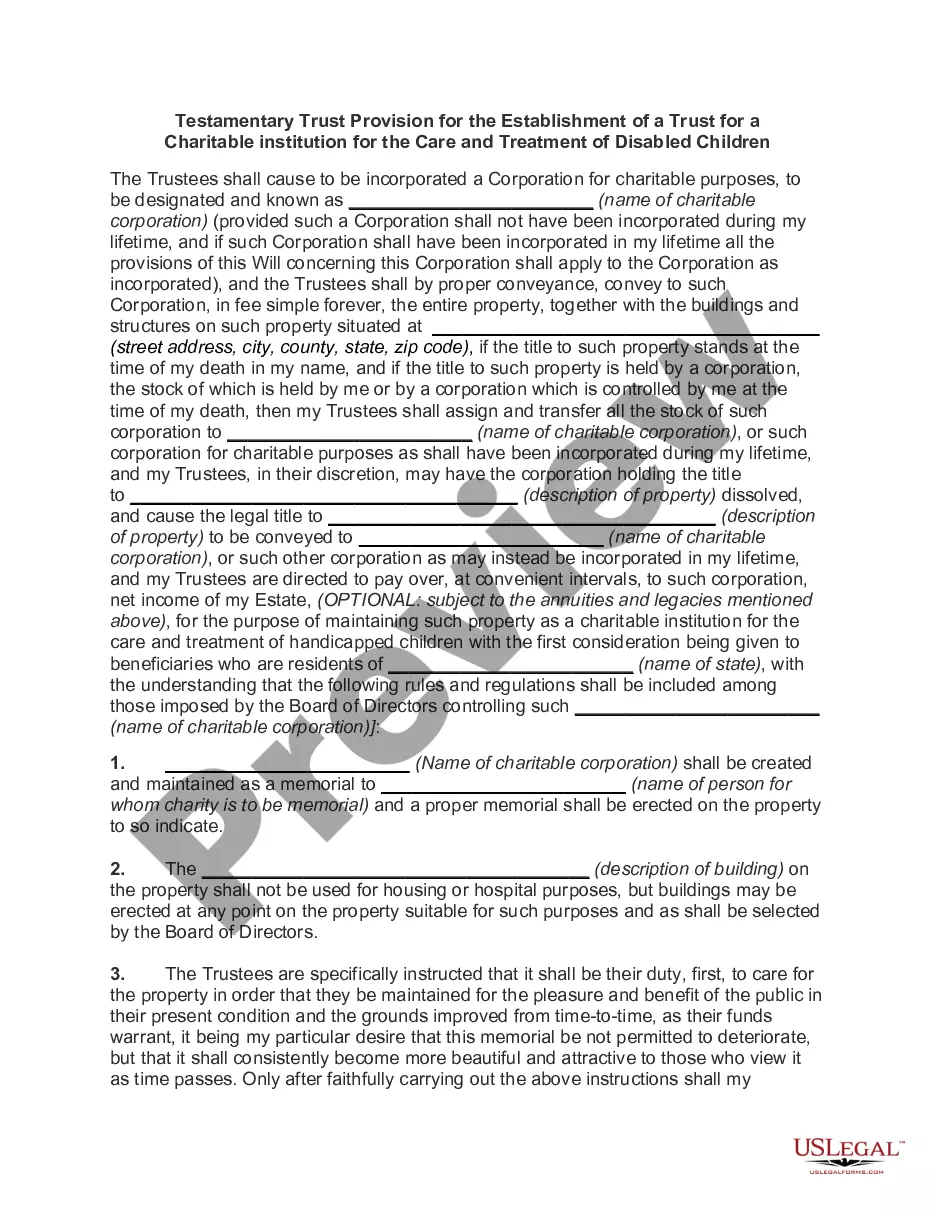
How to fill out Testamentary Trust Provision In Will With Spouse To Receive A Life Estate In Farm Land With Remainder Interest In Land To Pass To Trust For The Benefit Of Children?
Creating legal documents from the ground up can frequently be intimidating.
Certain situations may require extensive research and significant financial investment.
If you’re looking for a simpler and more affordable method of drafting Remainder Interest In A Personal Residence or any other documents without unnecessary complications, US Legal Forms is always accessible.
Our online repository of over 85,000 current legal documents encompasses nearly every facet of your financial, legal, and personal affairs. With only a few clicks, you can swiftly find state- and county-compliant forms meticulously prepared for you by our legal experts.
Review the form preview and descriptions to confirm that you’ve located the document you need. Ensure the form you choose complies with the laws and regulations of your specific state and county. Select the appropriate subscription plan to acquire the Remainder Interest In A Personal Residence. Download the form, then complete, certify, and print it. US Legal Forms is known for its strong reputation and over 25 years of experience. Join us today and make document completion an easy and efficient process!
- Utilize our platform whenever you require a dependable service to quickly find and download the Remainder Interest In A Personal Residence.
- If you’re familiar with our services and have set up an account with us in the past, simply Log In to your account, find the template, and download it or re-download it at any later time in the My documents section.
- Not registered yet? No worries. It takes minimal time to register and browse the library.
- Before diving straight into downloading Remainder Interest In A Personal Residence, consider these suggestions.
Form popularity
FAQ
Can a landlord break a lease in Nevada? A landlord in Nevada is allowed to break a lease if a tenant intentionally damages the property and/or doesn't comply with the rental agreement, such as not paying rent on time. In either case, a landlord is required to give notice to a tenant.
A lease is a contract, and no on party has the legal right to remove another from the contract without a written agreement by all parties to the contract.
You may be able to legally move out before the lease term ends in the following situations. You Are Starting Active Military Duty. ... You Are 60 Years of Age or Older and Need to Move Because of Physical or Mental Disability. ... The Rental Unit Is Unsafe or Violates Nevada Health or Safety Codes.
Nevada law requires a thirty-day notice to the tenant (or a seven-day notice if the tenant pays rent weekly), followed by a second five-day Notice to Quit for Unlawful Detainer (after the first notice period has elapsed) instructing the tenant to leave because tenant's presence is now unlawful.
Notice Guidelines for Ending a Lease Agreement in Nevada Generally speaking, a tenant can legally break a lease if they provide enough notice before leaving and pay all the rent they owe. The written notice period will vary depending on the lease: Weekly Lease: Seven days of notice. Monthly Lease: 30 days of notice.
?I am giving 1 month's notice to end my tenancy, as required by law. I will be leaving the property on (date xx). I would like you to be at the property on the day I move out to check the premises and for me to return the keys. I also need you to return my tenancy deposit of (state amount).?
Keep in mind that Nevada tenants can exercise their housing rights at any point of the lease, and the landlord may not send a notice of eviction or terminate the lease abruptly in retaliation.
Nevada law requires a thirty-day notice to the tenant (or a seven-day notice if the tenant pays rent weekly), followed by a second five-day Notice to Quit for Unlawful Detainer (after the first notice period has elapsed) instructing the tenant to leave because tenant's presence is now unlawful.