Letters For Testamentary
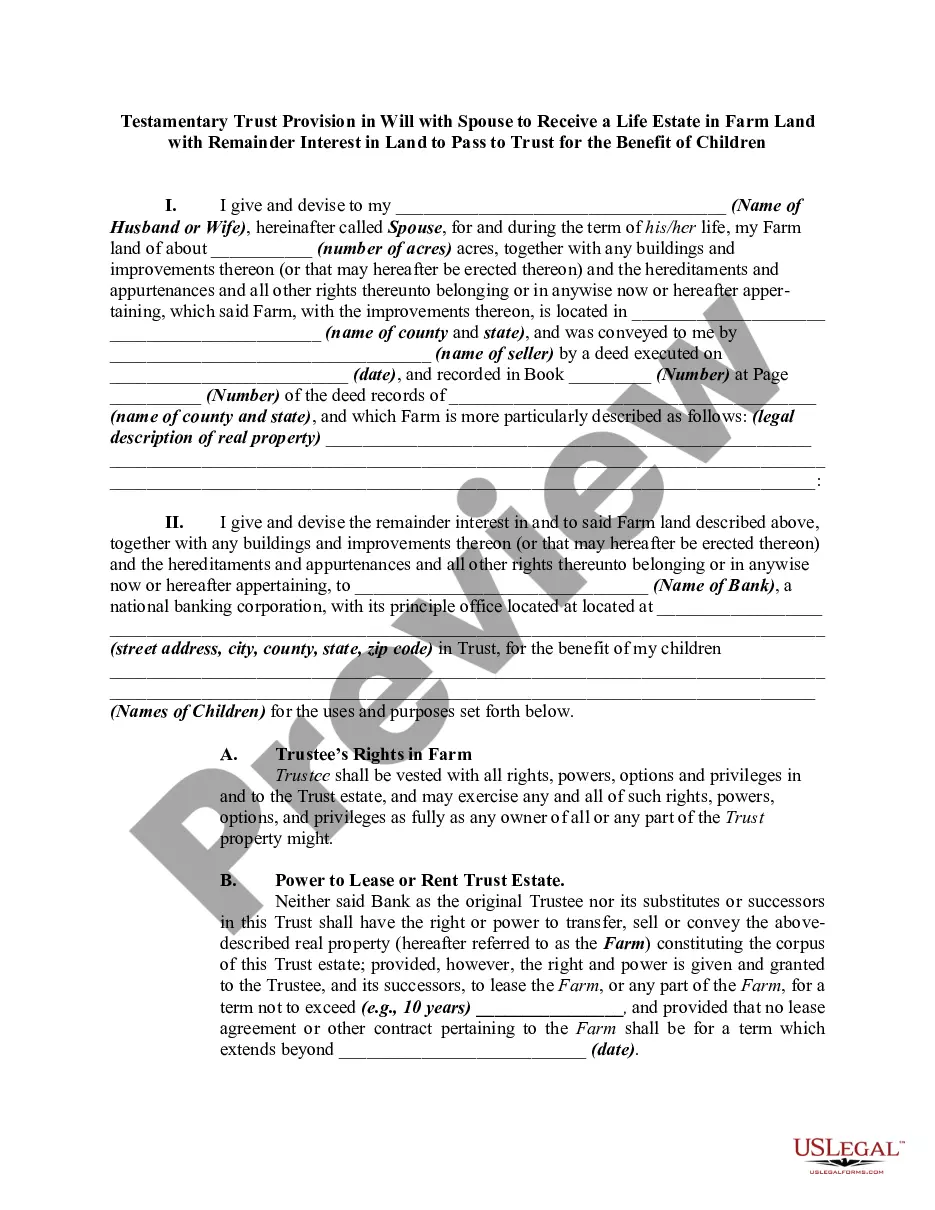
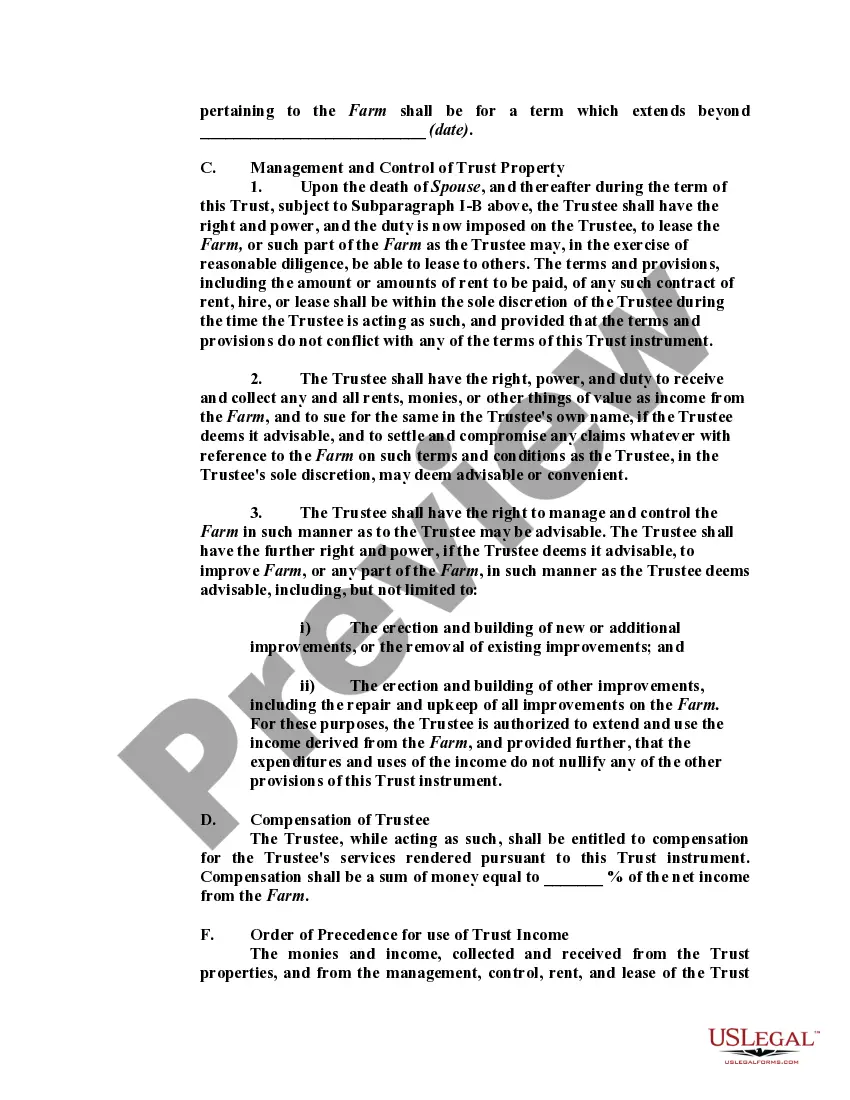
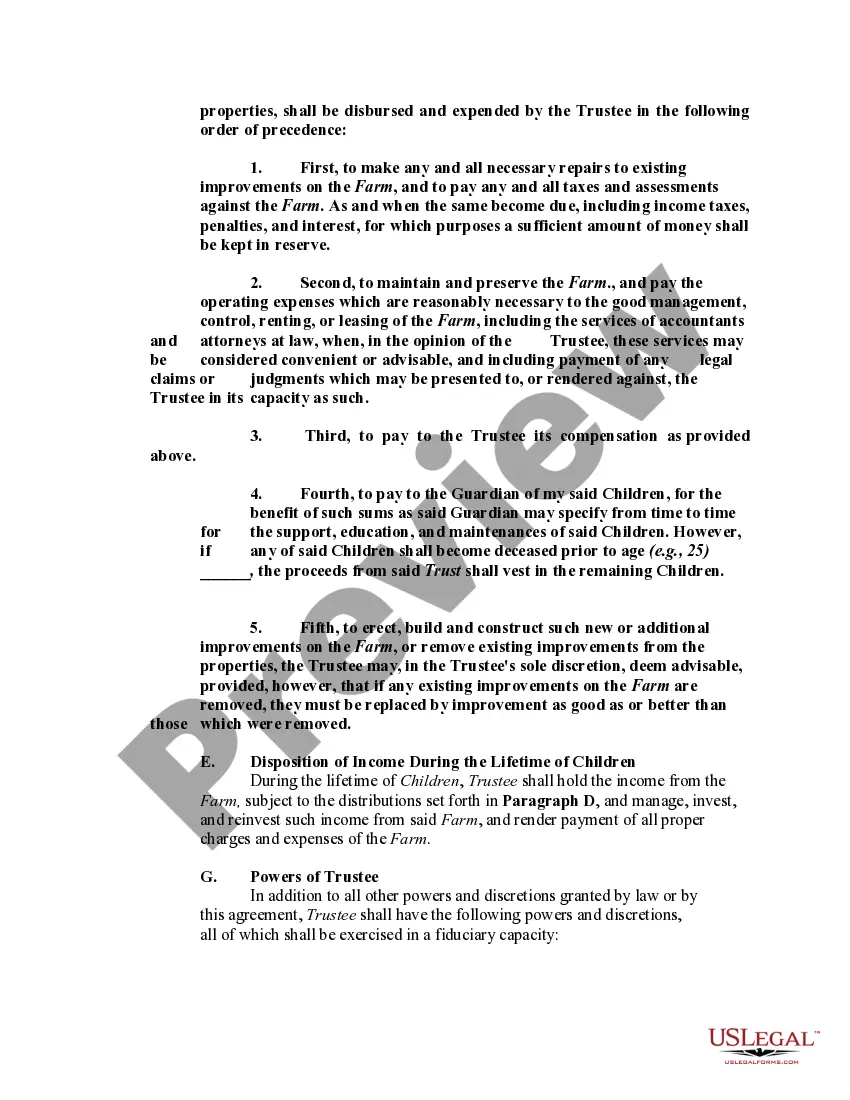
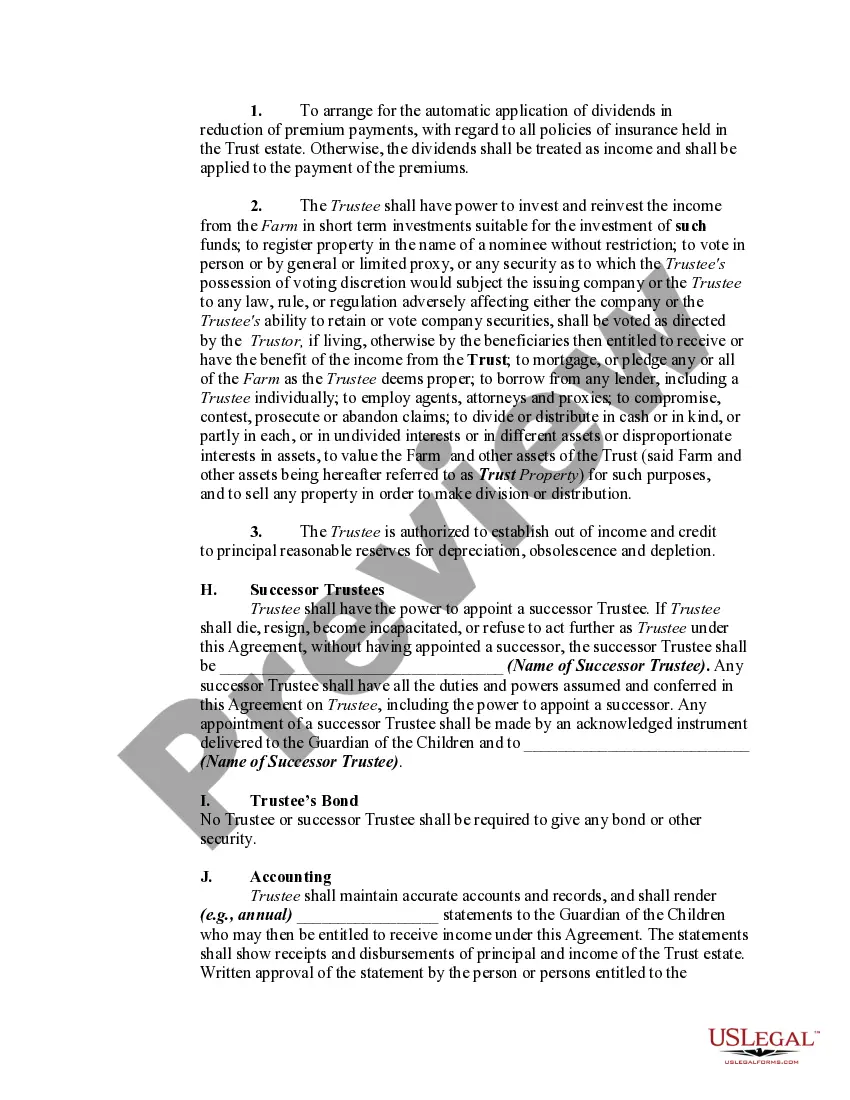
Description
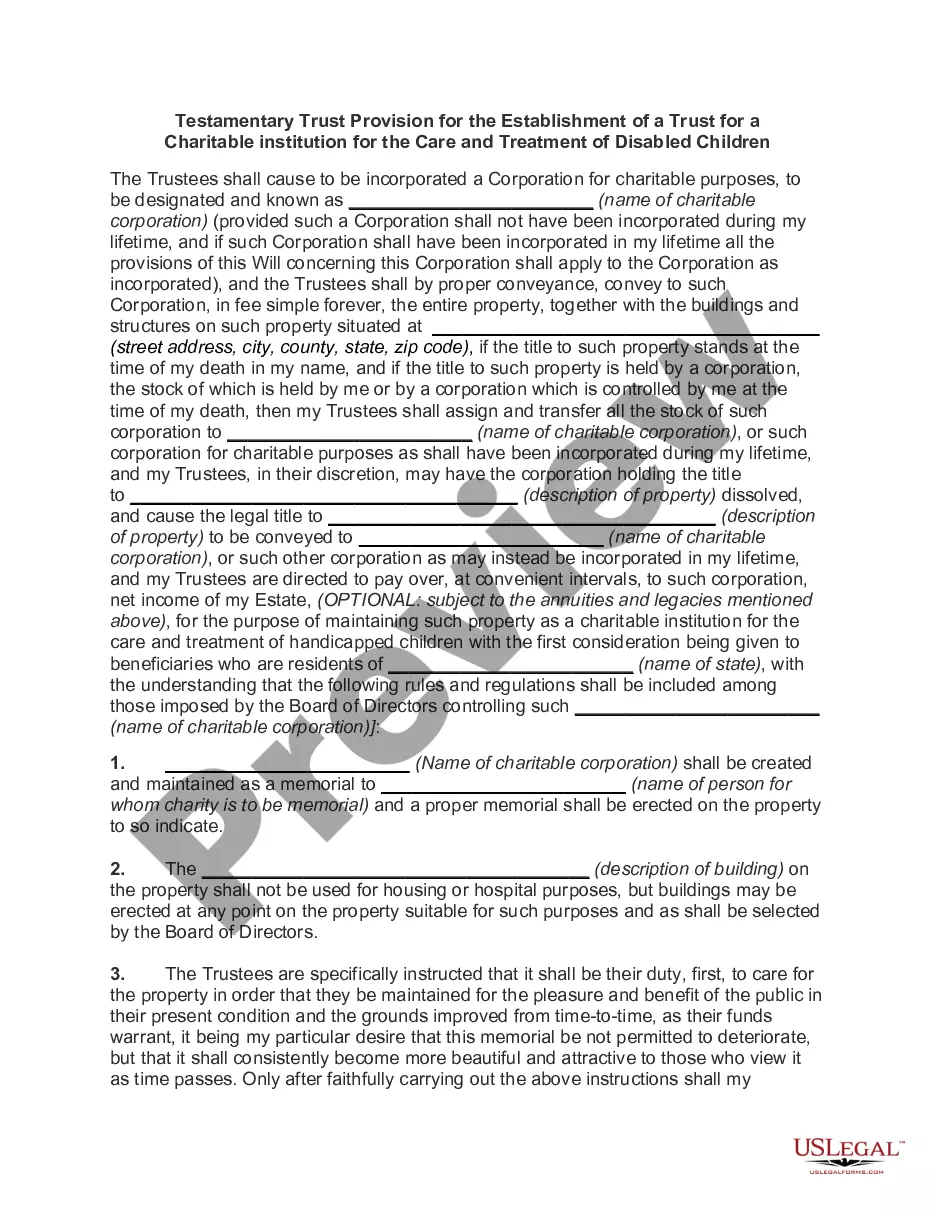

Get your form ready online
Our built-in tools help you complete, sign, share, and store your documents in one place.
Make edits, fill in missing information, and update formatting in US Legal Forms—just like you would in MS Word.
Download a copy, print it, send it by email, or mail it via USPS—whatever works best for your next step.
Sign and collect signatures with our SignNow integration. Send to multiple recipients, set reminders, and more. Go Premium to unlock E-Sign.
If this form requires notarization, complete it online through a secure video call—no need to meet a notary in person or wait for an appointment.
We protect your documents and personal data by following strict security and privacy standards.

Make edits, fill in missing information, and update formatting in US Legal Forms—just like you would in MS Word.

Download a copy, print it, send it by email, or mail it via USPS—whatever works best for your next step.

Sign and collect signatures with our SignNow integration. Send to multiple recipients, set reminders, and more. Go Premium to unlock E-Sign.

If this form requires notarization, complete it online through a secure video call—no need to meet a notary in person or wait for an appointment.

We protect your documents and personal data by following strict security and privacy standards.
Looking for another form?
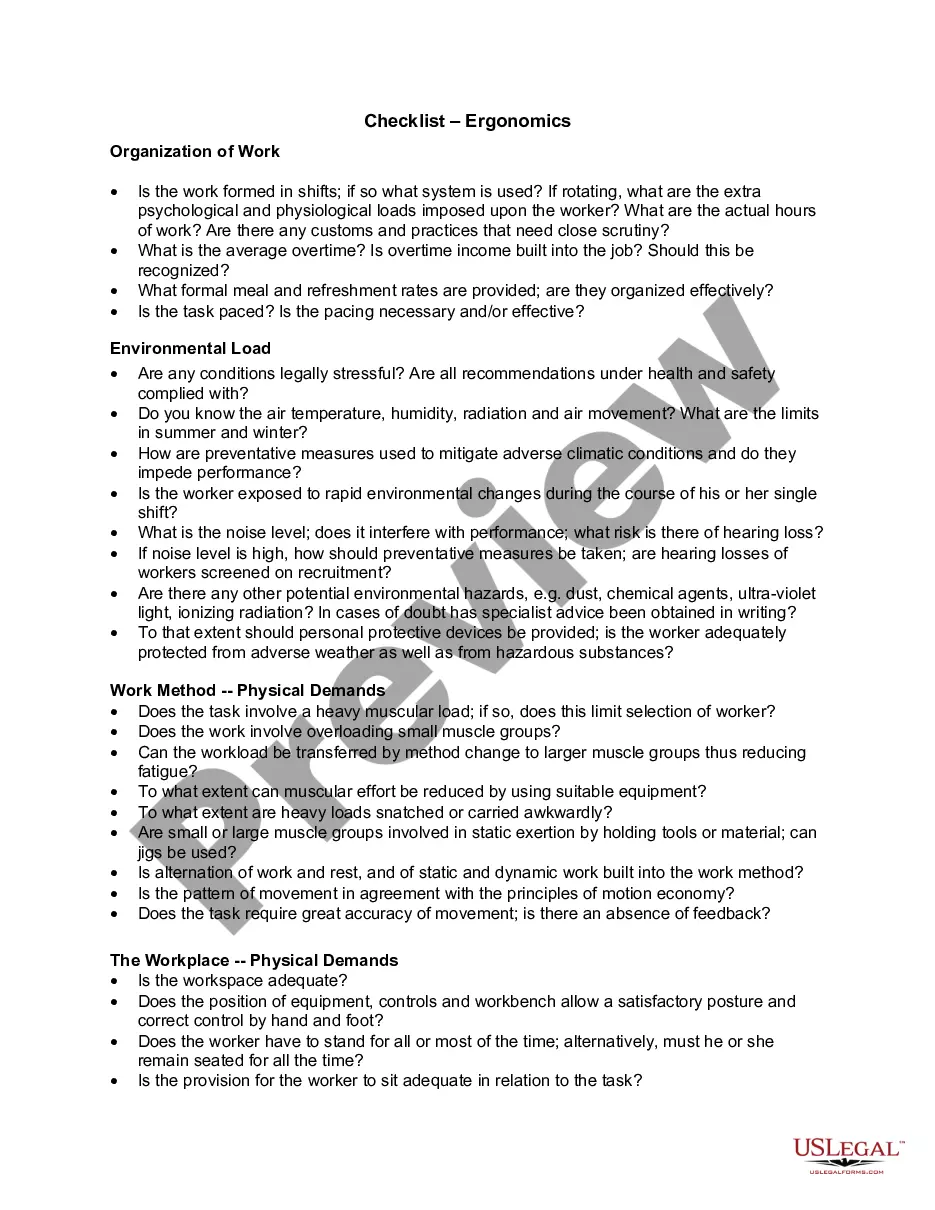






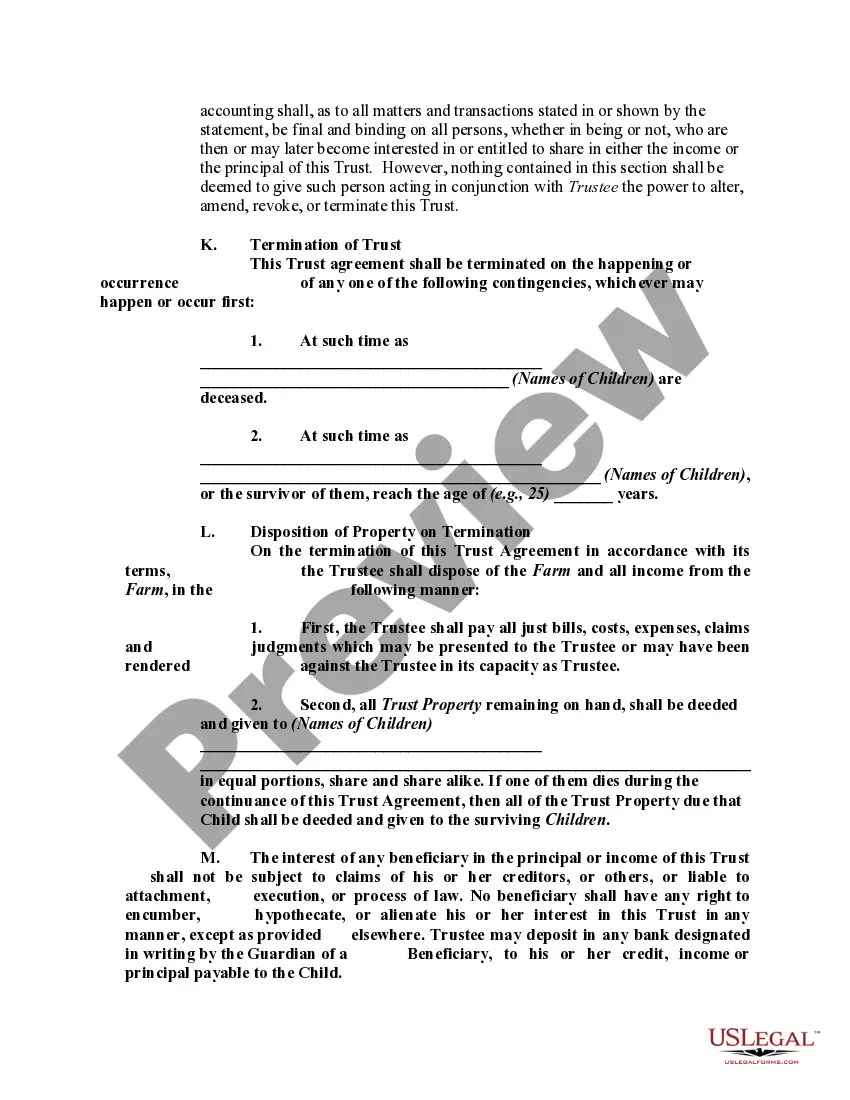
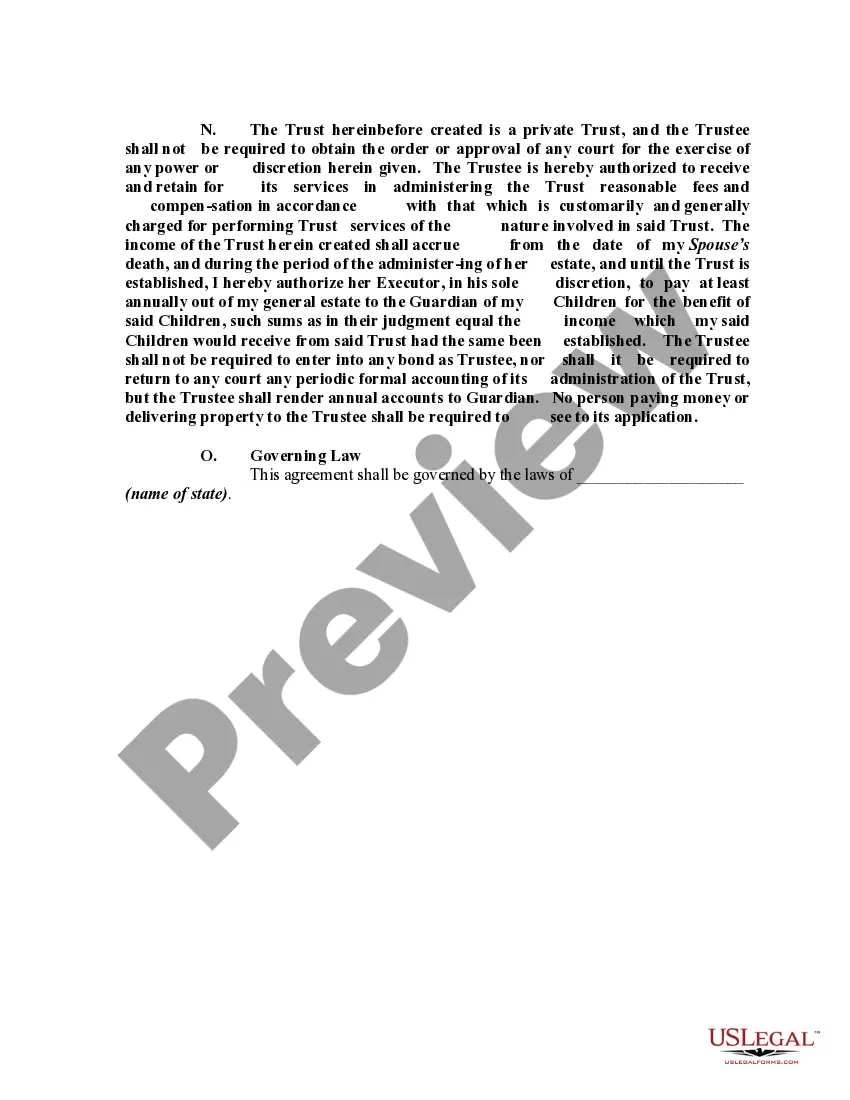
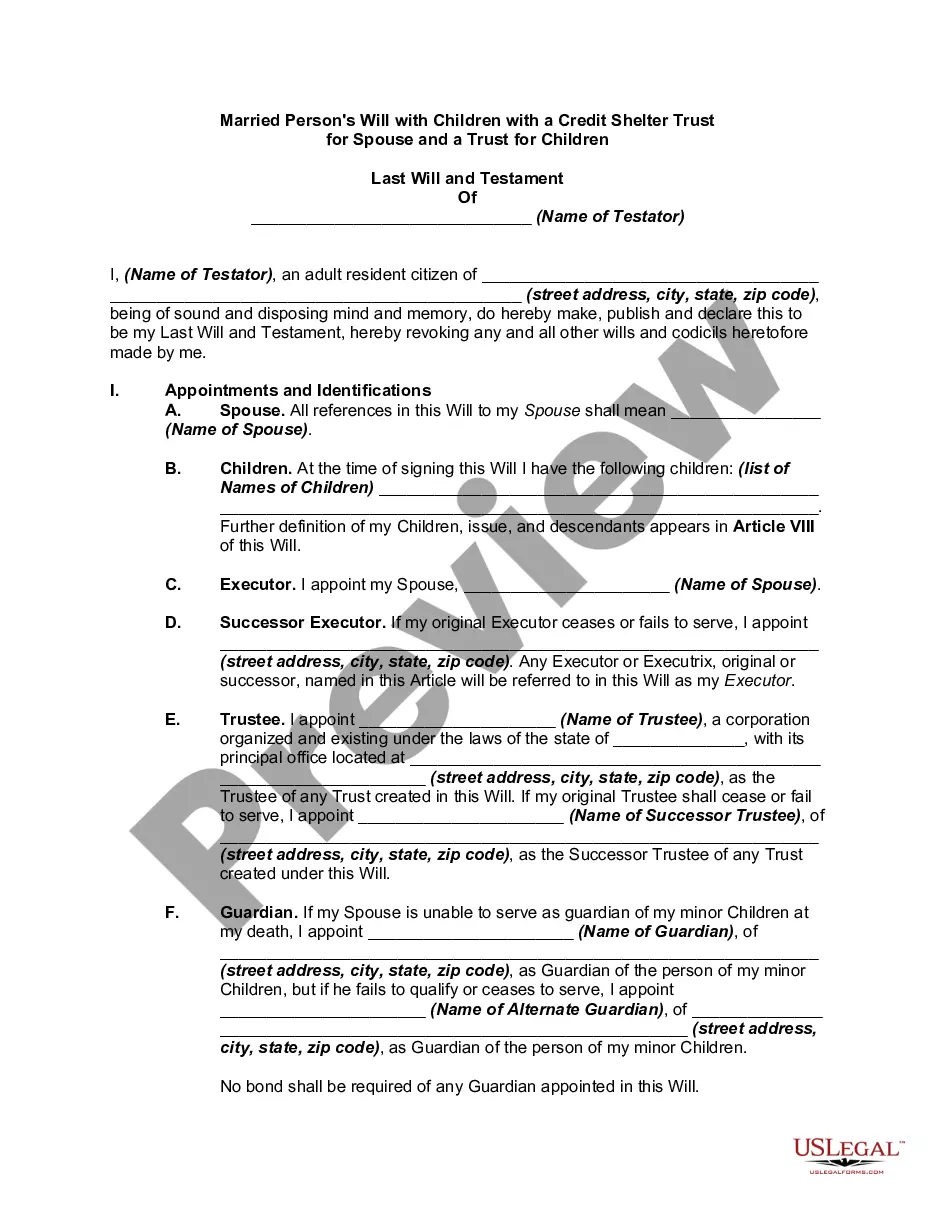
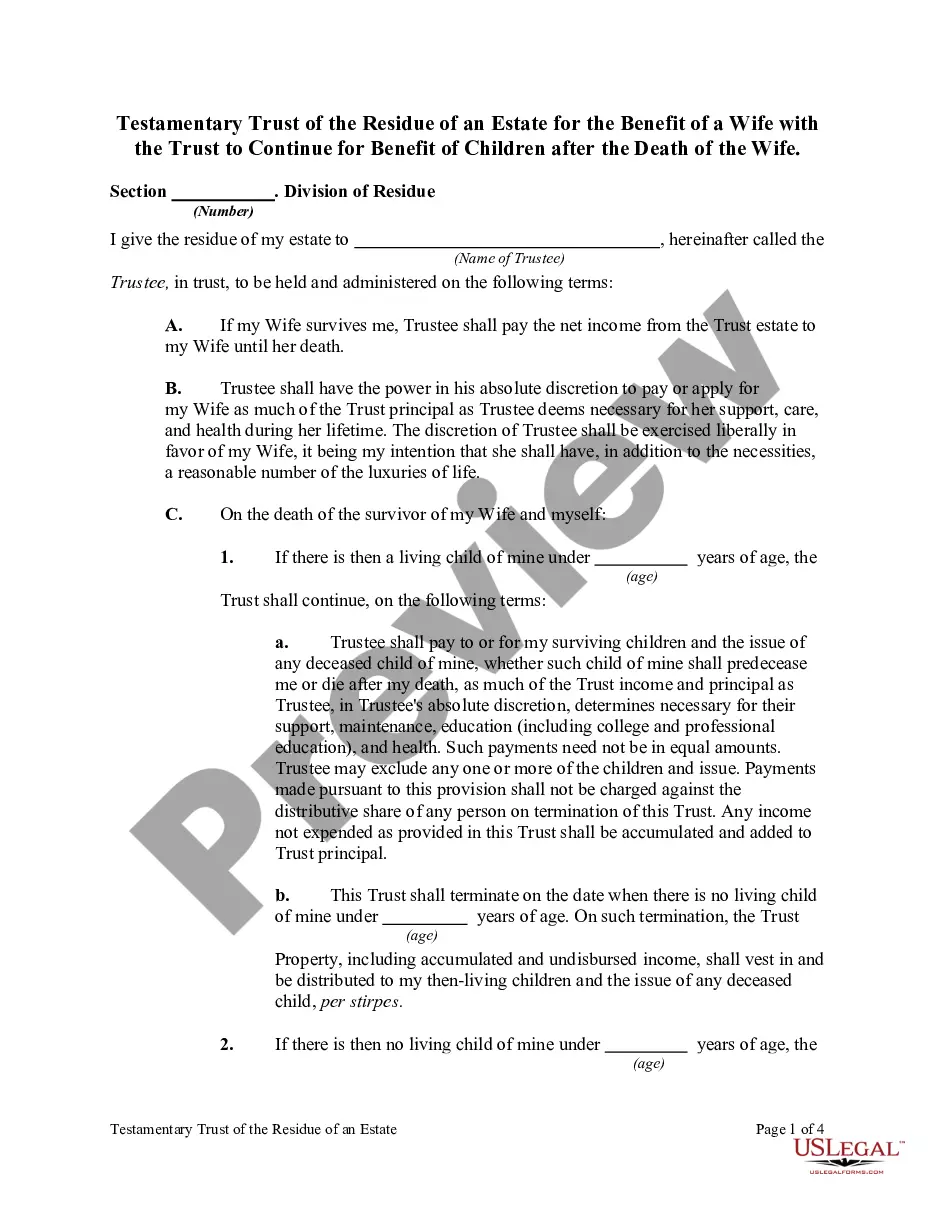
How to fill out Testamentary Trust Provision In Will With Spouse To Receive A Life Estate In Farm Land With Remainder Interest In Land To Pass To Trust For The Benefit Of Children?
- If you're an existing user, log into your US Legal Forms account and verify your subscription's validity before accessing the required forms.
- For first-time users, start by exploring the Preview mode and detailed descriptions of various templates to find the appropriate one for your jurisdiction.
- Use the Search tab if additional templates are needed; ensure the one you choose meets all legal criteria.
- Select the 'Buy Now' button to purchase your chosen document and pick a suitable subscription plan. A registered account is required for access.
- Complete your transaction by entering your payment method, either through credit card or PayPal.
- Finally, download the completed letters for testamentary document and find it later in the 'My Forms' section of your account.
Following these steps will make the process of acquiring letters for testamentary straightforward. US Legal Forms offers a vast collection of over 85,000 forms, ensuring you find exactly what you need with ease.
Start your journey today and get access to expert assistance for seamless document preparation!
Form popularity
FAQ
One disadvantage of a testamentary trust is that it does not take effect until the testator's death, meaning the assets remain in probate until the trust is established. Additionally, testamentary trusts typically incur more legal fees and administrative costs compared to living trusts. This delay can hinder timely access to funds for beneficiaries. Therefore, understanding these downsides is essential when considering Letters for testamentary.
The legal term for testamentary pertains to anything that relates to a will or the act of creating one. This includes documents, provisions, or any instructions outlined by a testator regarding the distribution of their estate. By understanding these terms, individuals can navigate legal matters concerning inheritance more effectively. Letters for testamentary play a vital role in validating these legal instructions.
If something is testamentary, it means it relates to a will or the distribution of assets after someone's death. This term typically describes documents or wishes expressed by the testator regarding their estate. Understanding testamentary concepts helps clarify the responsibilities for executors and beneficiaries. Specifically, Letters for testamentary facilitate the execution of these testamentary wishes.
The four elements of testamentary capacity include understanding the nature of one's assets, the ability to recognize the potential beneficiaries, comprehending the impact of creating a will, and having the mental ability to make decisions. These elements ensure that the person can express their wishes clearly and competently. When preparing Letters for testamentary, verifying testamentary capacity is crucial to avoid disputes later.
To receive a Letter of Testamentary, an executor must file a petition with the probate court. This process usually requires submitting the individual's will for validation and proving their identity. After the court reviews and approves the petition, it issues the official Letter of Testamentary. This document grants legal authority to manage the deceased's estate efficiently.
An example of testamentary involves a person's intentions expressed in a will. For instance, when someone outlines the distribution of their assets after passing, they create testamentary wishes. These wishes become active only after the person's death, highlighting the importance of clear communication. In this case, Letters for testamentary serve to confirm the executor's authority to carry out these wishes.
The primary difference lies in the presence of a will; letters of testamentary are issued when there is a will naming an executor, whereas letters of administration are for estates without a will, appointing an administrator. This distinction also affects the responsibilities and authority of each role in managing the estate. Knowing this difference is essential for effective estate planning.
Writing a letter of testamentary involves several key steps, beginning with gathering necessary information, like the deceased's will and details about the estate. Next, complete the petition for probate, requesting the court's appointment of the executor. You can use resources from uslegalforms to access templates and guidance for drafting a letter of testamentary that meets your state's requirements.
A letter of testamentary typically remains valid until the tasks of the executor are complete or the estate is settled. However, the duration may vary based on state laws and the complexity of the estate. It's crucial to stay updated with your local regulations to ensure compliance and effective estate management.
Obtaining letters of testamentary without a lawyer is possible, although it can be complex. First, you must file the necessary documents with the probate court in your jurisdiction, which may include the deceased's will and a petition for probate. You can find helpful resources and templates on platforms like uslegalforms, which can guide you through this process efficiently.