Petition Civil Procedure With Orders
Description
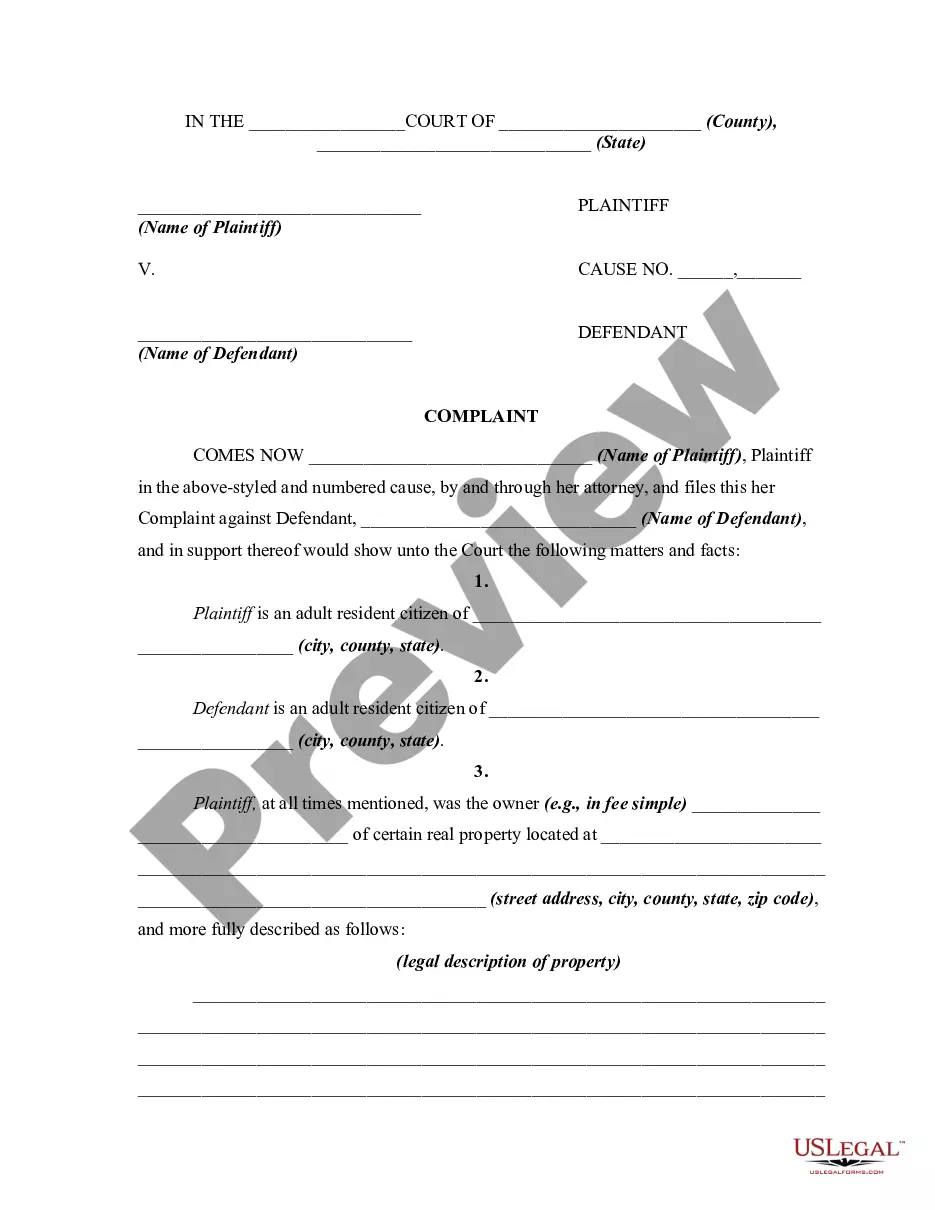
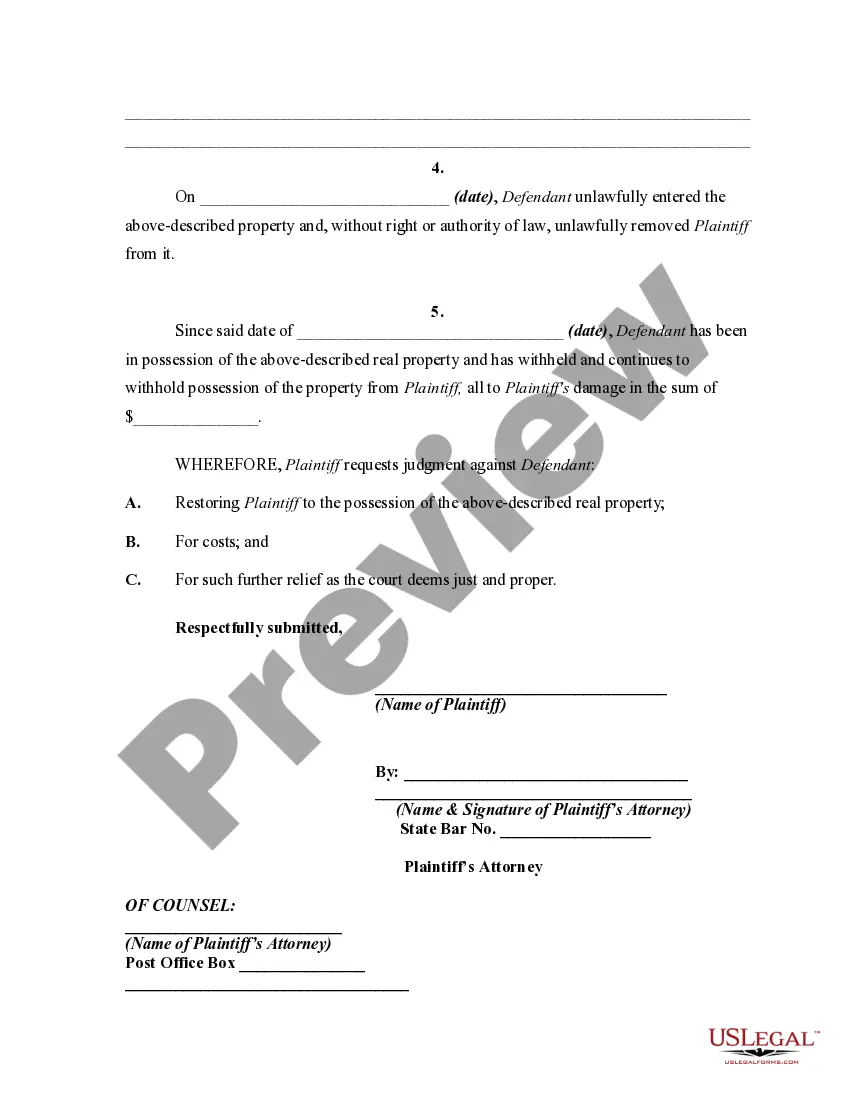
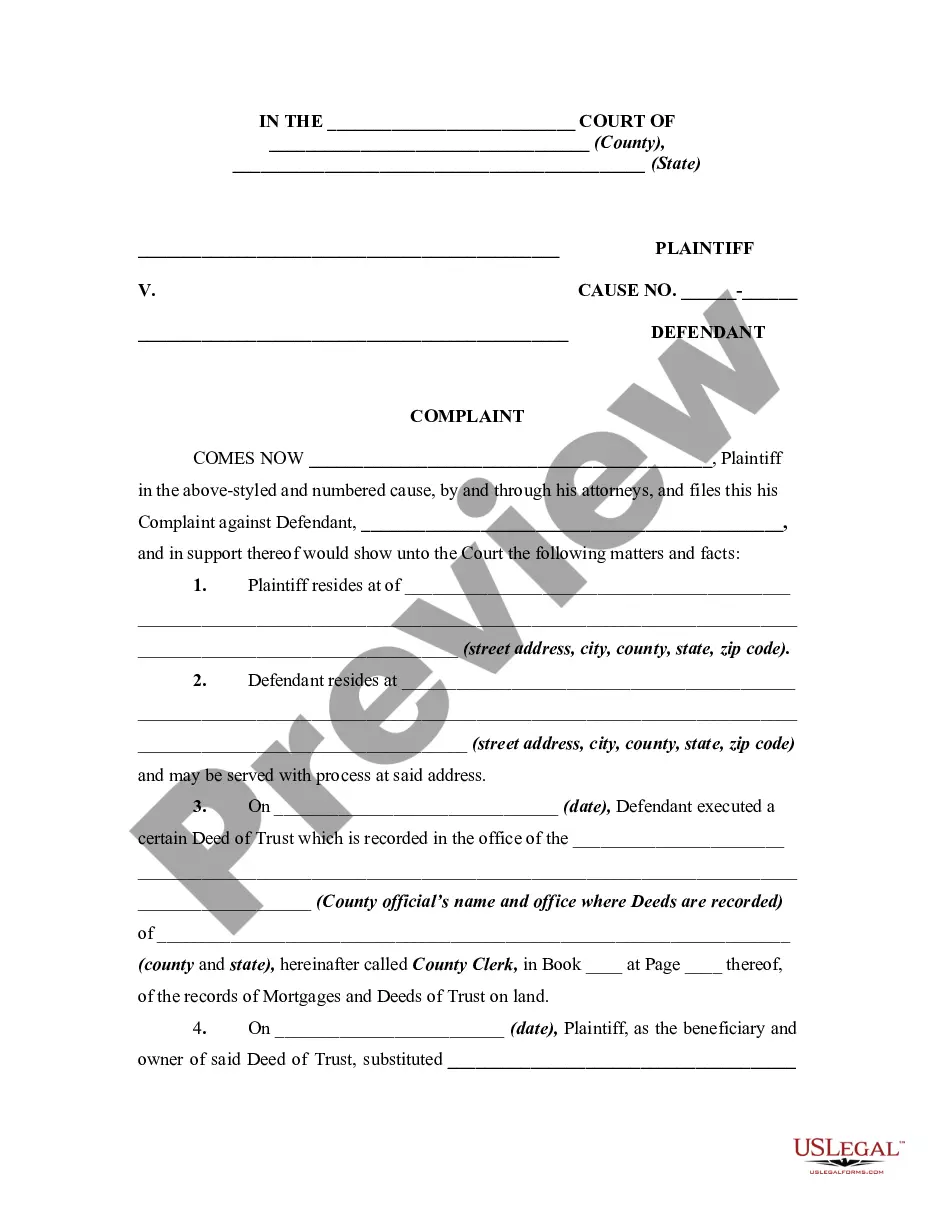
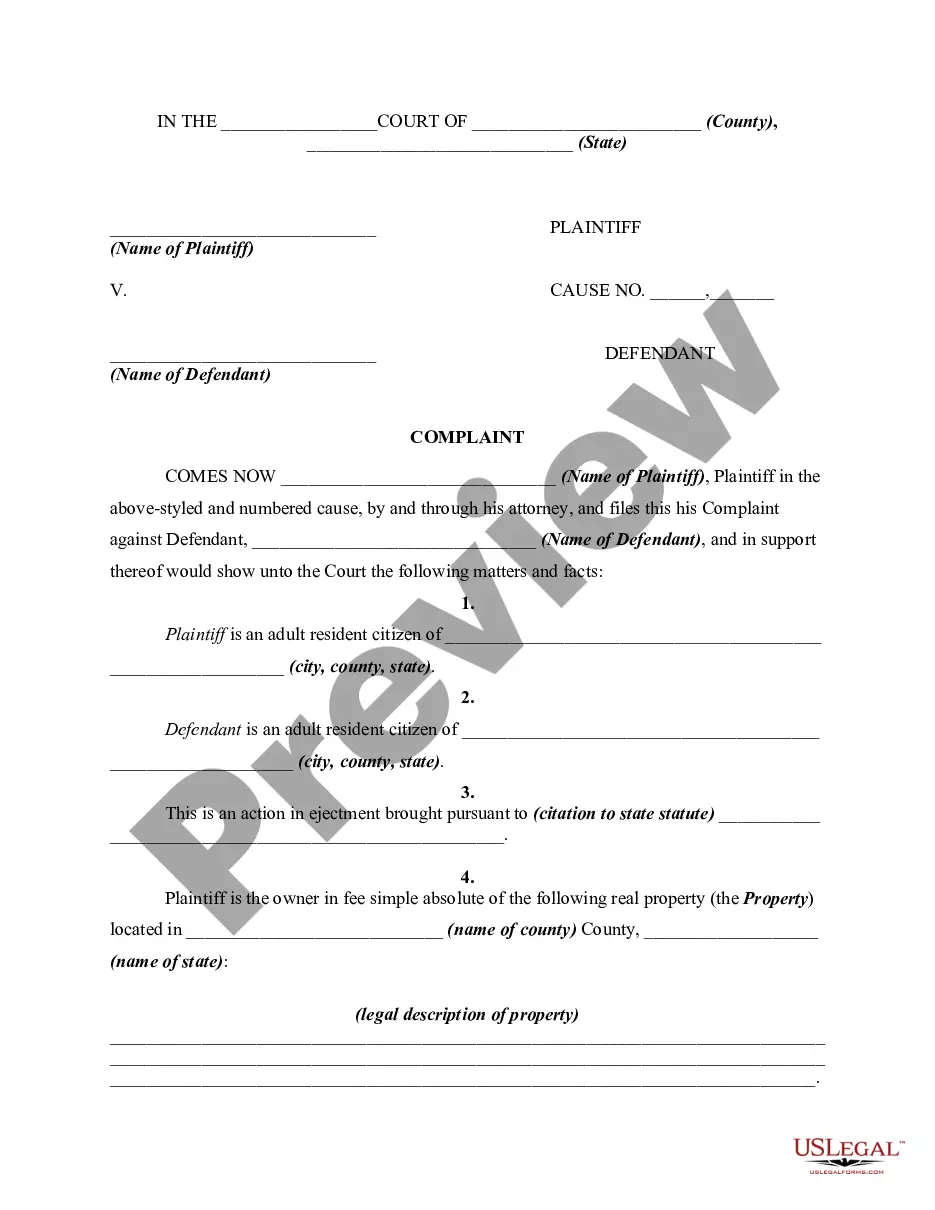
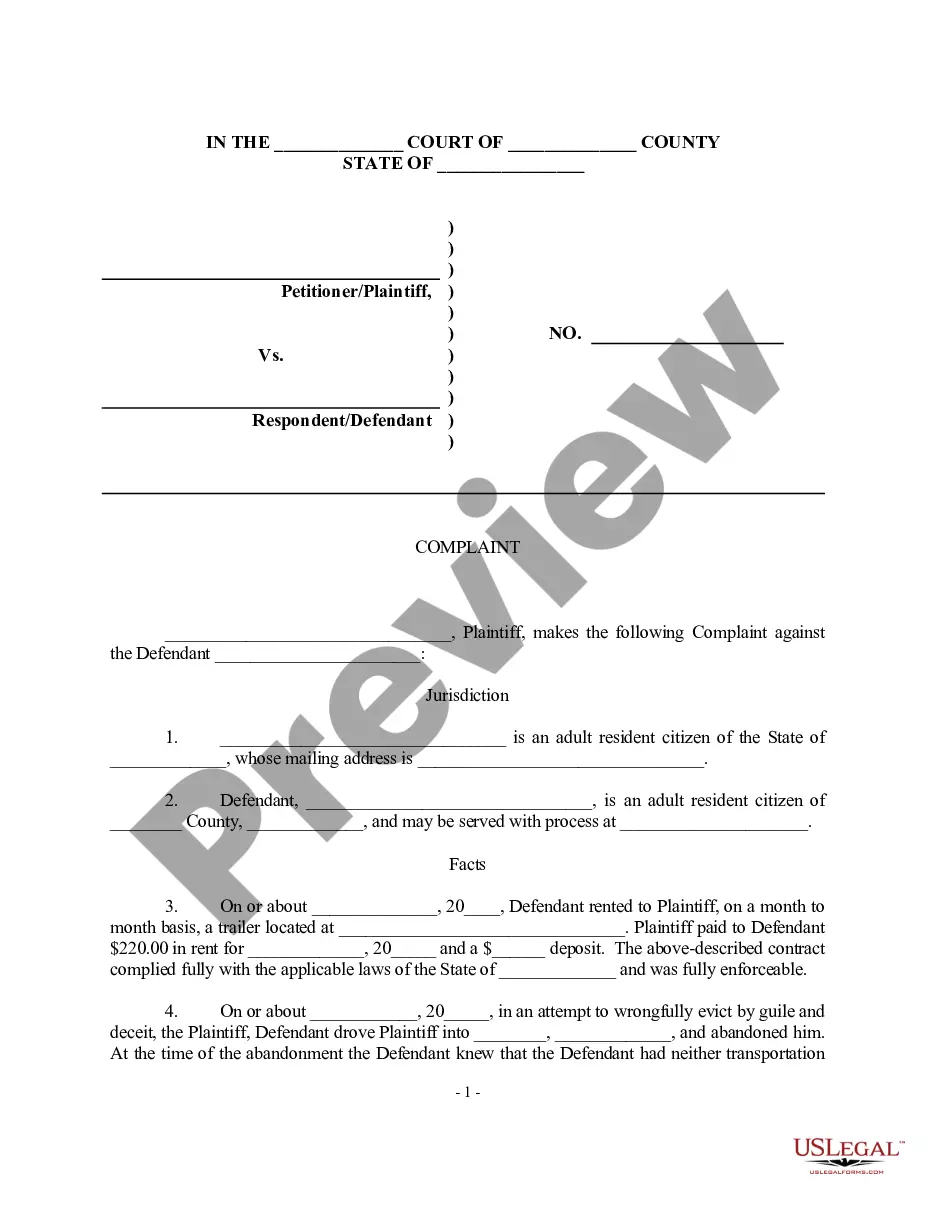
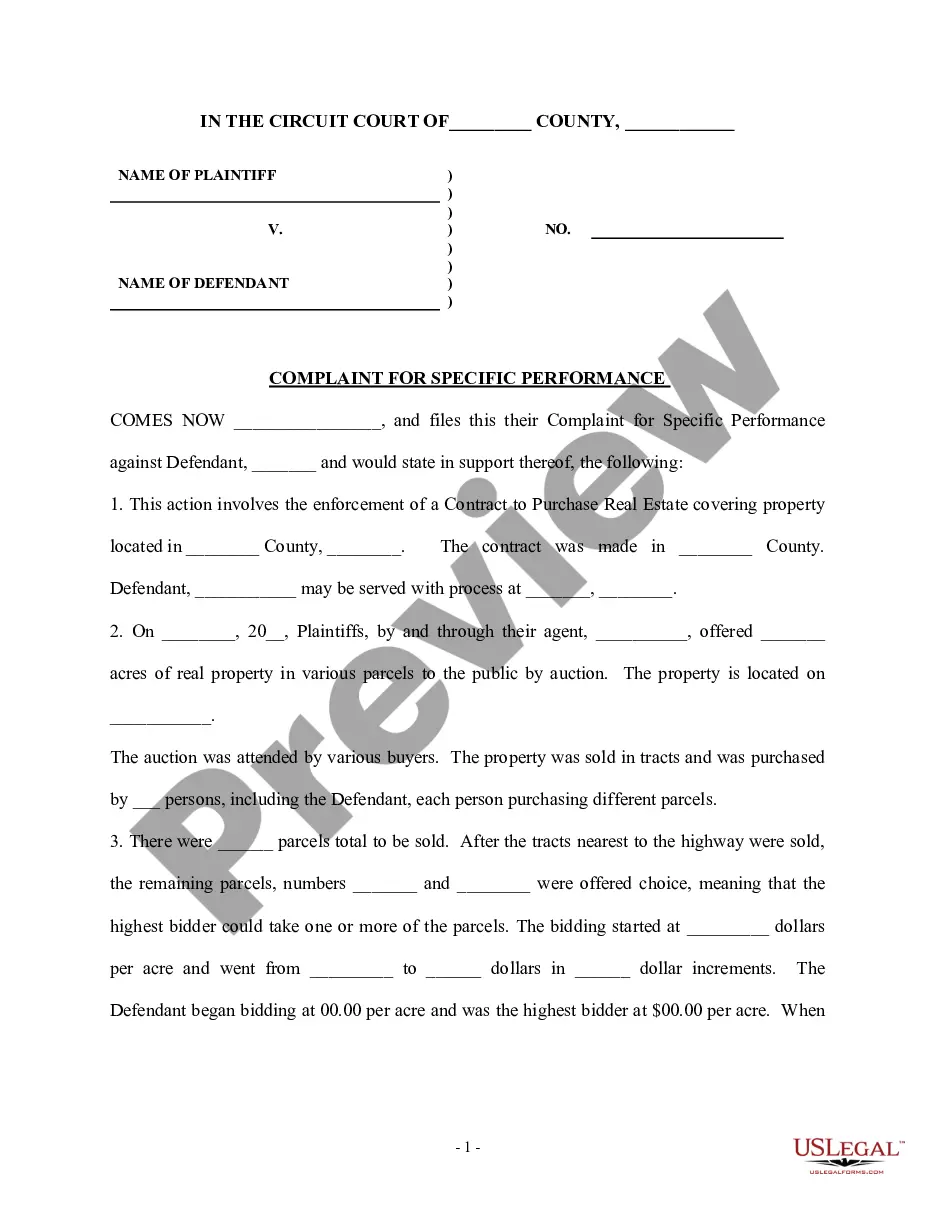
Get your form ready online
Our built-in tools help you complete, sign, share, and store your documents in one place.
Make edits, fill in missing information, and update formatting in US Legal Forms—just like you would in MS Word.
Download a copy, print it, send it by email, or mail it via USPS—whatever works best for your next step.
Sign and collect signatures with our SignNow integration. Send to multiple recipients, set reminders, and more. Go Premium to unlock E-Sign.
If this form requires notarization, complete it online through a secure video call—no need to meet a notary in person or wait for an appointment.
We protect your documents and personal data by following strict security and privacy standards.

Make edits, fill in missing information, and update formatting in US Legal Forms—just like you would in MS Word.

Download a copy, print it, send it by email, or mail it via USPS—whatever works best for your next step.

Sign and collect signatures with our SignNow integration. Send to multiple recipients, set reminders, and more. Go Premium to unlock E-Sign.

If this form requires notarization, complete it online through a secure video call—no need to meet a notary in person or wait for an appointment.

We protect your documents and personal data by following strict security and privacy standards.
Looking for another form?




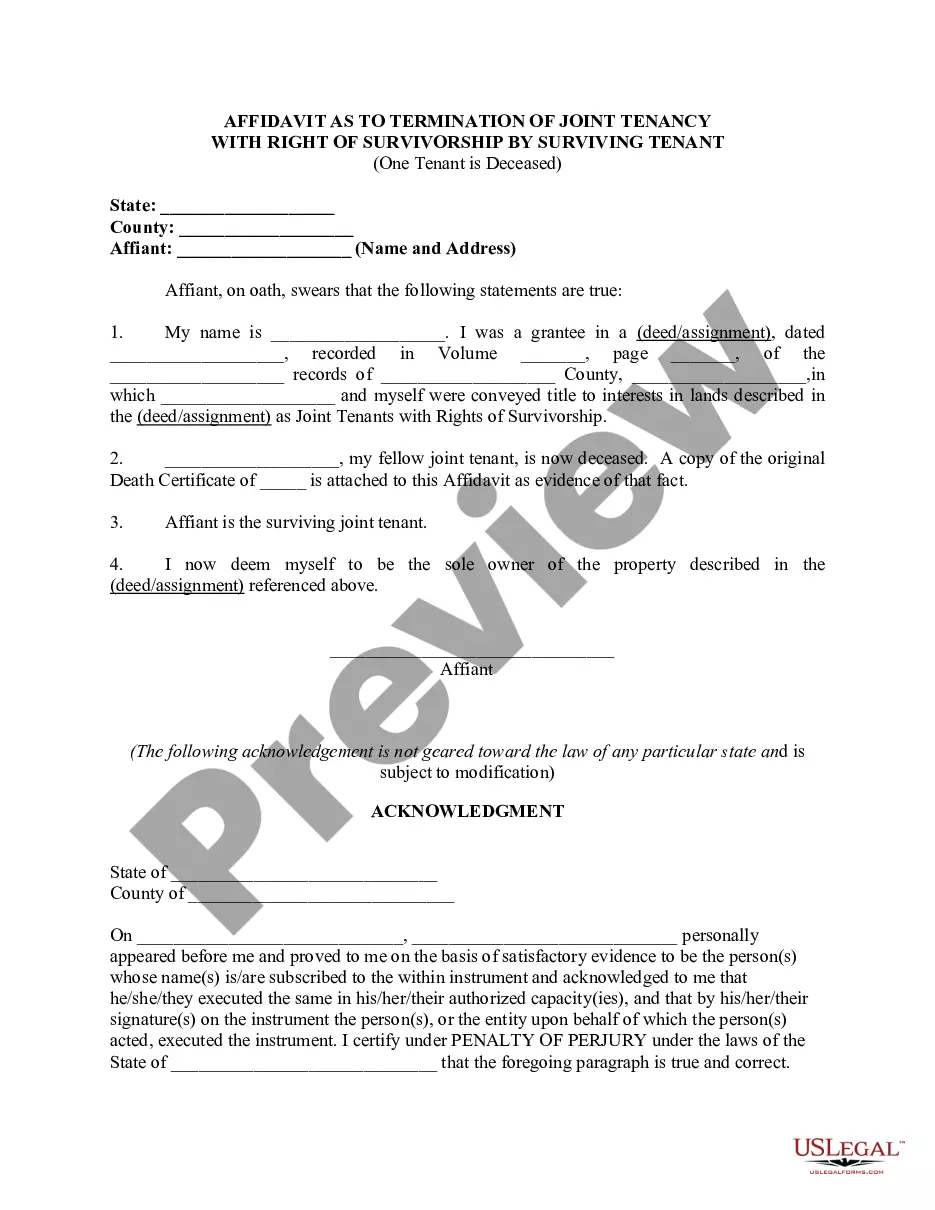




How to fill out General Form Of Complaint, Petition, Or Declaration For Ejectment?
Obtaining legal templates that comply with federal and state laws is essential, and the internet provides numerous choices to select from.
However, why spend time looking for the suitable Petition Civil Procedure With Orders example online when the US Legal Forms digital library already compiles such templates in one location.
US Legal Forms is the premier online legal repository featuring over 85,000 editable templates created by lawyers for various professional and personal situations.
Review the template using the Preview feature or through the text outline to ensure it fulfills your needs. Search for another sample using the search bar at the top of the page if necessary. Click Buy Now when you’ve found the right form and select a subscription plan. Create an account or Log In and complete your payment via PayPal or credit card. Choose the format for your Petition Civil Procedure With Orders and download it. All documents you access through US Legal Forms are reusable. To re-download and fill out previously acquired forms, visit the My documents section in your account. Experience the most comprehensive and user-friendly legal document service!
- They are easy to navigate with all documents categorized by state and intended use.
- Our experts keep up with legislative changes, ensuring your documentation is current and compliant when obtaining a Petition Civil Procedure With Orders from our site.
- Acquiring a Petition Civil Procedure With Orders is quick and straightforward for both existing and new users.
- If you already possess an account with an active subscription, Log In and save the document template you need in the appropriate format.
- If you're new to our site, follow the steps below.
Form popularity
FAQ
To sue someone in Massachusetts, you have to file a complaint with the clerk of the court. A complaint is not a specific form. It is a document that contains a short statement of the facts showing your claim and why you are entitled to relief and a demand for judgment granting that relief.
In a civil lawsuit, the burden of proof rests on the plaintiff or the person filing the suit. The plaintiff should prove that the allegations are true and that the defendant, or the other party, caused damages. When it comes to establishing a civil case, the plaintiff must usually do so by a preponderance of evidence.
To begin a civil lawsuit in federal court, the plaintiff files a complaint with the court and ?serves? a copy of the complaint on the defendant.
(b) Paragraphs; Separate Statements. A party must state its claims or defenses in numbered paragraphs, each limited as far as practicable to a single set of circumstances. A later pleading may refer by number to a paragraph in an earlier pleading.