Revocable Trust With Incapacity Clause
Description
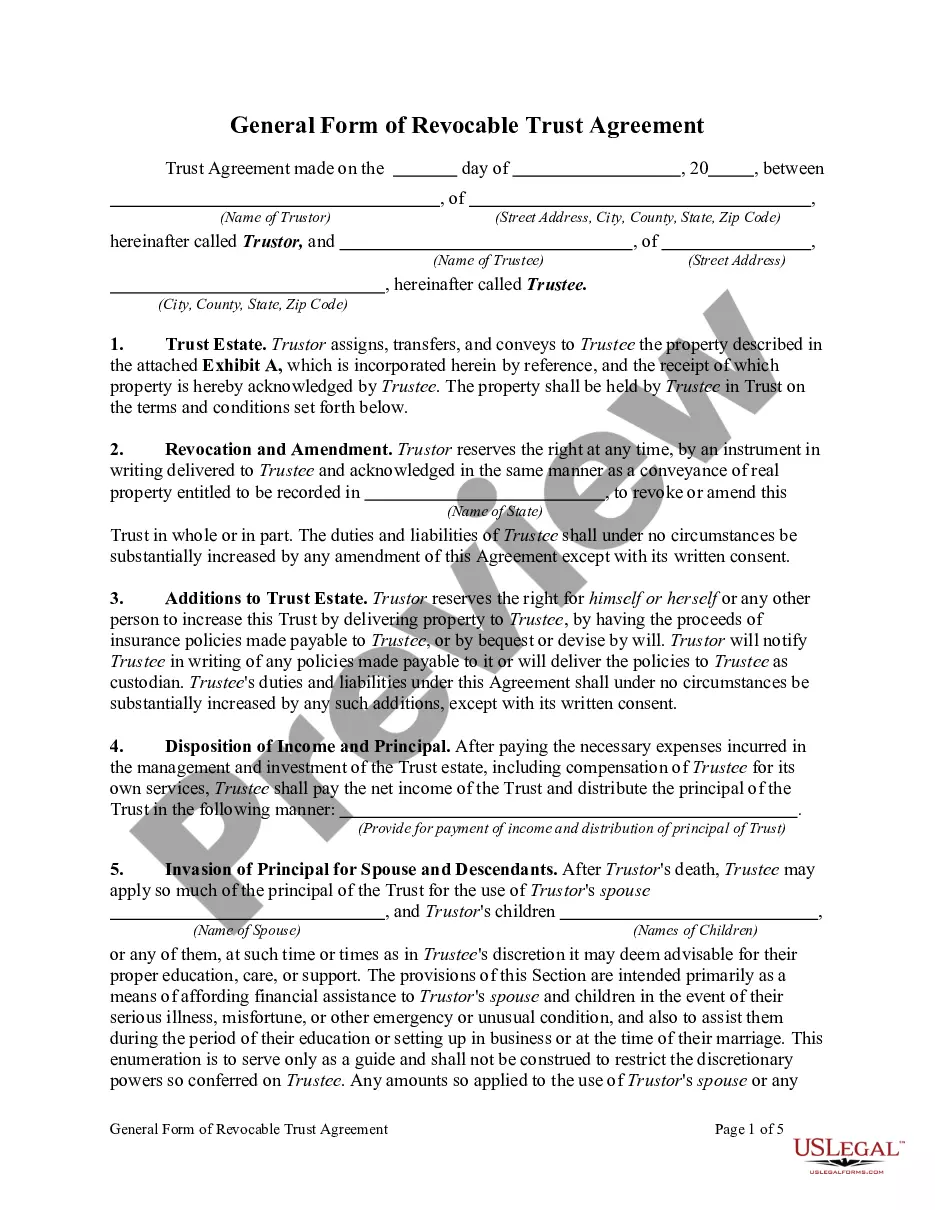
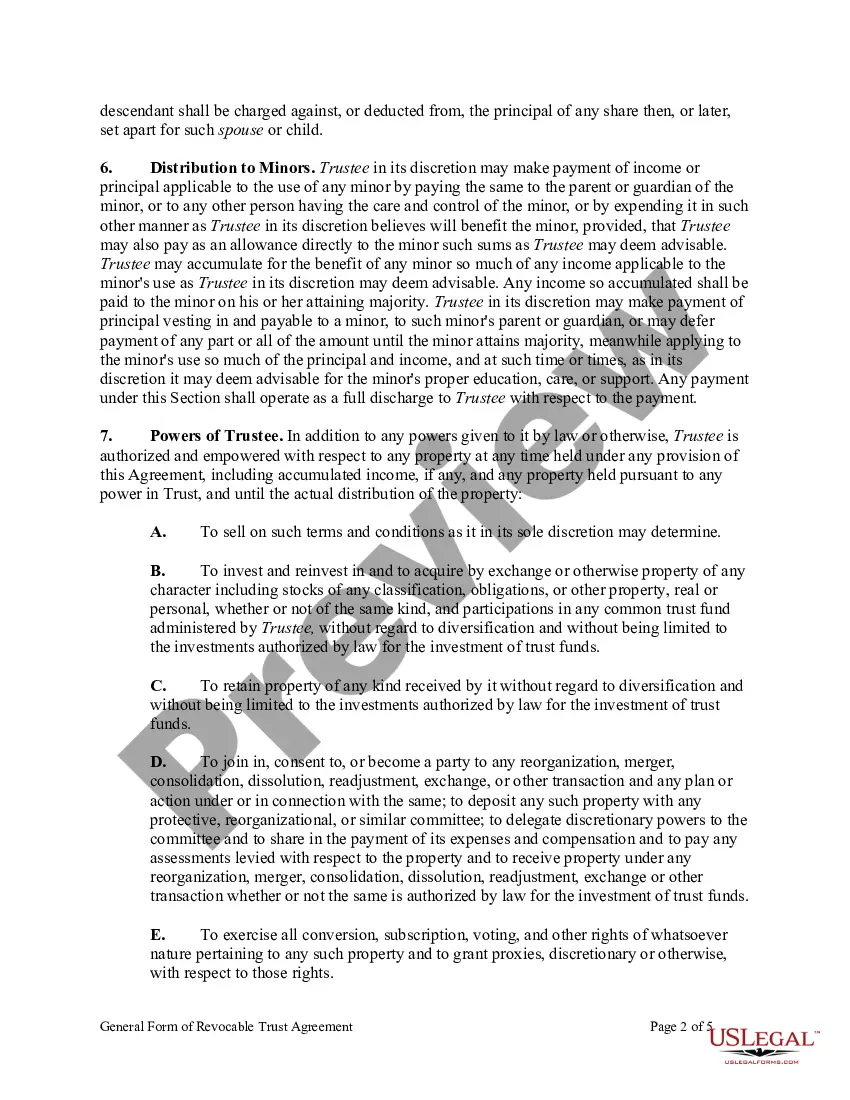
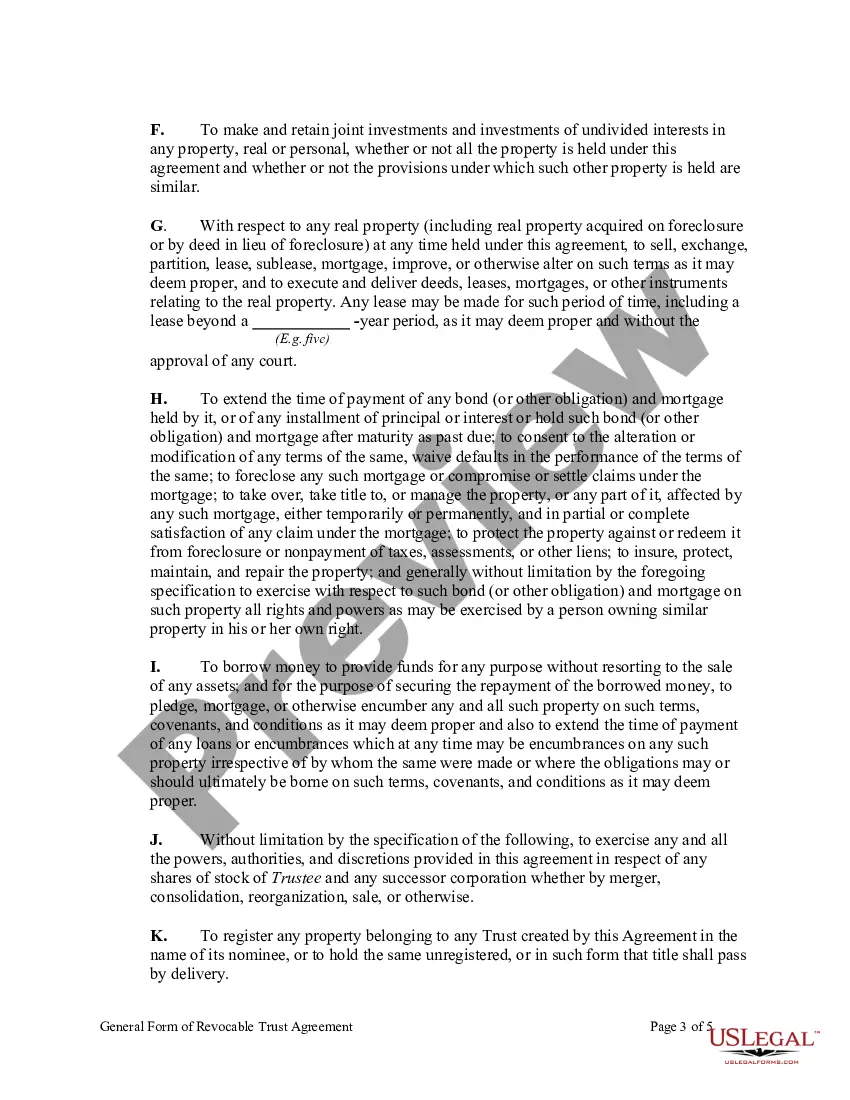
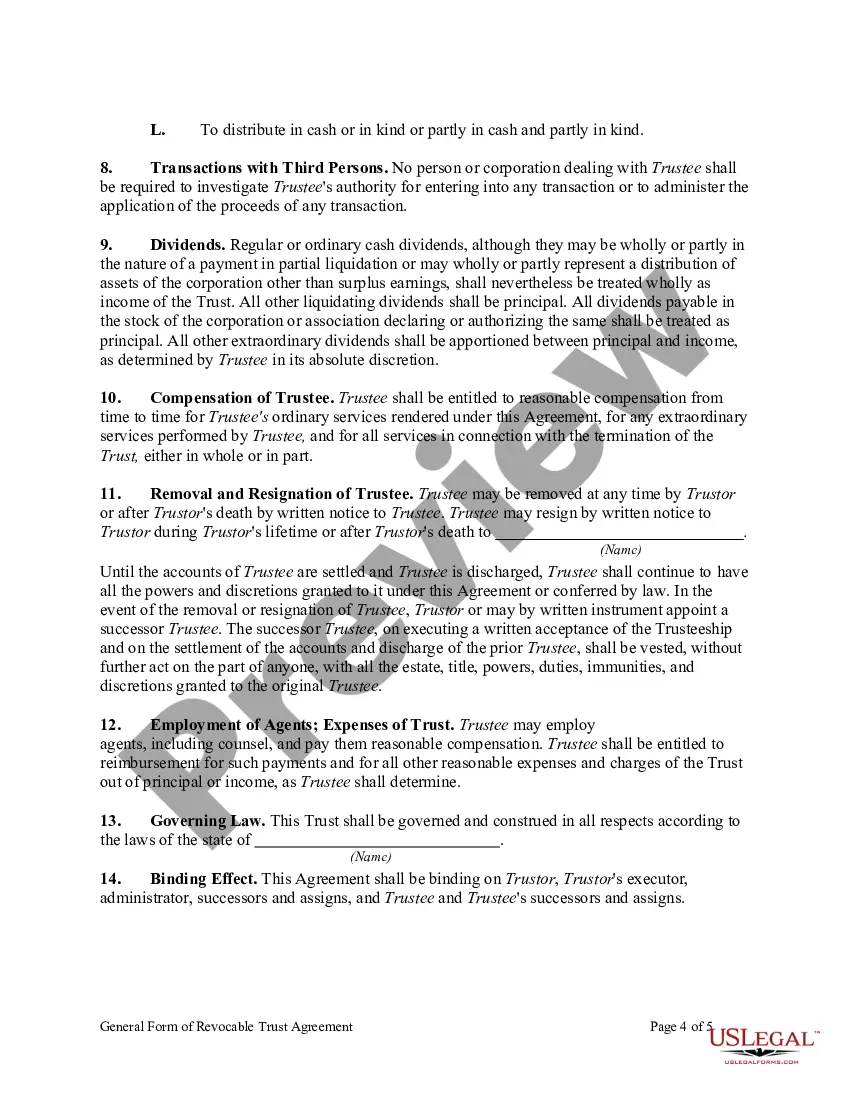
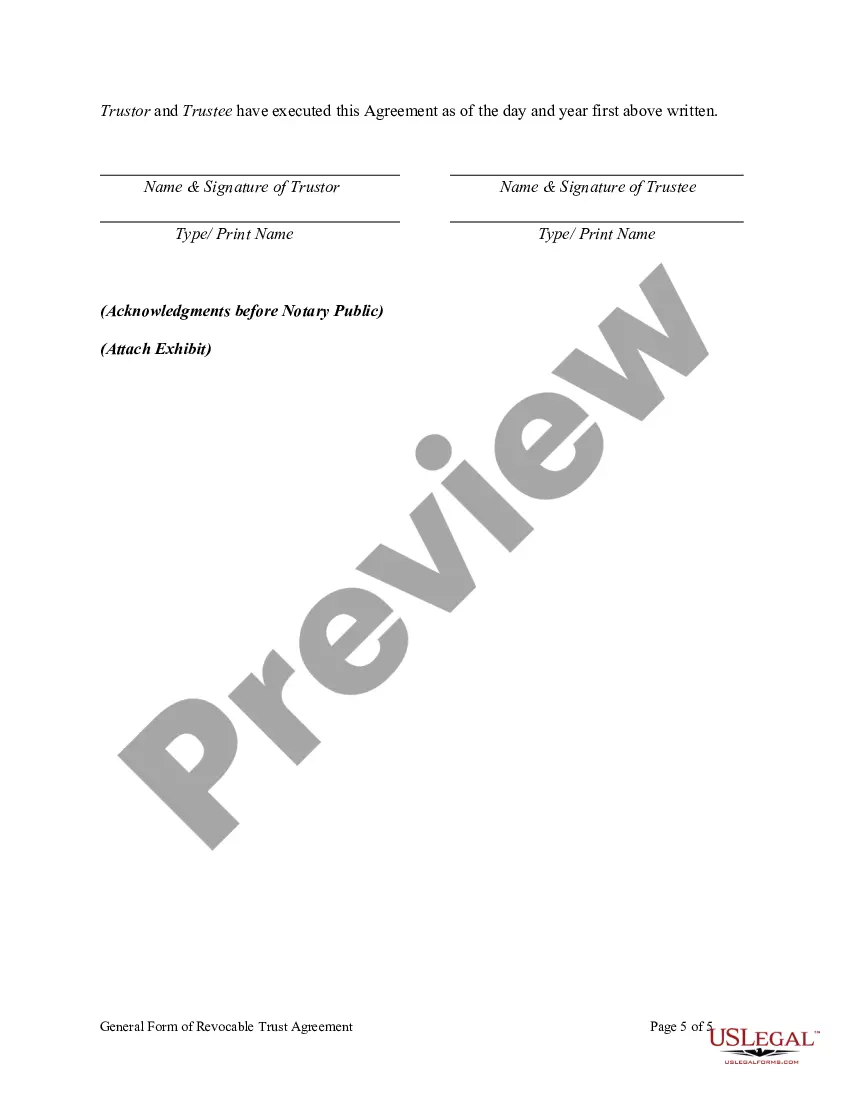
Get your form ready online
Our built-in tools help you complete, sign, share, and store your documents in one place.
Make edits, fill in missing information, and update formatting in US Legal Forms—just like you would in MS Word.
Download a copy, print it, send it by email, or mail it via USPS—whatever works best for your next step.
Sign and collect signatures with our SignNow integration. Send to multiple recipients, set reminders, and more. Go Premium to unlock E-Sign.
If this form requires notarization, complete it online through a secure video call—no need to meet a notary in person or wait for an appointment.
We protect your documents and personal data by following strict security and privacy standards.

Make edits, fill in missing information, and update formatting in US Legal Forms—just like you would in MS Word.

Download a copy, print it, send it by email, or mail it via USPS—whatever works best for your next step.

Sign and collect signatures with our SignNow integration. Send to multiple recipients, set reminders, and more. Go Premium to unlock E-Sign.

If this form requires notarization, complete it online through a secure video call—no need to meet a notary in person or wait for an appointment.

We protect your documents and personal data by following strict security and privacy standards.
Looking for another form?






How to fill out Revocable Trust For Asset Protection?
- Start by logging into your US Legal Forms account. If you're a new user, register for an account to gain access to the resources.
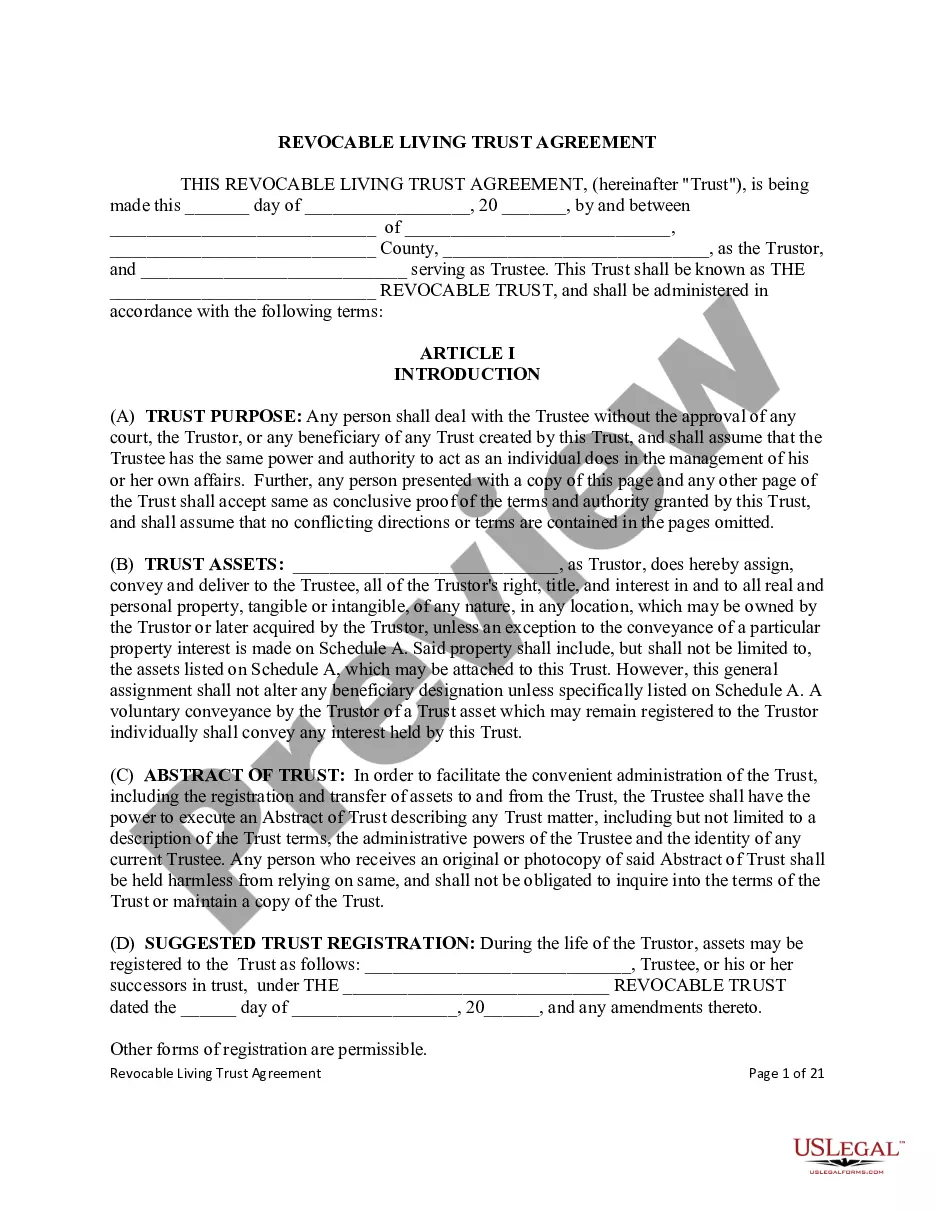
- Search for the revocable trust with incapacity clause template. Browse the extensive library to ensure it meets your specific legal requirements.
- Review the form in Preview mode to confirm it aligns with your jurisdiction's regulations and your personal needs.
- Select the subscription plan that suits you best. Proceed to the payment section to purchase the document.
- Complete your purchase using a credit card or PayPal, ensuring secure payment and instant access.
- Download the completed form to your device. You can always access it later from the My Forms section of your profile.
By following these straightforward steps, you can create a legally sound revocable trust with an incapacity clause, ultimately protecting your interests and providing peace of mind.
Start your journey towards securing your future with US Legal Forms today—explore their extensive library and empower yourself with the legal documents you need!
Form popularity
FAQ
To take over, a successor trustee follows the guidelines laid out in the revocable trust with incapacity clause. First, they must verify the primary trustee’s condition, which may involve obtaining medical documentation. After confirming incapacity, the successor trustee gains authority to manage trust assets. This legal structure safeguards the interests of all parties involved, ensuring accountability and continuity.
A successor trustee takes over when the primary trustee is incapacitated based on the instructions in the revocable trust with incapacity clause. The successor typically needs to provide proof of the trustee's incapacity, often through a medical declaration. Once this is established, the successor can assume control of the trust assets securely. This process helps in ensuring that the trust continues to operate smoothly during difficult times.
If a trustee becomes incapacitated, the provisions within a revocable trust with incapacity clause guide the transition of responsibilities. The successor trustee will step in to manage the trust assets and fulfill the trustee’s duties. This legal framework prevents delays and ensures that your wishes are honored. It protects your beneficiaries and maintains the trust's integrity.
When a trustee has dementia, managing the revocable trust with incapacity clause may become challenging. The trust can outline steps for determining the trustee's capacity. In many cases, it is advisable to consult with a legal professional to assess the situation. This ensures that the trust functions smoothly and meets your family's needs.
Yes, a revocable trust typically becomes irrevocable when the grantor is declared legally incapacitated. This change ensures that the assets are managed according to the trust's terms, without the risk of the grantor making decisions that could jeopardize the trust's purposes. Establishing a revocable trust with incapacity clause helps safeguard your interests and provides clarity in managing your estate during periods of incapacity.
An incapacity clause in a trust is a provision that outlines what happens to your assets if you become unable to manage them due to disability or mental incapacity. Essentially, this clause enables a designated successor trustee to take over management without the need for court intervention. By incorporating a revocable trust with incapacity clause, you ensure seamless asset management and protection, even when you are unable to make decisions.
Planning for incapacitation is essential to ensure your wishes are respected when you cannot make decisions. A revocable trust with incapacity clause provides a clear framework for managing your assets and care. This legal tool allows you to designate a trusted individual to oversee your affairs, ensuring your needs are met according to your preferences. By using US Legal Forms, you can conveniently create this trust, taking a significant step towards securing your future.
Incapacity within the context of a trust refers to the inability of the grantor to manage the trust due to health issues. This could be a result of mental illness, injury, or other impairments. A well-drafted revocable trust with incapacity clause ensures that your instructions are followed even if you cannot oversee them personally.
Generally, a nursing home cannot take assets held in a revocable trust as long as the grantor is alive and capable. However, it is important to structure the trust with an incapacity clause to protect these assets should you need long-term care. Proper planning is key to safeguarding your assets in the event of a health crisis.
One significant mistake many parents make is failing to consider the potential for incapacity when setting up a trust fund. Parents often focus solely on asset distribution but overlook who will manage the trust if they cannot. Incorporating a revocable trust with incapacity clause can prevent confusion and ensure that your assets are handled according to your wishes.