Revocable Trust For Real Estate
Description
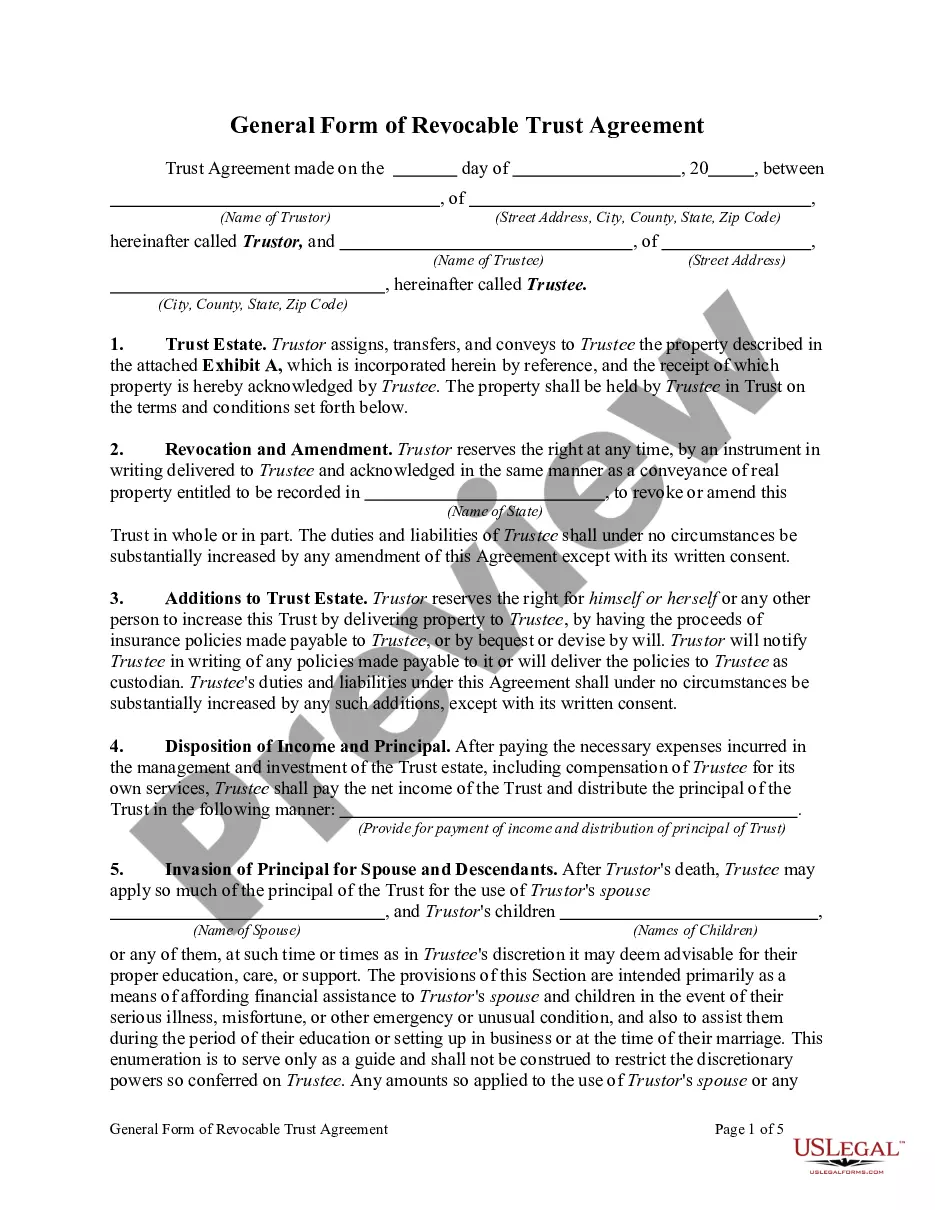
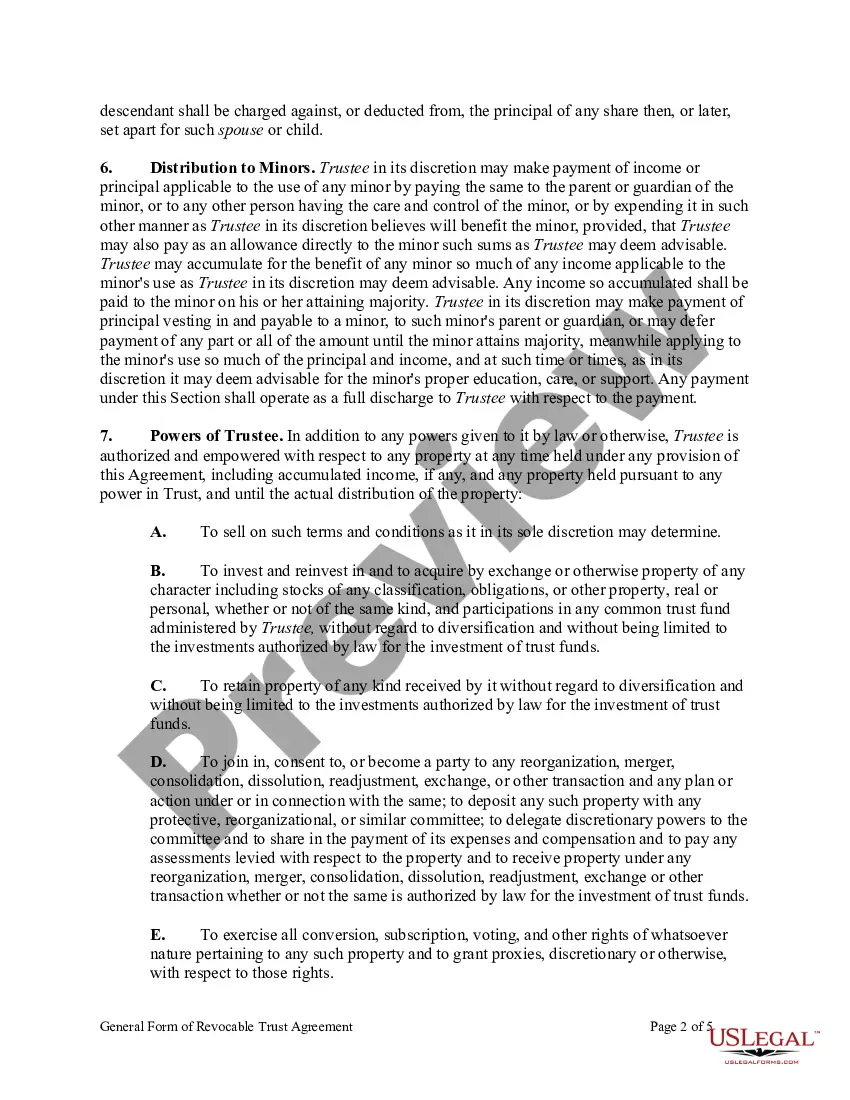
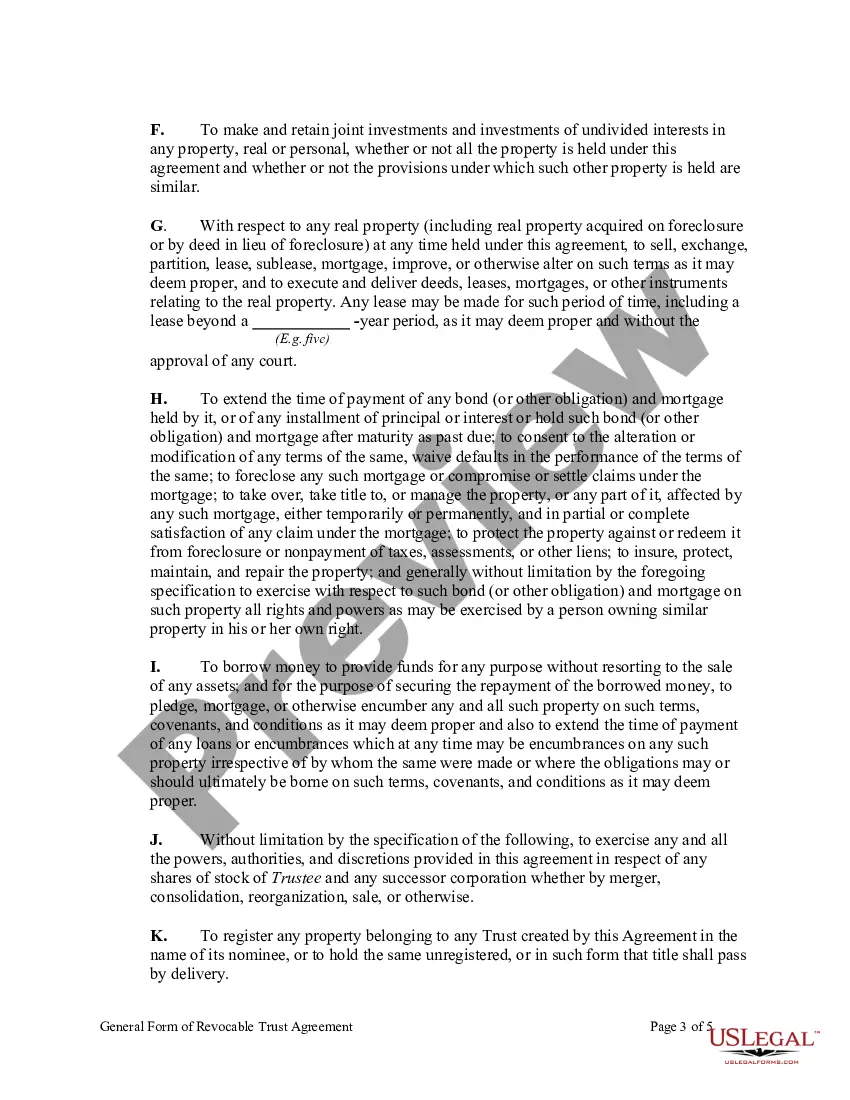
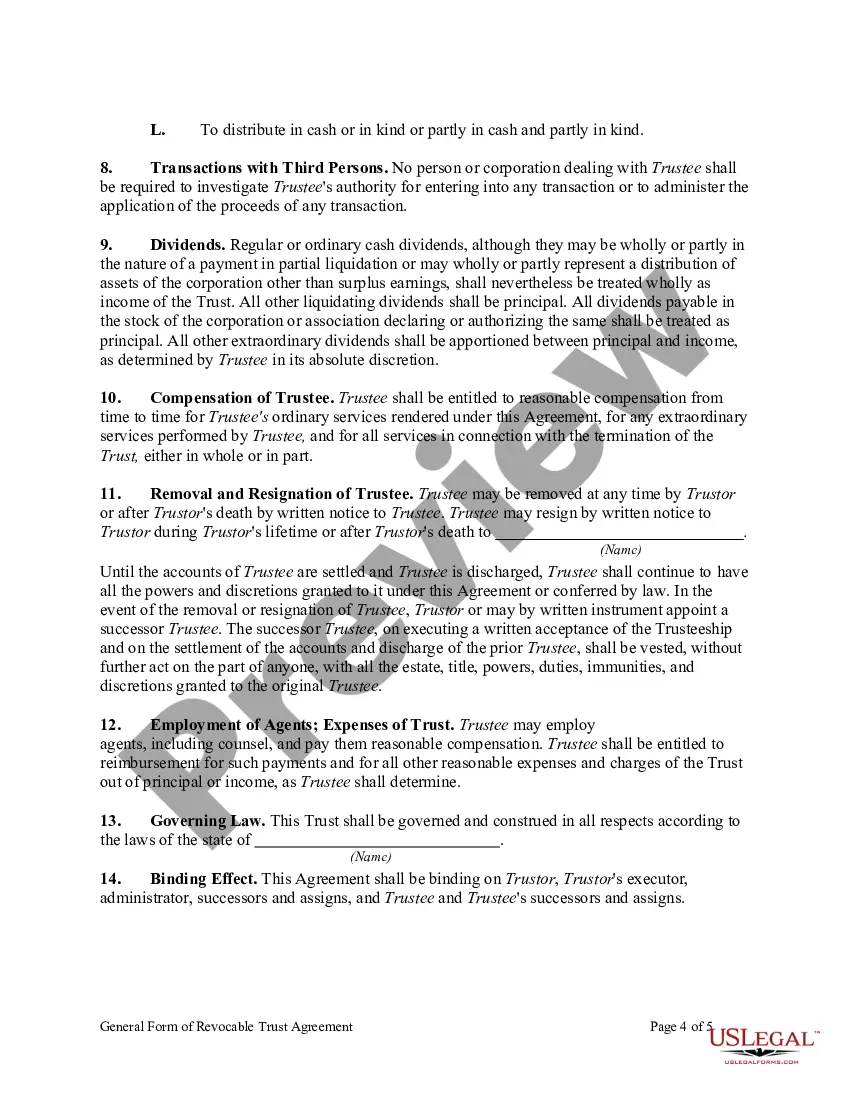
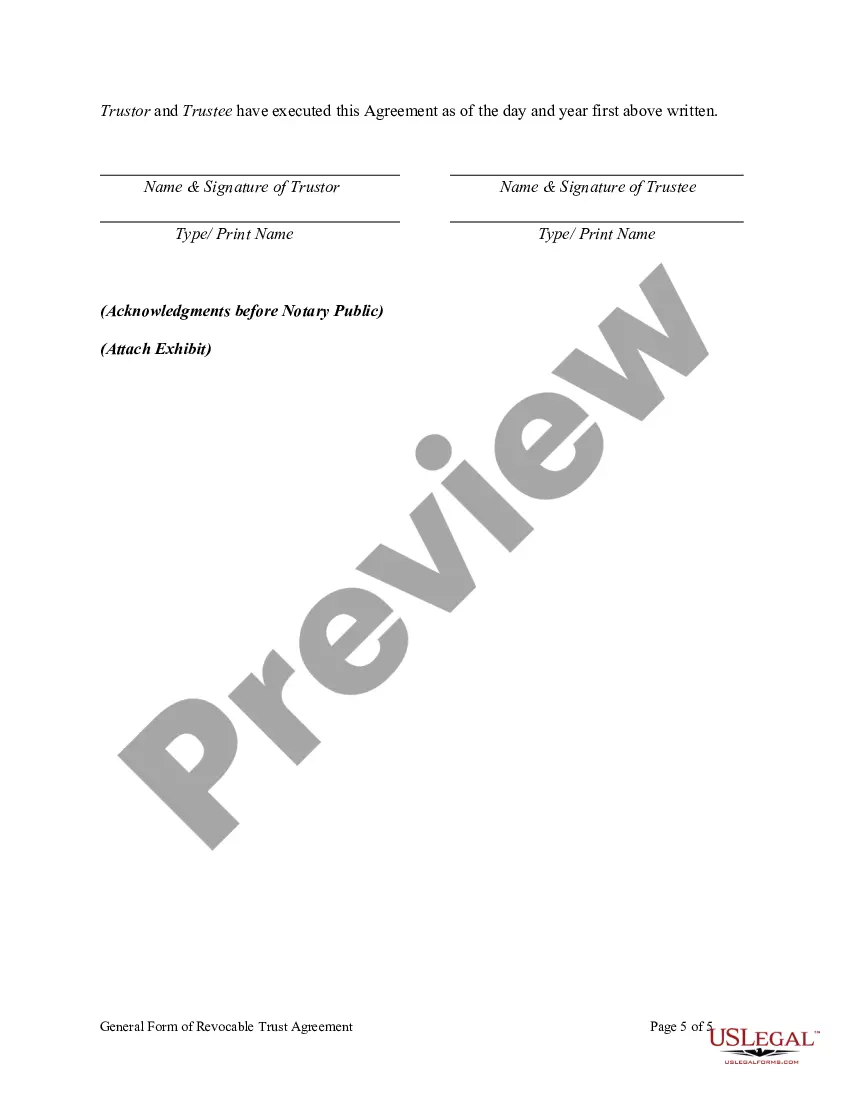
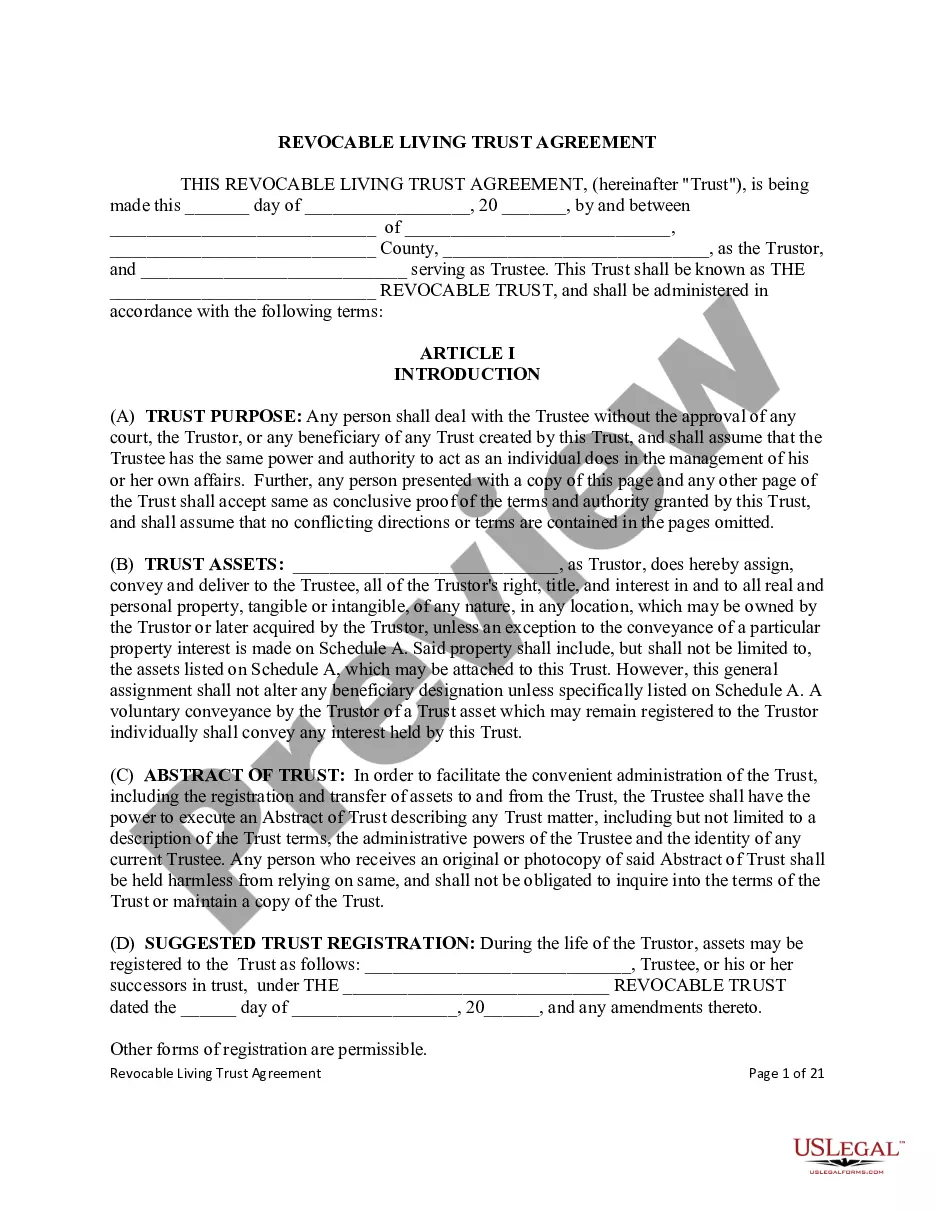
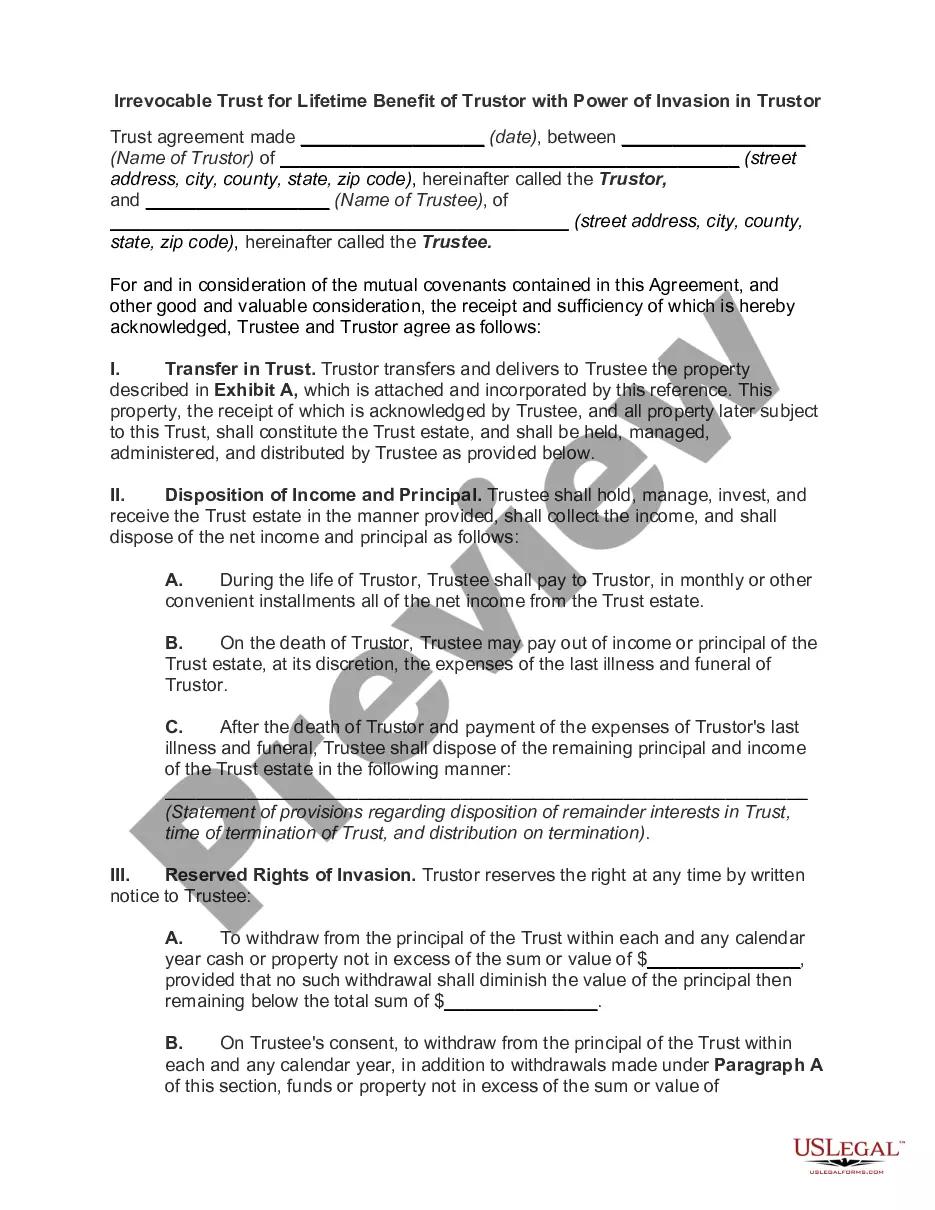
Get your form ready online
Our built-in tools help you complete, sign, share, and store your documents in one place.
Make edits, fill in missing information, and update formatting in US Legal Forms—just like you would in MS Word.
Download a copy, print it, send it by email, or mail it via USPS—whatever works best for your next step.
Sign and collect signatures with our SignNow integration. Send to multiple recipients, set reminders, and more. Go Premium to unlock E-Sign.
If this form requires notarization, complete it online through a secure video call—no need to meet a notary in person or wait for an appointment.
We protect your documents and personal data by following strict security and privacy standards.

Make edits, fill in missing information, and update formatting in US Legal Forms—just like you would in MS Word.

Download a copy, print it, send it by email, or mail it via USPS—whatever works best for your next step.

Sign and collect signatures with our SignNow integration. Send to multiple recipients, set reminders, and more. Go Premium to unlock E-Sign.

If this form requires notarization, complete it online through a secure video call—no need to meet a notary in person or wait for an appointment.

We protect your documents and personal data by following strict security and privacy standards.
Looking for another form?




How to fill out Revocable Trust For Asset Protection?
- Login to your account on US Legal Forms if you're a returning user. Ensure your subscription is active, or renew it if needed.
- For first-time users, start by exploring the Preview mode and the form description. Confirm that the template fulfills your specific legal requirements.
- If the chosen template doesn’t meet your criteria, utilize the Search feature to find a suitable alternative.
- Proceed by clicking the Buy Now button and select your desired subscription plan. Create an account for access to the extensive library.
- Complete your payment using a credit card or PayPal to finalize your subscription.
- Download the form directly to your device and keep it handy for completion. You can find it anytime in the My Forms section of your account.
Following these straightforward steps will enable you to effectively acquire the necessary documentation for your revocable trust. With US Legal Forms, you have access to a vast library of over 85,000 legal documents, empowering you to manage your affairs with confidence.
Don't hesitate to take control of your property management today. Visit US Legal Forms to start your journey!
Form popularity
FAQ
Putting a house in a revocable trust can simplify the transfer of property after your passing. It allows you to maintain control over your real estate while providing clear instructions for its management and distribution. Additionally, a revocable trust for real estate can help avoid the probate process, which often saves time and reduces legal fees. Overall, it is a practical option for ensuring your assets are managed according to your wishes.
Wealthy individuals often place their homes in a revocable trust for real estate to simplify estate management and protect their assets. This strategy allows for the seamless transfer of ownership upon death and helps avoid the lengthy probate process. Moreover, using a trust can enhance privacy and ensure that their real estate is managed according to their wishes in the event of incapacity.
Deciding whether to gift a house or place it in a revocable trust for real estate depends on numerous factors, such as tax implications and future control over the property. Gifting a house can lead to immediate transfer of ownership but might also have tax repercussions for both parties. On the other hand, a trust can provide long-term management benefits while still allowing for control over the asset.
The disadvantages of placing property in a revocable trust for real estate include the potential costs involved and the complicated nature of transferring titles to the trust. Additionally, while revocable trusts allow for flexible management, they do not provide the same tax advantages as other estate-planning tools might. Understanding these factors is essential when making decisions about your assets.
Holding property in a revocable trust for real estate has several benefits, such as avoiding probate and facilitating easier management of assets during illness or death. However, one of the cons is that property in a trust may not receive the same tax benefits as directly owned property. It's vital to weigh these pros and cons carefully to make an informed decision.
One of the biggest mistakes parents make when establishing a revocable trust for real estate is failing to adequately fund the trust. This means not transferring assets into the trust, which can lead to confusion or delays in estate management. It is crucial to understand that simply creating a trust document is not enough; parents must ensure that their properties and other assets are properly titled to the trust.
The best type of trust for real estate often depends on your needs. A revocable trust is commonly recommended for its flexibility and ease of use. If you desire to protect your assets from creditors or potential estate taxes, consider an irrevocable trust, but weigh the long-term implications before making a decision.
Certain assets should remain outside a revocable trust for real estate. For instance, personal property items, such as jewelry and collectibles, do not benefit from being in a trust. Similarly, life insurance policies and certain retirement accounts are typically better managed outside the trust for tax and beneficiary reasons.
A revocable trust for real estate offers numerous advantages, such as avoiding probate and ensuring a smooth transition of assets upon your passing. It provides flexibility, allowing you to modify the trust as life circumstances change. Moreover, it can simplify the management of your real estate, making it easier for your heirs.
Placing your house in a revocable trust can be a smart move, especially for avoiding probate and streamlining the distribution of your estate. It allows you to maintain control during your lifetime and easily manage your property. However, consider your specific situation, as seeking legal advice can help determine if it suits your needs.