Beneficiary Account Form For I Bonds
Description

Get your form ready online
Our built-in tools help you complete, sign, share, and store your documents in one place.
Make edits, fill in missing information, and update formatting in US Legal Forms—just like you would in MS Word.
Download a copy, print it, send it by email, or mail it via USPS—whatever works best for your next step.
Sign and collect signatures with our SignNow integration. Send to multiple recipients, set reminders, and more. Go Premium to unlock E-Sign.
If this form requires notarization, complete it online through a secure video call—no need to meet a notary in person or wait for an appointment.
We protect your documents and personal data by following strict security and privacy standards.

Make edits, fill in missing information, and update formatting in US Legal Forms—just like you would in MS Word.

Download a copy, print it, send it by email, or mail it via USPS—whatever works best for your next step.

Sign and collect signatures with our SignNow integration. Send to multiple recipients, set reminders, and more. Go Premium to unlock E-Sign.

If this form requires notarization, complete it online through a secure video call—no need to meet a notary in person or wait for an appointment.

We protect your documents and personal data by following strict security and privacy standards.
Looking for another form?






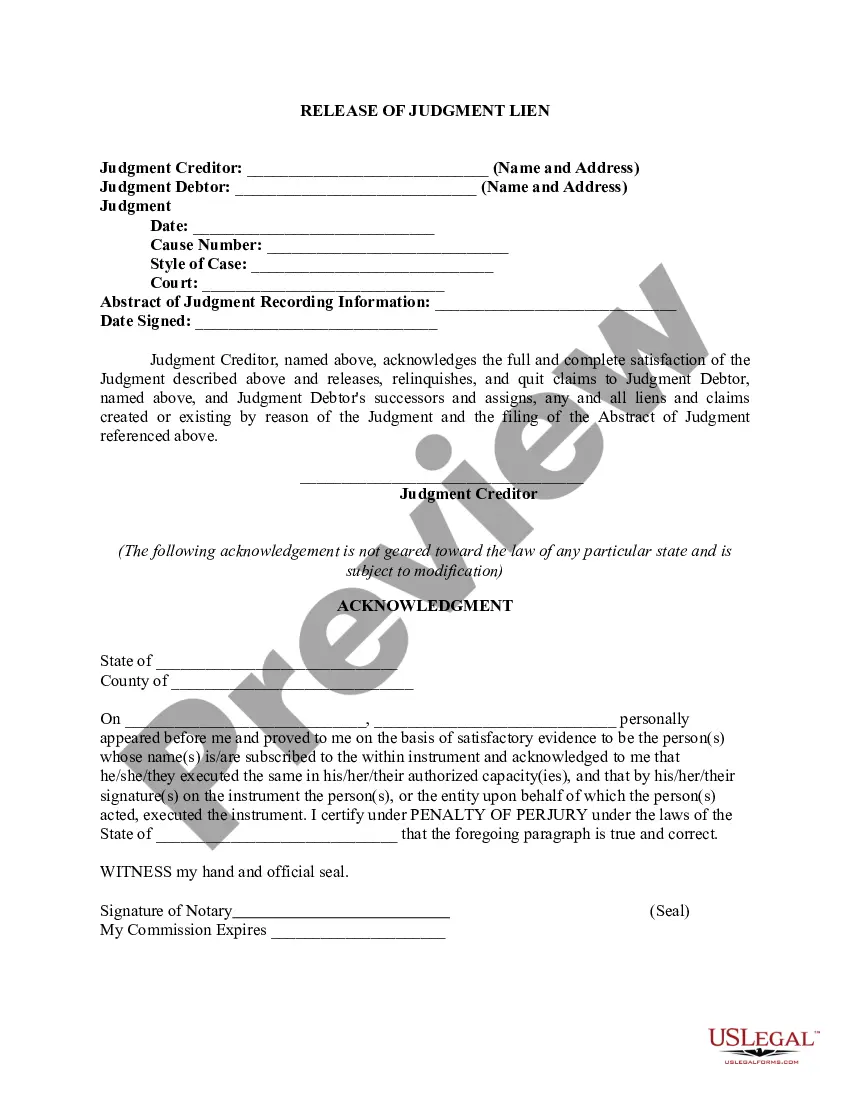

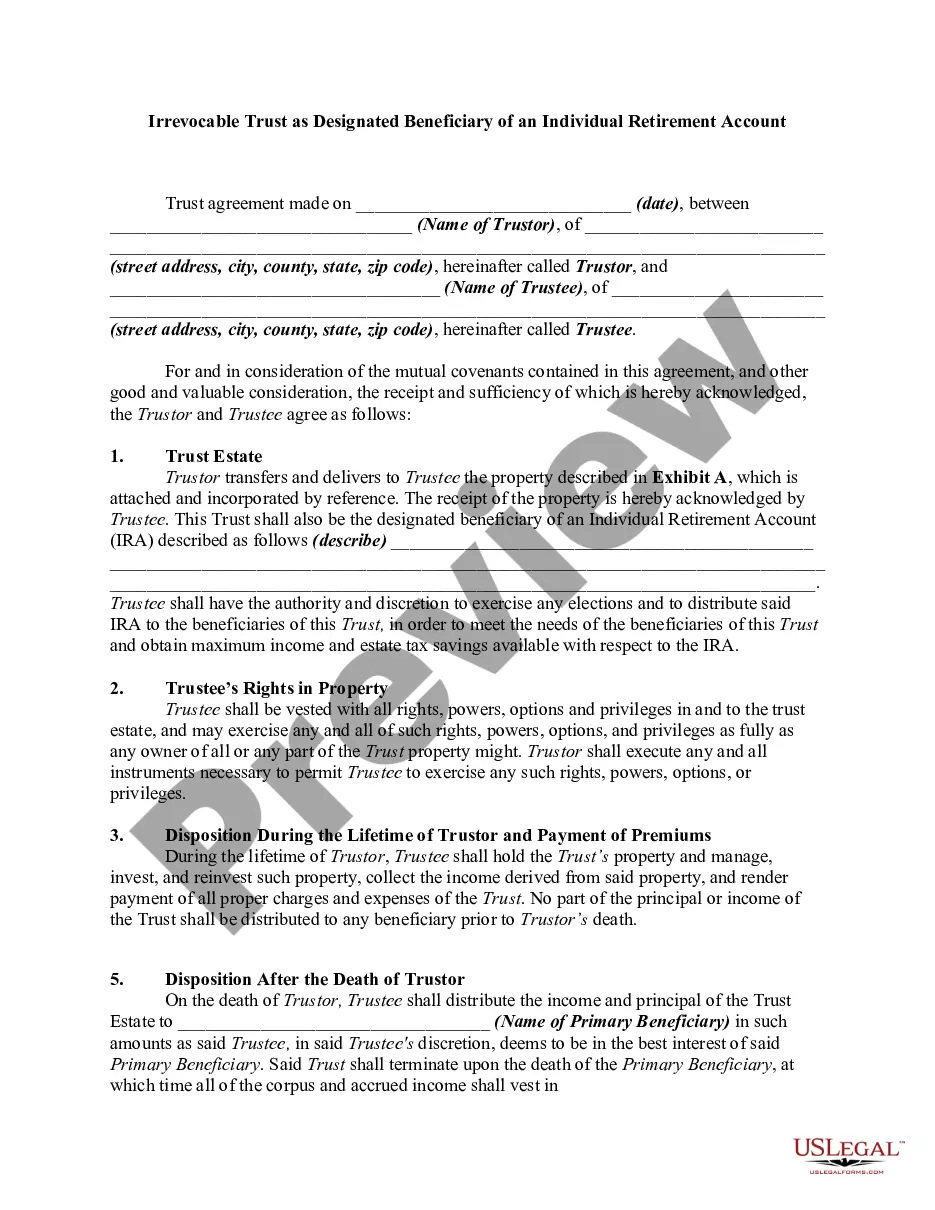
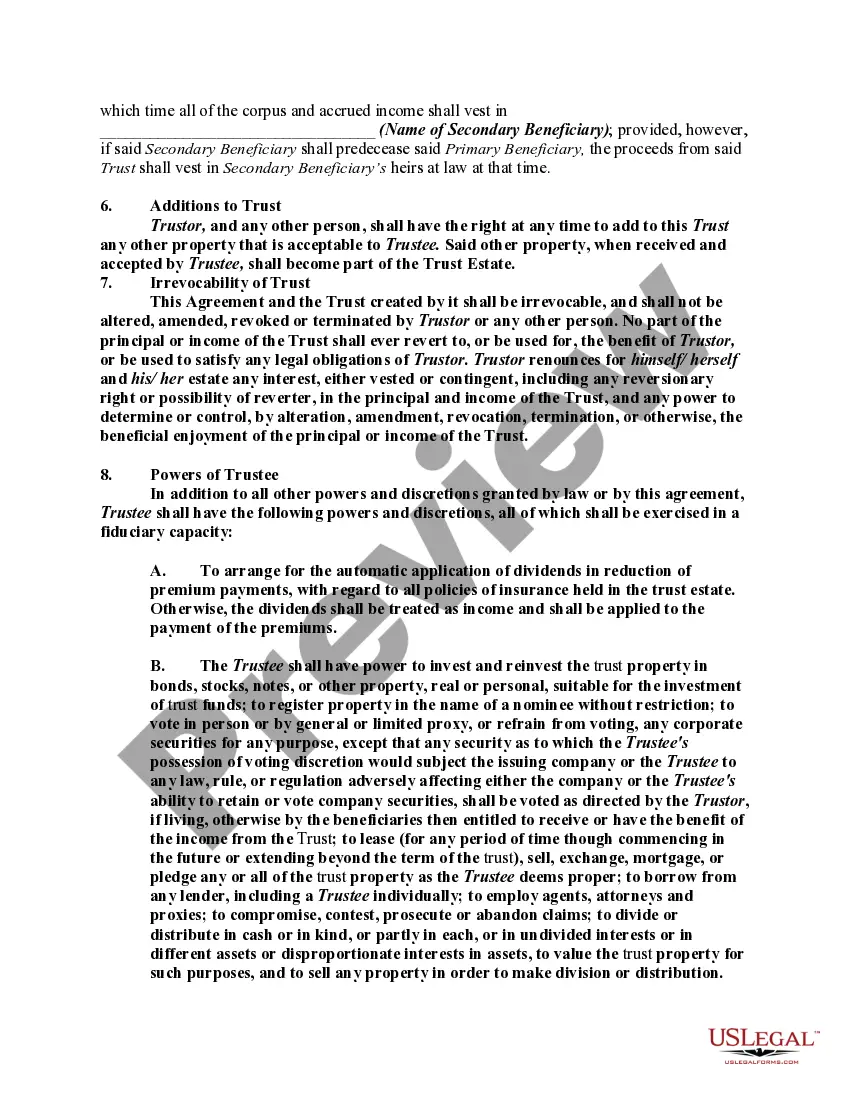
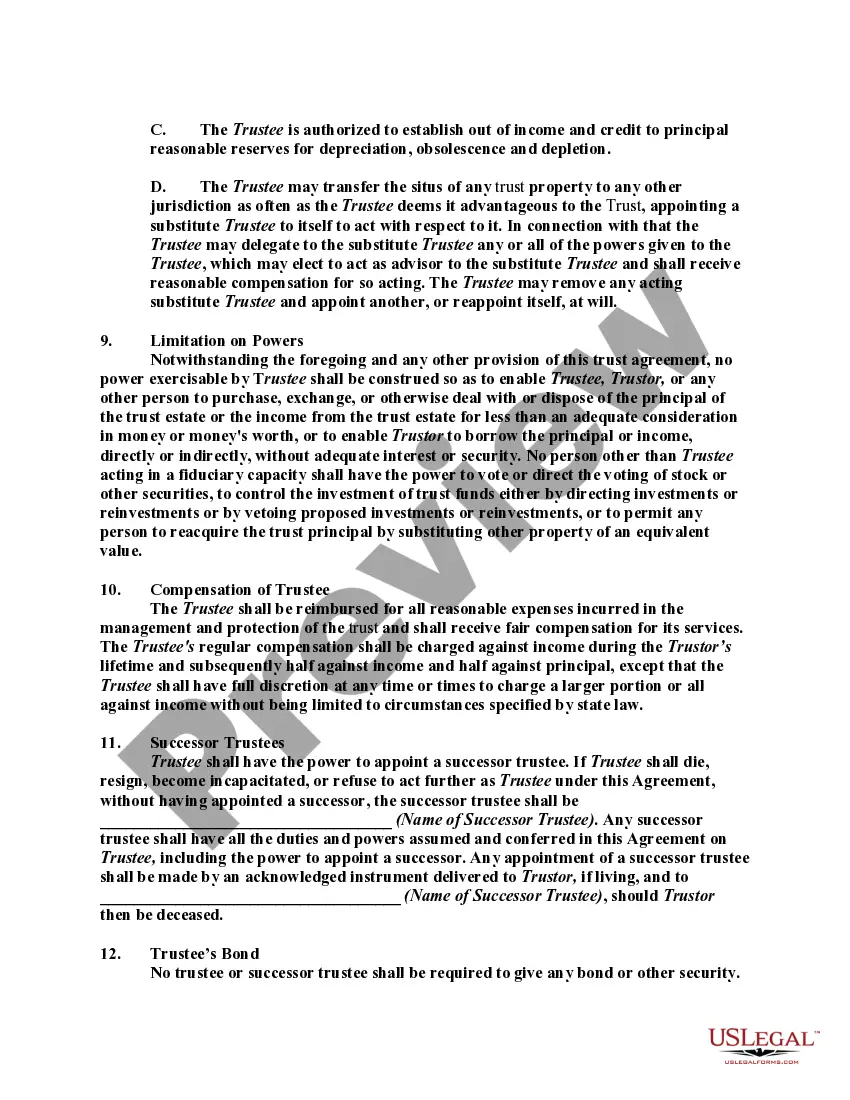
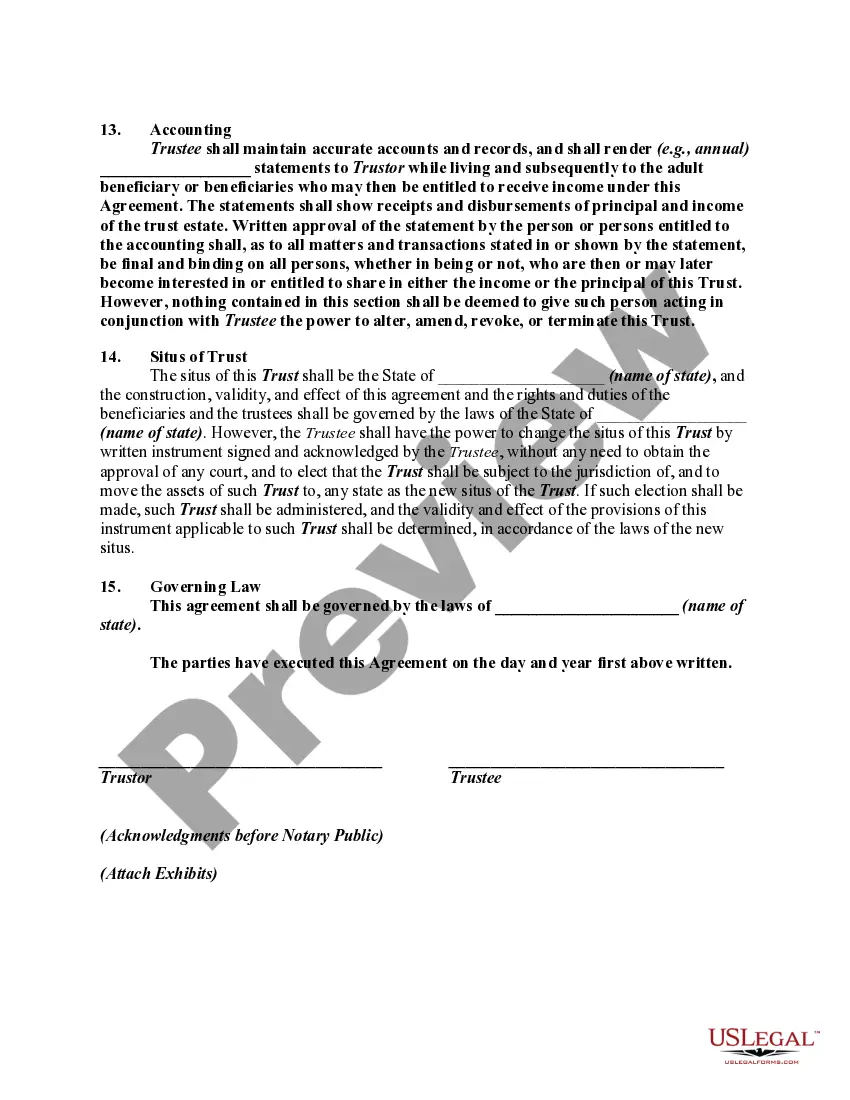
How to fill out Irrevocable Trust As Designated Beneficiary Of An Individual Retirement Account?
Finding a reliable location to source the most up-to-date and suitable legal forms is a significant part of navigating bureaucracy.
Identifying the appropriate legal documents requires accuracy and careful consideration, which is why obtaining samples of the Beneficiary Account Form for I Bonds exclusively from dependable sources, such as US Legal Forms, is essential.
Eliminate the inconvenience connected to your legal documentation. Browse the extensive US Legal Forms library to uncover legal templates, assess their suitability for your situation, and download them instantly.
- Utilize the catalog navigation or search box to locate your template.
- Examine the form’s description to verify if it aligns with the regulations of your state and region.
- Preview the form, if an option, to ensure it is indeed the document you need.
- Return to the search to find the suitable template if the Beneficiary Account Form for I Bonds does not meet your requirements.
- Once you are confident about the form’s relevance, download it.
- If you are a registered user, click Log in to verify and access your chosen templates in My documents.
- If you have yet to create an account, click Buy now to purchase the form.
- Select the pricing option that suits your needs.
- Proceed with registration to finalize your order.
- Complete your transaction by selecting a payment method (credit card or PayPal).
- Choose the file format for downloading the Beneficiary Account Form for I Bonds.
- Once you have the form on your device, you can edit it using the editor or print it out to complete it by hand.
Form popularity
FAQ
Yes, an i bond can be transferred to a beneficiary, provided that the necessary steps are followed. Utilizing the Beneficiary account form for i bonds is essential in this process, as it facilitates the legal transfer of ownership after the primary owner's death. By ensuring that your beneficiary is clearly designated, you protect your investment and ease any potential complications.
Electronic and paper court records retained at the court site can be viewed at the courthouse for free, however there is a fee of 10 cents per page to print from a public access terminal. There is a fee of 10 cents per page to access a file through PACER, with a maximum charge of $3.00 per document.
The child support obligation ends when 1 of the following factors occur: (1) Any child reaches 18 years of age and has graduated from secondary school; (2) Any child reaches 19 years of age without having graduated from secondary school; (3) Any child obtains an order of emancipation; or (4) Any child dies.
The Maine Freedom of Access Act (M.R.S.A. Title 1, Chapter 13) is a set of legislation to ensure that the public can check public records of all levels of government in Maine. Anyone may seek Maine public records, and the law does not restrict or compel the use of public records.
Attorneys and parties with elevated access may view and download court records associated with their case(s) at no cost. For all other users, access to public court documents is available at a courthouse where eFiling is available.
How do I make the request? Option 1: Call the Case Review Unit: 1-800-371-7179 (Maine only), or at 207-624-7830. Option 2: Submit the online form or email case.review@maine.gov. Option 3: Send a request by mail to:
District & Superior Courts Maine's state principal courts are the District Court, where lesser criminal offenses, civil actions, and family law matters may be tried; the Superior Court, where almost all civil and criminal matters may be tried.
Modifying a Child Support Order Alternatively, if it has been at least three (3) years since the Child Support Order was issued, you may ask the court to review the order without having to show a ?substantial change in circumstances.? There is no filing fee for a motion to modify only child support.
In Maine, the judiciary has three general levels. The State District Courts and the Probate Courts are the lowest courts, which focus on cases involving specific subject matter, such as lesser criminal offenses, civil actions, and family law matters. The Superior Court is the trial court of general jurisdiction.