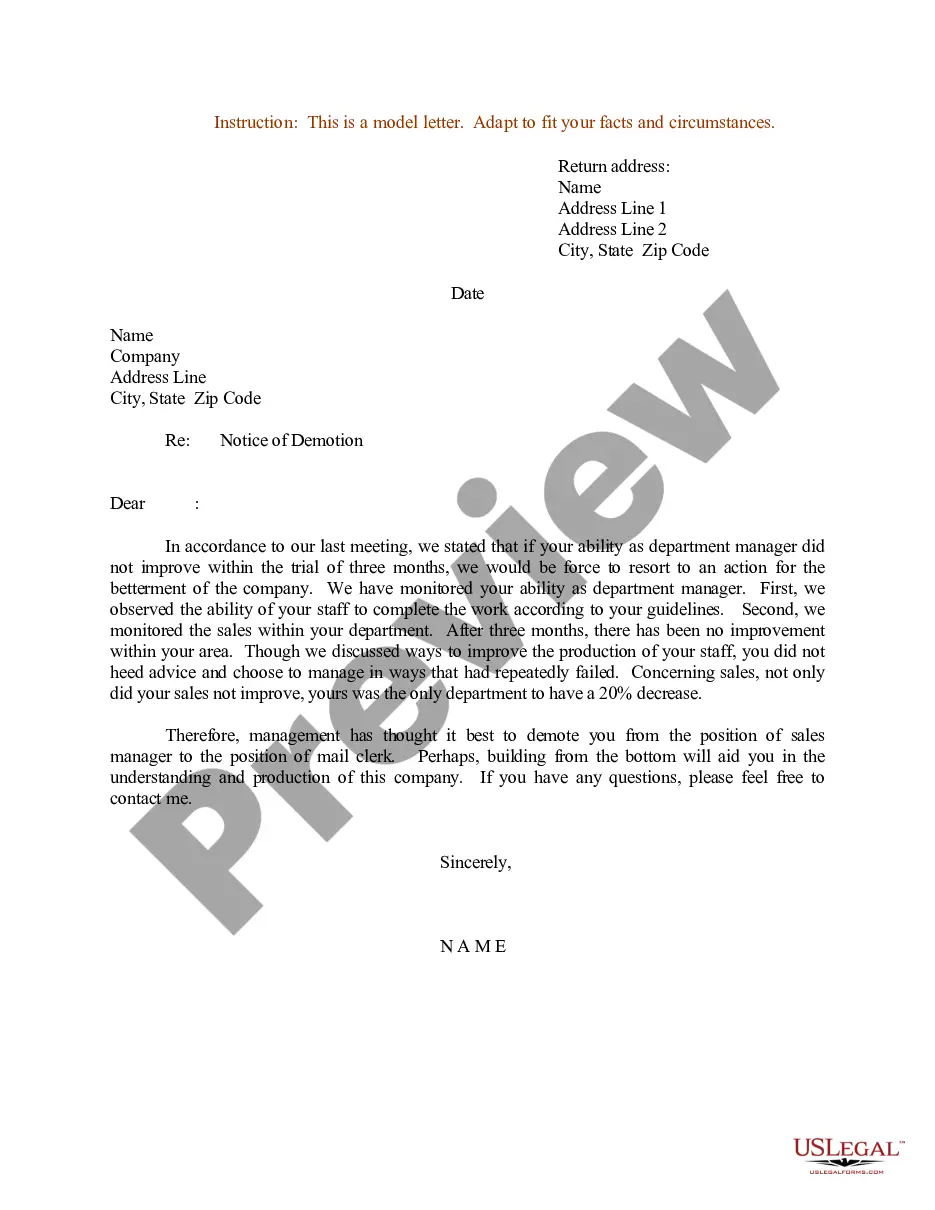
Notice Period For Demotion
Description
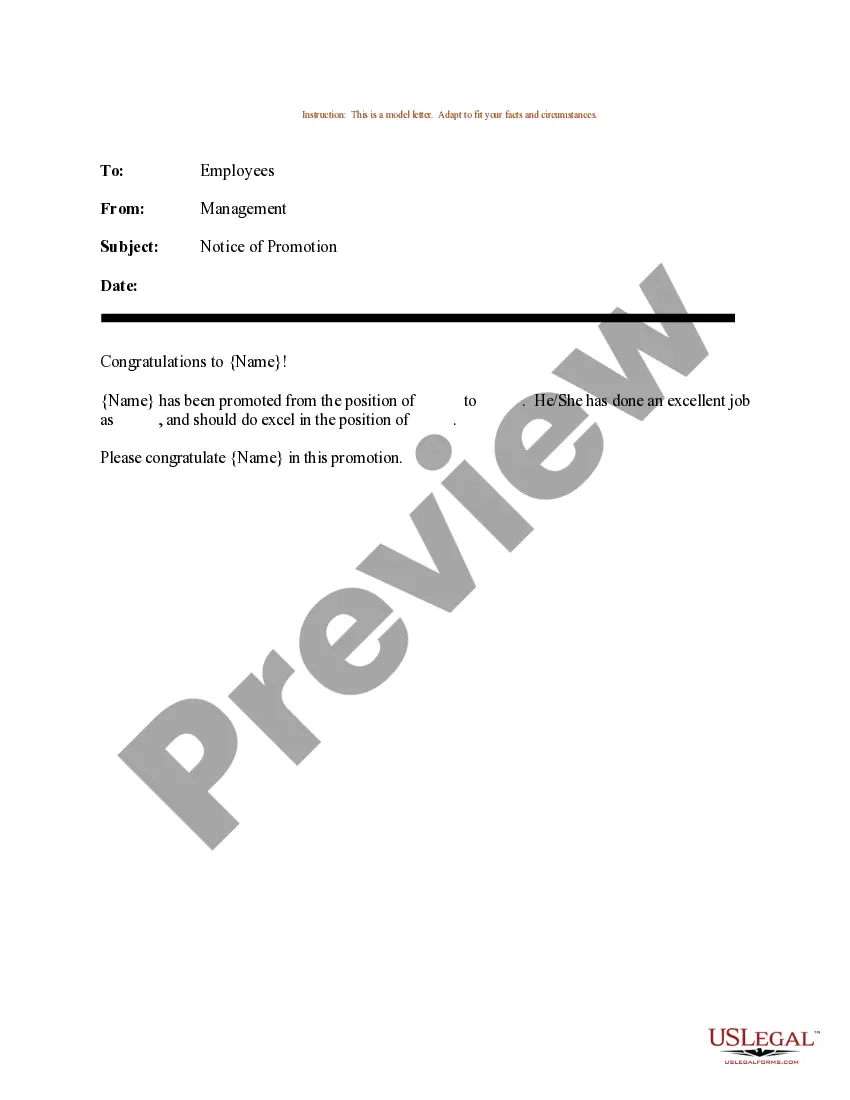
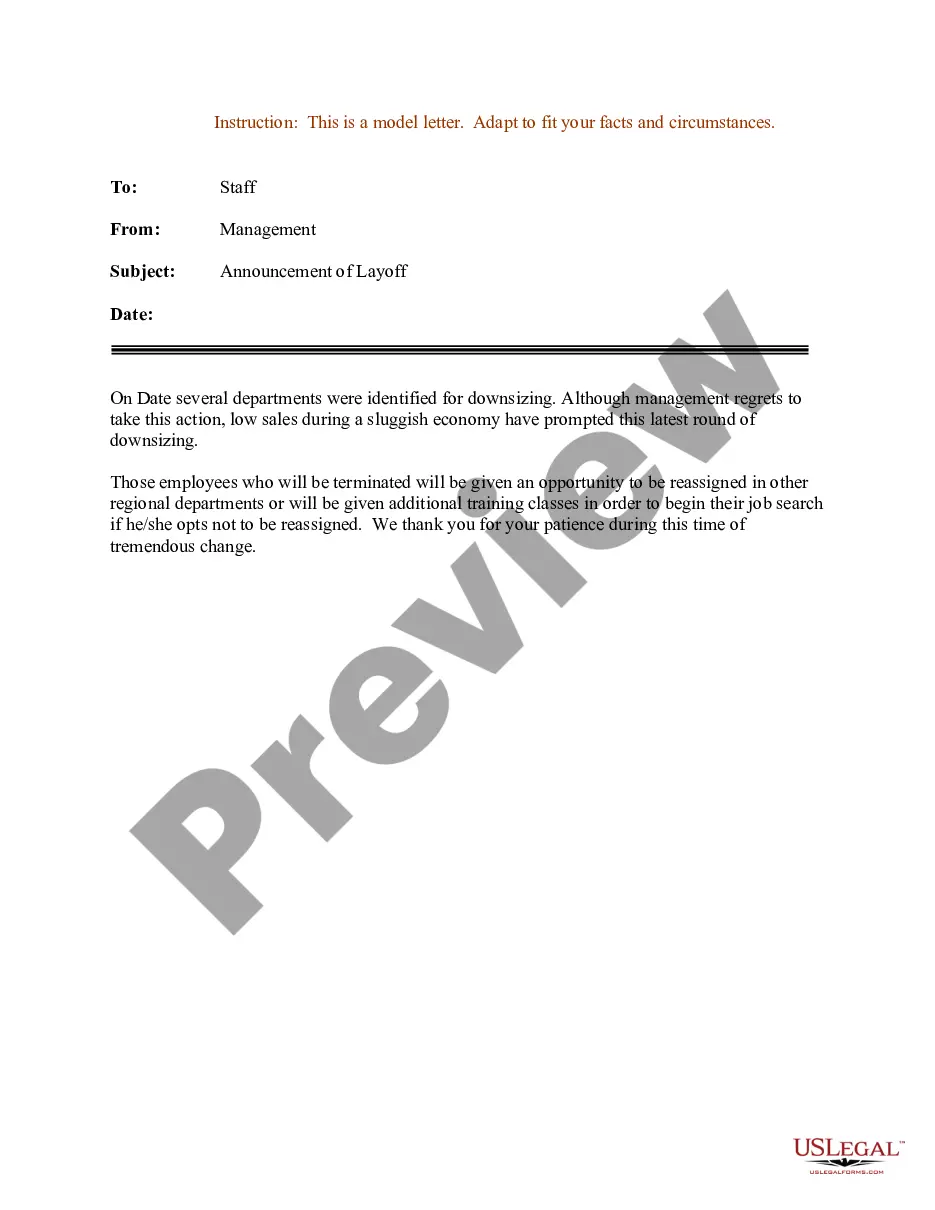
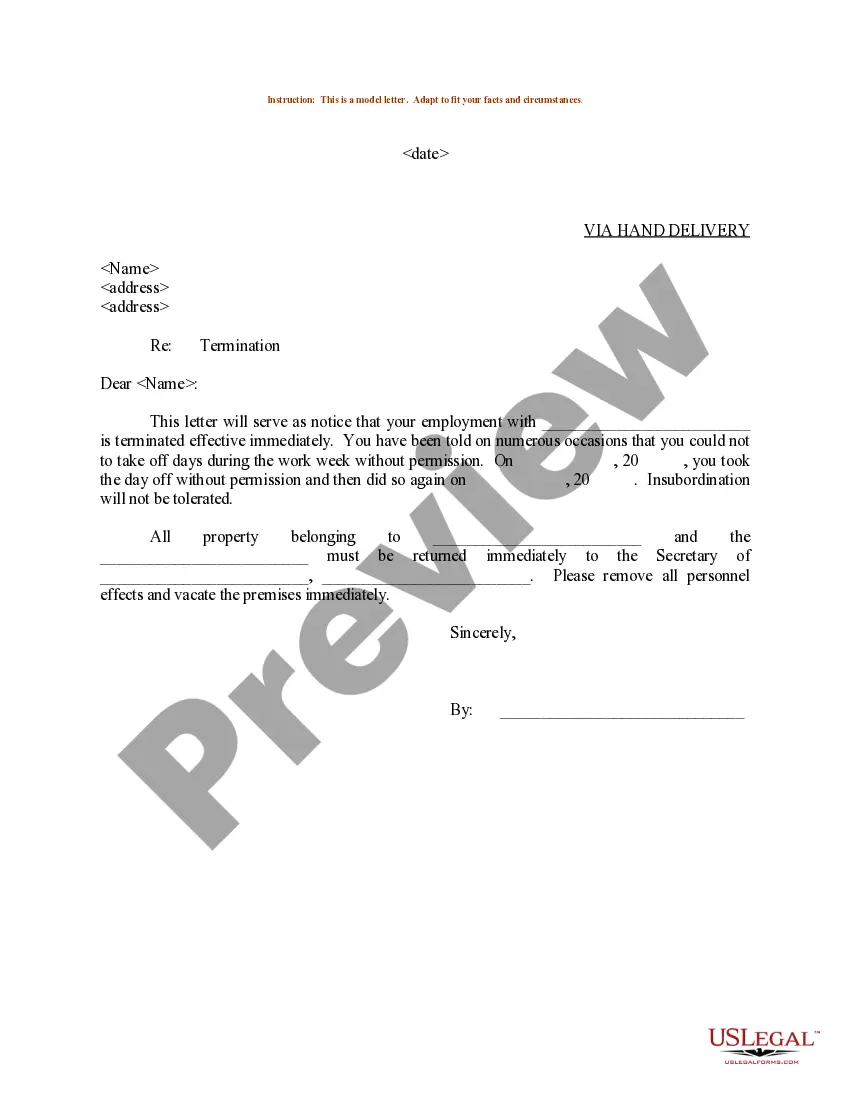
Get your form ready online
Our built-in tools help you complete, sign, share, and store your documents in one place.
Make edits, fill in missing information, and update formatting in US Legal Forms—just like you would in MS Word.
Download a copy, print it, send it by email, or mail it via USPS—whatever works best for your next step.
Sign and collect signatures with our SignNow integration. Send to multiple recipients, set reminders, and more. Go Premium to unlock E-Sign.
If this form requires notarization, complete it online through a secure video call—no need to meet a notary in person or wait for an appointment.
We protect your documents and personal data by following strict security and privacy standards.

Make edits, fill in missing information, and update formatting in US Legal Forms—just like you would in MS Word.

Download a copy, print it, send it by email, or mail it via USPS—whatever works best for your next step.

Sign and collect signatures with our SignNow integration. Send to multiple recipients, set reminders, and more. Go Premium to unlock E-Sign.

If this form requires notarization, complete it online through a secure video call—no need to meet a notary in person or wait for an appointment.

We protect your documents and personal data by following strict security and privacy standards.
Looking for another form?
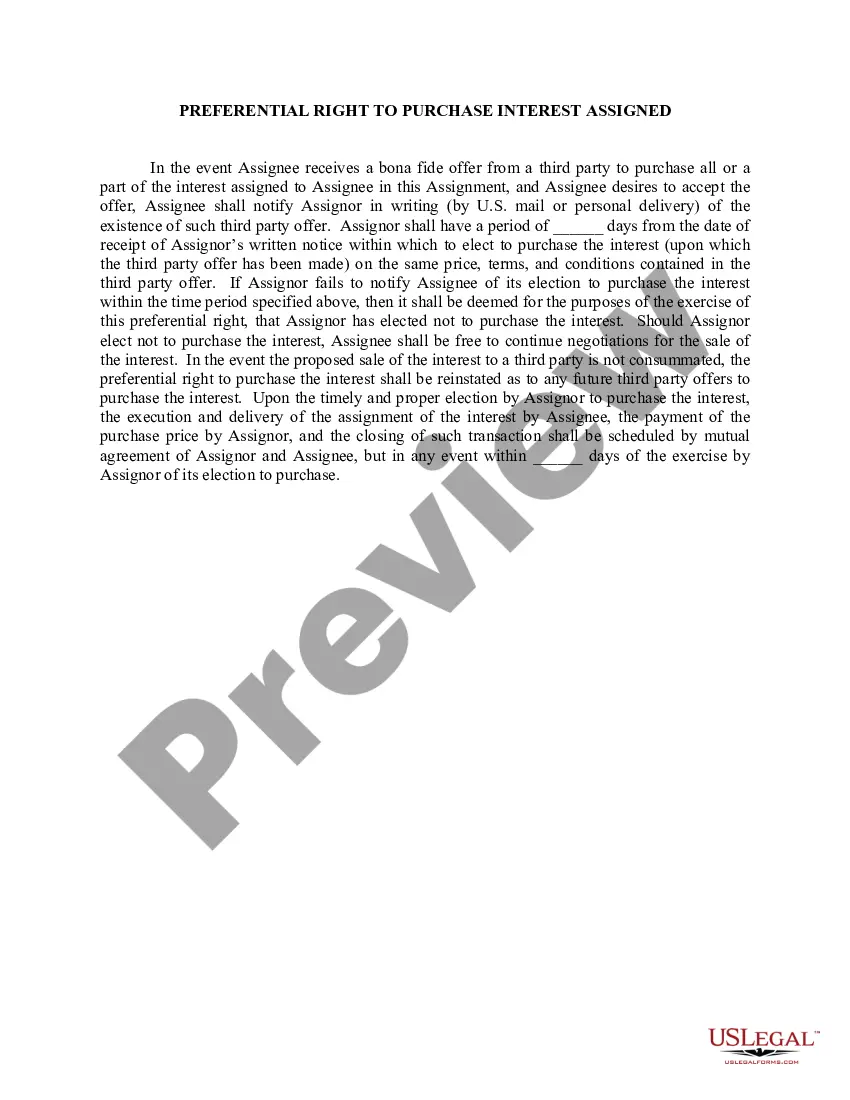


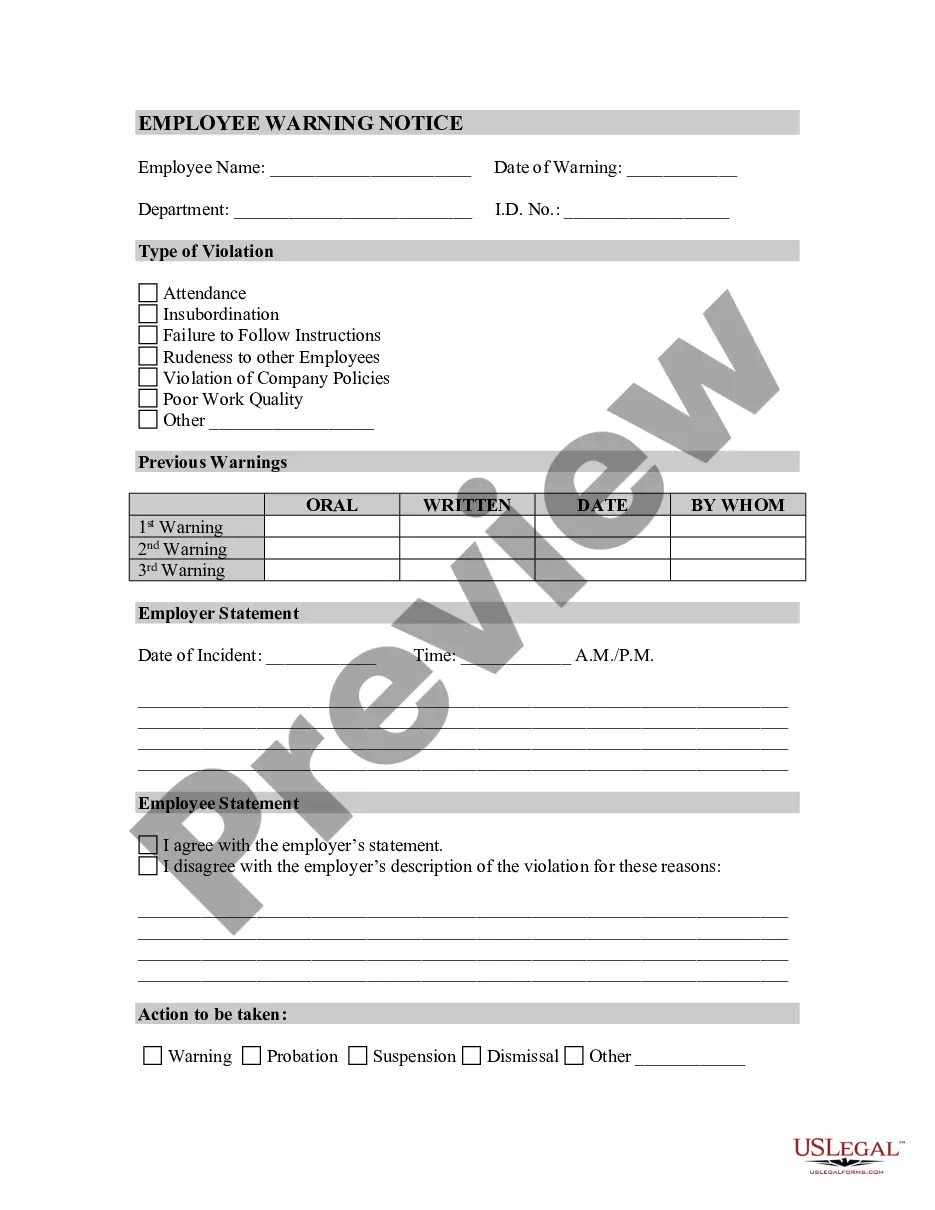
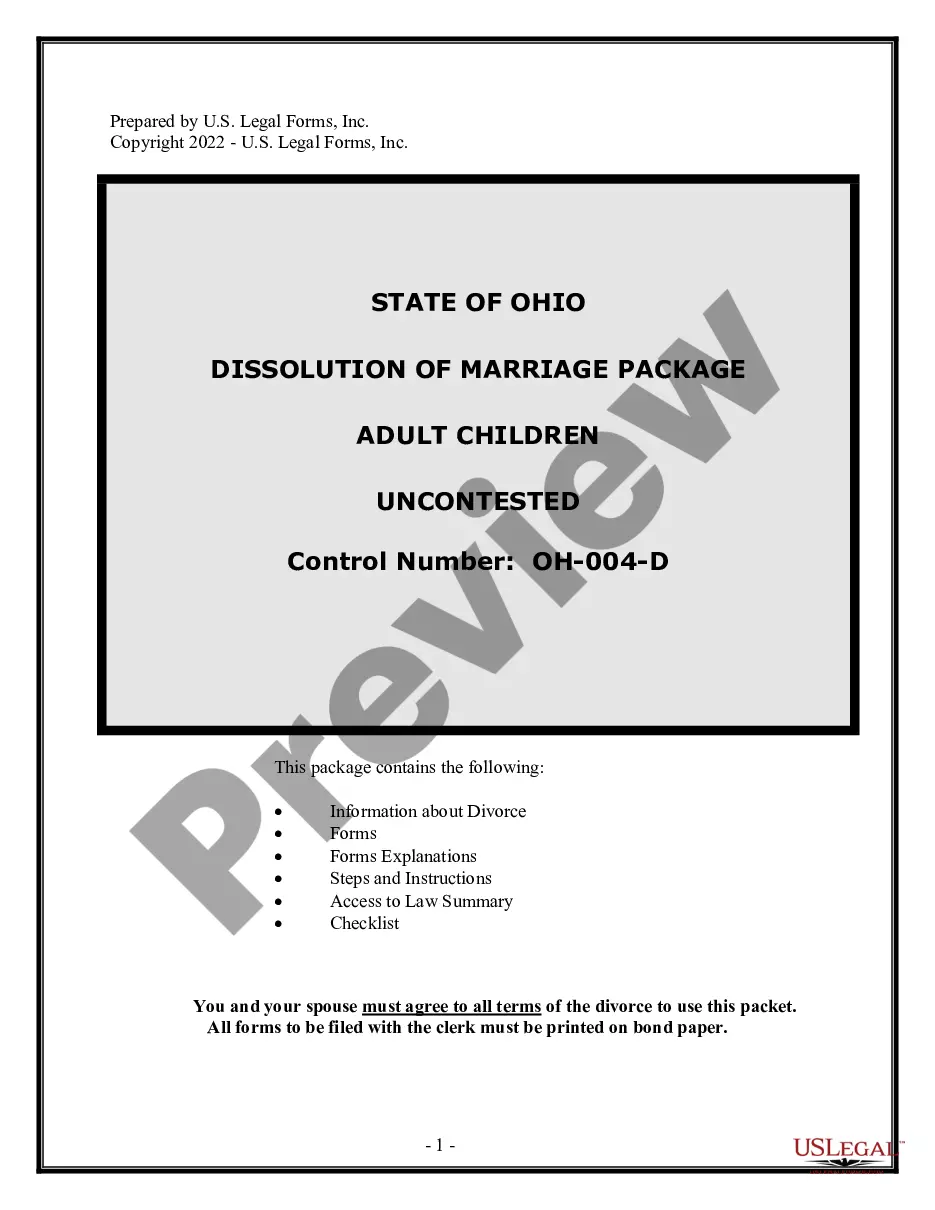





Form popularity
FAQ
While an employer may have some discretion regarding promotions and demotions, they typically cannot demote an employee without just cause. Laws regarding employment can vary, so it's wise to check your employee rights. If you believe the demotion lacks justification, understanding the notice period for demotion can help you address the situation effectively.
Receiving a demotion can be difficult, but how you respond can shape your future workplace opportunities. It's important to stay professional, seek clarity on the reasons for the demotion, and discuss potential paths for improvement. Familiarize yourself with the notice period for demotion to assess your options going forward.
Employees may be demoted due to various reasons, such as poor job performance, violation of company policies, or changes in business direction. Understanding the specific circumstances outlined in your employee handbook can empower you to respond appropriately. Additionally, knowing the notice period for demotion ensures you are prepared for any adjustments in your role.
Employers typically have the right to demote employees for valid reasons, which may include poor performance or restructuring. However, being forced to accept a demotion may depend on your employment contract and workplace policies. Familiarizing yourself with the notice period for demotion allows you to understand how to handle forced changes in your job status.
If you refuse a demotion, your eligibility for unemployment benefits may depend on your state's laws. Typically, refusing a reasonable offer of demotion can disqualify you from receiving these benefits. Knowing the notice period for demotion can also play a crucial role in determining your next steps.
You have the right to express your concerns about a demotion. However, if your employer offers a legitimate reason for the demotion and you refuse it, you may risk losing your job. Understanding the notice period for demotion can help you navigate this situation better and make informed decisions regarding your employment.
To formally request a demotion, draft a concise letter or email to your supervisor. Clearly state your request, reason, and how you envision your new role contributing to the team. Express your willingness to discuss this request in person and address any implications, including the notice period for demotion. If needed, the UsLegalForms platform can assist you in drafting a professional request that aligns with legal standards.
Negotiating a demotion involves preparation and clear communication of your intentions. Start by discussing your reasons for wanting a reduction in responsibilities with your manager. Highlight how you can contribute effectively in a different role without compromising quality. Additionally, ensure you understand the implications of the notice period for demotion and negotiate terms that work for both you and your employer.
When telling your boss you want to step down, choose a suitable time for an open and honest conversation. Express your feelings calmly, providing valid reasons for your decision, and emphasize that it is a constructive choice for your career. Let them know you value the opportunity you've had and are committed to easing your transition during the notice period for demotion. This respectful dialogue is essential in preserving a positive relationship.
To request a reduction in your notice period for demotion, communicate directly with your supervisor or HR as soon as possible. Explain your reasons clearly and express your willingness to assist in transitioning your responsibilities. If you offer to complete key tasks before your departure, it may strengthen your case for a shorter notice period. Be prepared for negotiation while emphasizing the importance of a smooth transition.