Request Response With Kafka
Description
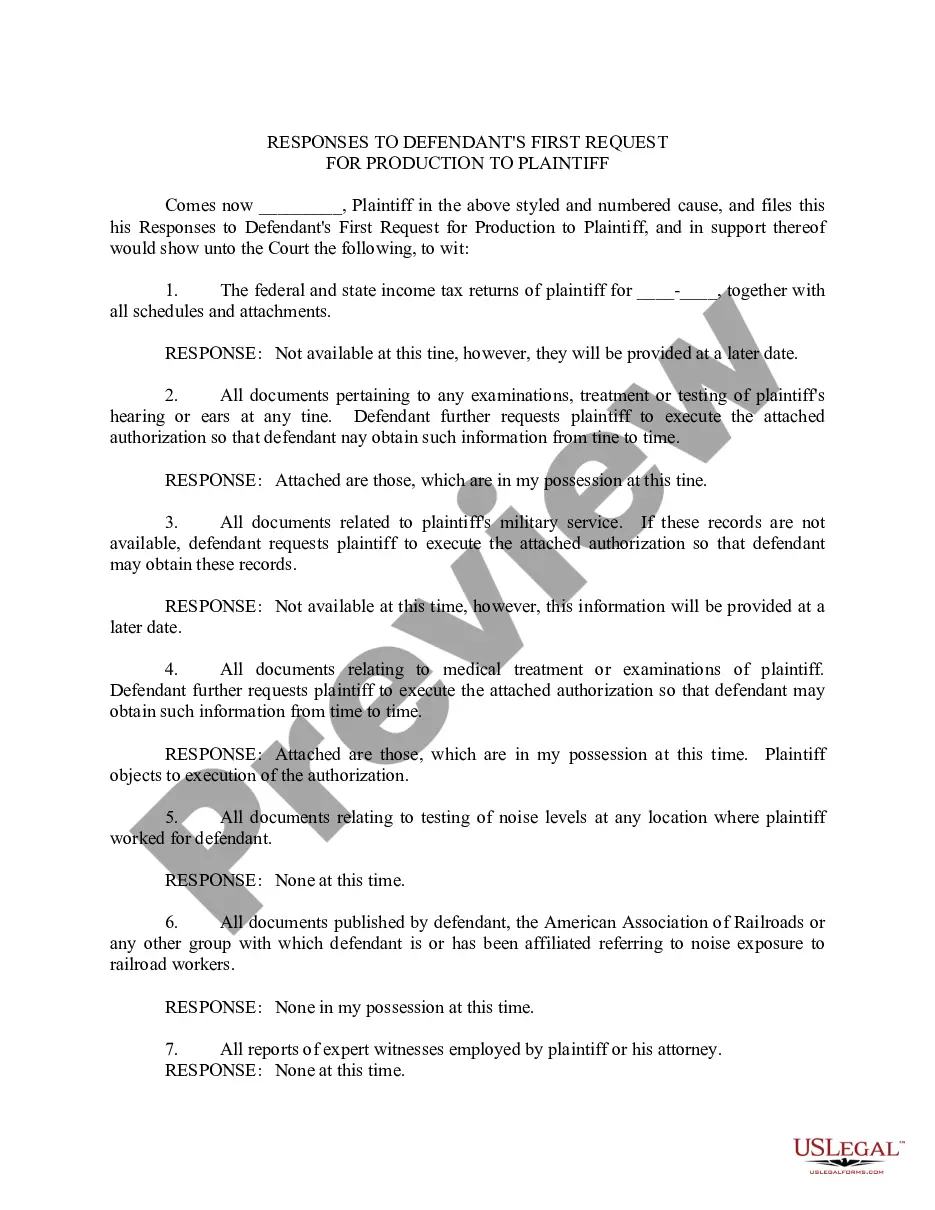
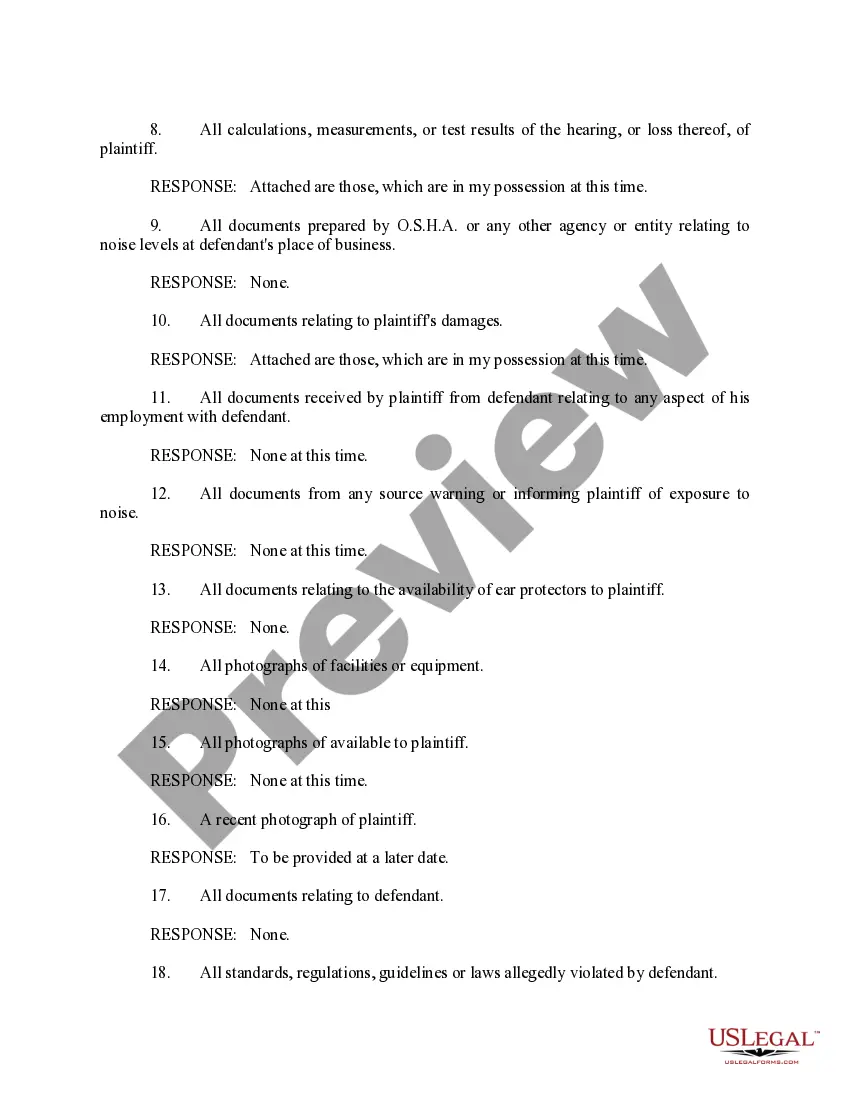
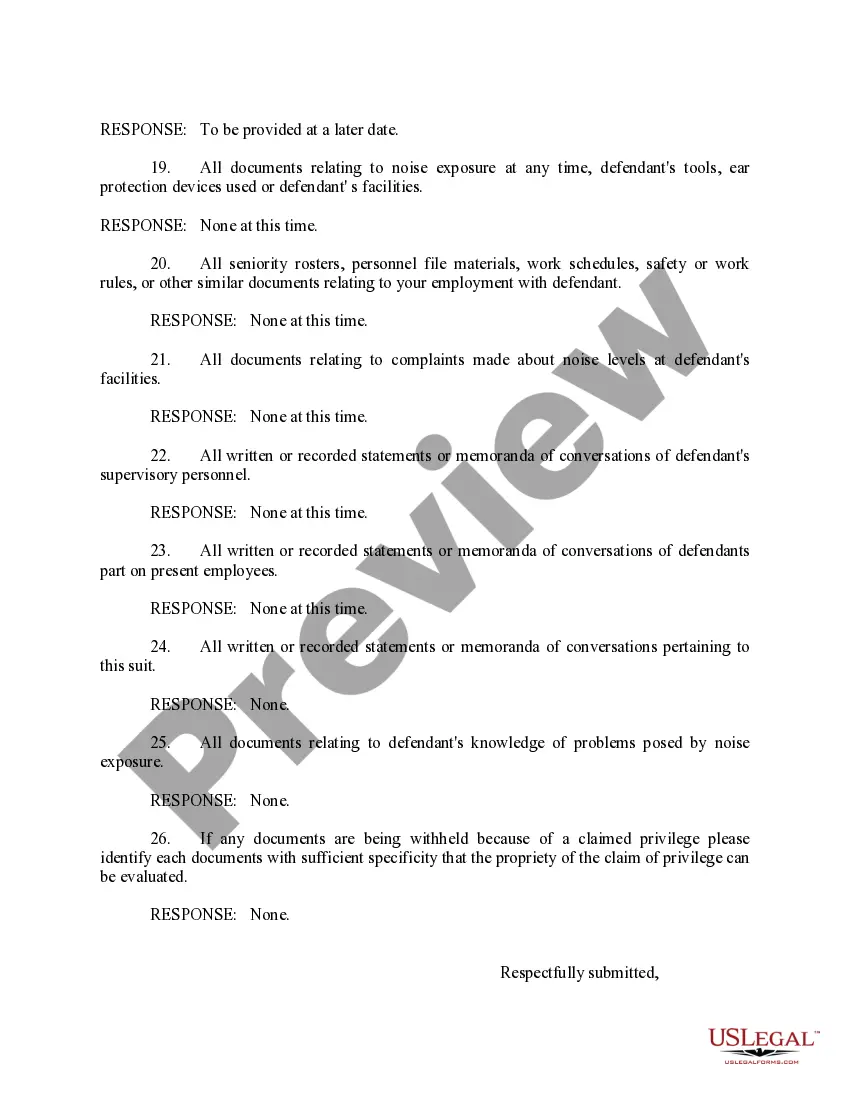
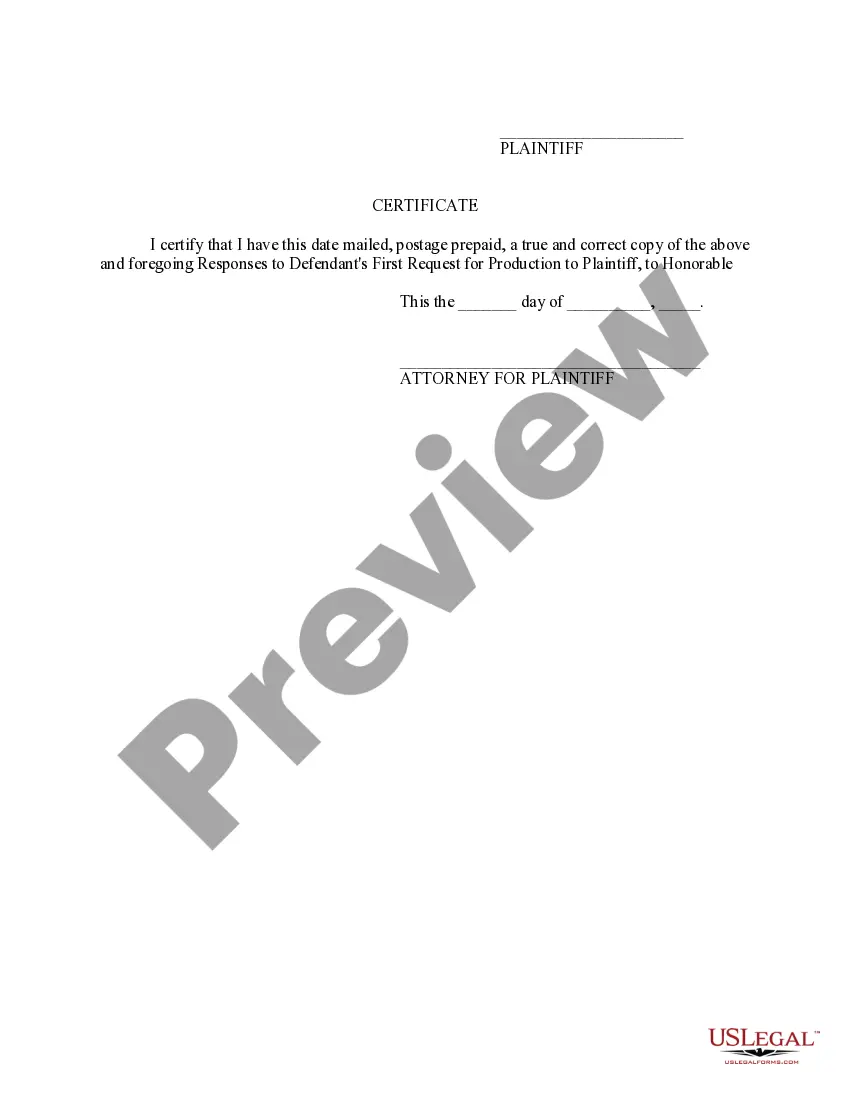
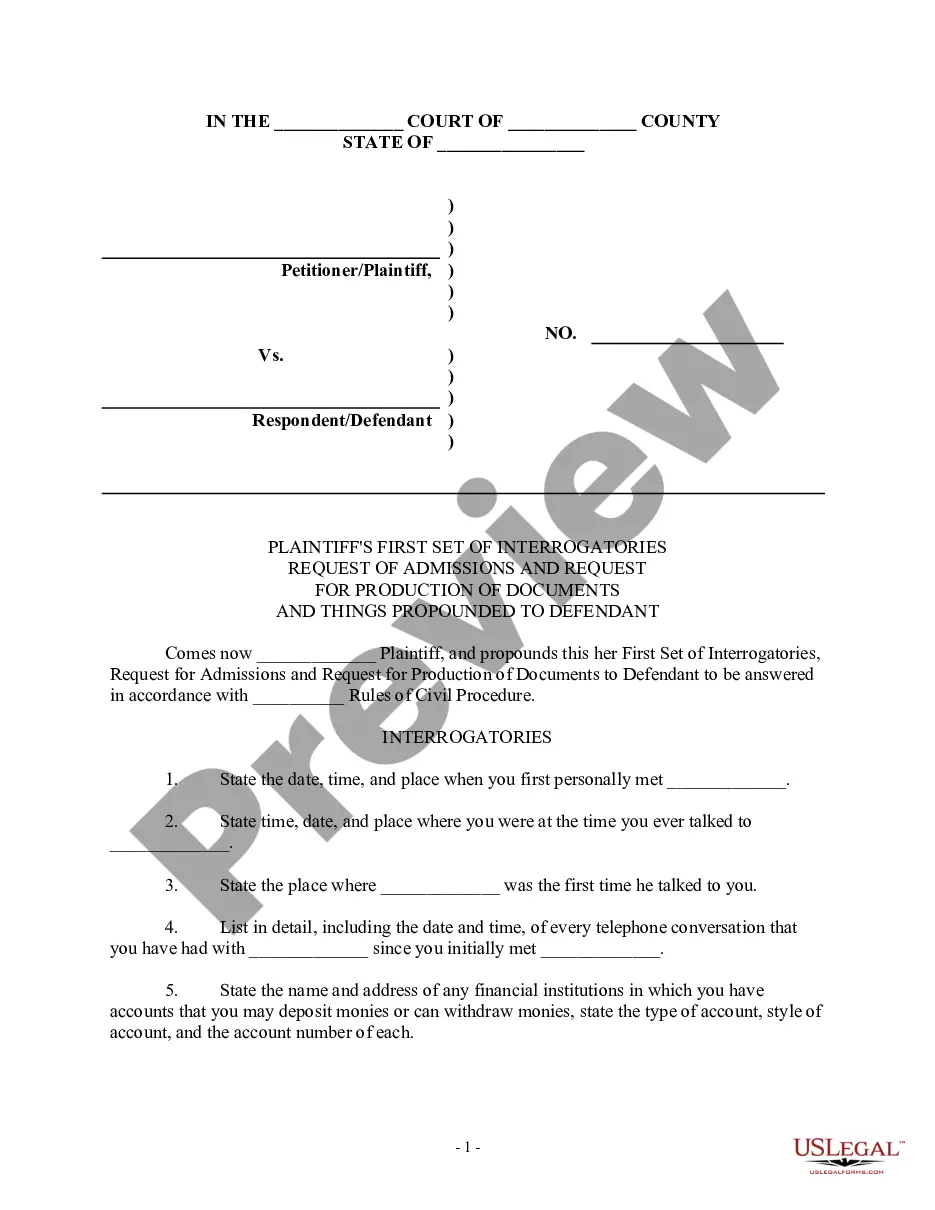
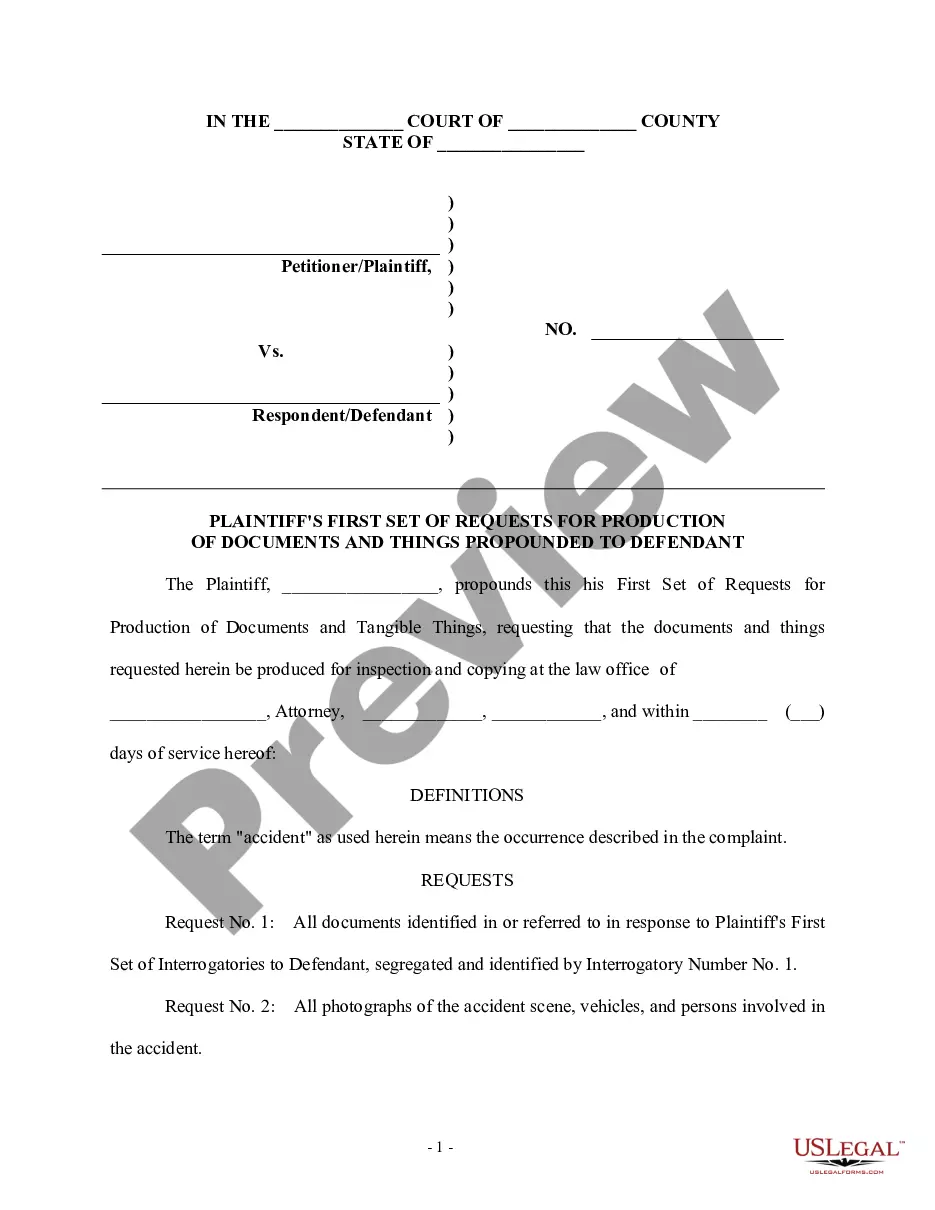
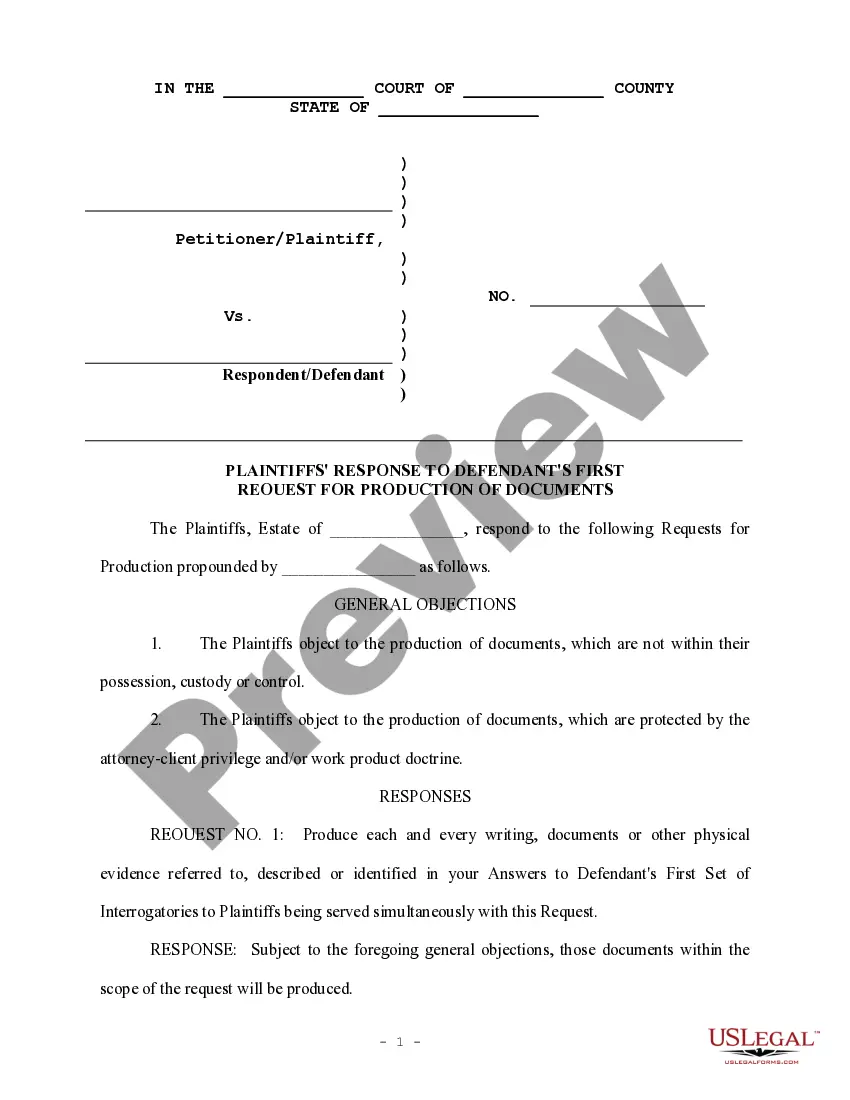

Get your form ready online
Our built-in tools help you complete, sign, share, and store your documents in one place.
Make edits, fill in missing information, and update formatting in US Legal Forms—just like you would in MS Word.
Download a copy, print it, send it by email, or mail it via USPS—whatever works best for your next step.
Sign and collect signatures with our SignNow integration. Send to multiple recipients, set reminders, and more. Go Premium to unlock E-Sign.
If this form requires notarization, complete it online through a secure video call—no need to meet a notary in person or wait for an appointment.
We protect your documents and personal data by following strict security and privacy standards.

Make edits, fill in missing information, and update formatting in US Legal Forms—just like you would in MS Word.

Download a copy, print it, send it by email, or mail it via USPS—whatever works best for your next step.

Sign and collect signatures with our SignNow integration. Send to multiple recipients, set reminders, and more. Go Premium to unlock E-Sign.

If this form requires notarization, complete it online through a secure video call—no need to meet a notary in person or wait for an appointment.

We protect your documents and personal data by following strict security and privacy standards.
Looking for another form?




How to fill out Responses To Defendant's First Request For Production To Plaintiff?
Gaining access to legal document examples that adhere to federal and local regulations is crucial, and the web provides numerous alternatives to select from.
However, what’s the value in spending time searching for the properly formulated Request Response With Kafka example online when the US Legal Forms digital library already consolidates such templates in one location.
US Legal Forms is the largest online legal repository with over 85,000 editable templates created by attorneys for various professional and personal circumstances. They are simple to navigate, with all documents categorized by state and intended use. Our specialists keep pace with legal updates, ensuring that your documentation is consistently current and compliant when acquiring a Request Response With Kafka from our platform.
All documents you find through US Legal Forms are reusable. To re-download and complete previously acquired forms, access the My documents section in your account. Take advantage of the most comprehensive and user-friendly legal document service!
- Acquiring a Request Response With Kafka is swift and straightforward for both existing and new users.
- If you already possess an account with an active subscription, Log In and save the document template you need in the appropriate format.
- If you are unfamiliar with our site, follow the steps outlined below.
- Review the template using the Preview feature or through the text outline to confirm it meets your requirements.
- Search for an alternative sample using the search tool at the page's top if needed.
- Click Buy Now once you’ve located the correct form and select a subscription option.
- Create an account or Log In and process payment using PayPal or a credit card.
- Select the appropriate format for your Request Response With Kafka and download it.
Form popularity
FAQ
ReplyingKafkaTemplate is a specialized template that facilitates request reply functionality in Kafka. It allows you to send a request message to a specific topic and automatically listen for responses on another topic. This setup ensures that your application can handle requests and responses efficiently, streamlining communication across services. By leveraging the request response with Kafka approach, you can enhance your application's responsiveness and reliability.
Yes, Kafka supports the request reply pattern, allowing for two-way communication between producers and consumers. This feature enables applications to send a request and receive a response, making it ideal for microservices architecture. By utilizing Kafka's capabilities, developers can create efficient workflows that enhance user experiences. The request response with Kafka pattern simplifies the interaction process, ensuring timely responses.
Yes, Kafka remains highly relevant in 2025 and beyond. Its ability to handle real-time data streams makes it a preferred choice for organizations managing large volumes of data. As businesses evolve, the demand for robust data processing solutions like Kafka only increases. By implementing request response with Kafka, companies can ensure efficient communication between services.
To send a request to Kafka, you first need to set up a producer that connects to your Kafka cluster. You can serialize your data using formats like JSON or Avro, ensuring it is in a compatible format. Once your producer is ready, you can publish messages to a specified topic, which allows for seamless communication between different applications. Using the request response with Kafka pattern, you can also handle responses effectively.
Create Kafka JDBC Source configuration Create a new file called source_autorest.json in this location: ... This file will have the configuration on how Kafka connects and queries the REST API via DataDirect Autonomous REST Connector: ... We set the mode to timestamp and timestamp.column.name to KEY.
How to Produce a Message into a Kafka Topic using the CLI? Find your Kafka hostname and port e.g., localhost:9092. If Kafka v2. 5+, use the --bootstrap-server option. If older version of Kafka, use the --broker-list option. Provide the mandatory parameters: topic name. Use the kafka-console-producer.sh CLI as outlined below.
It is a message exchange pattern in which a requestor sends a request message to a replier system, which receives and processes the request, ultimately returning a message in response. Request-reply is inefficient and can suffer a lot of latency depending on the use case.
How to Produce a Message into a Kafka Topic using the CLI? Find your Kafka hostname and port e.g., localhost:9092. If Kafka v2. 5+, use the --bootstrap-server option. If older version of Kafka, use the --broker-list option. Provide the mandatory parameters: topic name. Use the kafka-console-producer.sh CLI as outlined below.
There are three acknowledgment modes: auto-commit: the consumer sends an acknowledgment to the broker as soon as it receives a message. after-processing: the consumer only sends an acknowledgment to the broker after it has successfully processed the message.