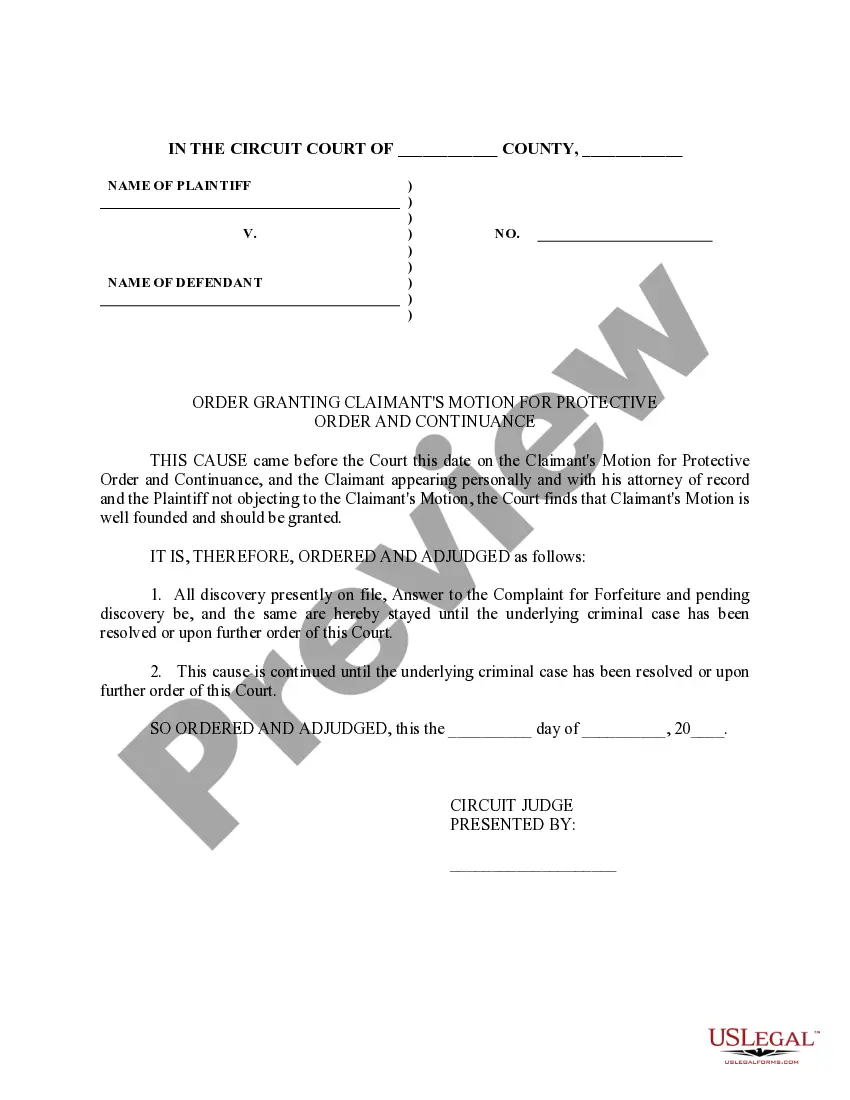
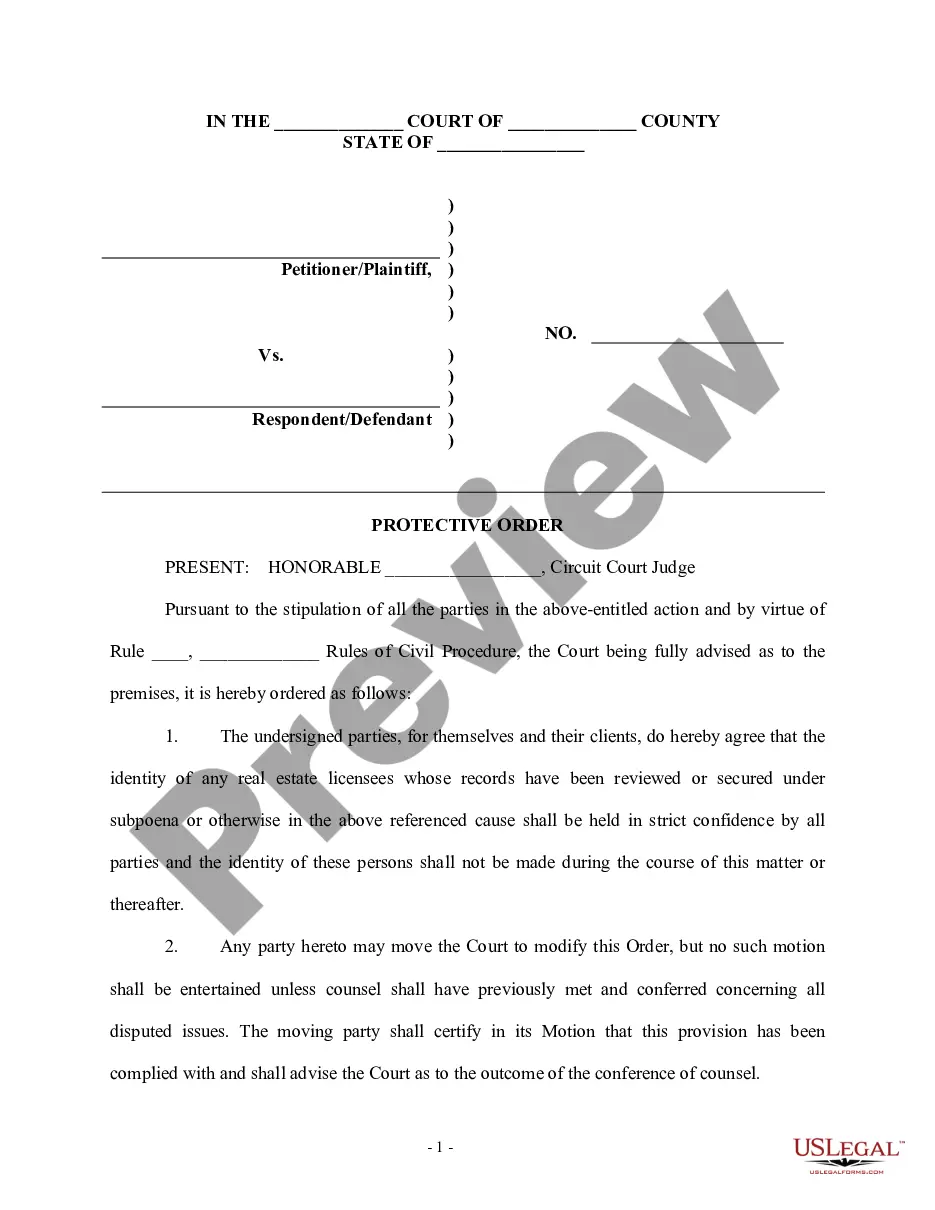
Protective Order For Discovery
Description
Get your form ready online
Our built-in tools help you complete, sign, share, and store your documents in one place.
Make edits, fill in missing information, and update formatting in US Legal Forms—just like you would in MS Word.
Download a copy, print it, send it by email, or mail it via USPS—whatever works best for your next step.
Sign and collect signatures with our SignNow integration. Send to multiple recipients, set reminders, and more. Go Premium to unlock E-Sign.
If this form requires notarization, complete it online through a secure video call—no need to meet a notary in person or wait for an appointment.
We protect your documents and personal data by following strict security and privacy standards.

Make edits, fill in missing information, and update formatting in US Legal Forms—just like you would in MS Word.

Download a copy, print it, send it by email, or mail it via USPS—whatever works best for your next step.

Sign and collect signatures with our SignNow integration. Send to multiple recipients, set reminders, and more. Go Premium to unlock E-Sign.

If this form requires notarization, complete it online through a secure video call—no need to meet a notary in person or wait for an appointment.

We protect your documents and personal data by following strict security and privacy standards.
Looking for another form?
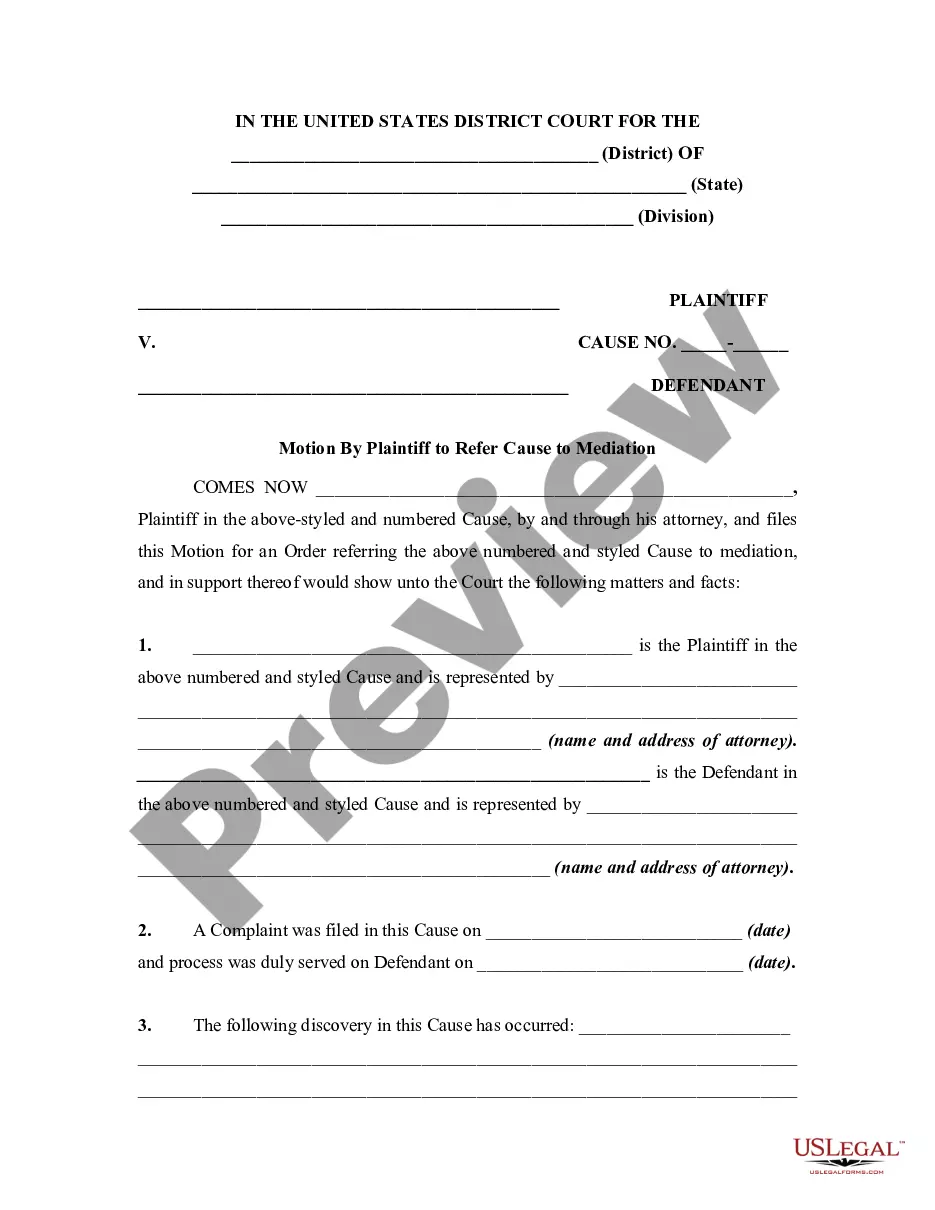



How to fill out Order Granting Protective Order?
It’s clear that you cannot become a legal expert instantly, nor can you determine how to swiftly prepare a Protective Order For Discovery without possessing a specialized skill set.
Drafting legal documents is a lengthy task that demands specific training and expertise. So why not entrust the creation of the Protective Order For Discovery to the experts.
With US Legal Forms, one of the most comprehensive legal template collections, you can access anything from judicial papers to templates for internal business communication.
You can regain access to your documents from the My documents tab at any moment. If you’re an existing client, you can simply Log In, and find and download the template from the same tab.
Regardless of the purpose of your forms—be it financial and legal, or personal—our website has you covered. Give US Legal Forms a try today!
- Find the form you need by utilizing the search bar at the top of the page.
- Preview it (if this option is available) and review the accompanying description to ascertain whether the Protective Order For Discovery is what you are looking for.
- Initiate your search again if you require a different form.
- Sign up for a free account and select a subscription plan to purchase the template.
- Select Buy now. Once the payment is finalized, you can obtain the Protective Order For Discovery, fill it out, print it, and send or mail it to the designated individuals or organizations.
Form popularity
FAQ
An order of protection regarding the discovery of digital evidence ensures that sensitive electronic data is handled with care. This can include emails, social media posts, or other forms of digital communication. Such an order helps prevent unauthorized access or misuse of private information. Implementing a protective order for discovery is crucial in preserving the integrity of digital evidence during legal proceedings.
Typically, attorney-client communications and privileged documents are protected from discovery. These protections ensure that conversations between clients and their attorneys remain confidential. Additionally, certain trade secrets and proprietary information may also be safeguarded. Utilizing a protective order for discovery can provide further assurance that sensitive materials remain undisclosed.
A protective order in discovery is a legal tool used to protect sensitive information during the discovery phase of a lawsuit. It prevents the disclosure of confidential documents, trade secrets, or personal data. This order helps maintain privacy while still allowing the legal process to proceed. A protective order for discovery can be essential for individuals or businesses looking to safeguard their information.
A protective order in discovery serves to limit the sharing of sensitive information between parties. It can restrict access to certain documents or data that may be harmful if disclosed. By implementing a protective order for discovery, you can maintain confidentiality and control over what information gets shared during the legal process. This ensures that sensitive materials are only viewed by authorized individuals.
A discovery order is usually triggered by the filing of a lawsuit. Once a case is underway, both parties are required to exchange relevant information and documents. This order helps facilitate a transparent process, ensuring that both sides have access to necessary evidence. Utilizing a protective order for discovery can help manage what information is disclosed, protecting sensitive materials.
Yes, you typically need to provide evidence to obtain a restraining order. Courts require proof of harassment, threats, or abuse to grant this legal protection. The evidence can include witness statements, photographs, or other documentation. A protective order for discovery can safeguard the privacy of the evidence shared during this process.
Many cases do indeed settle after the discovery phase. During this process, both parties exchange information and evidence, which can clarify the strengths and weaknesses of each side's position. As a result, parties often feel more inclined to negotiate a settlement, avoiding lengthy trials. A protective order for discovery can help ensure that sensitive information remains confidential during these discussions.