Rule Complaint Procedure For Disparate Impact
Description
Get your form ready online
Our built-in tools help you complete, sign, share, and store your documents in one place.
Make edits, fill in missing information, and update formatting in US Legal Forms—just like you would in MS Word.
Download a copy, print it, send it by email, or mail it via USPS—whatever works best for your next step.
Sign and collect signatures with our SignNow integration. Send to multiple recipients, set reminders, and more. Go Premium to unlock E-Sign.
If this form requires notarization, complete it online through a secure video call—no need to meet a notary in person or wait for an appointment.
We protect your documents and personal data by following strict security and privacy standards.

Make edits, fill in missing information, and update formatting in US Legal Forms—just like you would in MS Word.

Download a copy, print it, send it by email, or mail it via USPS—whatever works best for your next step.

Sign and collect signatures with our SignNow integration. Send to multiple recipients, set reminders, and more. Go Premium to unlock E-Sign.

If this form requires notarization, complete it online through a secure video call—no need to meet a notary in person or wait for an appointment.

We protect your documents and personal data by following strict security and privacy standards.
Looking for another form?







How to fill out Stipulation For Dismissal?
Utilizing legal document examples that comply with national and local regulations is essential, and the internet has a wealth of choices to select from.
However, what is the purpose of spending time looking for the right Rule Complaint Procedure For Disparate Impact example online when the US Legal Forms digital library already consolidates such templates in one location.
US Legal Forms is the premier online legal repository boasting over 85,000 customizable templates created by legal professionals for various business and personal needs.
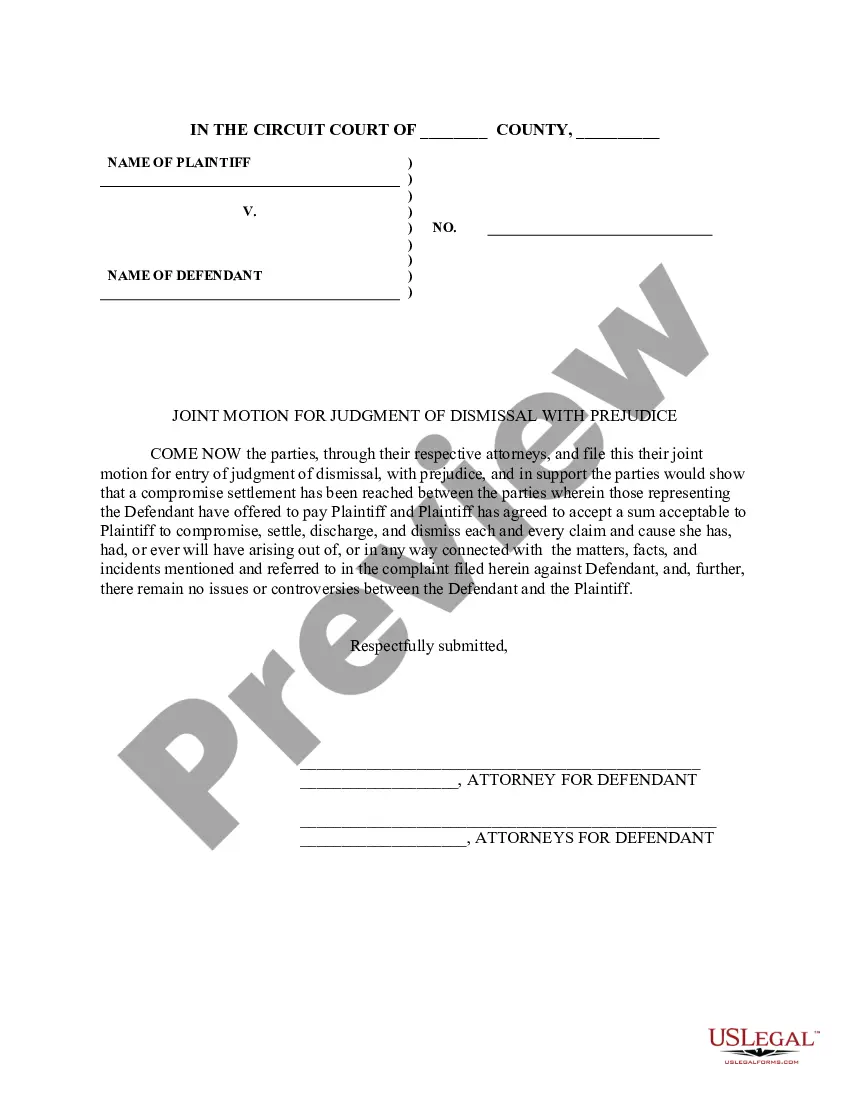
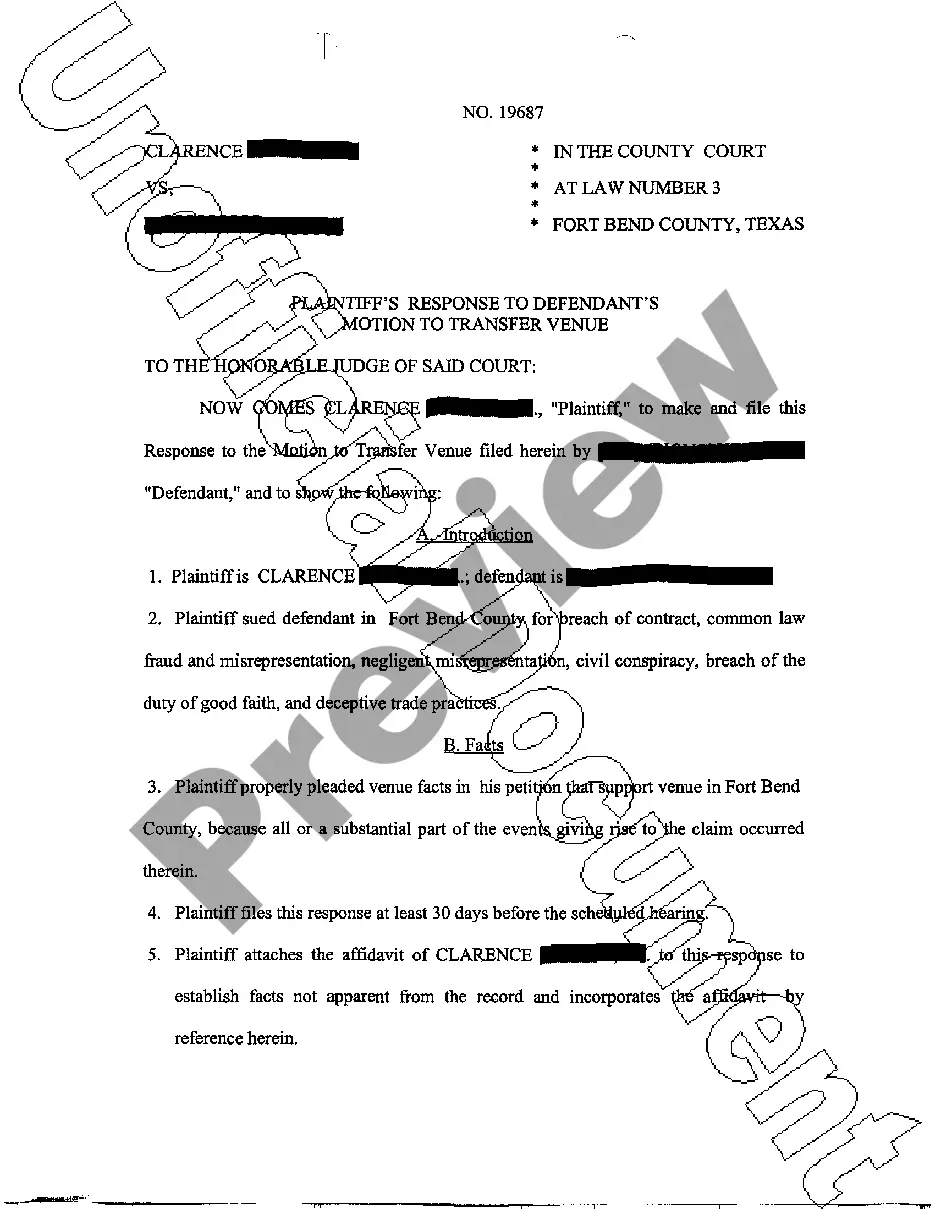
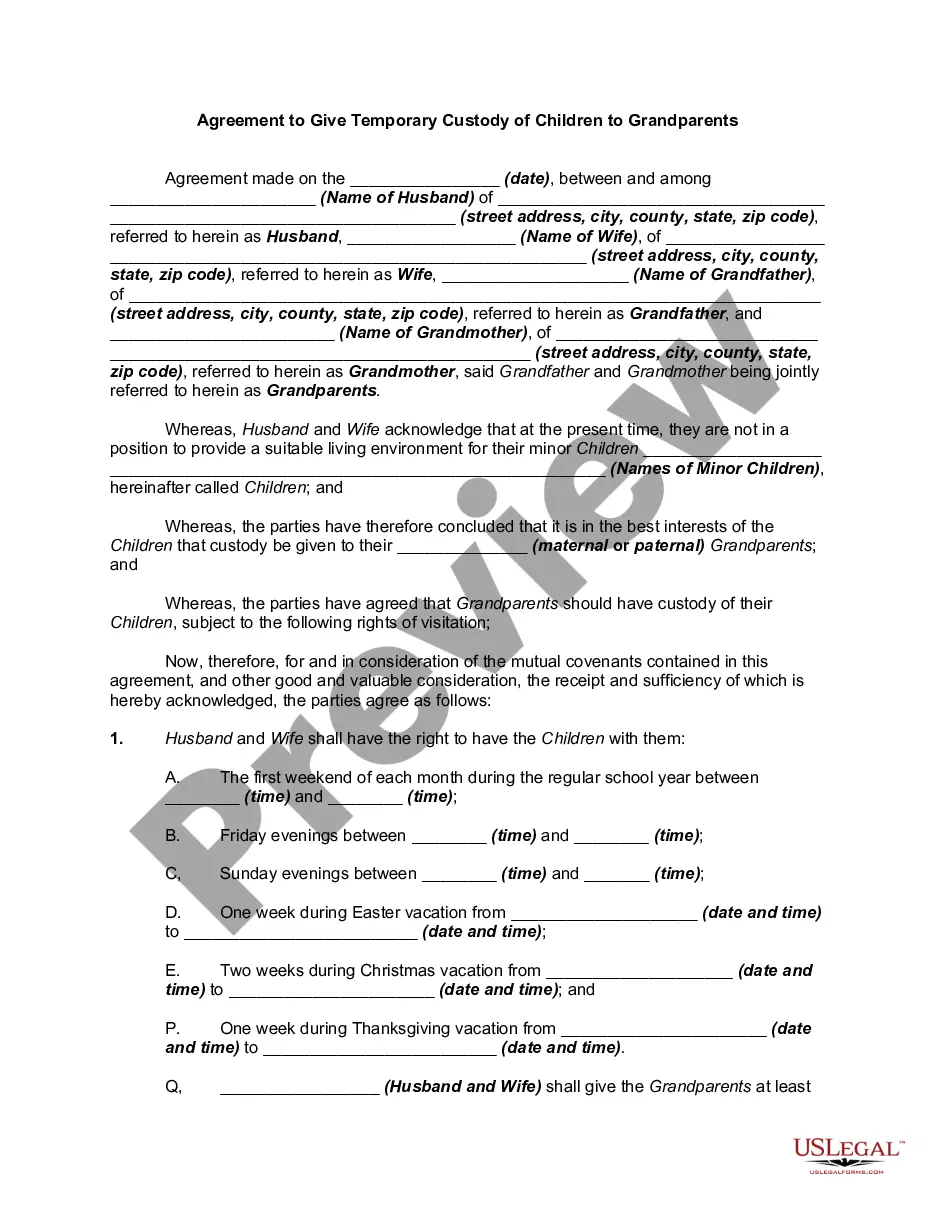
Review the template using the Preview function or through the text outline to confirm it meets your needs.
- These documents are easy to navigate, with all materials categorized by state and purpose of utilization.
- Our experts keep current with legislative changes, ensuring that you can trust your document is up to date and compliant when you acquire a Rule Complaint Procedure For Disparate Impact from our platform.
- Obtaining a Rule Complaint Procedure For Disparate Impact is straightforward and fast for both existing and new users.
- If you have an account with an active subscription, Log In and retrieve the document you need in the desired format.
- If you are new to our site, follow the steps outlined below.
Form popularity
FAQ
The EEOC provides guidance on disparate impact by outlining how employers must assess their policies to ensure fair treatment for all employees. According to the EEOC, if a policy has a negative effect on a protected group, employers must justify its necessity and explore alternative options. This guidance emphasizes the importance of fairness in employment practices. Engaging with the Rule complaint procedure for disparate impact can help you align your practices with EEOC standards.
To prove disparate impact discrimination, you must identify a particular practice that leads to unequal outcomes among different groups. It's essential to collect statistical evidence that illustrates how this practice adversely affects a protected class. If you can establish this connection, you may need to show that there are less discriminatory alternatives available. The Rule complaint procedure for disparate impact can guide you in presenting your case accurately.
To prove a disparate impact case, you need to show that a specific policy or practice disproportionately affects a protected group. This involves gathering data that highlights the differences in outcomes for different demographics. Once you have this evidence, you can demonstrate that the policy is not necessary for achieving its intended purpose. Utilizing the Rule complaint procedure for disparate impact can help you navigate this process effectively.
How Do You Prove Disparate Treatment? That the plaintiff is a member of a protected class (such as African American, pregnant, over age 40, etc.) That the plaintiff was qualified for the employment benefit in question. That the plaintiff was denied the employment benefit in question.
Example of disparate treatment: providing higher pay to men than women for performing the same job (intentional discrimination) Example of disparate impact: hiring more men than women as construction workers as a result of physical height or strength (unintentional discrimination).
[2] "Business necessity" is the defense to a claim of disparate impact under Title VII of the Civil Rights Act of 1964, which prohibits employment discrimination based on race, color, religion, sex, or national origin.
To eliminate disparate impact and disparate treatment, everyone needs to be treated equally at all times. Make sure you have transparent procedures for hiring, firing, and laying off employees. Give everyone equal access to information and make sure you're not excluding employees from important discussions.
Preventing adverse impact in (and beyond) your hiring efforts is essential for: Ensuring fair hiring practices. Supporting legal defensibility of your recruitment process. Improving diversity in the workplace. Conduct an objective job analysis. Understand the four-fifths rule. Track your applications and pass rates.