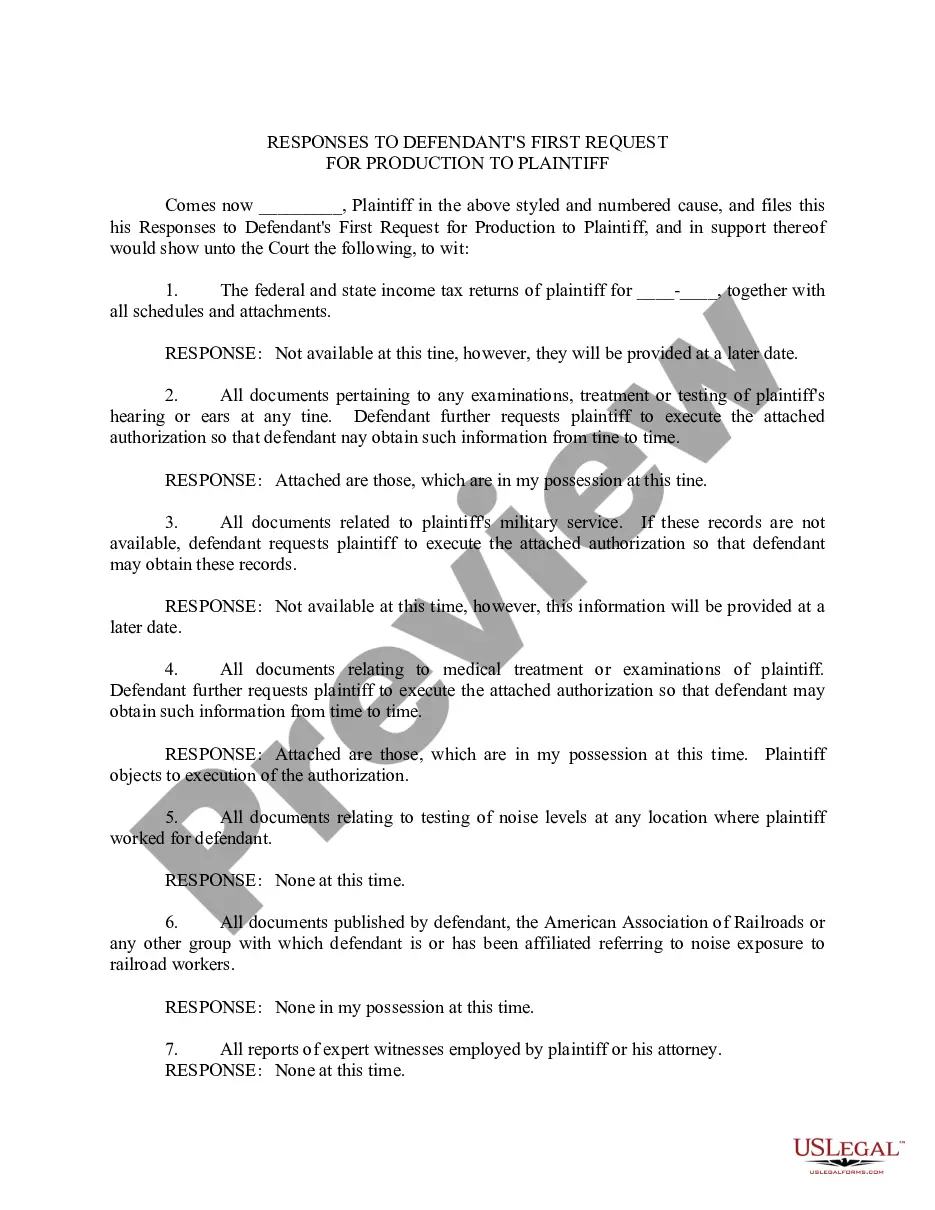
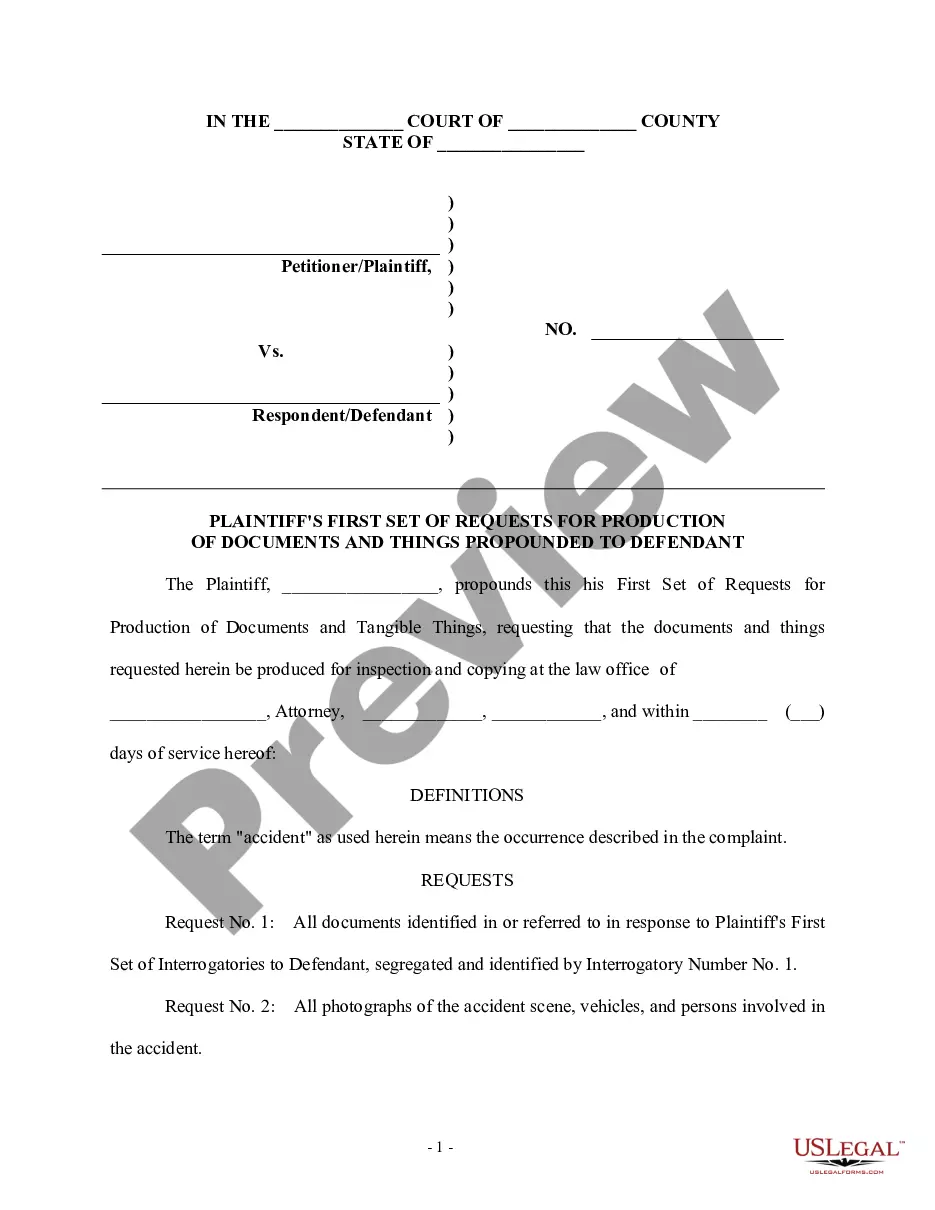
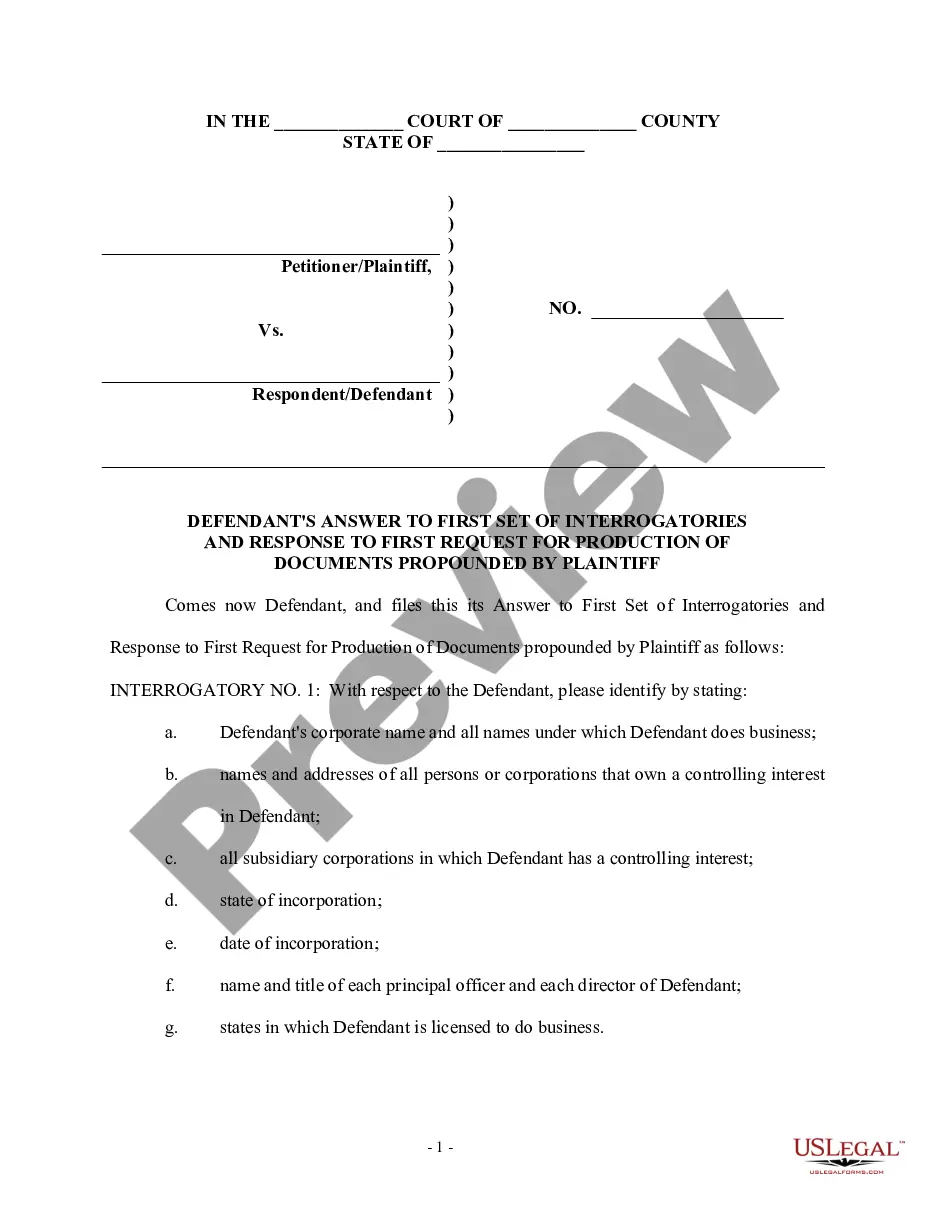
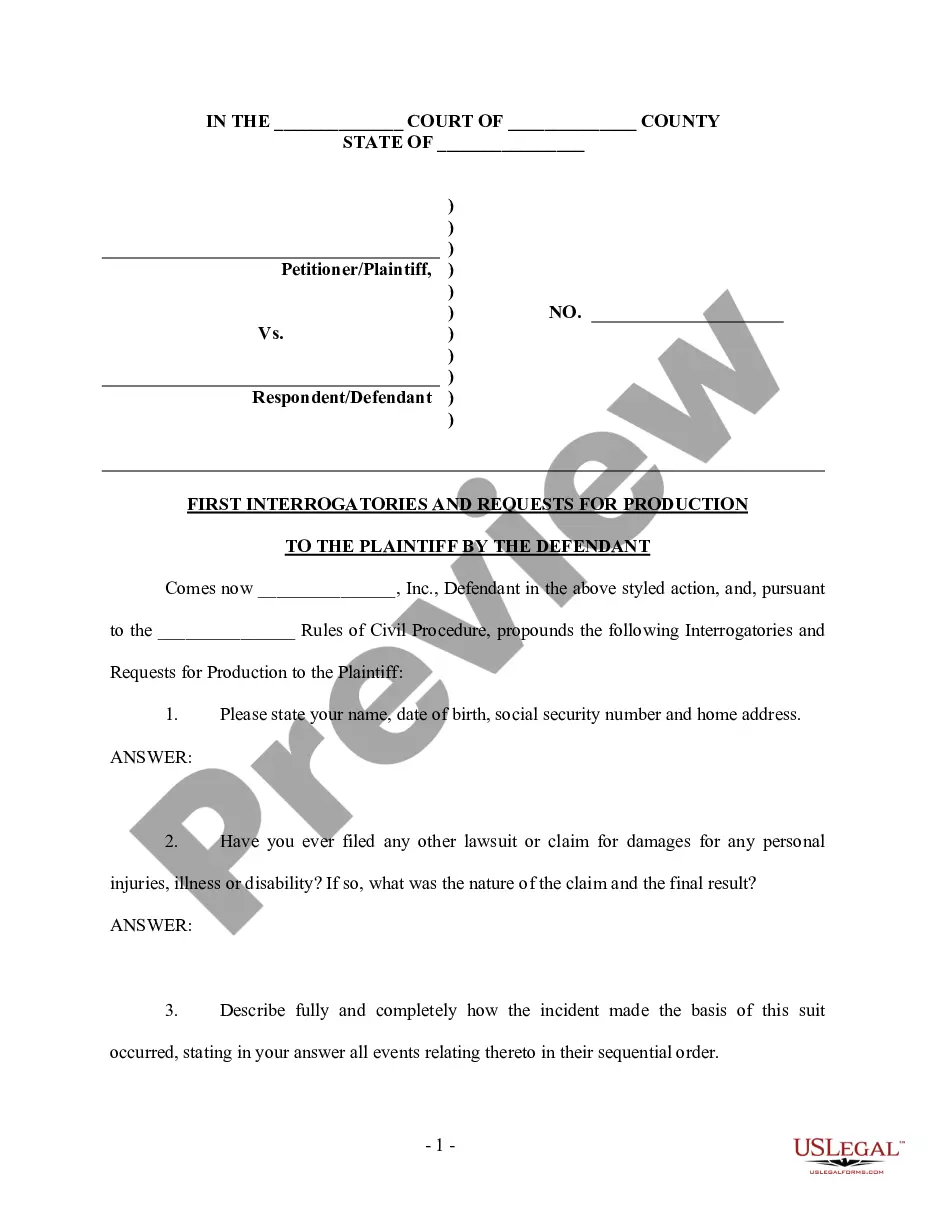
Notice Of Deposition With Request To Produce Documents
Description
Get your form ready online
Our built-in tools help you complete, sign, share, and store your documents in one place.
Make edits, fill in missing information, and update formatting in US Legal Forms—just like you would in MS Word.
Download a copy, print it, send it by email, or mail it via USPS—whatever works best for your next step.
Sign and collect signatures with our SignNow integration. Send to multiple recipients, set reminders, and more. Go Premium to unlock E-Sign.
If this form requires notarization, complete it online through a secure video call—no need to meet a notary in person or wait for an appointment.
We protect your documents and personal data by following strict security and privacy standards.

Make edits, fill in missing information, and update formatting in US Legal Forms—just like you would in MS Word.

Download a copy, print it, send it by email, or mail it via USPS—whatever works best for your next step.

Sign and collect signatures with our SignNow integration. Send to multiple recipients, set reminders, and more. Go Premium to unlock E-Sign.

If this form requires notarization, complete it online through a secure video call—no need to meet a notary in person or wait for an appointment.

We protect your documents and personal data by following strict security and privacy standards.
Looking for another form?

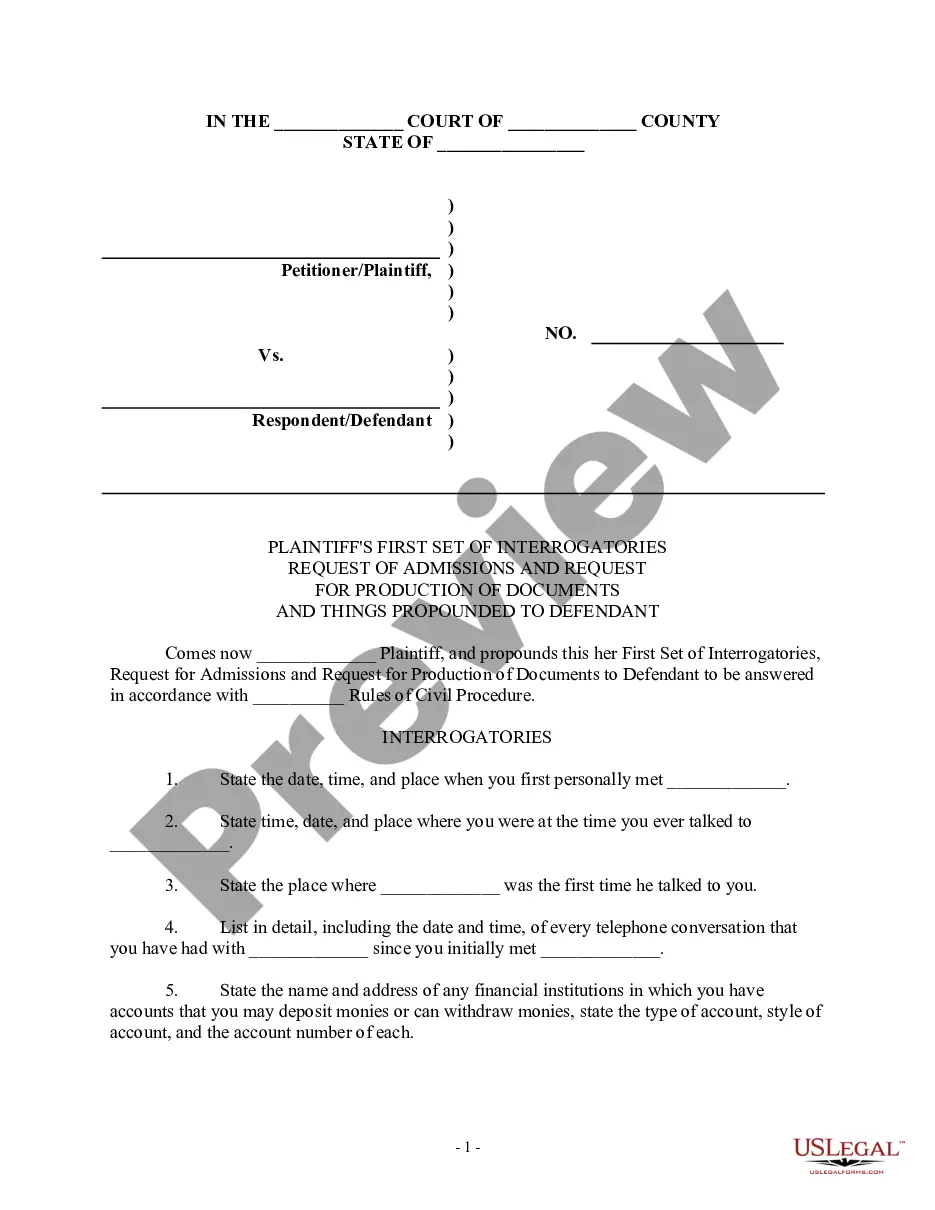
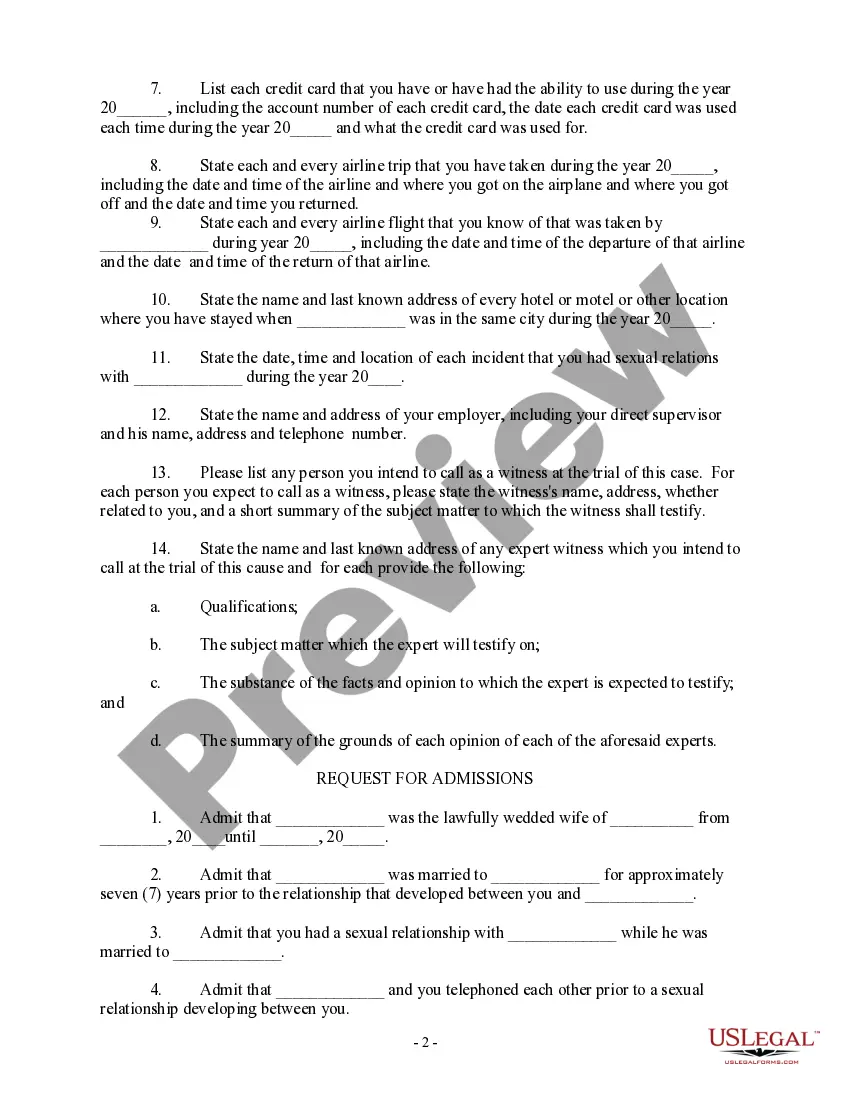
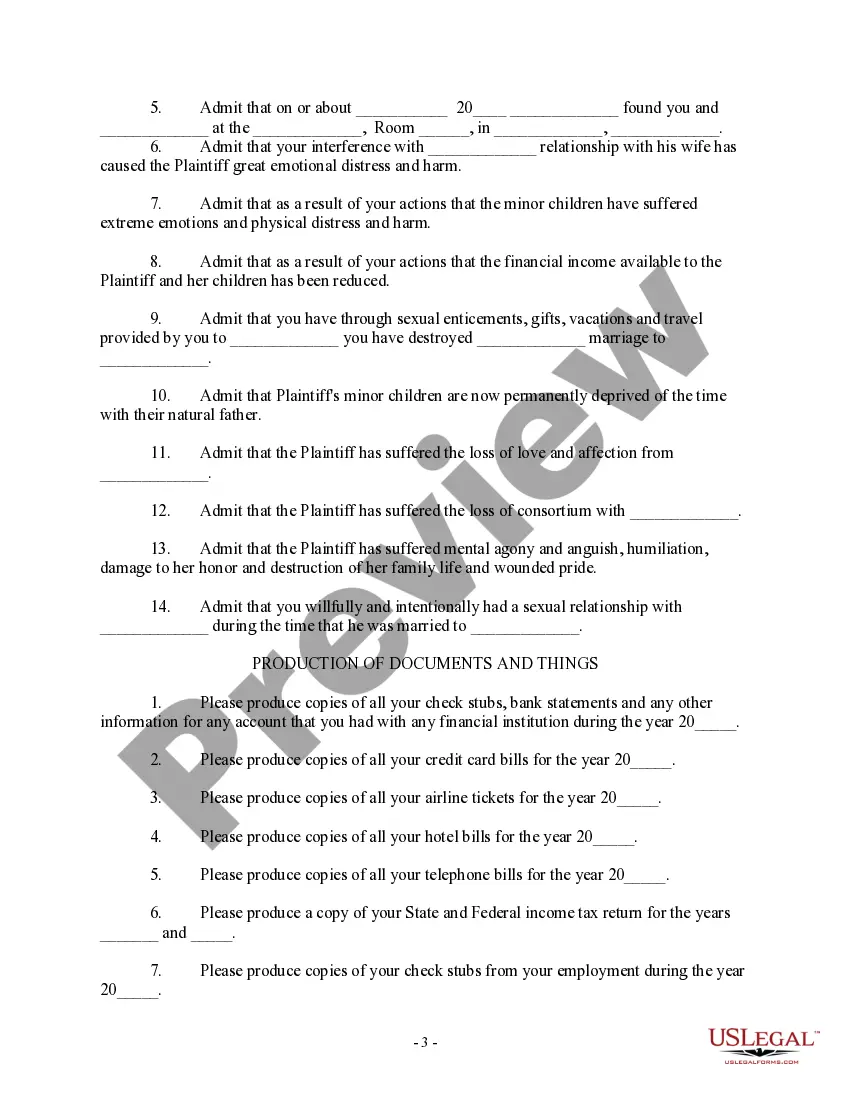
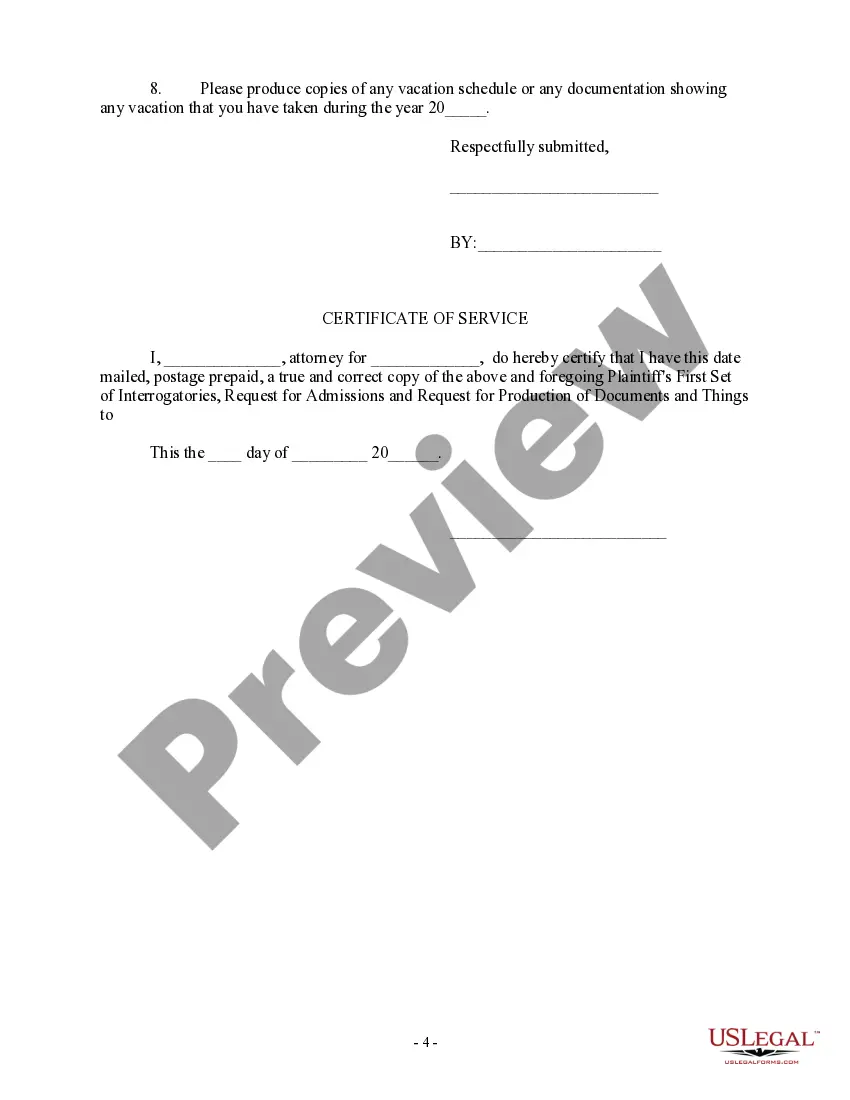
How to fill out Plaintiff's First Set Of Interrogatories And Request For Production Of Documents?
Securing legal document samples that adhere to federal and local laws is essential, and the web provides countless alternatives to consider.
However, what’s the point of squandering time searching for the appropriate Notice Of Deposition With Request To Produce Documents sample online if the US Legal Forms digital library has already compiled such templates in one location.
US Legal Forms is the largest online legal repository with over 85,000 fillable templates created by attorneys for any professional and personal scenario. They are simple to navigate, with all documents categorized by state and intended use.
All templates obtained through US Legal Forms are reusable. To re-download and complete previously acquired forms, access the My documents section in your account. Make the most of the largest and most user-friendly legal document service!
- Our specialists stay updated with legislative changes, ensuring that your documentation is current and in compliance when obtaining a Notice Of Deposition With Request To Produce Documents from our site.
- Acquiring a Notice Of Deposition With Request To Produce Documents is swift and straightforward for both existing and new users.
- If you already possess an account with an active subscription, Log In and save the form sample you require in the desired format.
- If you are new to our platform, follow the steps listed below.
- Examine the template using the Preview feature or through the text description to ensure it fulfills your requirements.
Form popularity
FAQ
To authenticate documents in a deposition, you should first ensure that the documents in question are clearly identified and labeled. Next, ask the deponent about their knowledge of the documents to establish their validity. If necessary, refer to the notice of deposition with request to produce documents to guide the authentication process. This methodology reinforces the integrity of the documents being discussed.
At the start of a deposition, it is important to introduce yourself and outline the purpose of the session. State that this is a formal procedure and emphasize the importance of truthfulness in the responses given. Additionally, remind the deponent of their obligation to provide the requested documents as specified in the notice of deposition with request to produce documents. This briefing sets the tone for a respectful and productive discussion.
Writing a notice of deposition with request to produce documents involves a few key components. Begin by including the date, time, and location of the deposition, along with the name of the deponent. Clearly specify the documents you request for production to facilitate a smooth process. Providing this information helps all parties understand the expectations and responsibilities involved.
To respond to a notice of deposition with request to produce documents, first review the notice carefully. You should determine which documents you can provide and any objections you may have. It is essential to communicate your intentions in writing and confirm any attendance or document production terms. This approach will help you maintain transparency and ensure proper legal procedure.
Responding to a request for production of documents at a deposition requires careful attention to the requests made. You should prepare by identifying and organizing the relevant documents associated with the Notice of deposition with request to produce documents. During the deposition, be honest and clear about the materials you can provide. If you cannot comply with any requests, be prepared to explain why and potentially seek advice from legal counsel.
You are usually notified of a deposition through a formal notice, which may be delivered in person, through mail, or via email. This notice will include details about the date, time, and location, as well as specifics regarding the Notice of deposition with request to produce documents. It’s important to keep this communication organized and accessible. If you do not receive a notice, reach out to establish clarity.
Typically, you have a limited time frame to object to a deposition notice, usually around five to ten days, depending on the jurisdiction. It's crucial to review the Notice of deposition with request to produce documents promptly. If you believe there are valid grounds for your objection, draft your response immediately. Consulting with an attorney can help ensure you meet all required deadlines.
A motion to compel responses to request for production of documents is a formal request to the court. It asks the judge to require a party to provide documents that they have not supplied in response to a Notice of deposition with request to produce documents. This motion often arises when one party believes the other is withholding information unjustly. The court will review the motion and determine if the request is valid.
When answering a request for production of documents, begin by examining each request closely. Identify the documents you have that relate to the Notice of deposition with request to produce documents. If you possess the requested items, gather them meticulously and send a written response outlining your actions. If certain documents are unavailable, clearly state the reasons in your reply.
To respond to a request for information, carefully review the details provided. Ensure you understand what is being asked, especially in terms of the Notice of deposition with request to produce documents. Compile the necessary information, and format your response clearly. If you have concerns about the request, consult a legal professional for guidance.