Irrevocable Trust Trustors For Trust
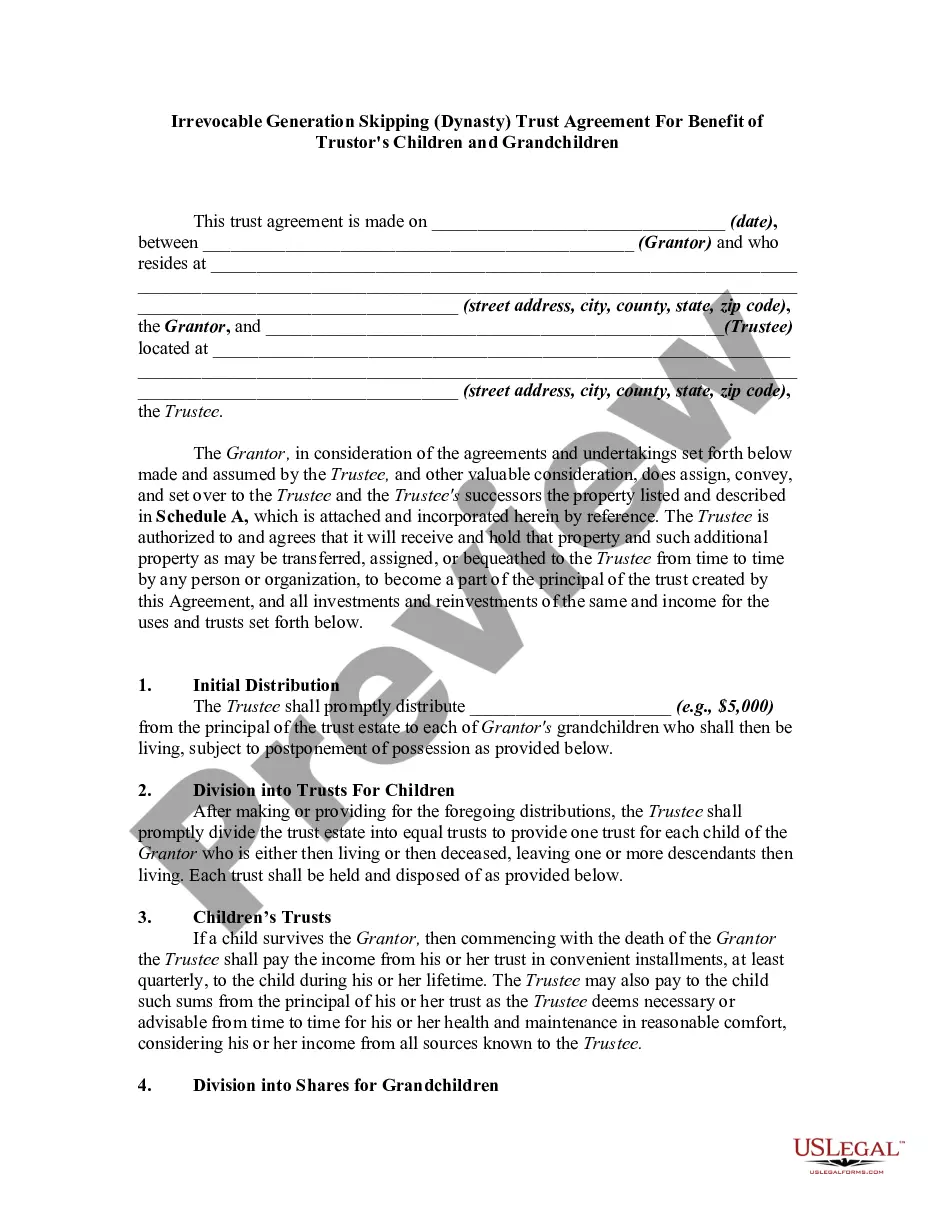
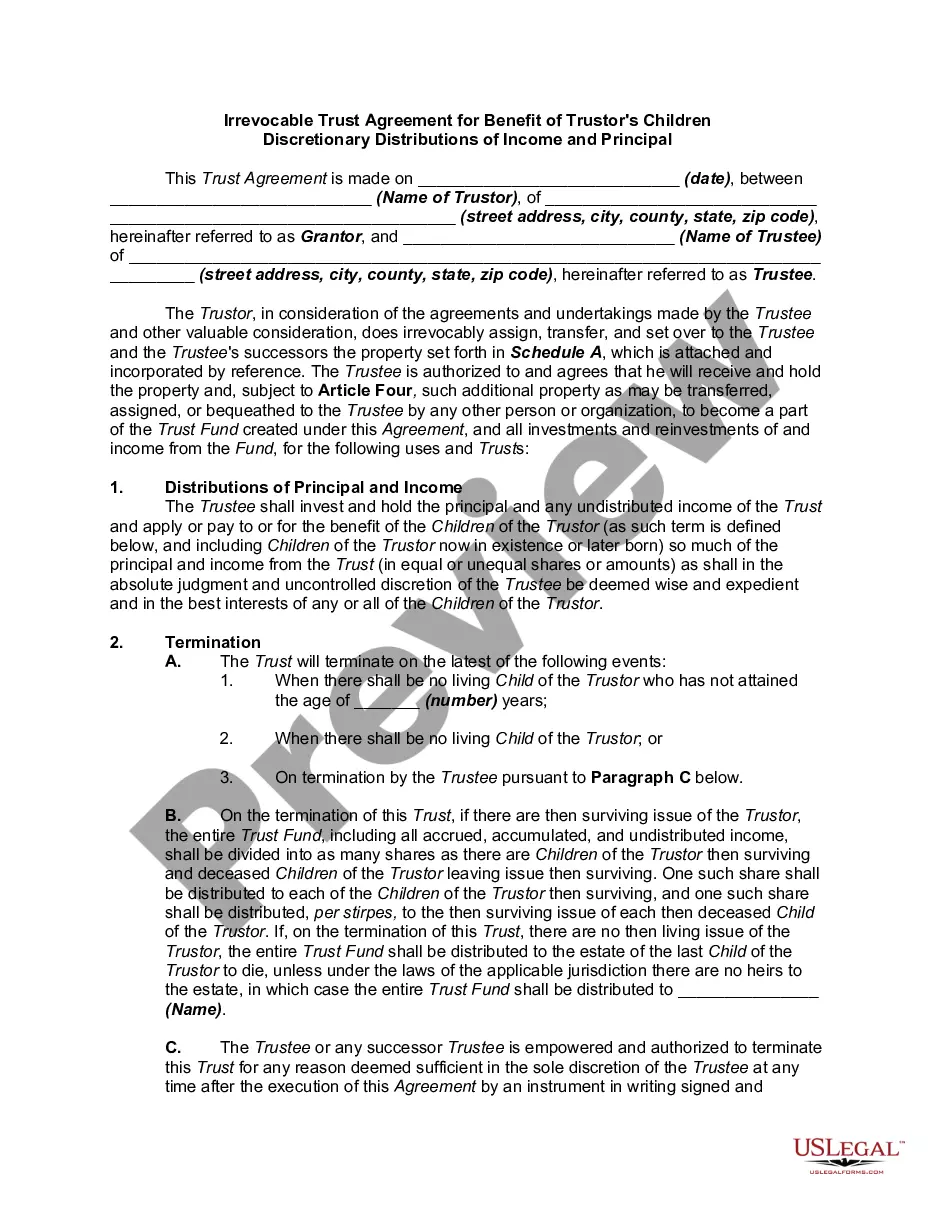
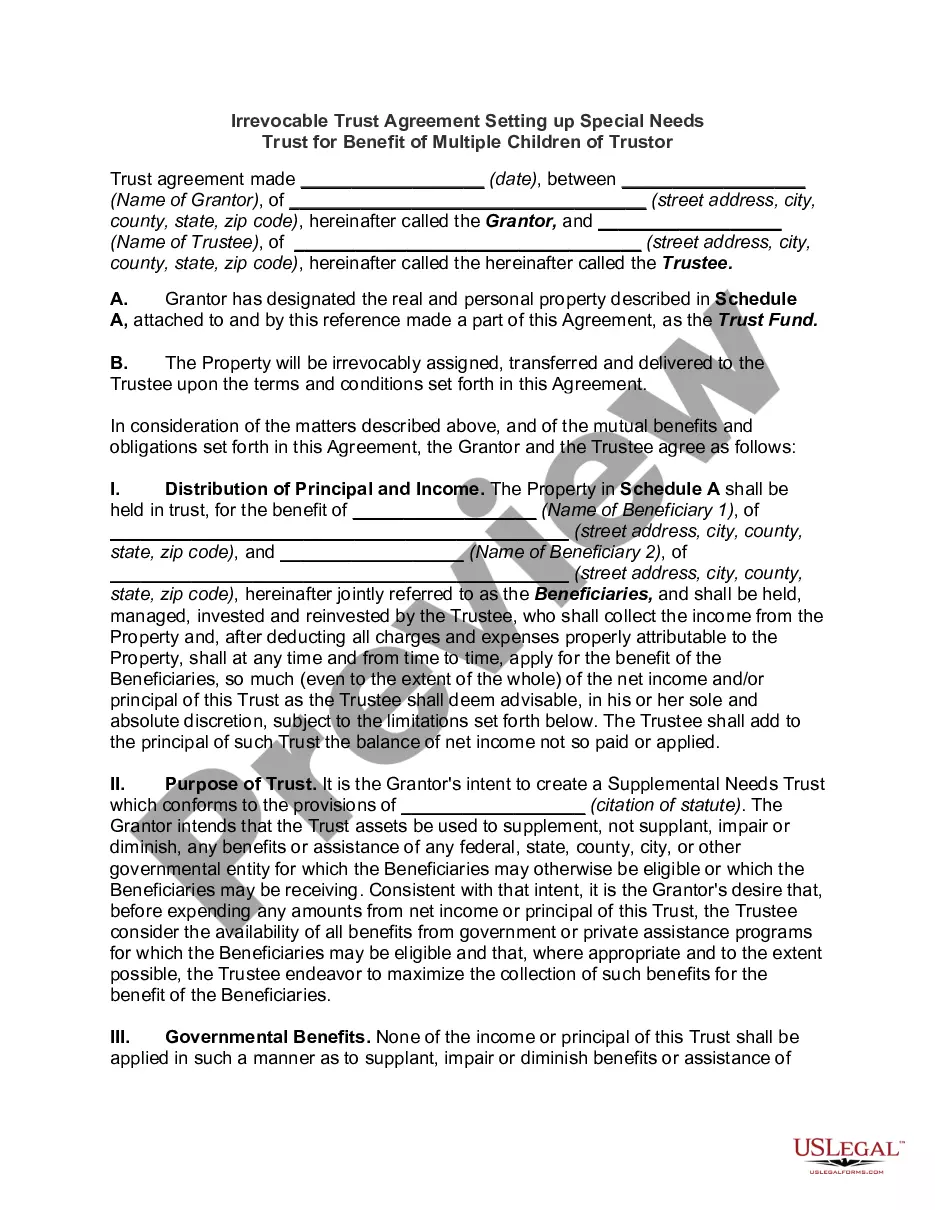
Description

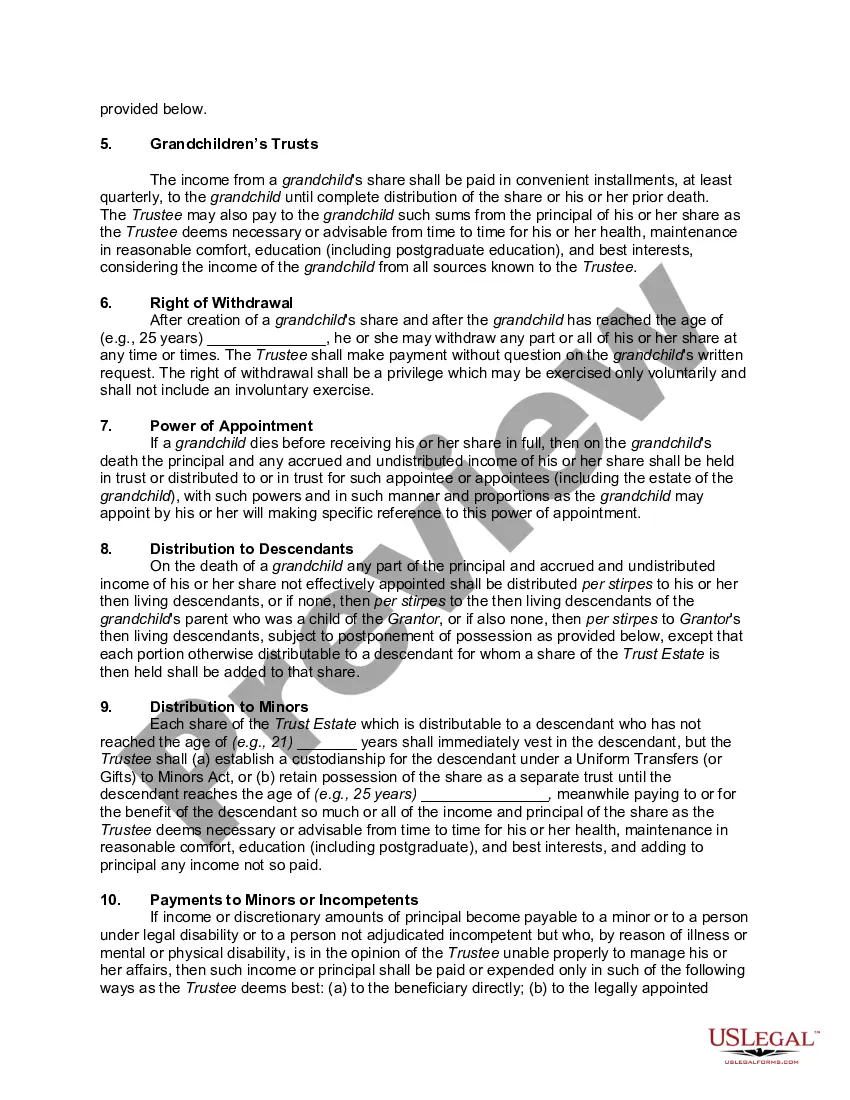
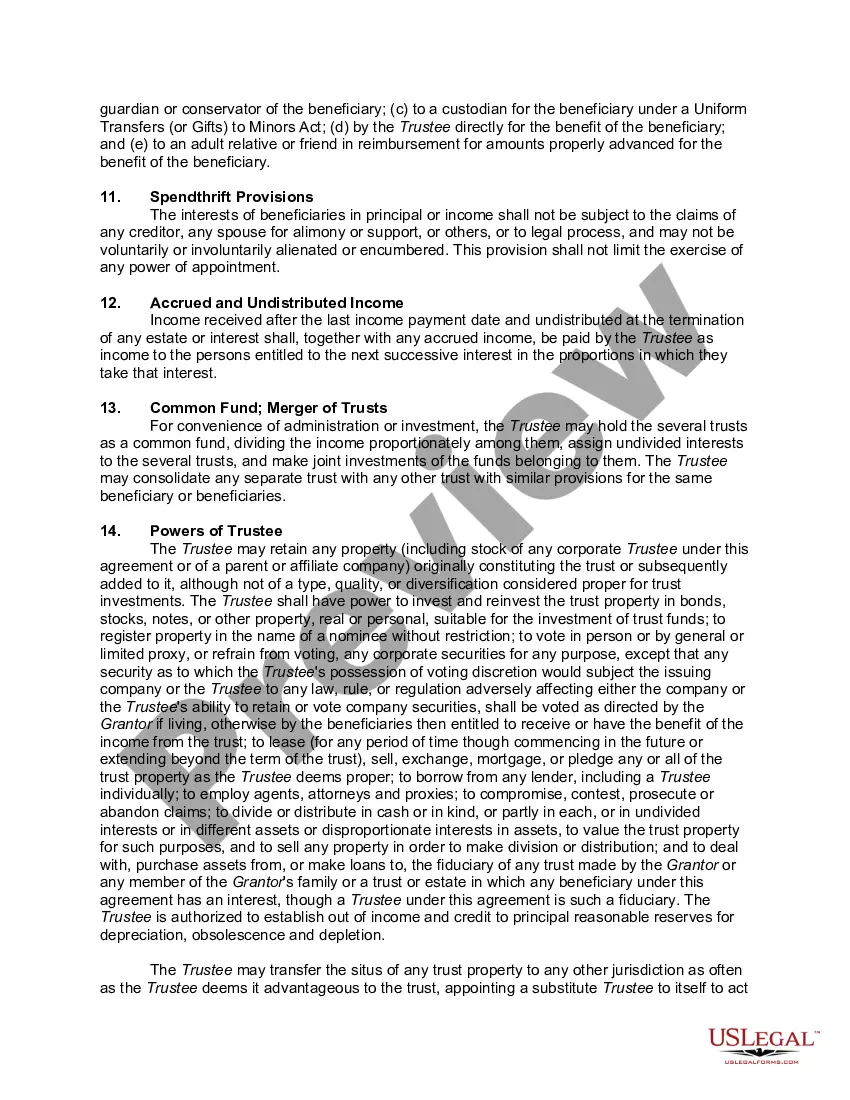
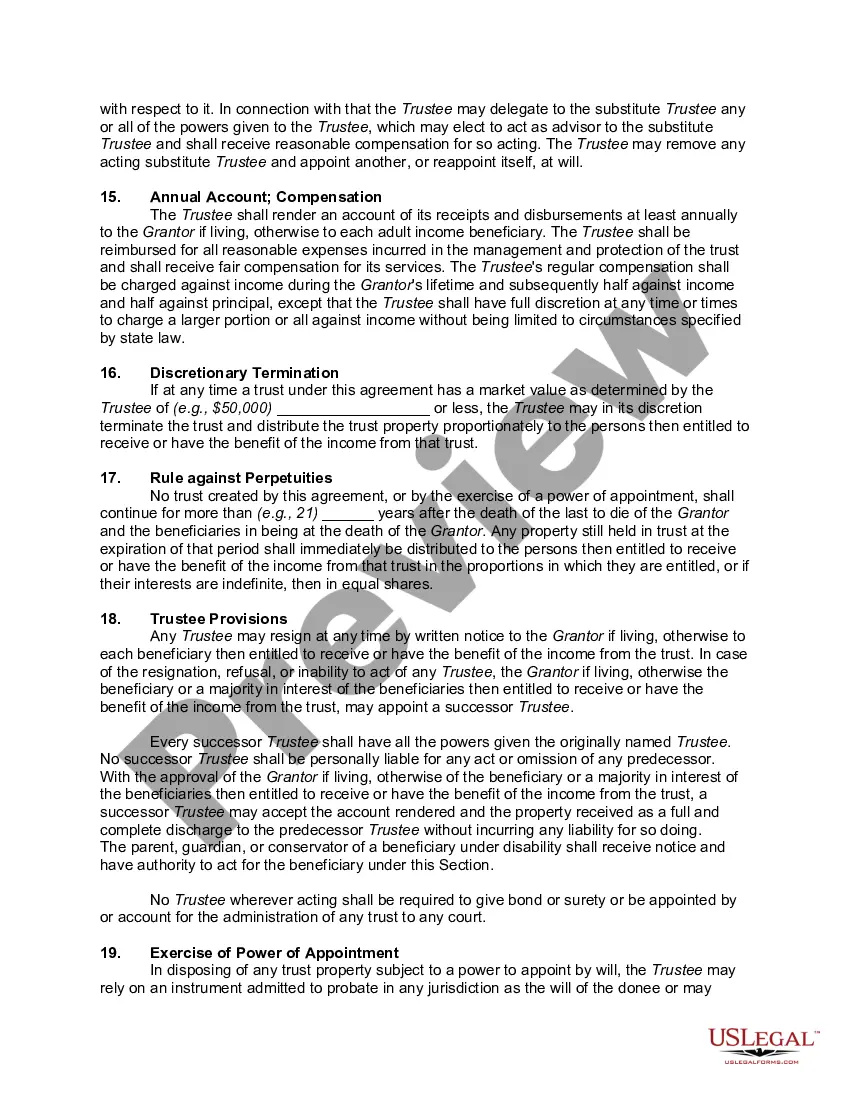
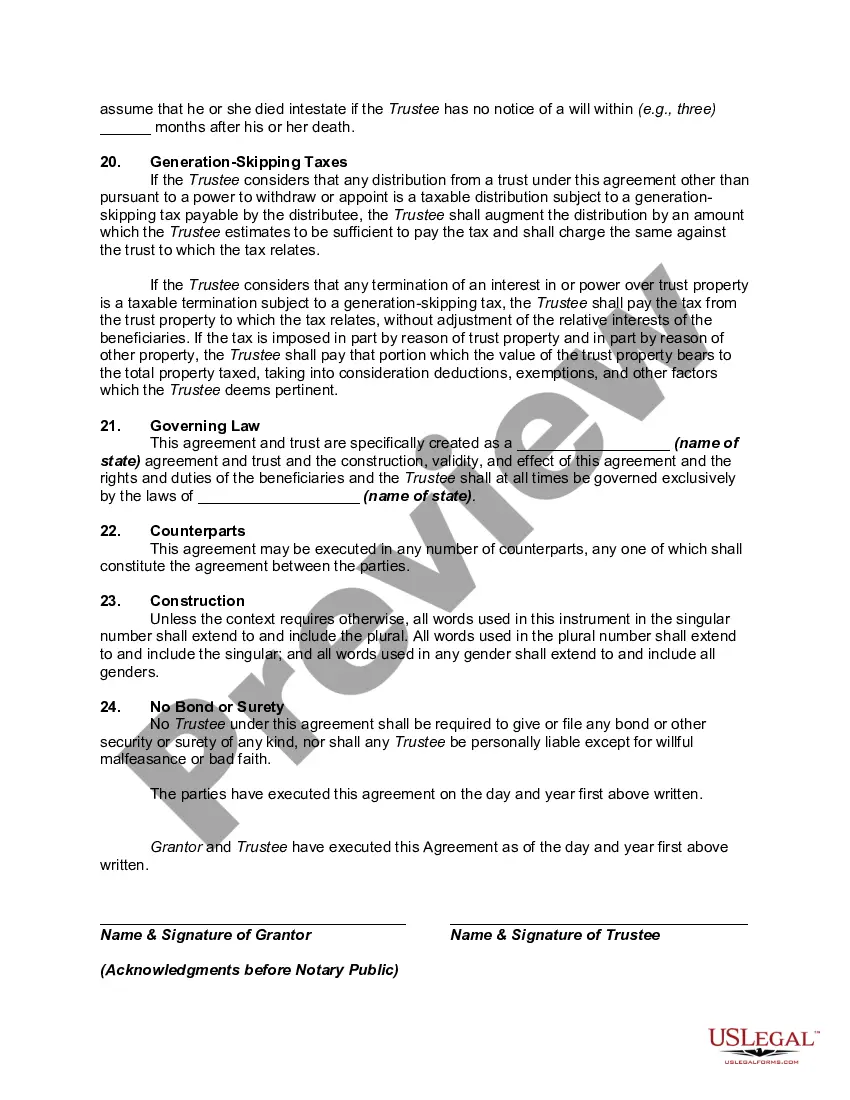


Get your form ready online
Our built-in tools help you complete, sign, share, and store your documents in one place.
Make edits, fill in missing information, and update formatting in US Legal Forms—just like you would in MS Word.
Download a copy, print it, send it by email, or mail it via USPS—whatever works best for your next step.
Sign and collect signatures with our SignNow integration. Send to multiple recipients, set reminders, and more. Go Premium to unlock E-Sign.
If this form requires notarization, complete it online through a secure video call—no need to meet a notary in person or wait for an appointment.
We protect your documents and personal data by following strict security and privacy standards.

Make edits, fill in missing information, and update formatting in US Legal Forms—just like you would in MS Word.

Download a copy, print it, send it by email, or mail it via USPS—whatever works best for your next step.

Sign and collect signatures with our SignNow integration. Send to multiple recipients, set reminders, and more. Go Premium to unlock E-Sign.

If this form requires notarization, complete it online through a secure video call—no need to meet a notary in person or wait for an appointment.

We protect your documents and personal data by following strict security and privacy standards.
Looking for another form?





How to fill out Irrevocable Trust Agreement For Benefit Of Trustor's Children And Grandchildren?
- If you're a returning user, log into your account and locate the required form template. Verify your subscription status and renew if necessary.
- In case you're new to US Legal Forms, start by exploring the Preview mode and detailed description of your desired form. Confirm it aligns with your needs and local regulations.
- If you don't find the right template, utilize the Search function above to look for alternatives. Make sure the new selection meets your criteria before proceeding.
- To obtain the document, click on the Buy Now button and select your preferred subscription plan. You must create an account to access the comprehensive library of forms.
- Complete your purchase by entering your payment information, either via credit card or PayPal.
- Finally, download your form to your device for easy access and review later in the My Forms section of your profile.
US Legal Forms offers a robust collection of over 85,000 fillable legal forms, making it an ideal choice for both individuals and attorneys.
Whether you're a seasoned trustor or new to the process, US Legal Forms provides the resources you need for quick and accurate legal documentation. Explore our platform today!
Form popularity
FAQ
Typically, an irrevocable trust does not need to be filed with the court unless it is part of a probate process or requires judicial oversight. However, many irrevocable trust trustors for trust choose to have their trust documents prepared or reviewed by legal professionals to ensure they meet all legal standards. Platforms like uslegalforms can offer templates and guidance to aid in this process.
Choosing the right trustee for your irrevocable trust is critical for its effective management. Trustees can be family members, friends, or professional fiduciaries who can fulfill the obligations of the role. Irrevocable trust trustors for trust should consider the trustee's experience, reliability, and understanding of financial matters when making this decision.
Yes, irrevocable trust trustors for trust often need to file Form 1041 if the trust generates taxable income. It's essential to understand that this form not only reports income but also helps manage distributions effectively. Make sure to keep accurate records to simplify the filing process.
To determine if you need to file Form 1041 for your irrevocable trust, assess the trust's income and beneficiaries. If the trust earns over $600 in gross income or if it has non-resident alien beneficiaries, filing is necessary. It’s important for irrevocable trust trustors for trust to regularly review these aspects to ensure compliance.
Generally, if your irrevocable trust has no income, you do not need to file Form 1041. However, certain situations may still require filing to comply with IRS regulations. Consulting with a tax advisor or using a resource like uslegalforms can help clarify your specific obligations.
Recently, the IRS updated rules impacting irrevocable trusts, emphasizing increased transparency and compliance. For example, if a trust has unreported assets, it may need to file additional disclosures. It is vital for irrevocable trust trustors for trust to stay informed about changes to avoid potential penalties and to maintain the trust's integrity.
To file your irrevocable trust, complete Form 1041 and submit it to the IRS. You can typically mail your forms to the designated address based on the trust's location and whether you are including a payment. Utilizing platforms like uslegalforms can streamline this filing process and ensure you meet all necessary criteria.
Irrevocable trust trustors for trust need to file Form 1041 if the trust has any taxable income, which includes interest, dividends, or capital gains. Additionally, a trust must file if it has gross income of $600 or more, or if any beneficiary is a non-resident alien. Understanding these requirements is crucial for managing your trust effectively.
The trustee for an irrevocable trust can be an individual or a financial institution appointed to manage the trust’s assets. This person's role is critical, as they ensure the trust operates according to your specifications and protects the interests of the beneficiaries. Choosing a qualified trustee is essential to fulfilling your goals as an irrevocable trust trustor for trust. Consulting platforms like USLegalForms can help you understand the selection process more deeply.
If a trust has no trustee, it may face serious issues, as the trust cannot operate without one. The assets may become stagnant, and beneficiaries might not receive their intended benefits. In such situations, a court may appoint a trustee, but this could complicate your plans. It’s important to establish a clear plan and choose reliable irrevocable trust trustors for trust to avoid these complications.