Amend Judgment With The Court
Description
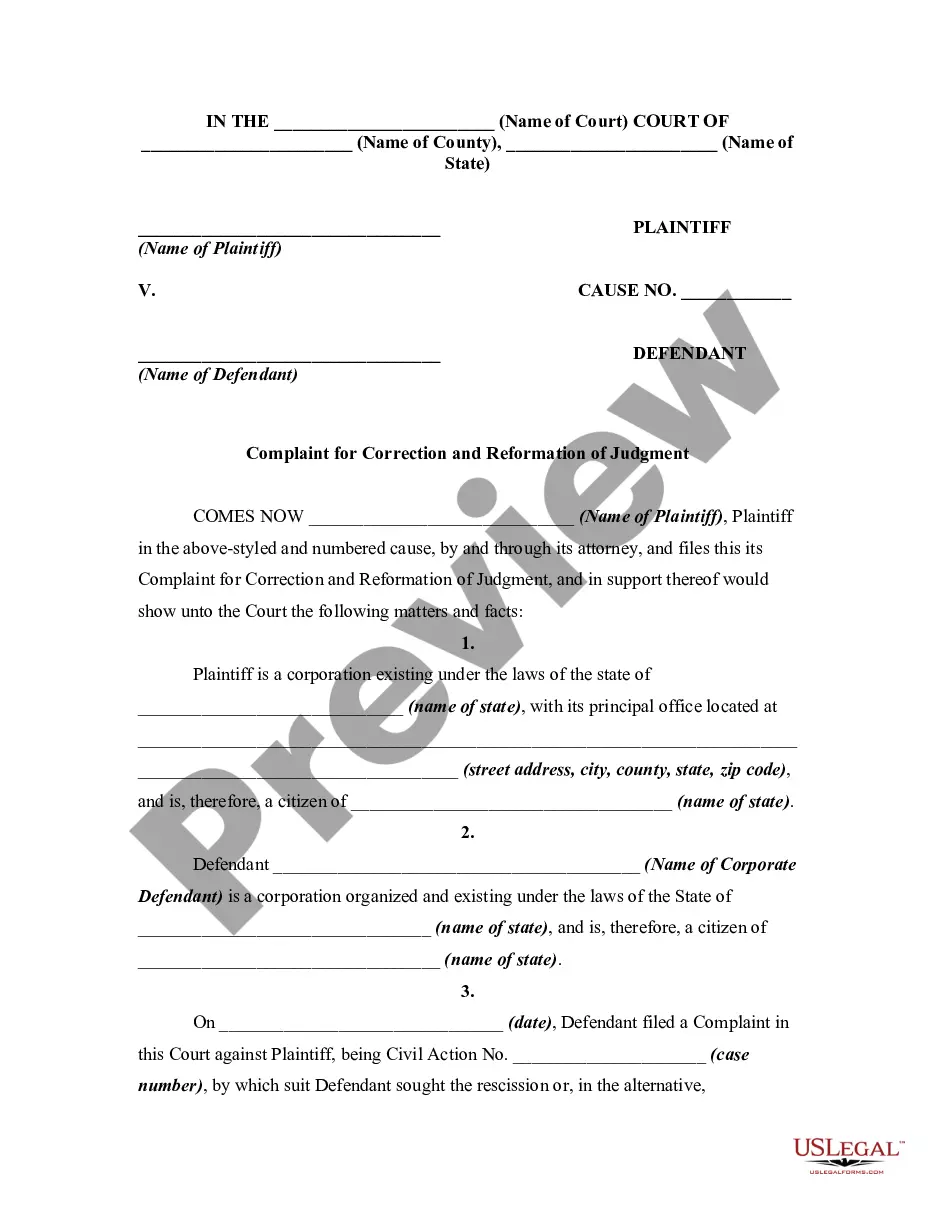
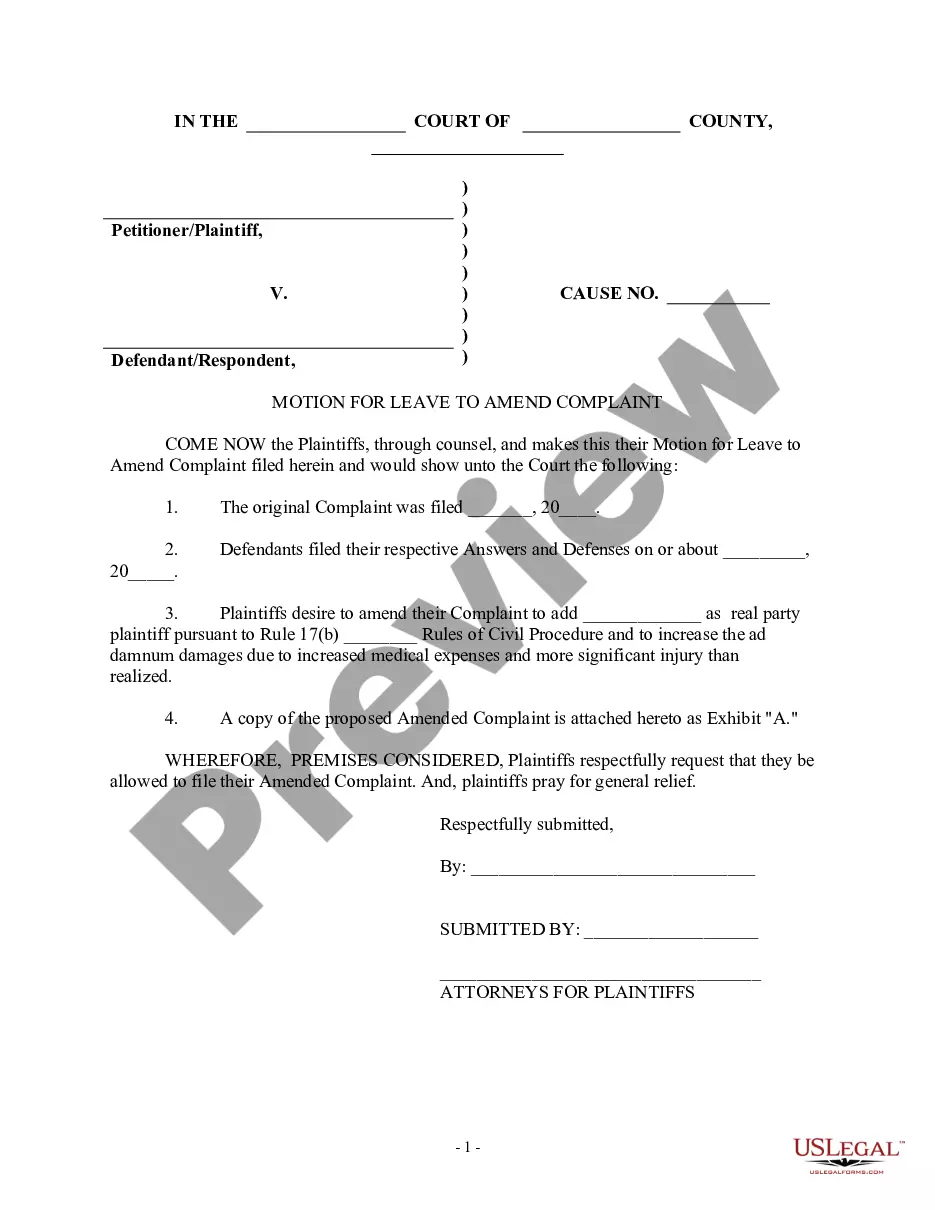
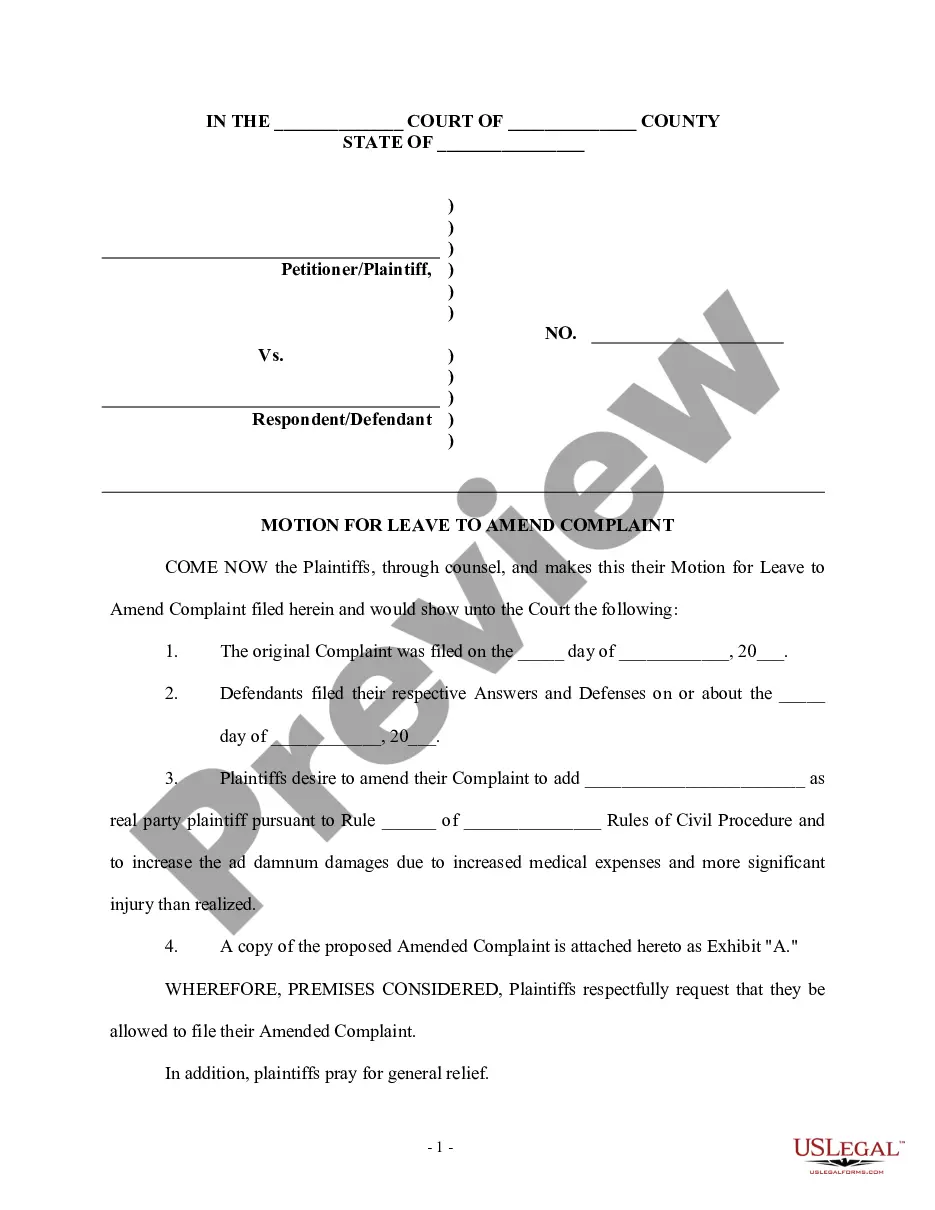
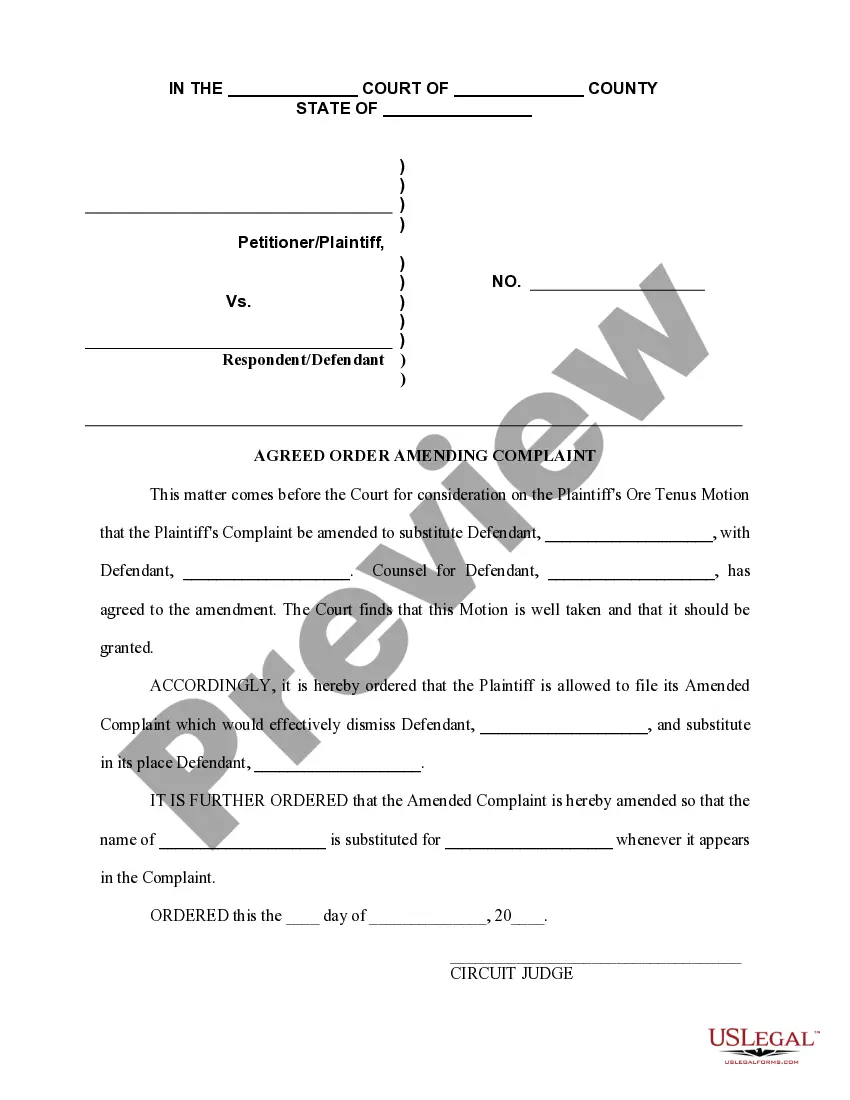
Get your form ready online
Our built-in tools help you complete, sign, share, and store your documents in one place.
Make edits, fill in missing information, and update formatting in US Legal Forms—just like you would in MS Word.
Download a copy, print it, send it by email, or mail it via USPS—whatever works best for your next step.
Sign and collect signatures with our SignNow integration. Send to multiple recipients, set reminders, and more. Go Premium to unlock E-Sign.
If this form requires notarization, complete it online through a secure video call—no need to meet a notary in person or wait for an appointment.
We protect your documents and personal data by following strict security and privacy standards.
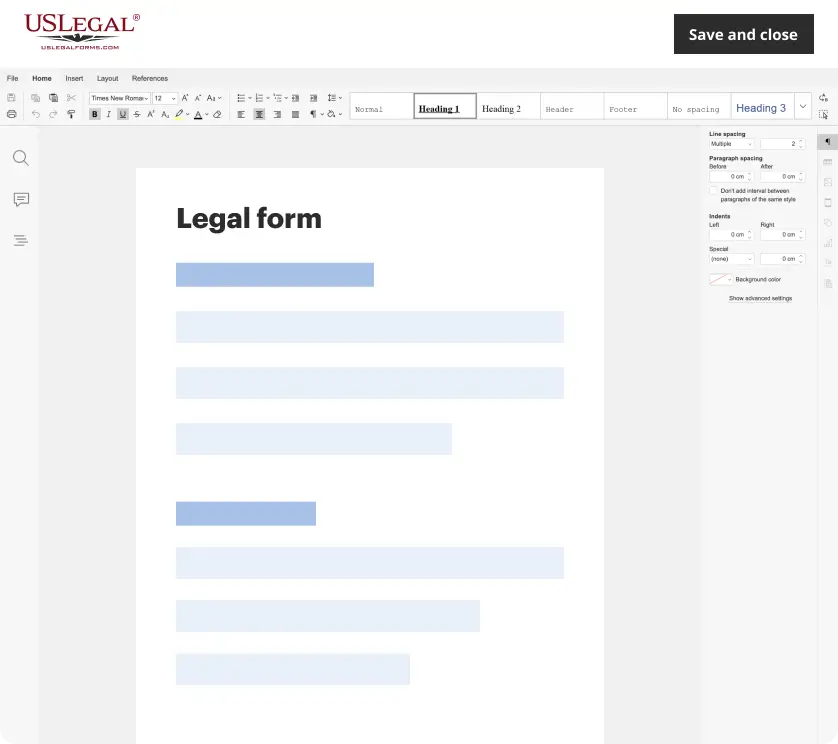
Make edits, fill in missing information, and update formatting in US Legal Forms—just like you would in MS Word.
Download a copy, print it, send it by email, or mail it via USPS—whatever works best for your next step.
Sign and collect signatures with our SignNow integration. Send to multiple recipients, set reminders, and more. Go Premium to unlock E-Sign.

If this form requires notarization, complete it online through a secure video call—no need to meet a notary in person or wait for an appointment.
We protect your documents and personal data by following strict security and privacy standards.
Looking for another form?
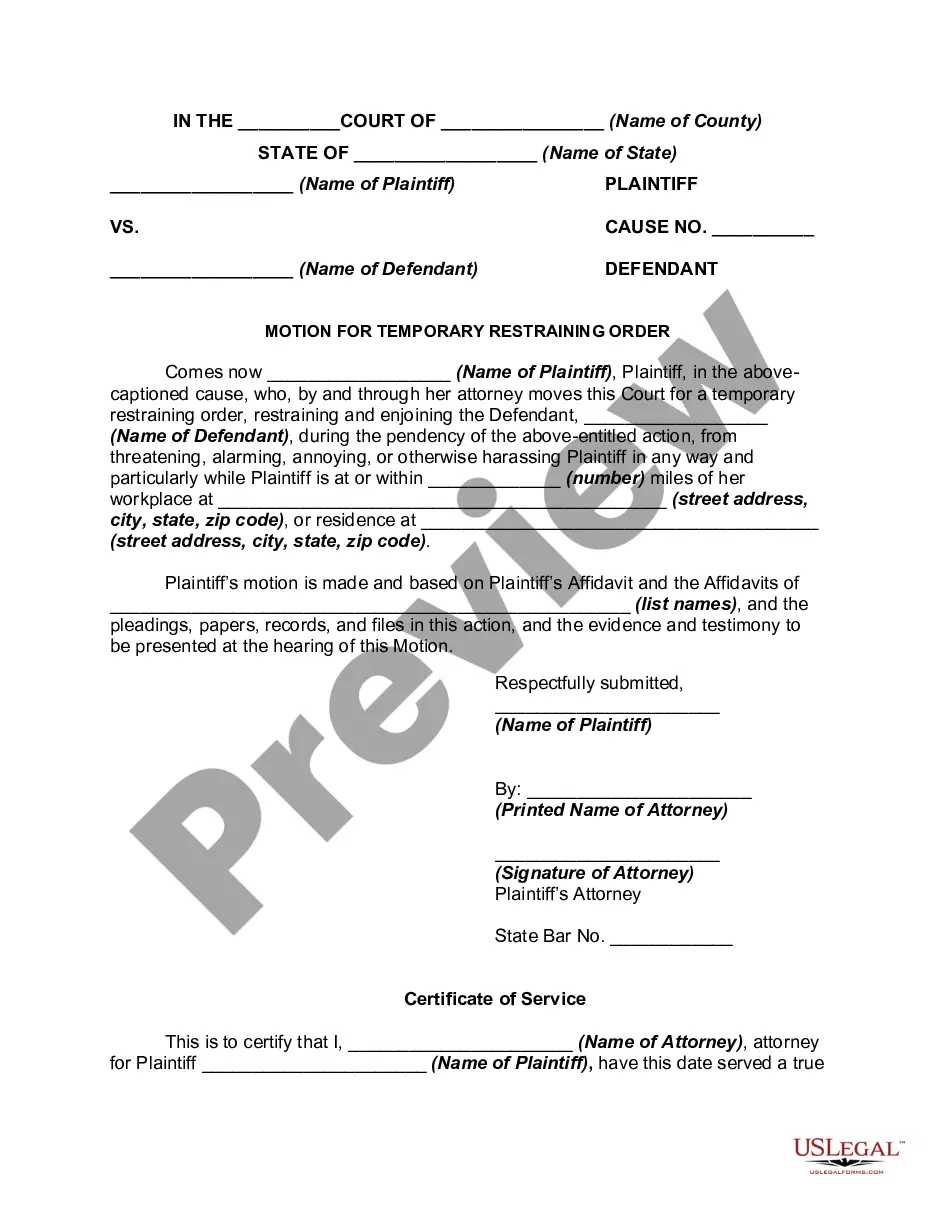




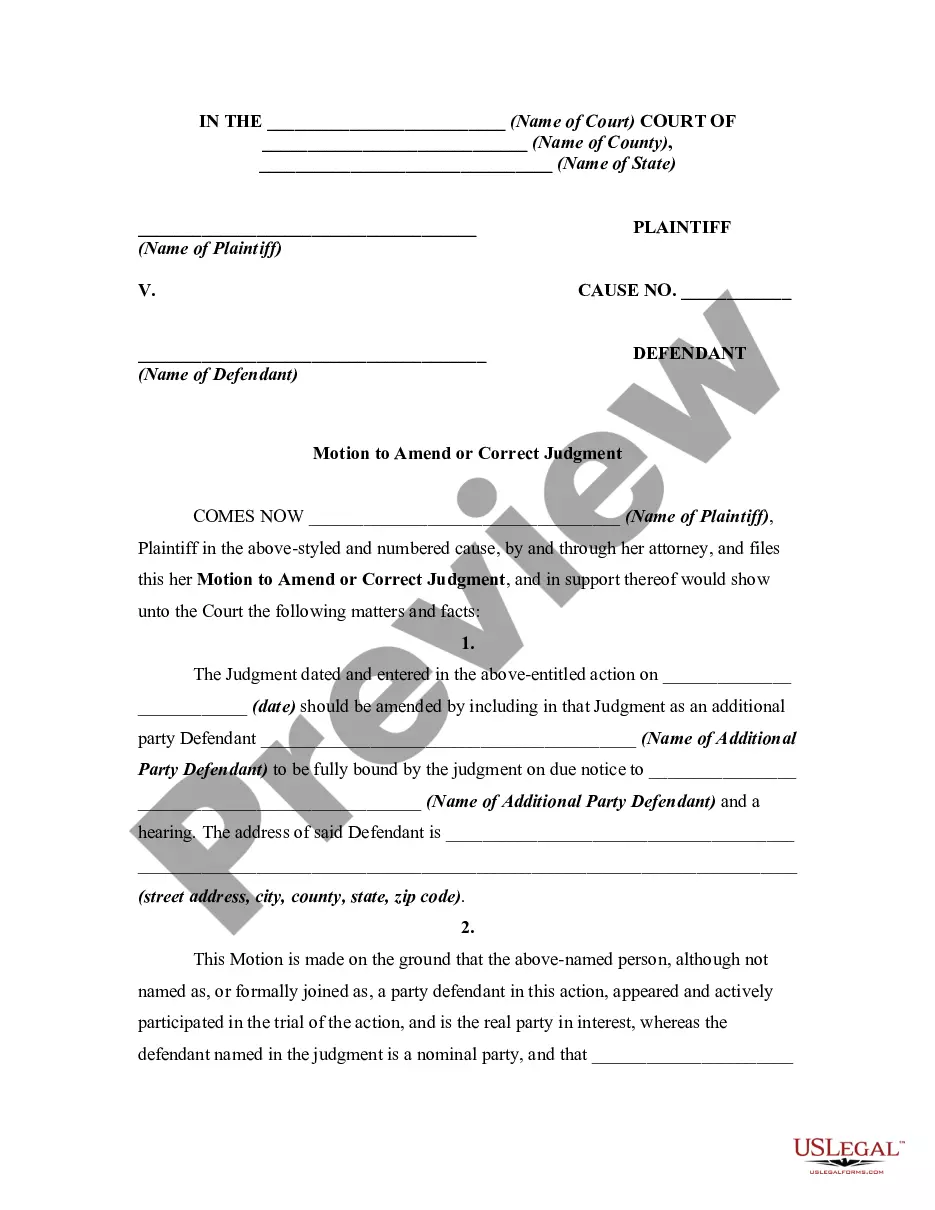
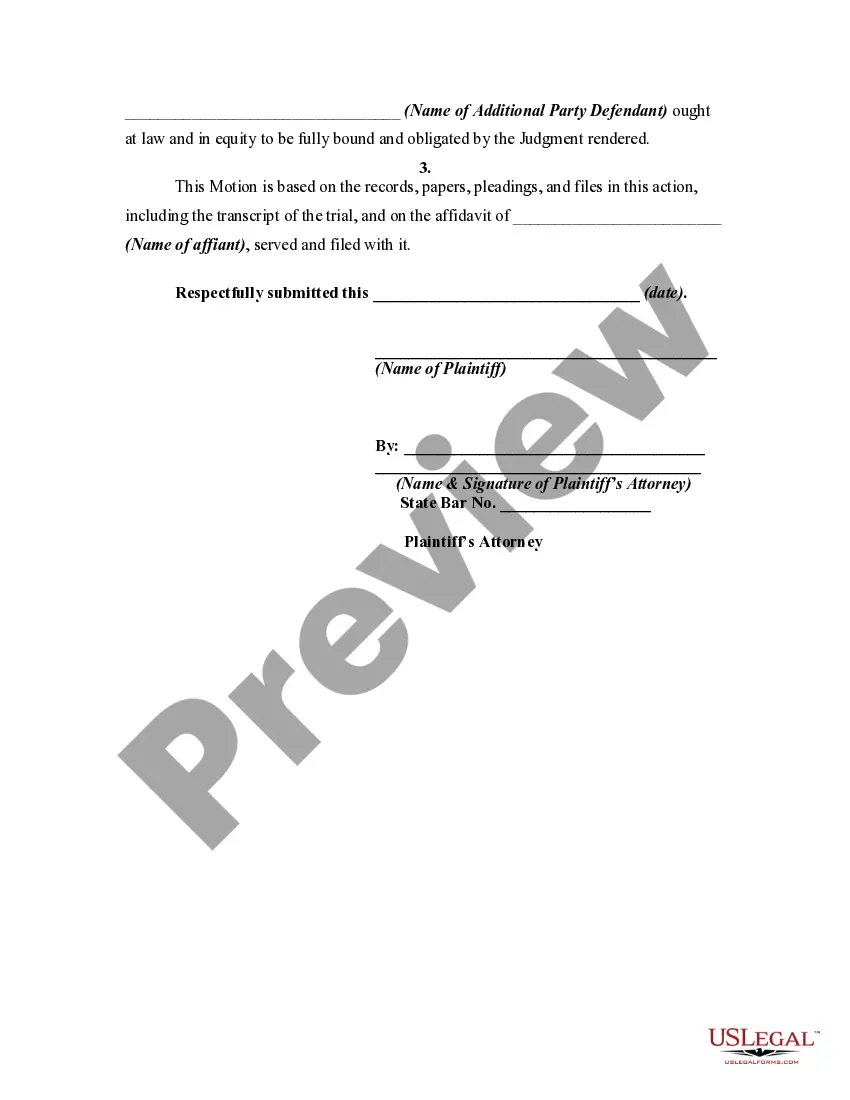
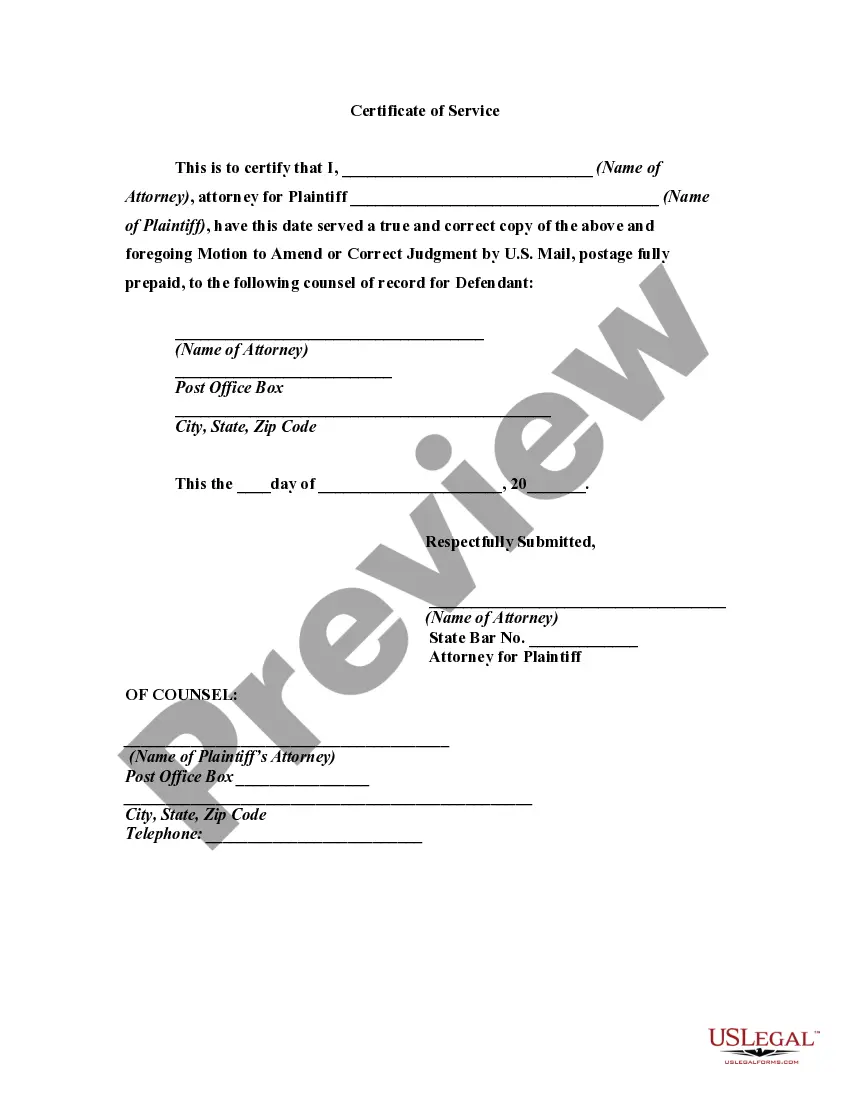
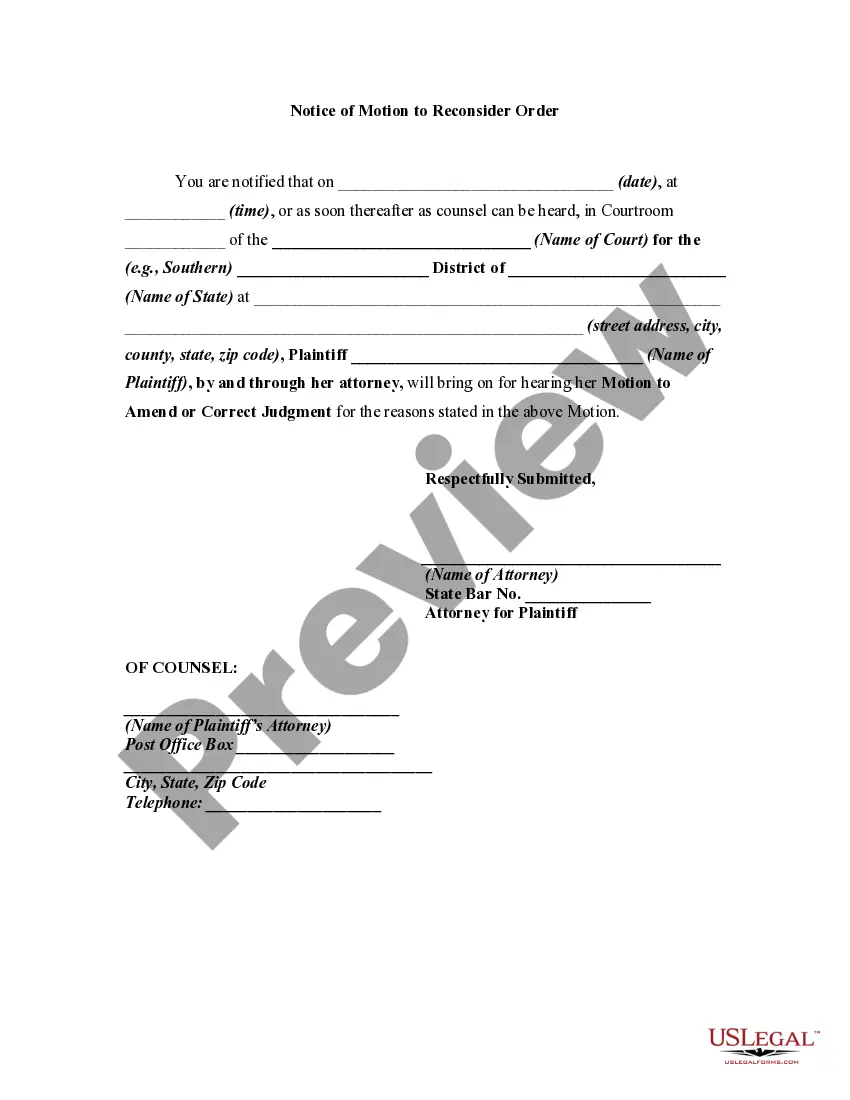
How to fill out Motion To Amend Or Correct Judgment To Include Additional Party Defendant As Real Party In Interest?
- Log into your US Legal Forms account if you're a returning user. Ensure your subscription is active to access the documents.
- If you're new to our service, start by browsing our extensive library and reviewing the form that meets your needs. Use the Preview mode for clarity.
- In case you find a form that doesn't fit your criteria, utilize the Search tab to find an alternative template that suits your jurisdiction.
- Select the appropriate document and click the Buy Now button. Choose a subscription plan that aligns with your needs. Account registration is required.
- Complete your purchase by entering your payment details through credit card or PayPal.
- Once your purchase is successful, download the form to your device and access it from the My Forms menu whenever required.
In conclusion, US Legal Forms makes it easy for individuals and attorneys to amend judgments with the court efficiently. With a vast library of forms and the option for expert assistance, you can ensure your documents are legally sound.
Start your journey today by checking out US Legal Forms for all your legal documentation needs!
Form popularity
FAQ
In a court case, 'amend' refers to the act of formally changing a legal document, such as a judgment or an order. This allows the court to rectify mistakes or adjust based on new facts or circumstances. Amending documents helps maintain the integrity of the legal process. If you want to amend judgment with the court, consider using platforms like USLegalForms to navigate the necessary steps smoothly.
To amend a judgment means to modify the final decision made by the court in a legal case. This modification can address errors in the rulings or incorporate additional evidence. The process of amending a judgment ensures that the outcome is just and fair. If you seek to amend judgment with the court, it's essential to understand the legal criteria and procedures involved.
When an order is amended, it means that the court has made changes or corrections to the original order. This can occur due to various reasons, such as errors or new information. An amended order often provides clarity and ensures that the legal outcome reflects the proper intentions of the court. To amend judgment with the court, you typically need to file a motion detailing the desired changes.
No, a motion for summary judgment is not a final judgment; it is a request to the court to rule on a case without proceeding to trial. If the court grants this motion, it effectively amends judgment with the court in favor of one party, but it does not conclude all aspects of the case until all claims are resolved. Understanding the implications of this motion is vital, and platforms like USLegalForms can offer essential insights.
Defending against a motion for summary judgment involves challenging the evidence presented by the opposing party. You should gather relevant facts, documentation, and witness statements to illustrate genuine disputes. This defense can prevent the court from amending judgment with the court in favor of the moving party. Utilizing resources from USLegalForms can provide valuable support in crafting a solid defense.
To reverse a default judgment, the party can file a motion to vacate the judgment. This typically involves demonstrating valid reasons for failing to respond to the initial suit, such as lack of notice or excusable neglect. The court will review the arguments and evidence presented, and if convinced, it may amend judgment with the court accordingly. A knowledgeable platform like USLegalForms can guide you through the necessary steps.
The burden of proof for summary judgment lies primarily with the party seeking the judgment. This party must demonstrate that there are no genuine disputes over material facts, which means they must provide evidence showing their claims are valid. If successful, the court may then proceed to amend judgment with the court, favoring the moving party. It's crucial to present clear and concise evidence during this process.
To amend a judgment, you should file a motion with the court stating the reasons for the amendment. Clearly articulate the changes you wish to make and include any supporting documentation or evidence. It is beneficial to follow the specific guidelines outlined in your jurisdiction’s rules. Our USLegalForms platform provides templates and guidance to help you successfully navigate the amendment process.
To get a judgment reversed, you typically need to file an appeal with the appropriate court, demonstrating that an error occurred during the original trial. Your appeal should clearly outline the grounds for reversal, such as misapplication of law or errors in procedure. By preparing thorough documentation and using our platform, you can create a compelling appeal. Remember, timing is crucial in the appeals process.
The court may reject an amendment if it deems the reasons provided insufficient or if the amendment does not comply with procedural rules. Additionally, if it causes undue delay or prejudice to the other party, rejection is likely. Essentially, clarity and timeliness are critical; a well-prepared motion can prevent rejection. Utilize our USLegalForms resources to ensure your amendment request is comprehensive and adheres to legal standards.