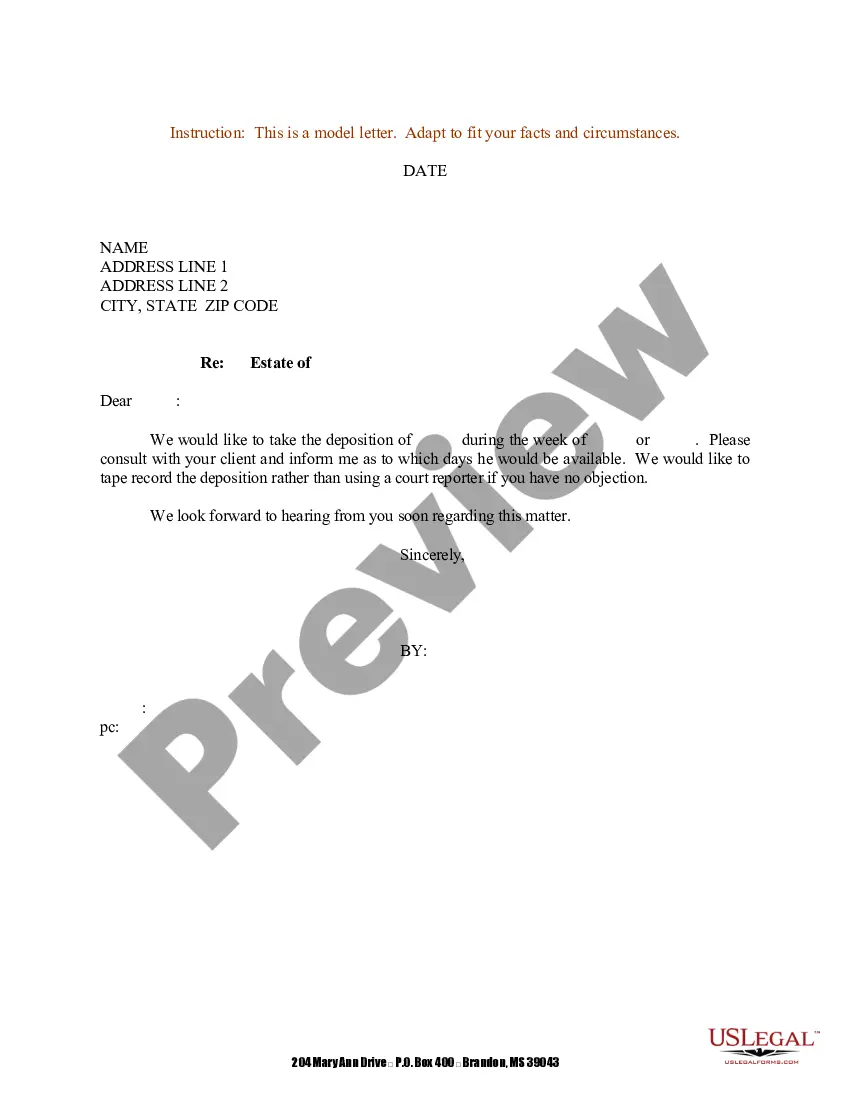
Written Deposition Example
Description

Get your form ready online
Our built-in tools help you complete, sign, share, and store your documents in one place.
Make edits, fill in missing information, and update formatting in US Legal Forms—just like you would in MS Word.
Download a copy, print it, send it by email, or mail it via USPS—whatever works best for your next step.
Sign and collect signatures with our SignNow integration. Send to multiple recipients, set reminders, and more. Go Premium to unlock E-Sign.
If this form requires notarization, complete it online through a secure video call—no need to meet a notary in person or wait for an appointment.
We protect your documents and personal data by following strict security and privacy standards.

Make edits, fill in missing information, and update formatting in US Legal Forms—just like you would in MS Word.

Download a copy, print it, send it by email, or mail it via USPS—whatever works best for your next step.

Sign and collect signatures with our SignNow integration. Send to multiple recipients, set reminders, and more. Go Premium to unlock E-Sign.

If this form requires notarization, complete it online through a secure video call—no need to meet a notary in person or wait for an appointment.

We protect your documents and personal data by following strict security and privacy standards.
Looking for another form?




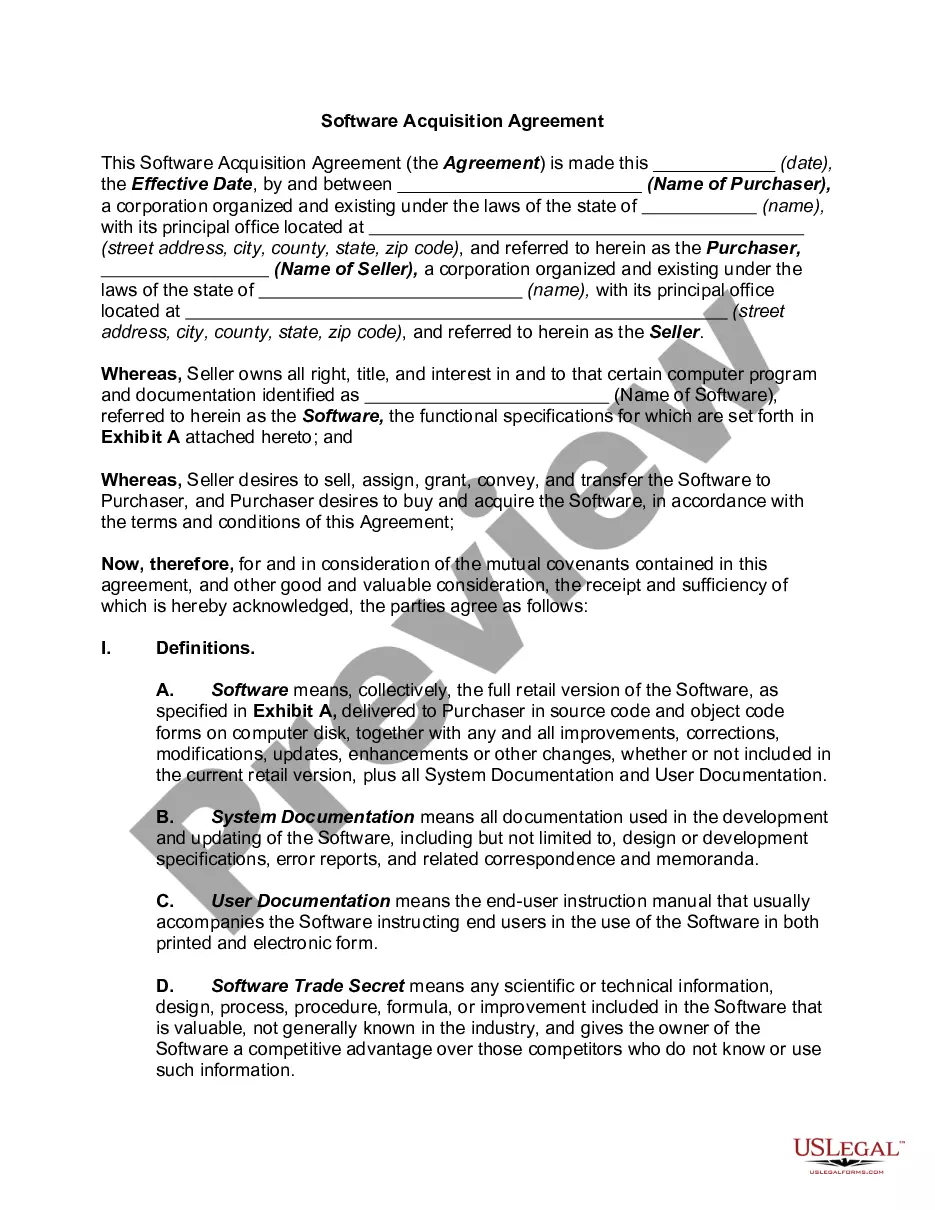

How to fill out Sample Letter For Request For Deposition - Discovery?
Creating legal papers from the ground up can occasionally be intimidating.
Specific situations may necessitate extensive research and significant financial investment.
If you're looking for a more accessible and cost-effective method of drafting Written Deposition Example or other forms without unnecessary complications, US Legal Forms is always available to you.
Our online repository of more than 85,000 current legal documents covers nearly every facet of your financial, legal, and personal affairs.
Verify the document preview and descriptions to confirm that you have located the form you need. Ensure the selected form complies with your state and county regulations. Choose the most suitable subscription plan to access the Written Deposition Example. Download the form, then fill it out, sign, and print it. US Legal Forms has a strong reputation and over 25 years of expertise. Join us today and make document processing straightforward and efficient!
- With just a few clicks, you can swiftly obtain state- and county-compliant templates meticulously crafted by our legal specialists.
- Utilize our website whenever you require a dependable and trustworthy service through which you can effortlessly discover and download the Written Deposition Example.
- If you’re familiar with our platform and have previously set up an account, simply Log In to your account, find the form and download it or re-download it later at the My documents section.
- Not registered yet? No worries. It requires minimal time to register and explore the catalog.
- However, before directly downloading the Written Deposition Example, adhere to these guidelines.
Form popularity
FAQ
Deposition by written questions allows parties to gather information in a structured way. In this process, one party submits written questions to the other party or witness, who must then provide written answers under oath. This method can serve as a valuable tool for those seeking an efficient way to collect testimonies without the need for a physical appearance. When considering a written deposition example, using a platform like US Legal Forms can simplify the creation and management of these documents, ensuring compliance and clarity throughout the process.
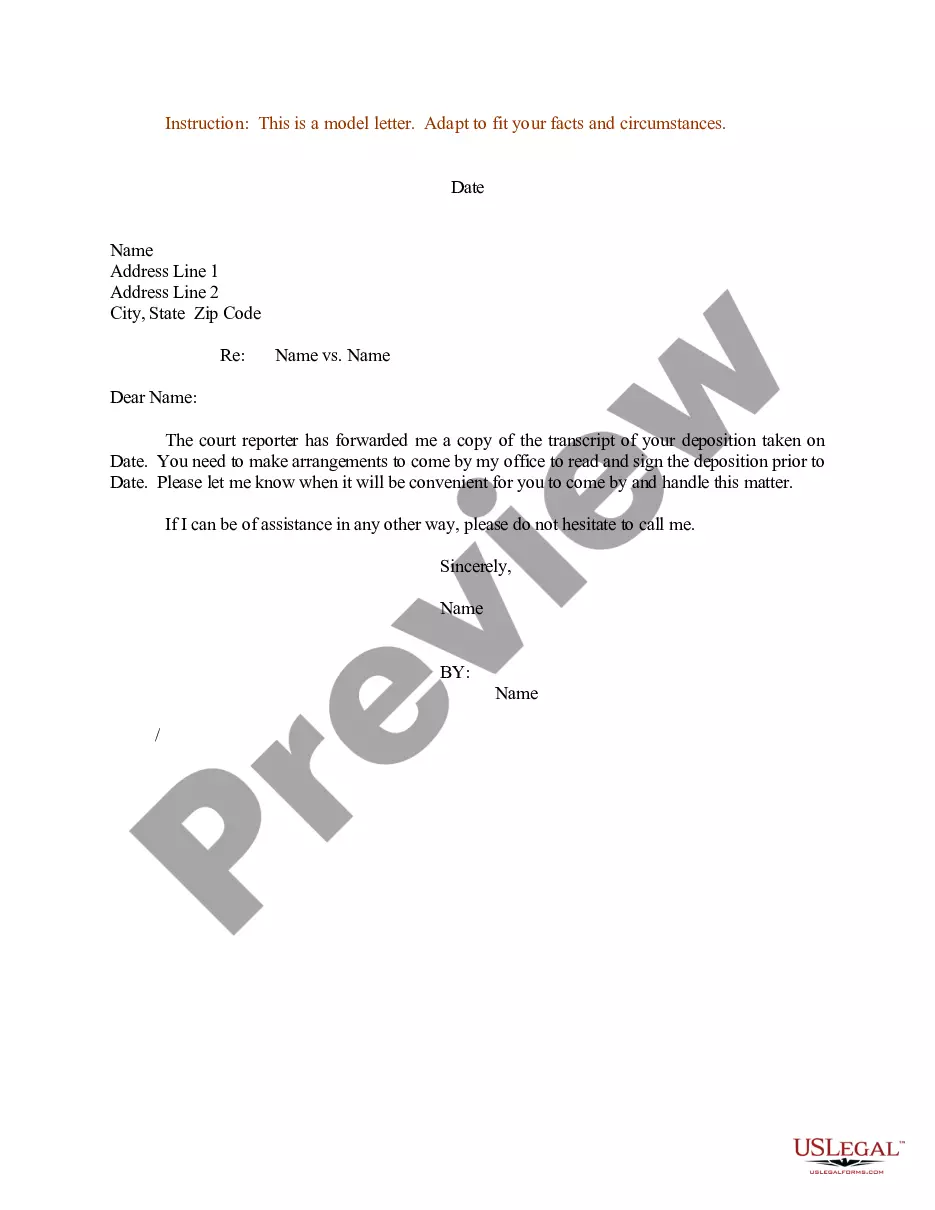
A written deposition is a formal statement made under oath, typically collected during the discovery phase of a legal case. It serves as a record of a witness's testimony, which can be used in court. For example, a written deposition example may illustrate how a witness responds to questions in a structured format. This type of documentation ensures that all parties have access to the same information, promoting fairness and clarity in legal proceedings.
To write a strong settlement letter, begin by clearly stating the facts of your case and your position. Use straightforward language and be direct about the outcome you seek. The aim is to persuade the receiver and provide context, just as your written deposition example would clarify the circumstances surrounding the case.
Written depositions work by allowing parties to submit questions to a witness, who then provides answers in writing. This process is typically used to preserve testimonies that might be unavailable later. It's important to create clear and specific questions to ensure the written deposition example accurately reflects the witness's input.
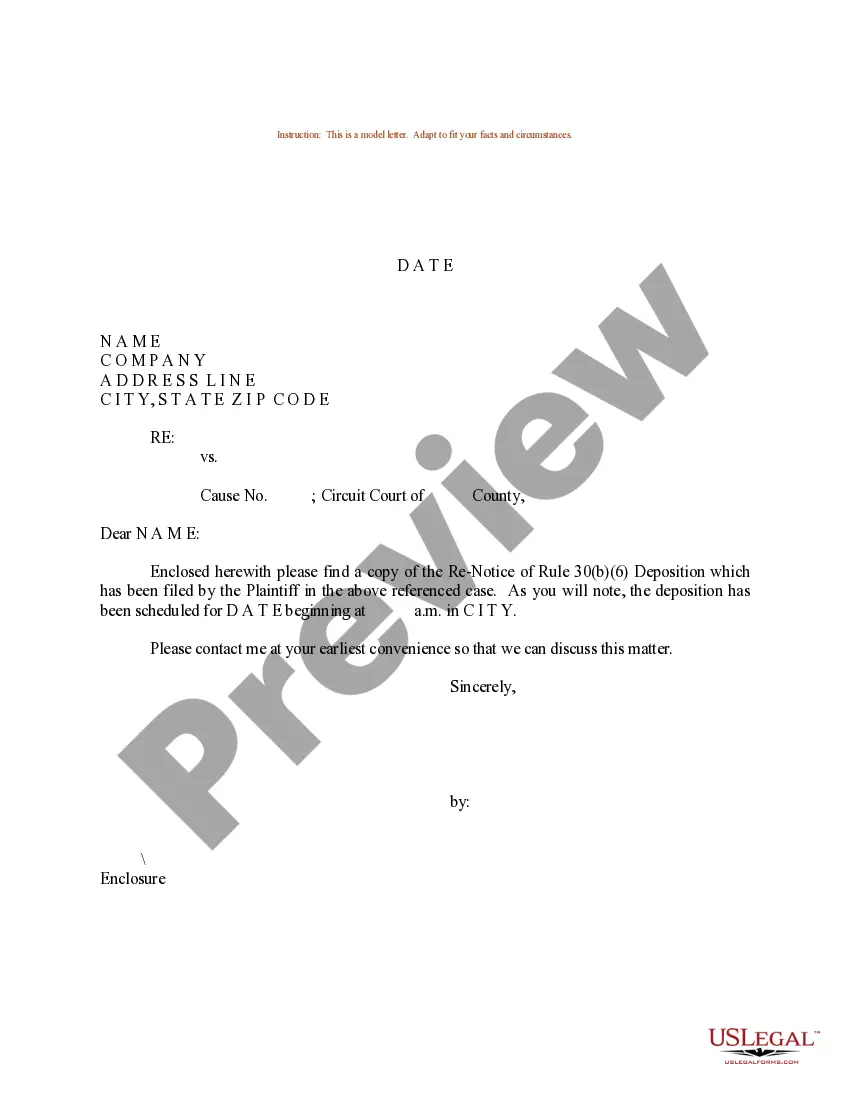
To write a deposition letter, start by addressing it to the individual you wish to depose. Clearly state the purpose of the letter, including the details such as the deposition date and location. Be sure to follow this with an explanation of the significance of their testimony, making your points concise and respectful, as your written deposition example demonstrates.
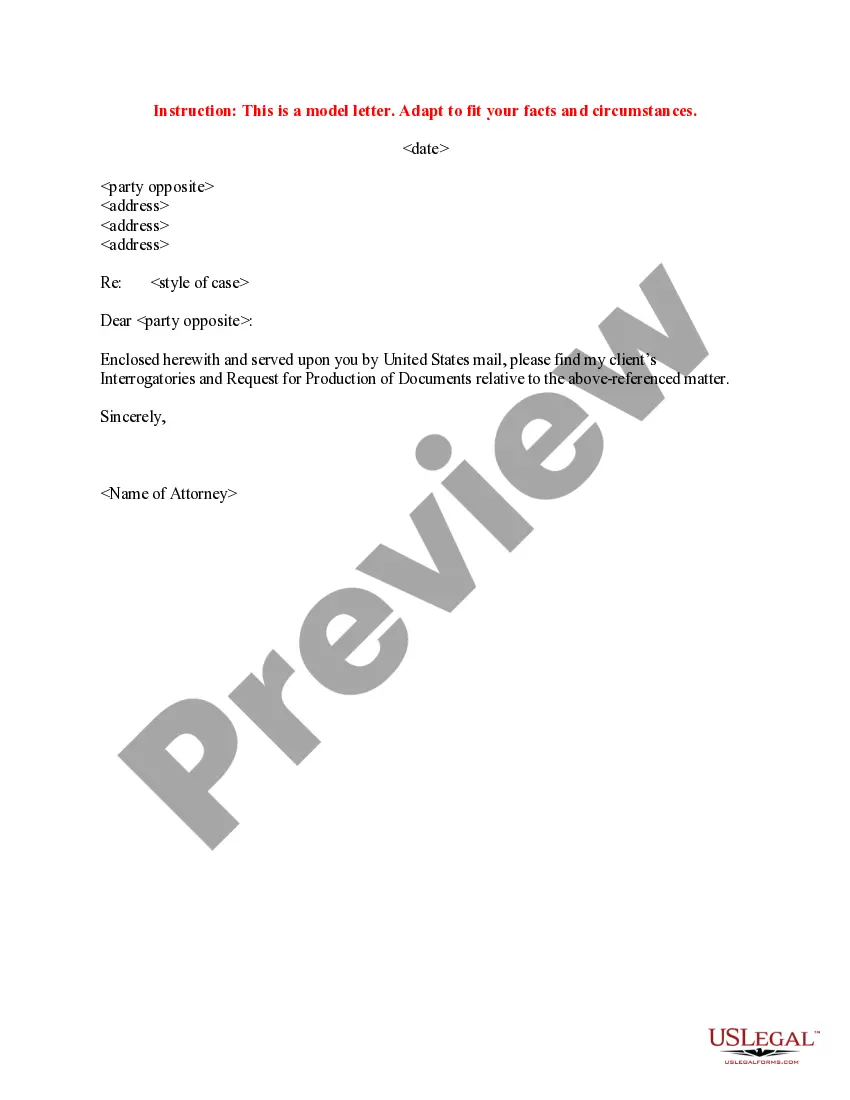
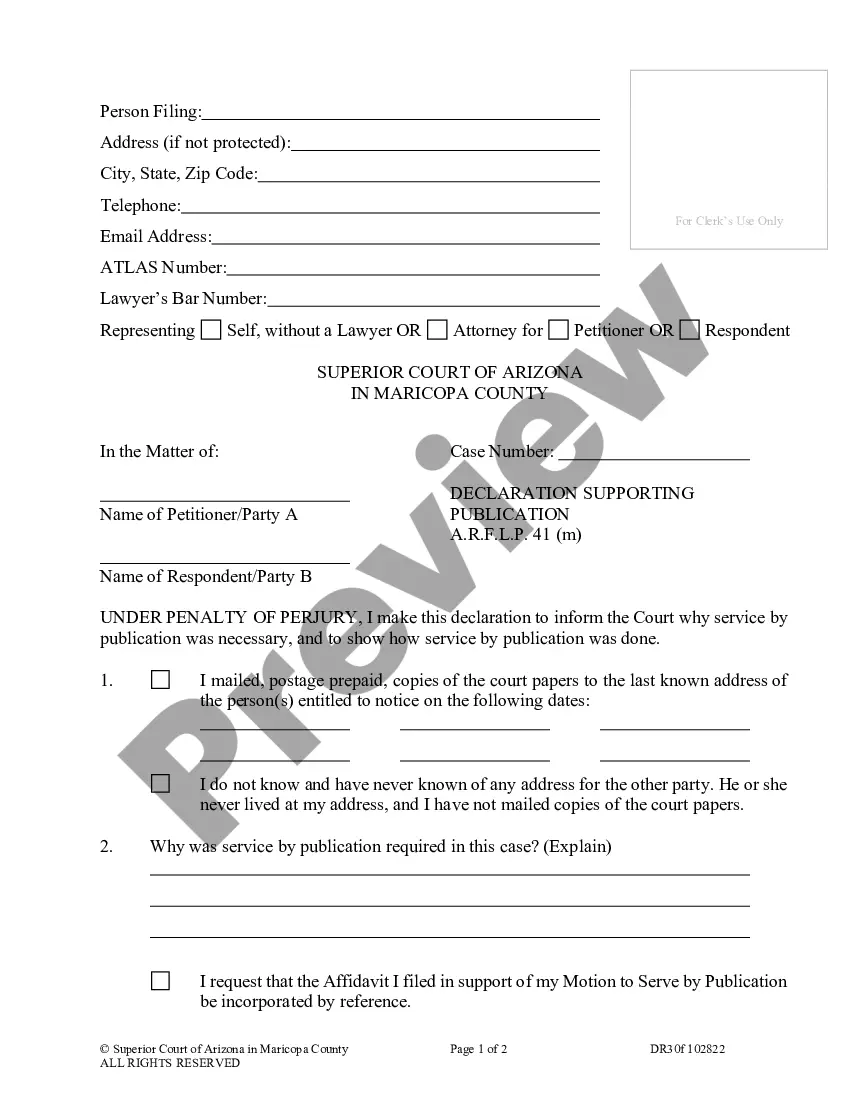
A deposition letter is a formal document that outlines the specifics of the deposition process and requests that a person provide testimony. This letter usually includes information about the date, time, and location of the deposition, as well as the legal basis for the request. Understanding this can help you prepare for your own written deposition example.
A written deposition example often includes sworn statements made under oath during a legal proceeding. Common examples include testimonies collected from witnesses, expert opinions, or factual accounts related to the case. These documents serve as a vital part of the discovery process, allowing parties to gather evidence before trial.
During a deposition, it is crucial to avoid speculation or assumptions about facts that you do not know. Do not volunteer extra information; answer only the questions posed. Clearing up misunderstandings is important, so refrain from saying anything that could confuse the matter. Reviewing a written deposition example can guide you on the appropriate responses and help you stay focused.
To write a good deposition summary, focus on key points that reflect the witness's testimony, avoiding unnecessary details. Start with an overview of the case and the witness’s background to provide context. Use clear, concise language, and present information logically. Incorporating a written deposition example can help illustrate the format and structure for drafting effective summaries.