Apartment Manager
Description
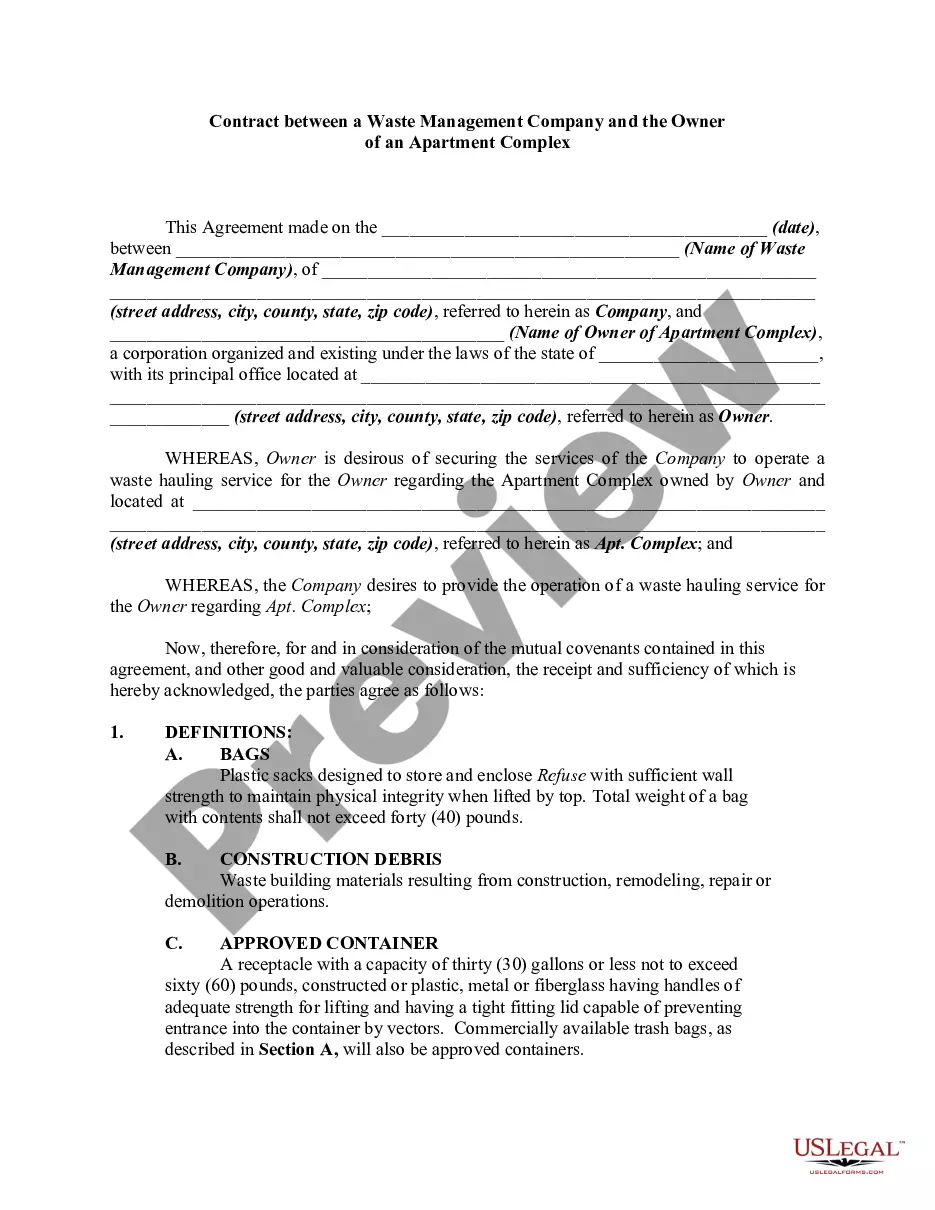
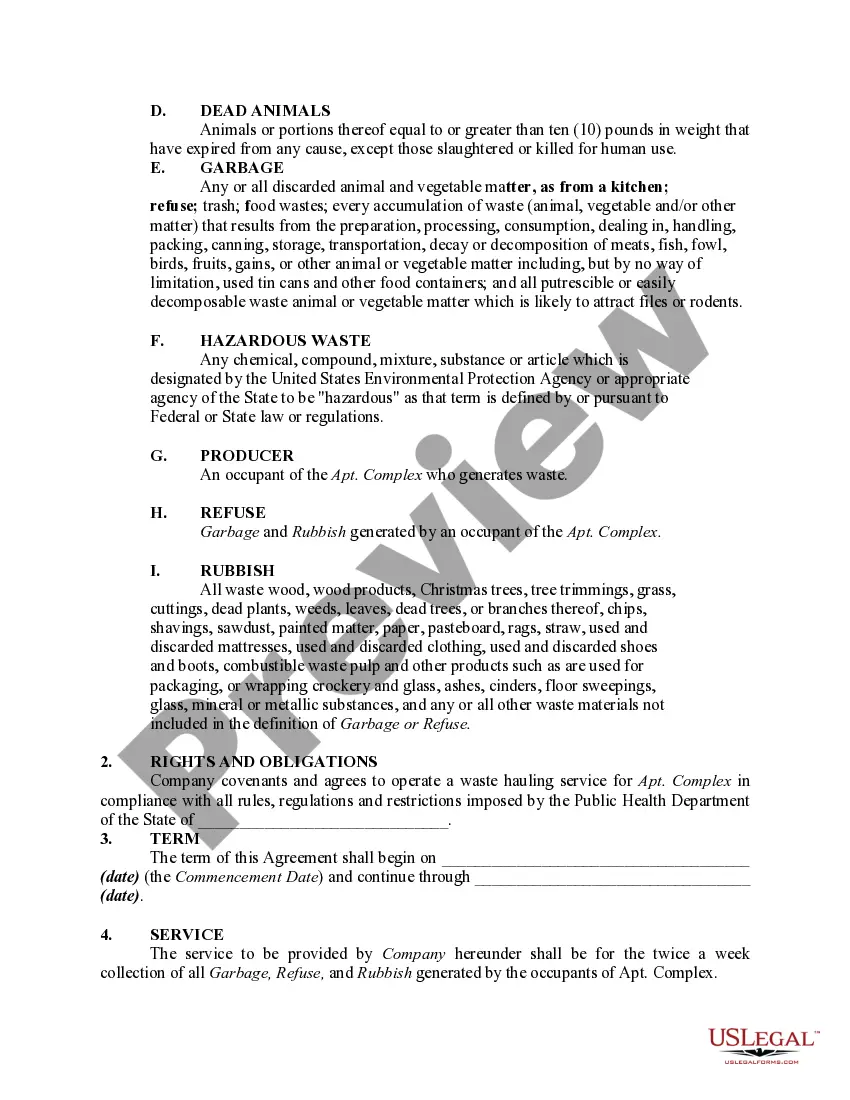
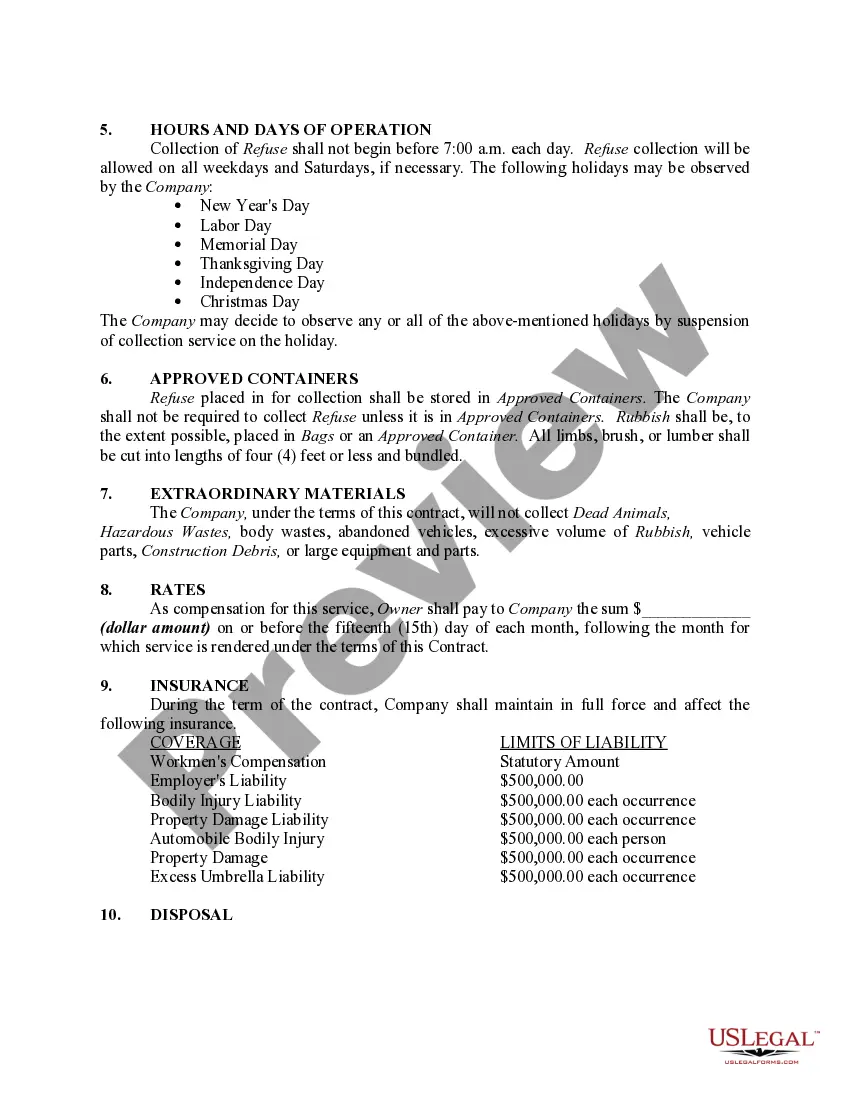
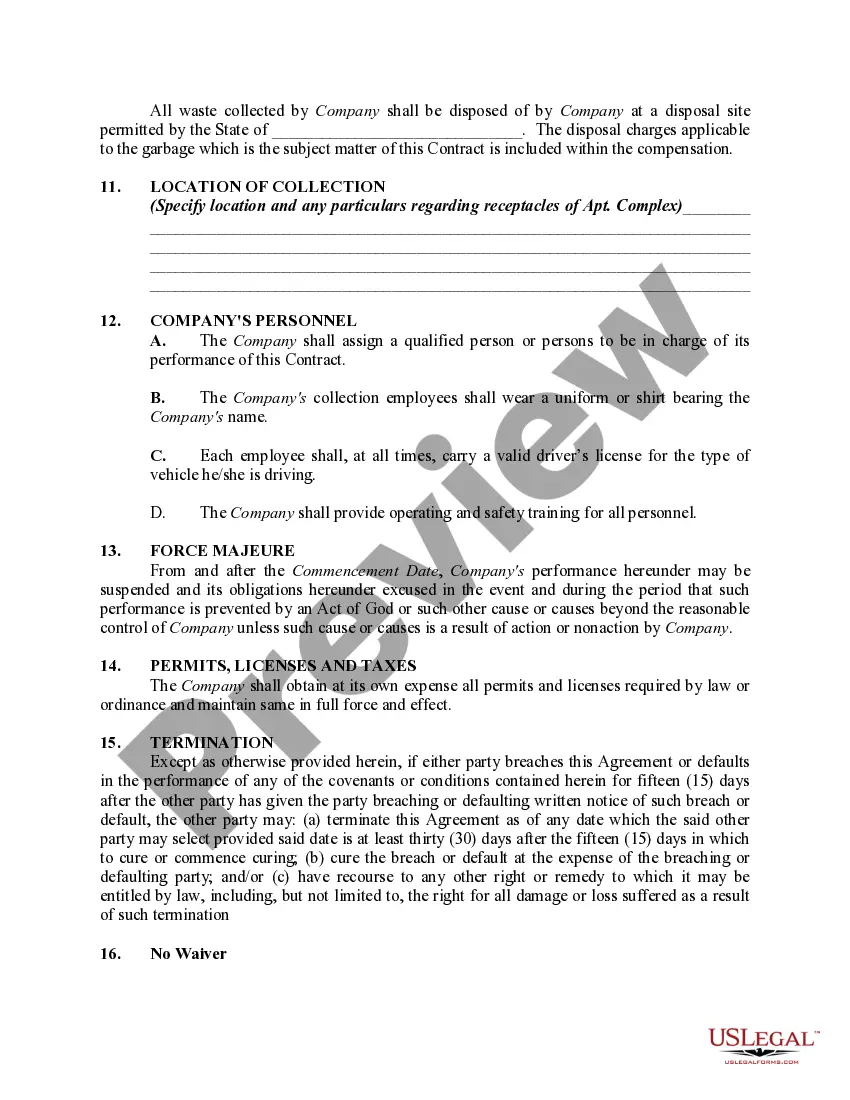
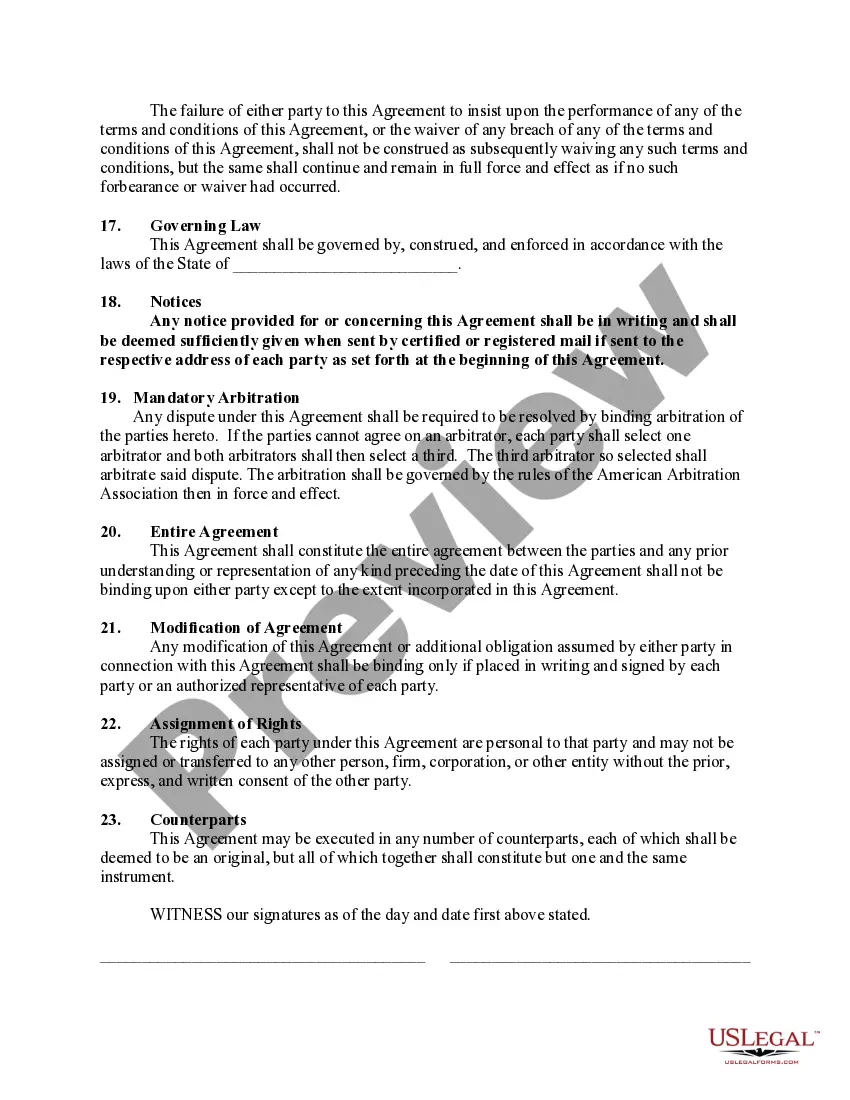
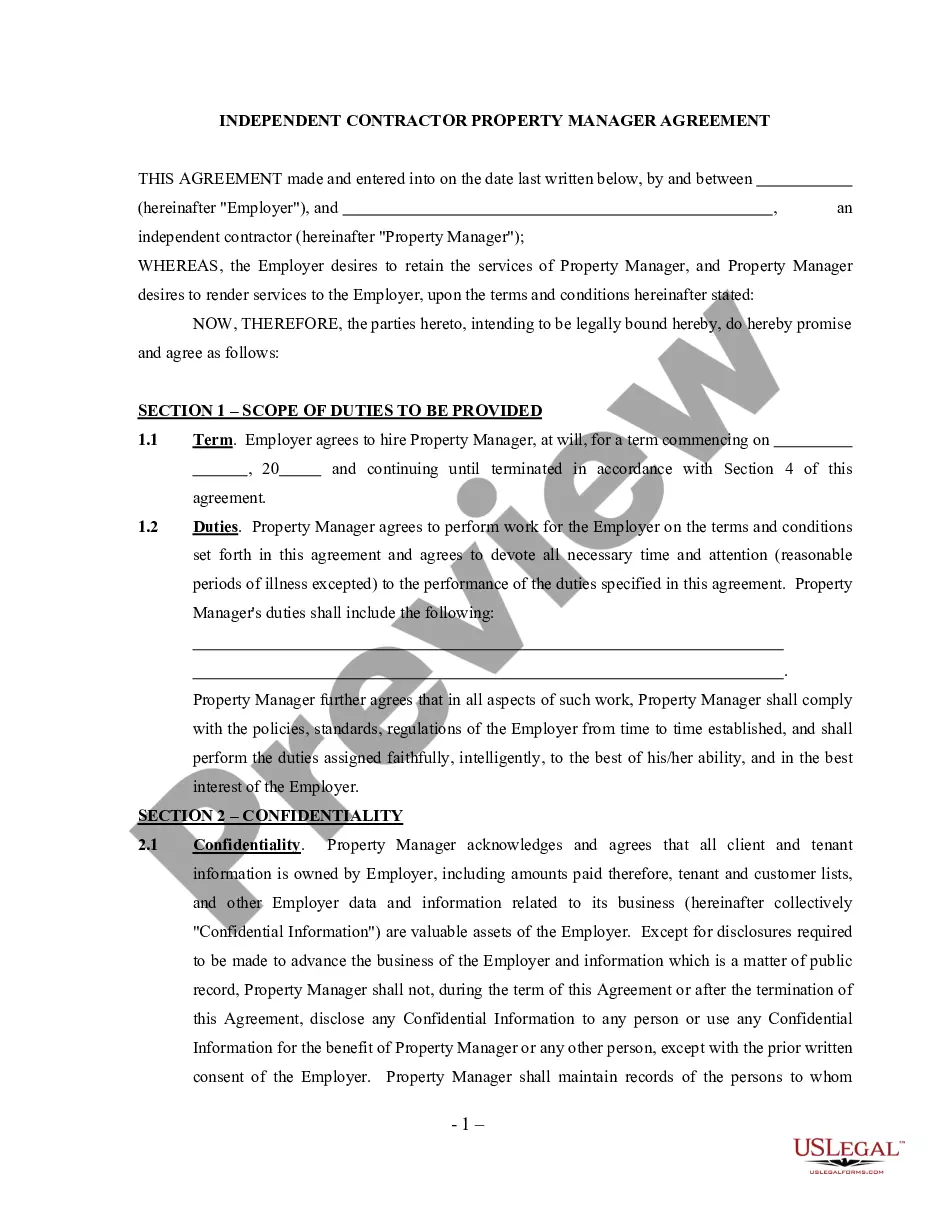
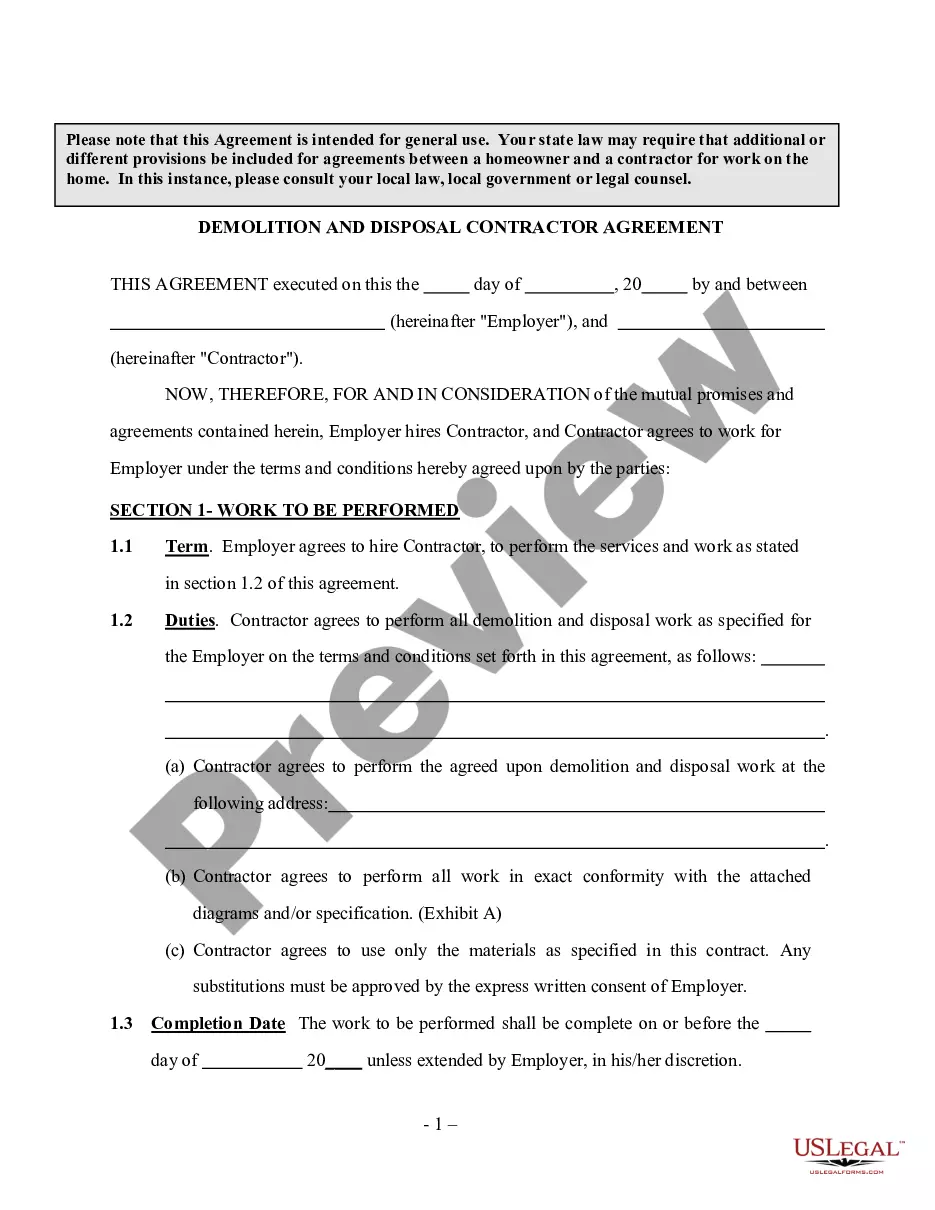
Get your form ready online
Our built-in tools help you complete, sign, share, and store your documents in one place.
Make edits, fill in missing information, and update formatting in US Legal Forms—just like you would in MS Word.
Download a copy, print it, send it by email, or mail it via USPS—whatever works best for your next step.
Sign and collect signatures with our SignNow integration. Send to multiple recipients, set reminders, and more. Go Premium to unlock E-Sign.
If this form requires notarization, complete it online through a secure video call—no need to meet a notary in person or wait for an appointment.
We protect your documents and personal data by following strict security and privacy standards.

Make edits, fill in missing information, and update formatting in US Legal Forms—just like you would in MS Word.

Download a copy, print it, send it by email, or mail it via USPS—whatever works best for your next step.

Sign and collect signatures with our SignNow integration. Send to multiple recipients, set reminders, and more. Go Premium to unlock E-Sign.

If this form requires notarization, complete it online through a secure video call—no need to meet a notary in person or wait for an appointment.

We protect your documents and personal data by following strict security and privacy standards.
Looking for another form?

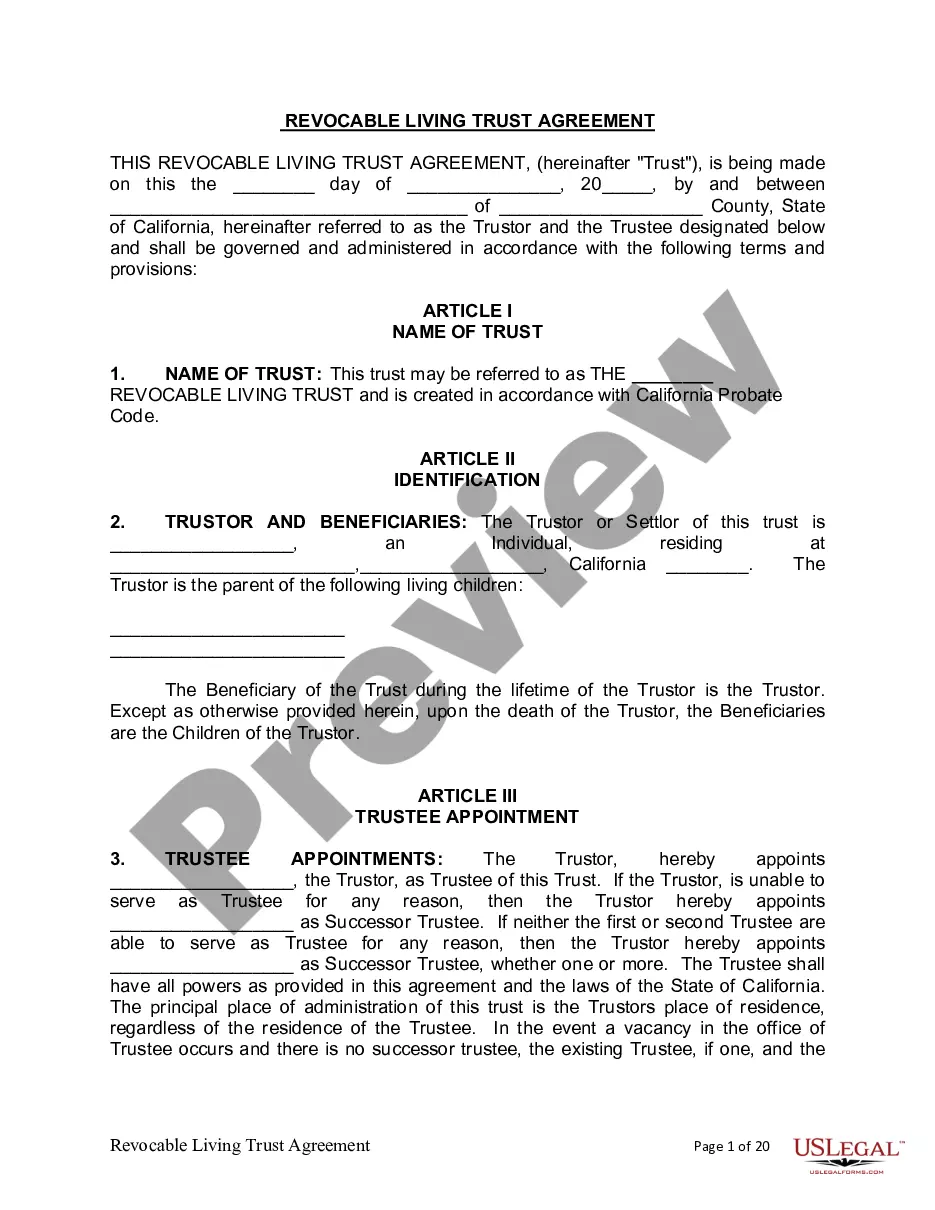
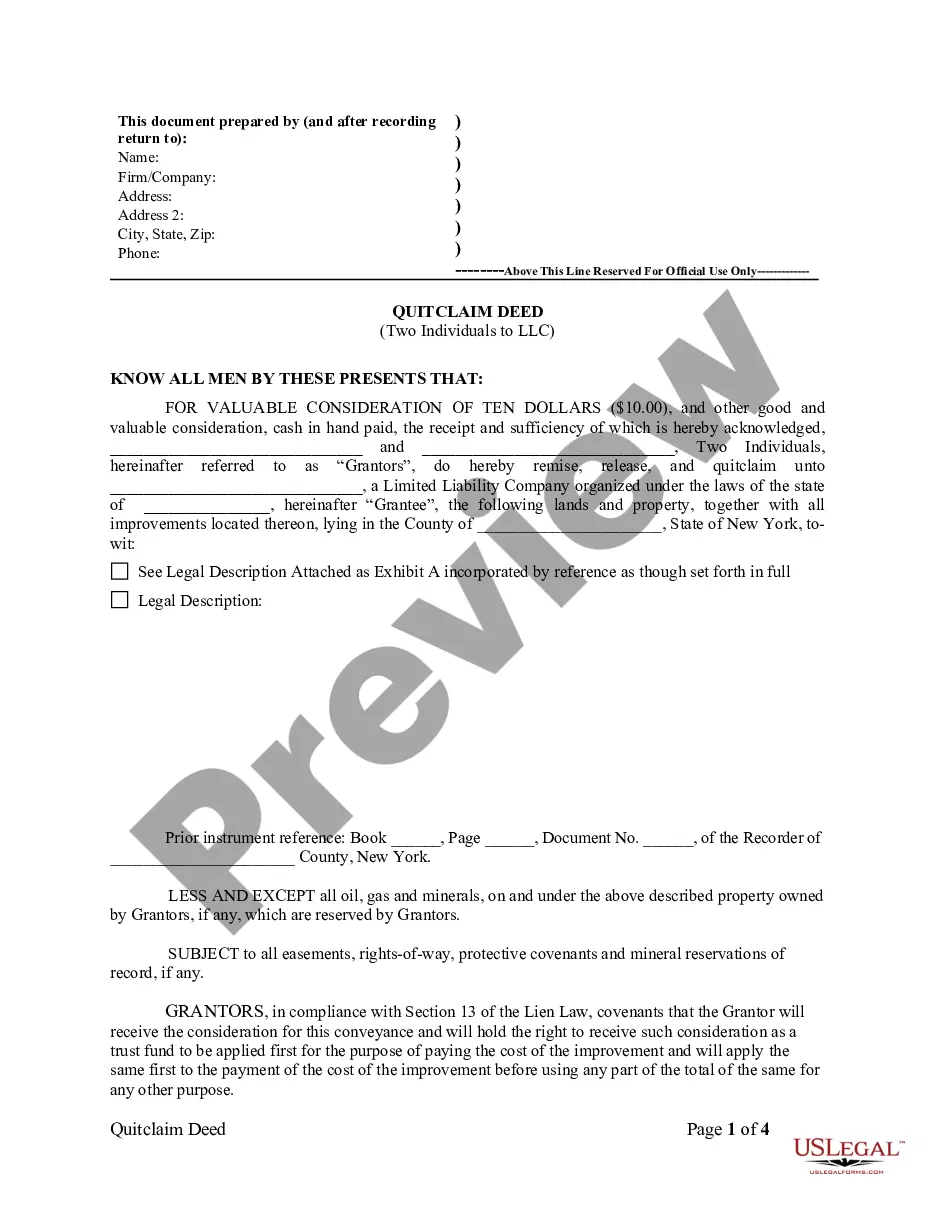






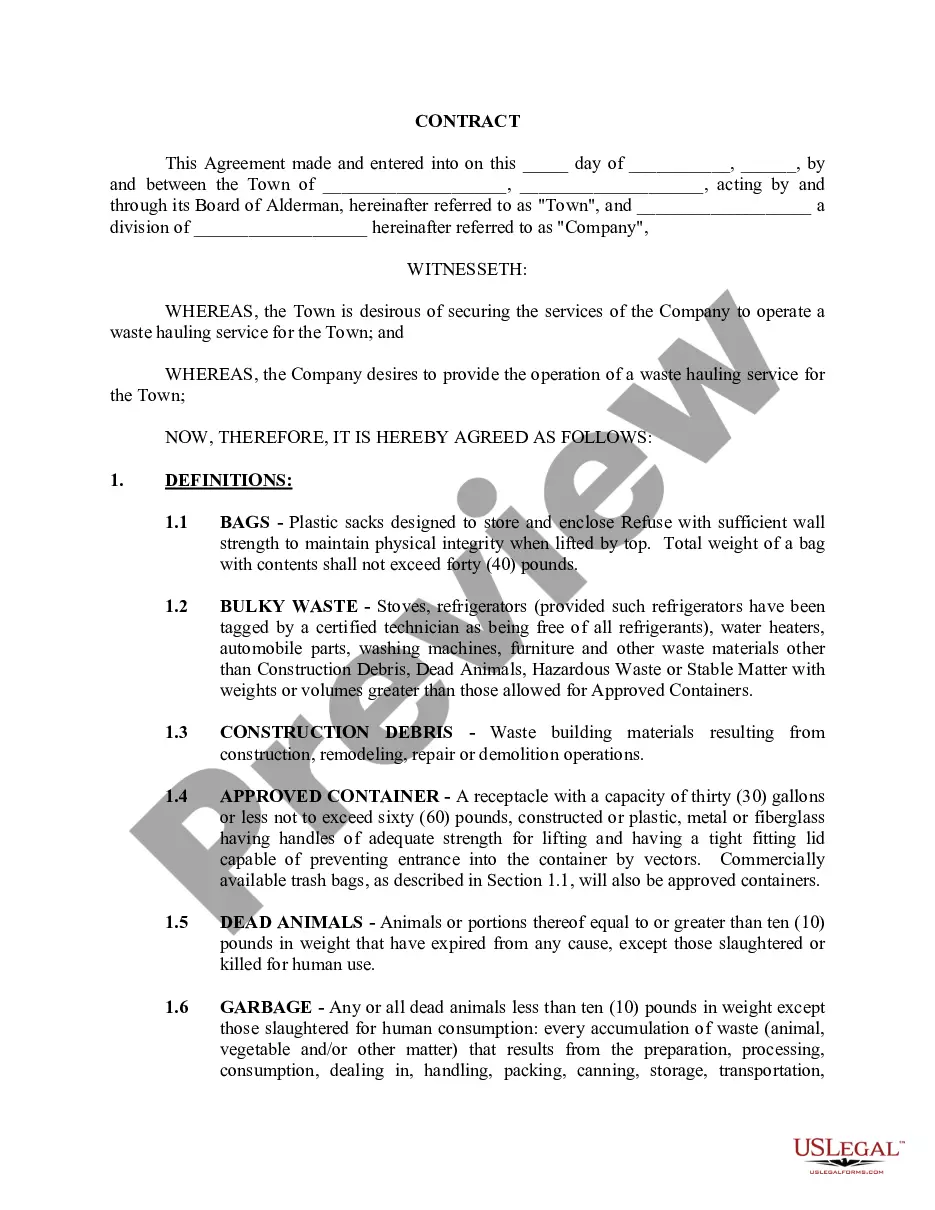
How to fill out Contract Between A Waste Management Company And The Owner Of An Apartment Complex - Self-Employed?
- If you have previously registered, simply log in to your account and download your desired form template by clicking the Download button. Ensure your subscription is active, and renew it if necessary.
- For first-time users, begin by browsing the Preview mode and form descriptions. Confirm that you've selected a document that meets your requirements and adheres to your local legal standards.
- If the initial form isn’t suitable, utilize the Search tab to locate alternative templates that better fit your needs.
- Once you’ve found the appropriate document, click the Buy Now button and select a subscription plan that works best for you. Registration is required to access the comprehensive library.
- Proceed to make your purchase by entering your credit card information or using your PayPal account for a seamless transaction.
- After payment, download your legal form directly to your device. Keep accessing it later through the My Forms section of your profile.
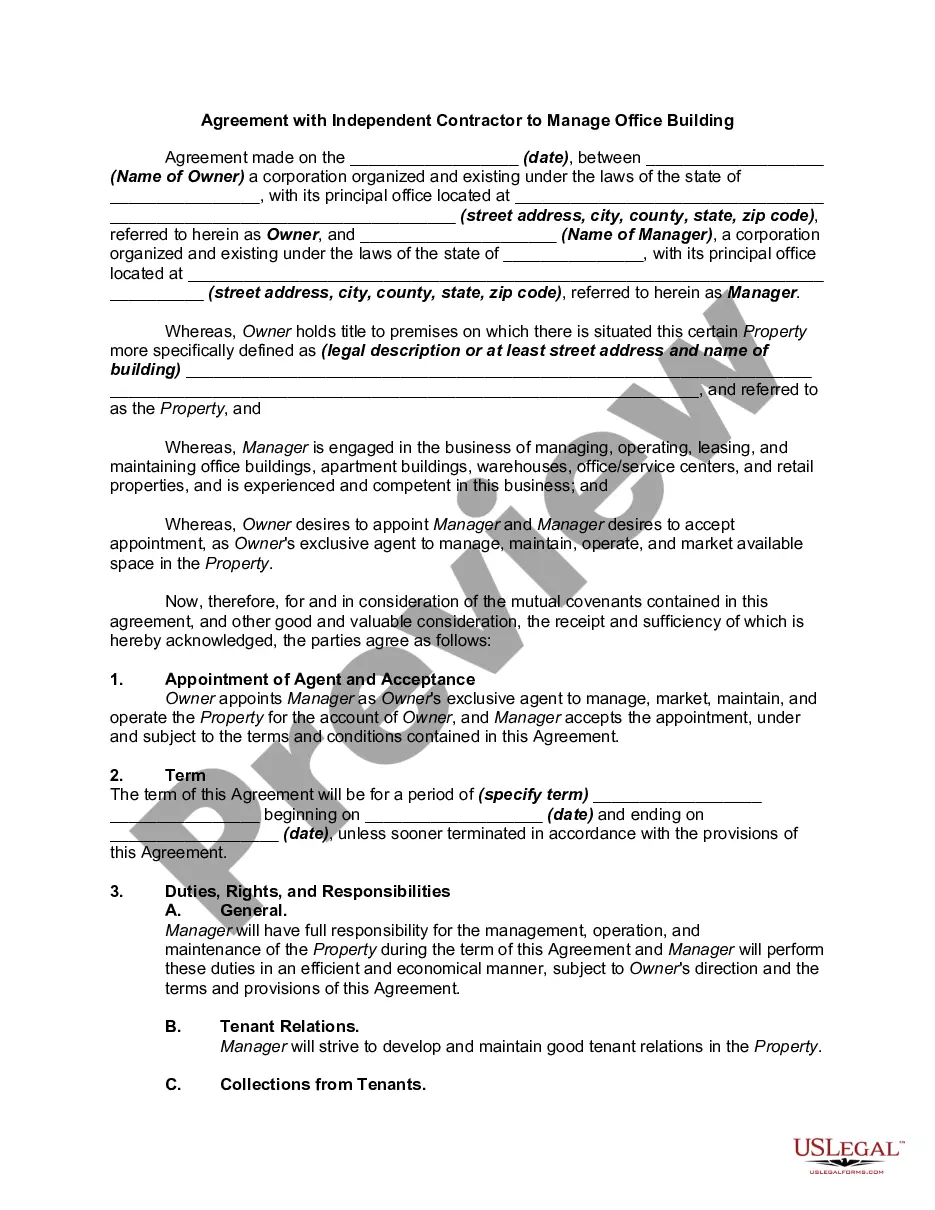
By utilizing US Legal Forms, apartment managers can save time and ensure they have access to quality legal documents at their fingertips. Whether it's tenant agreements or eviction notices, this service simplifies the often complex legal landscape.
Start using US Legal Forms today and enhance your efficiency as an apartment manager with the right legal resources!
Form popularity
FAQ
The unethical behavior of an apartment manager refers to actions that violate trust and legal obligations. This can include discrimination against tenants, unauthorized entry into rental units, or misrepresentation of property conditions. Such behavior undermines the manager's duty to both tenants and property owners. Following ethical guidelines is essential to foster a respectful and lawful rental experience.
Unethical behavior by an apartment manager can include neglecting maintenance requests, charging excessive fees, or breaching tenant confidentiality. Taking shortcuts, such as failing to perform background checks on tenants, can also fall under unethical practices. Such actions not only affect tenant satisfaction but can also lead to legal repercussions for the apartment manager. Staying informed about ethical standards is vital for maintaining a positive property environment.
In Kansas, tenants can report landlords to the Kansas Attorney General or local consumer protection offices. These organizations handle complaints related to landlord violations and tenant rights. For severe issues, contacting local housing agencies might provide additional support. Knowing where to report can help you combat unfair practices efficiently.
Ethical dilemmas in apartment management often involve balancing the interests of landlords with the needs of tenants. For instance, deciding whether to prioritize profit over tenant safety can be challenging. Also, situations may arise where private information about tenants could be mishandled. Understanding these dilemmas is essential for an apartment manager's long-term success and trustworthiness.
In North Carolina, you can report landlords to the North Carolina Attorney General's office or local housing authorities. These entities oversee housing regulations and can investigate claims regarding landlord misconduct. If issues persist, contacting a local legal aid service may provide additional assistance. Knowing where to report can empower tenants in addressing disputes effectively.
To get an apartment manager fired, begin by documenting specific instances of negligence or misconduct. Gather evidence such as emails, photographs, or witness statements that demonstrate your concerns. Then, report your findings to the property owner or management company, outlining your reasons clearly and concisely. This process encourages proper investigation into the apartment manager's behavior.
The code of ethics for an apartment manager promotes integrity, fairness, and professionalism. The primary duty is to serve the interests of clients while respecting tenants' rights. This includes maintaining transparency when handling funds and ensuring that services meet legal and ethical standards. Adhering to a strong code helps build trust with both property owners and residents.
Filling out an apartment move-in checklist requires careful observation of the entire unit. Go through the checklist room by room, noting the condition of appliances, fixtures, and walls. It's crucial to set a good tone with your apartment manager by ensuring all issues are reported right away. This proactive approach helps you avoid future misunderstandings regarding the apartment's condition.
If you need to report an apartment property manager, start by documenting your concerns clearly. Include specific incidents, dates, and any correspondence you have had. Reach out to the property management company’s corporate office, as they will typically have a protocol for handling complaints. You can also consult local housing authorities if the issues persist, as they can provide additional resources and support.
Preparing for an apartment walkthrough involves cleaning and organizing your personal belongings. This not only helps you present the apartment well but also allows you and your apartment manager to easily evaluate the space. Compile any relevant documents, such as maintenance requests or proof of issues reported previously, for reference. A well-prepared walkthrough can ensure a smoother transition and minimize potential conflicts.