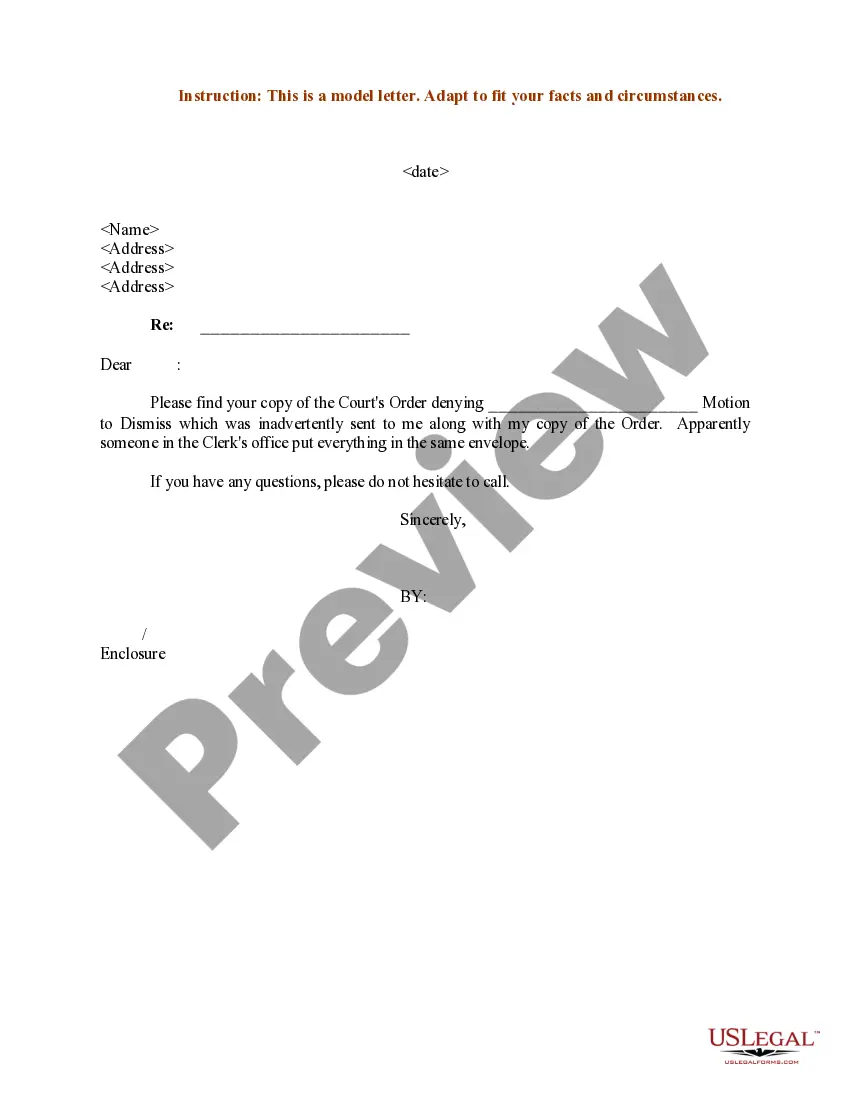
Denying Someone Motion Without Permission
Description
Get your form ready online
Our built-in tools help you complete, sign, share, and store your documents in one place.
Make edits, fill in missing information, and update formatting in US Legal Forms—just like you would in MS Word.
Download a copy, print it, send it by email, or mail it via USPS—whatever works best for your next step.
Sign and collect signatures with our SignNow integration. Send to multiple recipients, set reminders, and more. Go Premium to unlock E-Sign.
If this form requires notarization, complete it online through a secure video call—no need to meet a notary in person or wait for an appointment.
We protect your documents and personal data by following strict security and privacy standards.

Make edits, fill in missing information, and update formatting in US Legal Forms—just like you would in MS Word.

Download a copy, print it, send it by email, or mail it via USPS—whatever works best for your next step.

Sign and collect signatures with our SignNow integration. Send to multiple recipients, set reminders, and more. Go Premium to unlock E-Sign.

If this form requires notarization, complete it online through a secure video call—no need to meet a notary in person or wait for an appointment.

We protect your documents and personal data by following strict security and privacy standards.
Looking for another form?
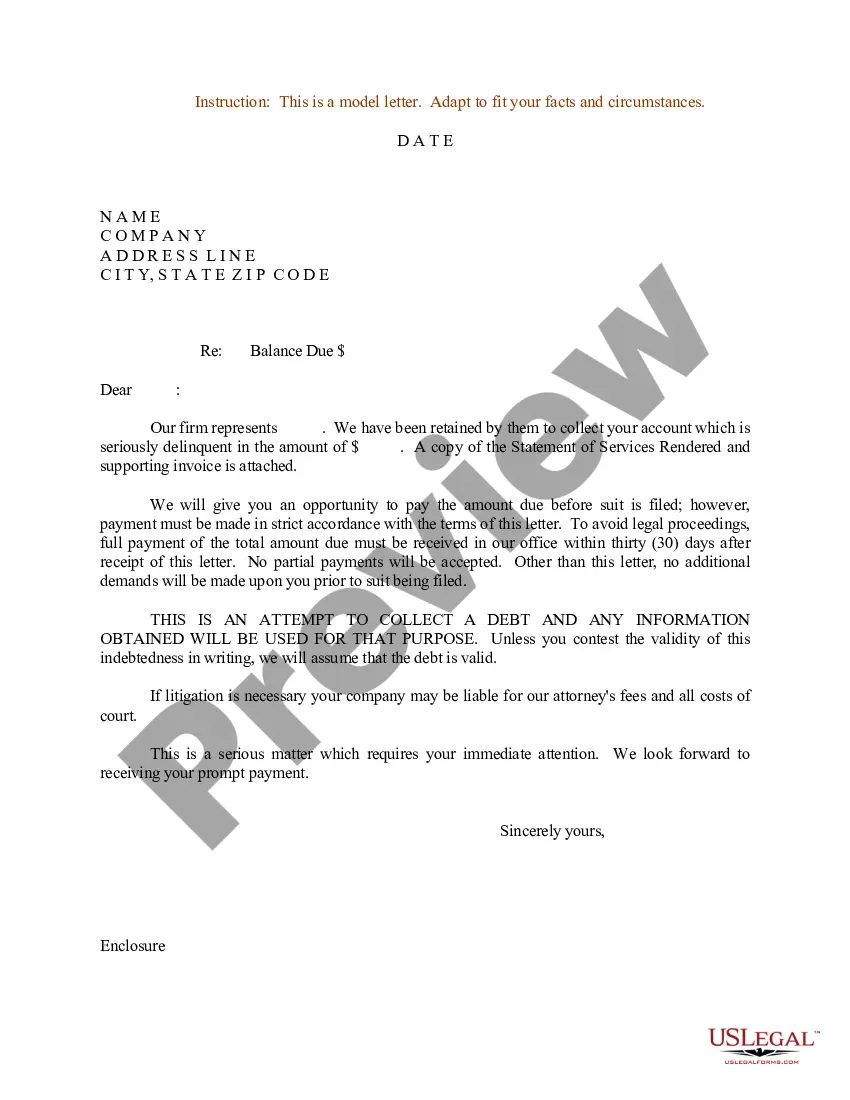
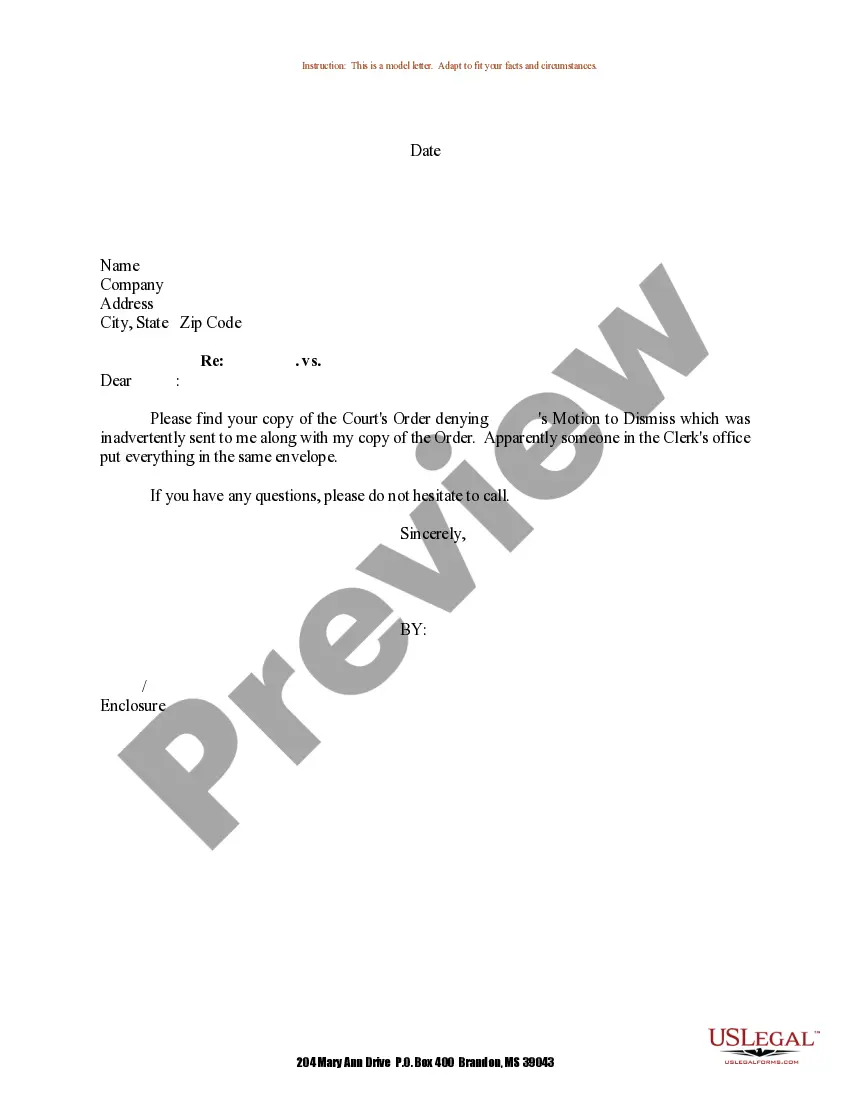
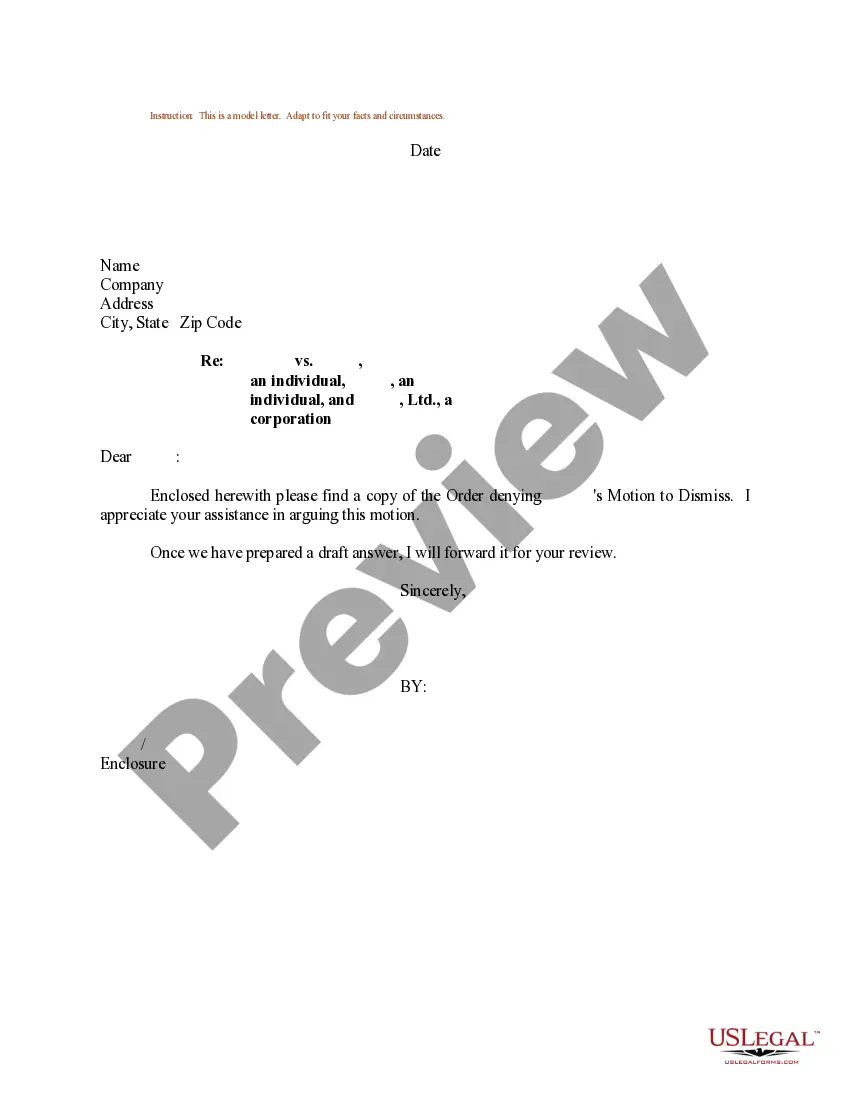
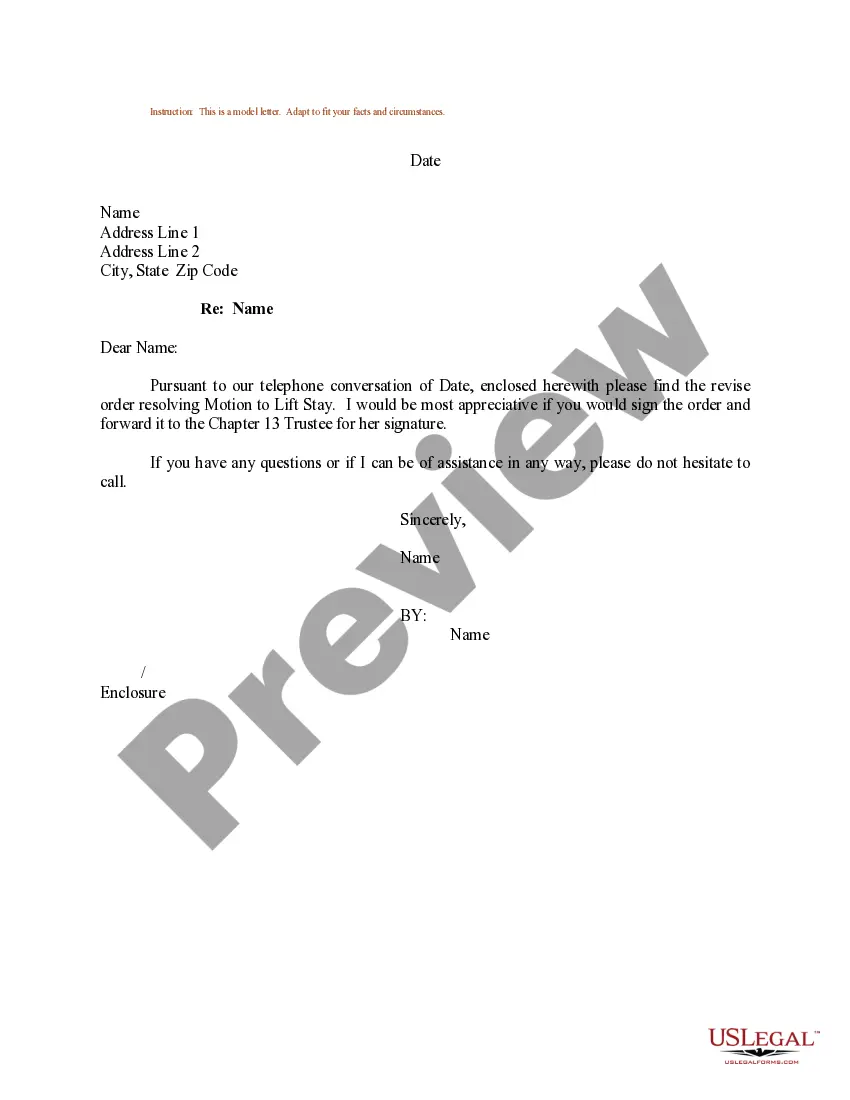
How to fill out Sample Letter For Order Denying Motion To Dismiss?
Creating legal documents from the ground up can occasionally be overwhelming.
Certain cases might require extensive research and substantial financial investment.
If you're looking for a simpler and more economical method for preparing Denying Someone Motion Without Permission or any other forms without unnecessary complications, US Legal Forms is readily available to assist you.
Our online repository of over 85,000 current legal documents covers nearly all facets of your financial, legal, and personal affairs. With just a few clicks, you can instantly access state- and county-compliant forms meticulously crafted for you by our legal professionals.
Review the document preview and descriptions to ensure you've located the form you're looking for.
- Utilize our website whenever you need dependable services to quickly find and download the Denying Someone Motion Without Permission.
- If you're familiar with our services and have previously created an account with us, simply Log In to your account, choose the template, and download it or re-download it anytime in the My documents section.
- Don't have an account? No worries. It takes minimal time to set it up and explore the catalog.
- However, before hastily downloading Denying Someone Motion Without Permission, consider following these guidelines.
Form popularity
FAQ
When a motion is denied without prejudice, it means the court does not issue a final ruling, allowing the party to alter and resubmit the motion in the future. This scenario can occur if the judge believes the motion needs further clarification or additional evidence. Moreover, this concept ties into denying someone motion without permission, highlighting the importance of understanding your rights and options. To assist you, US Legal Forms offers accessible legal documentation for various situations.
Exceptions to the without prejudice rule often arise when courts find that a party has abused the legal process or if there are procedural violations. For instance, some jurisdictions may not allow re-filing if the dismissal resulted from neglect or delay. Recognizing the importance of denying someone motion without permission can help in preparing your legal strategy. US Legal Forms provides templates that ensure you follow procedures correctly.
A case may be dismissed without prejudice when the judge decides that there is insufficient evidence at that time, allowing the plaintiff to refile the case later. This type of dismissal does not prevent the claimant from bringing the same action in the future. If you are navigating such issues, understanding the implications of denying someone motion without permission is crucial. Resources like US Legal Forms can guide you through the necessary steps.
A judge may deny a motion for several reasons, including lack of evidence or failure to meet legal standards. If the motion appears to unjustly deny someone motion without permission, the judge may side with the opposing party. Understanding these factors is essential when navigating legal processes. UsLegalForms offers resources to help you better prepare your motions and responses.
No, motions are not always granted. The court evaluates each motion based on its own merits and the circumstances surrounding the case. Denying someone motion without permission is a common outcome if the judge finds the arguments unconvincing or if procedural mistakes exist. Always prepare robust reasons to improve your chances of approval.
To disagree with a motion, you must file a formal opposition in court. This document should outline your reasons for disagreeing and provide evidence to support your position. If you believe that denying someone motion without permission is essential to your case, it's crucial to present compelling arguments and relevant facts. Proper documentation enhances your chances of persuading the judge.
A motion to stay could be denied for several reasons. Often, the court finds that the party seeking the motion has not demonstrated sufficient justification. Additionally, if denying someone motion without permission does not adversely affect the other party's rights, the court may decide to proceed without delay. Understanding the specific grounds for denial can clarify your legal strategy.
Grounds for a motion to dismiss typically include lack of jurisdiction, failure to state a claim, or insufficient evidence to support the case. Each ground requires a clear basis in legal principles. Understanding how denying someone motion without permission could violate due process is crucial when responding to such motions.
Appealing a motion to dismiss involves filing a notice of appeal and preparing an appellate brief. In your brief, you should explain why the dismissal was incorrect, including any relevant laws and procedures. Highlighting how denying someone motion without permission impacted your case can make your appeal stronger.
Yes, a motion can be rejected by the court if it lacks legal merit or sufficient evidence. The judge reviews the arguments presented before making a determination. If you believe denying someone motion without permission is unjust, ensure you present compelling reasons that highlight the motion's flaws.