Trust Fund For My Child
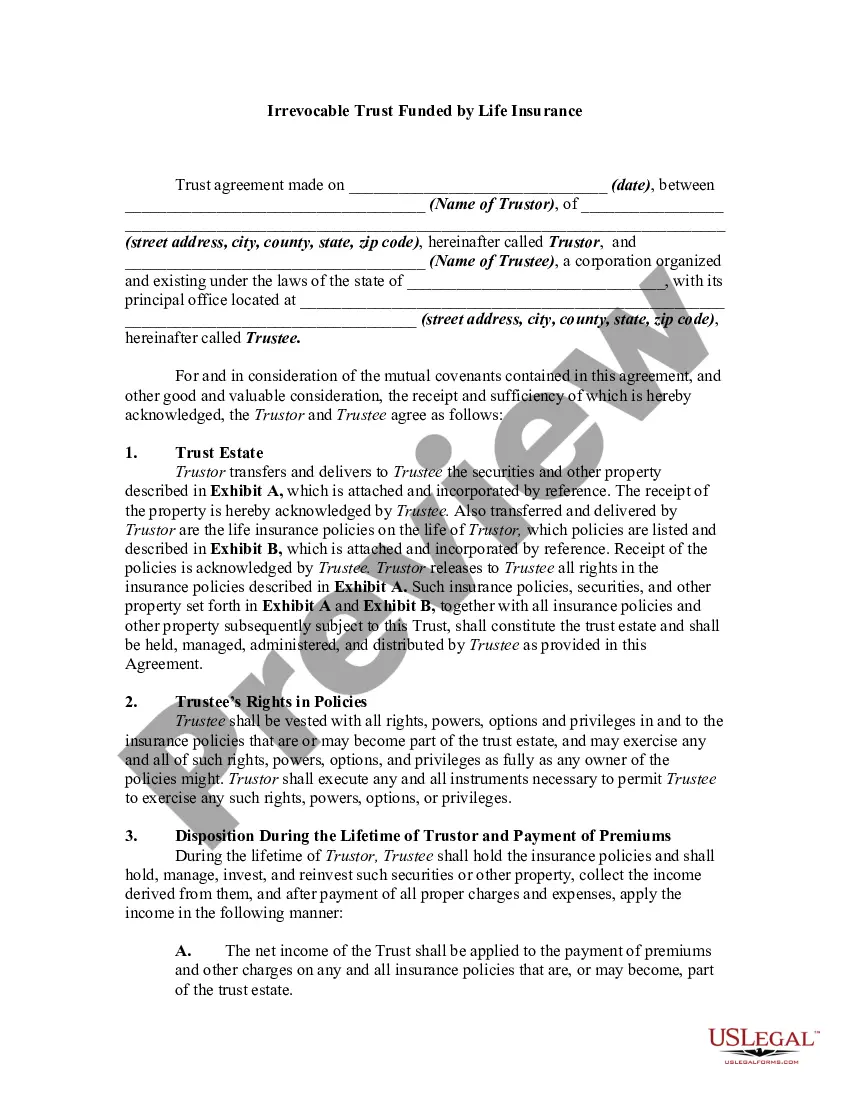
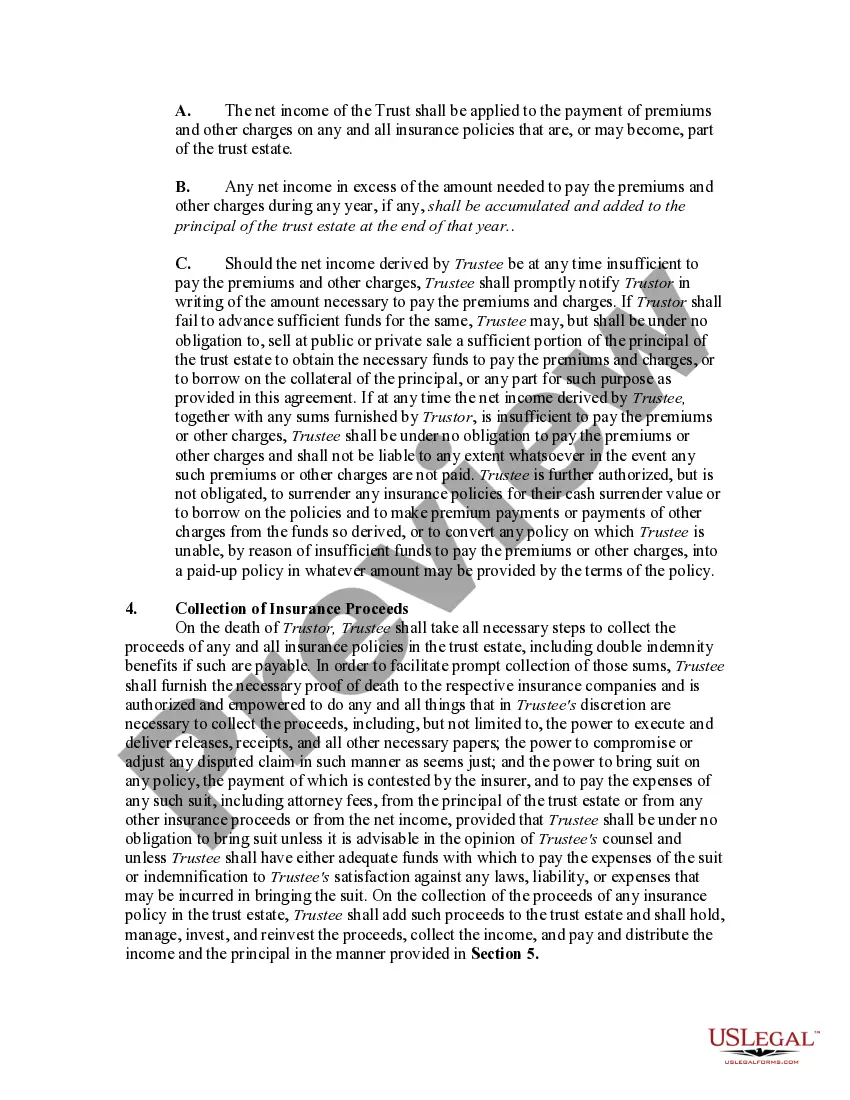
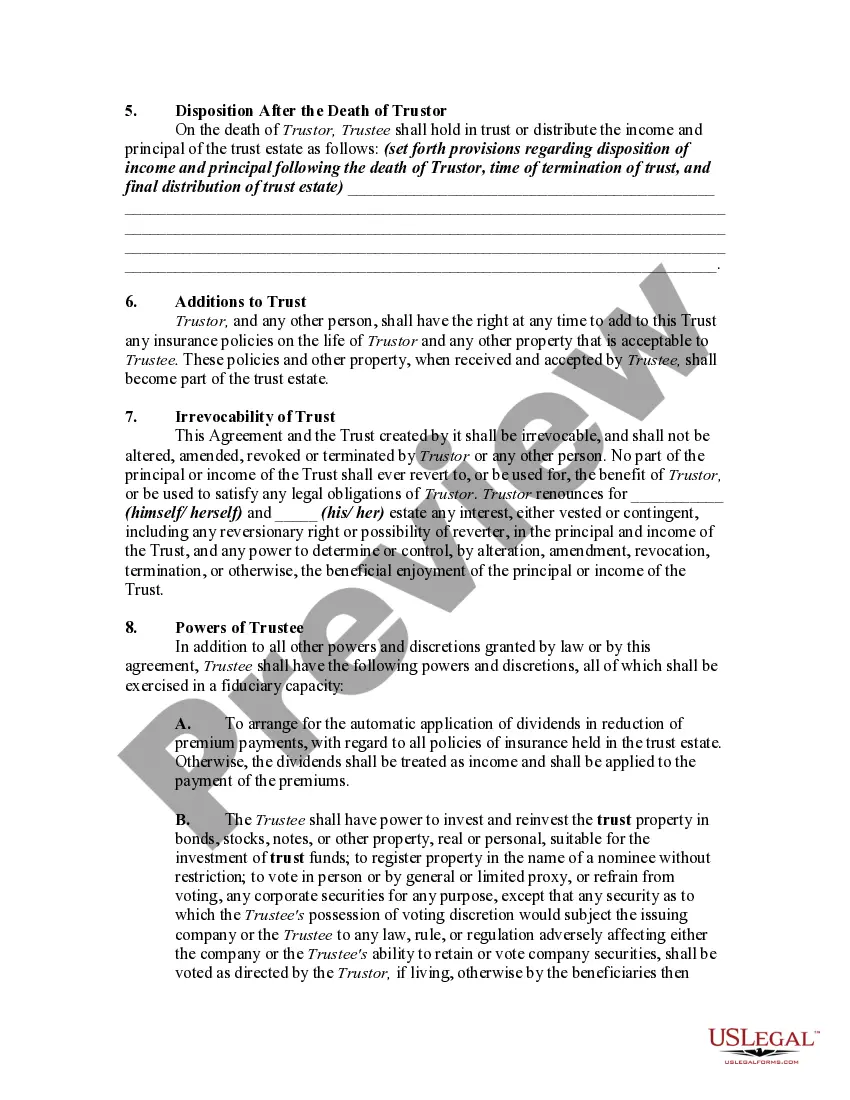
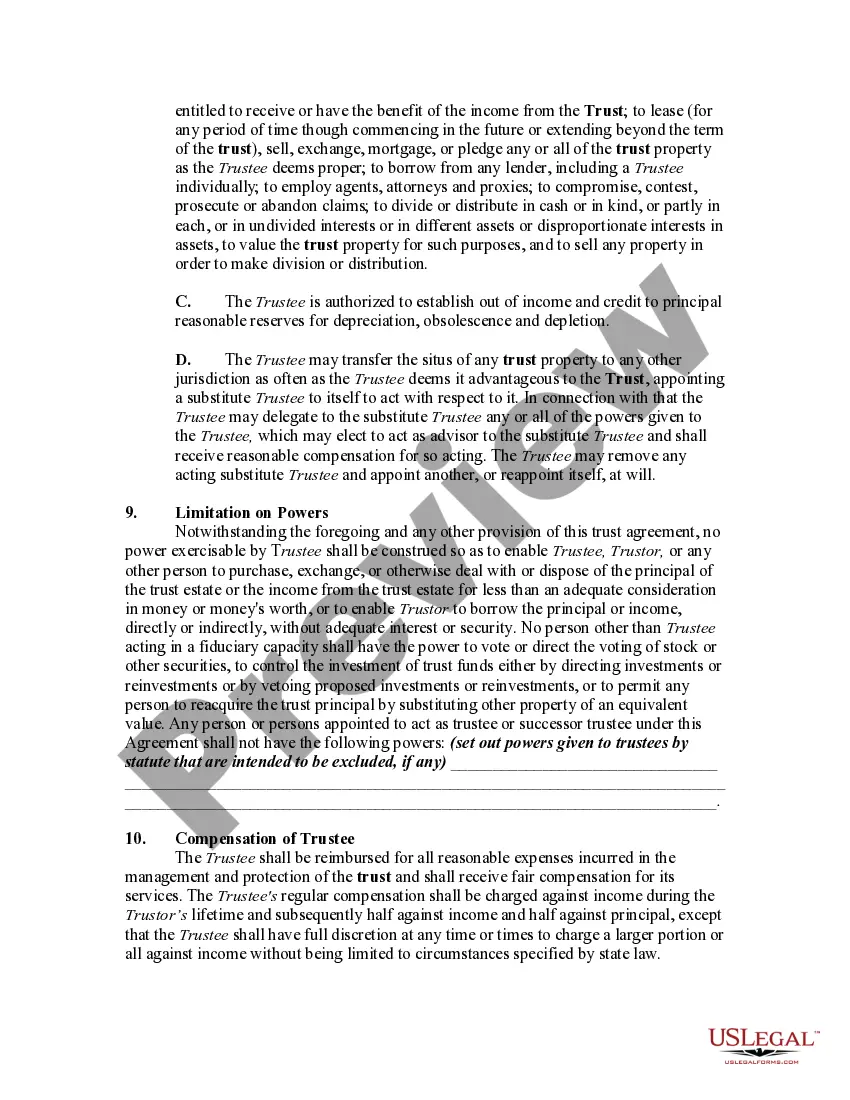
Description

Get your form ready online
Our built-in tools help you complete, sign, share, and store your documents in one place.
Make edits, fill in missing information, and update formatting in US Legal Forms—just like you would in MS Word.
Download a copy, print it, send it by email, or mail it via USPS—whatever works best for your next step.
Sign and collect signatures with our SignNow integration. Send to multiple recipients, set reminders, and more. Go Premium to unlock E-Sign.
If this form requires notarization, complete it online through a secure video call—no need to meet a notary in person or wait for an appointment.
We protect your documents and personal data by following strict security and privacy standards.

Make edits, fill in missing information, and update formatting in US Legal Forms—just like you would in MS Word.

Download a copy, print it, send it by email, or mail it via USPS—whatever works best for your next step.

Sign and collect signatures with our SignNow integration. Send to multiple recipients, set reminders, and more. Go Premium to unlock E-Sign.

If this form requires notarization, complete it online through a secure video call—no need to meet a notary in person or wait for an appointment.

We protect your documents and personal data by following strict security and privacy standards.
Looking for another form?

How to fill out Irrevocable Trust Funded By Life Insurance?
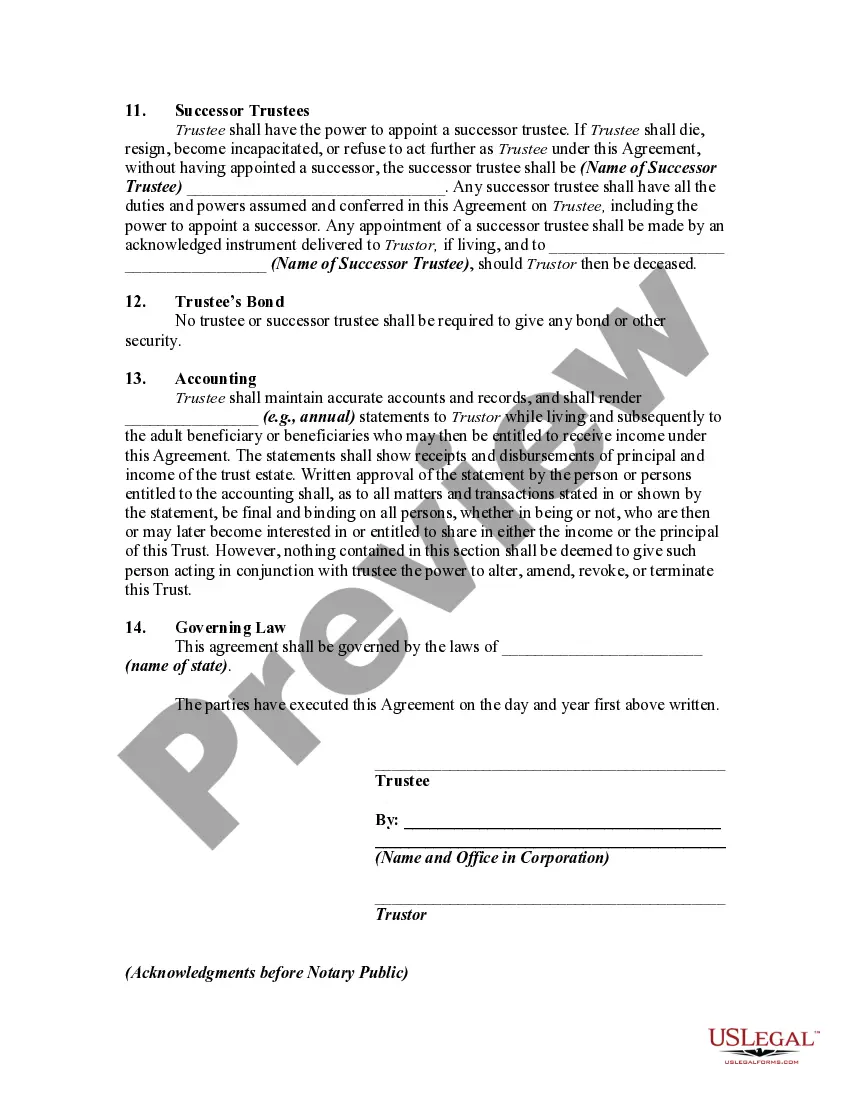
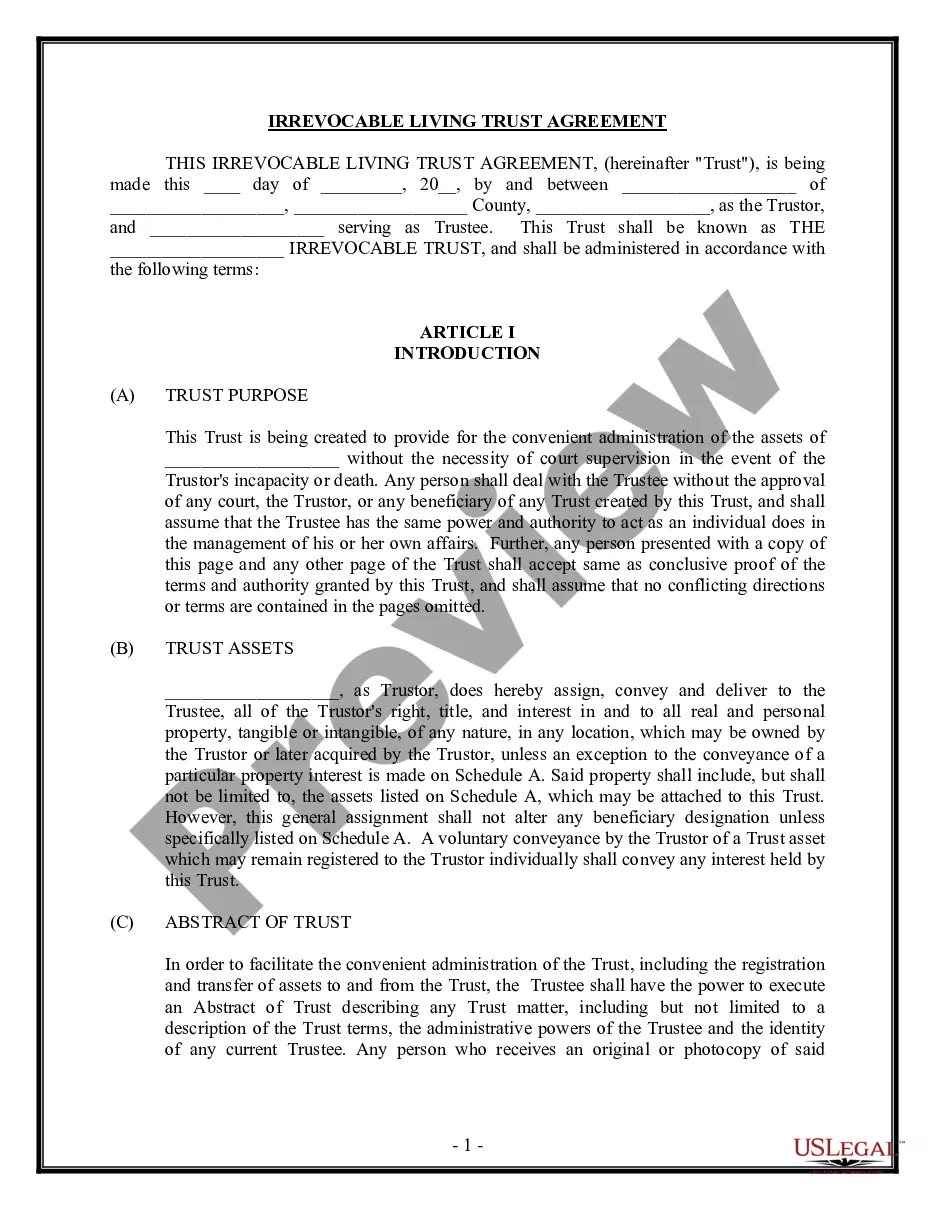
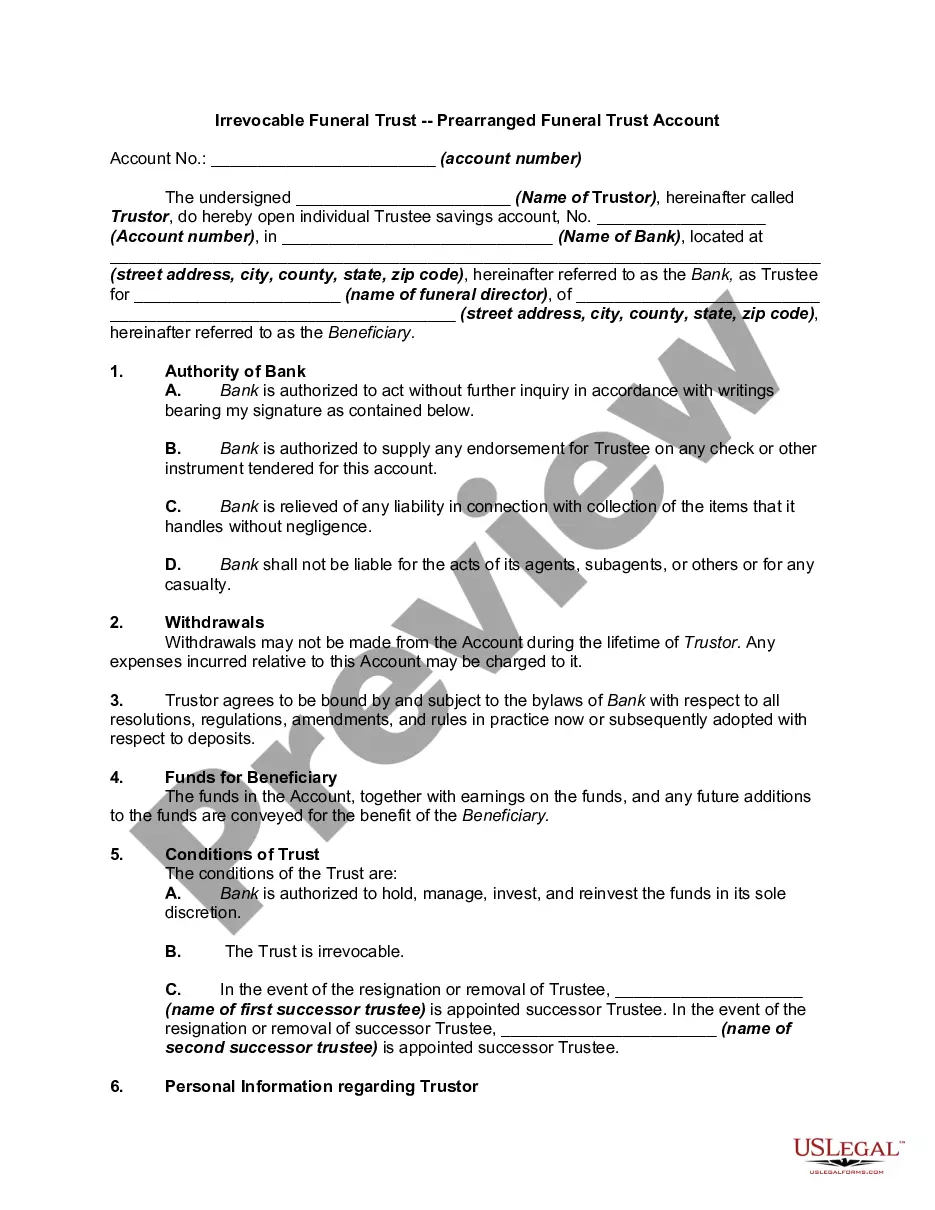
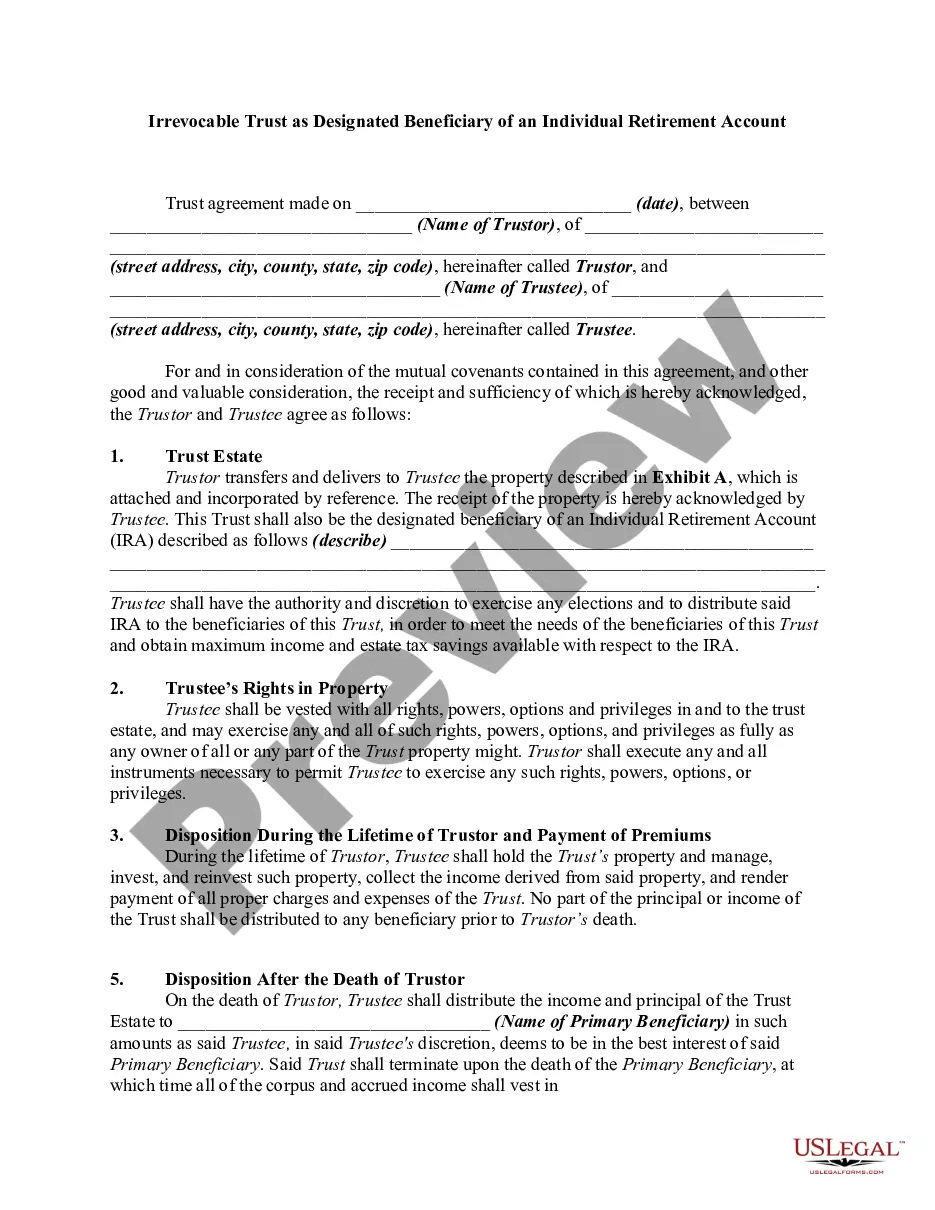
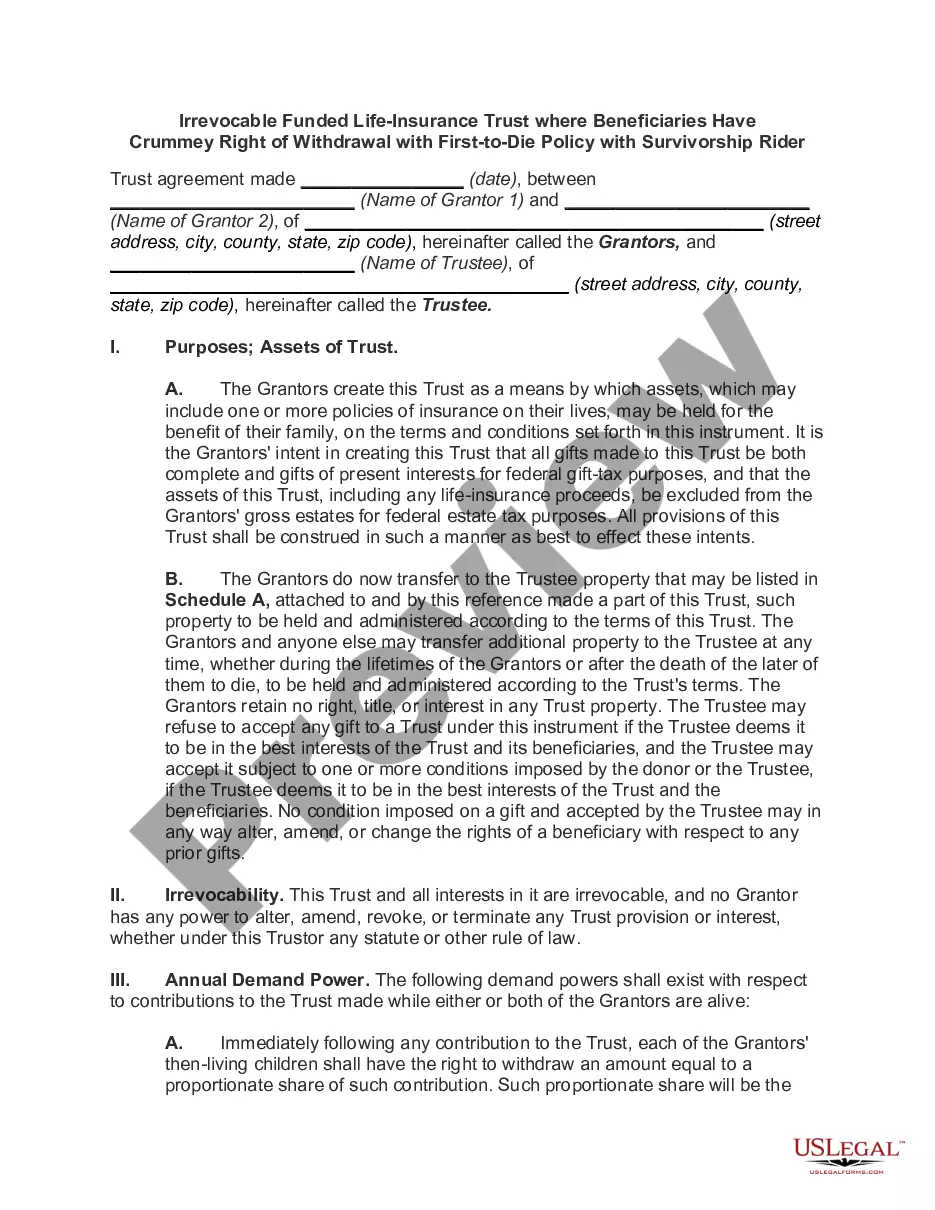
The Trust Fund For My Child that appears on this page is a versatile official template created by expert attorneys in compliance with federal and state laws.
For over 25 years, US Legal Forms has supplied individuals, companies, and legal experts with more than 85,000 authenticated, state-specific documents for any business and personal need. It’s the fastest, simplest, and most dependable method to acquire the paperwork you require, as the service ensures bank-level data protection and anti-malware safeguards.
Choose the format you prefer for your Trust Fund For My Child (PDF, Word, RTF) and save the document onto your device.
- Search for the document you require and review it.
- Browse through the example you searched for and preview it or verify the form description to confirm it meets your needs. If it does not, use the search feature to locate the correct one. Click Buy Now once you have identified the template you need.
- Register and sign in.
- Select the pricing plan that fits you and create an account. Use PayPal or a credit card to make an immediate payment. If you already possess an account, Log In and verify your subscription to proceed.
- Acquire the editable template.
Form popularity
FAQ
Less than 2 percent of the U.S. population receives a trust fund, usually as a means of inheriting large sums of money from wealthy parents, ing to the Survey of Consumer Finances. The median amount is about $285,000 (the average was $4,062,918) ? enough to make a major, lasting impact.
Assets that should not be used to fund your living trust include: Qualified retirement accounts ? 401ks, IRAs, 403(b)s, qualified annuities. Health saving accounts (HSAs) Medical saving accounts (MSAs) Uniform Transfers to Minors (UTMAs) Uniform Gifts to Minors (UGMAs) Life insurance. Motor vehicles.
Consider a lifetime trust. First, if you give your children the right to withdraw trust money, it becomes their own money and is subject to their creditors as well as their divorcing spouse. Keeping the monies in trust for the child's lifetime will provide better liability protection.
Once you're 18, the choice is yours. You'll need to log into your online account where you can withdraw money either by bank transfer or by asking us to post a cheque. You also now have the option to move money into an ISA or a Lifetime ISA. If you've not yet decided, it's ok to do nothing!
The most common type of trust for children under 18 years of age is a custodial account. Custodial accounts are governed under the Uniform Gift to Minors Act (UMGA) or the Uniform Transfer to Minors Act (UTMA). UGMA lets minors own securities while UTMA lets minors own other kinds of property including real estate.