Irrevocable Beneficiary Consent
Description

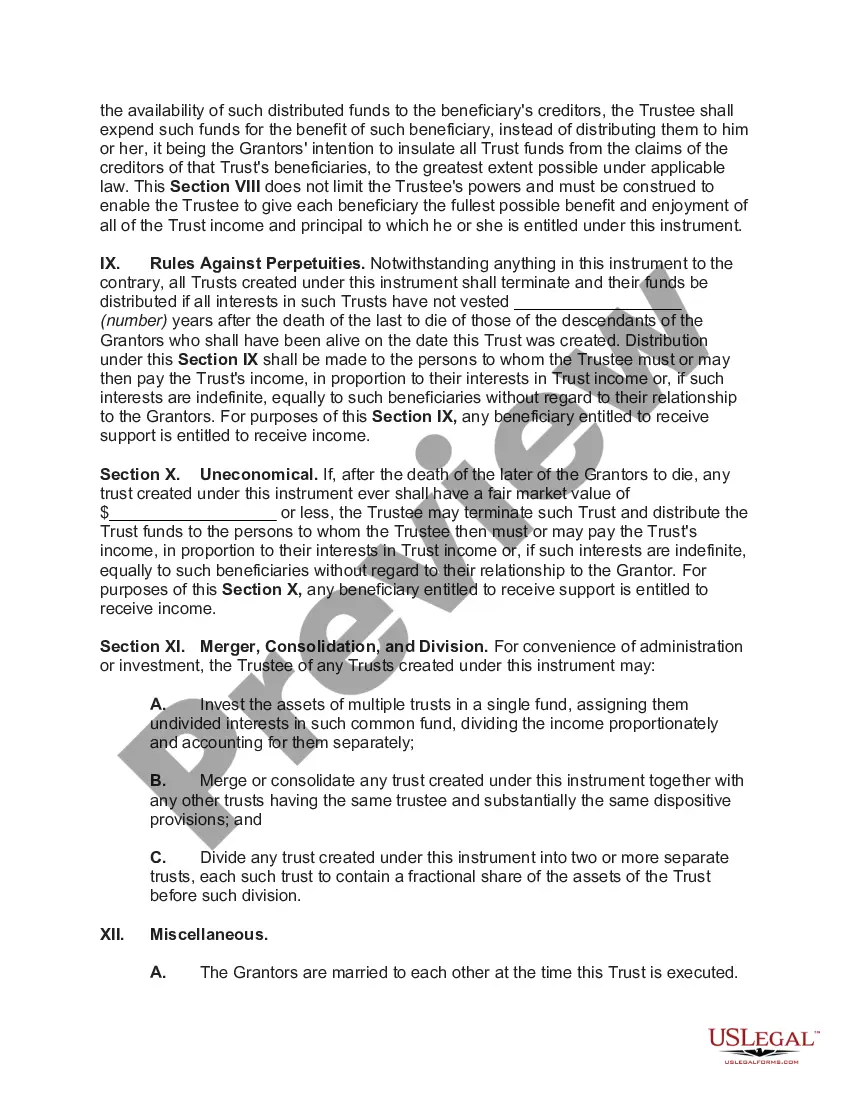

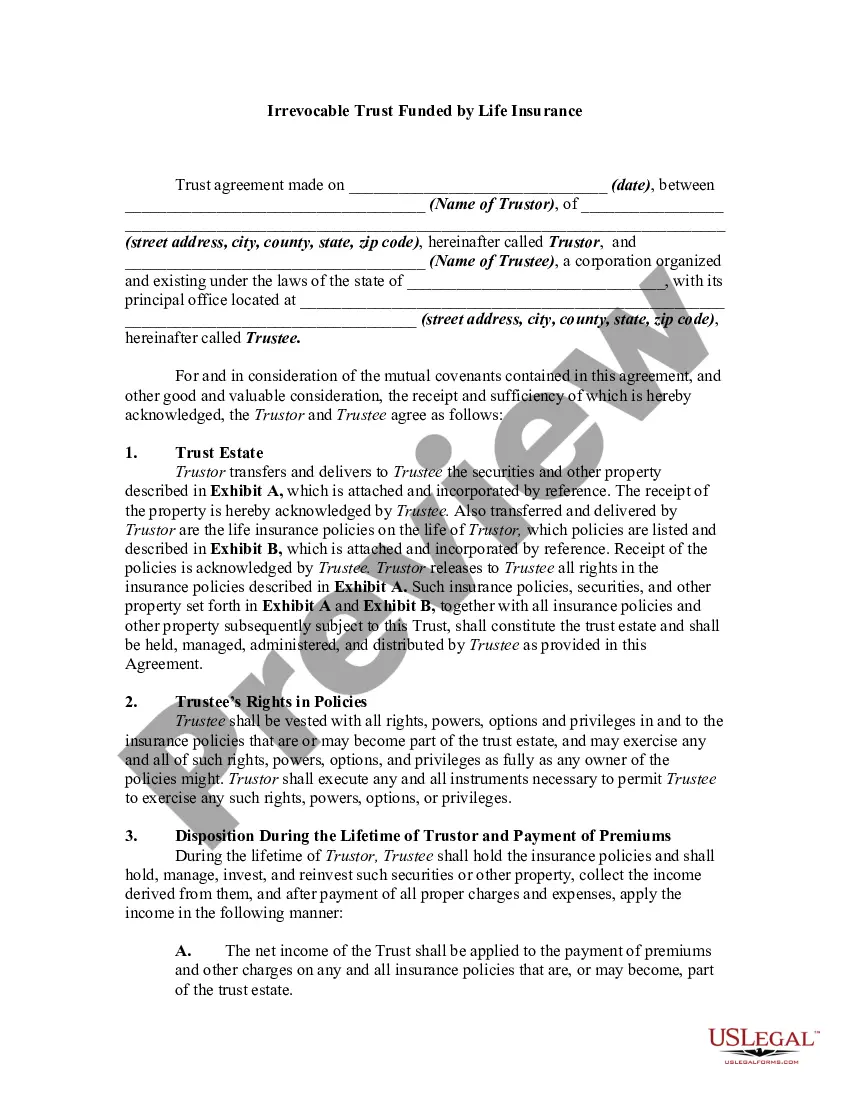
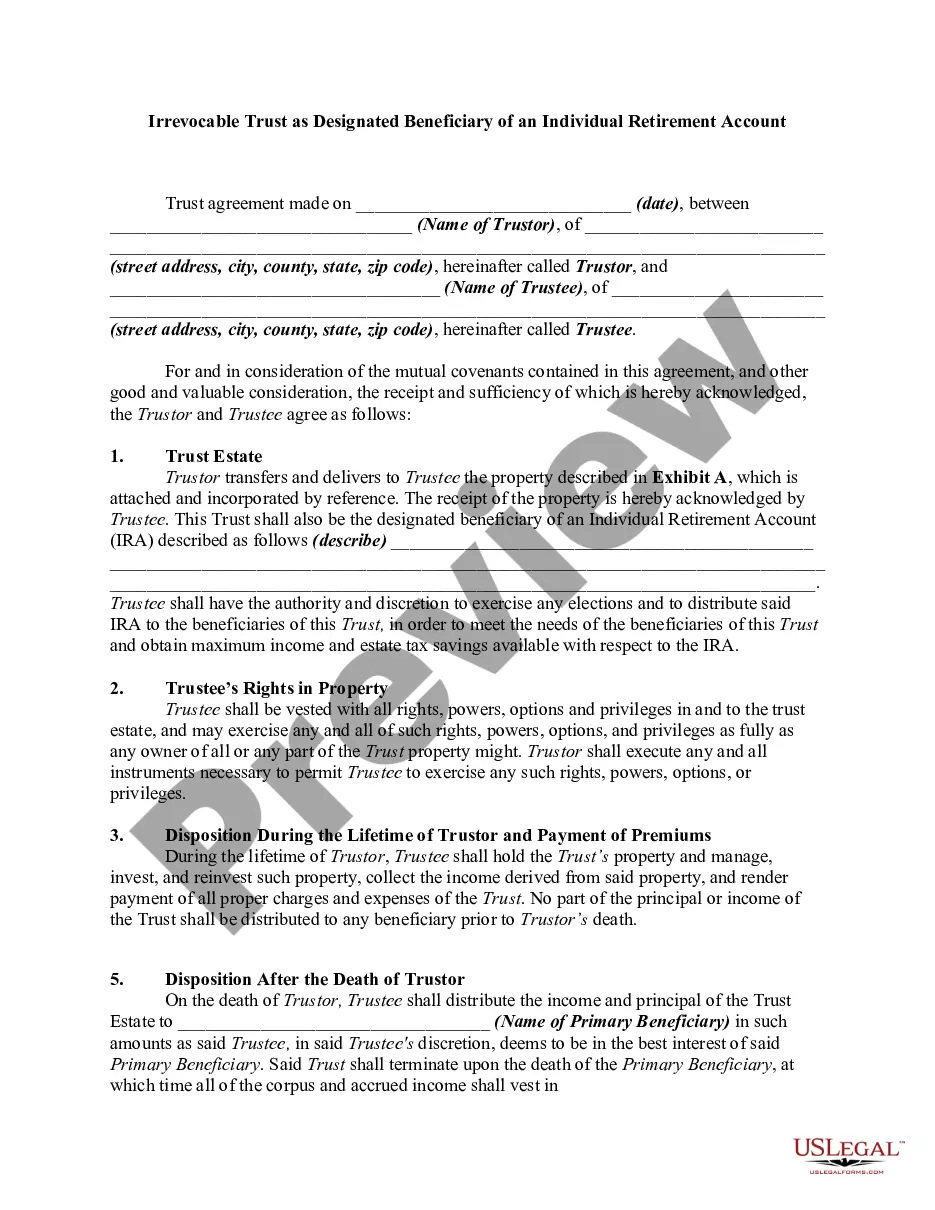
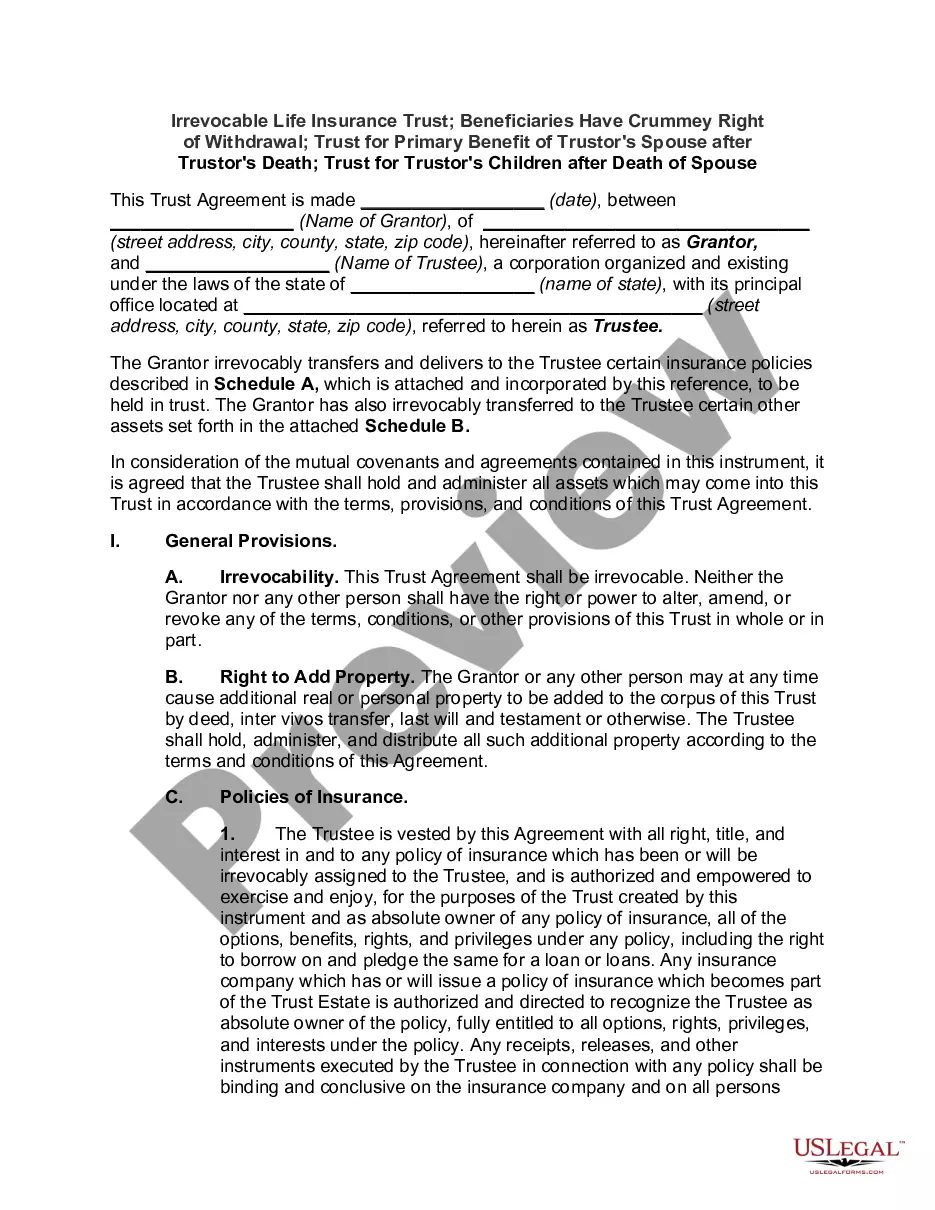

Get your form ready online
Our built-in tools help you complete, sign, share, and store your documents in one place.
Make edits, fill in missing information, and update formatting in US Legal Forms—just like you would in MS Word.
Download a copy, print it, send it by email, or mail it via USPS—whatever works best for your next step.
Sign and collect signatures with our SignNow integration. Send to multiple recipients, set reminders, and more. Go Premium to unlock E-Sign.
If this form requires notarization, complete it online through a secure video call—no need to meet a notary in person or wait for an appointment.
We protect your documents and personal data by following strict security and privacy standards.

Make edits, fill in missing information, and update formatting in US Legal Forms—just like you would in MS Word.

Download a copy, print it, send it by email, or mail it via USPS—whatever works best for your next step.

Sign and collect signatures with our SignNow integration. Send to multiple recipients, set reminders, and more. Go Premium to unlock E-Sign.

If this form requires notarization, complete it online through a secure video call—no need to meet a notary in person or wait for an appointment.

We protect your documents and personal data by following strict security and privacy standards.
Looking for another form?
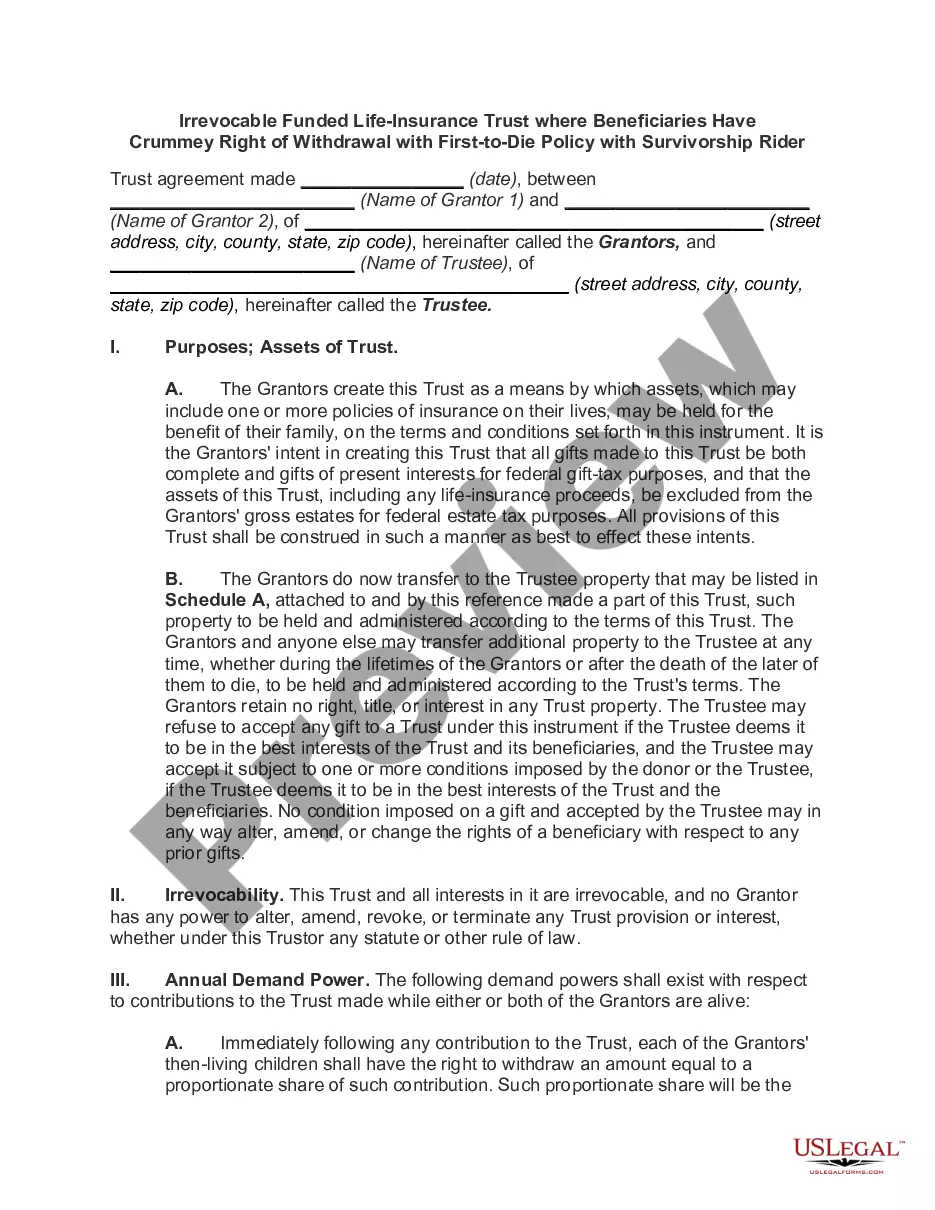
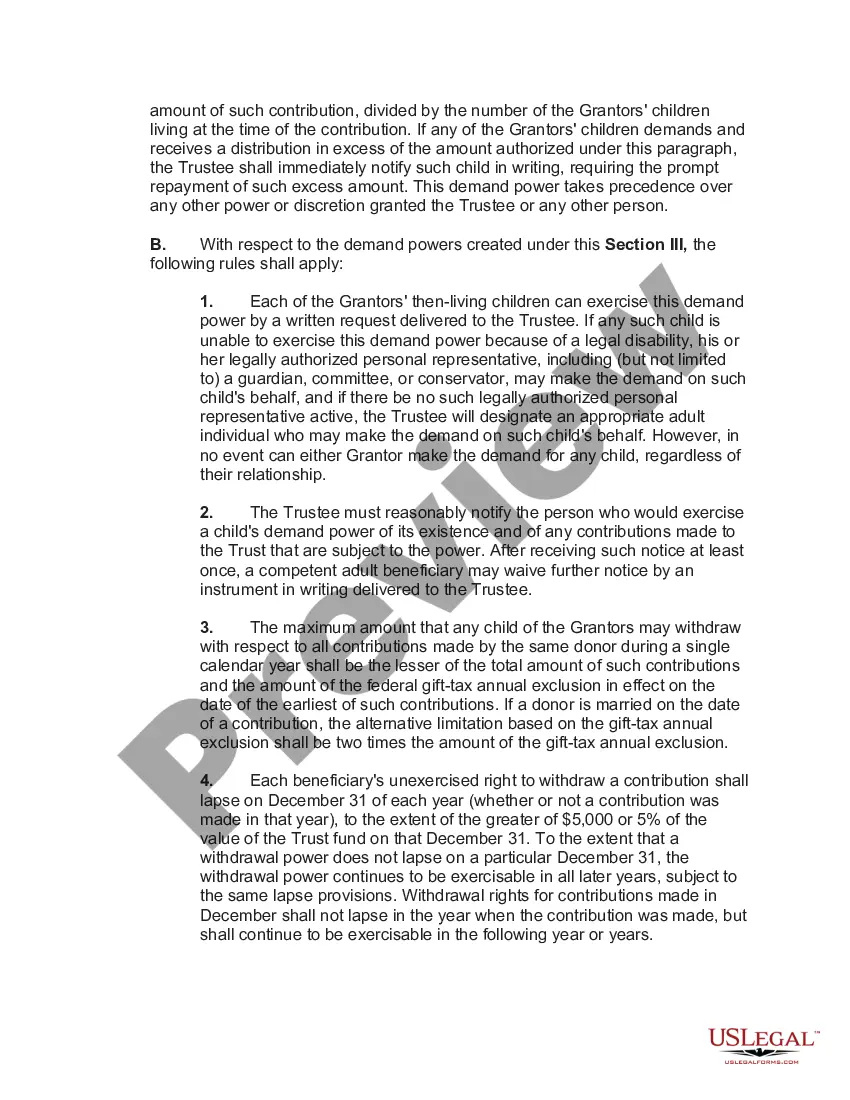
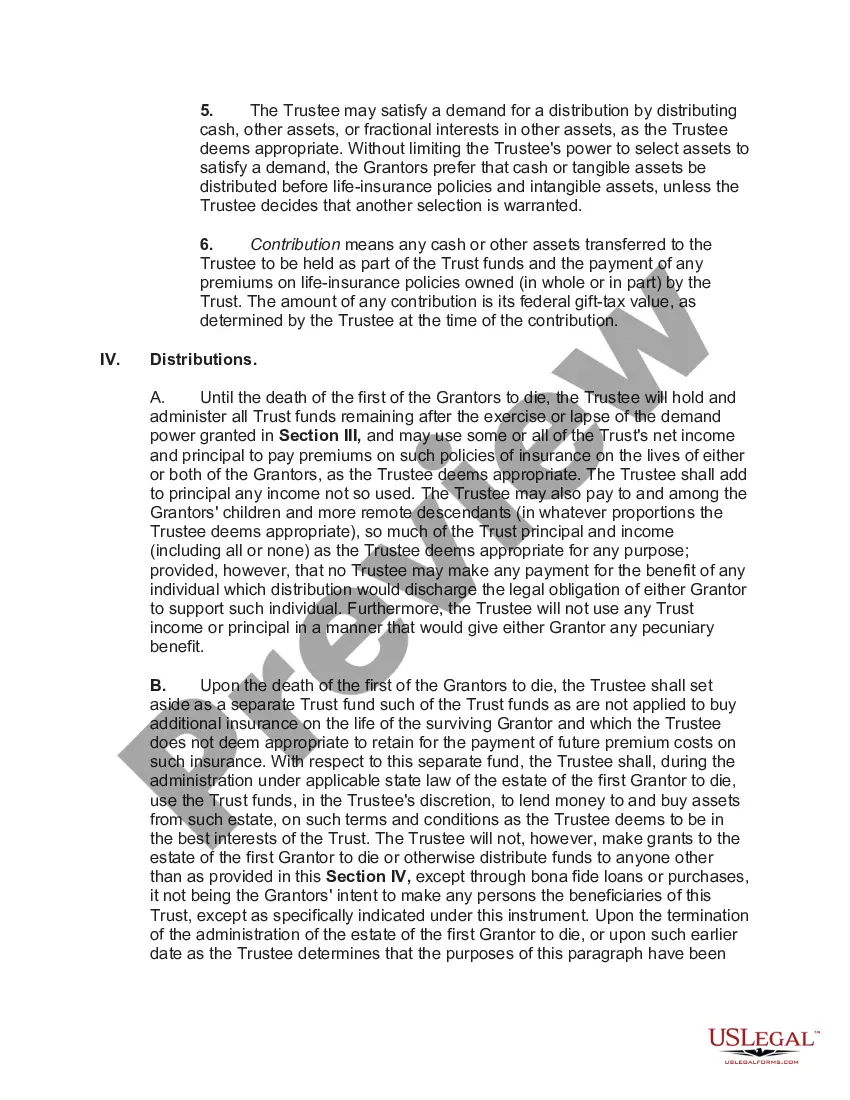
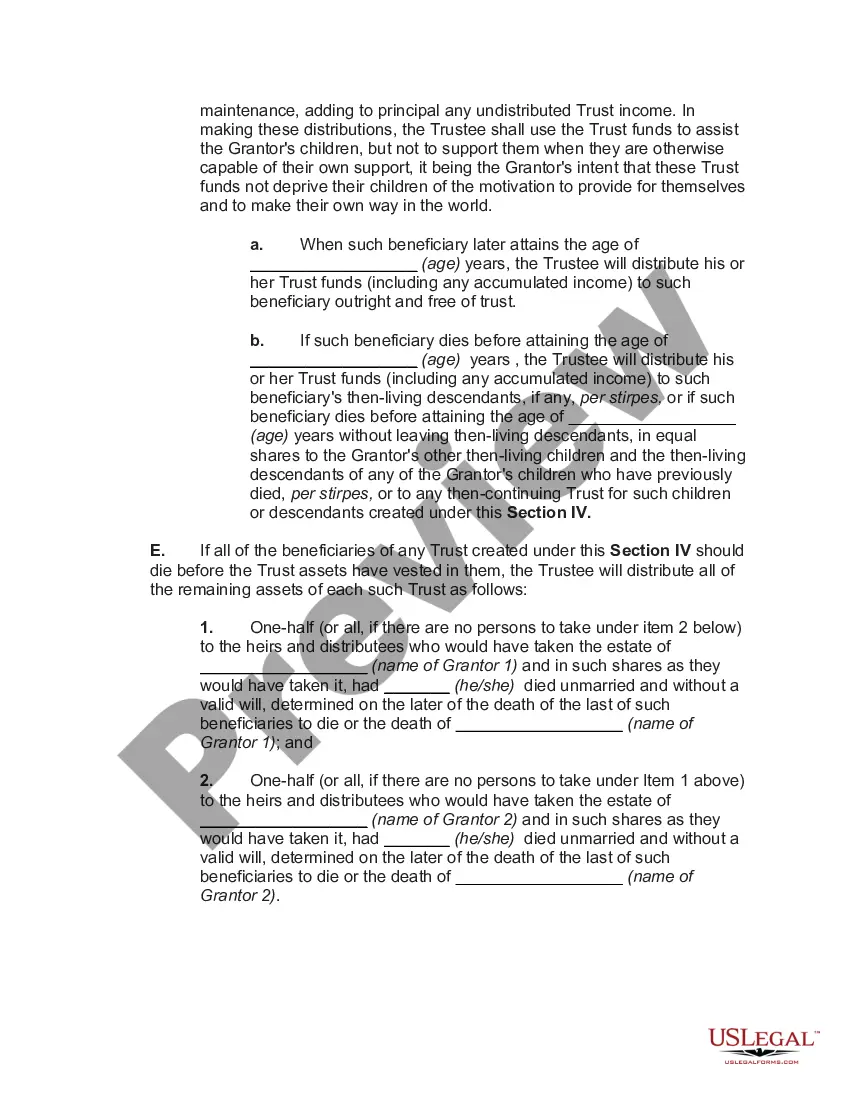
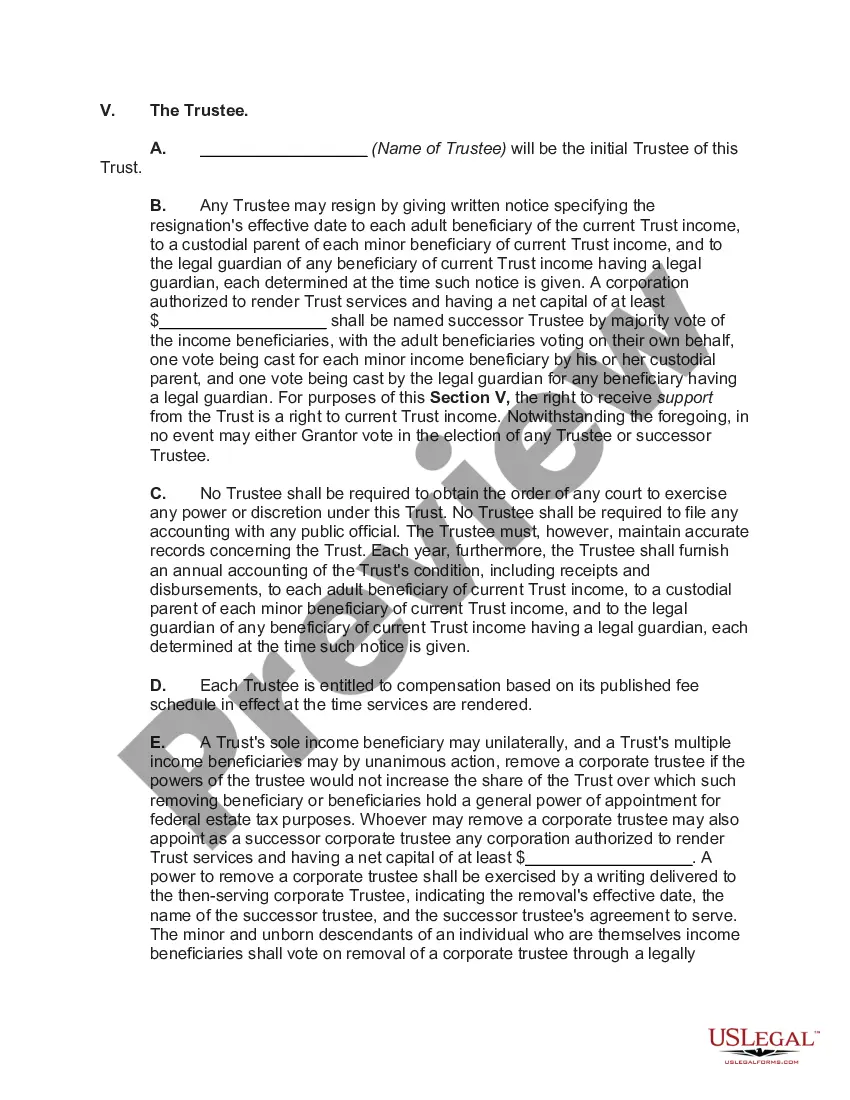
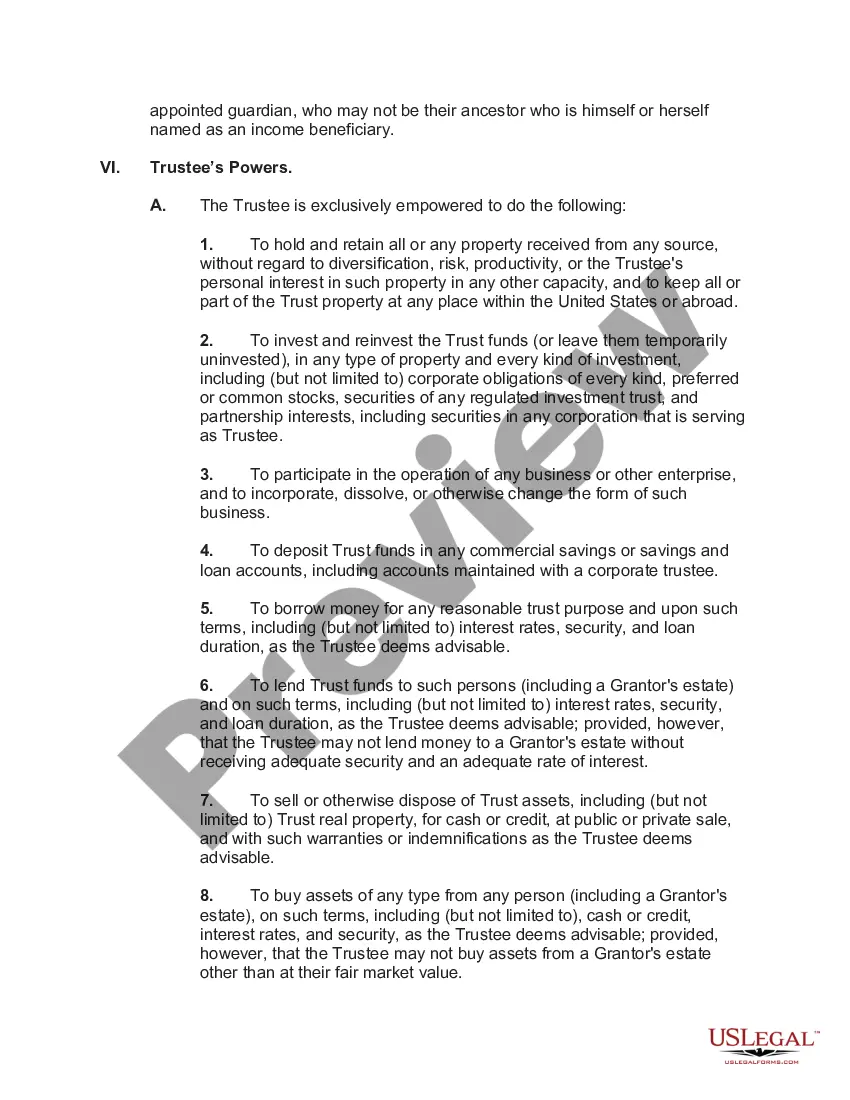
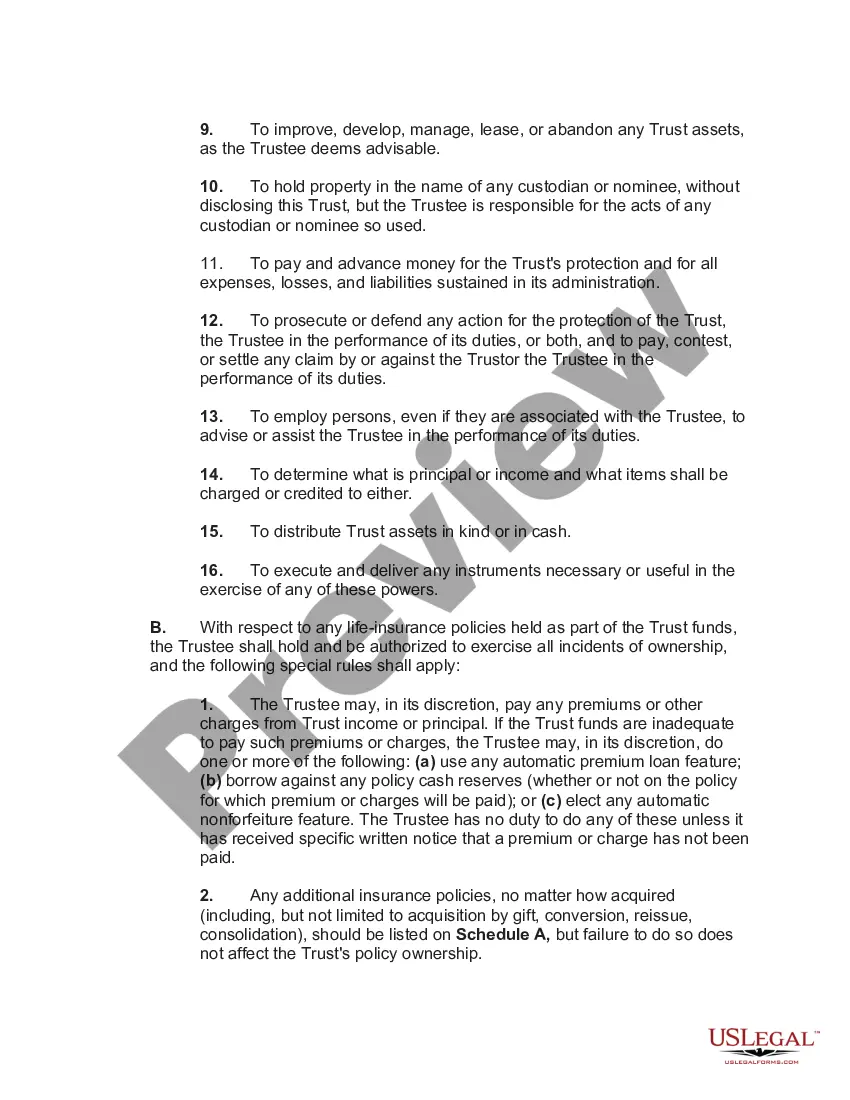
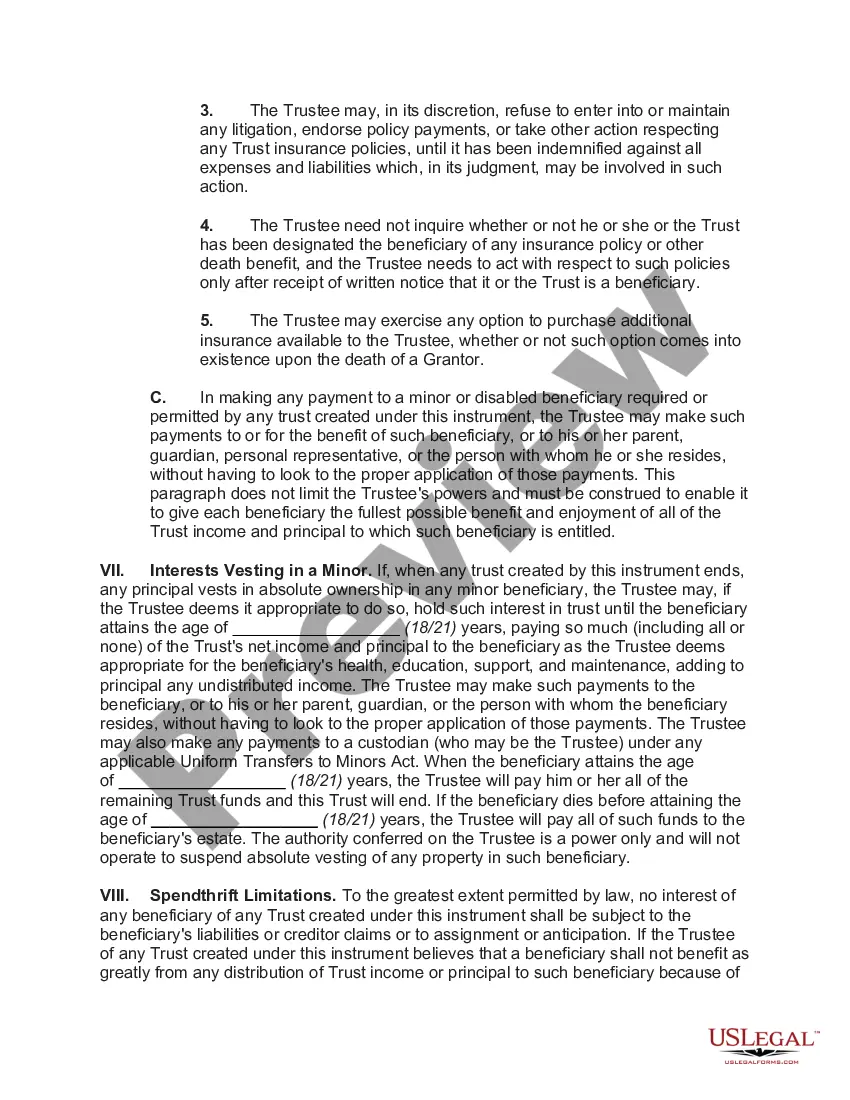
How to fill out Irrevocable Funded Life Insurance Trust Where Beneficiaries Have Crummey Right Of Withdrawal With First To Die Policy With Survivorship Rider?
- Log into your US Legal Forms account if you're already a user. Ensure your subscription is active before proceeding.
- If you're new to US Legal Forms, start by previewing the required document. Check the form description to confirm it aligns with your specific needs and jurisdiction.
- If the form doesn't match your needs, utilize the search function to find a suitable alternative before moving forward.
- Select the document you need, then click 'Buy Now' and choose from the available subscription plans.
- Provide your payment information, either through credit card or PayPal, to complete the purchase.
- Finally, download the form to your device and access it anytime from the 'My Forms' section of your account.
In conclusion, US Legal Forms simplifies the process of obtaining irrevocable beneficiary consent with its extensive library of forms and user-friendly interface. Whether you're a seasoned legal professional or a first-time user, you're sure to find the resources you need.
Start downloading your legal documents today with US Legal Forms and take control of your legal needs!
Form popularity
FAQ
If an irrevocable beneficiary dies, the policyholder may need to review the beneficiary designation closely. Generally, the death of an irrevocable beneficiary creates a situation where the benefits can revert to the estate or pass to contingent beneficiaries if named. In such cases, understanding the concept of irrevocable beneficiary consent is crucial to navigate any legal implications, and platforms like USLegalForms can assist in addressing such matters effectively.
An irrevocable beneficiary is the only type of beneficiary that requires consent for changes to be made. If you wish to change an irrevocable beneficiary, you must secure their agreement to do so. This requirement emphasizes the importance of planning and communication, making tools like USLegalForms vital for documenting such agreements and ensuring compliance with legal requirements.
A primary beneficiary is the first in line to receive benefits from a financial product, while an irrevocable beneficiary has a locked-in status that requires their consent for any changes. In other words, if you want to change the beneficiary designation, you must obtain irrevocable beneficiary consent. This distinction plays a crucial role in estate planning and ensures that your intentions are honored.
An irrevocable beneficiary is a person or entity named in a financial product, such as a life insurance policy, who cannot be removed or changed without their consent. This means that once you designate someone as an irrevocable beneficiary, they have a permanent claim to the benefits. Understanding irrevocable beneficiary consent is essential for managing your policy effectively and ensuring that your wishes are followed.
Generally, a beneficiary cannot be removed from an irrevocable trust without their consent. This principle protects the interests of the irrevocable beneficiary, which reinforces the necessity of obtaining irrevocable beneficiary consent for any modifications. If you need to change beneficiaries, consulting with a legal professional can provide the best strategy for navigating these complex issues. Platforms like uslegalforms offer resources to help you understand these situations better.
An irrevocable beneficiary holds certain rights that ensure their interests are protected. They have the right to receive benefits from the trust or policy, and any changes to that arrangement typically require their consent. This means if you selected someone as an irrevocable beneficiary, you would generally need their approval for any future alterations. Their rights reinforce the importance of obtaining irrevocable beneficiary consent.
Irrevocable beneficiaries cannot be changed or removed without their consent. This designation provides protection for the beneficiary, ensuring that they have a guaranteed interest in the policy or trust. When you select an irrevocable beneficiary, you create a secure arrangement requiring irrevocable beneficiary consent for any modifications. It’s essential to understand these implications when setting your estate plans.
Filling out a beneficiary statement involves providing essential information about the beneficiary, such as their full name, relationship to you, and contact details. You will also need to state the percentage of the benefit they will receive. Ensure to follow any specific guidelines provided by your financial institution and check for the necessary signatures. Utilizing resources like USLegalForms can simplify this process, ensuring you correctly understand irrevocable beneficiary consent.
Individuals often choose an irrevocable trust for asset protection and tax benefits. By placing assets in this type of trust, they cannot be altered or revoked, ensuring that the trust's conditions remain intact. This form of trust can also prevent estate taxes from impacting your beneficiaries. Hence, comprehending the mechanisms behind irrevocable beneficiary consent is vital when establishing financial security.
Having an irrevocable beneficiary can provide peace of mind, knowing that a specific person will receive funds without the risk of changes. It can also protect the beneficiary from potential creditors and provide a clear directive for your assets. This kind of designation strengthens trust in financial arrangements. Understanding irrevocable beneficiary consent helps you establish transparent and fair plans for your loved ones.