Mississippi Limited Authorization to Inspect and Copy Medical Records
About this form
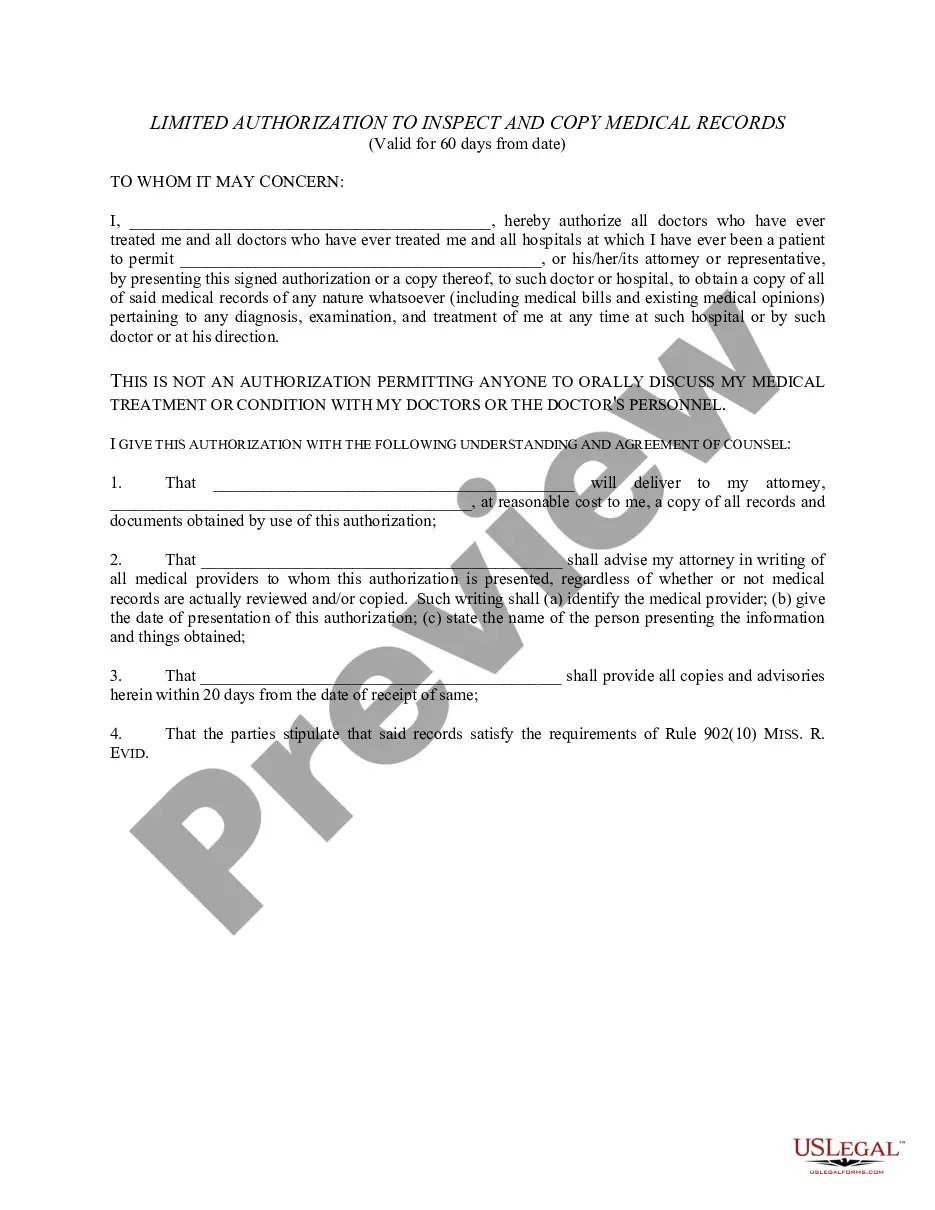
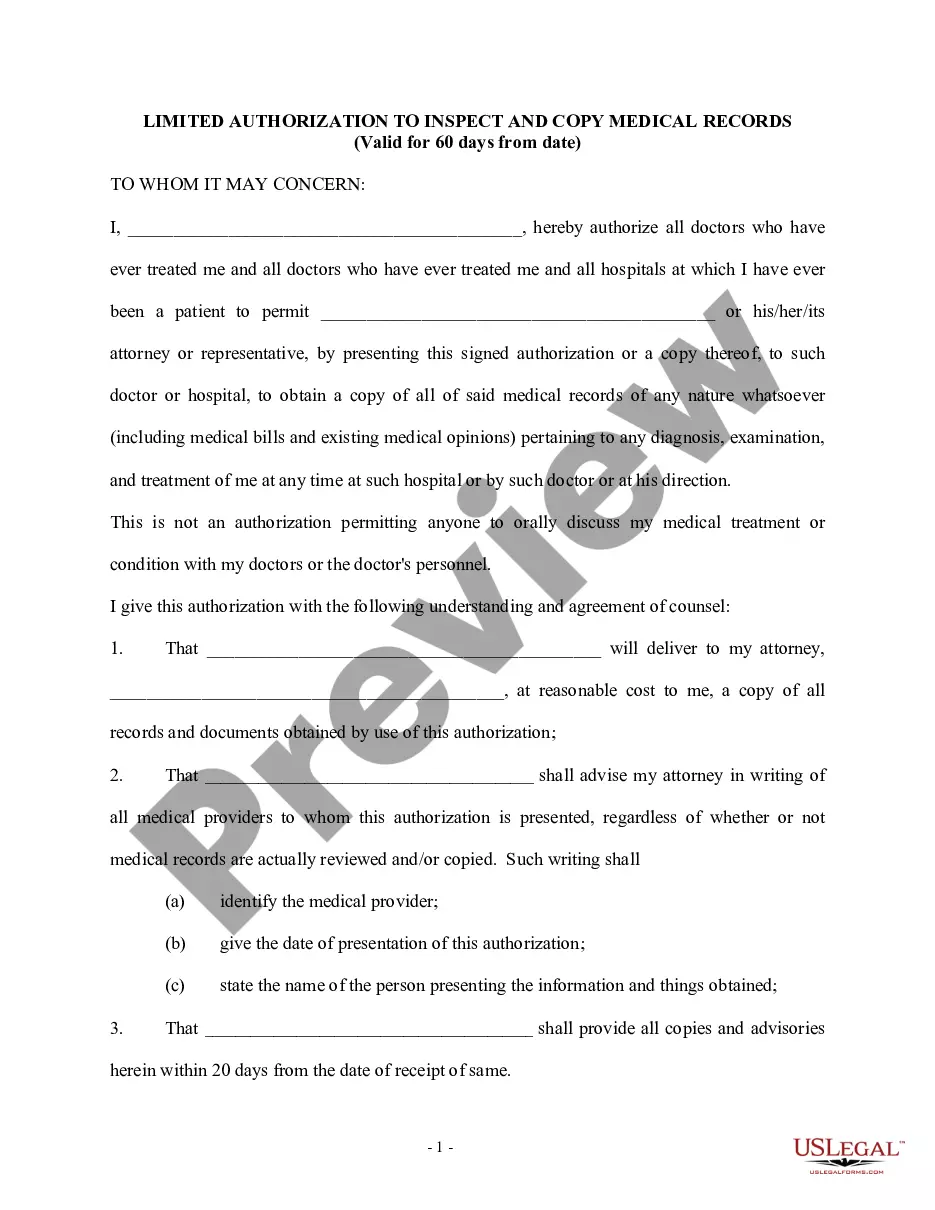
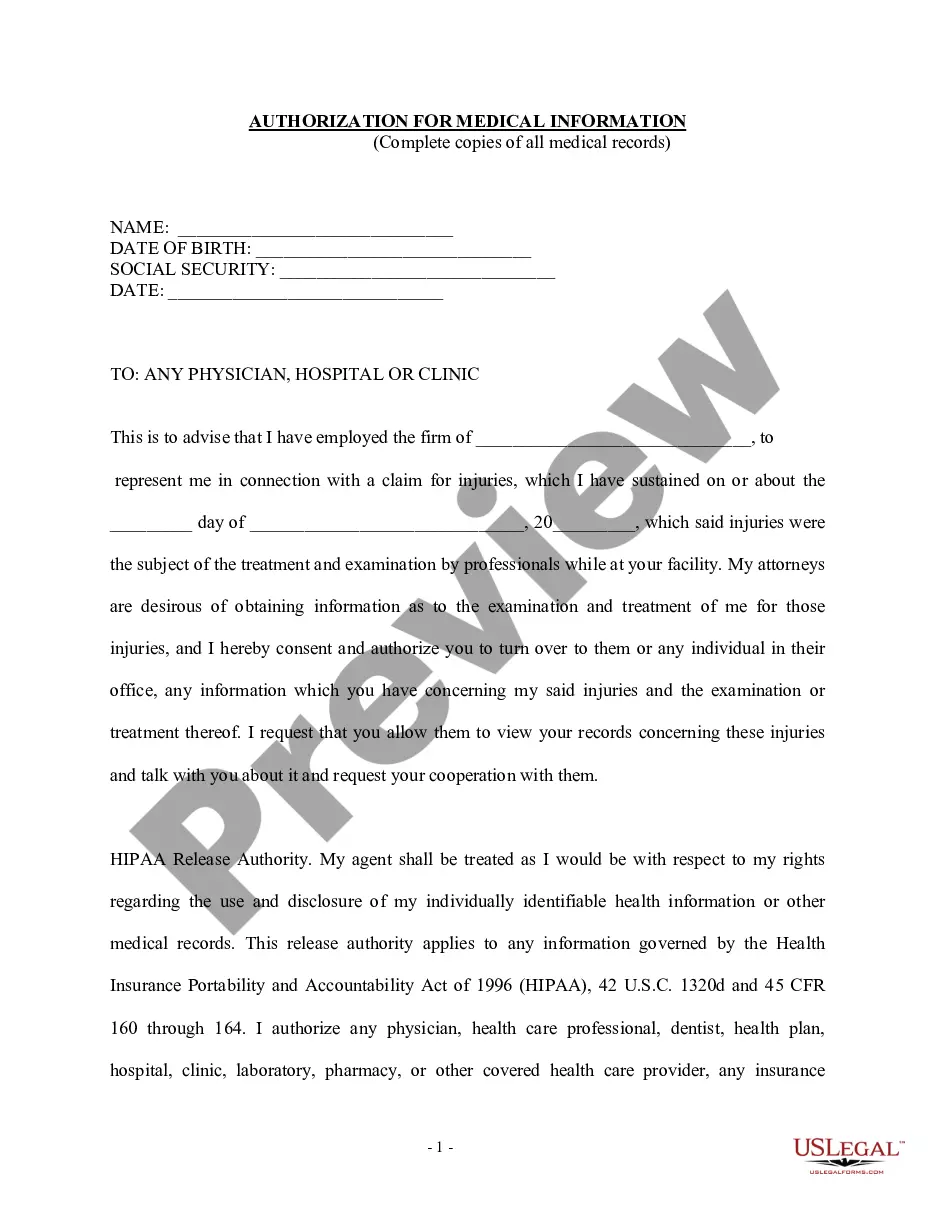
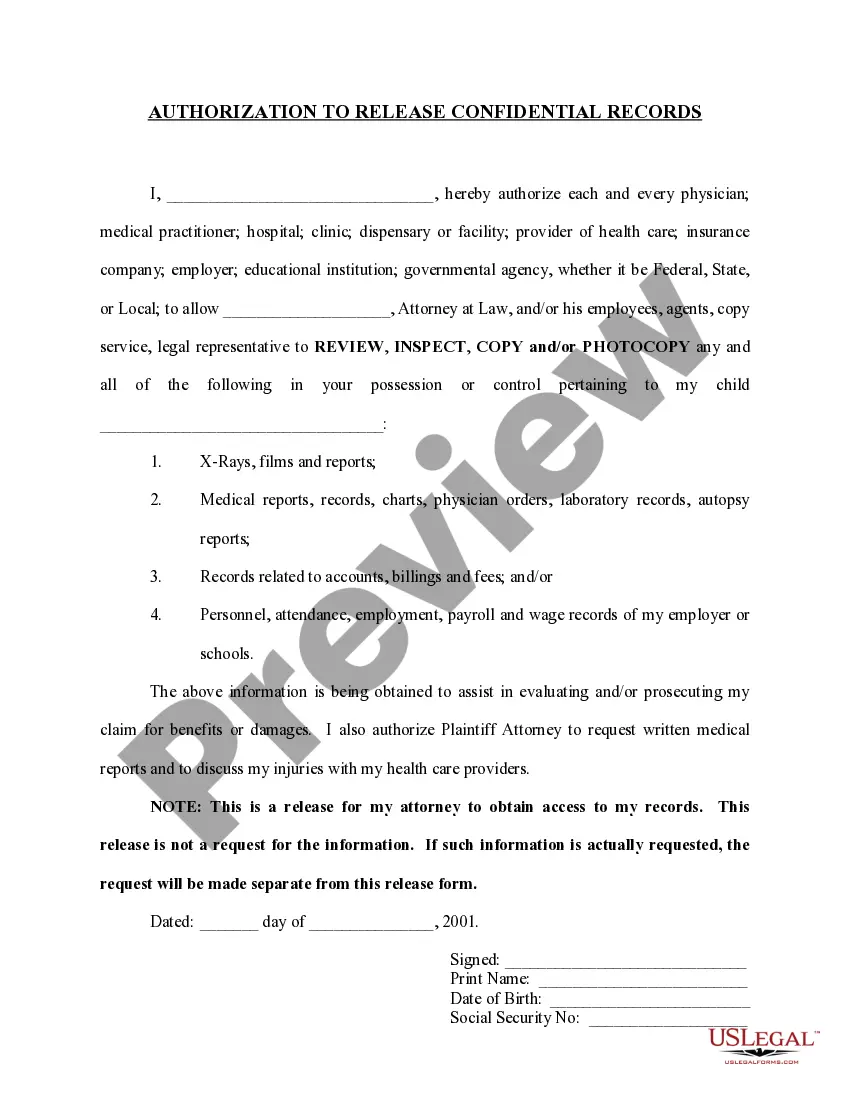
The Limited Authorization to Inspect and Copy Medical Records is a legal document that permits a specified individual or their attorney to access and obtain copies of an individual's medical records. Unlike a full medical release, this form includes limitations on the access granted, allowing only specific information to be shared. This document can be essential for ongoing legal matters, especially when a detailed understanding of oneâs medical history is necessary.
Form components explained
- Identification of the patient providing authorization.
- Specific entities permitted to release medical records, including doctors and hospitals.
- Limitations on the scope of information that can be shared.
- Written requirements for the attorney receiving the records.
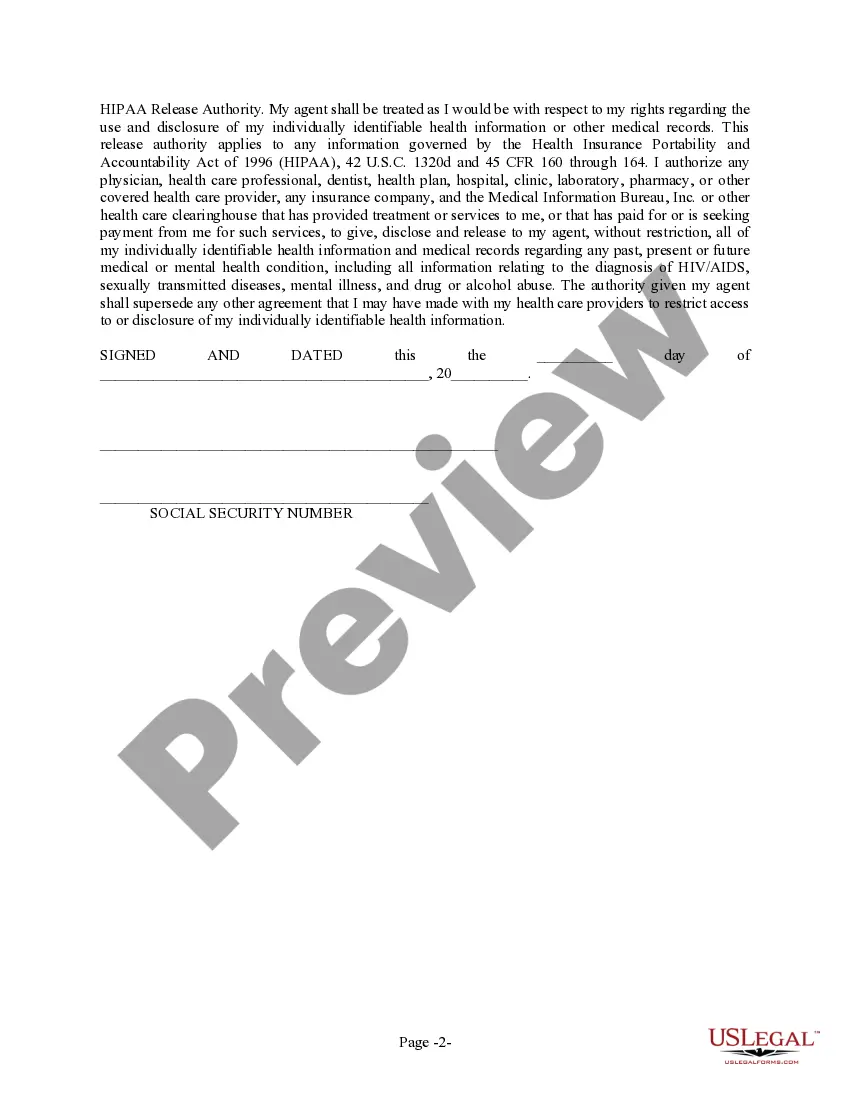
- Compliance with HIPAA regulations regarding medical information privacy.
- Signature and date field for the patient.
When to use this form
This form is typically used in situations where an individual needs to grant limited access to their medical records to their attorney or other authorized representative. Common scenarios include personal injury claims, medical malpractice cases, or when involved in legal proceedings that require insight into medical treatment history.
Who can use this document
- Individuals involved in legal cases requiring access to medical records.
- Patients who wish to authorize their attorney to obtain medical documentation for various purposes.
- Anyone seeking to limit access to specific medical records while still permitting necessary disclosures.
Steps to complete this form
- Identify yourself as the patient in the designated area.
- Specify the name of the individual or attorney authorized to access your medical records.
- Provide the names of doctors and hospitals from which records can be obtained.
- Sign and date the form to validate your authorization.
- Ensure that you include your social security number for identification purposes.
Notarization requirements for this form
This form does not typically require notarization unless specified by local law. It is advisable to check any state regulations that may apply.
Get your form ready online
Our built-in tools help you complete, sign, share, and store your documents in one place.
Make edits, fill in missing information, and update formatting in US Legal Forms—just like you would in MS Word.
Download a copy, print it, send it by email, or mail it via USPS—whatever works best for your next step.
Sign and collect signatures with our SignNow integration. Send to multiple recipients, set reminders, and more. Go Premium to unlock E-Sign.
If this form requires notarization, complete it online through a secure video call—no need to meet a notary in person or wait for an appointment.
We protect your documents and personal data by following strict security and privacy standards.

Make edits, fill in missing information, and update formatting in US Legal Forms—just like you would in MS Word.

Download a copy, print it, send it by email, or mail it via USPS—whatever works best for your next step.

Sign and collect signatures with our SignNow integration. Send to multiple recipients, set reminders, and more. Go Premium to unlock E-Sign.

If this form requires notarization, complete it online through a secure video call—no need to meet a notary in person or wait for an appointment.

We protect your documents and personal data by following strict security and privacy standards.
Avoid these common issues
- Failing to specify the individual authorized to receive the records.
- Not limiting the scope of records requested, leading to broader access than intended.
- Omitting the date of authorization, which can complicate validity.
Advantages of online completion
- Convenience of downloading and completing the form from anywhere at any time.
- Editable format enables customization to fit specific needs.
- Access to reliable legal forms drafted by licensed attorneys.
Looking for another form?

Form popularity
FAQ
PHI only relates to information on patients or health plan members. It does not include information contained in educational and employment records, that includes health information maintained by a HIPAA covered entity in its capacity as an employer.
Medical ethics rules, state laws, and the federal law known as the Health Insurance Portability and Accountability Act (HIPAA), generally require doctors and their staff to keep patients' medical records confidential unless the patient allows the doctor's office to disclose them.
The Privacy Rule generally requires HIPAA covered entities (health plans and most health care providers) to provide individuals, upon request, with access to the protected health information (PHI) about them in one or more designated record sets maintained by or for the covered entity.
The three components of HIPAA security rule compliance. Keeping patient data safe requires healthcare organizations to exercise best practices in three areas: administrative, physical security, and technical security.
A HIPAA violation is a failure to comply with any aspect of HIPAA standards and provisions detailed in detailed in 45 CFR Parts 160, 162, and 164.Failure to implement safeguards to ensure the confidentiality, integrity, and availability of PHI. Failure to maintain and monitor PHI access logs.
Yes. The law provides that the health care provider can deny access to the minor's record requested by the parent or guardian if it is believed that disclosure will have a detrimental effect on the provider's treatment relationship with the minor patient.
There is no legal basis for refusing to turn over a patient's medical record because he owes money to the practice. Every patient has the right to access his medical records under federal and most state laws. The only money that can be required are the copying fees mandated by law.
Work out a filing system that works for you, whether that's digital or on paper. Whatever you choose, make sure your records are secure but easily accessible for you. Perhaps store them in a filing cabinet with a lock, in a password-protected folder on your computer, or on an external hard drive.
Talk with your doctor about confidentiality concerns. Read the fine print. Request a copy of your medical records so you know what's in them. Register your objections to disclosures that you consider inappropriate.