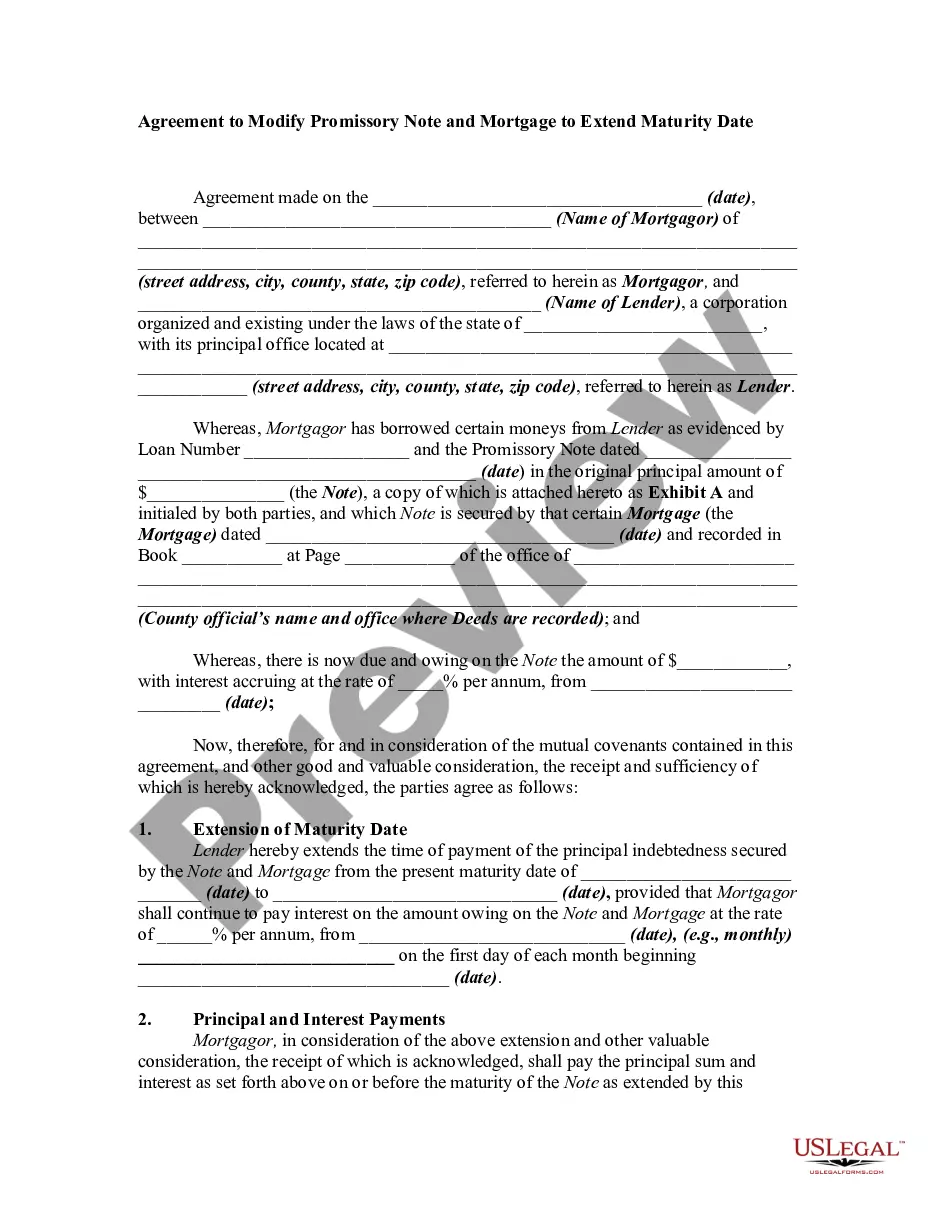
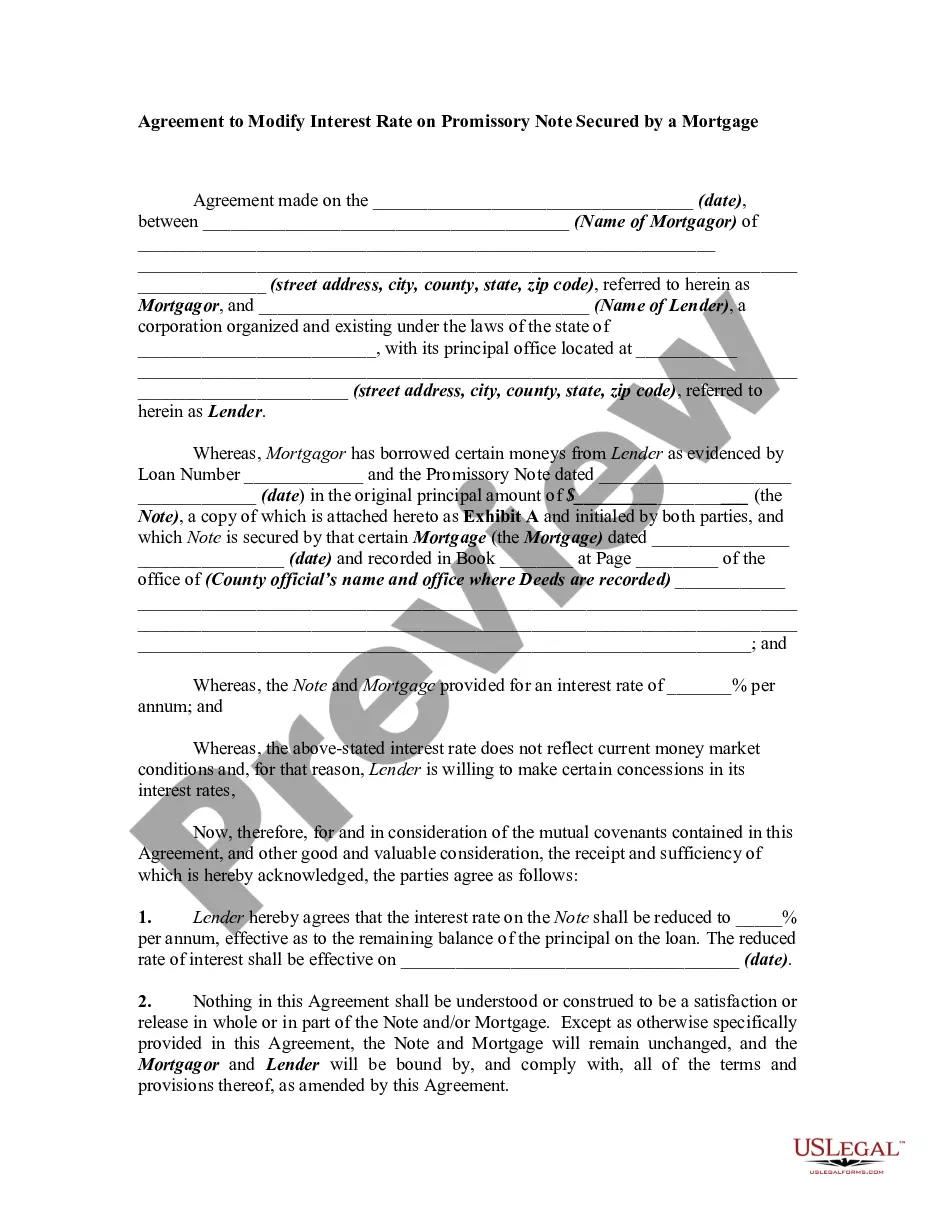
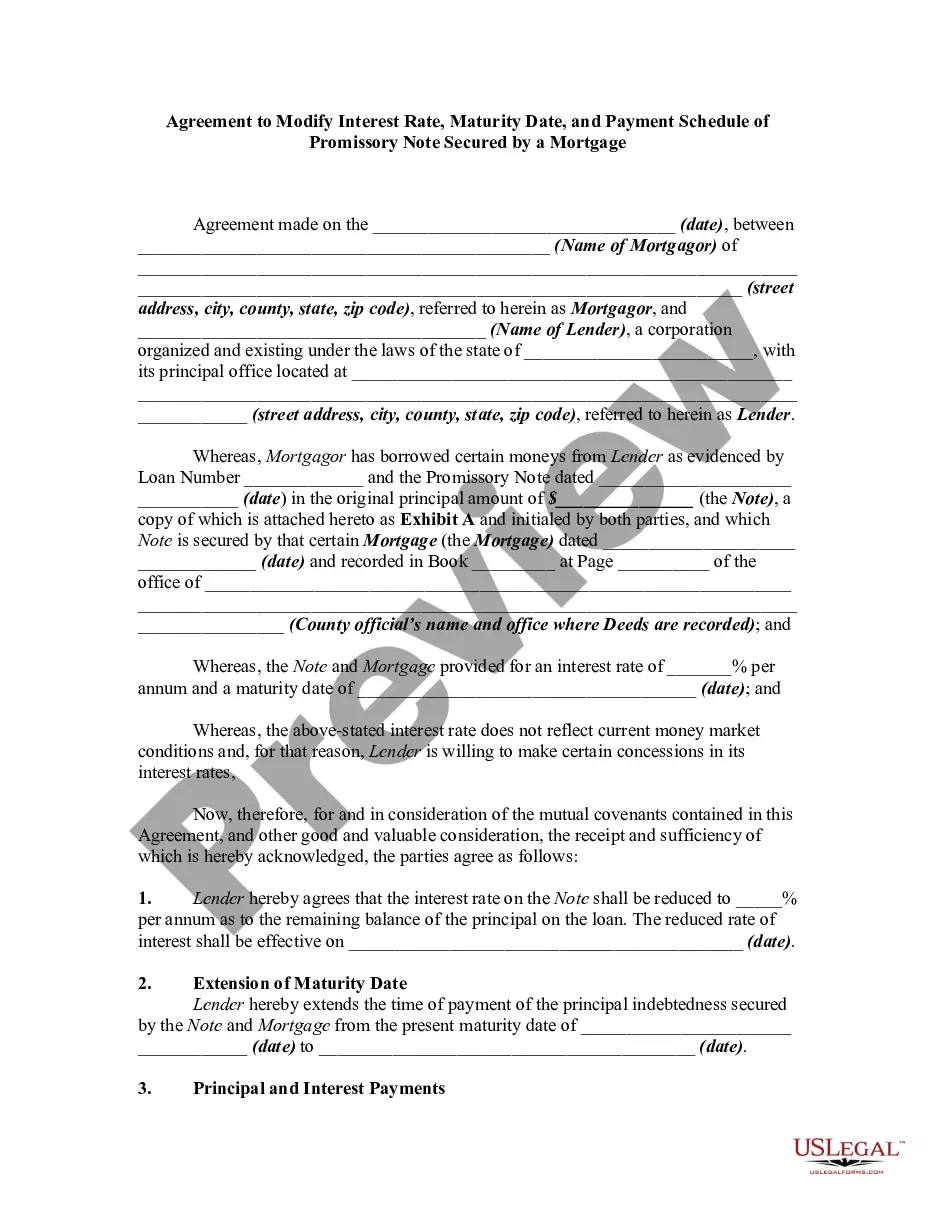
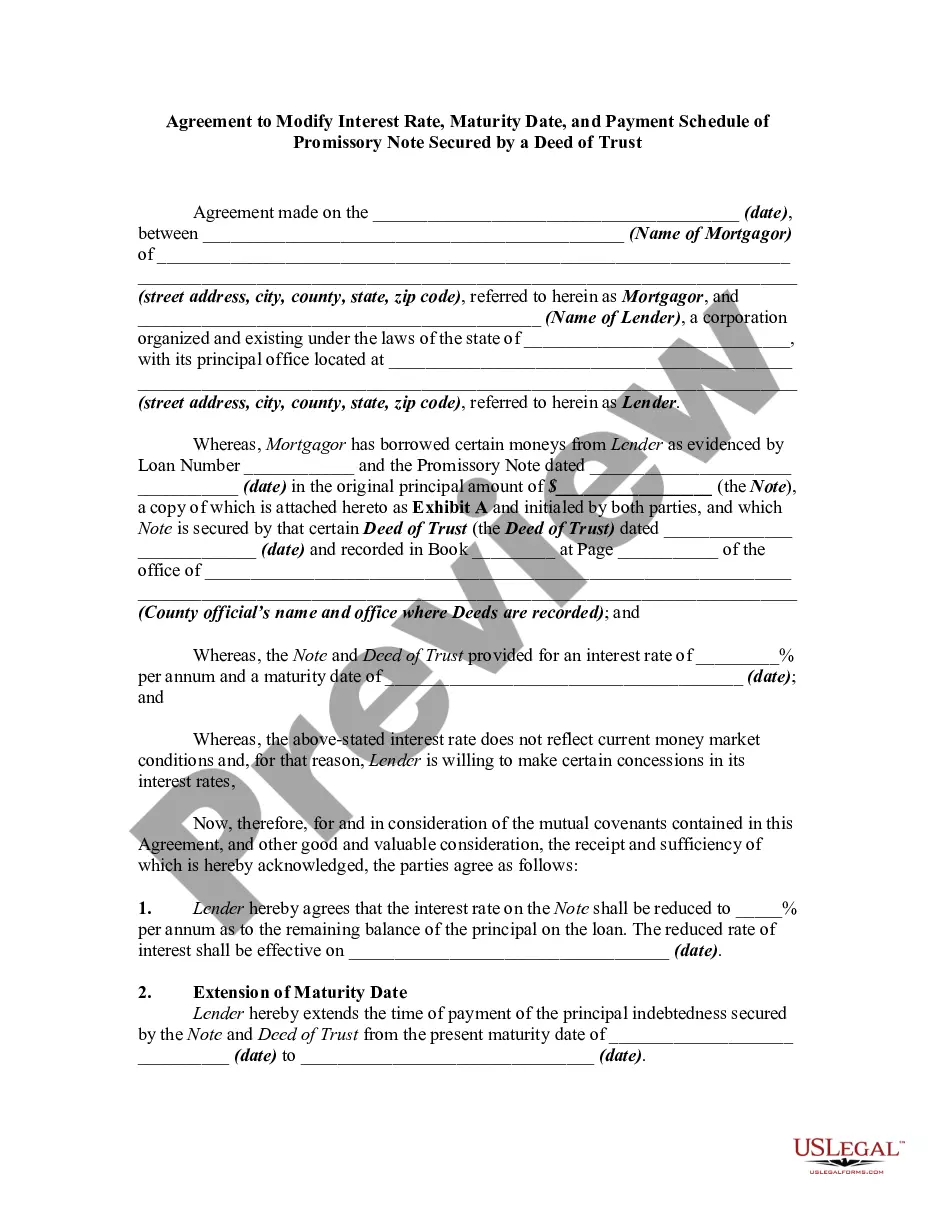
Modify Mortgage With Inflation
Description
Get your form ready online
Our built-in tools help you complete, sign, share, and store your documents in one place.
Make edits, fill in missing information, and update formatting in US Legal Forms—just like you would in MS Word.
Download a copy, print it, send it by email, or mail it via USPS—whatever works best for your next step.
Sign and collect signatures with our SignNow integration. Send to multiple recipients, set reminders, and more. Go Premium to unlock E-Sign.
If this form requires notarization, complete it online through a secure video call—no need to meet a notary in person or wait for an appointment.
We protect your documents and personal data by following strict security and privacy standards.

Make edits, fill in missing information, and update formatting in US Legal Forms—just like you would in MS Word.

Download a copy, print it, send it by email, or mail it via USPS—whatever works best for your next step.

Sign and collect signatures with our SignNow integration. Send to multiple recipients, set reminders, and more. Go Premium to unlock E-Sign.

If this form requires notarization, complete it online through a secure video call—no need to meet a notary in person or wait for an appointment.

We protect your documents and personal data by following strict security and privacy standards.
Looking for another form?
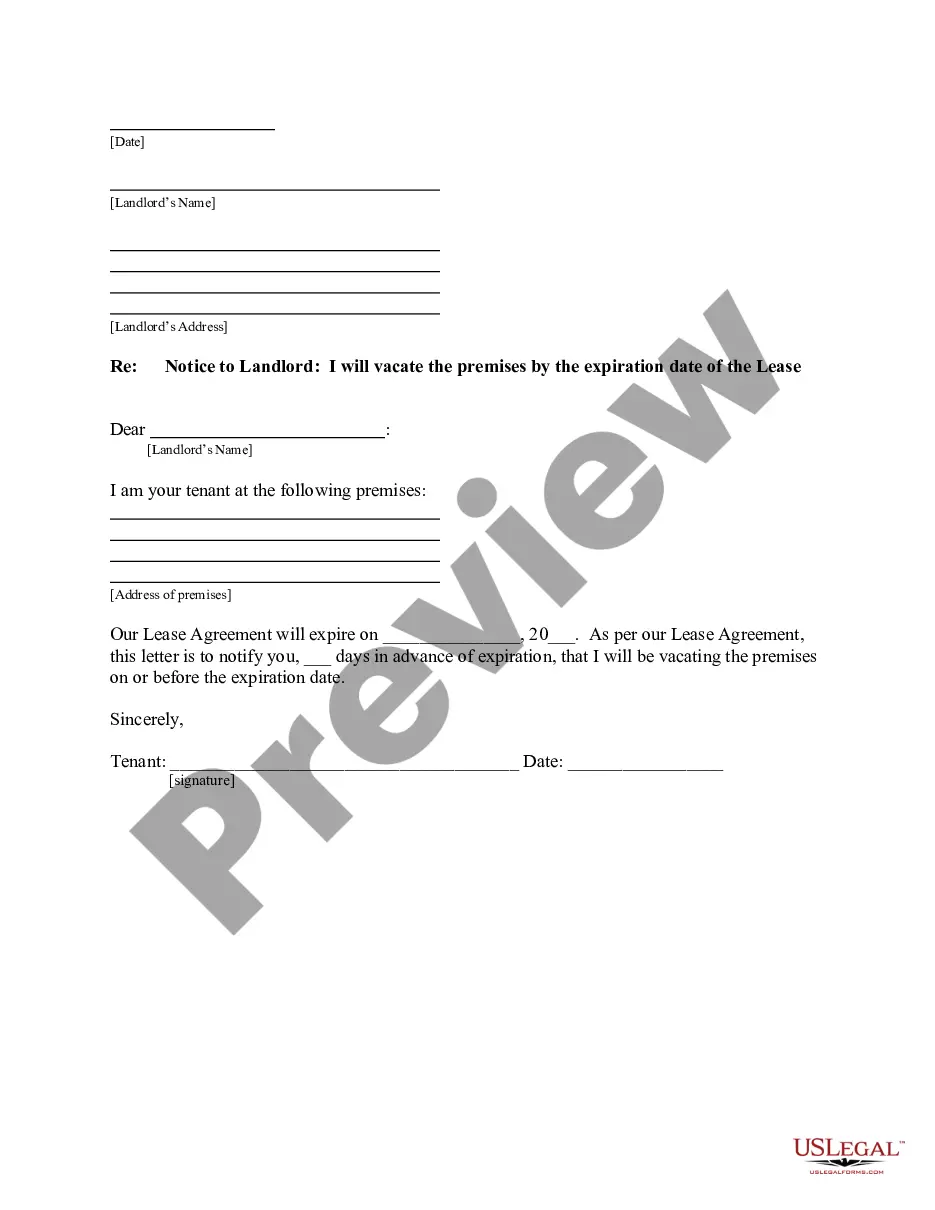

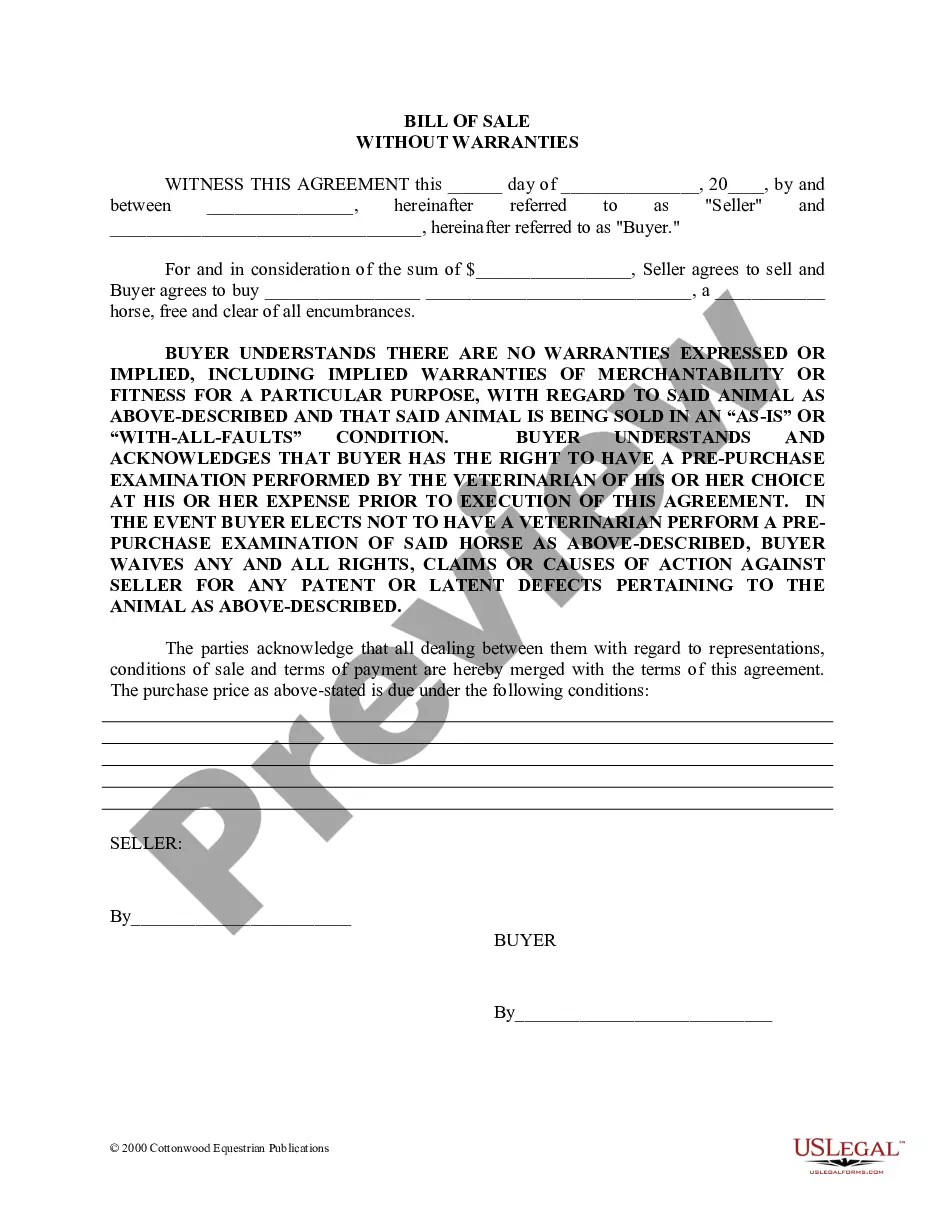

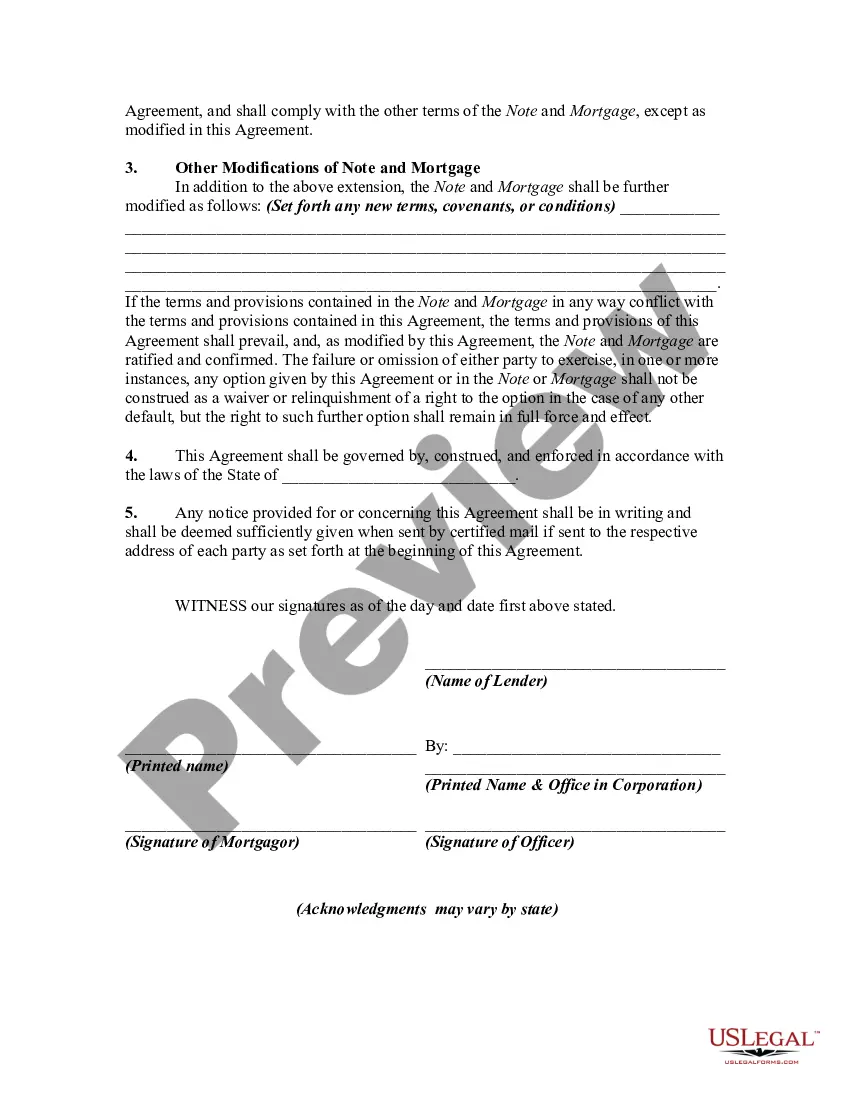
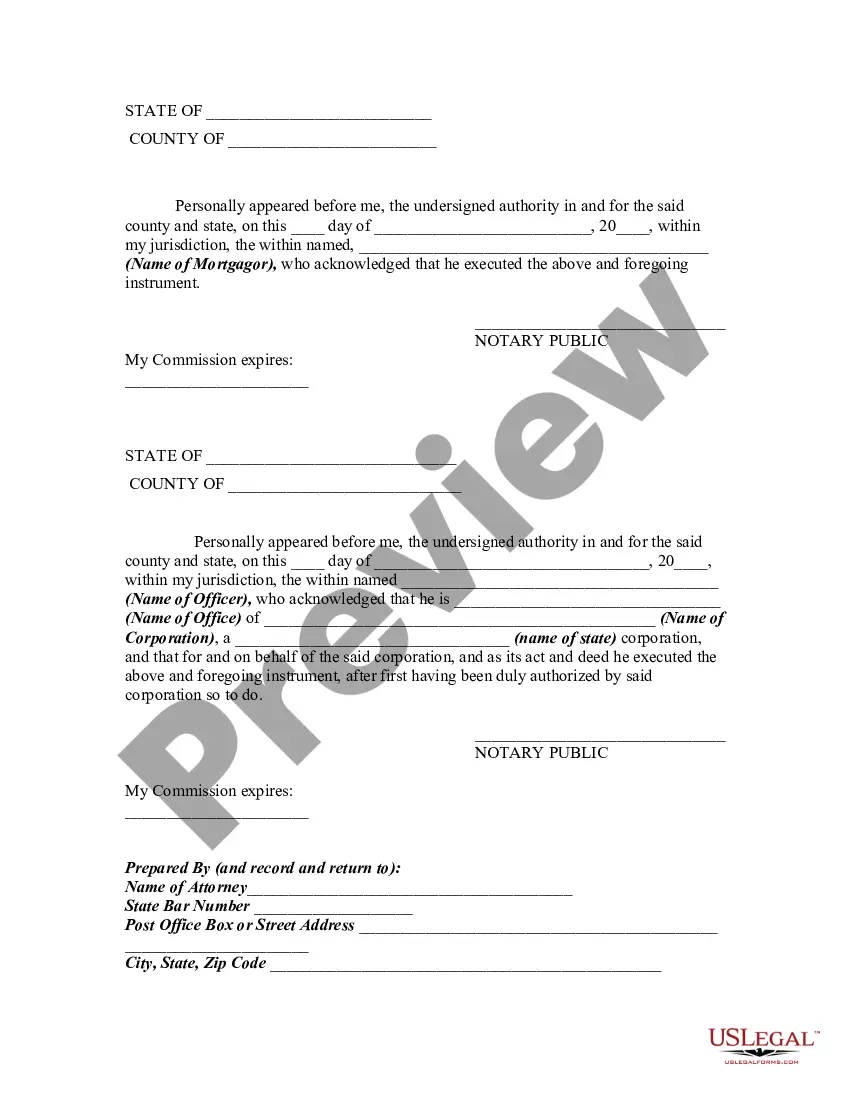
How to fill out Agreement To Modify Promissory Note And Mortgage To Extend Maturity Date?
Creating legal documents from the ground up can frequently be overwhelming.
Certain cases may necessitate extensive research and significant financial resources.
If you seek a simpler and more cost-effective method for preparing Modify Mortgage With Inflation or any other documents without unnecessary complications, US Legal Forms is always accessible to you.
Our online repository of over 85,000 current legal forms addresses nearly every aspect of your financial, legal, and personal concerns.
Before diving into downloading Modify Mortgage With Inflation, consider these suggestions: Review the form preview and descriptions to confirm that you have located the document you need. Verify that the form you choose complies with your state and county regulations. Select the most suitable subscription plan to obtain the Modify Mortgage With Inflation. Download the file, then fill it out, sign it, and print it. US Legal Forms proudly holds a flawless reputation with over 25 years of experience. Join us today and make form completion an easy and efficient process!
- With just a few taps, you can swiftly find state- and county-specific templates carefully crafted by our legal professionals.
- Utilize our website whenever you require dependable services to quickly identify and download the Modify Mortgage With Inflation.
- If you’re familiar with our site and have made an account before, simply Log In to your account, find the form, and download it outright or re-download it anytime later in the My documents section.
- Not registered? No problem. It takes just a few minutes to create an account and explore the library.
Form popularity
FAQ
Typically, traditional fixed-rate mortgages do not adjust for inflation; however, adjustable-rate mortgages may change based on market conditions. To modify your mortgage with inflation in mind, homeowners often look for options that reflect current economic realities. By staying informed about your mortgage terms, you can better prepare for changes. Platforms like uslegalforms provide resources to help you navigate these adjustments.
A mortgage can increase due to several factors, including changes in property taxes or insurance. Additionally, if you have an adjustable-rate mortgage, fluctuations in interest rates may lead to higher payments. If you're looking to modify your mortgage with inflation or other factors, it can be helpful to analyze your current terms. Platforms like US Legal Forms can guide you through the modification process effectively.
Standard fixed-rate mortgages remain unchanged, regardless of inflation. However, some adjustable-rate mortgages may adapt over time based on market conditions. If you want to modify your mortgage with inflation considerations, it's essential to speak with your lender for potential options that could benefit you. Understanding these terms can help you make informed financial decisions.
Loans themselves typically do not adjust directly for inflation. However, when you modify a mortgage with inflation in mind, it may impact your overall payment structure. Lenders sometimes offer options to adjust terms based on current economic conditions. This adjustment can provide more manageable payments as inflation rates fluctuate.
We can help low-income individuals and families who have annual before tax incomes less than 200% of the federal poverty guidelines. Click here to see the complete income chart. Every family's situation is different. Your eligibility will be determined during your intake interview.
Ohio law consists of the Ohio Constitution, the Ohio Revised Code and the Ohio Administrative Code. The Constitution is the state's highest law superseding all others. The Revised Code is the codified law of the state while the Administrative Code is a compilation of administrative rules adopted by state agencies.
Ohio's legal aids are independent, nonprofit law firms which together serve all 88 Ohio counties. Legal aid provides essential legal services to help Ohioans resolve their legal issues so they can live safer, healthier, and more financially stable lives.
When you call 1-800-ATTORNEY (1-800-288-6763), you'll be connected with an attorney in your area who's familiar with the laws in your state, who's willing to listen to your concerns, and who can explain the options available to you moving forward. Calls are answered 24 hours a day!
1-800-ATTORNEY is a national network of experienced & trusted attorneys. When you call 1-800-ATTORNEY, you are automatically routed to the participating lawyer or law firm's office in your area.
Legal Aid helps low-income people. People with income less than 125% of the federal poverty guidelines are eligible and may qualify for assistance. Sometimes people with less than 200% of the federal poverty guidelines can qualify.