Massachusetts Discovery Interrogatories for Divorce Proceeding for either Plaintiff or Defendant - Another Form
Overview of this form
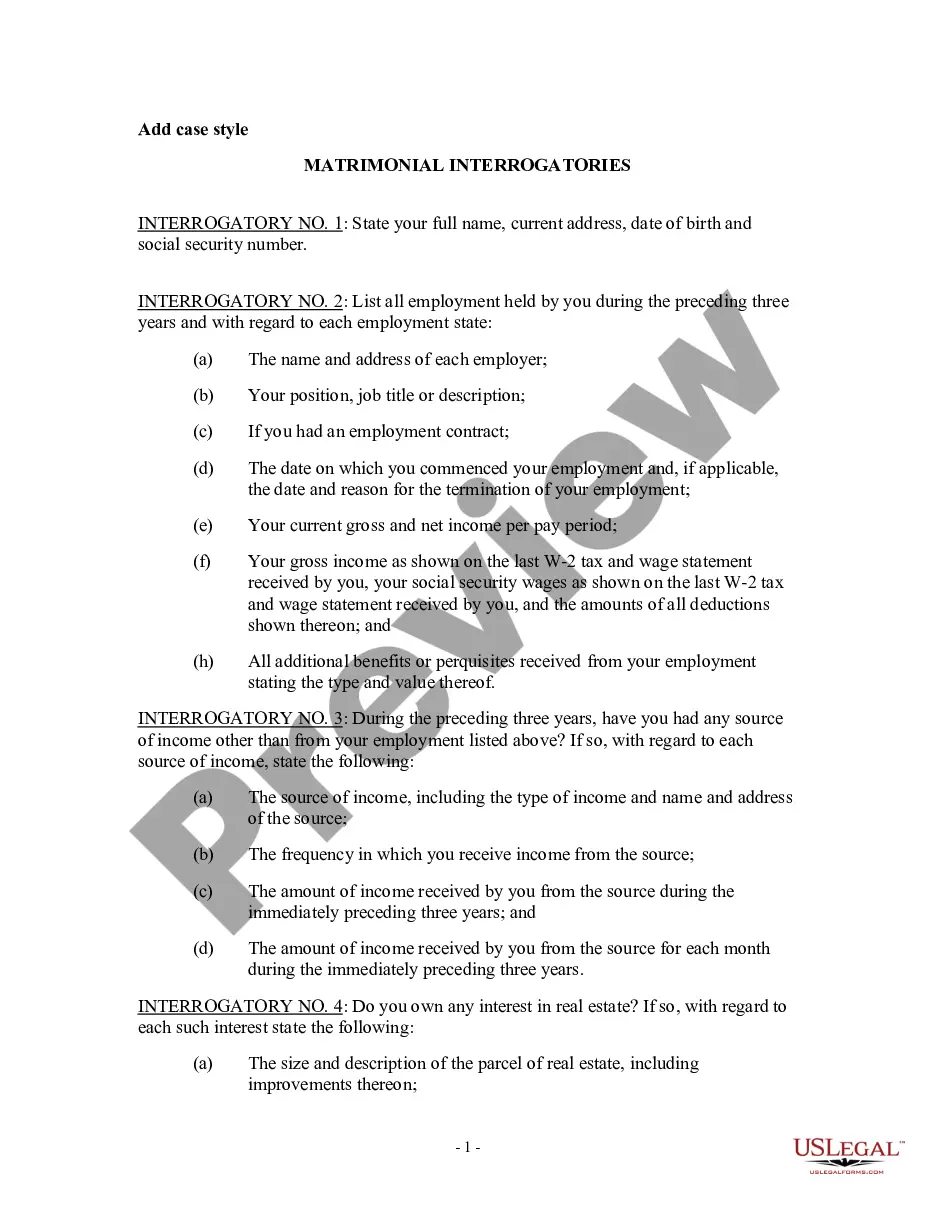
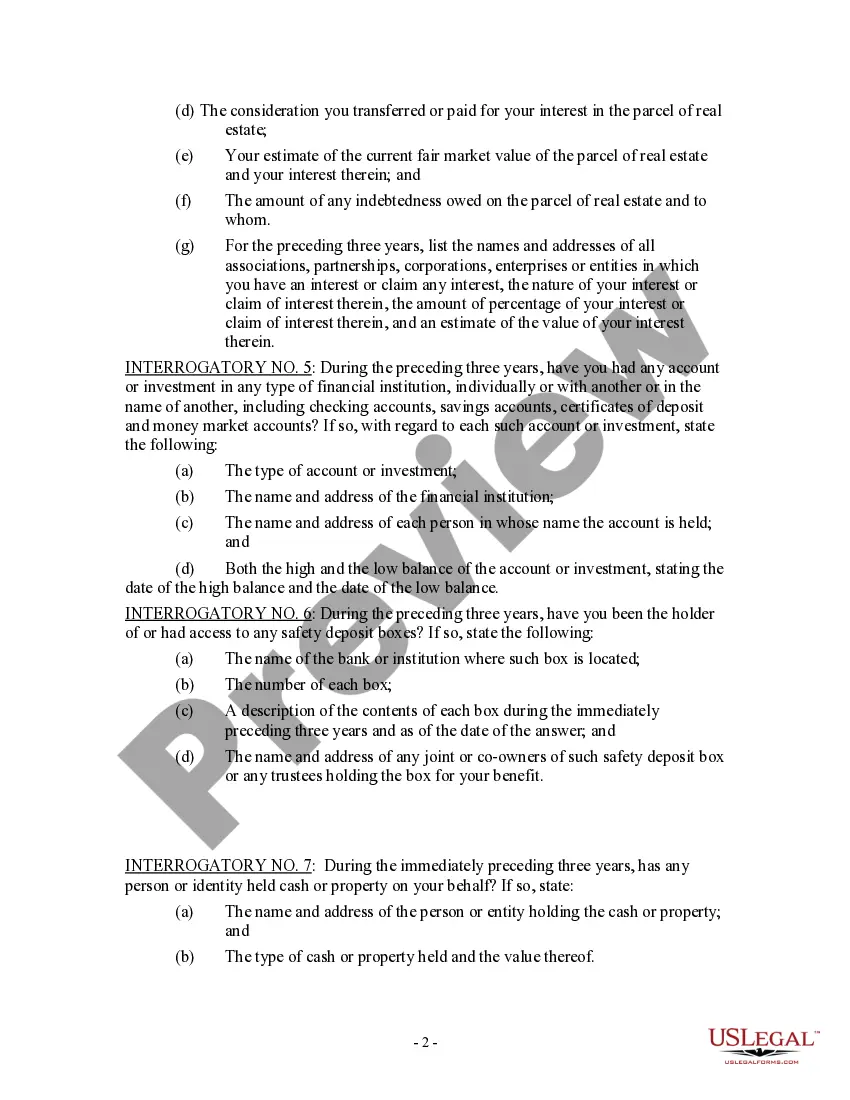
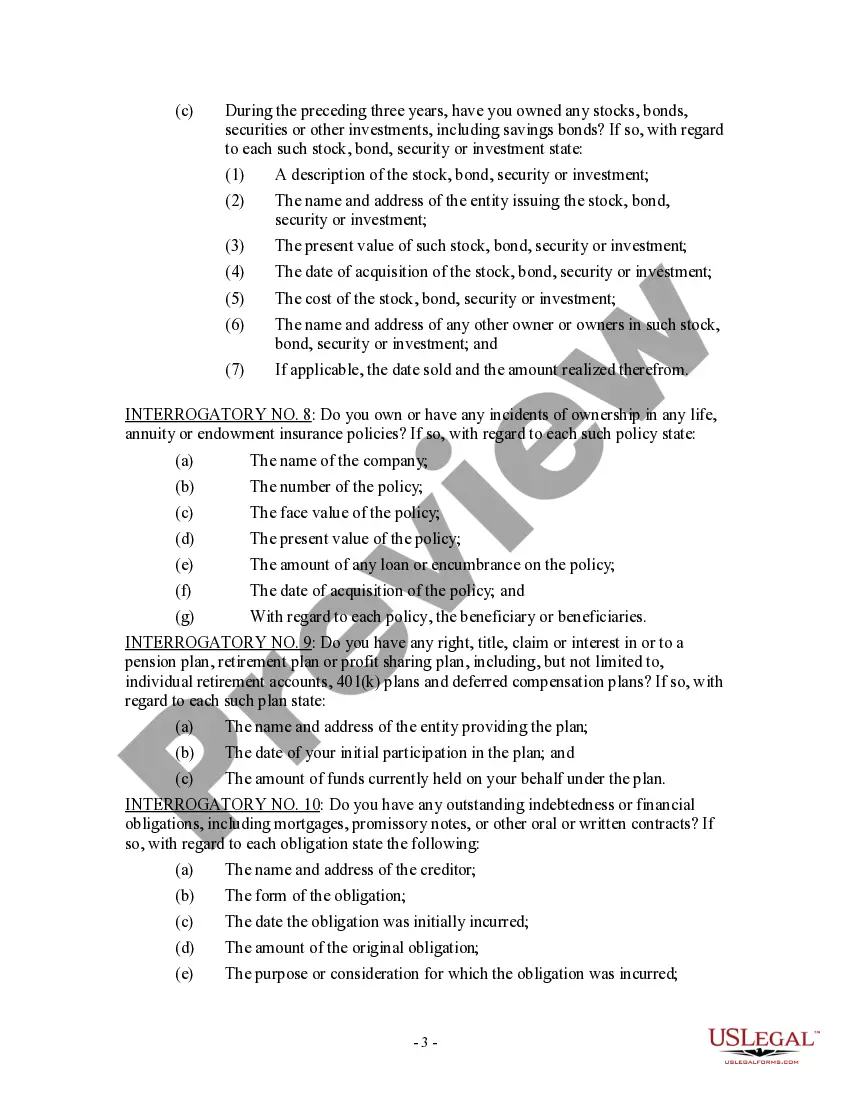
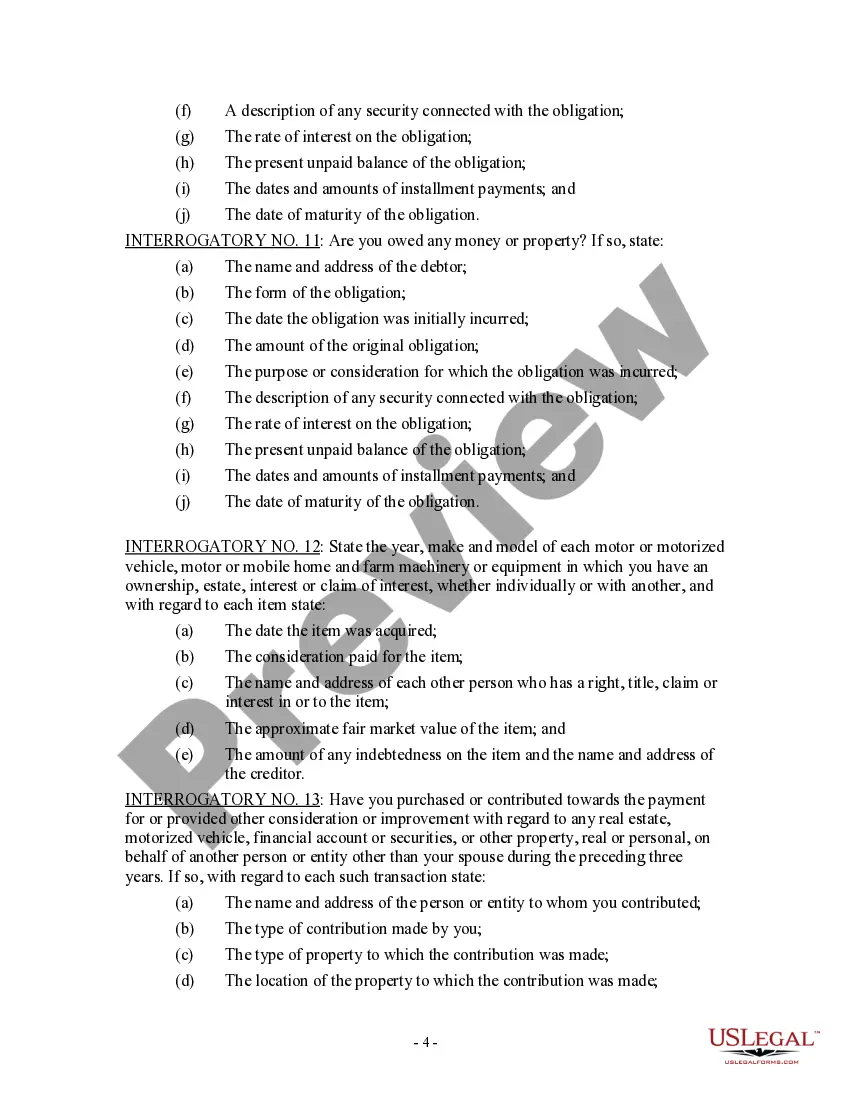
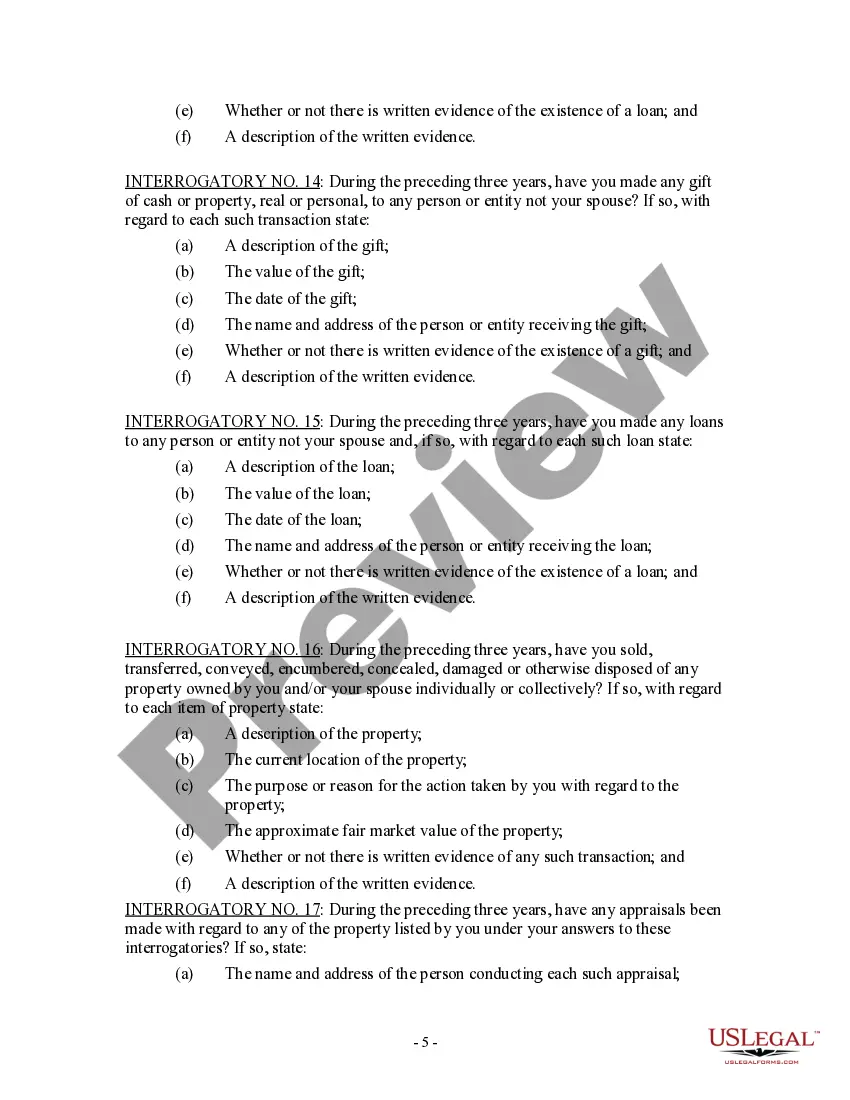
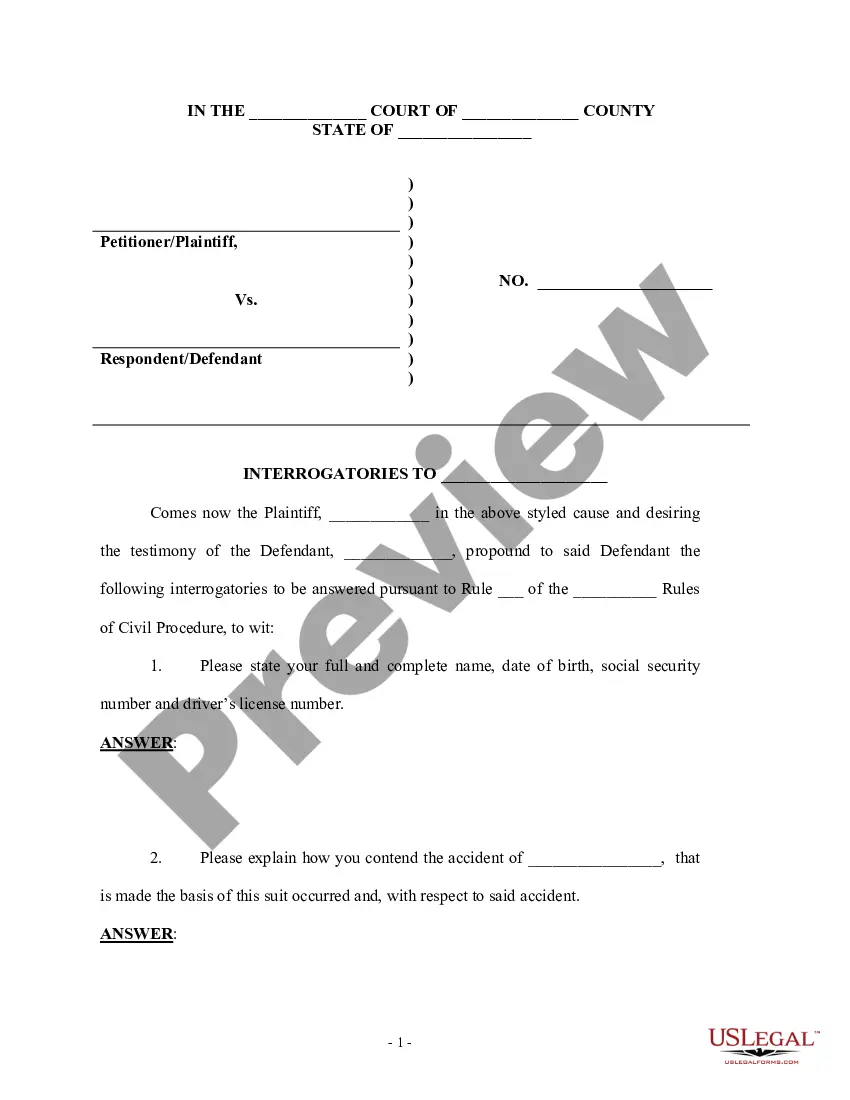
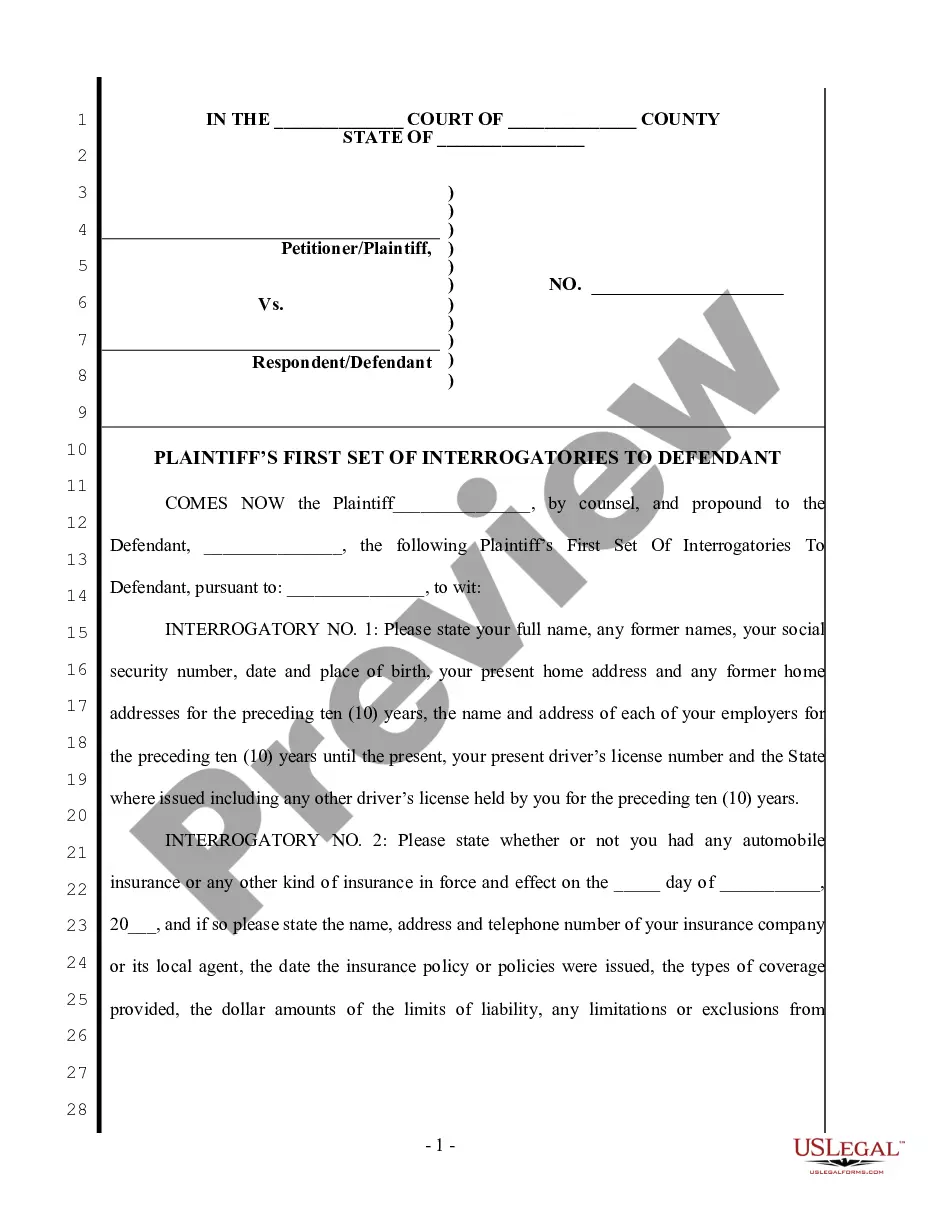
The Discovery Interrogatories for Divorce Proceeding is a legal document designed for either the Plaintiff or Defendant in a divorce case. This form allows one party to gather essential information from the other, facilitating transparency during the divorce process. It includes a series of interrogatories, or questions, as well as a request for the production of documents. This form serves as a vital tool to ensure both parties disclose relevant financial and personal information necessary for a fair divorce resolution.
Form components explained
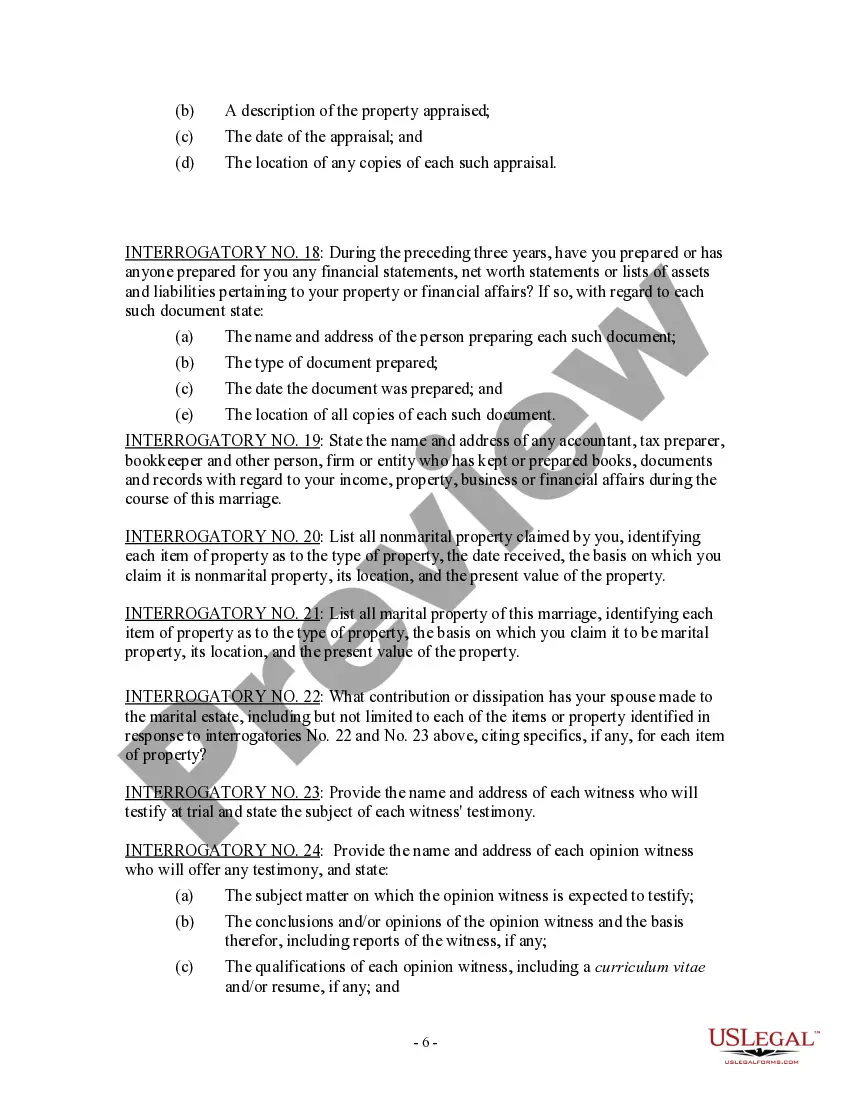
- A comprehensive list of interrogatories covering personal information, employment history, and financial details.
- Specific requests for property ownership, real estate interests, and financial accounts.
- Inquiries about gifts, loans, and contributions impacting the marital estate.
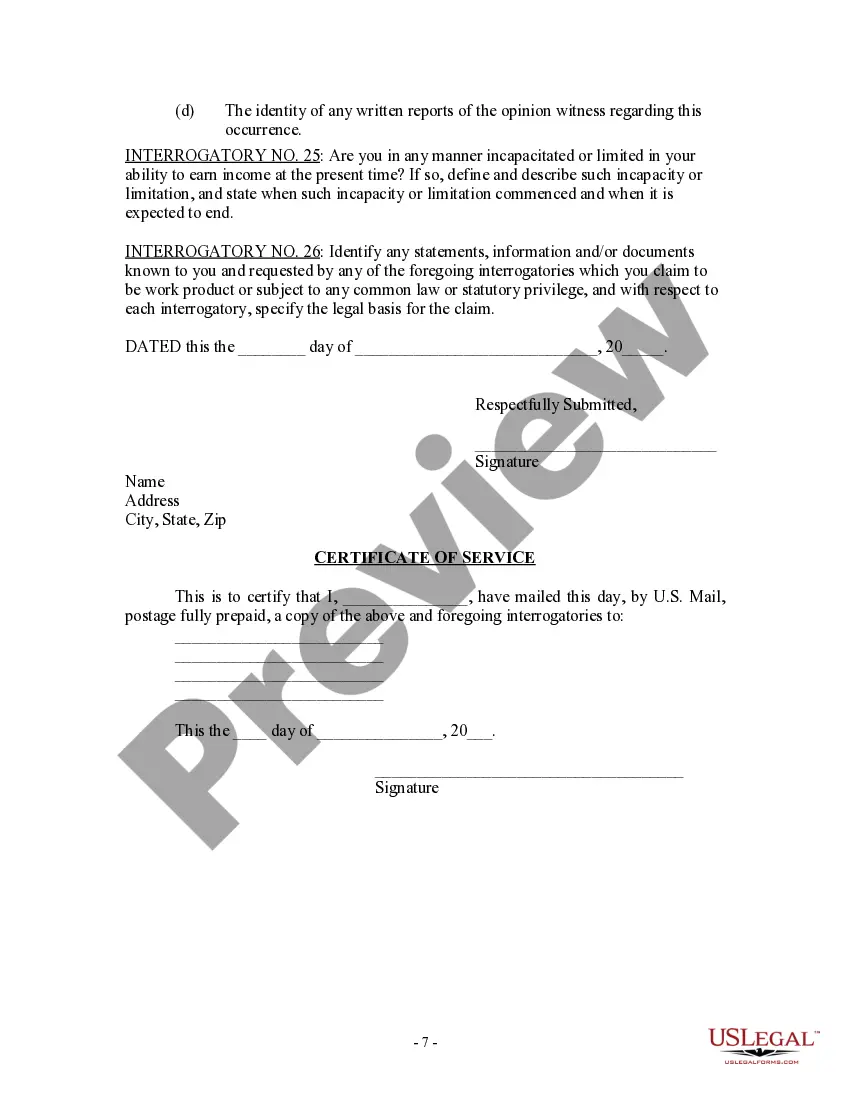
- Sections for identifying witnesses and expert testimony related to the case.
- A certificate of service to confirm that the form has been properly filed with the court.
Common use cases
This form is typically used during divorce proceedings when one party seeks detailed disclosures from the other. It is particularly useful for situations involving asset division, spousal support, and custody arrangements. If you need to clarify financial responsibilities or confirm the existence of assets and debts, this form will provide the structure needed to obtain that information legally and formally.
Who needs this form
- Divorce plaintiffs seeking information from defendants in a divorce case.
- Divorce defendants responding to inquiries from plaintiffs.
- Individuals representing themselves in divorce proceedings (pro se litigants).
How to complete this form
- Identify the parties involved in the divorce case and enter their full names and contact information.
- Review the interrogatories and modify them as necessary to fit the specifics of your case, ensuring all relevant questions are included.
- Complete each interrogatory with accurate and truthful responses regarding personal, financial, and property matters.
- Include a request for the production of documents where indicated, specifying the documents you require.
- Sign the form and make sure to complete the certificate of service, confirming that the other party has received a copy.
Does this document require notarization?
In most cases, this form does not require notarization. However, some jurisdictions or signing circumstances might. US Legal Forms offers online notarization powered by Notarize, accessible 24/7 for a quick, remote process.
Get your form ready online
Our built-in tools help you complete, sign, share, and store your documents in one place.
Make edits, fill in missing information, and update formatting in US Legal Forms—just like you would in MS Word.
Download a copy, print it, send it by email, or mail it via USPS—whatever works best for your next step.
Sign and collect signatures with our SignNow integration. Send to multiple recipients, set reminders, and more. Go Premium to unlock E-Sign.
If this form requires notarization, complete it online through a secure video call—no need to meet a notary in person or wait for an appointment.
We protect your documents and personal data by following strict security and privacy standards.

Make edits, fill in missing information, and update formatting in US Legal Forms—just like you would in MS Word.

Download a copy, print it, send it by email, or mail it via USPS—whatever works best for your next step.

Sign and collect signatures with our SignNow integration. Send to multiple recipients, set reminders, and more. Go Premium to unlock E-Sign.

If this form requires notarization, complete it online through a secure video call—no need to meet a notary in person or wait for an appointment.

We protect your documents and personal data by following strict security and privacy standards.
Mistakes to watch out for
- Failing to answer all interrogatories fully, which may lead to delays or complications in the divorce proceedings.
- Omitting the certificate of service, which is necessary for official documentation in court.
- Providing incomplete or inaccurate information, which can undermine your case.
Advantages of online completion
- Convenient access allows you to complete the form at your own pace.
- Edit and customize the interrogatories as necessary to align with your case.
- Reliability of the forms created by licensed attorneys ensures legal compliance.
Main things to remember
- The Discovery Interrogatories is essential for collecting vital information during divorce cases.
- Accuracy and thoroughness in responses can significantly affect the outcome of the divorce settlement.
- Understanding state-specific rules is critical for proper execution and submission of the form.
Looking for another form?
Form popularity
FAQ
No party shall serve upon any other party as of right more than thirty interrogatories, including interrogatories subsidiary or incidental to, or dependent upon, other interrogatories, and however the same may be grouped or combined; but the interrogatories may be served in two or more sets, as long as the total number
The most commonly used discovery devices are depositions, interrogatories, requests for admissions, requests for production of documents, requests for inspection and e-discovery.
California written discovery generally consists of four methods: Request for Production of Documents, Form Interrogatories, Special Interrogatories, and Requests for Admissions.
Interrogatories. Request for Production of Documents and Things. Depositions. Request to Admit.
You must answer each interrogatory separately and fully in writing under oath, unless you object to it. You must explain why you object. You must sign your answers and objections.
Discovery consists of four key actions: interrogatories, requests for production, requests for admission and depositions.
There are several kinds of written discovery that you and your spouse can use to get all the information you need. You will likely be required to answer the questions and produce all the documents asked for as long as it is reasonable, and a lot is considered reasonable during a divorce.
That disclosure is accomplished through a methodical process called "discovery." Discovery takes three basic forms: written discovery, document production and depositions. See 's Stages of a Personal Injury Case section for related articles and resources.
Motions to Compel If a party doesn't respond to interrogatories or requests for production, then the party seeking those answers must file a motion to compel with the court. If the court grants the motion to compel, then the party who objected or failed to answer must then do so.