Written Consent In Healthcare
Description

Get your form ready online
Our built-in tools help you complete, sign, share, and store your documents in one place.
Make edits, fill in missing information, and update formatting in US Legal Forms—just like you would in MS Word.
Download a copy, print it, send it by email, or mail it via USPS—whatever works best for your next step.
Sign and collect signatures with our SignNow integration. Send to multiple recipients, set reminders, and more. Go Premium to unlock E-Sign.
If this form requires notarization, complete it online through a secure video call—no need to meet a notary in person or wait for an appointment.
We protect your documents and personal data by following strict security and privacy standards.

Make edits, fill in missing information, and update formatting in US Legal Forms—just like you would in MS Word.

Download a copy, print it, send it by email, or mail it via USPS—whatever works best for your next step.

Sign and collect signatures with our SignNow integration. Send to multiple recipients, set reminders, and more. Go Premium to unlock E-Sign.

If this form requires notarization, complete it online through a secure video call—no need to meet a notary in person or wait for an appointment.

We protect your documents and personal data by following strict security and privacy standards.
Looking for another form?







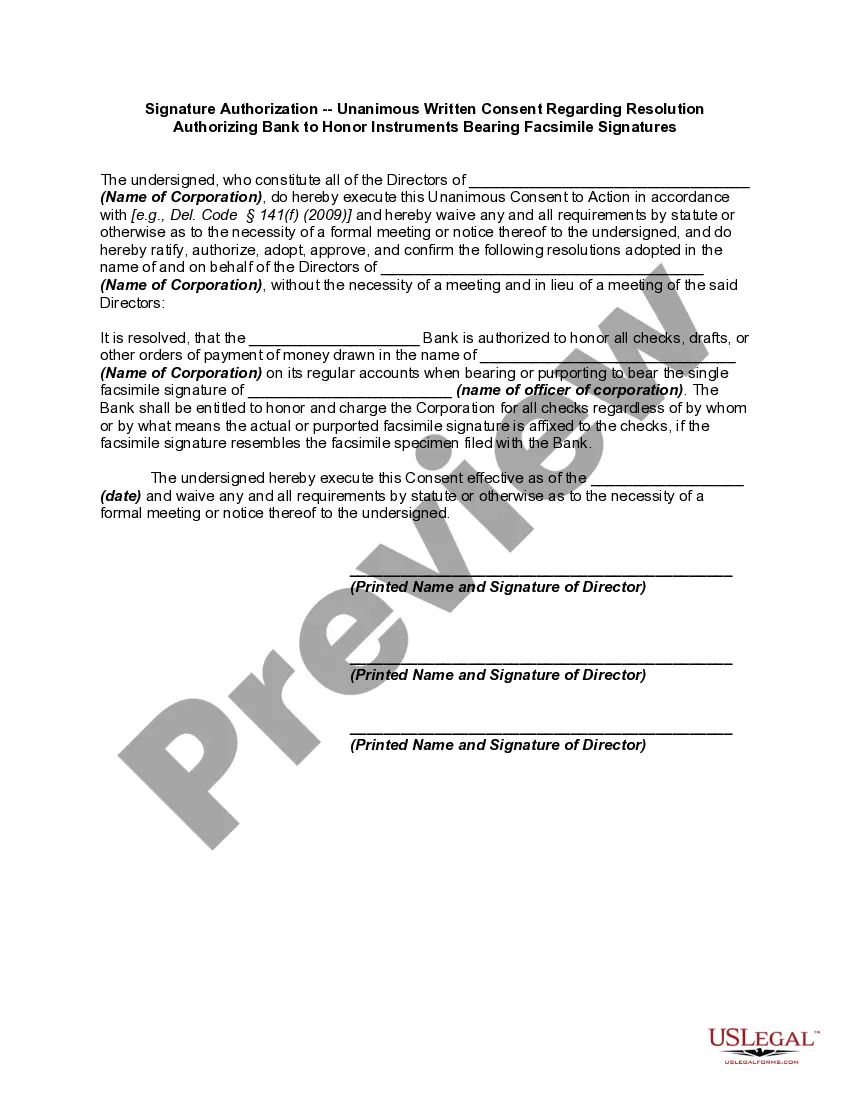
How to fill out Signature Authorization - Unanimous Written Consent Regarding Resolution Authorizing Bank To Honor Instruments Bearing Facsimile Signatures?
Managing legal documents can be perplexing, even for the most experienced professionals.
When you are looking for a Written Consent In Healthcare and lack the time to dedicate to finding the correct and current version, the process can be overwhelming.
Utilize advanced tools to fill out and manage your Written Consent In Healthcare.
Gain access to a collection of articles, guidelines, manuals, and resources pertinent to your needs and situation.
Confirm it is the correct document by previewing it and reviewing its details.
- Save time and effort searching for the documents you require, and utilize US Legal Forms’ advanced search and Preview tool to find Written Consent In Healthcare and obtain it.
- If you hold a membership, Log In to your US Legal Forms account, search for the form, and download it.
- Check your My documents tab to view the documents you have previously saved and manage your folders as needed.
- If this is your first time using US Legal Forms, create a free account and gain unlimited access to all the platform's advantages.
- Here are the steps to follow after accessing the desired form.
- A robust online form library can be transformative for anyone aiming to handle these matters effectively.
- US Legal Forms is a leading provider of online legal documents, offering over 85,000 state-specific forms accessible at any time.
- With US Legal Forms, you can access a variety of forms tailored to your local jurisdiction.
Form popularity
FAQ
Filling out a consent letter requires attention to detail. Start by stating the purpose of your letter at the top, followed by a clear explanation of what you are consenting to. Include your personal information, and then provide your signature and the date at the bottom. Using a platform like USLegalForms can simplify this process, ensuring that your written consent in healthcare meets all legal requirements.
When filling out a consent form, begin by clearly identifying the purpose of the consent. Enter your details in the spaces provided, such as your full name, address, and any relevant medical history. After completing the form, review it for completeness and clarity before signing. Remember, written consent in healthcare protects both you and the provider, making this process essential.
To fill out the consent form, start by reading it thoroughly to understand what you are agreeing to. Make sure to provide accurate personal information, including your name, date of birth, and contact details. After that, sign and date the form, ensuring that you have included any necessary witness signatures if required. Written consent in healthcare is crucial, so take your time to ensure everything is filled out correctly.
Written consent in healthcare is considered valid when it is obtained voluntarily, involves a competent patient, and includes all necessary information. It must clearly state what the patient is agreeing to and should be documented appropriately. Moreover, any written consent must be signed by the patient or their legal representative, ensuring that they are fully aware of the implications. Utilizing platforms like uslegalforms can simplify the process of creating and managing these essential documents.
An example of written consent in healthcare could be a patient signing a form before undergoing surgery. This form typically outlines the procedure, potential risks, and expected outcomes, ensuring that the patient is fully informed. Another common instance is when a patient agrees to participate in a clinical trial, where they acknowledge understanding the study's details. Such examples highlight the importance of clear communication between patients and healthcare providers.
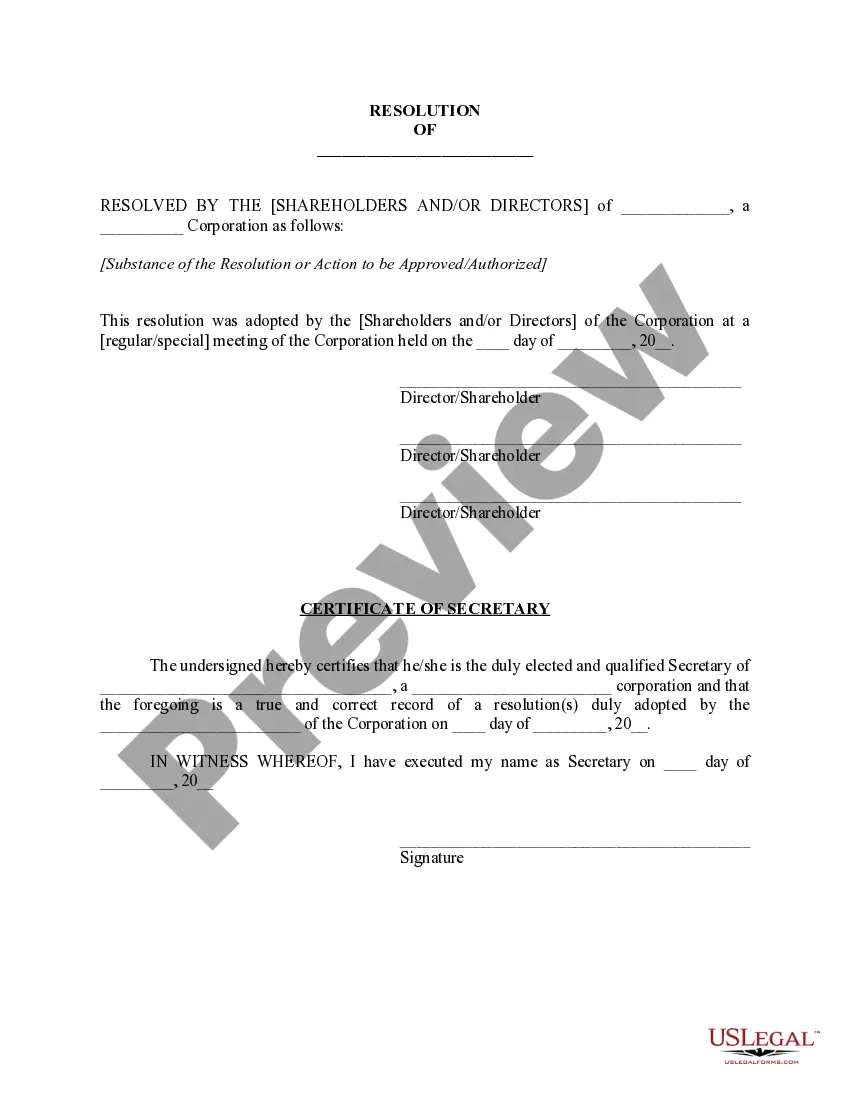
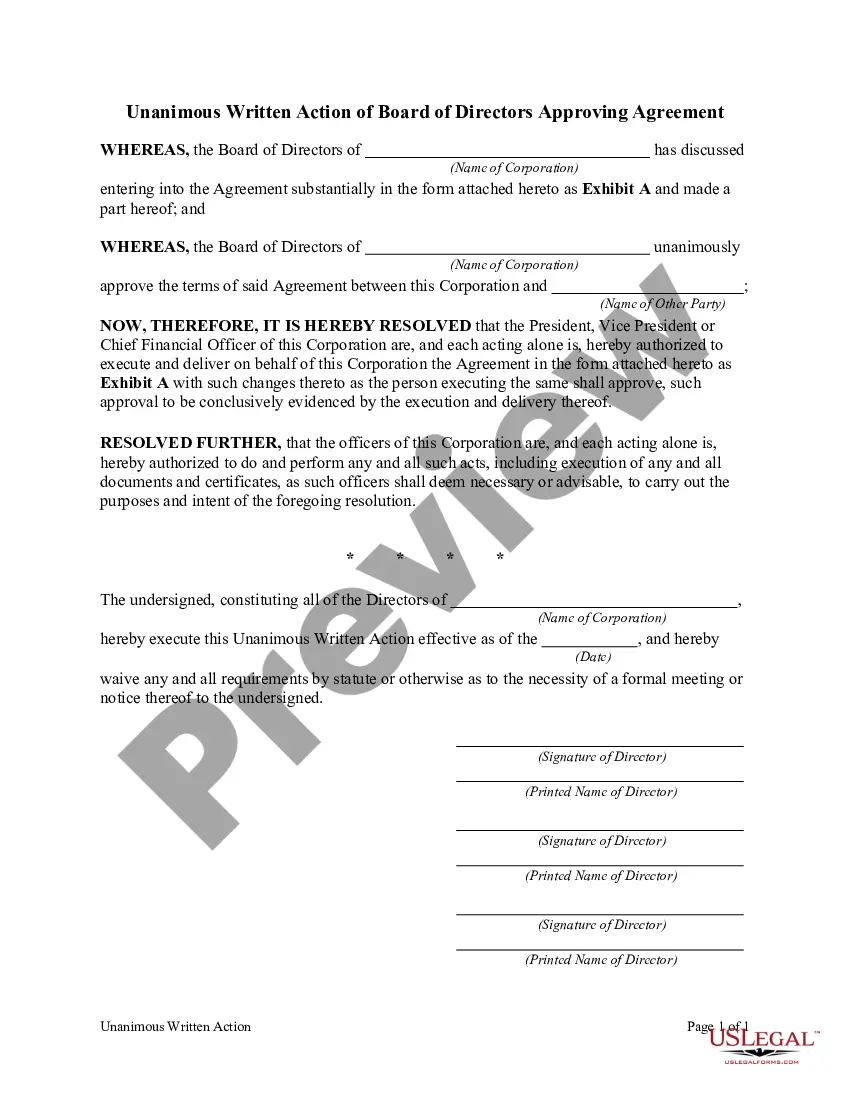
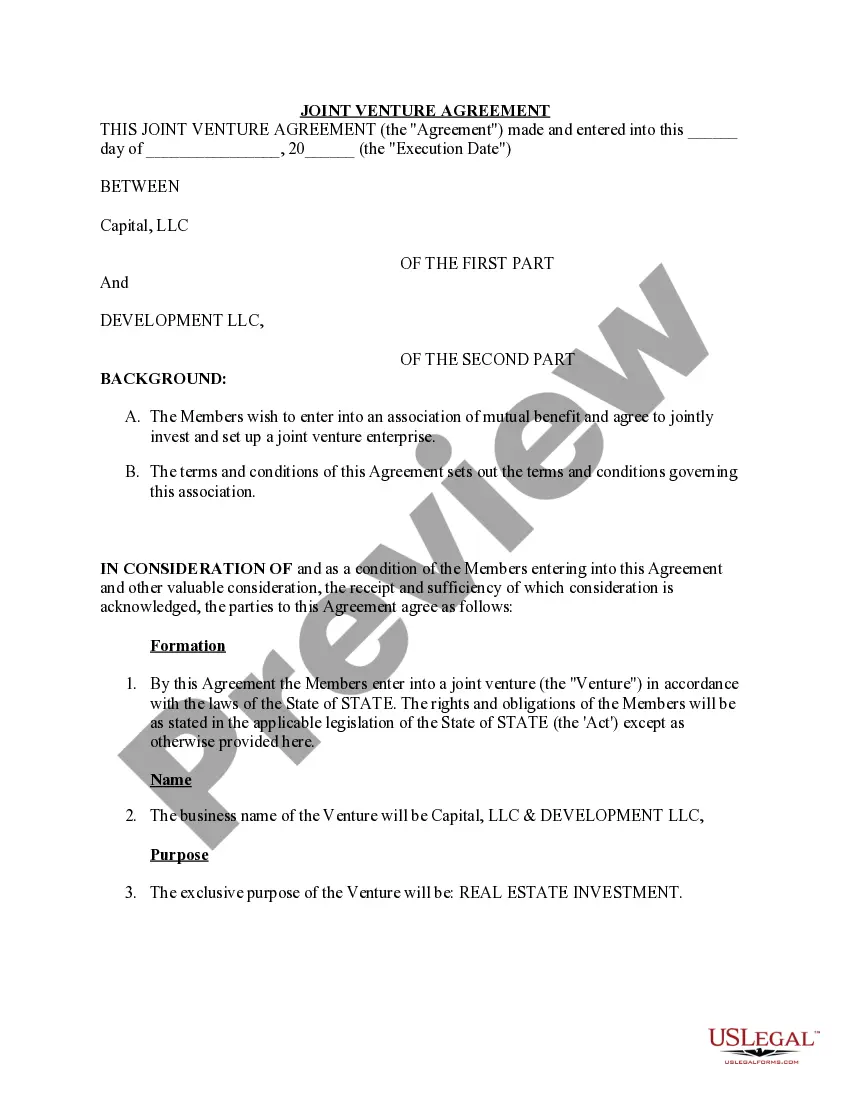
Written consent in healthcare is a formal agreement that a patient provides before receiving medical treatment or undergoing a procedure. This document ensures that the patient understands the risks, benefits, and alternatives related to their care. By obtaining written consent, healthcare providers respect patient autonomy and foster trust in the patient-provider relationship. Additionally, it serves as a legal protection for both parties involved.
Obtaining informed consent is crucial in healthcare. Begin by discussing the treatment options with the patient, including the benefits and risks involved. Use straightforward language and provide them with a written consent form that summarizes this information. This process helps ensure that patients make well-informed choices about their healthcare, thereby enhancing their trust and engagement.
To obtain written consent in healthcare, start by clearly explaining the procedure or treatment to the patient. Provide them with a consent form that outlines all relevant details, ensuring they understand what they are consenting to. Encourage patients to ask questions if they need clarification. Once they feel comfortable, they can sign the document, thus providing written consent.