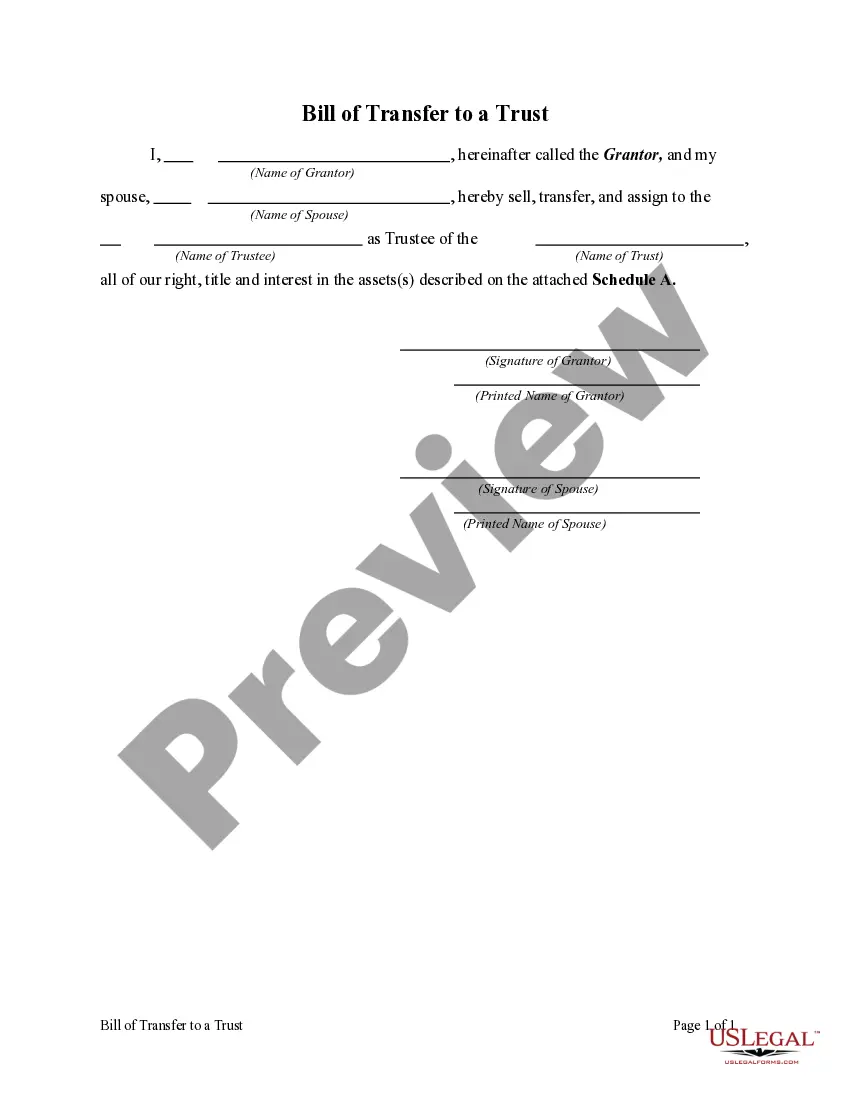
Transfer Trustee Trust For Historic Preservation
Description

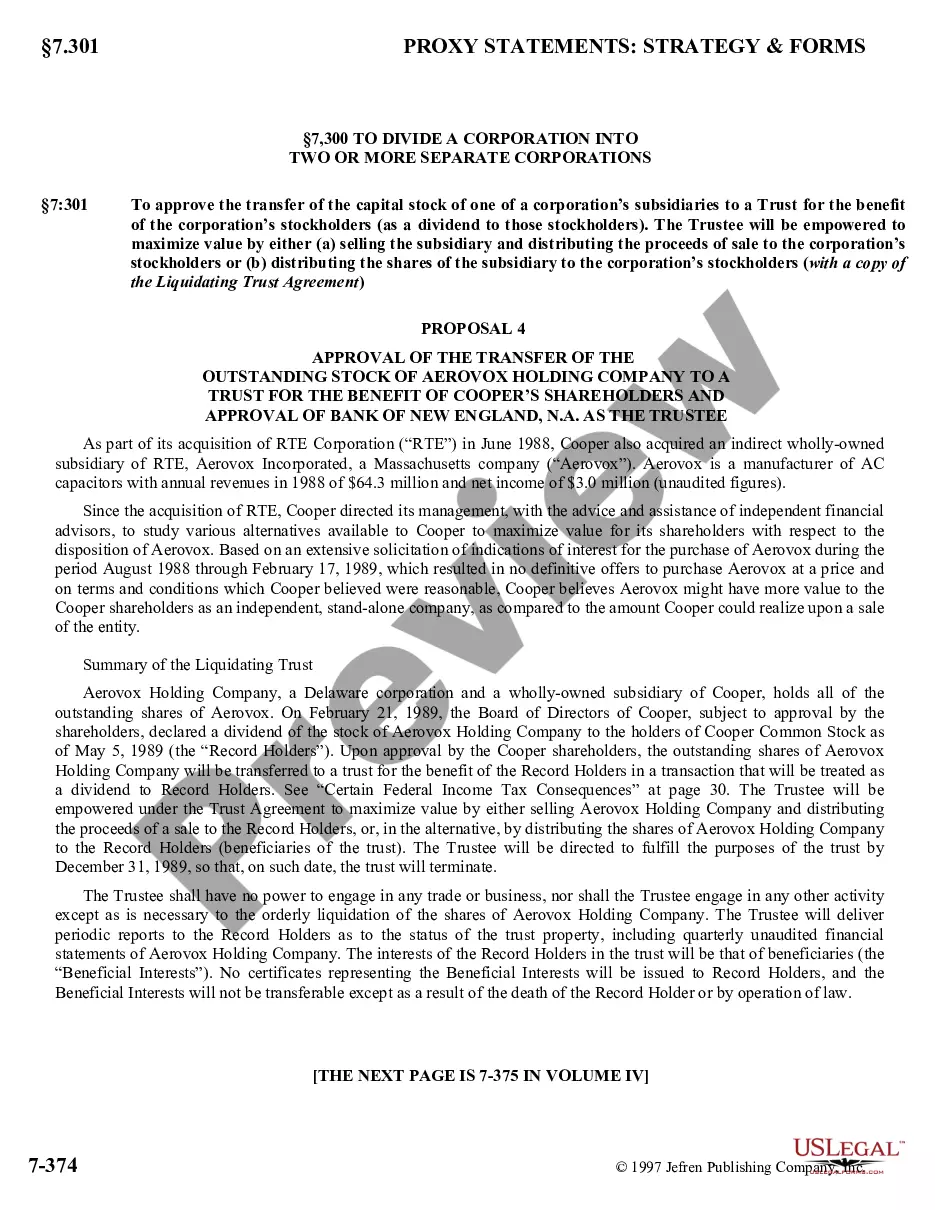
Get your form ready online
Our built-in tools help you complete, sign, share, and store your documents in one place.
Make edits, fill in missing information, and update formatting in US Legal Forms—just like you would in MS Word.
Download a copy, print it, send it by email, or mail it via USPS—whatever works best for your next step.
Sign and collect signatures with our SignNow integration. Send to multiple recipients, set reminders, and more. Go Premium to unlock E-Sign.
If this form requires notarization, complete it online through a secure video call—no need to meet a notary in person or wait for an appointment.
We protect your documents and personal data by following strict security and privacy standards.

Make edits, fill in missing information, and update formatting in US Legal Forms—just like you would in MS Word.

Download a copy, print it, send it by email, or mail it via USPS—whatever works best for your next step.

Sign and collect signatures with our SignNow integration. Send to multiple recipients, set reminders, and more. Go Premium to unlock E-Sign.

If this form requires notarization, complete it online through a secure video call—no need to meet a notary in person or wait for an appointment.

We protect your documents and personal data by following strict security and privacy standards.
Looking for another form?






How to fill out Bill Of Transfer To A Trust?
Creating legal documents from the ground up can frequently be daunting.
Certain situations may entail extensive research and substantial financial investment.
If you're seeking a more straightforward and economical method of preparing the Transfer Trustee Trust For Historic Preservation or any other documents without unnecessary complications, US Legal Forms is always available to assist you.
Our online collection of over 85,000 current legal templates encompasses nearly every facet of your financial, legal, and personal affairs. With just a few clicks, you can instantly access specific forms tailored for your state and county, carefully crafted by our legal experts.
Review the form preview and descriptions to ensure you have located the correct form. Verify that the template you select aligns with the requirements of your state and county. Opt for the appropriate subscription plan to obtain the Transfer Trustee Trust For Historic Preservation. Download the form, then complete, sign, and print it. US Legal Forms has an impeccable reputation and over 25 years of expertise. Join us today and make document processing simple and efficient!
- Utilize our platform whenever you require trustworthy and dependable services to swiftly find and download the Transfer Trustee Trust For Historic Preservation.
- If you’re familiar with our site and have previously registered, simply Log In to your account, find the template, and download it or retrieve it anytime later in the My documents section.
- Not registered yet? No problem. It requires minimal time to set up and explore the library.
- However, before directly downloading the Transfer Trustee Trust For Historic Preservation, consider these tips.
Form popularity
FAQ
Yes, when property is transferred to a trust, the trustee holds the legal title, while the beneficiary enjoys the equitable title. This structure is essential for the effective management and protection of the property, especially in cases involving historic preservation. By utilizing a transfer trustee trust for historic preservation, you ensure that the property is maintained according to its historical significance and benefits the community. If you need assistance with this process, consider visiting US Legal Forms for tailored resources and guidance.
The time it takes to transfer a trustee can vary depending on several factors, including the complexity of the trust and the responsiveness of the parties involved. Generally, you can expect the process to take anywhere from a few weeks to several months. If you want a smooth transfer of a trustee for a trust focused on historic preservation, consider using US Legal Forms, which provides clear guidance and necessary documentation to streamline the process.
A trust that cannot be changed is typically known as an irrevocable trust. Once established, this type of trust locks in its terms and conditions, preventing the grantor from altering its provisions. If you are considering a transfer trustee trust for historic preservation, it's crucial to understand that such trusts are often structured to protect the historic assets permanently. For more assistance with creating or managing these types of trusts, US Legal Forms offers comprehensive resources and templates.
Transferring ownership of a trust is possible, but it requires careful adherence to the trust's terms and applicable laws. Typically, this involves amending the trust agreement to reflect the new ownership structure. Engaging with uslegalforms can help you navigate this process easily and ensure compliance with legal standards.
The 2 year rule for trusts generally refers to the time frame for certain tax considerations related to the transfer of trust assets. This rule can impact how assets are treated for tax purposes if they are transferred within two years of the grantor's death. Understanding this rule is crucial for effective estate planning. For detailed information, uslegalforms can provide valuable resources.
Yes, a trust can be transferred to another person, but the process varies depending on the type of trust and its terms. Typically, the current trustee must agree to the transfer, and a formal amendment to the trust document may be required. Seeking professional assistance through uslegalforms can help ensure a smooth transition.
Transferring ownership of a trust generally involves a formal amendment or restatement of the trust document. This process allows you to change the trustee or beneficiaries as necessary. Always review the specific requirements outlined in the trust agreement. For a streamlined process, the uslegalforms platform provides templates and advice tailored to your needs.
To transfer a trust property, the trustee must follow the procedures outlined in the trust document. This typically involves preparing a new deed that reflects the transfer. It's important to ensure that all legal requirements are met to avoid complications. For guidance, consider using uslegalforms, which offers tools for clear and compliant transfers.
When the owner of a house in a trust dies, the property does not go through probate. Instead, the trust continues to operate according to its terms. The trustee assumes responsibility for managing and distributing the assets as specified in the trust document. Utilizing the uslegalforms platform can simplify the management of such situations.
Yes, a property can be transferred out of a trust. This process typically involves the trustee executing a deed to transfer the property to another party. However, it is essential to consider the terms of the trust and any applicable laws. If you need assistance, the uslegalforms platform can help you navigate the process effectively.