Notice Hearing Before For Loop
Description
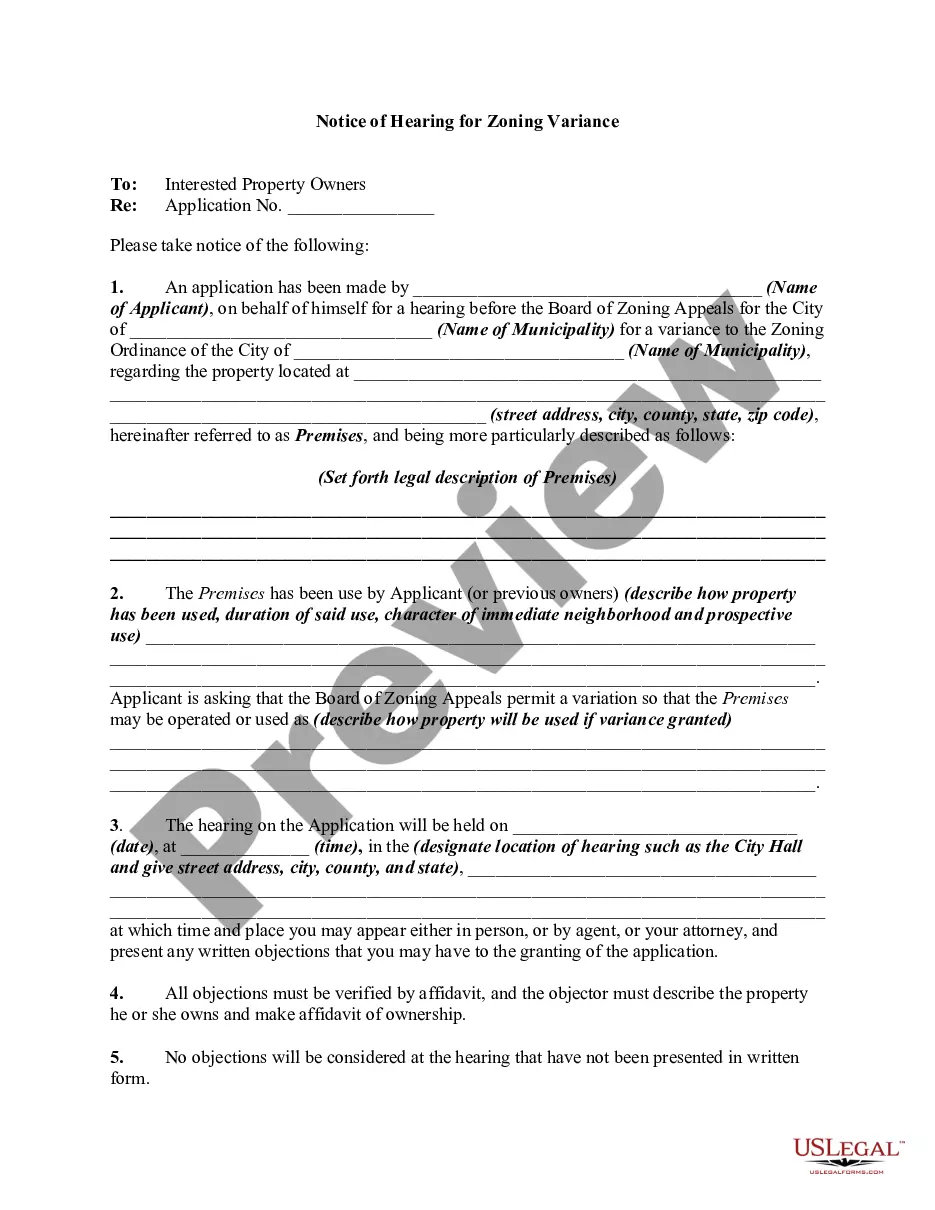
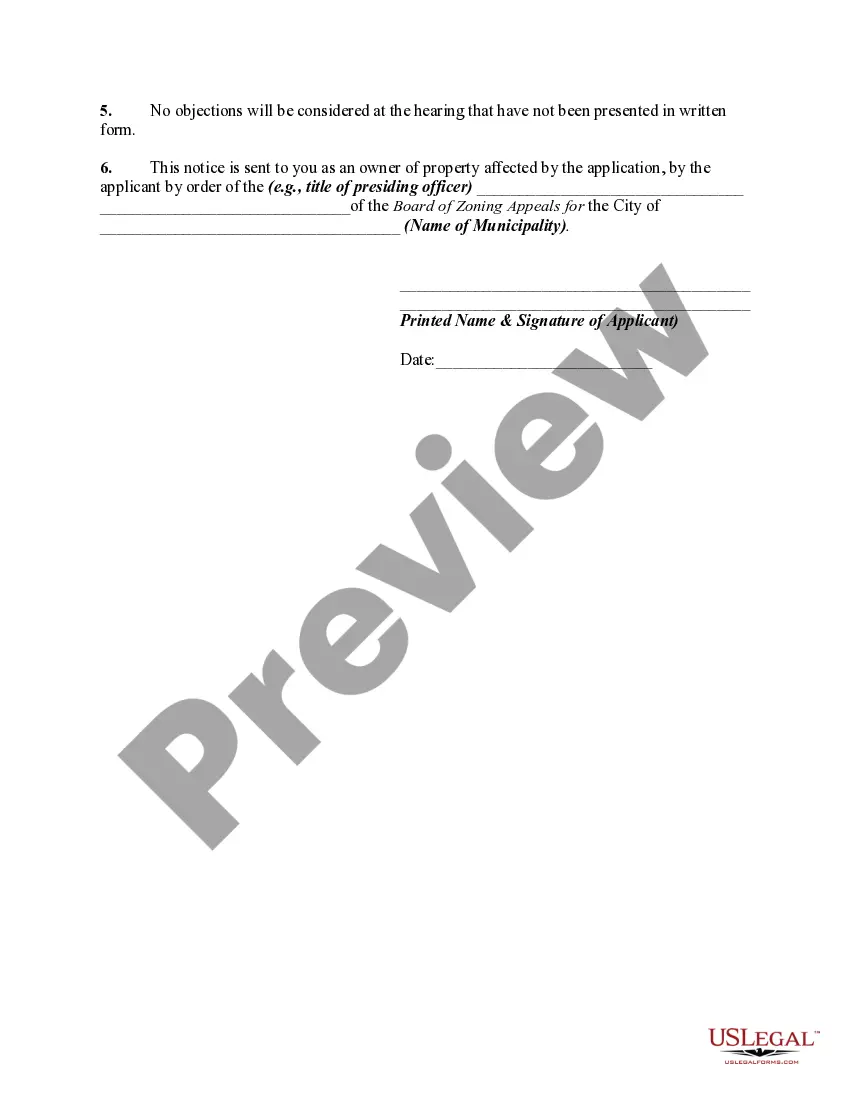
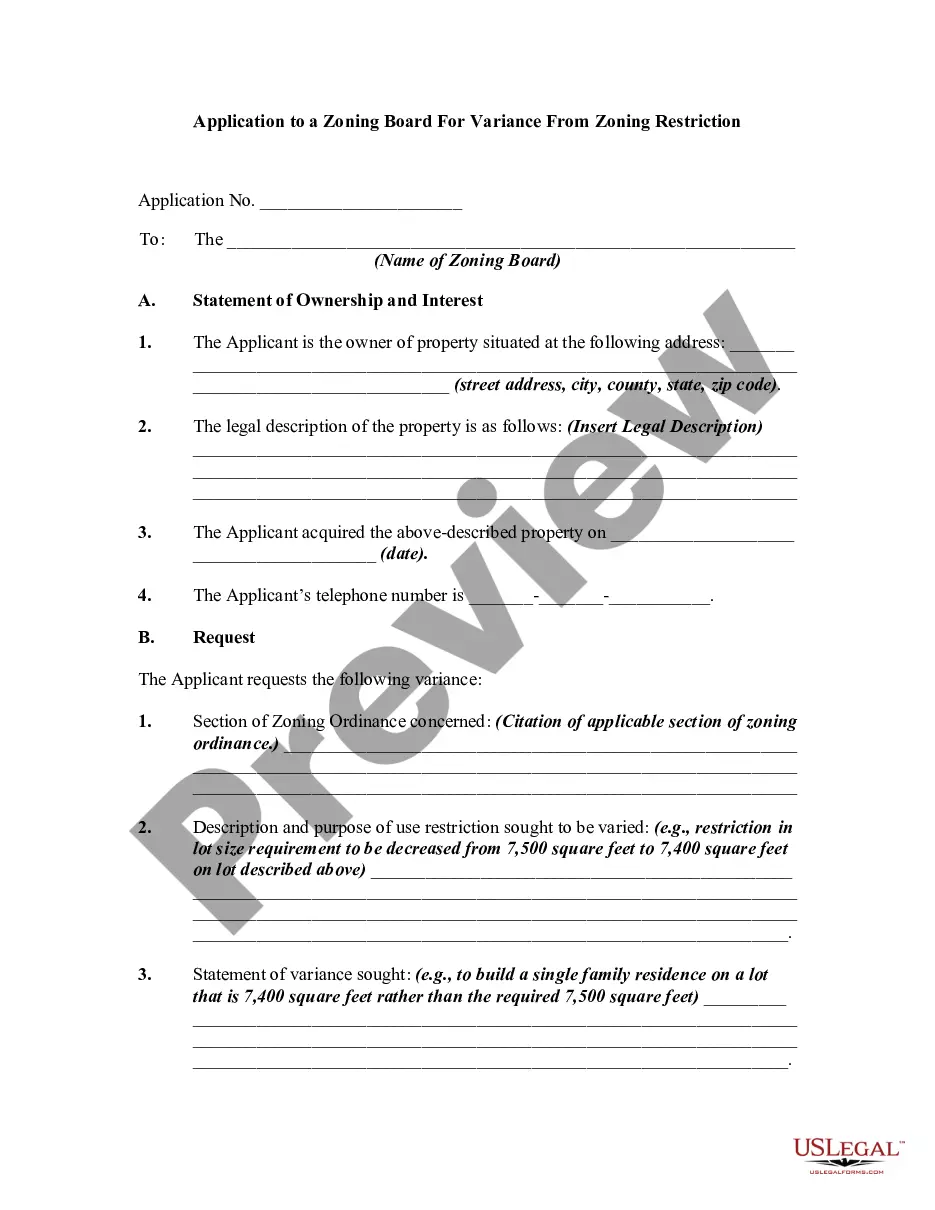
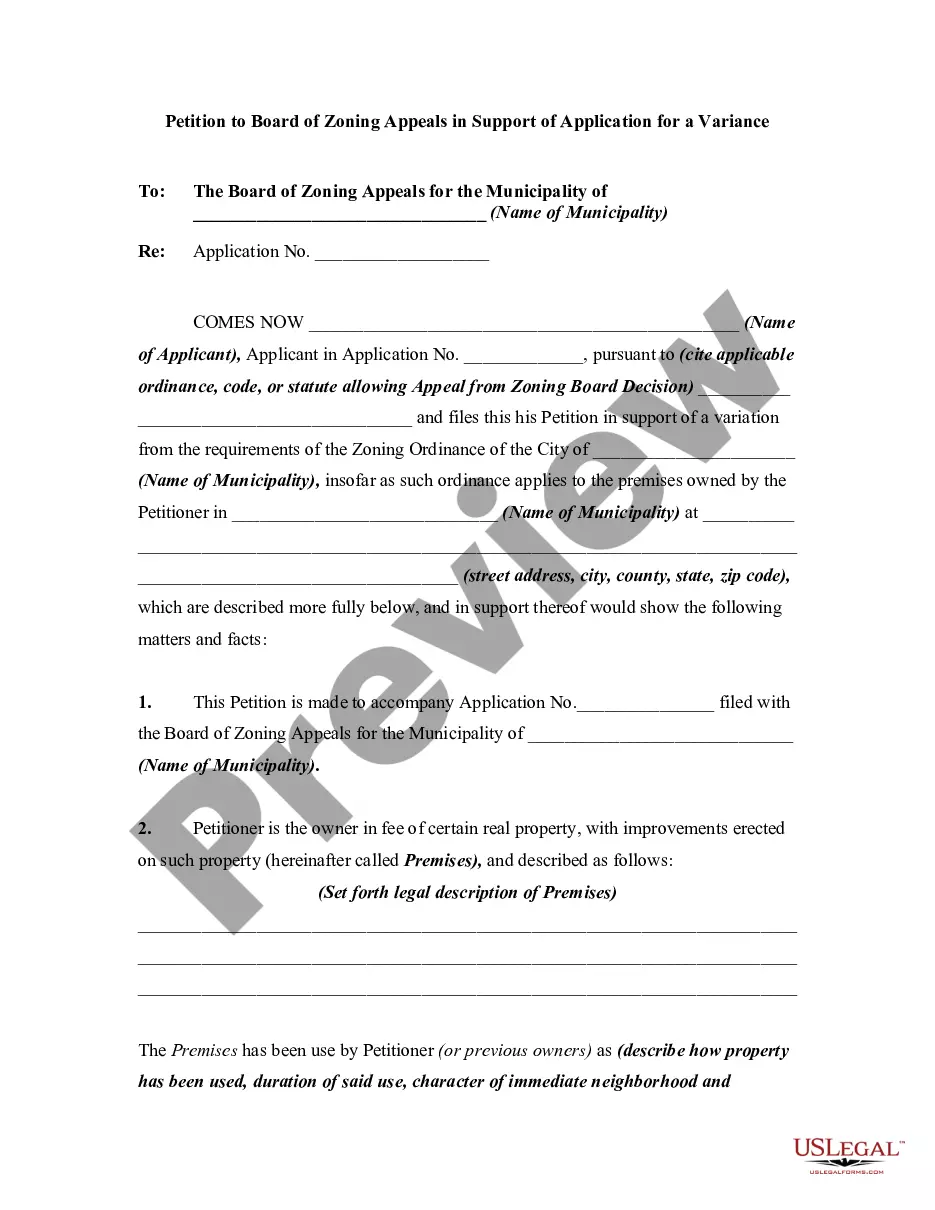
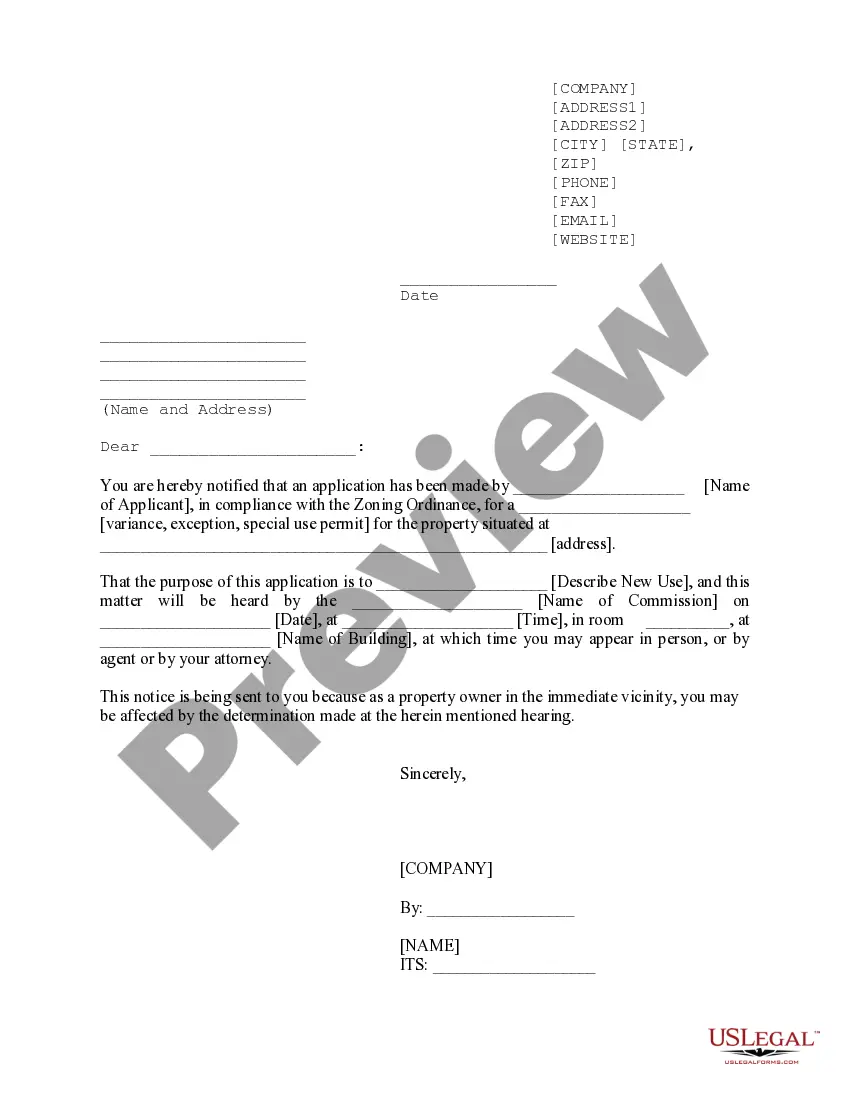
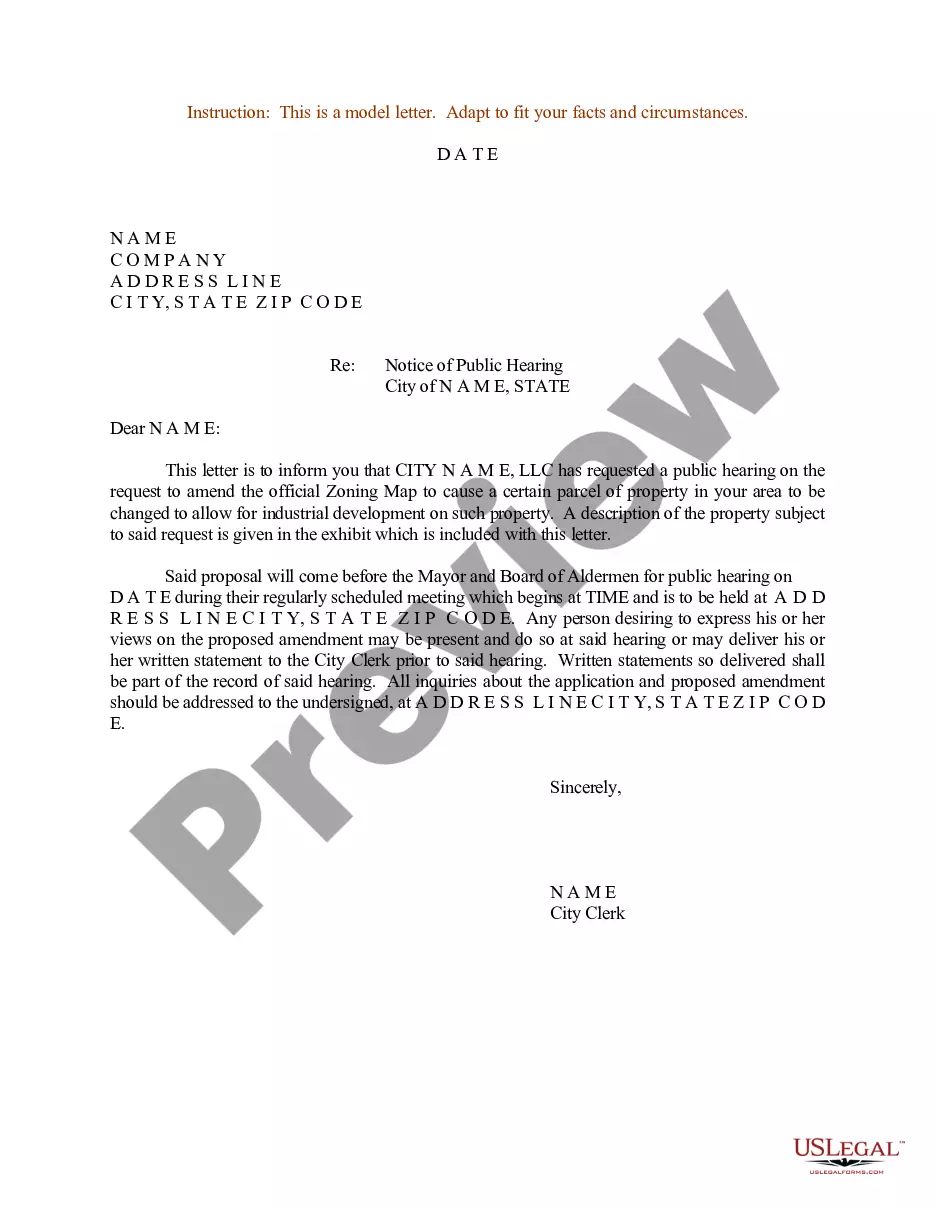
Get your form ready online
Our built-in tools help you complete, sign, share, and store your documents in one place.
Make edits, fill in missing information, and update formatting in US Legal Forms—just like you would in MS Word.
Download a copy, print it, send it by email, or mail it via USPS—whatever works best for your next step.
Sign and collect signatures with our SignNow integration. Send to multiple recipients, set reminders, and more. Go Premium to unlock E-Sign.
If this form requires notarization, complete it online through a secure video call—no need to meet a notary in person or wait for an appointment.
We protect your documents and personal data by following strict security and privacy standards.

Make edits, fill in missing information, and update formatting in US Legal Forms—just like you would in MS Word.

Download a copy, print it, send it by email, or mail it via USPS—whatever works best for your next step.

Sign and collect signatures with our SignNow integration. Send to multiple recipients, set reminders, and more. Go Premium to unlock E-Sign.

If this form requires notarization, complete it online through a secure video call—no need to meet a notary in person or wait for an appointment.

We protect your documents and personal data by following strict security and privacy standards.
Looking for another form?


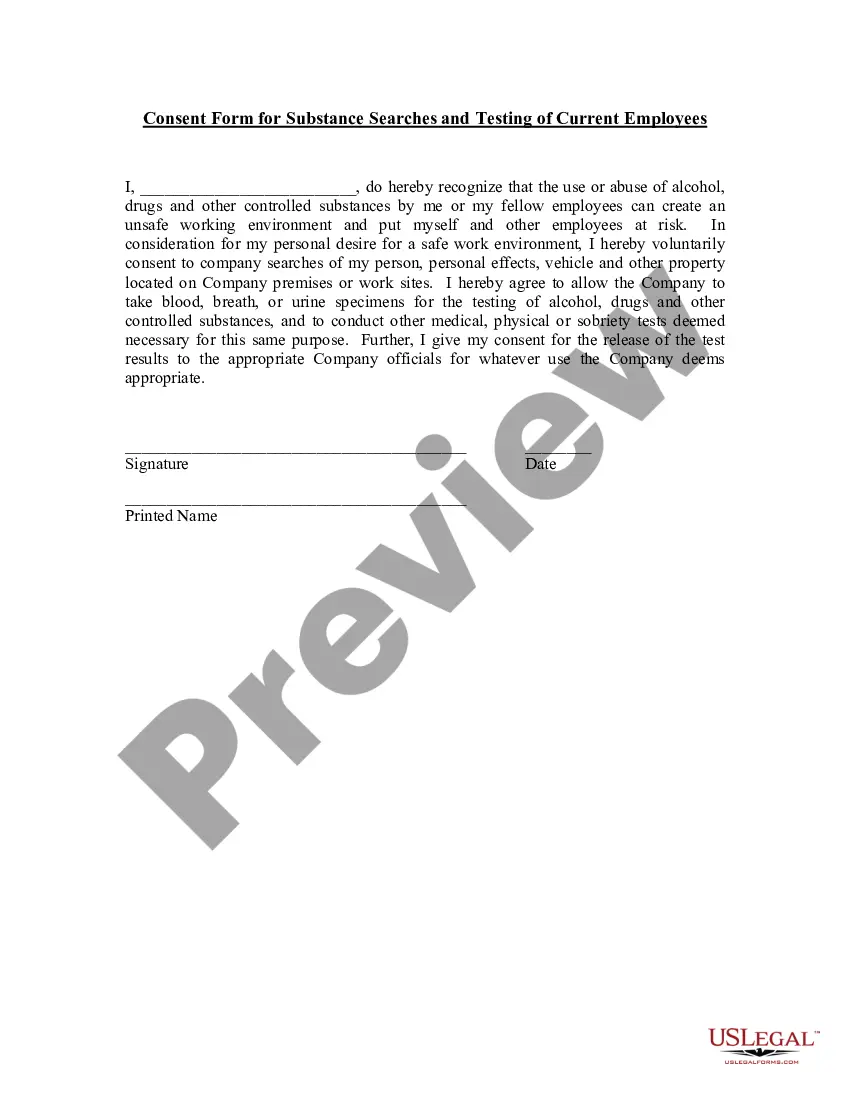
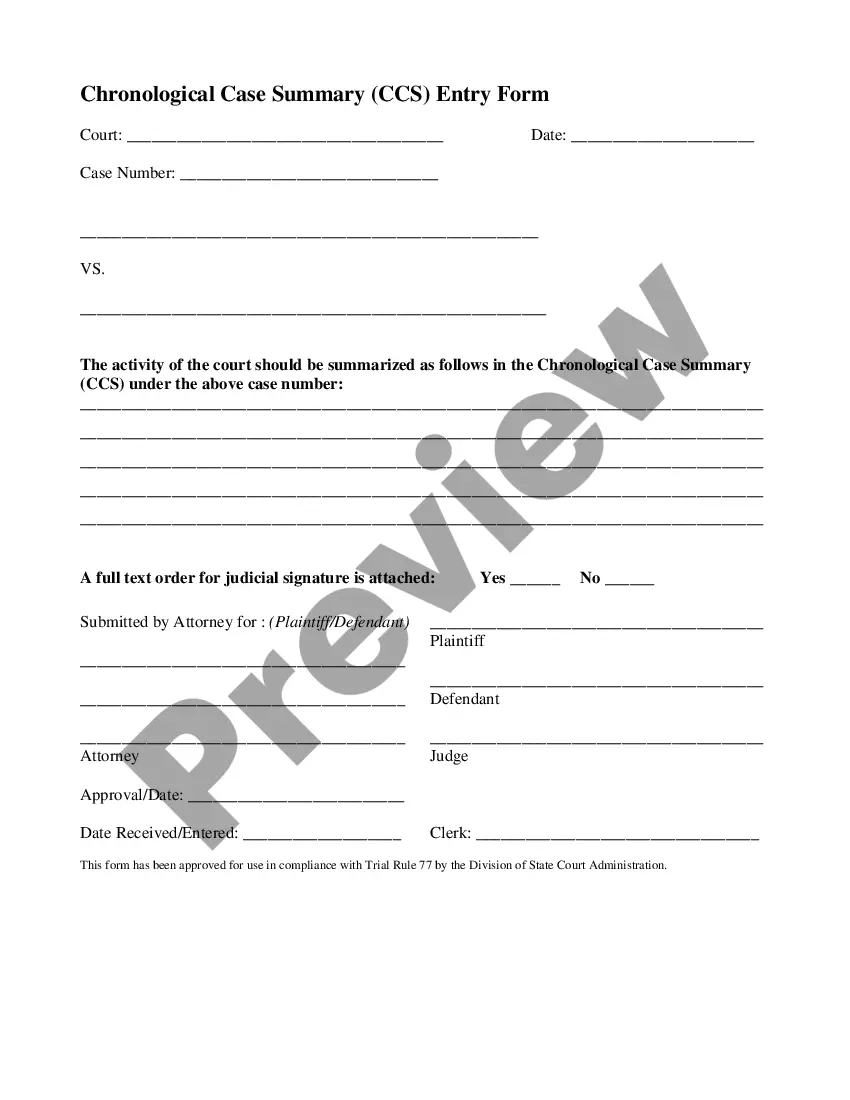
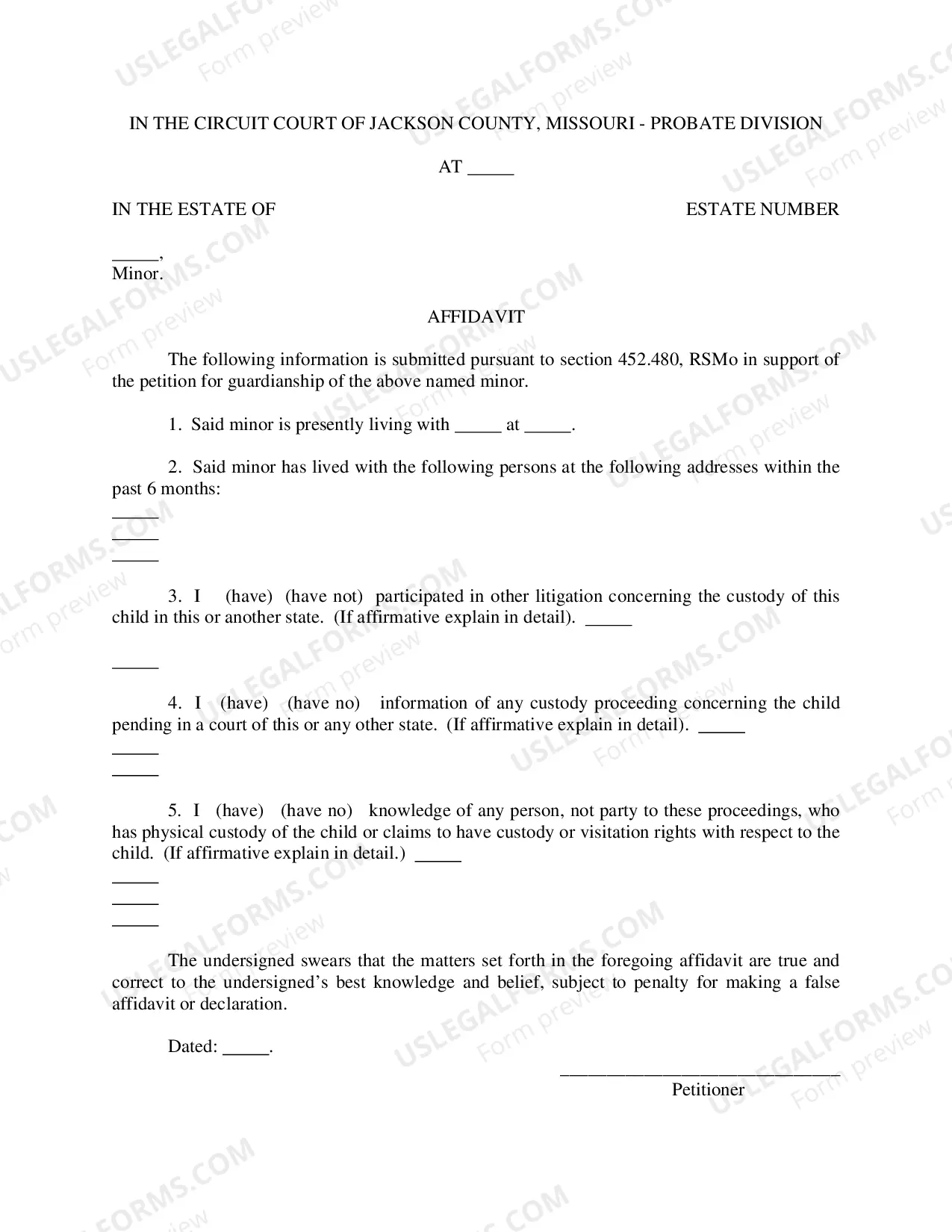

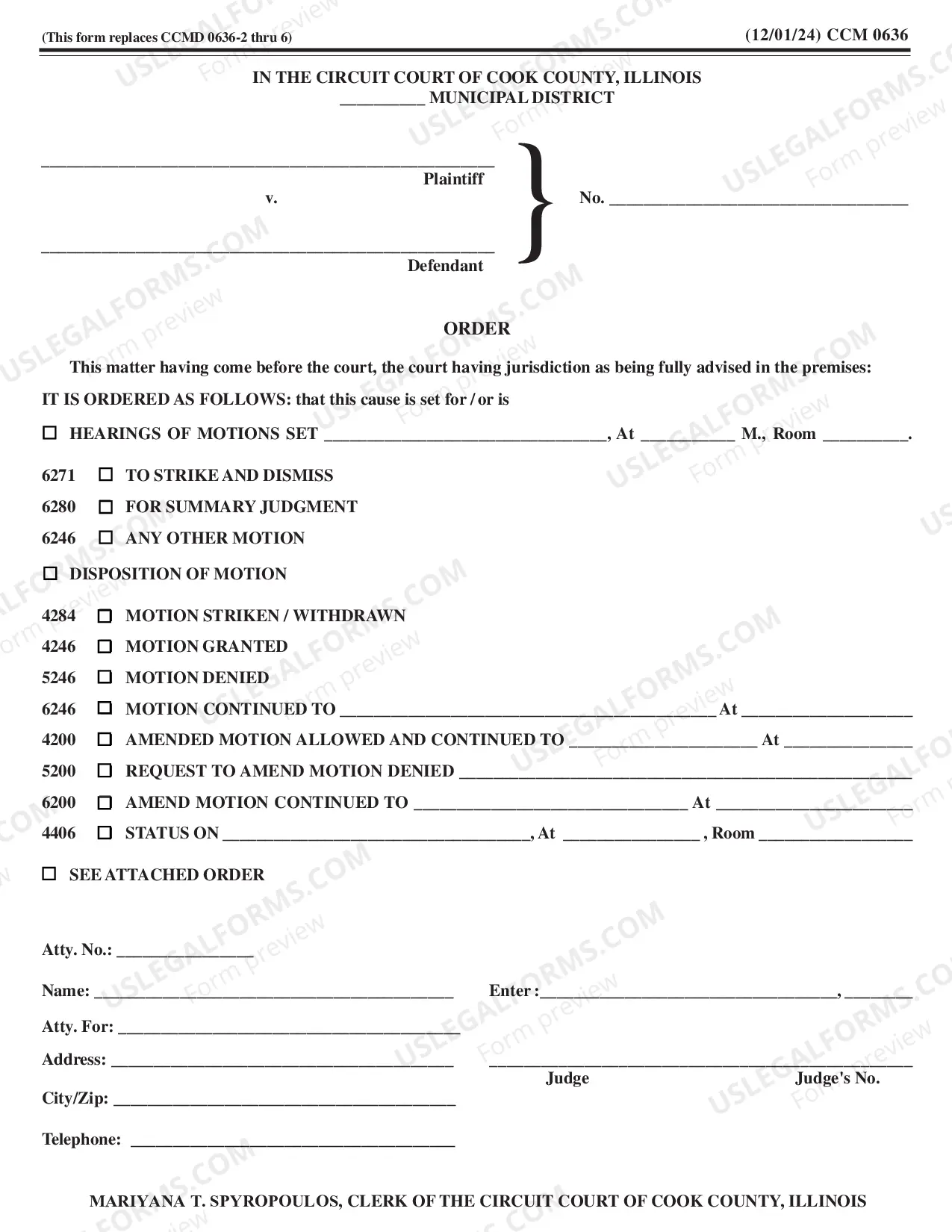

How to fill out Notice Of Hearing For Variance Before Board Of Zoning Appeals - Notice To Be Sent By Applicant To Interested Property Owners?
- If you're already a user, log in to your account. Ensure your subscription is active before proceeding.
- For new users, start by exploring the Preview mode and form description to confirm you’ve selected the right template that aligns with your local jurisdiction.
- If the initial template doesn't meet your needs, utilize the Search tab above to discover alternative forms.
- Once you've found the suitable document, select the Buy Now button and choose your preferred subscription plan. Registration is required to access our vast library.
- Proceed with your payment by entering your credit card details or using your PayPal account to finalize the transaction.
- After purchasing, download your form to your device. You can find it anytime in the My Forms menu of your profile.
In conclusion, US Legal Forms offers a robust and user-friendly platform that empowers individuals and attorneys alike to tackle legal paperwork confidently.
Start your journey with us today!
Form popularity
FAQ
The requirements for a hearing loop system include a compatible hearing aid with a telecoil feature and an installed loop in the area you wish to use. Additionally, the loop must be properly calibrated to ensure optimal sound transmission. Ensuring these criteria is met will allow for an enhanced listening experience. For detailed guidance on setup and compliance, consider resources from US Legal Forms as part of your planning for a notice hearing before for loop.
To find out if your hearing aid is compatible with loop systems, refer to your device manual or consult your audiologist for guidance. Your hearing aid should have a telecoil feature for proper connection to loop systems. This information is key if you plan to use a hearing loop at venues like theaters or places of worship. Stay informed, especially when attending a notice hearing before for loop.
A telecoil is a small wire coil housed within your hearing aid, often not visible from the outside. This component may be labeled in the device's settings or specifications but usually requires professional identification. If you're unsure, a visit to an audiologist can clarify its presence and functionality. Knowing this will help you utilize a hearing loop effectively during a notice hearing before for loop.
To determine if your hearing aid has a telecoil, check the specifications provided by the manufacturer or consult your audiologist. Many modern hearing aids come equipped with this feature, enabling direct communication with loop systems. If you are uncertain, your hearing healthcare provider can perform a quick check and provide insights. This confirmation is crucial, especially during a notice hearing before for loop.
A loop system for hearing is an assistive listening technology designed to help people with hearing aids hear better in specific environments. It consists of a wire loop installed around a designated area, creating a magnetic field that transmits sound directly to hearing aids equipped with telecoils. This direct connection improves sound clarity and reduces background noise. Understanding how this system works can enhance your listening experience during a notice hearing before for loop.
Activating your hearing loop typically involves switching your hearing aid to the telecoil mode. Locate the telecoil switch, often labeled as 'T' or 'TC', on your hearing aid. This setting allows your device to pick up sound directly from the loop system. If you need detailed instructions, resources from US Legal Forms can help you navigate the process seamlessly.
To test if a hearing loop is functioning, you can first use a compatible hearing aid with the telecoil setting activated. Sit or stand within the loop's boundary and listen for clarity in sound. If you can hear without background noise, then the hearing loop is working effectively. Remember, a notice hearing before for loop can guide you through ensuring optimal performance.
A show cause hearing can be both good and bad, depending on the circumstances surrounding your case. It provides an opportunity to explain your position regarding noncompliance and can lead to a more favorable outcome if handled properly. However, failure to respond adequately can also lead to negative repercussions. Thus, being well-prepared is essential for a productive experience during the notice hearing before the loop.
To file a motion for a hearing, begin by drafting your motion with clear reasons for requesting the hearing. Include relevant legal statutes and any supporting documents as evidence. After preparation, submit the motion to the appropriate court, ensuring you adhere to filing deadlines. Platforms like US Legal Forms can simplify this process, providing templates to help you file correctly.
An Order to Show Cause carries significant implications, as it often suggests that noncompliance with a court order has occurred. Ignoring or inadequately responding to this order can lead to penalties. Therefore, treating it seriously and preparing your case is critical. A prompt and thorough response is vital during the notice hearing before the loop.