Trust Beneficiary On Ira
Description

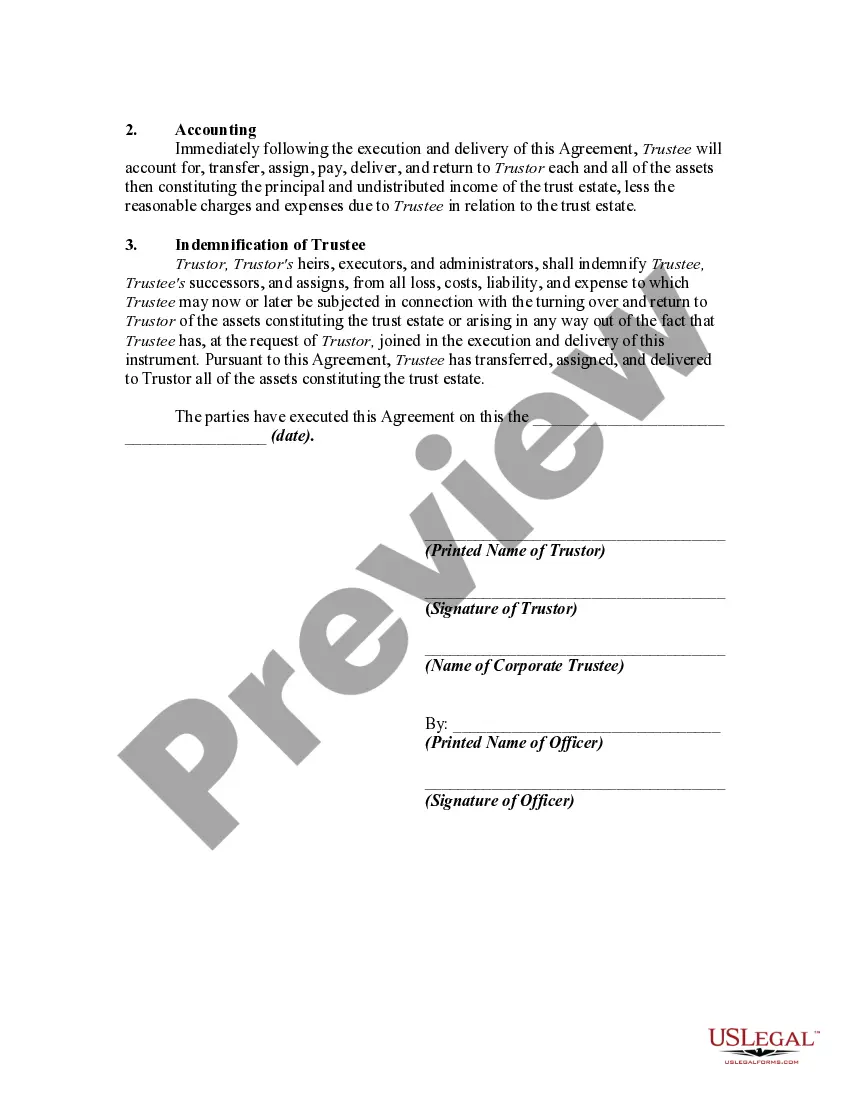

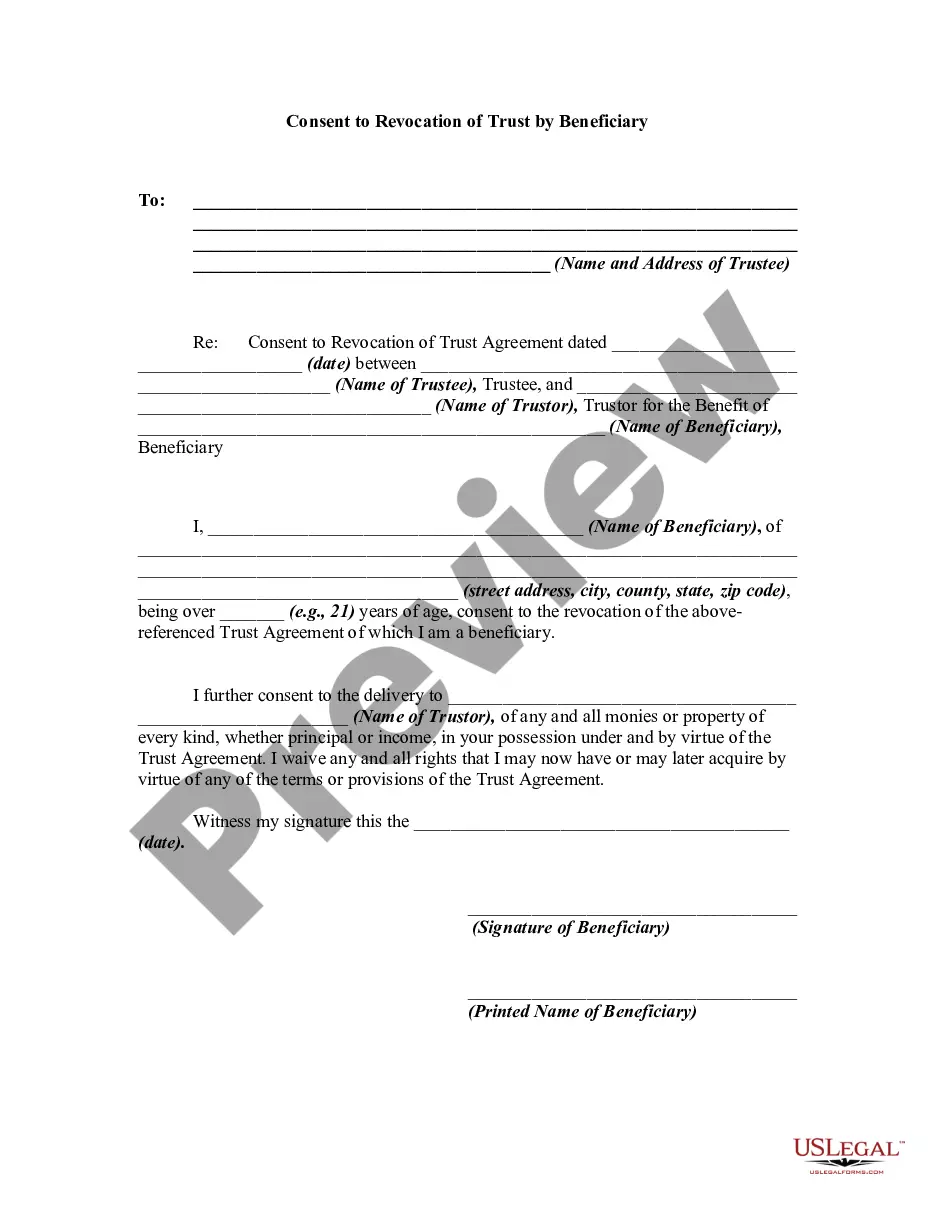



Get your form ready online
Our built-in tools help you complete, sign, share, and store your documents in one place.
Make edits, fill in missing information, and update formatting in US Legal Forms—just like you would in MS Word.
Download a copy, print it, send it by email, or mail it via USPS—whatever works best for your next step.
Sign and collect signatures with our SignNow integration. Send to multiple recipients, set reminders, and more. Go Premium to unlock E-Sign.
If this form requires notarization, complete it online through a secure video call—no need to meet a notary in person or wait for an appointment.
We protect your documents and personal data by following strict security and privacy standards.

Make edits, fill in missing information, and update formatting in US Legal Forms—just like you would in MS Word.

Download a copy, print it, send it by email, or mail it via USPS—whatever works best for your next step.

Sign and collect signatures with our SignNow integration. Send to multiple recipients, set reminders, and more. Go Premium to unlock E-Sign.

If this form requires notarization, complete it online through a secure video call—no need to meet a notary in person or wait for an appointment.

We protect your documents and personal data by following strict security and privacy standards.
Looking for another form?










How to fill out Agreement Between Trustor And Trustee Terminating Trust After Disclaimer By Beneficiary?
It’s clear that you cannot instantly become a legal specialist, nor can you quickly understand how to draft Trust Beneficiary On Ira without possessing a specific skill set.
Formulating legal documents is a lengthy endeavor that necessitates a particular education and expertise.
So, why not entrust the creation of the Trust Beneficiary On Ira to professionals.
You can access your documents again from the My documents tab whenever needed. If you're an existing user, just Log In and find and download the template from the same tab.
Regardless of your documents' intent—be it financial, legal, or personal—our website has you covered. Try US Legal Forms today!
- Locate the document you require by utilizing the search bar at the top of the page.
- View it (if this option is available) and read the accompanying description to ascertain whether Trust Beneficiary On Ira meets your needs.
- If you need a different form, restart your search.
- Create a free account and choose a subscription plan to purchase the template.
- Click Buy now. Once the payment is processed, you can obtain the Trust Beneficiary On Ira, complete it, print it, and send or mail it to the relevant individuals or organizations.
Form popularity
FAQ
When you name a trust as the beneficiary of your IRA, the IRA assets are transferred to the trust upon your passing. The trust will then manage and distribute these assets according to its terms and the guidelines provided by the IRS. This arrangement can help avoid probate, ensuring a smoother transition of your intended inheritance. Ultimately, naming a trust beneficiary on IRA can help you achieve your estate planning objectives.
Generally, a trust must distribute the inherited IRA assets within a specific timeframe set by the IRS. Typically, if the trust qualifies as a designated beneficiary, it may have up to 10 years to fully distribute the assets. However, if the trust does not meet certain criteria, different rules might apply. It’s beneficial to consult with a professional to ensure compliance with all regulations when you name a trust beneficiary on IRA.
One disadvantage of naming a trust as the beneficiary of your IRA is the potential for increased taxation on the inherited funds. Trusts can be taxed at higher rates, which may reduce the inheritances for your beneficiaries. Moreover, the trust may face complexities in terms of compliance with IRS rules and regulations. Carefully evaluate these factors when designating a trust beneficiary on IRA to ensure it aligns with your estate planning goals.
When a trust is named the beneficiary of an IRA, the IRA account is transferred to the trust upon the account owner’s death. The trust then will manage and distribute the assets according to its terms. This setup can provide benefits such as creditor protection and controlling how and when beneficiaries receive their inheritance. Thus, choosing a trust beneficiary on IRA offers a strategic option for managing your estate.
When a trust is named as a beneficiary on an IRA, the taxes on the inherited IRA typically fall on the trust itself. This means that the trust must handle any tax liabilities according to its terms and applicable tax laws. The trust must file its own tax returns, and distributions from the IRA to the trust could be subject to income tax. Understanding the tax implications is crucial when you decide on a trust beneficiary on IRA.
Naming a trust as a beneficiary means you designate the trust to receive assets from your IRA upon your death. This approach allows for more control over how the assets are managed and distributed to your heirs. A trust can outline specific terms for distribution, which can provide benefits such as protection of assets and tax planning. Therefore, when you choose a trust beneficiary on IRA, you can create a structured plan for wealth transfer.
The smartest action with an inherited IRA is to understand your options for withdrawals and tax implications. You can opt for a stretch IRA strategy or take distributions within a specific time frame, depending on your circumstances. It’s crucial to assess your financial situation and future needs when deciding how to manage this asset. Working with a knowledgeable advisor can greatly assist you in making informed decisions regarding a trust beneficiary on IRA.
Naming a trust as an IRA beneficiary might lead to unintended tax consequences or complicate the distribution process. If not structured properly, the trust could face higher tax rates than individual beneficiaries, shrinking the inherited amount. Additionally, probate concerns and administrative costs might arise, potentially diminishing the advantages you expect. Consider these factors carefully before designating a trust beneficiary on IRA.
You can indeed put a trust as a beneficiary on an IRA. This strategy can help you control how funds are distributed after your death, offering benefits like asset protection and privacy. However, it is essential to follow proper legal guidelines to avoid potential issues with distributions. It's a smart move to work with professionals who can guide you through this process when naming a trust beneficiary on IRA.
Yes, a trust can serve as a beneficiary on an IRA. This option allows asset distribution according to your wishes as outlined in the trust. However, be aware that it introduces complexities, such as tax implications and the need to meet certain Internal Revenue Service requirements. Ensure you understand these factors when designating a trust beneficiary on IRA.