Plural For Trustor
Description
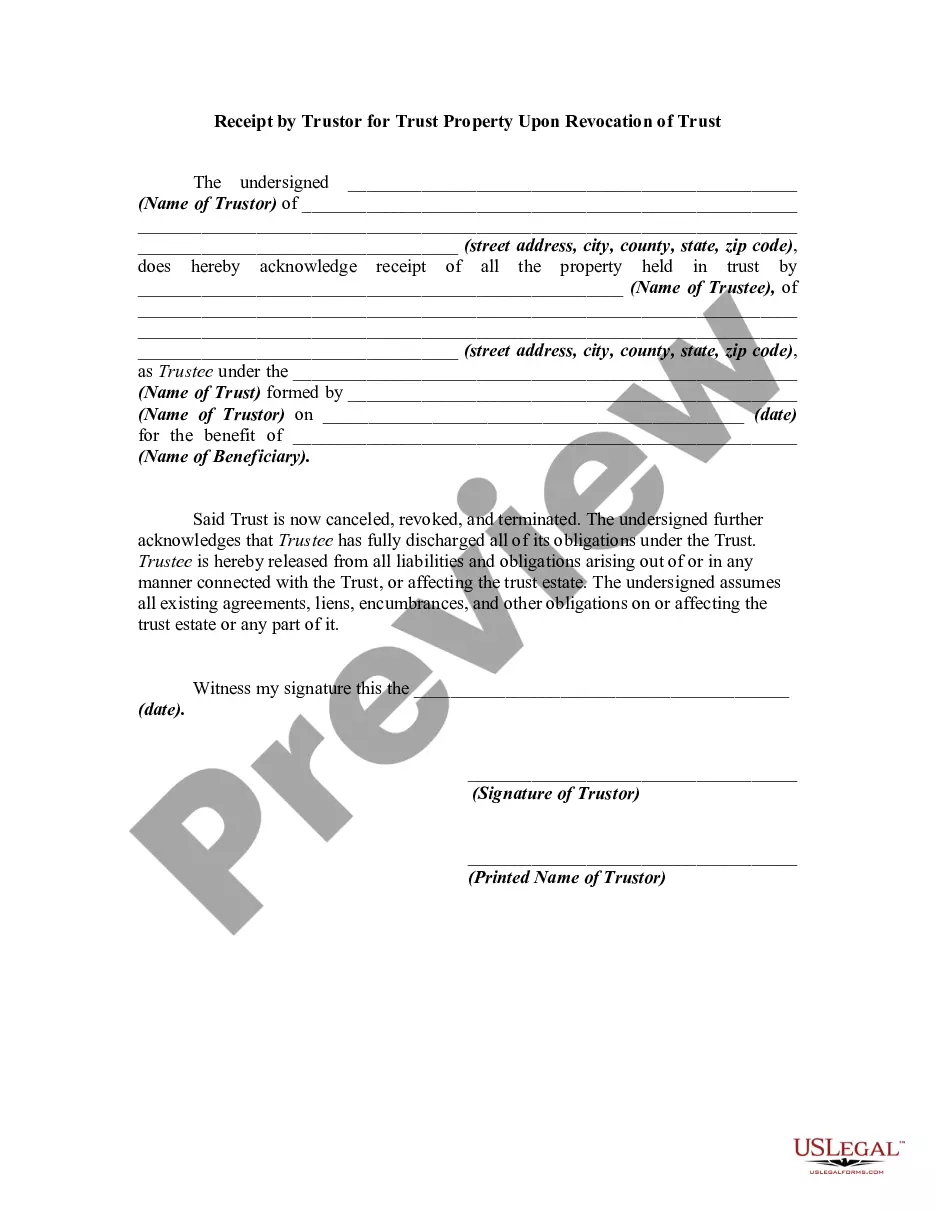
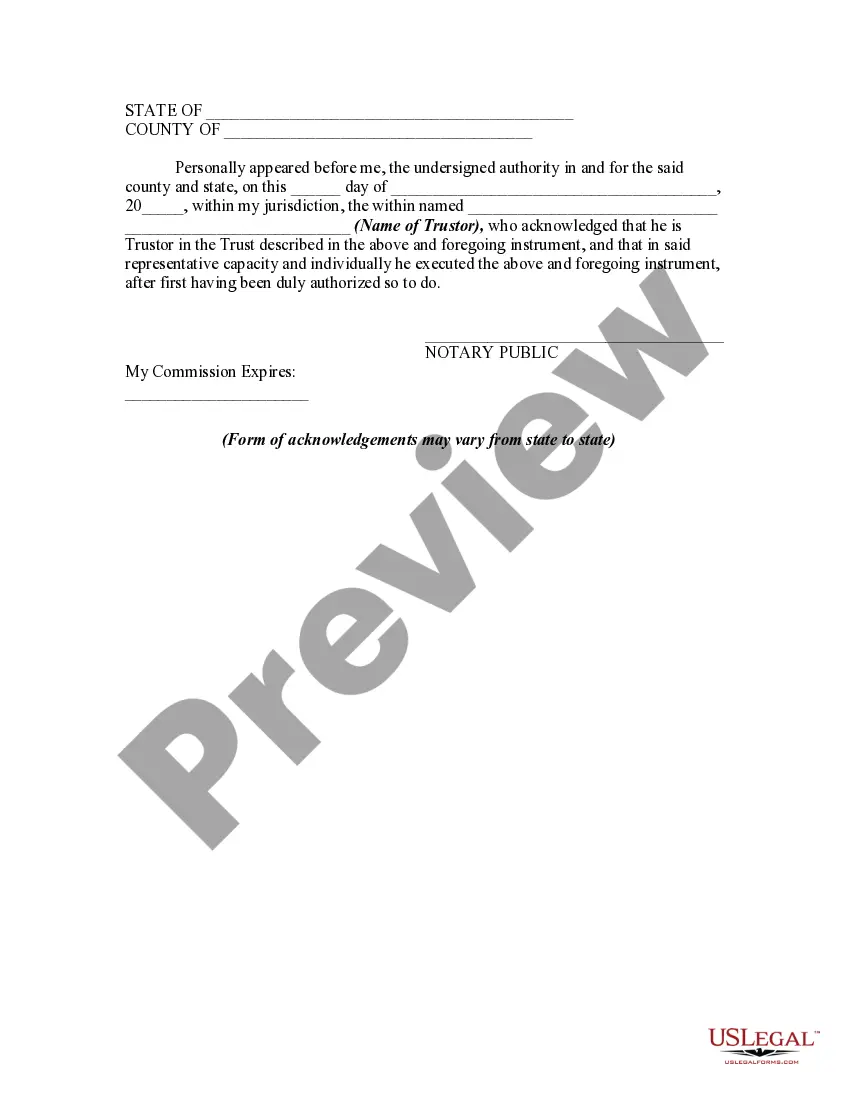
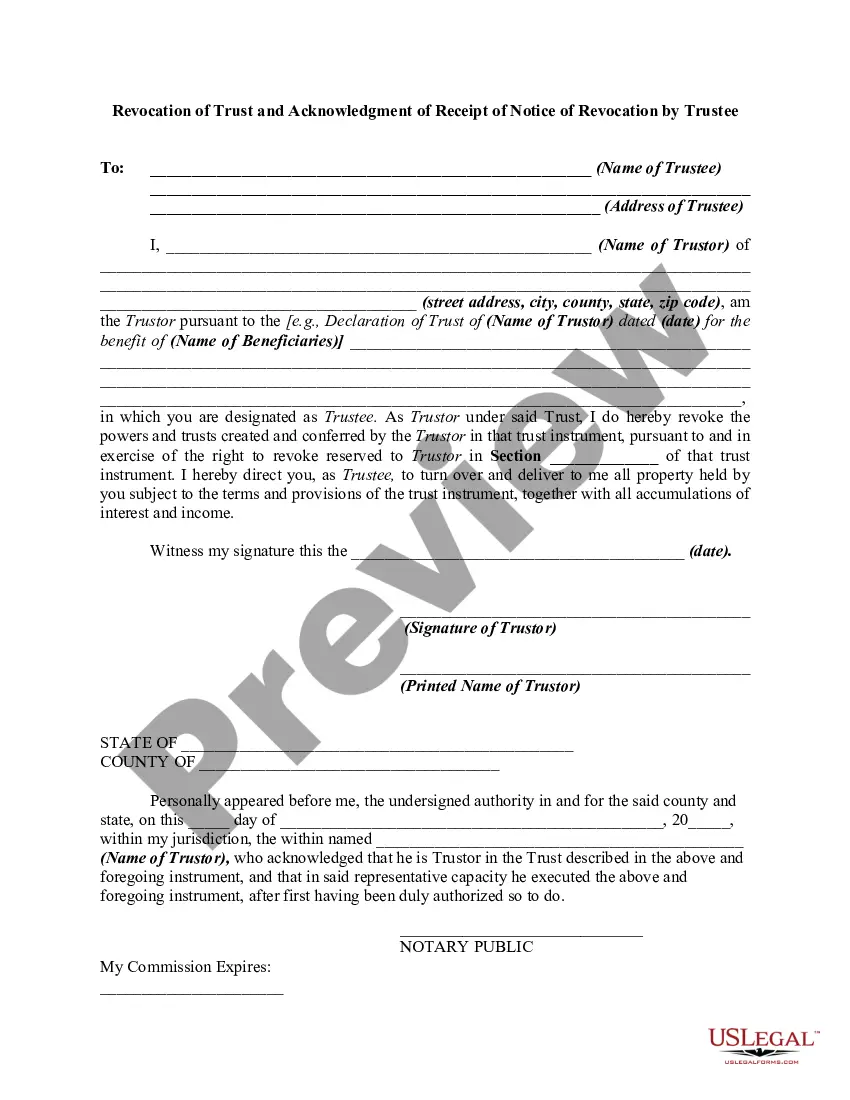
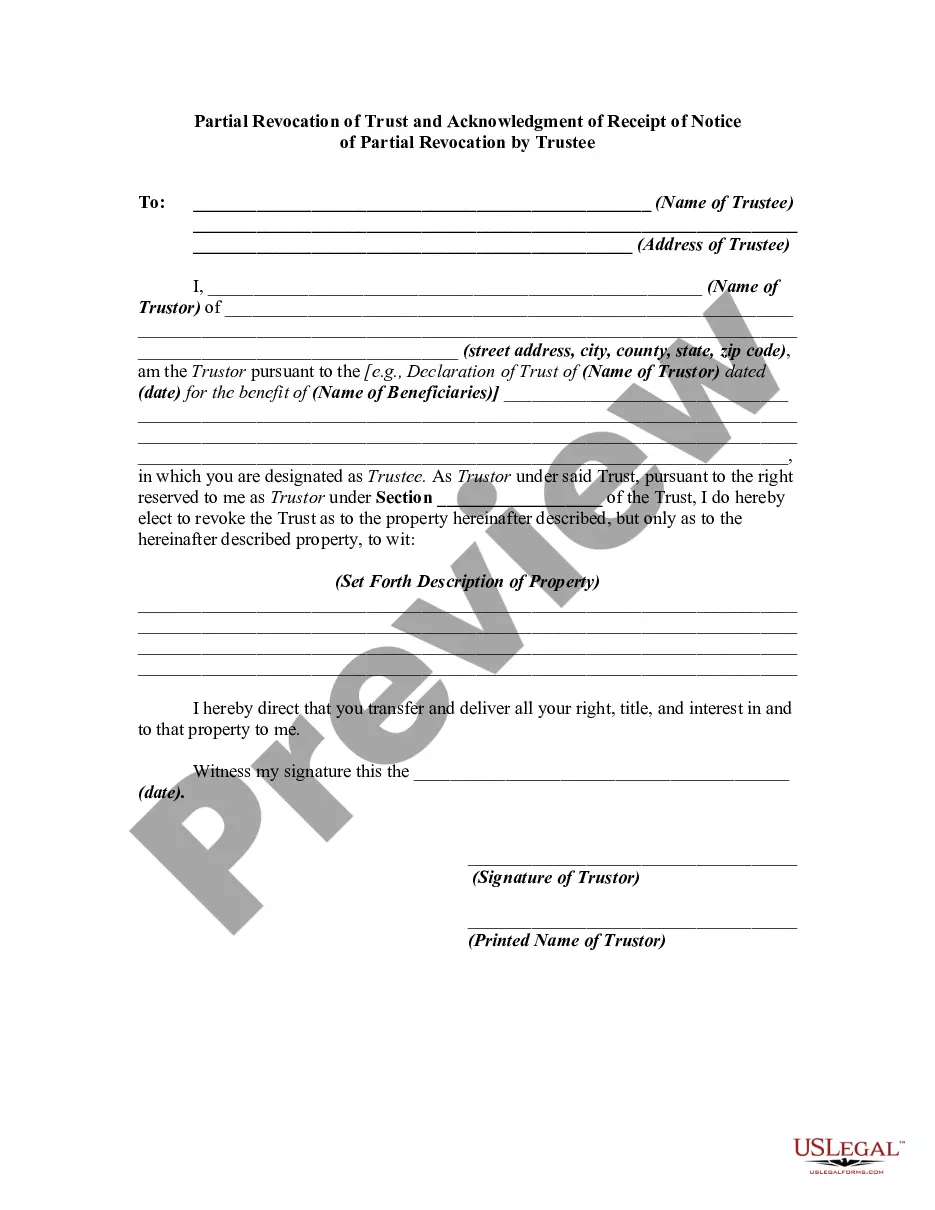
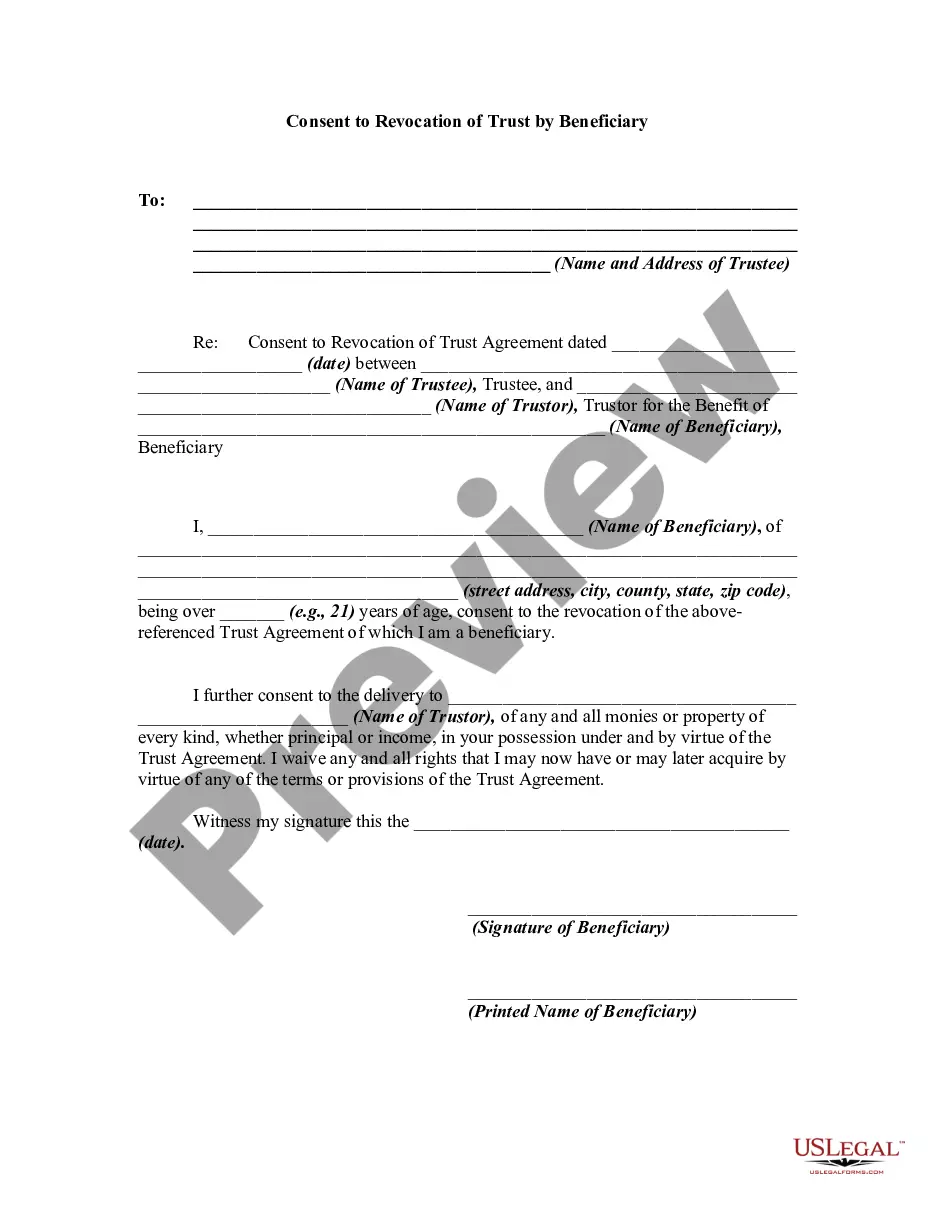
Get your form ready online
Our built-in tools help you complete, sign, share, and store your documents in one place.
Make edits, fill in missing information, and update formatting in US Legal Forms—just like you would in MS Word.
Download a copy, print it, send it by email, or mail it via USPS—whatever works best for your next step.
Sign and collect signatures with our SignNow integration. Send to multiple recipients, set reminders, and more. Go Premium to unlock E-Sign.
If this form requires notarization, complete it online through a secure video call—no need to meet a notary in person or wait for an appointment.
We protect your documents and personal data by following strict security and privacy standards.

Make edits, fill in missing information, and update formatting in US Legal Forms—just like you would in MS Word.

Download a copy, print it, send it by email, or mail it via USPS—whatever works best for your next step.

Sign and collect signatures with our SignNow integration. Send to multiple recipients, set reminders, and more. Go Premium to unlock E-Sign.

If this form requires notarization, complete it online through a secure video call—no need to meet a notary in person or wait for an appointment.

We protect your documents and personal data by following strict security and privacy standards.
Looking for another form?






Form popularity
FAQ
An example of a trustor is a parent who establishes a trust to secure their children's financial future. This parent decides how their assets should be allocated and who manages those assets. The trustor's vision shapes the trust, making it crucial for family security. Platforms like uslegalforms can assist you in drafting these important documents.
No, a trustee is not the same as a trustor. The trustor creates the trust, while the trustee manages it. This distinction is vital for understanding responsibilities within the trust relationship. Clarifying these roles can prevent confusion and enhance your comprehension of estate planning and trust management.
A trustee is an individual or entity responsible for managing the assets placed in a trust. Common examples of trustees include financial institutions, attorneys, or trusted family members. Their main role is to follow the trust's terms, ensuring that assets benefit the trustor's beneficiaries. Knowing how trustees function helps you understand the overall trust framework.
A trustor establishes a trust and decides how assets will be managed and distributed. They work closely with legal professionals to draft the trust document, which outlines the terms and conditions of the trust. This ensures that their intentions are honored and that beneficiaries receive their designated shares. Utilizing reliable resources like uslegalforms can simplify this process.
The plural for trustor is trustors. A trustor is a person who creates a trust and contributes assets to it. In some contexts, you might also hear them referred to as grantors or settlers. Understanding these terms is essential for navigating legal documents related to trusts.
The plural form of trustor is trustors. This term is used to describe multiple individuals or entities that create and fund trusts. Knowing this terminology is vital for legal documents involving trusts, as it ensures accurate representation of the parties involved. To streamline creating trust documents that include trustors, our platform offers customizable solutions.
Members refer to individuals who belong to an organization, while trustees are appointed to manage a trust's assets. The key distinction lies in their responsibilities; members typically focus on the organization's objectives, whereas trustees handle the specific duties associated with the trust. Understanding these roles can clarify governance structures within organizations. For legal clarity, our services provide detailed guidance.
The plural for trustee is trustees. This term refers to more than one individual appointed to manage and administer a trust. When there are multiple trustees, it enables a broader perspective in decision-making and enhances the trust's management. For anyone looking to draft trust documents, our platform guides you in listing multiple trustees effectively.
Another word for trustor is grantor. This term references the individual who creates the trust and transfers assets into it. Understanding the role of a trustor is crucial, as it defines the relationship between them and the trustees. If you're establishing a trust, our platform provides easy steps to define the trustor’s role clearly.
The plural form of board of trustees is boards of trustees. This terminology reflects instances where multiple boards fulfill the role of managing different trusts or organizations. Each board of trustees evaluates the trust's operations and ensures compliance with specific guidelines. For those managing multiple trusts, our tools can assist in formalizing board structures effectively.
