Define Trustee Of A Will
Description

Get your form ready online
Our built-in tools help you complete, sign, share, and store your documents in one place.
Make edits, fill in missing information, and update formatting in US Legal Forms—just like you would in MS Word.
Download a copy, print it, send it by email, or mail it via USPS—whatever works best for your next step.
Sign and collect signatures with our SignNow integration. Send to multiple recipients, set reminders, and more. Go Premium to unlock E-Sign.
If this form requires notarization, complete it online through a secure video call—no need to meet a notary in person or wait for an appointment.
We protect your documents and personal data by following strict security and privacy standards.

Make edits, fill in missing information, and update formatting in US Legal Forms—just like you would in MS Word.

Download a copy, print it, send it by email, or mail it via USPS—whatever works best for your next step.

Sign and collect signatures with our SignNow integration. Send to multiple recipients, set reminders, and more. Go Premium to unlock E-Sign.

If this form requires notarization, complete it online through a secure video call—no need to meet a notary in person or wait for an appointment.

We protect your documents and personal data by following strict security and privacy standards.
Looking for another form?









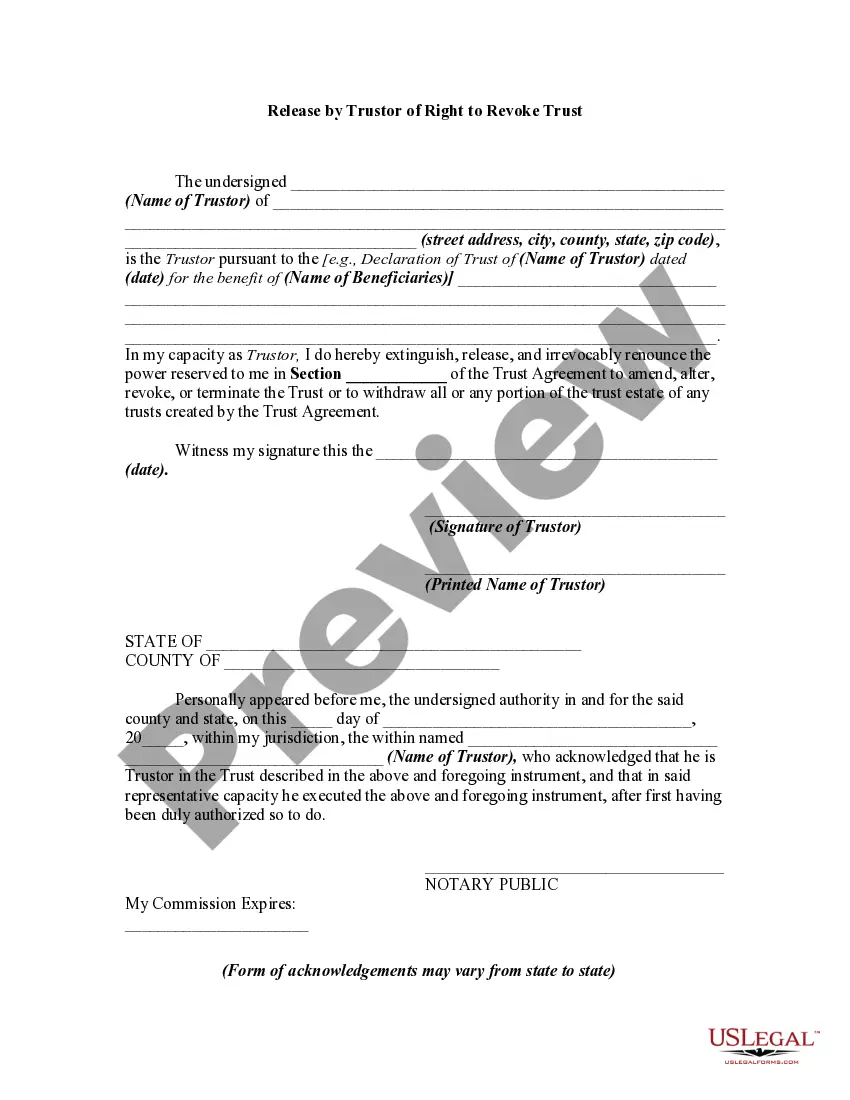
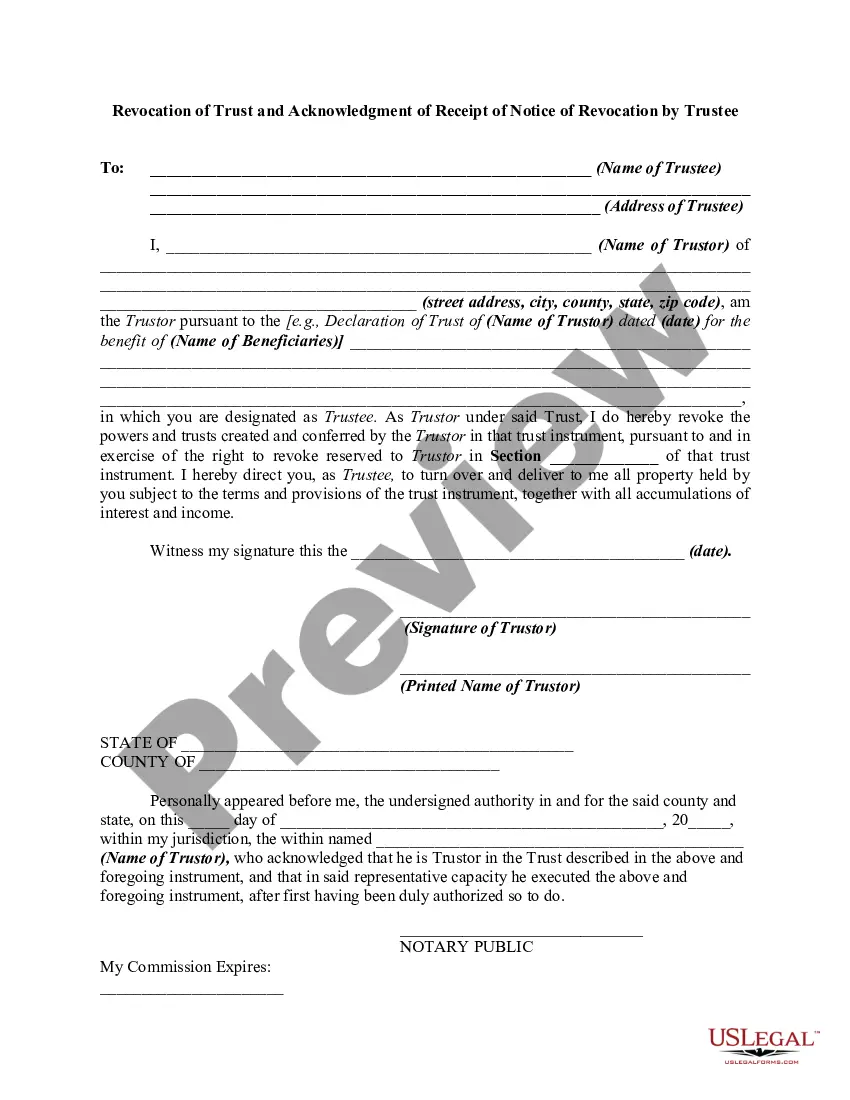
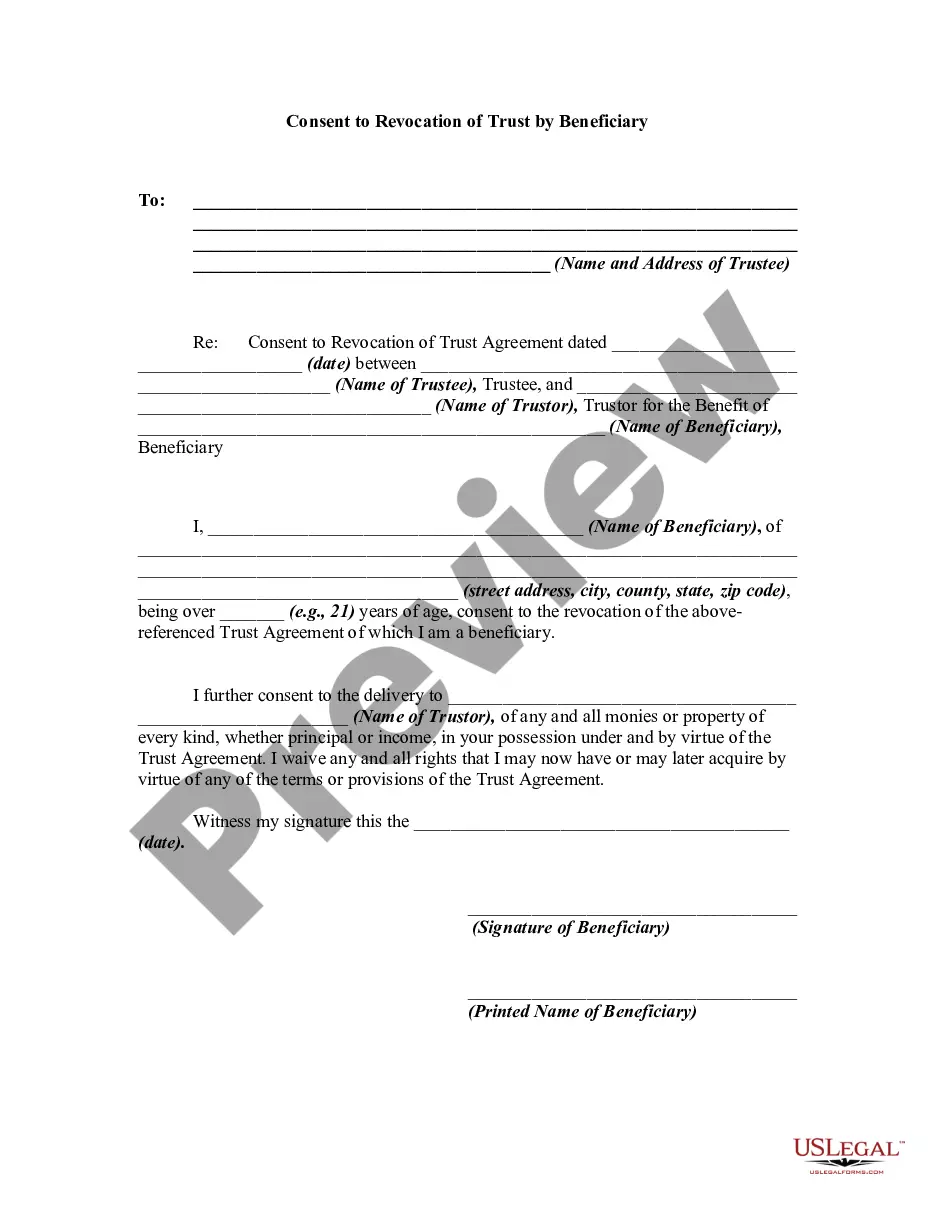
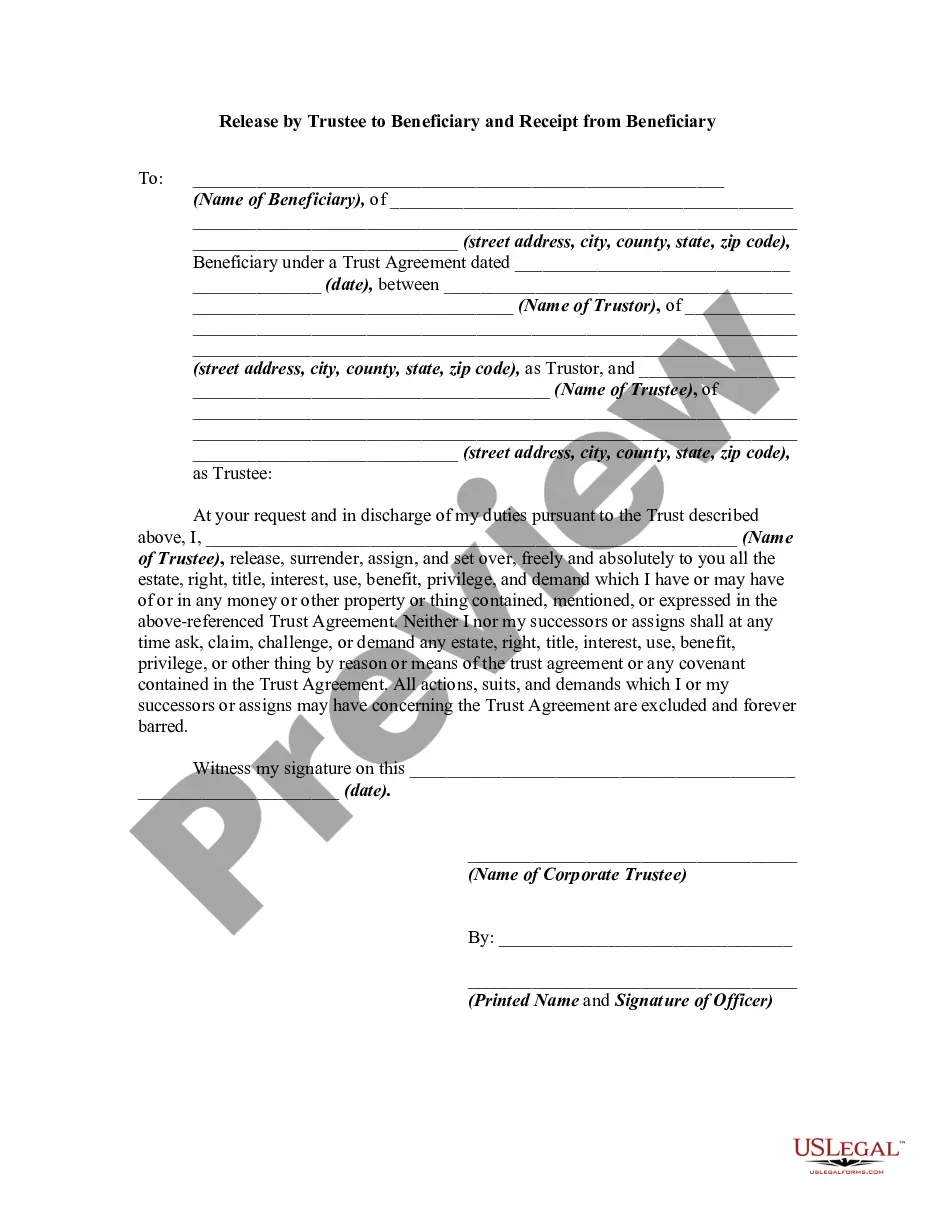
How to fill out Release By Trustor Of Right To Revoke Trust?
It’s well-known that you cannot transform into a legal expert in a single night, nor can you swiftly comprehend how to efficiently compose Define Trustee Of A Will without possessing a specialized background.
Creating legal documents is a lengthy process that necessitates specific education and expertise. So why not entrust the drafting of the Define Trustee Of A Will to the experts.
With US Legal Forms, featuring one of the most comprehensive collections of legal documents, you can obtain anything from judicial papers to templates for internal communications.
You can revisit your documents anytime via the My documents section. If you are a current client, you can easily Log In and locate and download the template from the same area.
No matter the reason for your documents—whether financial, legal, or personal—our platform has you covered. Experience US Legal Forms today!
- Start by locating the document you require using the search function located at the top of the webpage.
- Review it (if the option is available) and examine the accompanying description to determine whether Define Trustee Of A Will is what you seek.
- If you need a different template, restart your search.
- Create a complimentary account and select a subscription plan to purchase the template.
- Press Buy now. Once the transaction is finalized, you can download the Define Trustee Of A Will, complete it, print it out, and send or deliver it to the appropriate individuals or organizations.
Form popularity
FAQ
To define trustee of a will, consider this example: a family member or close friend is named as the trustee in a will. This person is responsible for managing and distributing the estate according to the deceased's wishes. For instance, if you leave your assets to your children, the trustee will handle those assets until your children reach a specified age. Using a platform like USLegalForms can help you create an effective will and define the role of your trustee clearly.
When you define trustee of a will, it's important to understand who can serve in this vital role. Generally, any competent adult can be appointed as a trustee, including family members, friends, or professionals such as attorneys. However, it’s crucial to choose someone who you trust to manage your estate and carry out your wishes responsibly. US Legal Forms offers resources to help you understand the process of selecting an appropriate trustee and ensuring they fulfill their duties effectively.
Typically, a trustee of a will is someone who understands fiduciary responsibilities and the nuances of estate management. Many choose a trusted friend, family member, or professional, such as an attorney or financial advisor, to fill this role. It's essential that the trustee can act in the best interest of the beneficiaries while adhering to the guidelines set forth in the trust. For clarity on responsibilities and processes, consider utilizing platforms such as USLegalForms.
Yes, a primary beneficiary can also take on the role of a trustee, though this arrangement comes with complexities. Being both a beneficiary and a trustee means you have to balance your interests as a recipient with your duties as a manager. This dual role can sometimes lead to conflicts of interest. It’s important to clearly understand these dynamics and seek guidance from resources like USLegalForms to avoid potential complications.
To define trustee of a will means you have accepted the role of managing a trust established within the will. As a trustee, your duties include ensuring that the trust's assets are handled prudently and that the beneficiaries receive their designated shares according to the terms of the trust. This role requires a clear understanding of both legal obligations and the trust’s objectives to protect the interests of all parties involved.
It's common to wonder whether the same individual can serve both as an executor and as a trustee. While it is possible to combine these roles, it may not always be advisable. Each position requires different skill sets and responsibilities. Consulting with an estate planning professional may help you determine whether combining these roles is beneficial for your specific situation.
When you define trustee of a will, it's crucial to note that a trustee typically operates as part of a trust, while an executor focuses on the instructions laid out in a will. The executor ensures the deceased's wishes are fulfilled, such as paying off debts and distributing property. In contrast, the trustee manages assets held in a trust after the person passes away, conforming to the established trust guidelines.
To define trustee of a will, it's important to understand the roles within estate management. An executor is responsible for carrying out the specific instructions in a will, settling debts, and distributing assets. In contrast, a trustee manages a trust, ensuring that the trust's assets are used and distributed according to the trust document. Therefore, while both roles involve oversight of assets, their duties and functions differ significantly.
Yes, as a beneficiary in a trust, you should receive notification from the trustee or the individual managing the estate. This notification typically includes details about your rights, the trust's assets, and any relevant information regarding distributions. Being proactive and understanding your role can help you effectively define the trustee of a will.
To appoint a trustee, you must detail the appointment in your will or trust document. You may choose someone trustworthy, responsible, and capable of managing affairs. Ensuring that the selection process is clear will help define the trustee of a will and prevent potential disputes in the future.