Revocation Trust
Description
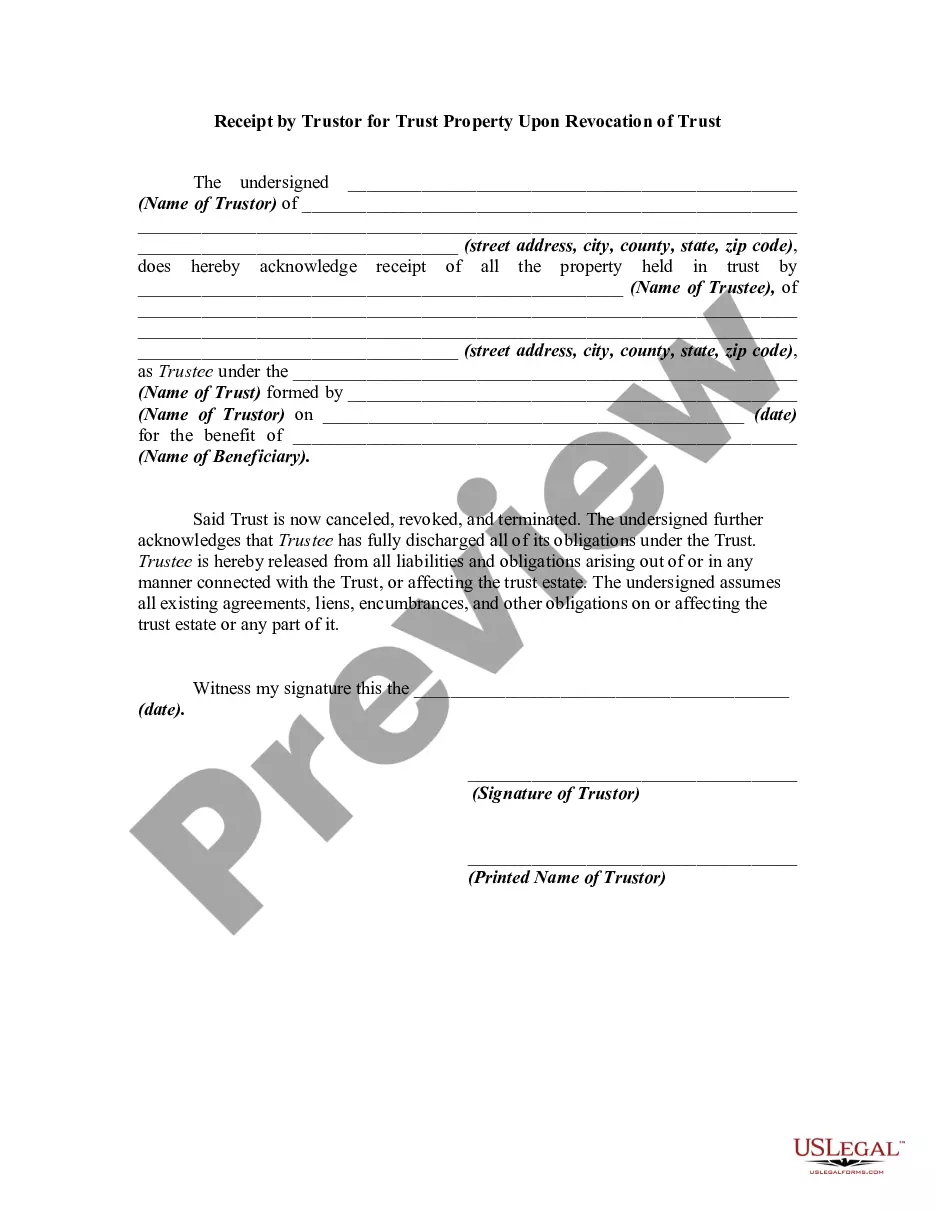
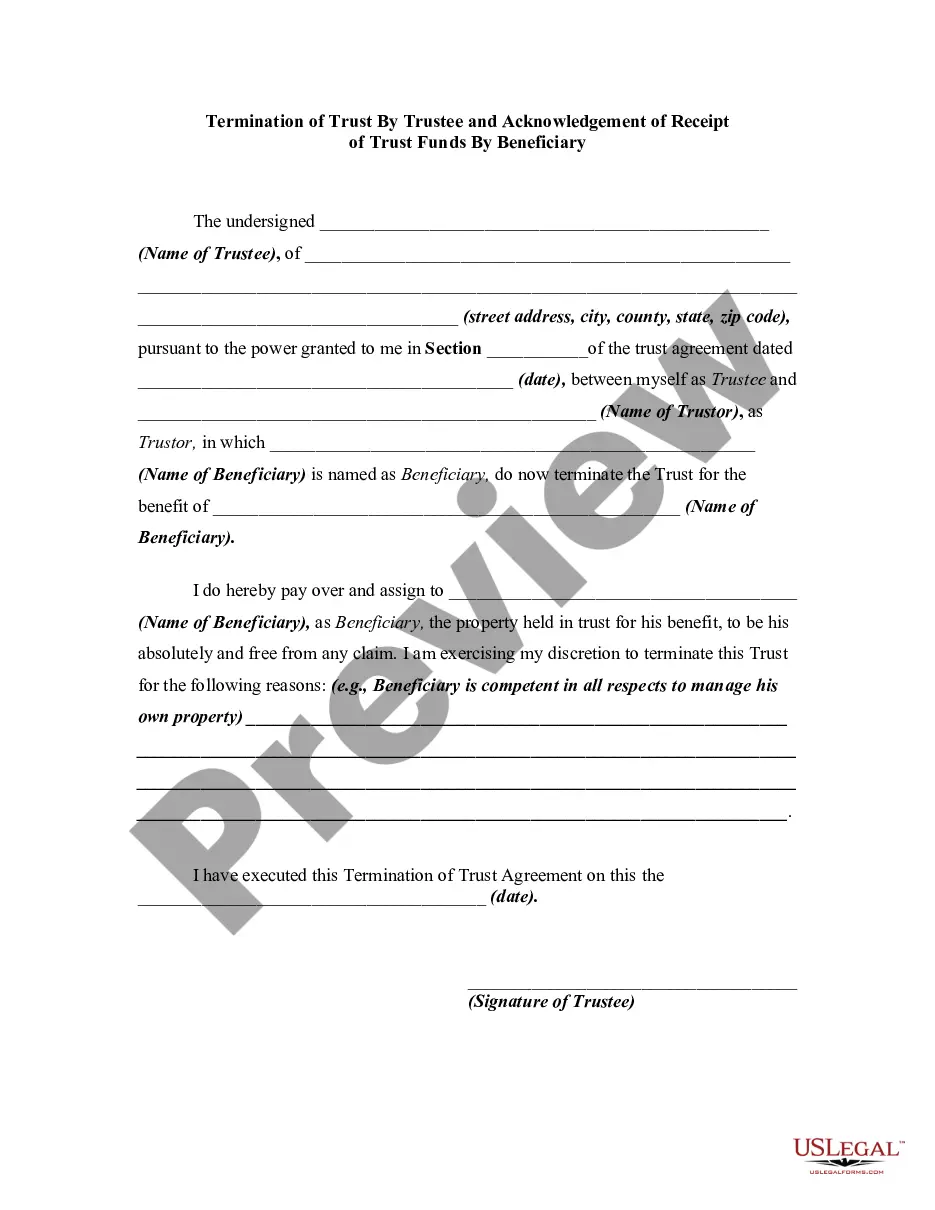
Get your form ready online
Our built-in tools help you complete, sign, share, and store your documents in one place.
Make edits, fill in missing information, and update formatting in US Legal Forms—just like you would in MS Word.
Download a copy, print it, send it by email, or mail it via USPS—whatever works best for your next step.
Sign and collect signatures with our SignNow integration. Send to multiple recipients, set reminders, and more. Go Premium to unlock E-Sign.
If this form requires notarization, complete it online through a secure video call—no need to meet a notary in person or wait for an appointment.
We protect your documents and personal data by following strict security and privacy standards.

Make edits, fill in missing information, and update formatting in US Legal Forms—just like you would in MS Word.

Download a copy, print it, send it by email, or mail it via USPS—whatever works best for your next step.

Sign and collect signatures with our SignNow integration. Send to multiple recipients, set reminders, and more. Go Premium to unlock E-Sign.

If this form requires notarization, complete it online through a secure video call—no need to meet a notary in person or wait for an appointment.

We protect your documents and personal data by following strict security and privacy standards.
Looking for another form?

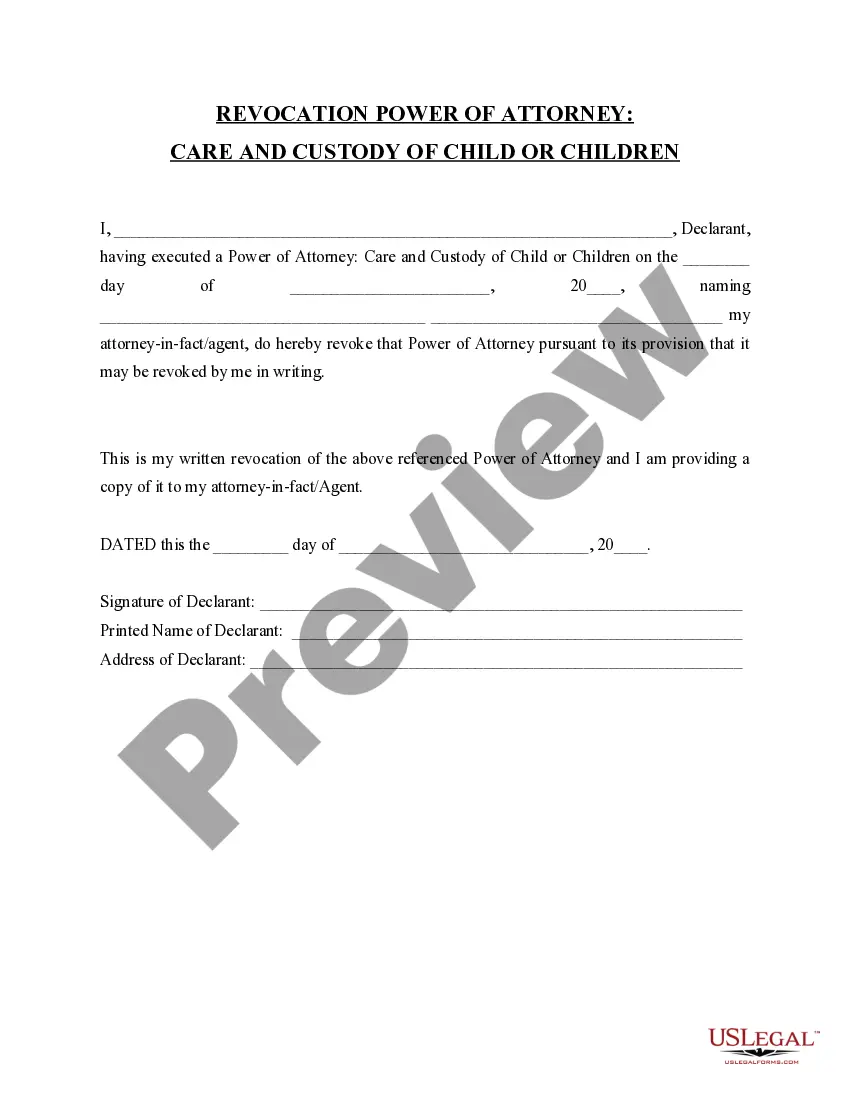
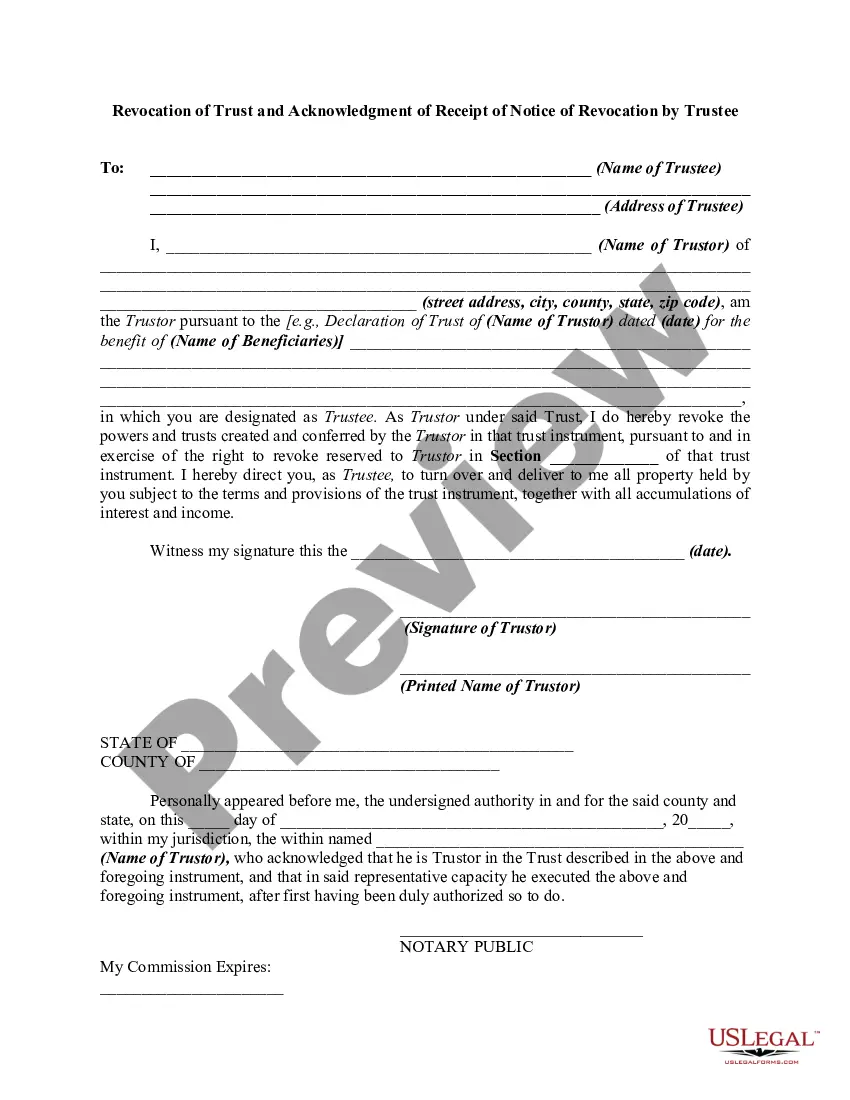
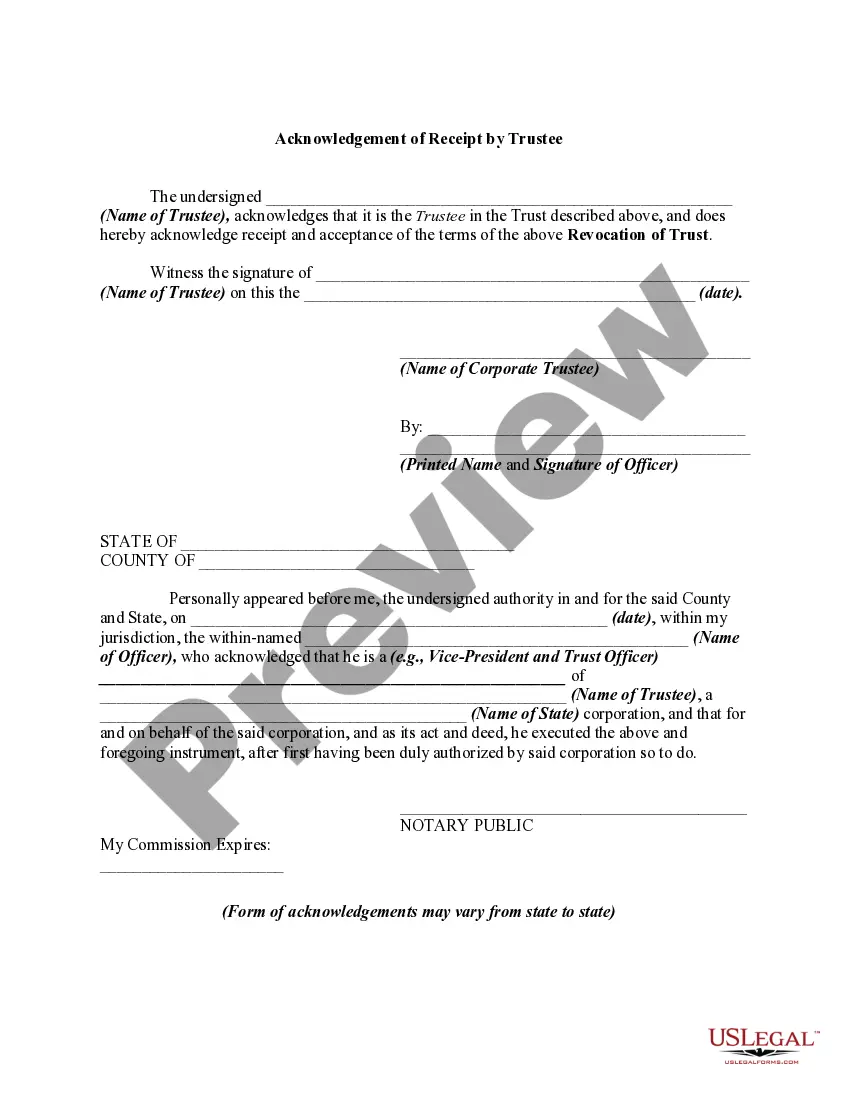
How to fill out Revocation Of Trust And Acknowledgment Of Receipt Of Notice Of Revocation By Trustee?
- If you're a returning user, log in to access your account and download the required form by clicking the Download button. Ensure your subscription is active, and if it’s expired, renew it according to your plan.
- For first-time users, begin by exploring the Preview mode and the detailed descriptions of forms. Confirm that the selected document meets your specific requirements and complies with local jurisdiction laws.
- If necessary, use the Search tab to look for additional templates that might better suit your needs. Once you identify the correct one, you can proceed.
- To acquire the document, click the Buy Now button, and select your preferred subscription plan. You will need to create an account to gain access to the library.
- Complete your purchase by providing your payment details through a credit card or PayPal.
- Finally, download the template to your device for easy access and completion. You can also find it later under the My Forms section of your profile.
In conclusion, using US Legal Forms for your revocation trust ensures that you can efficiently manage your legal documentation. With access to a vast collection of forms and expert assistance, you can navigate legal processes with confidence.
Start your journey towards hassle-free legal compliance today by signing up for US Legal Forms!
Form popularity
FAQ
Suze Orman, a well-known financial advisor, emphasizes the importance of a revocable trust in estate planning. She advocates for its flexibility, as it allows individuals to maintain control of their assets while also preparing for the future. According to Orman, a revocation trust can simplify the transfer of assets and minimize potential disputes among heirs. Her insights can guide you in making smart decisions about your estate planning strategy.
A revocable trust, while beneficial, does have some downsides to consider. One key issue is that it does not provide asset protection from creditors or legal judgments. Furthermore, creating and maintaining a revocation trust involves legal fees and administrative tasks, which can be viewed as burdensome by some. Evaluating these aspects can help you determine if a revocable trust fits your needs.
While putting your house in a revocable trust can have benefits, it also comes with potential downsides. One disadvantage is that transferring ownership can complicate mortgage arrangements or home equity loans. Additionally, homeowners must consider ongoing management responsibilities associated with the trust. It's essential to weigh these factors when deciding how to handle your property in a revocation trust.
Not all assets are suitable for a revocable trust. Items such as retirement accounts, life insurance policies, and certain types of jointly owned property may not be ideal to include. This is often because these assets have designated beneficiaries that supersede the trust arrangement. Assessing your assets carefully with uslegalforms can help you make informed decisions on what to include in your revocation trust.
A revocable trust serves as a flexible estate planning tool that allows you to maintain control over your assets during your lifetime. It enables you to designate how your assets will be distributed after your death, while also helping to avoid the probate process. Many people choose a revocation trust to simplify the transition of their estate and ensure their wishes are honored. It offers peace of mind by keeping your affairs organized.
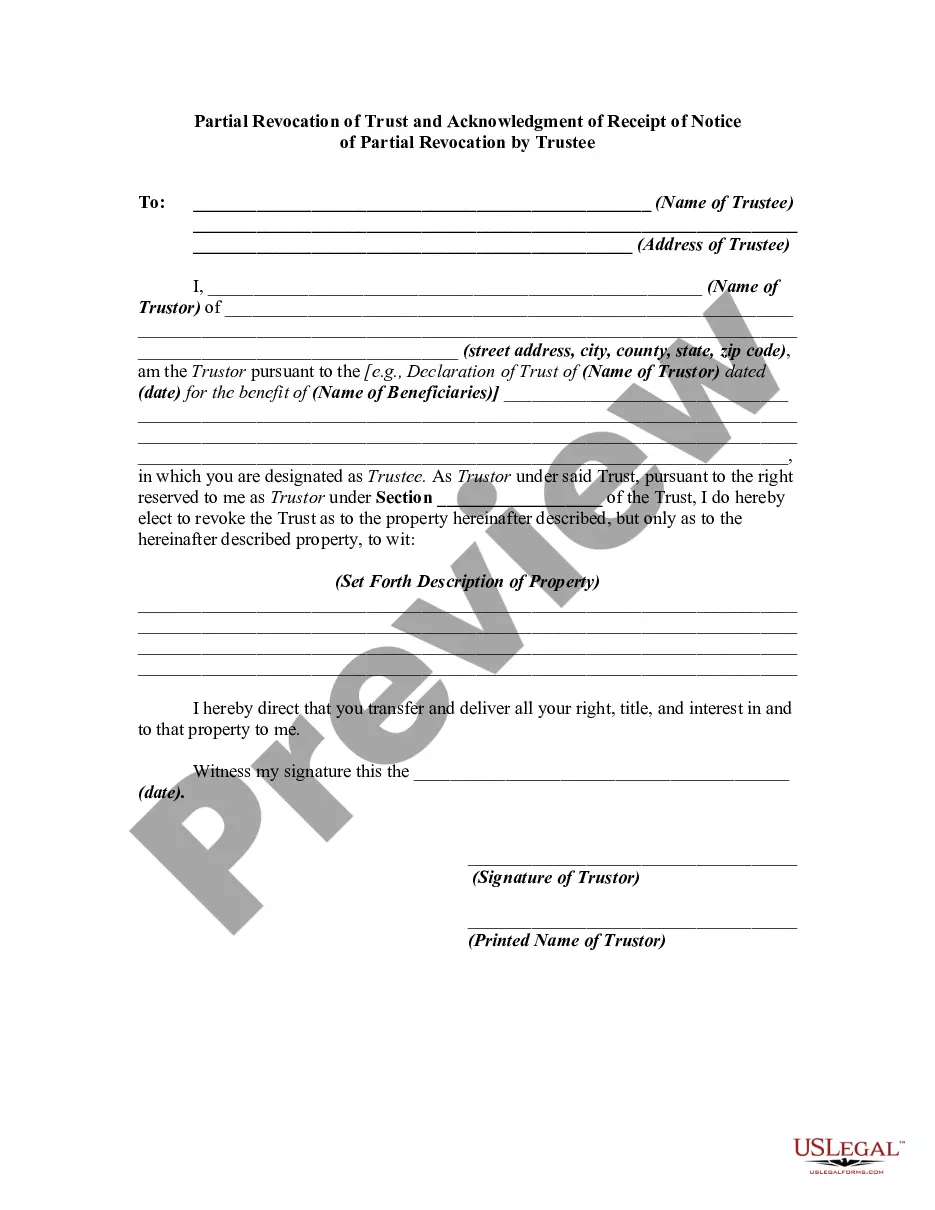
Revocation of trust refers to the process of canceling a revocable trust. When you revoke a trust, the assets in it are returned to you, and the trust no longer holds any authority. This action is often taken when changes in circumstances arise, such as the need for a different estate planning strategy. Understanding how revocation trust works can help you manage your estate effectively.
A nursing home can potentially access funds in a revocable trust if a court determines you need financial assistance. However, since the trust is revocable, the assets are typically considered part of your estate. Proper planning, including strategies offered through resources like US Legal Forms, can help protect your assets from such situations.
Yes, you can disinherit someone from a trust. To do this effectively, specific language must be included in the trust document to indicate your intent clearly. This step ensures that your wishes are honored and legally documented. Working with services such as US Legal Forms can aid in drafting precise language for disinheritance.
Revoking a revocable trust is generally straightforward, as it can be done at any time by the grantor. Usually, it requires a written notice or a formal revocation document. However, it’s important that all involved parties are informed of this decision. US Legal Forms offers resources to ensure a smooth revocation process.
The revocation clause in a trust allows the grantor to terminate the trust at any time. This clause grants flexibility, enabling the grantor to reclaim assets if circumstances change. It's a vital feature of revocable trusts, ensuring that the trust remains adaptable to your needs. Always keep this clause in mind when drafting your trust.