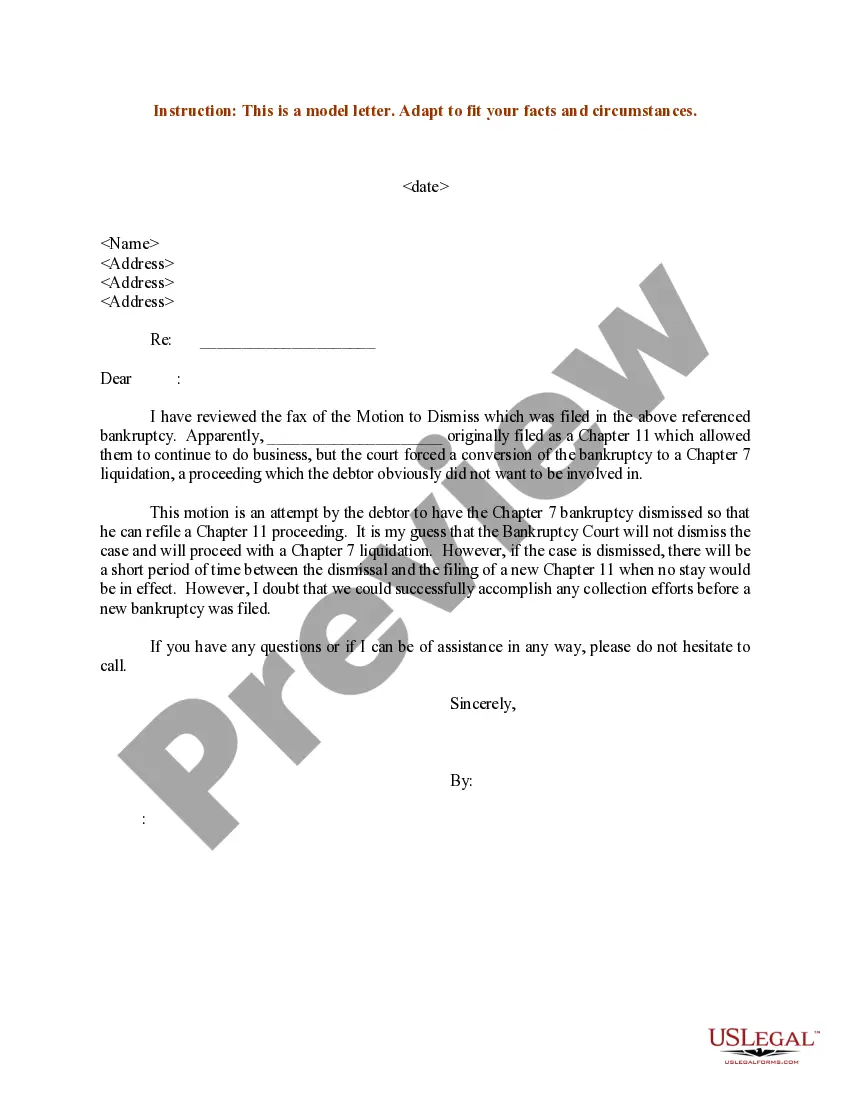
Bankruptcy Dismissal Letter Without Court
Description
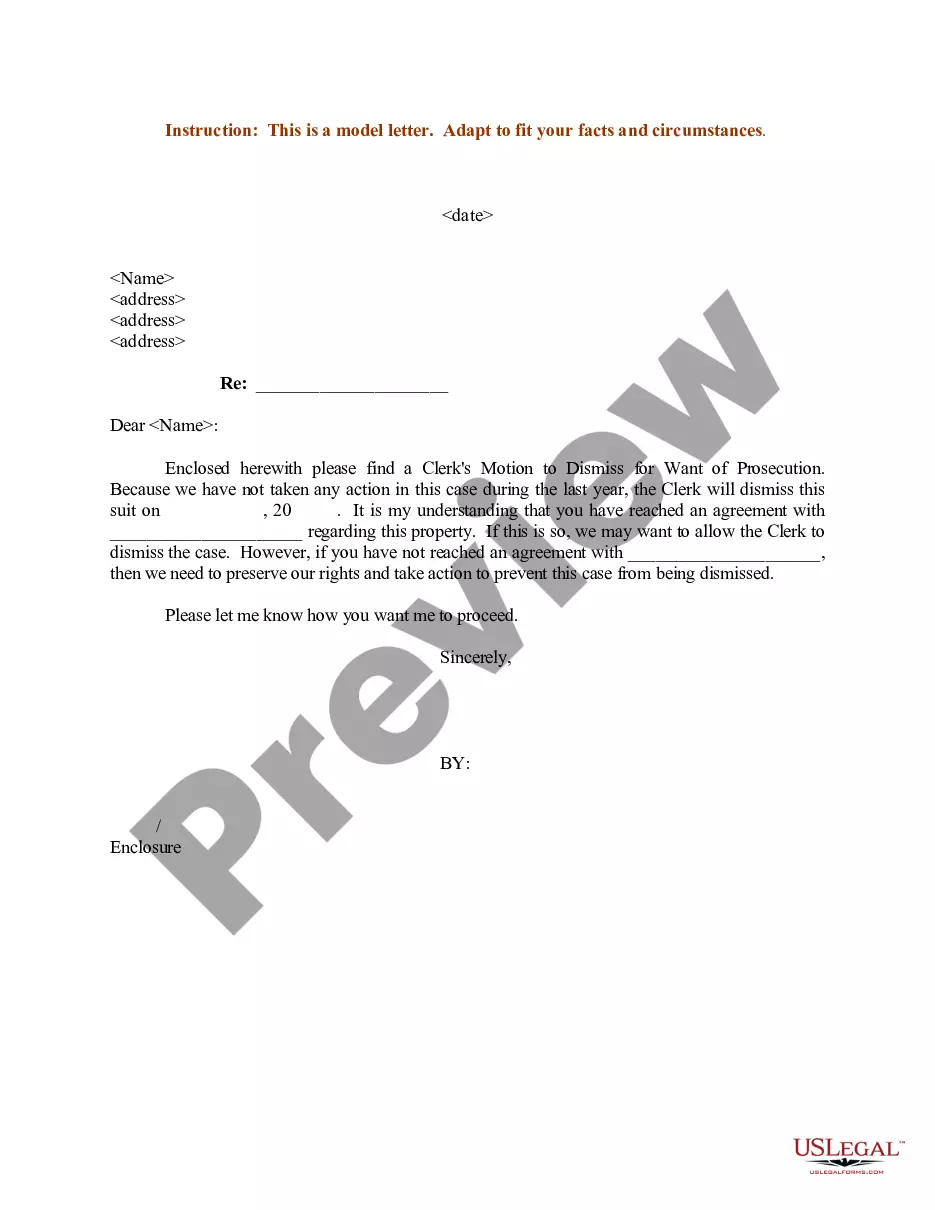
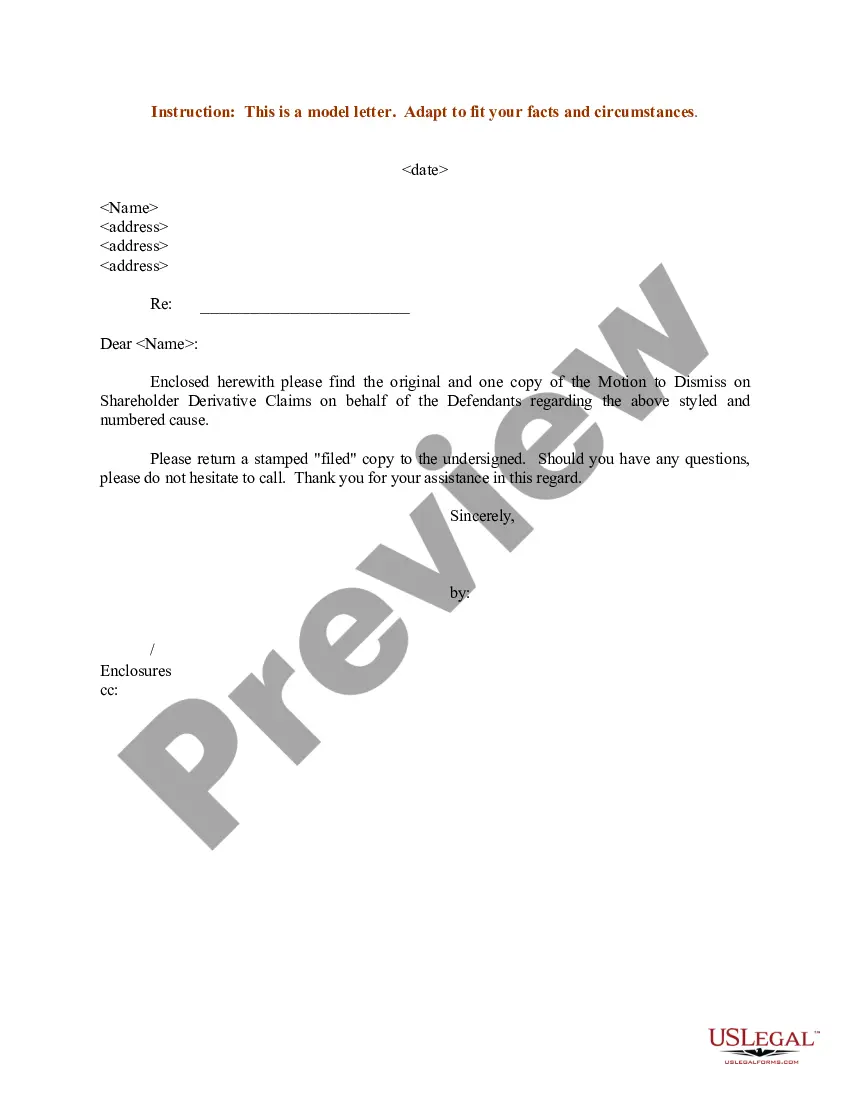
Get your form ready online
Our built-in tools help you complete, sign, share, and store your documents in one place.
Make edits, fill in missing information, and update formatting in US Legal Forms—just like you would in MS Word.
Download a copy, print it, send it by email, or mail it via USPS—whatever works best for your next step.
Sign and collect signatures with our SignNow integration. Send to multiple recipients, set reminders, and more. Go Premium to unlock E-Sign.
If this form requires notarization, complete it online through a secure video call—no need to meet a notary in person or wait for an appointment.
We protect your documents and personal data by following strict security and privacy standards.

Make edits, fill in missing information, and update formatting in US Legal Forms—just like you would in MS Word.

Download a copy, print it, send it by email, or mail it via USPS—whatever works best for your next step.

Sign and collect signatures with our SignNow integration. Send to multiple recipients, set reminders, and more. Go Premium to unlock E-Sign.

If this form requires notarization, complete it online through a secure video call—no need to meet a notary in person or wait for an appointment.

We protect your documents and personal data by following strict security and privacy standards.
Looking for another form?
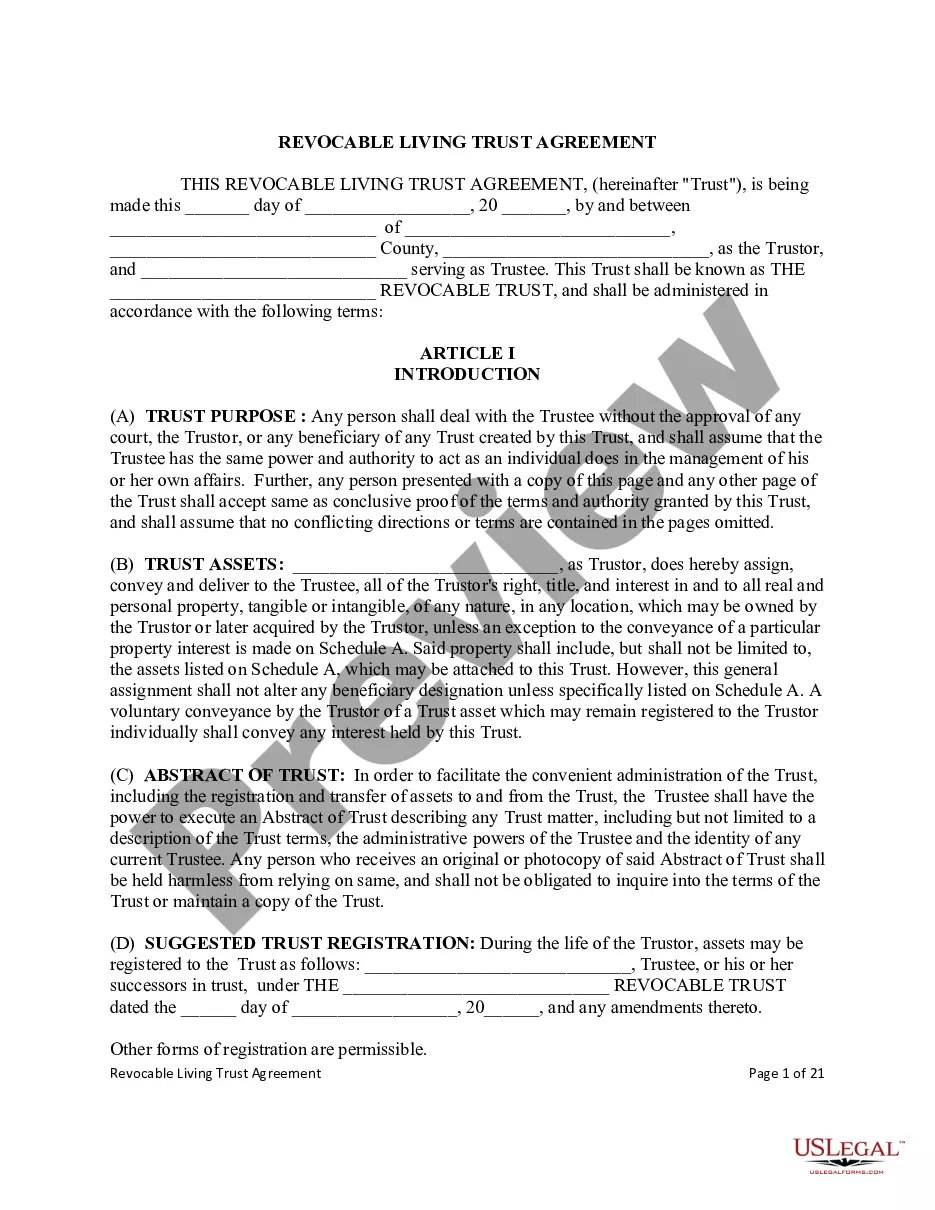
How to fill out Sample Letter For Motion To Dismiss In Referenced Bankruptcy?
Acquiring legal documents that adhere to federal and local laws is essential, and the web provides numerous choices to select from.
However, what is the advantage of spending time looking for the properly structured Bankruptcy Dismissal Letter Without Court template online when the US Legal Forms online repository already contains such documents consolidated in one location.
US Legal Forms is the largest online legal repository with over 85,000 editable templates created by attorneys for any professional and personal situation.
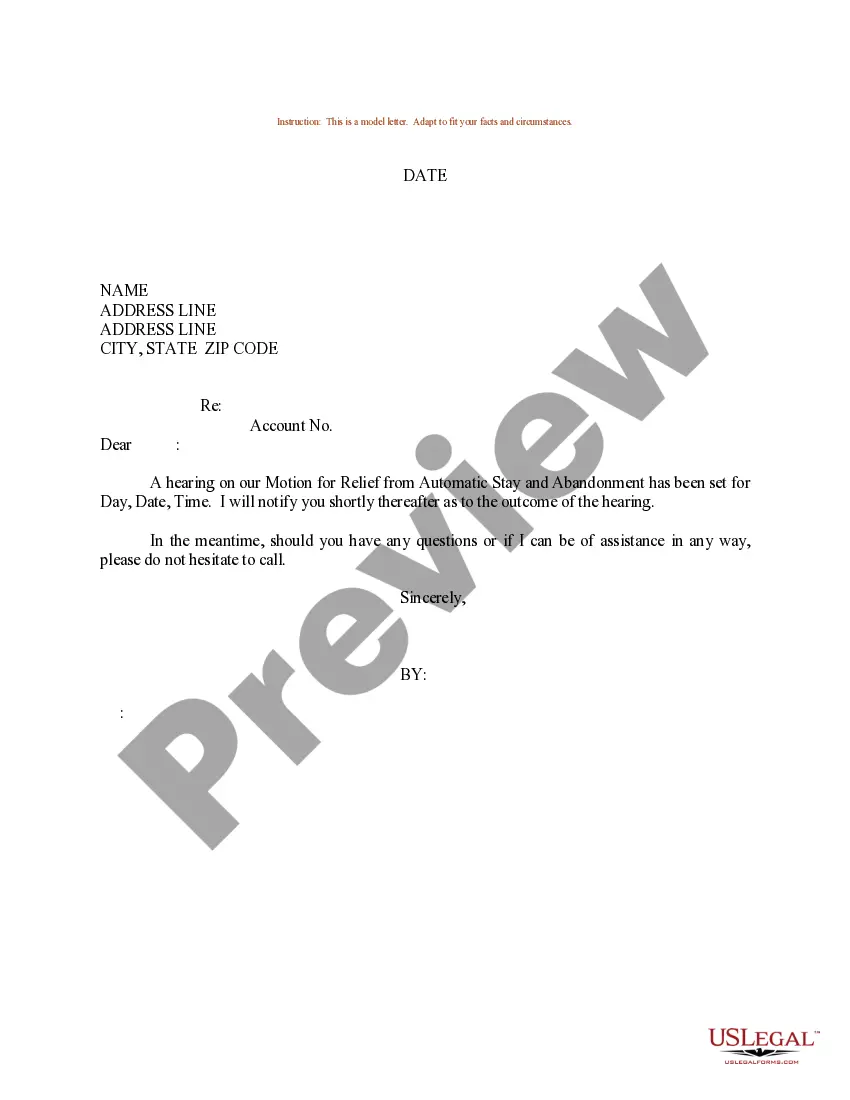
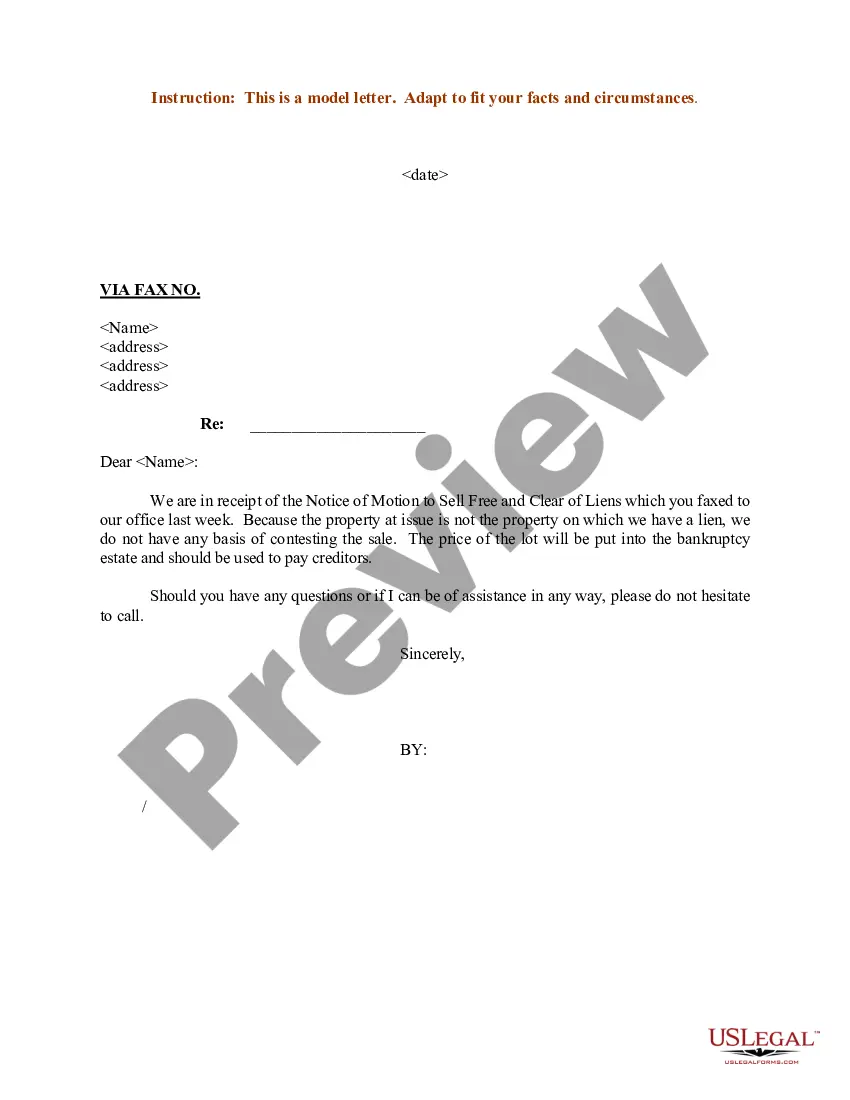
Examine the template using the Preview feature or through the text description to verify it fulfills your requirements.
- They are easy to navigate, with all documents categorized by state and intended use.
- Our specialists stay updated with legal modifications, ensuring your documents are current and compliant when obtaining a Bankruptcy Dismissal Letter Without Court from our platform.
- Acquiring a Bankruptcy Dismissal Letter Without Court is straightforward and quick for both existing and new users.
- If you already possess an account with an active subscription, Log In and save the document template you need in your preferred format.
- If you are new to our site, follow the steps below.
Form popularity
FAQ
Key Elements to Include in the Letter A bankruptcy letter should be clear and concise and provide all the necessary information. It should include the name and contact information of the debtor, the date of the filing, the court where the bankruptcy was filed, the case number, and the type of bankruptcy filed.
If your bankruptcy is legitimate, you will not be able to legitimately dispute it. In this case, your only option is to wait until the credit bureau removes it after the standard seven to ten years. If the bankruptcy is not removed after that time, you can file a dispute to have it removed.
A bankruptcy discharge releases the debtor from personal liability for certain specified types of debts. In other words, the debtor is no longer legally required to pay any debts that are discharged.
In most bankruptcy cases, shortly after the final discharge order is entered by the court, the case is closed. However, this is not always the case. In some Chapter 7 bankruptcy cases, the case may remain open for months, or even years, after the discharge has been granted.
Fraud. A court might disqualify you from the bankruptcy process if they believe you attempted to defraud your creditors. This also applies to situations where debtors attempt to hide their assets.